CITY HISTORY & DEVELOPMENT
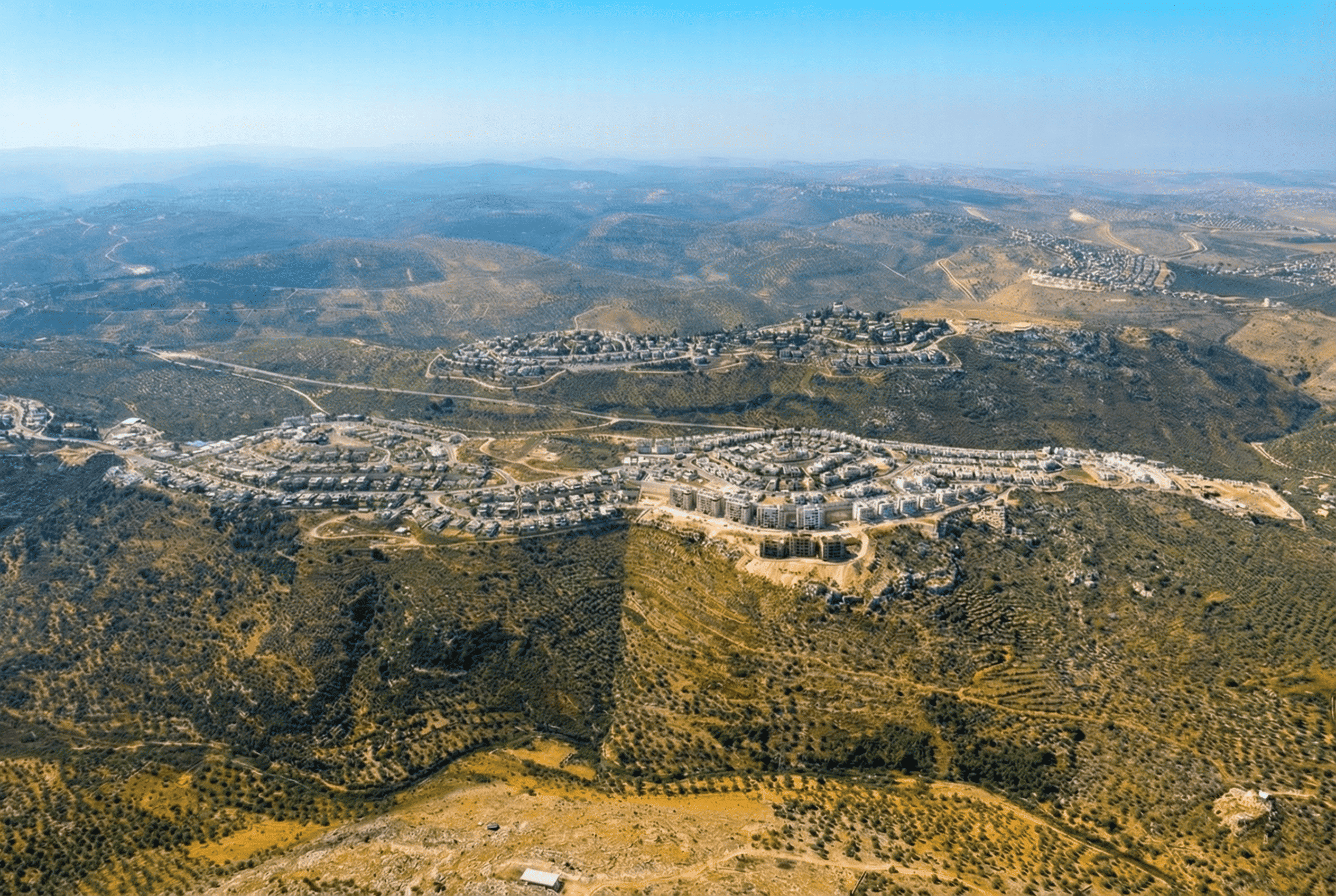
Hashmonaim, established on July 7, 1988, is an Israeli settlement located in the western section of the West Bank, off Route 443. Situated approximately two kilometers east of Modi'in-Maccabim-Re'ut, it falls under the jurisdiction of the Mateh Binyamin Regional Council. The community was founded in a region historically associated with the Hasmoneans, from whom it derives its name.
DEMOGRAPHICS & FAMILY LIFESTYLE
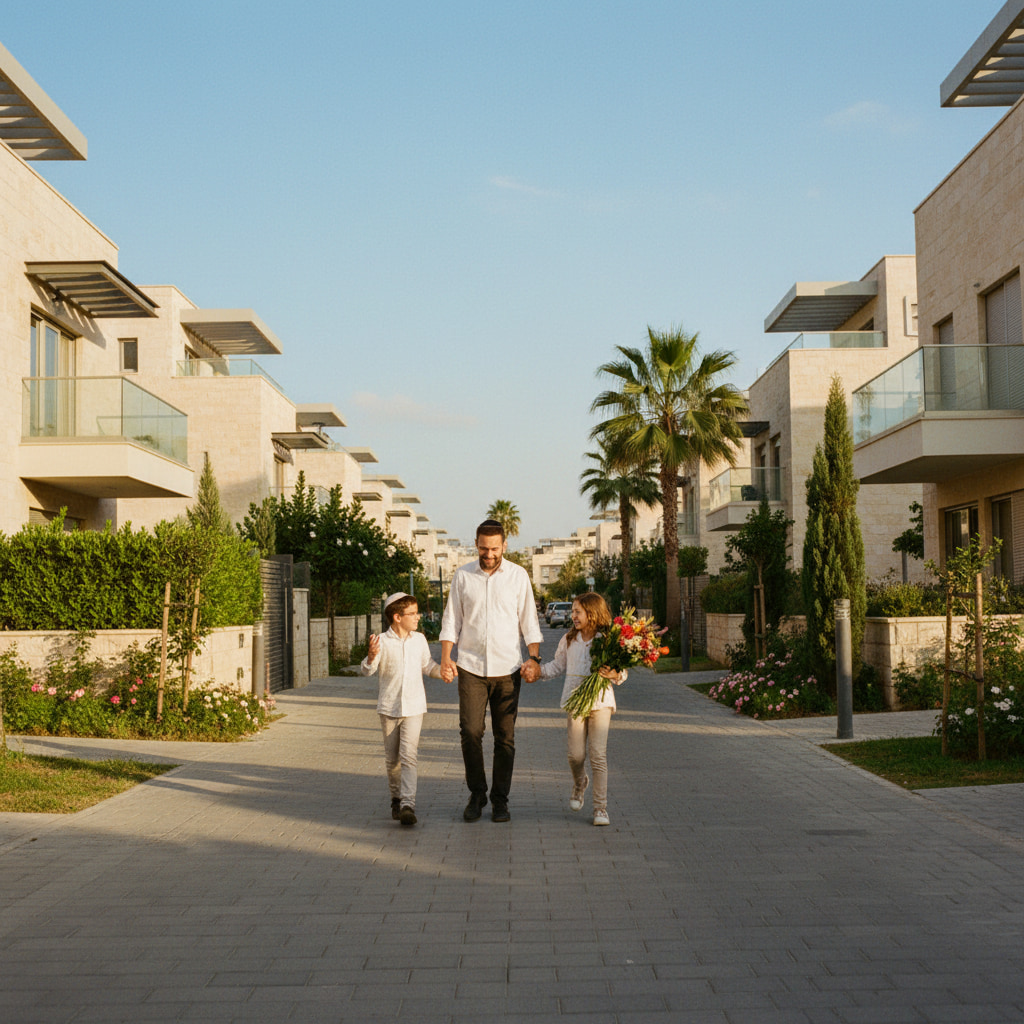
Hashmonaim is a Modern Orthodox community comprising over 600 families. A significant portion of the residents are English-speaking olim, primarily from North America. The community is characterized by a family-friendly environment, with many young married couples choosing to remain in the area. The age range of adults is predominantly in their late 30s to early 40s, contributing to a lifestyle.
REAL ESTATE MARKET OVERVIEW
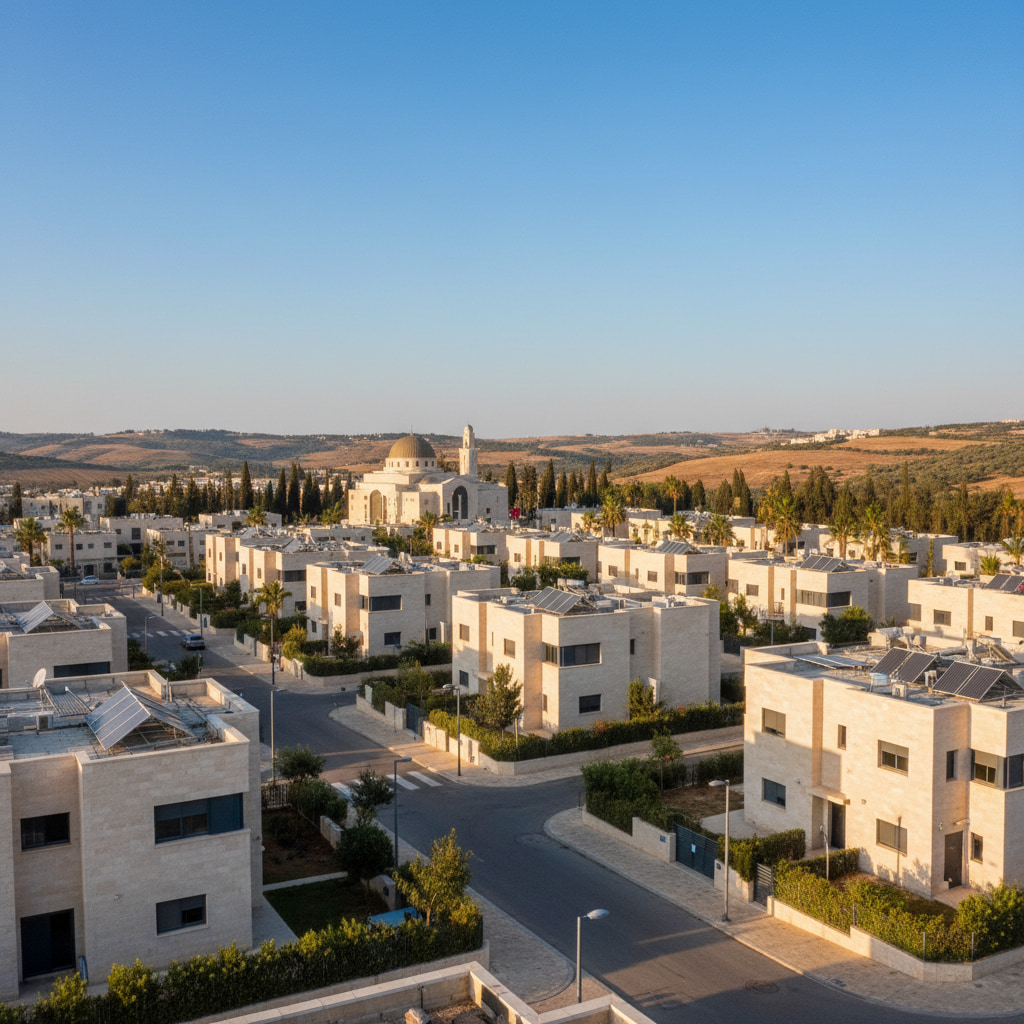
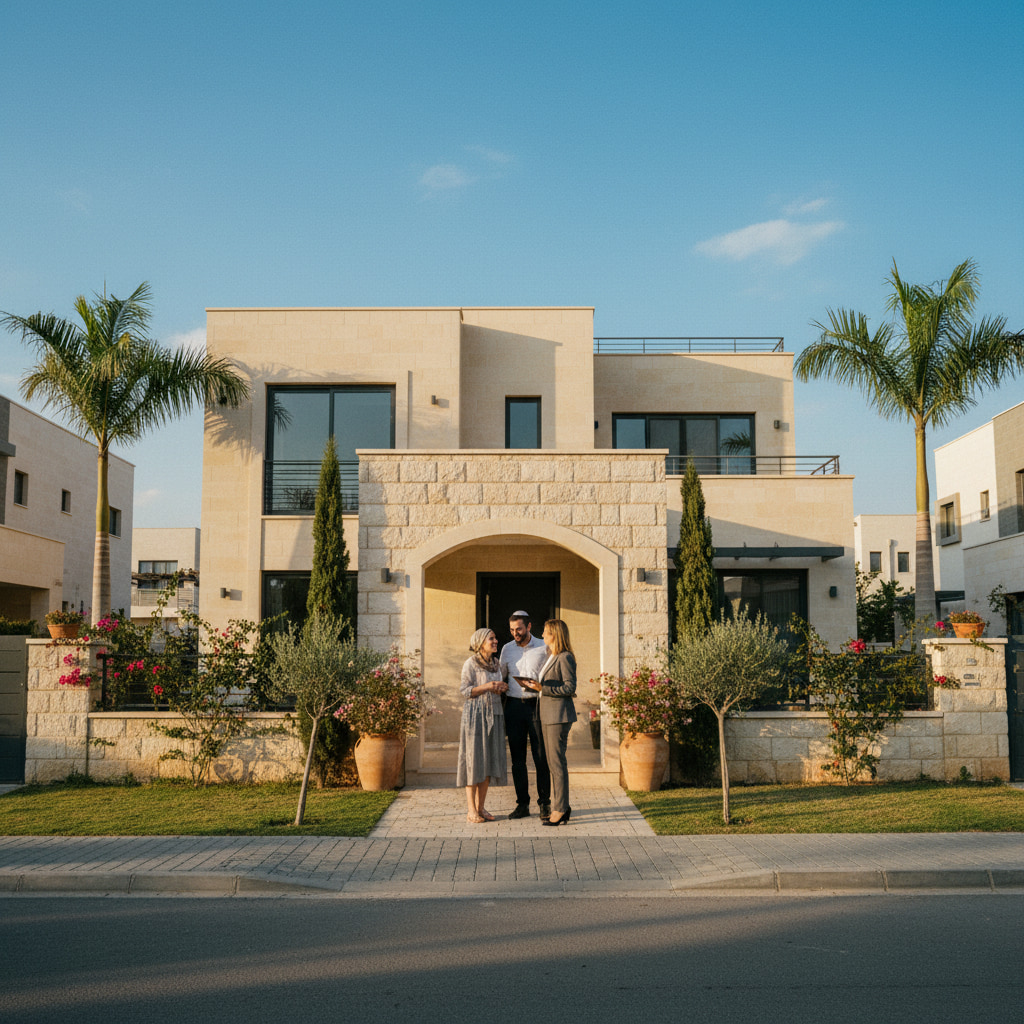
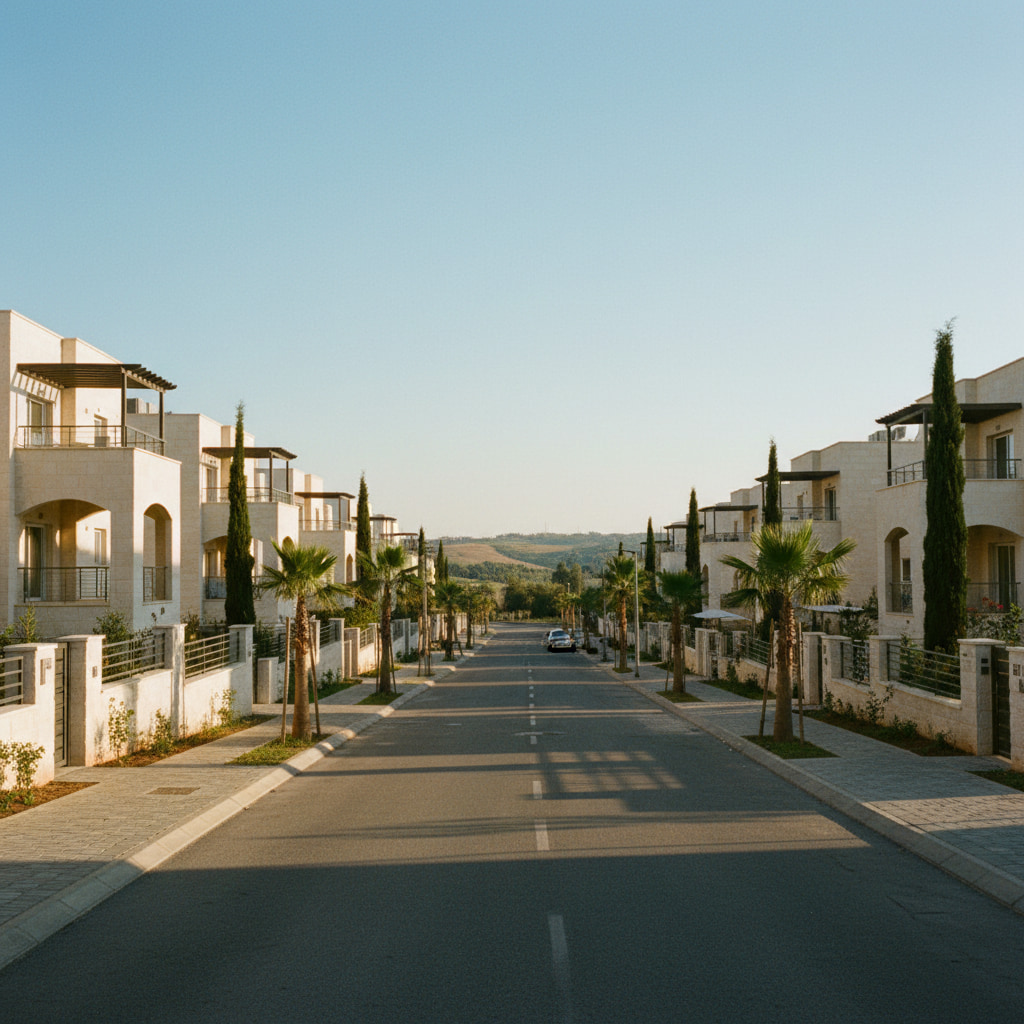
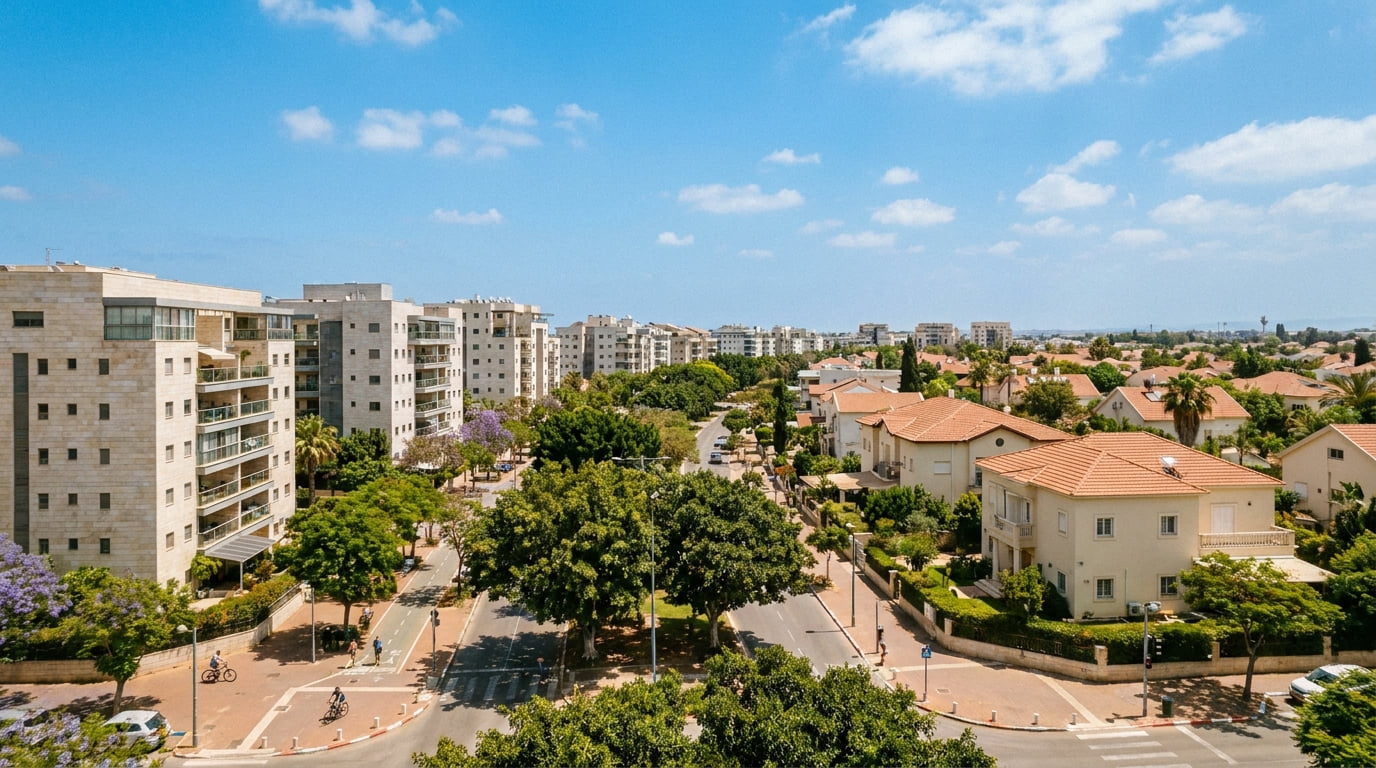
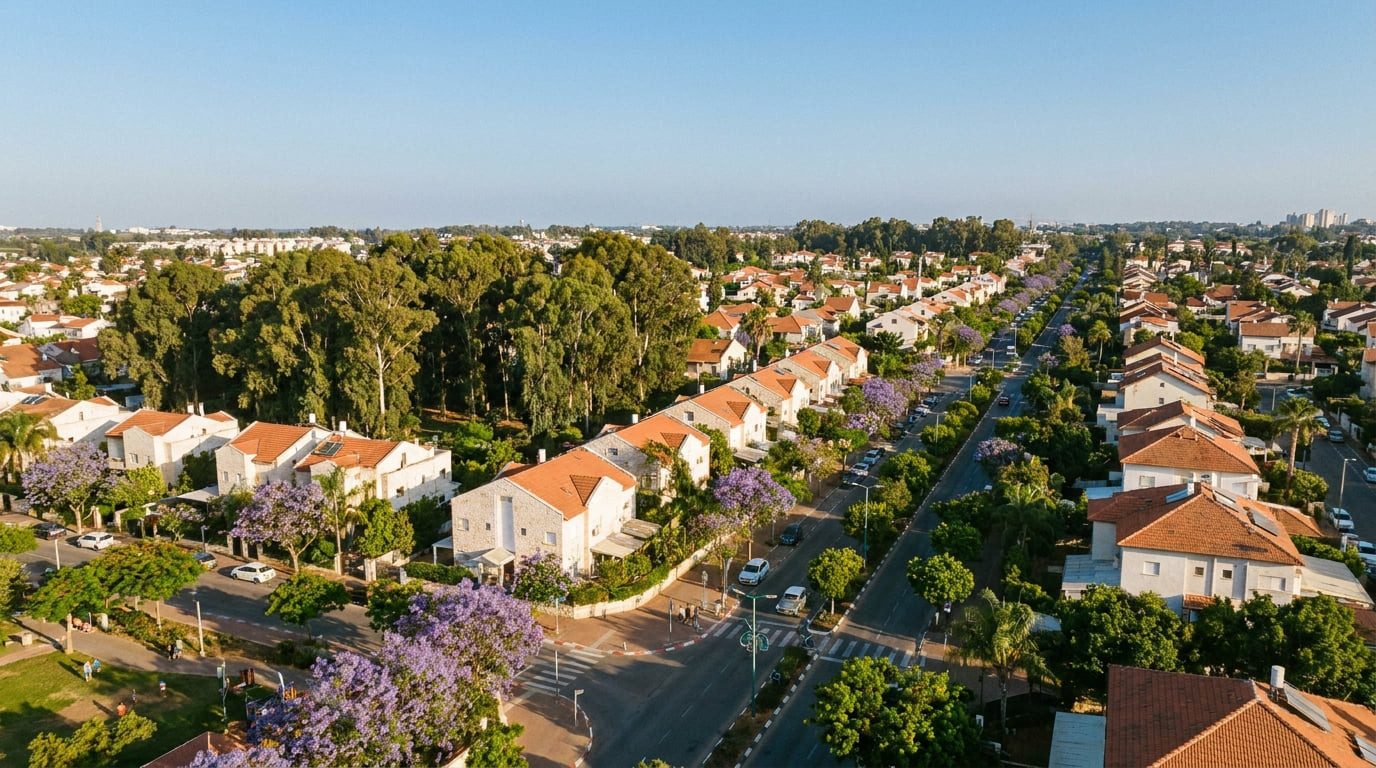
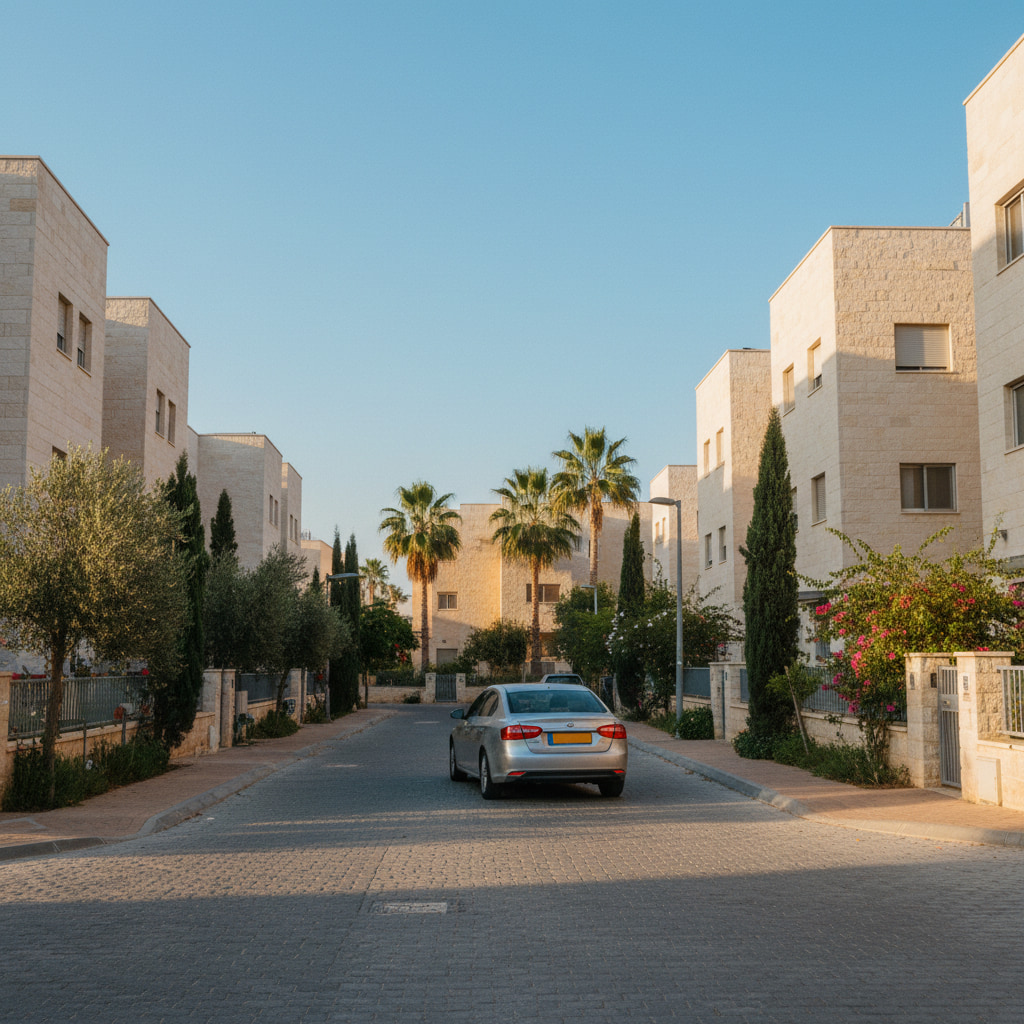
Hashmonaim's real estate market features a variety of housing options, including single-family homes, semi-detached houses, and garden apartments. Properties often range from approximately 200 to over 300 square meters, with some homes offering additional rental units or separate cottages. Many residences are constructed with Jerusalem stone exteriors, reflecting traditional architectural styles. The community's development has been ongoing since its establishment in 1988, resulting in a blend of older and newer constructions. The demand for housing in Hashmonaim is driven by its Modern Orthodox character and proximity to major cities like Tel Aviv and Jerusalem. The presence of a substantial English-speaking population, primarily olim from North America, adds to its appeal. Properties in Hashmonaim are considered upscale, with prices reflecting the community's desirability and central location. The market is active, with a range of properties available, from vacant lots ready for construction to fully renovated homes. Hashmonaim is organized into distinct neighborhoods, each with its own character. The settlement includes areas such as Ramat Modi'in and Ganei Modi'in, offering a variety of housing styles and community amenities. The layout promotes a suburban atmosphere with green spaces and family-friendly environments.
NEW CONSTRUCTION PROJECTS
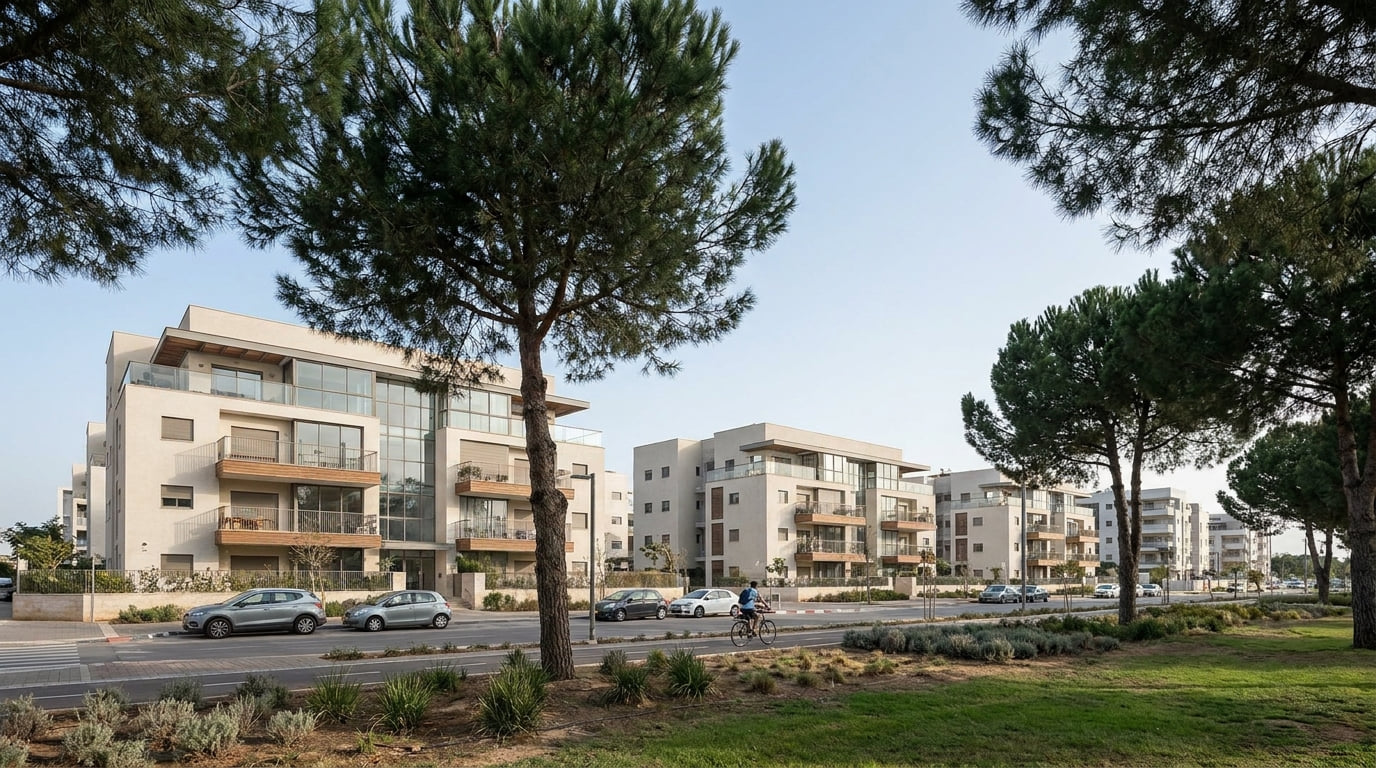
Hashmonaim is experiencing significant residential development to accommodate its growing population. The Pisgat Hashmonaim project offers a range of housing options, including semi-detached houses, terraced boutique buildings, garden apartments, and rooftop apartments. This development is situated near educational institutions, shopping centers, and community facilities, enhancing the quality of life for residents. Additionally, the Ramat Hashmonaim project features 48 luxury apartments and semi-detached homes, with plans for a synagogue, kindergartens, and a playground within the neighborhood. In December 2025, approval was granted for 478 new housing units in Hashmonaim, further contributing to the community's expansion.
TRANSPORTATION & ACCESSIBILITY
Hashmonaim's strategic location offers convenient access to major urban centers. Situated approximately 30 minutes by car from both Jerusalem and Tel Aviv, residents can easily commute to these cities. The community is accessible via Route 443, a key highway connecting the area to broader regions. Public transportation options include bus services operated by companies such as Kavim, with routes connecting Hashmonaim to nearby cities and towns. The planned expansion of Route 446 to four lanes, including additional entrances and connections to Route 443, aims to further improve traffic flow and accessibility for residents.
WHY NEW IMMIGRANTS CHOOSE HASHMONAIM
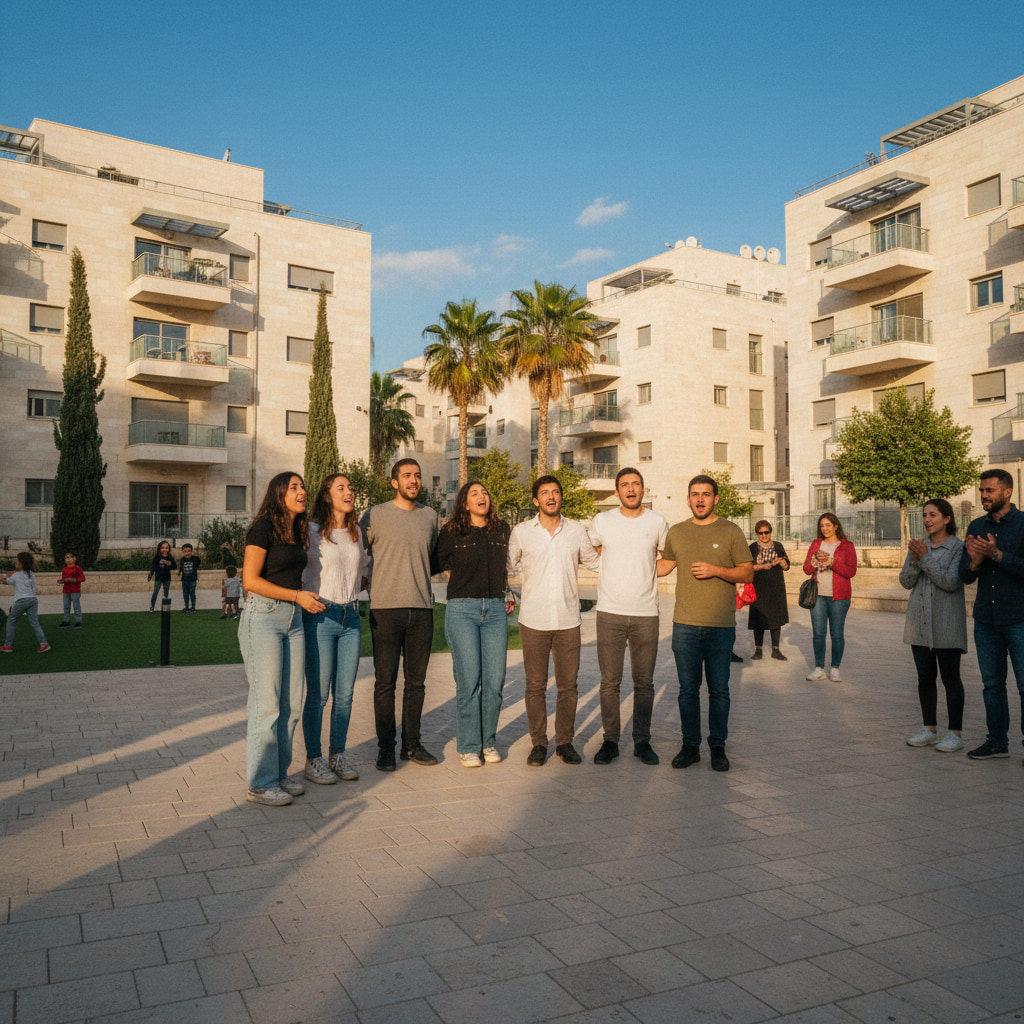
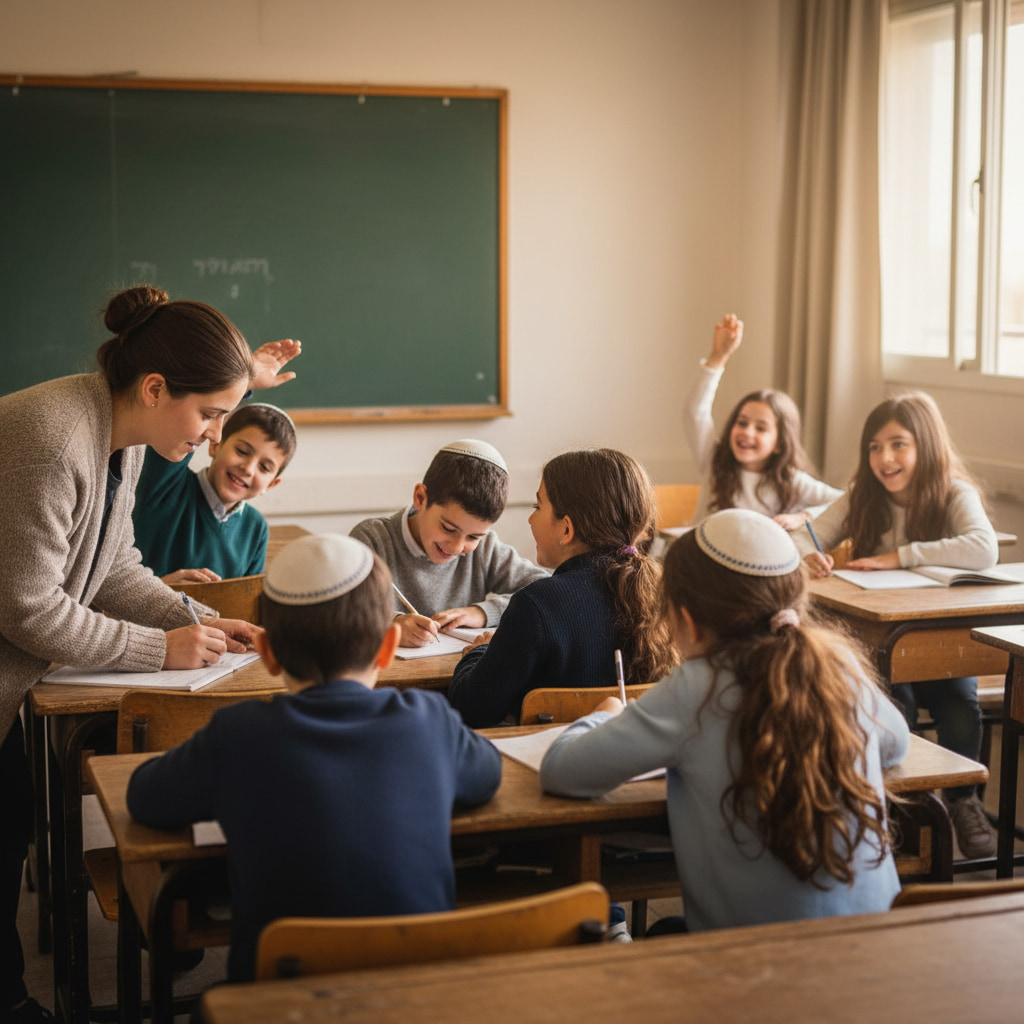
Olim are drawn to Hashmonaim for its warm, close-knit atmosphere and central location. The community offers a supportive environment for families, with a range of educational and recreational facilities. Its proximity to major cities like Jerusalem and Tel Aviv, as well as Ben Gurion Airport, makes it convenient for commuting and travel. The presence of a substantial English-speaking population facilitates easier integration for new immigrants.
- Warm, close-knit community atmosphere
- Central location with easy access to major cities
- Family-friendly environment with educational facilities
- Substantial English-speaking population
- Supportive environment for new immigrants