CITY HISTORY & DEVELOPMENT
Kfar Vitkin, established in 1930 by a group of twenty pioneers, was the first Jewish settlement in the Hefer Valley. Initially, the residents resided in an old stone house, later moving to permanent structures in 1933. The moshav is named after Yosef Vitkin, an educator and leader of the Labour movement. Over the years, it has developed into an agricultural community with approximately 150 farmsteads.
DEMOGRAPHICS & FAMILY LIFESTYLE
The moshav is home to about 1,800 residents, comprising 150 agricultural households and an additional 150 homes in the expansion area. The community is predominantly Jewish, with a balanced age distribution: approximately 29.7% are children aged 0-18, 57.7% are of working age, and 12.6% are 65 and older. Residents engage in various agricultural activities, including dairy farming, flower cultivation, orchards, citrus groves, turkey, and poultry farming.
REAL ESTATE MARKET OVERVIEW
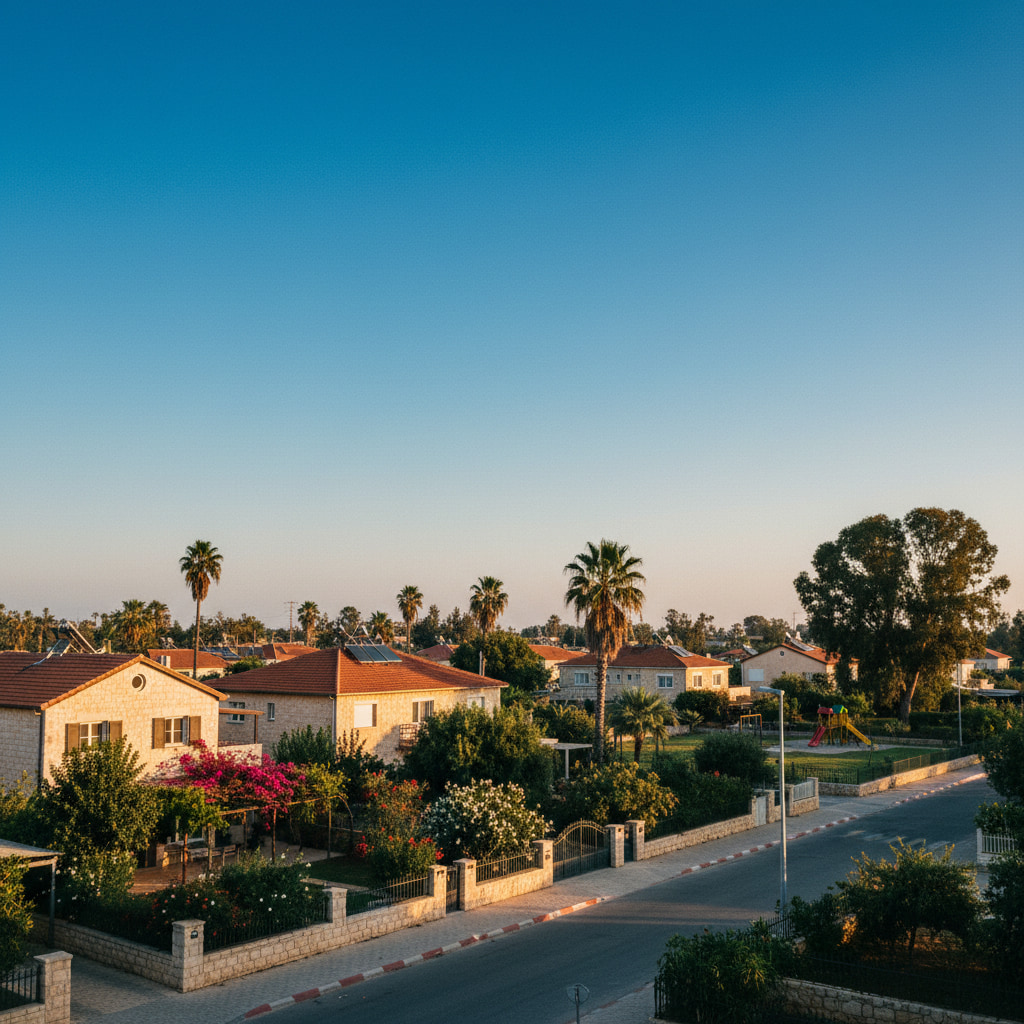
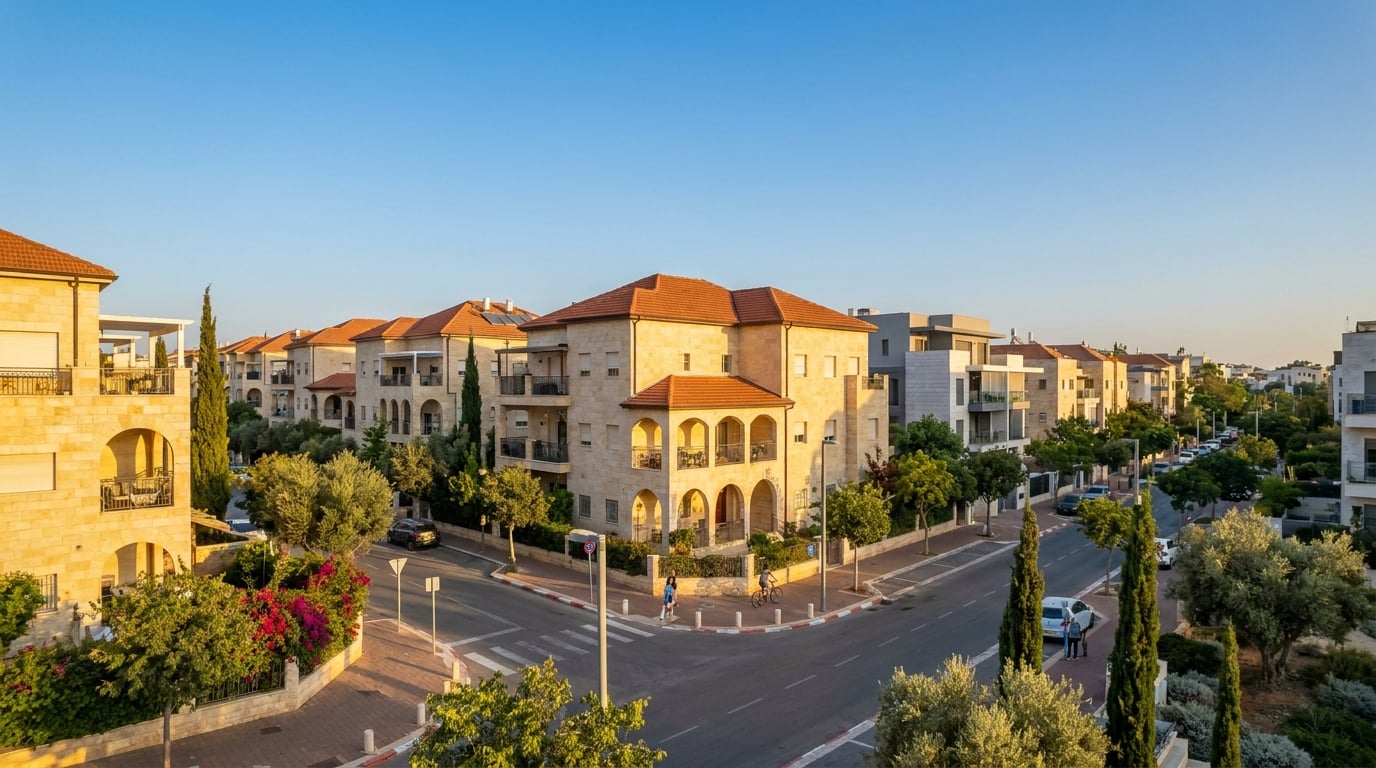
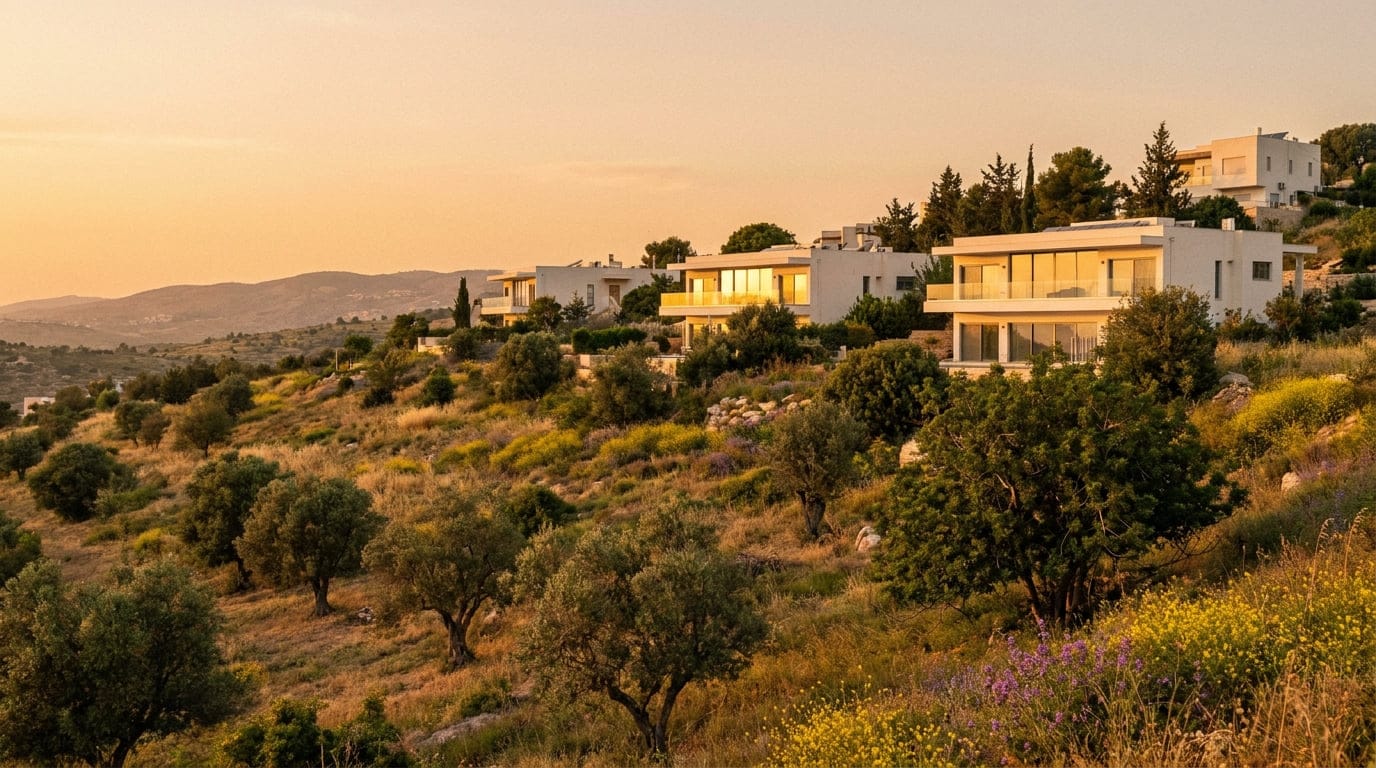
Kfar Vitkin's housing stock primarily consists of single-family homes situated on spacious plots, reflecting its origins as an agricultural moshav. The original farmsteads, established in the early 1930s, have been complemented by an expansion area featuring additional residences. Architectural styles vary, with some homes retaining traditional designs, while others have been modernized or newly constructed to meet contemporary standards.
The real estate market in Kfar Vitkin is characterized by a steady demand, driven by its proximity to Netanya and the appeal of a rural lifestyle within reach of urban amenities. Properties in the moshav tend to attract families and individuals seeking a peaceful environment with a strong community ethos. Market liquidity is moderate, with properties typically remaining on the market for a reasonable duration before sale.
NEIGHBORHOOD BREAKDOWN
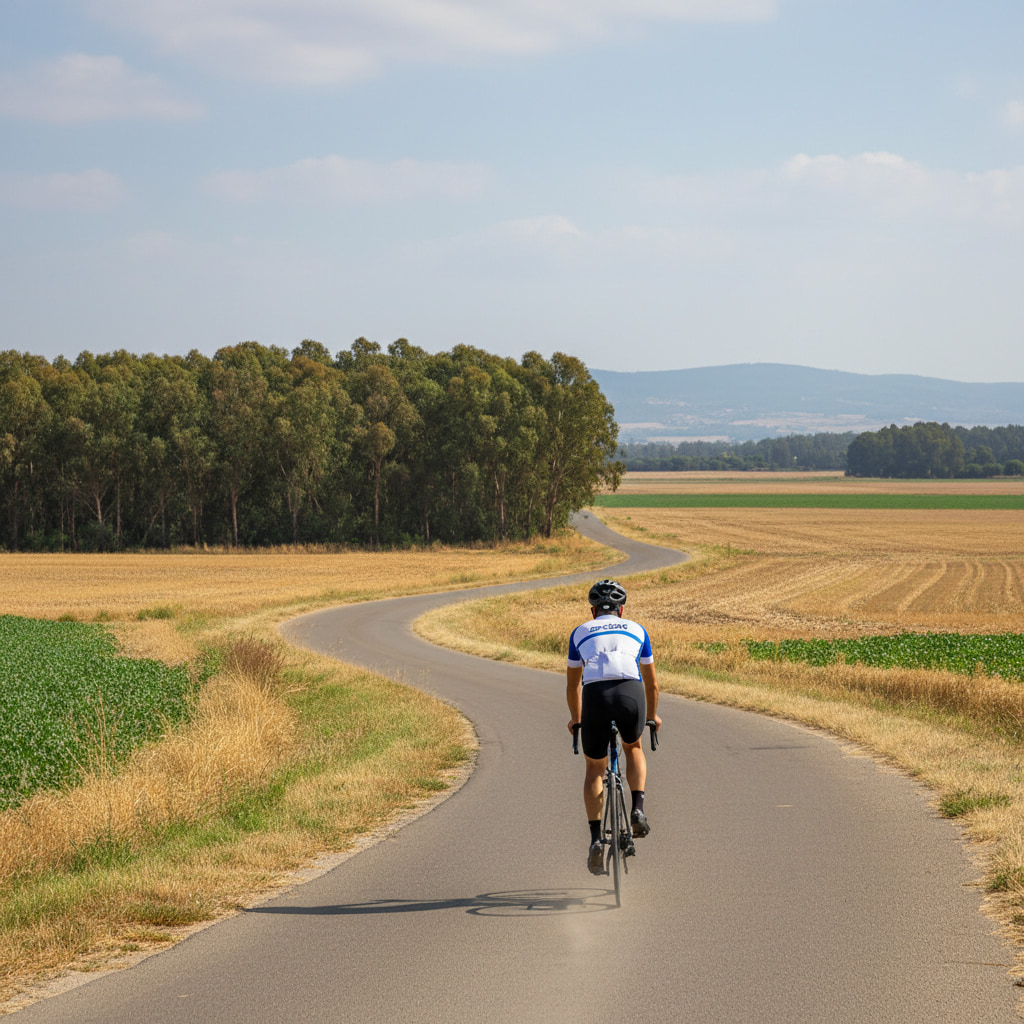
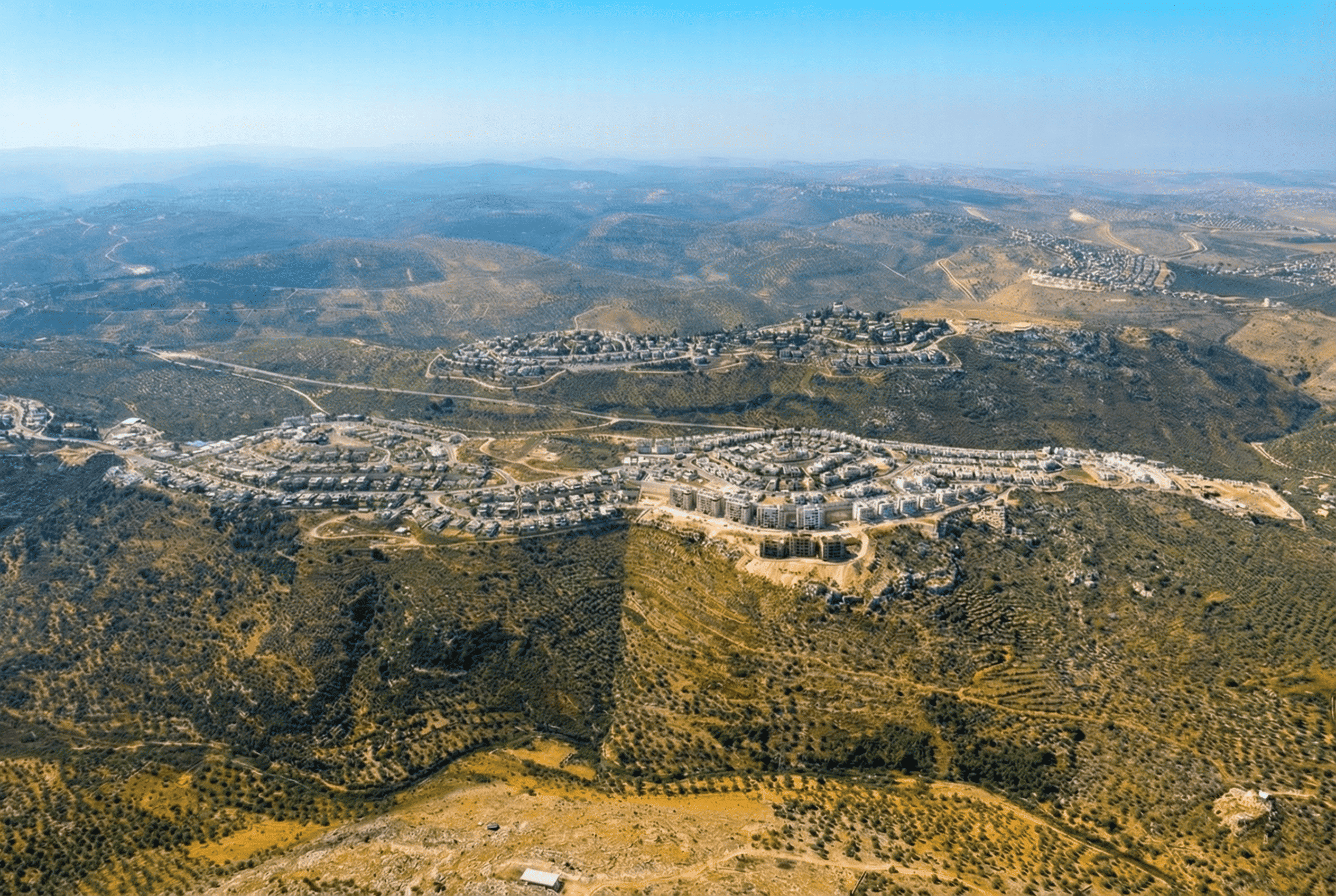
The moshav's layout integrates residential areas with agricultural lands, fostering a close-knit atmosphere among residents. The absence of segmented neighborhoods contributes to the unified character of the community.
NEW CONSTRUCTION PROJECTS
Kfar Vitkin has recently undertaken infrastructure enhancements, including the construction of a substructure for an operational track at the Israel Railways site. This project involved building a 1.1 km operational track west of the existing Tel Aviv–Haifa line, encompassing extensive earthworks, drainage systems, and service roads. Additionally, the moshav has focused on rehabilitating and reconstructing its water tower, applying specialized coatings to ensure durability in the marine environment.
TRANSPORTATION & ACCESSIBILITY
Transportation to and from Kfar Vitkin is facilitated by several bus routes operated by Kavim, connecting the moshav to nearby urban centers. Bus lines 29 and 29A provide service to Netanya, while line 58 connects to Hadera. These routes have stops within walking distance of key locations in Kfar Vitkin, ensuring residents have access to public transportation for commuting and daily activities.
WHY NEW IMMIGRANTS CHOOSE KFAR VITKIN
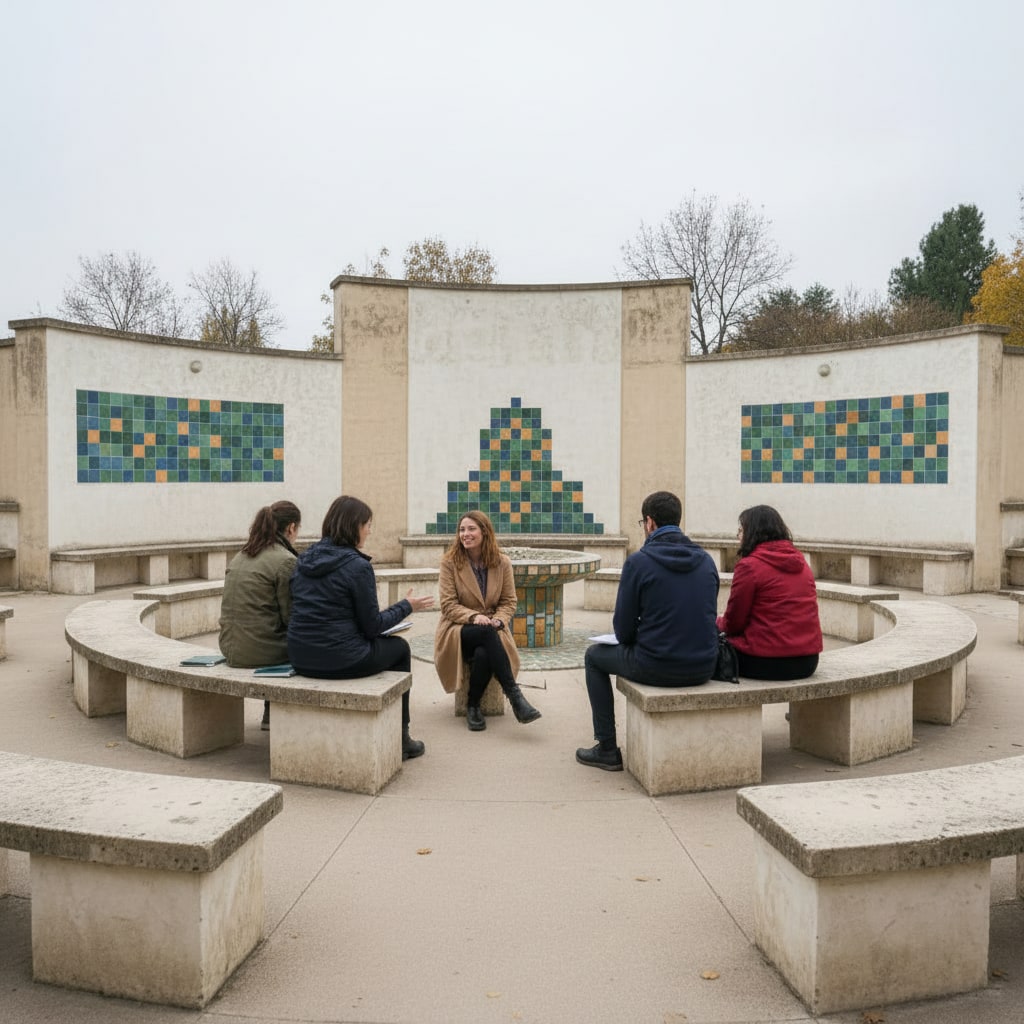
New immigrants are drawn to Kfar Vitkin for its strong sense of community, agricultural lifestyle, and proximity to Netanya. The moshav offers a supportive environment for families, with educational facilities and communal activities. Its location near major urban centers provides access to employment opportunities while maintaining a peaceful rural setting.
- Supportive community with shared resources
- Agricultural employment opportunities
- Proximity to Netanya and other urban centers
- Family-friendly environment with educational facilities
- Peaceful rural setting with modern amenities