CITY HISTORY & DEVELOPMENT
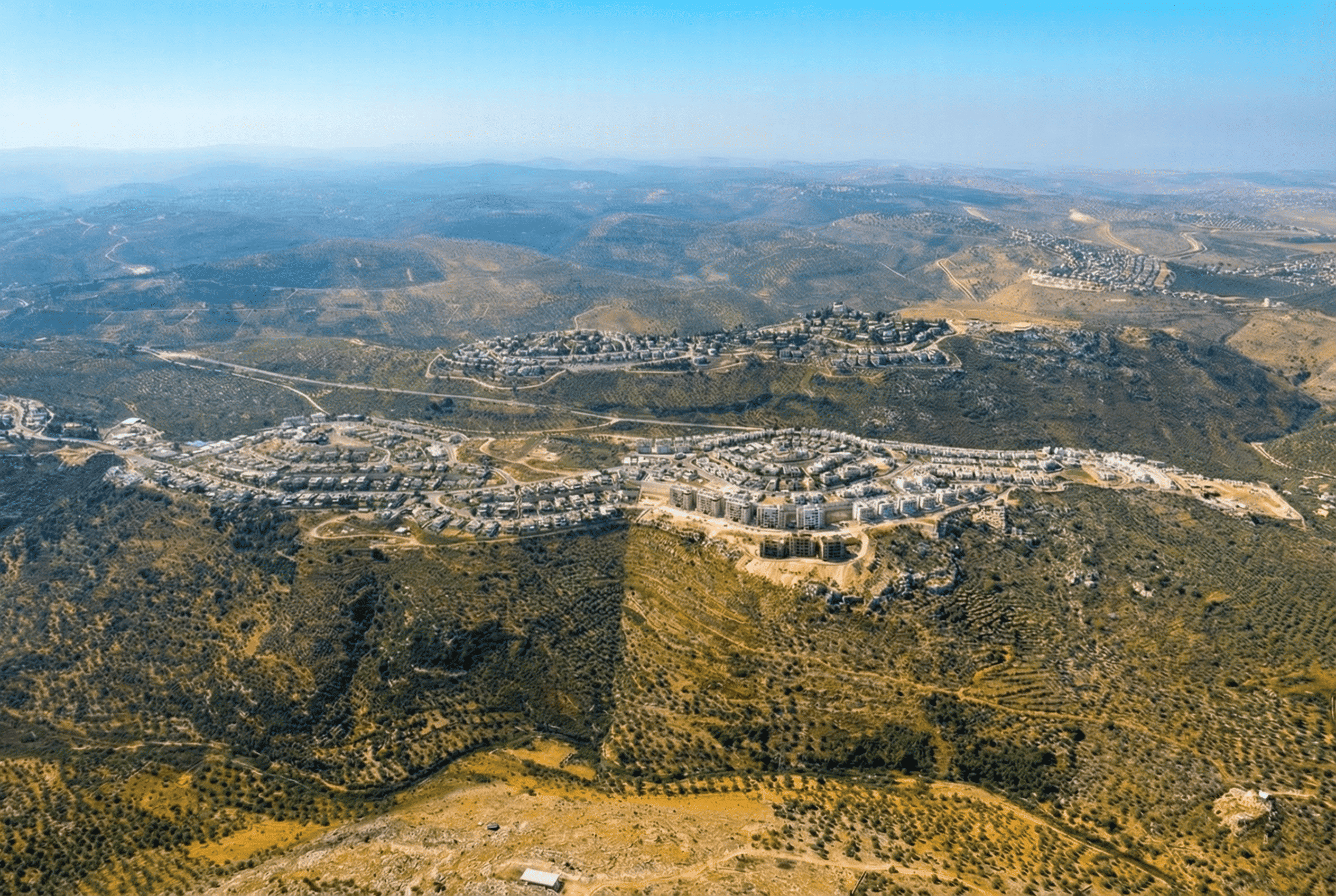
The Krayot, meaning 'townships' in Hebrew, are a cluster of four cities and two neighborhoods in the Haifa Bay area, established in the 1930s. These include Kiryat Yam, Kiryat Motzkin, Kiryat Bialik, Kiryat Ata, Kiryat Haim, and Kiryat Shmuel. Over the decades, the Krayot have evolved from small settlements into significant urban centers, collectively housing approximately 251,000 residents.
DEMOGRAPHICS & FAMILY LIFESTYLE
The Krayot encompass a population across their various communities. Kiryat Shmuel, for instance, is predominantly religious, with about 7,800 residents, a third of whom are under 17 years old, reflecting a youthful demographic. In contrast, other areas like Kiryat Yam and Kiryat Motzkin have more secular populations. This blend of religious and secular communities contributes to a multifaceted social fabric within the Krayot.
REAL ESTATE MARKET OVERVIEW
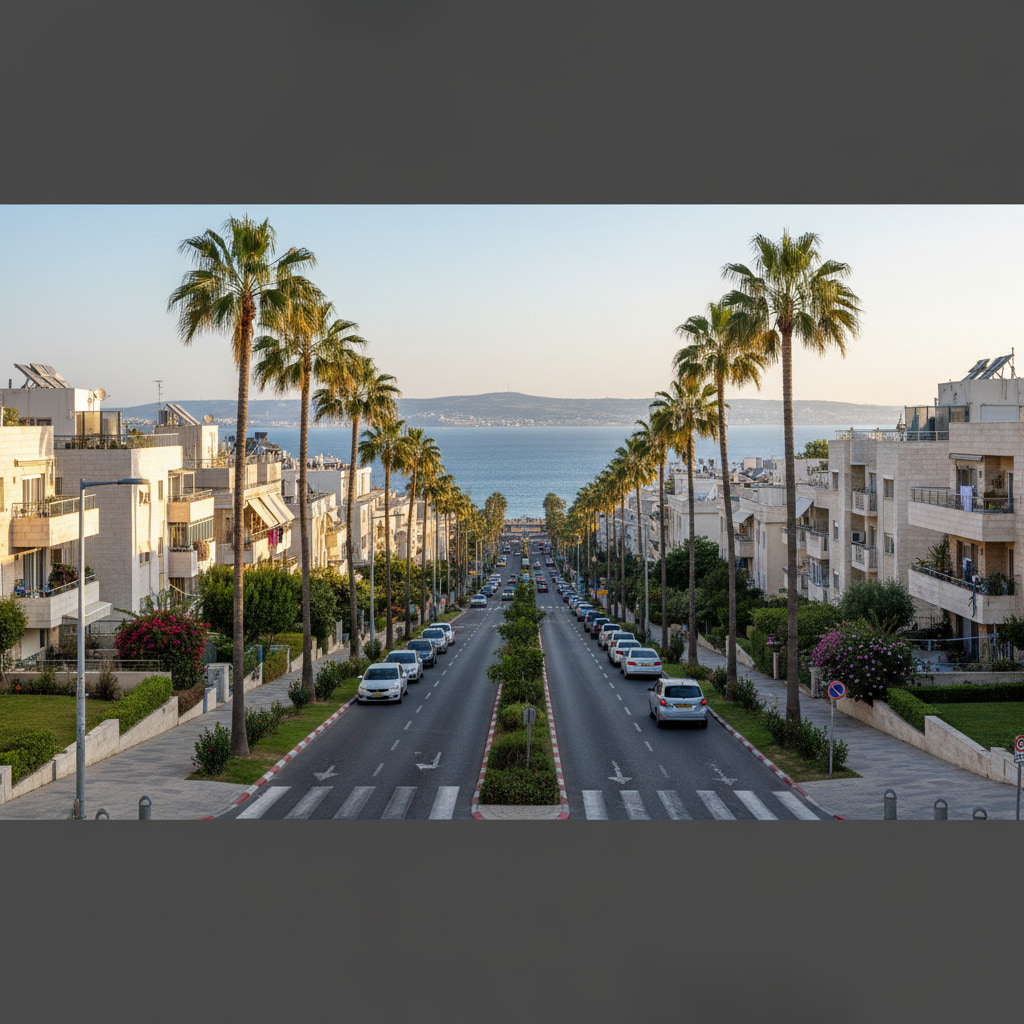
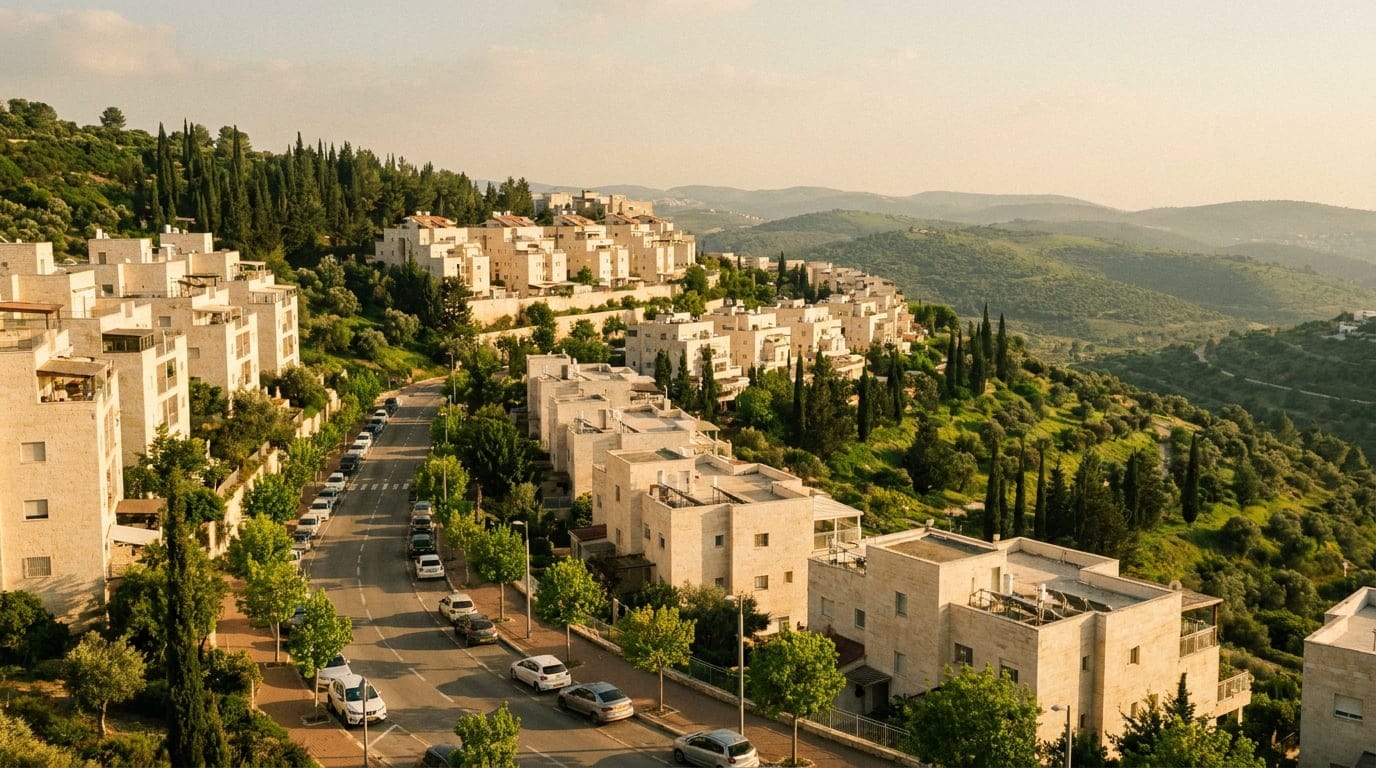
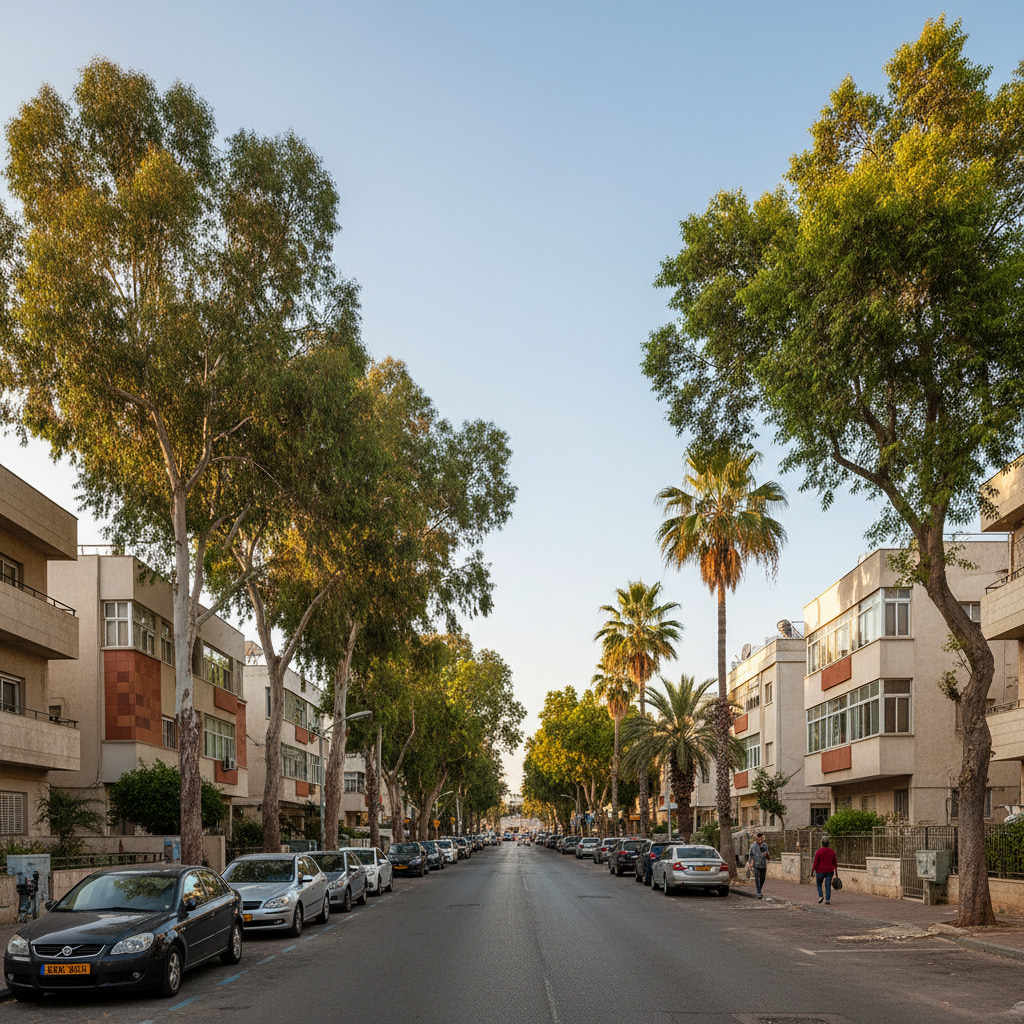
The Krayot region offers a housing stock, including single-family homes, apartments, and new developments. Many residences date back to the mid-20th century, reflecting the area's growth during that period. Recent urban renewal projects have introduced modern apartments and commercial spaces, enhancing the architectural landscape.
The real estate market in the Krayot is experiencing increased demand, driven by its proximity to Haifa and ongoing urban development initiatives. The introduction of new employment centers and infrastructure improvements has attracted a mix of young professionals and families seeking affordable housing options. This demand has led to a market with properties moving relatively quickly.
NEIGHBORHOOD BREAKDOWN
The Krayot comprises several distinct communities, each with its own character. While some areas are predominantly residential, others feature a blend of commercial and recreational spaces. This variety allows residents to choose neighborhoods that best fit their lifestyle preferences.
- Kiryat Yam: Coastal area known for its beaches and maritime activities.
- Kiryat Motzkin: Features a mix of residential zones and commercial centers.
- Kiryat Bialik: Offers suburban living with parks and community facilities.
- Kiryat Ata: The largest of the Krayot, combining industrial zones with residential neighborhoods.
- Kiryat Haim: Divided into eastern and western parts, each with unique residential characteristics.
NEW CONSTRUCTION PROJECTS
The Krayot, a cluster of cities in the Haifa District, are undergoing significant urban renewal projects to modernize existing neighborhoods. In Kiryat Motzkin, for example, plans have been approved to replace approximately 1,500 older housing units with over 4,500 new ones. These developments aim to provide modern, earthquake-resistant housing with protected spaces, addressing both safety and contemporary living standards. Such initiatives reflect a broader trend in the Krayot to enhance urban infrastructure and accommodate a growing population.
TRANSPORTATION & ACCESSIBILITY
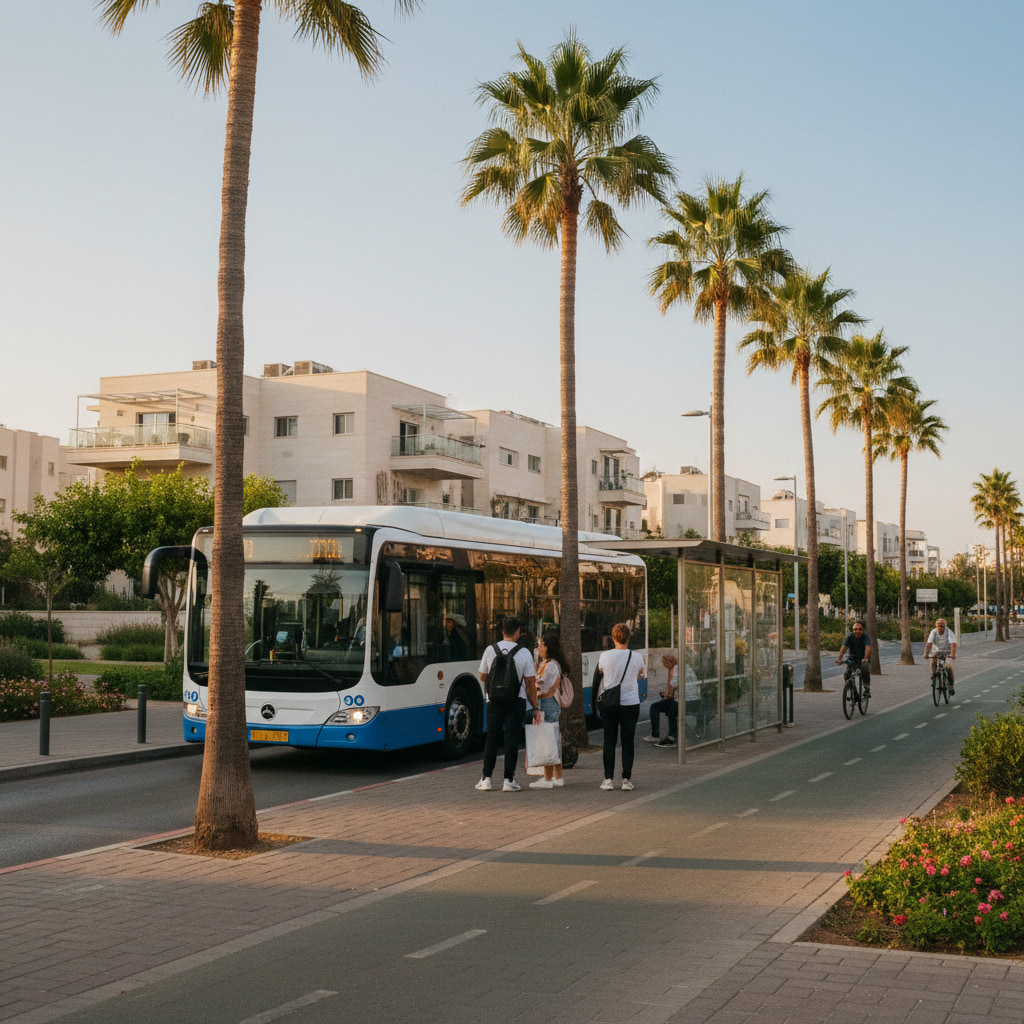
The Krayot benefit from a well-developed transportation network that ensures connectivity to Haifa and other regions. Multiple bus routes, including lines 137, 3, 98, 80, and 80A, serve the area, facilitating convenient travel within and beyond the Krayot. Additionally, Israel Railways operates several lines through the region, such as the Beer Sheva Center - Nahariya and Modi'in Center - Nahariya routes, providing efficient rail access. This comprehensive public transit system supports the daily commute of residents and enhances the area's accessibility.
WHY NEW IMMIGRANTS CHOOSE KRAYOT
New immigrants, or olim, are drawn to the Krayot for several compelling reasons. The region's proximity to Haifa offers access to employment opportunities and urban amenities while maintaining a more suburban atmosphere. Affordable housing options compared to central cities make it financially accessible for newcomers. Additionally, the presence of established immigrant communities provides a supportive environment for integration, and the area's cultural landscape allows olim to find communities that align with their religious and cultural preferences.
- Proximity to Haifa's employment opportunities
- Affordable housing options
- Established immigrant support networks
- Cultural and religious communities
- Suburban atmosphere with urban amenities nearby