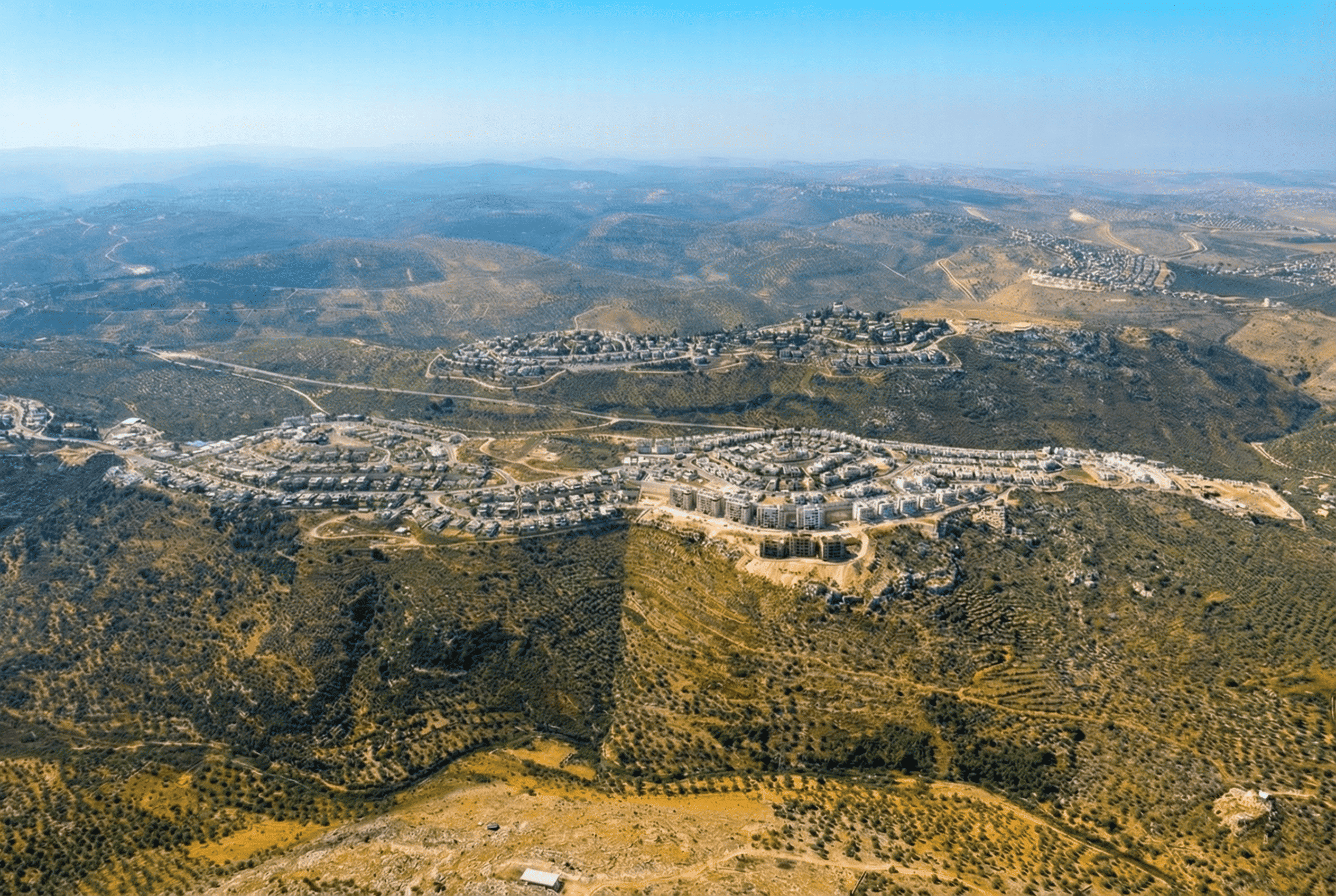
Pardes Hanna-Karkur was established in 1969 through the merger of two neighboring communities: Karkur, founded in 1913, and Pardes Hanna, founded in 1929. Karkur began as a settlement on land purchased by the London Estate, a Jewish-owned company, and was permanently settled by 1926. Pardes Hanna was established by the Palestine Jewish Colonization Association and named after Hannah Mayer Rothschild. The unified town now spans approximately 22,500 dunams (about 5,500 acres) and serves as a local hub for culture, creativity, and cuisine.
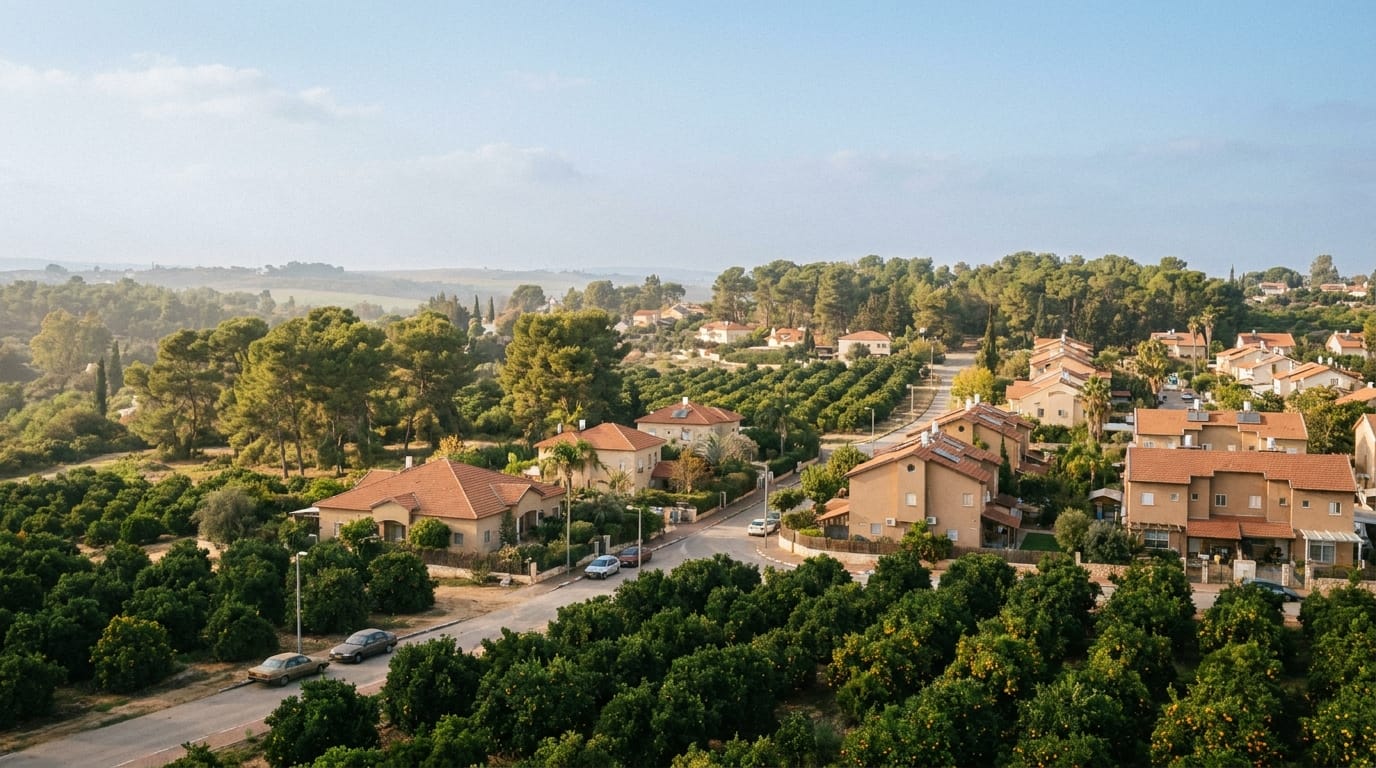
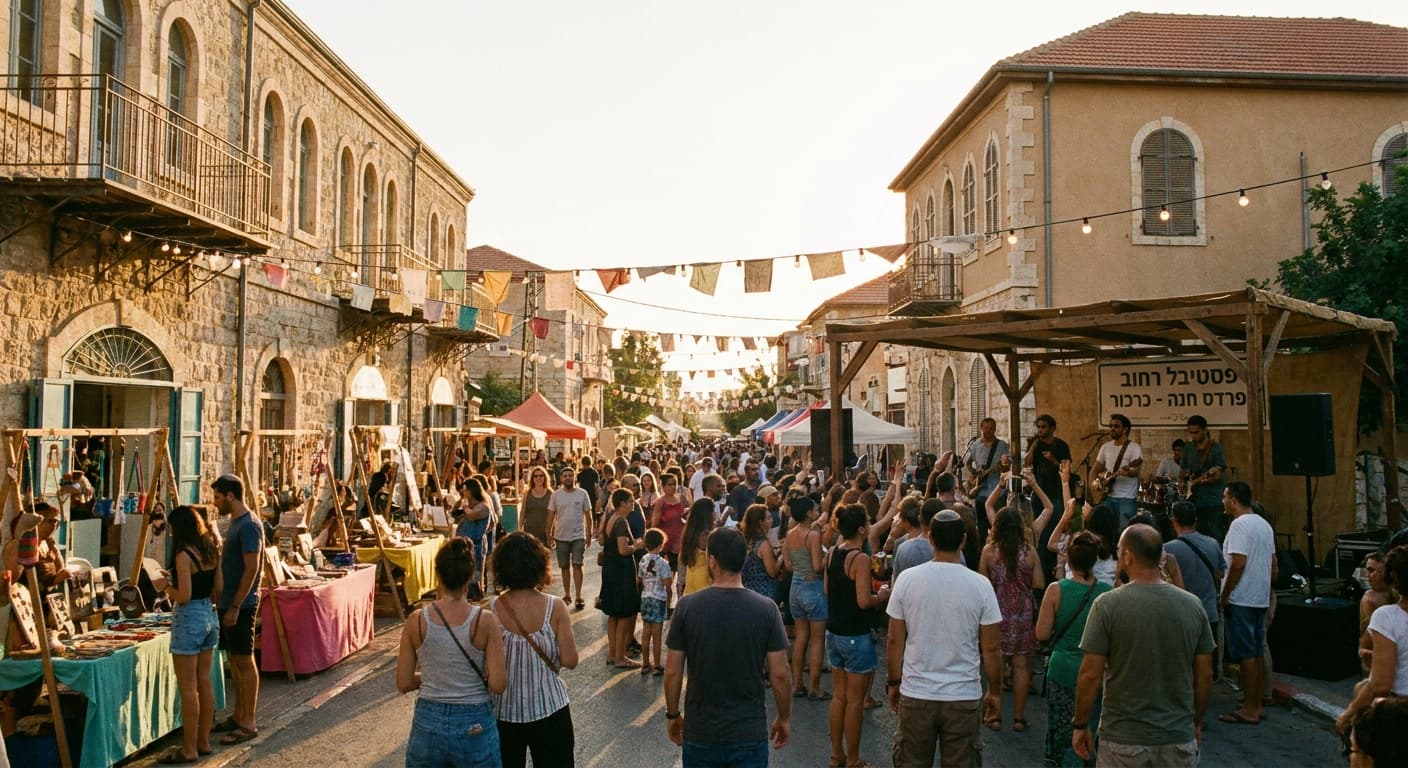
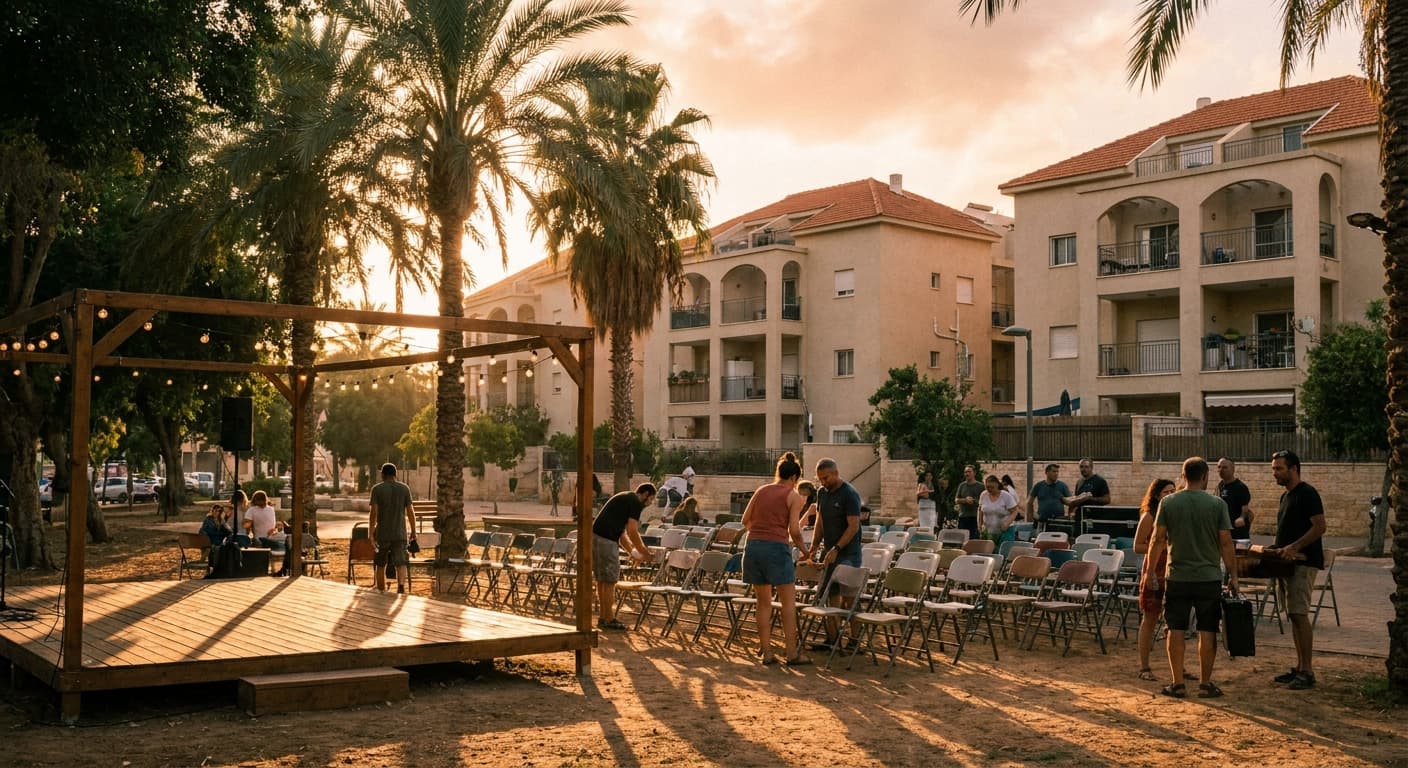
Pardes Hanna-Karkur is home to approximately 50,000 residents. The community is characterized by an and community-oriented population, blending wide agricultural fields with residential neighborhoods and cultural and leisure spaces. This unique mix has transformed the town into a local hub for culture, creativity, and cuisine.
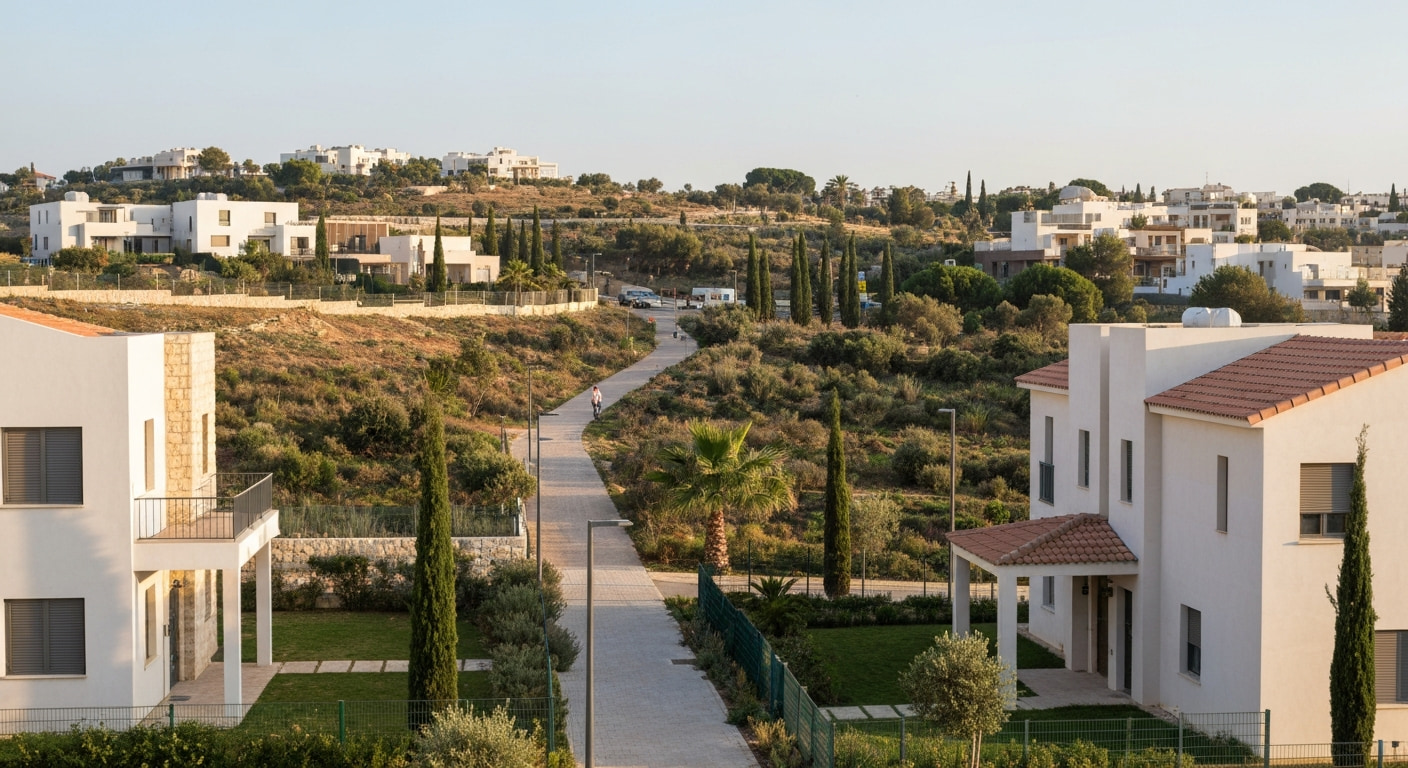
Pardes Hana-Karkur's housing stock is encompassing single-family homes, duplexes, and modern apartments. Many residences are situated on spacious plots, reflecting the settlement's agricultural heritage. The architectural styles range from early 20th-century structures to contemporary designs, with ongoing development introducing new housing options.
The real estate market in Pardes Hana-Karkur is characterized by a blend of affordability and demand, attracting families and individuals seeking a suburban lifestyle with convenient access to major cities. The settlement's appeal is enhanced by its green surroundings and community-oriented atmosphere, contributing to a stable market with properties that offer good value for money.
Pardes Hana-Karkur comprises distinct neighborhoods, each with its own character and amenities. The settlement's layout reflects its history, with older areas featuring established homes and newer developments offering modern living spaces.
- Neve Asher: Located on the southwestern side, this neighborhood maintains a rustic, pastoral feel and hosts a significant Anglo community.
- Neve Pardesim: Situated on the western side, it is popular among young families and offers a mix of semi-attached houses and apartments.
- Old Pardes Hana: Known for its spacious homes with gardens and mature trees, providing a quiet environment suitable for families.
- Karkur: A rapidly developing area with modern apartments and infrastructure, attracting residents looking for contemporary living options.
Pardes Hanna-Karkur is experiencing ongoing residential development to accommodate its growing population. The settlement is expanding with new housing projects that integrate modern design with the area's rural character, offering a variety of housing options to meet needs.
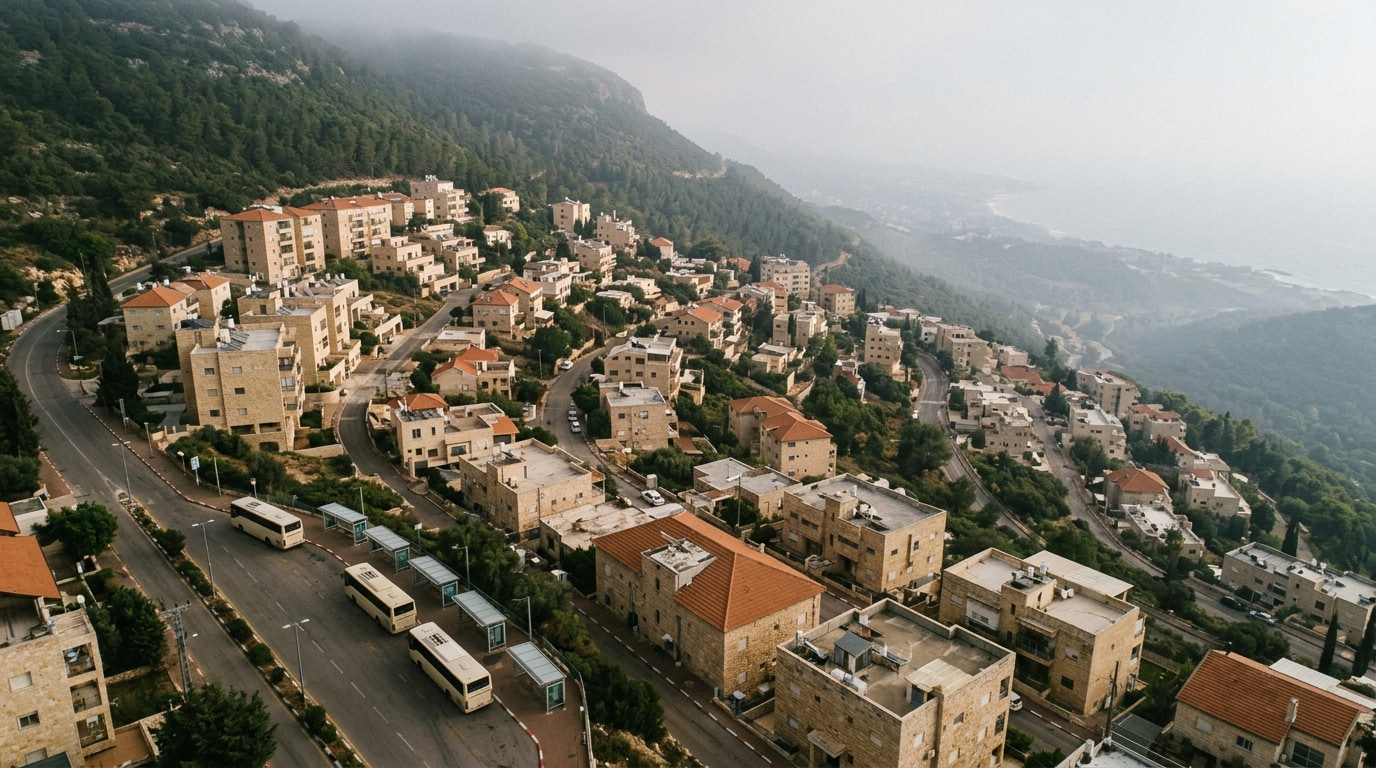
Transportation in Pardes Hanna-Karkur is well-developed, providing residents with convenient access to surrounding areas. The settlement is served by the Caesarea-Pardes Hanna railway station, facilitating travel to major cities. Additionally, bus services operated by Egged and Kavim connect the settlement to nearby locations, enhancing mobility for commuters and visitors.
New immigrants, or olim, are drawn to Pardes Hanna-Karkur for its unique blend of rural charm and modern amenities. The town's warm and community offers a supportive environment for newcomers. Its strategic location between major cities like Hadera and Zichron Ya'akov provides convenient access to employment opportunities while maintaining a peaceful, suburban lifestyle. Additionally, the town's commitment to cultural and recreational activities ensures a high quality of life for families and individuals alike.
- Supportive and community
- Strategic location with easy access to major cities
- Blend of rural charm and modern amenities
- High quality of life with cultural and recreational activities
- Peaceful suburban lifestyle suitable for families