CITY HISTORY & DEVELOPMENT
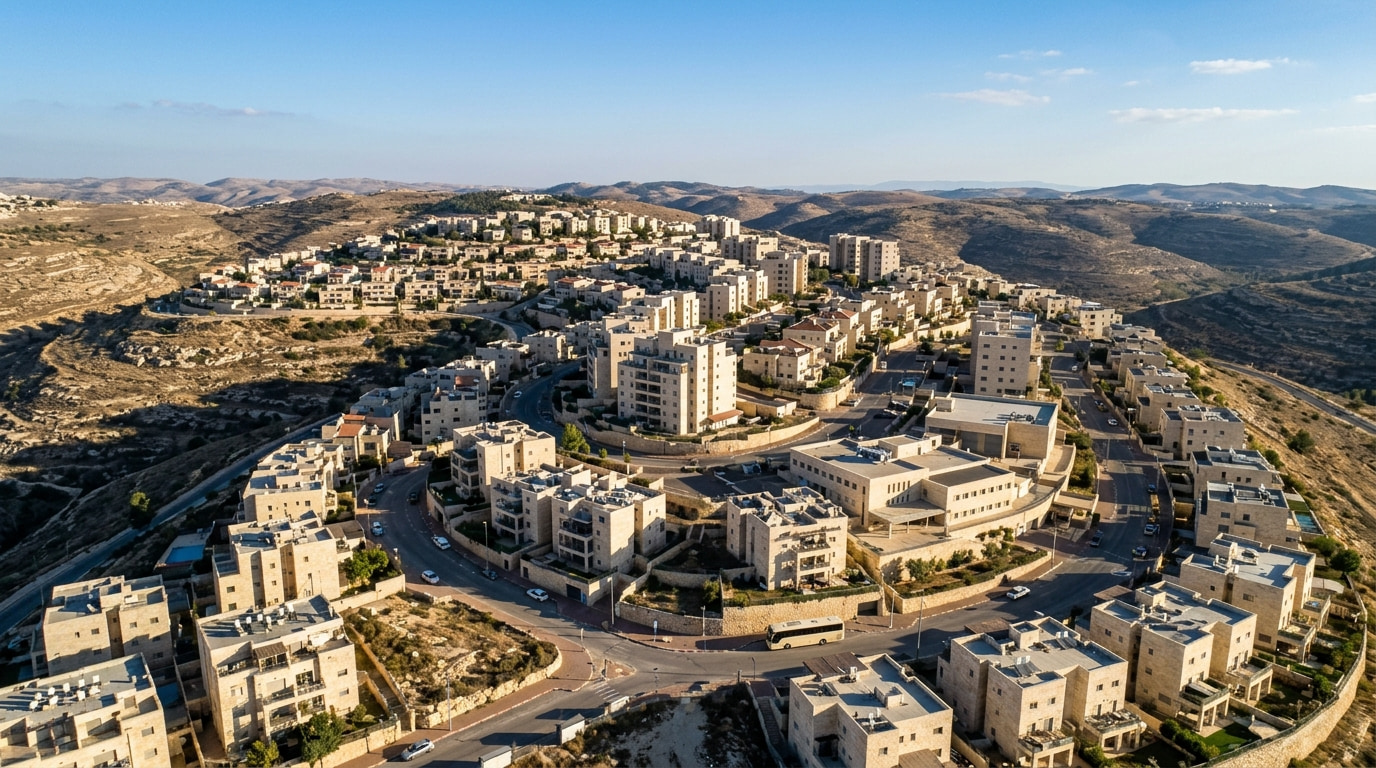
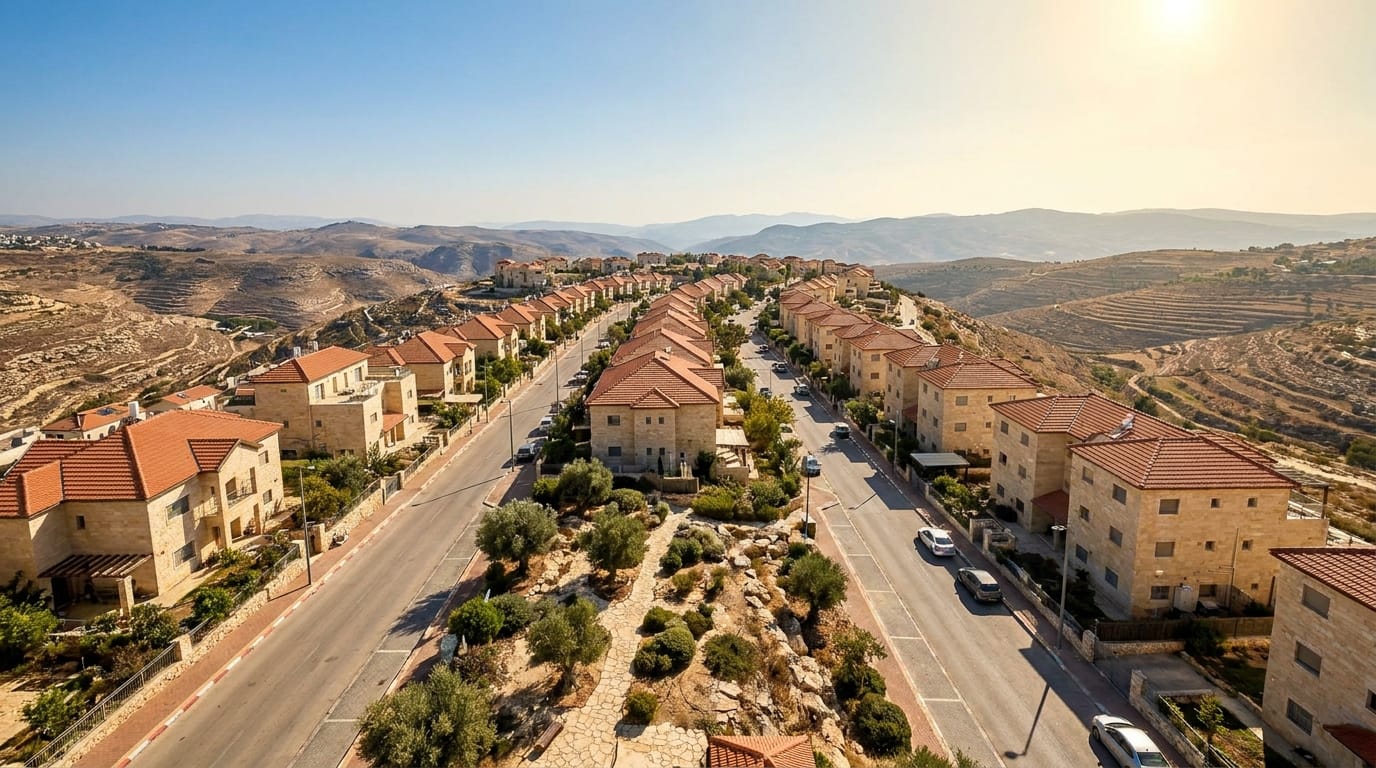
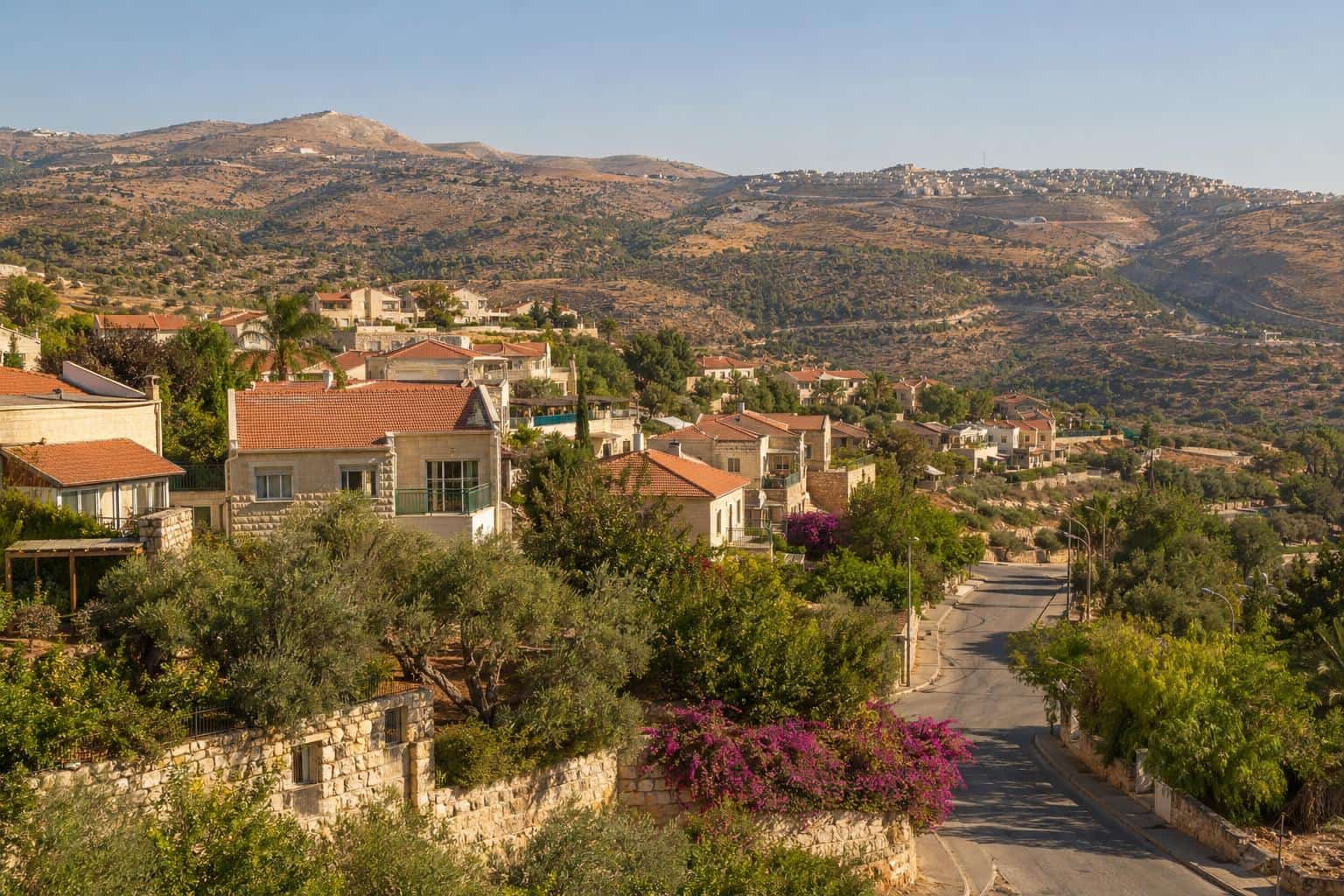
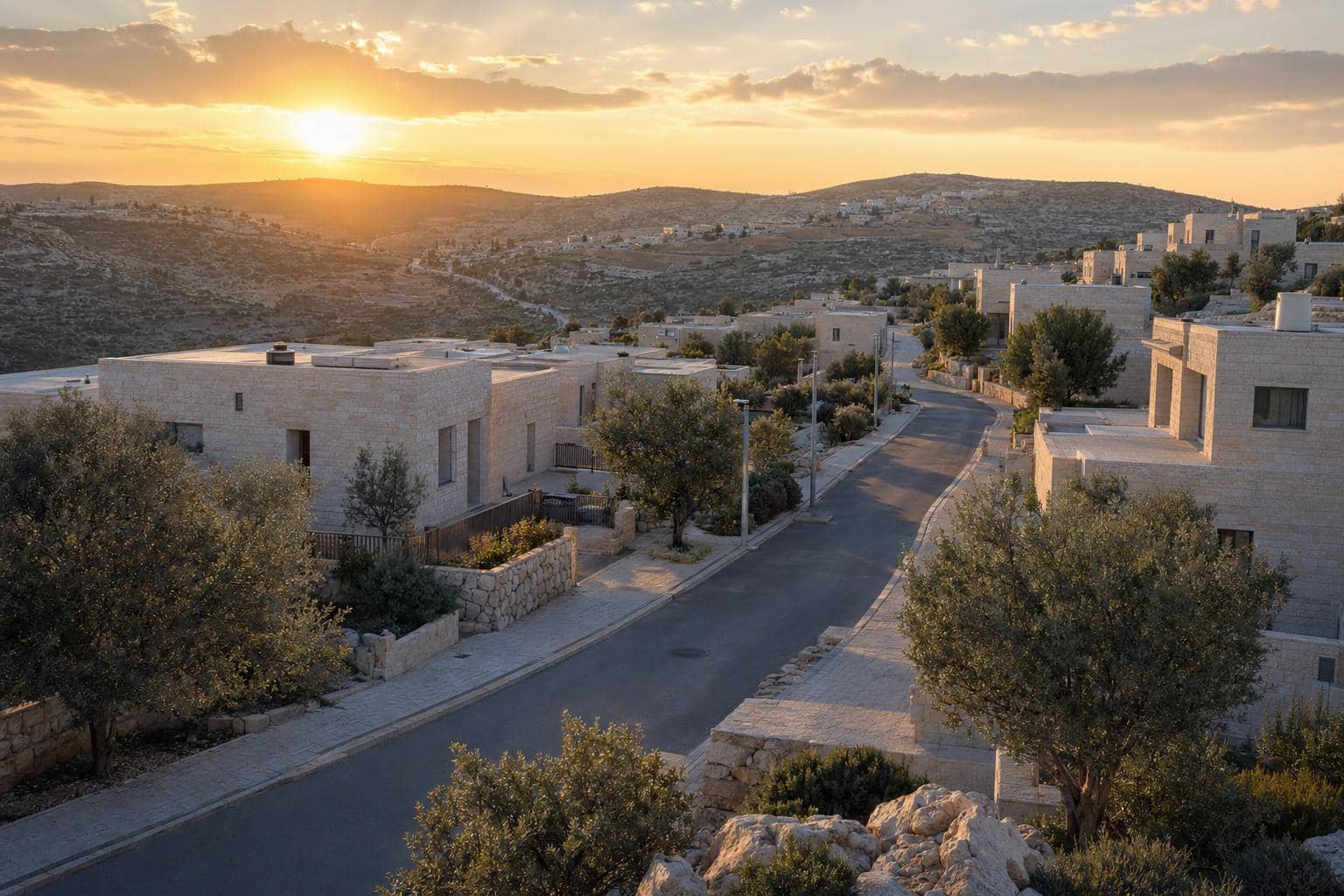
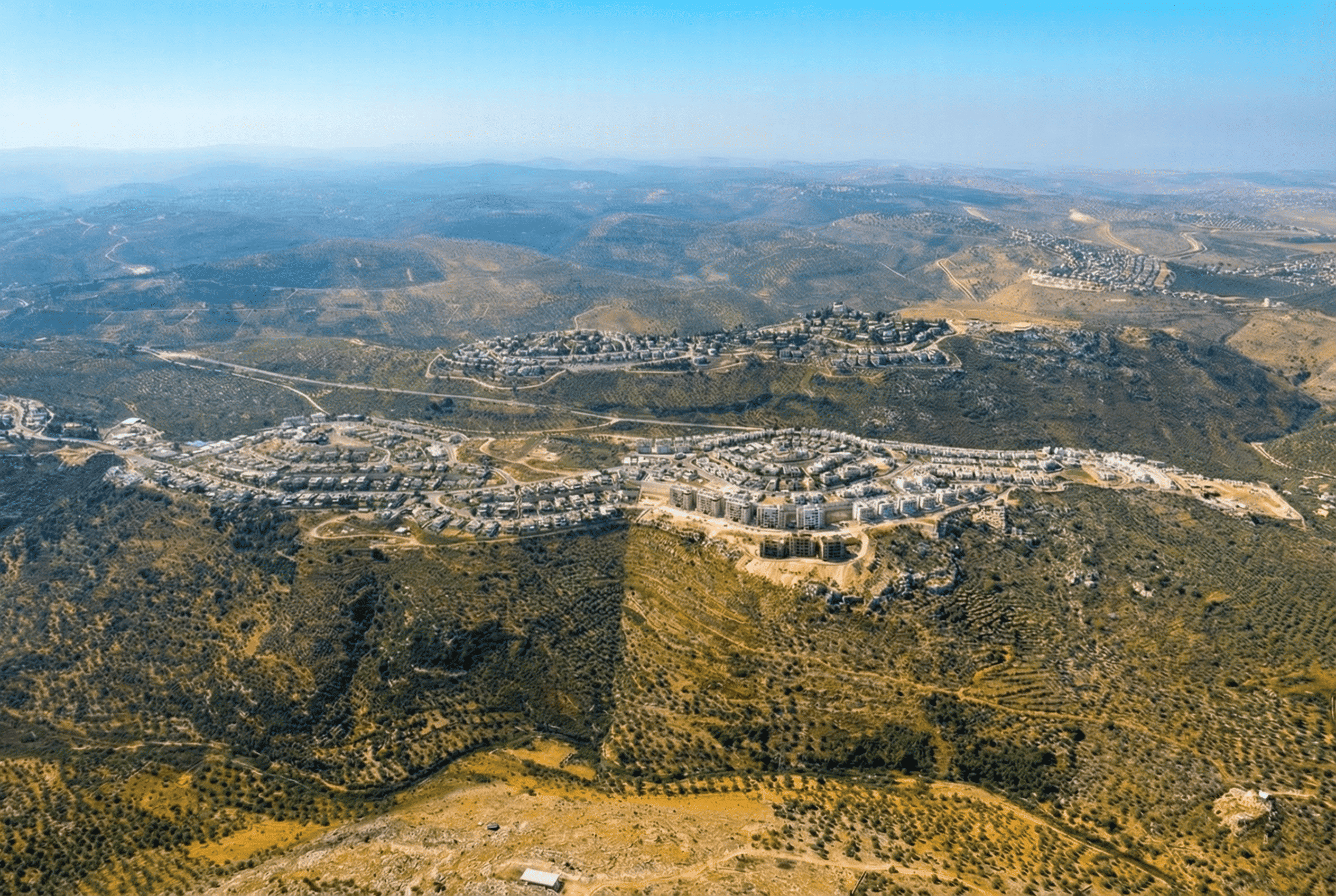
Efrat was established in April 1983 as an urban locality with a national religious identity. Founded by Moshe Moskovits and Rabbi Shlomo Riskin, it was designed to serve as a bridge between the Gush Etzion bloc and Jerusalem. Situated south of Jerusalem and north of Kiryat Arba, Efrat spans seven hills named after the seven species indigenous to the Land of Israel: Gefen, Te'ena, Rimon, Dekel, Dagan, Tamar, and Zayit. The community has grown significantly since its inception, now encompassing approximately 6,000 dunams.
DEMOGRAPHICS & FAMILY LIFESTYLE
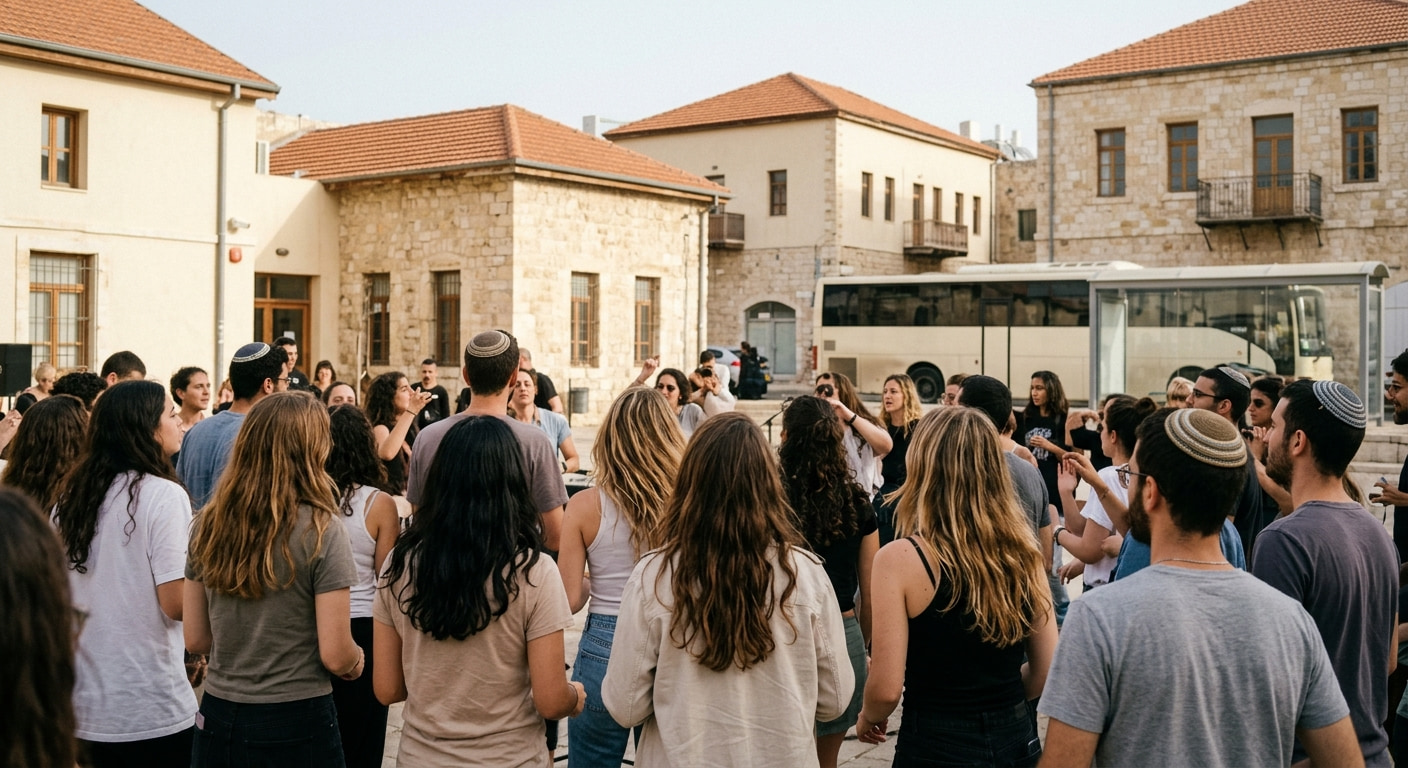
Efrat is home to around 13,000 residents, comprising approximately 2,500 families. The population is predominantly Modern Orthodox, with 90% sharing national religious values and 10% being secular. The community includes a significant number of native Israelis and immigrants from countries such as the United States, United Kingdom, South Africa, and Russia. Notably, about 31% of residents are aged 0-12, 17% are 13-21, 42% are 22-60, and 11% are over 60, reflecting a family-oriented environment with a substantial youth population.
REAL ESTATE MARKET OVERVIEW
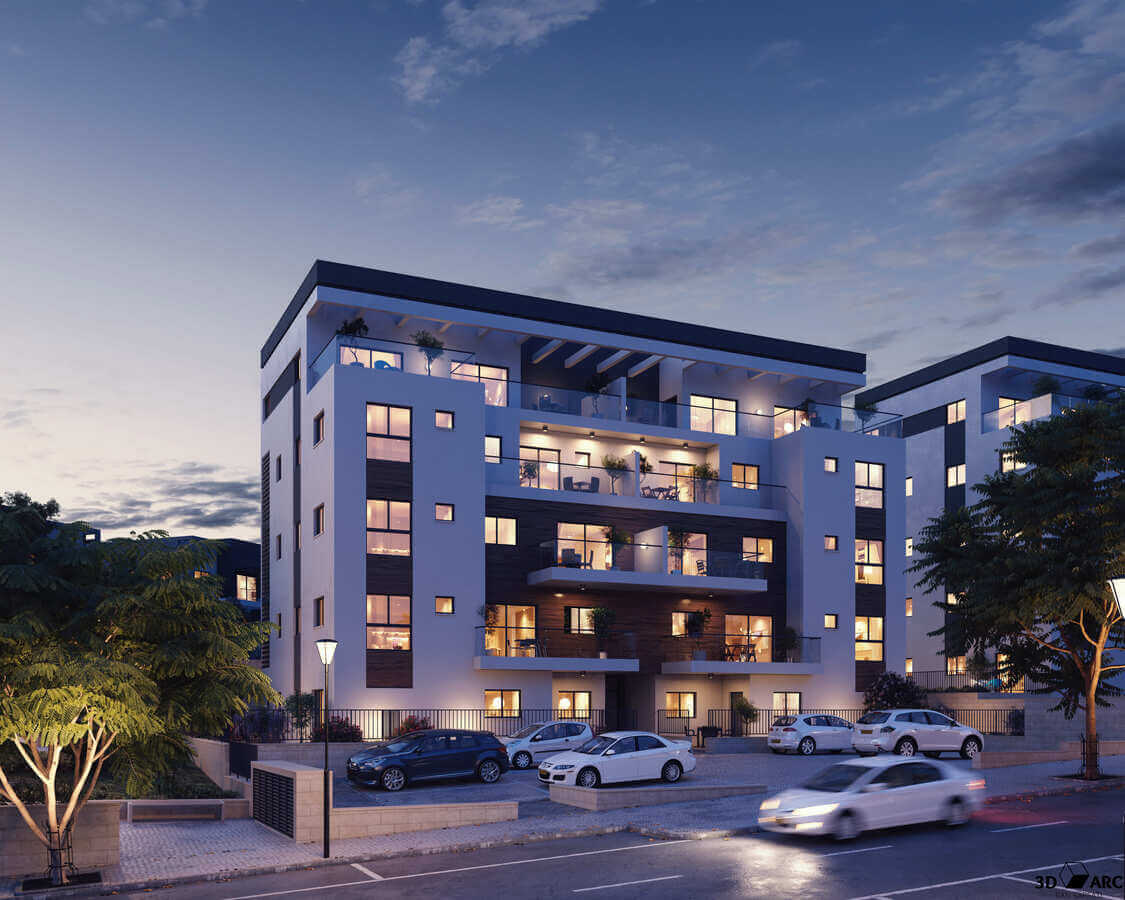
Efrat's housing stock encompasses a range of properties, including apartments, townhouses, and private villas. The town's development spans several decades, with older neighborhoods featuring established homes and newer areas offering modern residences. Properties vary in size, from compact apartments to spacious villas with gardens, catering to different family needs.
The real estate market in Efrat is characterized by steady demand, driven by its proximity to Jerusalem and a strong community atmosphere. Housing prices reflect this demand, with 4-room apartments typically ranging from NIS 2.3 million to NIS 3 million, and private homes starting at NIS 3.5 million. The market attracts a mix of buyers, including families seeking a suburban lifestyle and investors interested in properties with strong resale value. Market liquidity is moderate, with properties in desirable neighborhoods moving at a consistent pace.
NEIGHBORHOOD BREAKDOWN
Efrat is organized into seven distinct neighborhoods, each named after one of the seven species indigenous to the Land of Israel. These neighborhoods are Gefen, Te'ena, Rimon, Dekel, Dagan, Tamar, and Zayit. Each area offers its own unique character and amenities, contributing to the town's residential options.
- Zayit: Known for its modern apartments and townhouses, Zayit is a popular choice among English-speaking residents.
- Tamar: Features a mix of housing options and is noted for its family-friendly environment.
- Dagan: Offers contemporary residences with scenic views, attracting families and professionals.
- Dekel: An established neighborhood with a variety of housing styles and community facilities.
- Gefen: One of the older areas, characterized by spacious villas and mature landscapes.
NEW CONSTRUCTION PROJECTS
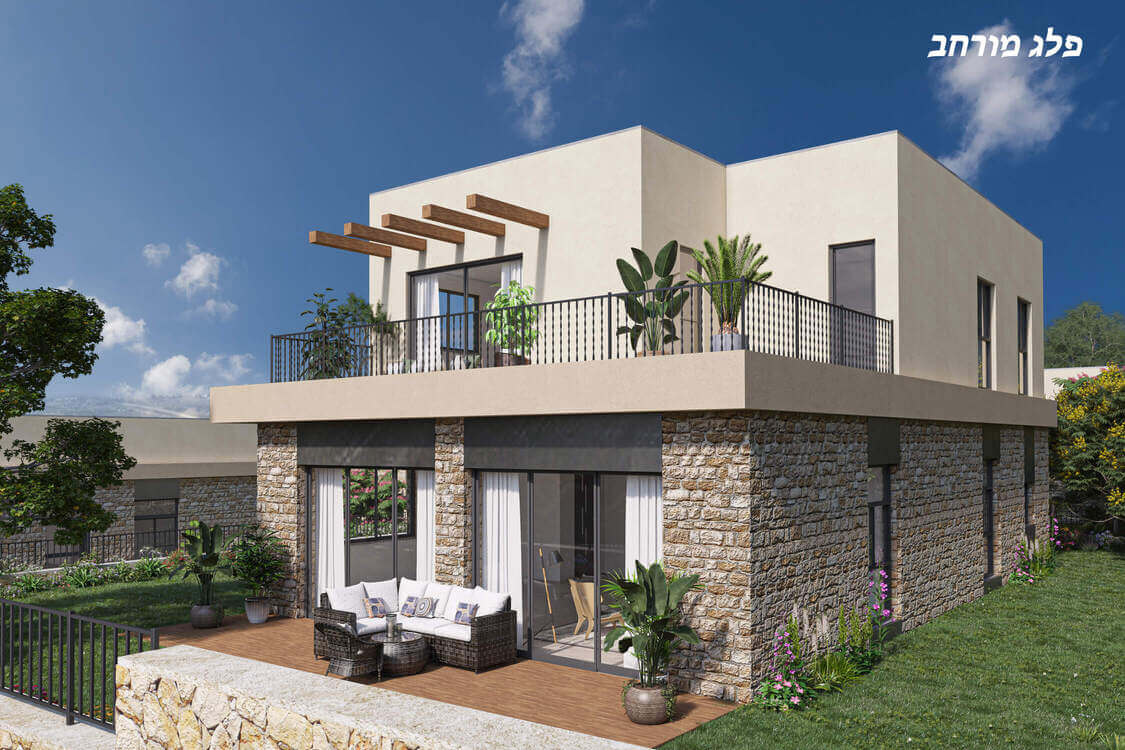
Efrat is experiencing significant residential development to accommodate its growing population. The town is expanding with new neighborhoods such as Givat HaDagan and Givat HaTamar, where infrastructure projects are underway to establish residential areas complete with schools, commercial centers, and public spaces. Additionally, the HaMoshava project on Givat HaTe'ena offers 32 luxury villas featuring modern amenities like private pools and smart home systems. Another notable development is the Solomon Ridge project in the Moradot HaZayit neighborhood, which plans to add 694 housing units alongside public facilities including synagogues, educational institutions, and recreational areas.
TRANSPORTATION & ACCESSIBILITY
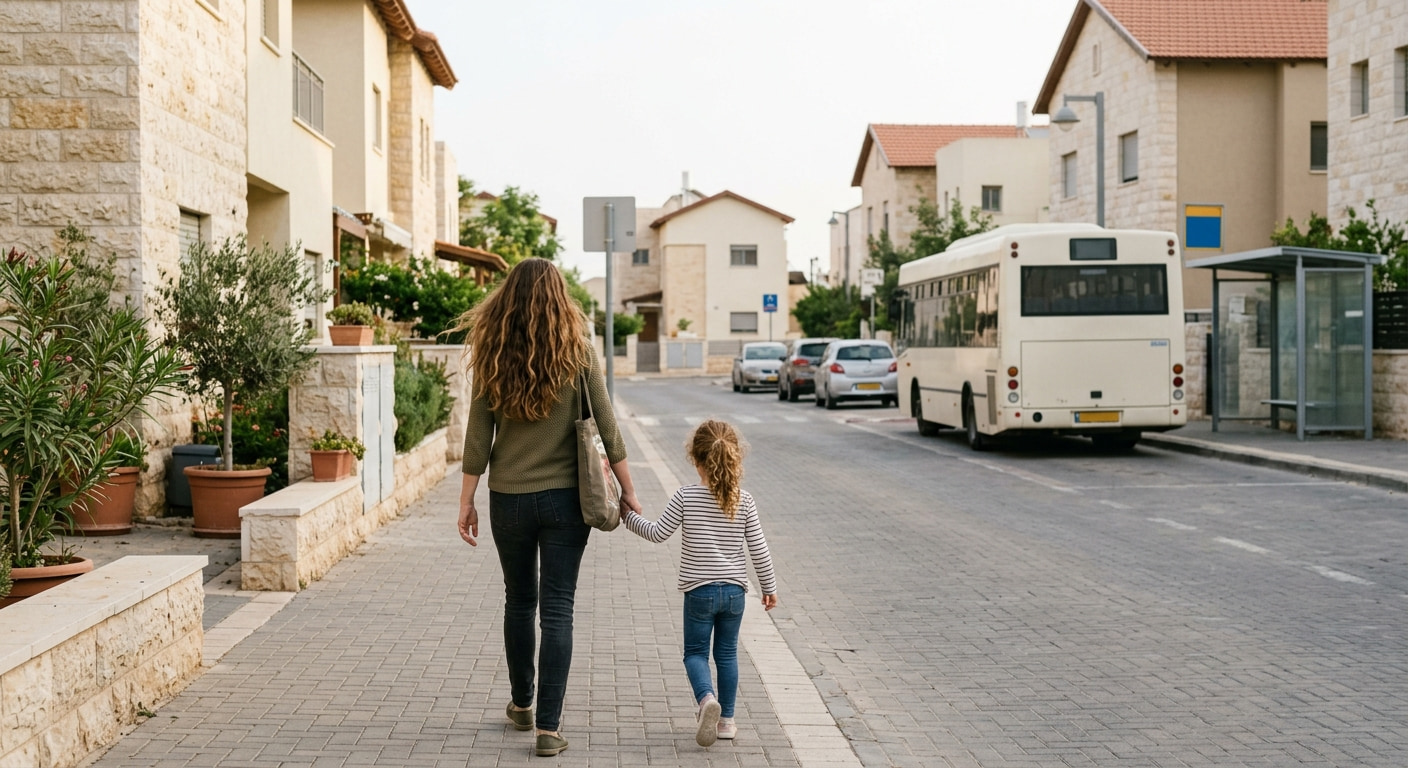
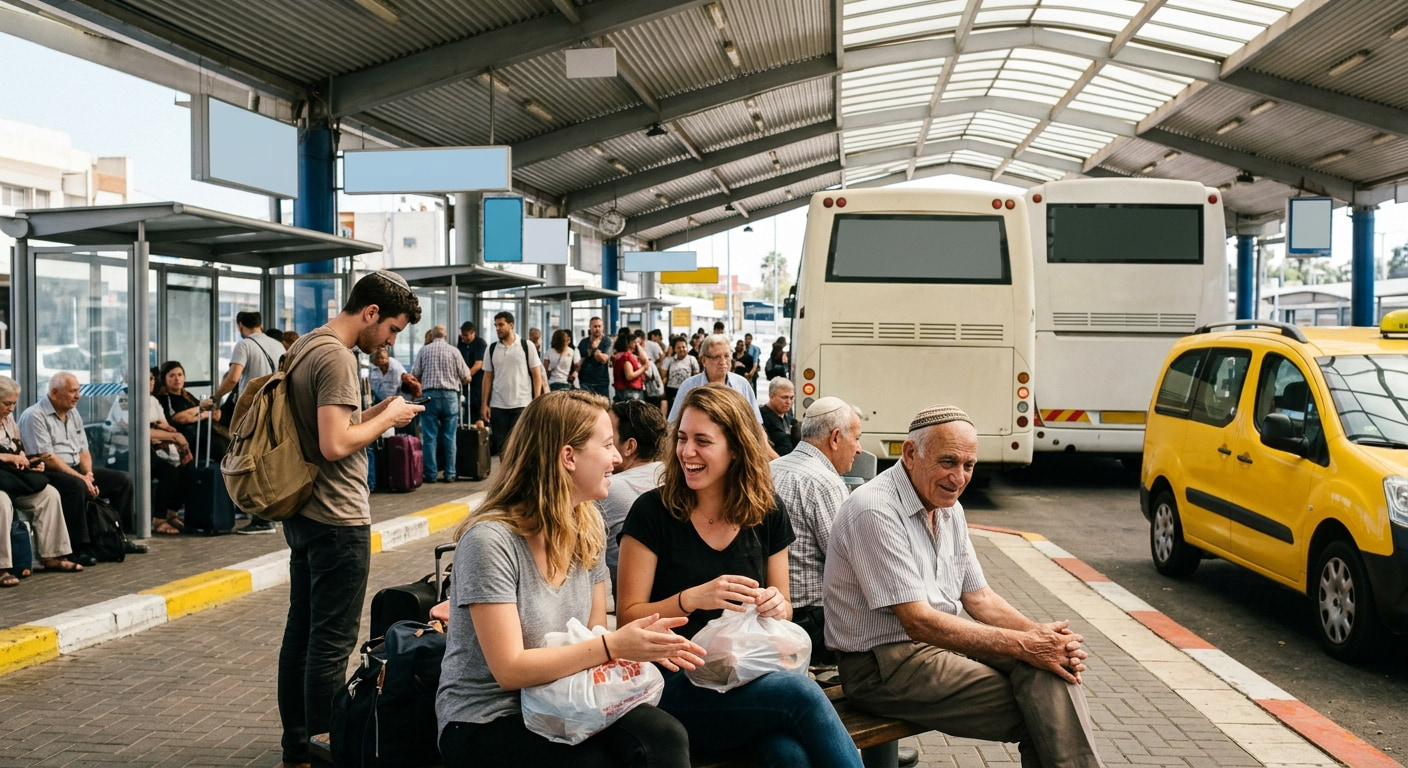
Efrat maintains transportation links, particularly with Jerusalem, located approximately 12 kilometers to the north. The town is served by several bus lines operated by Egged Taavura, including the 360 express bus to Jerusalem's Central Station, the 377 line connecting Efrat's neighborhoods to Jerusalem's Talpiot area, and the 409 line to Beit Shemesh. Additionally, the 410 line links Efrat with Beitar Illit, and the 440 line extends to Be'er Sheva. These services provide residents with efficient access to major urban centers and neighboring communities.
WHY NEW IMMIGRANTS CHOOSE EFRAT
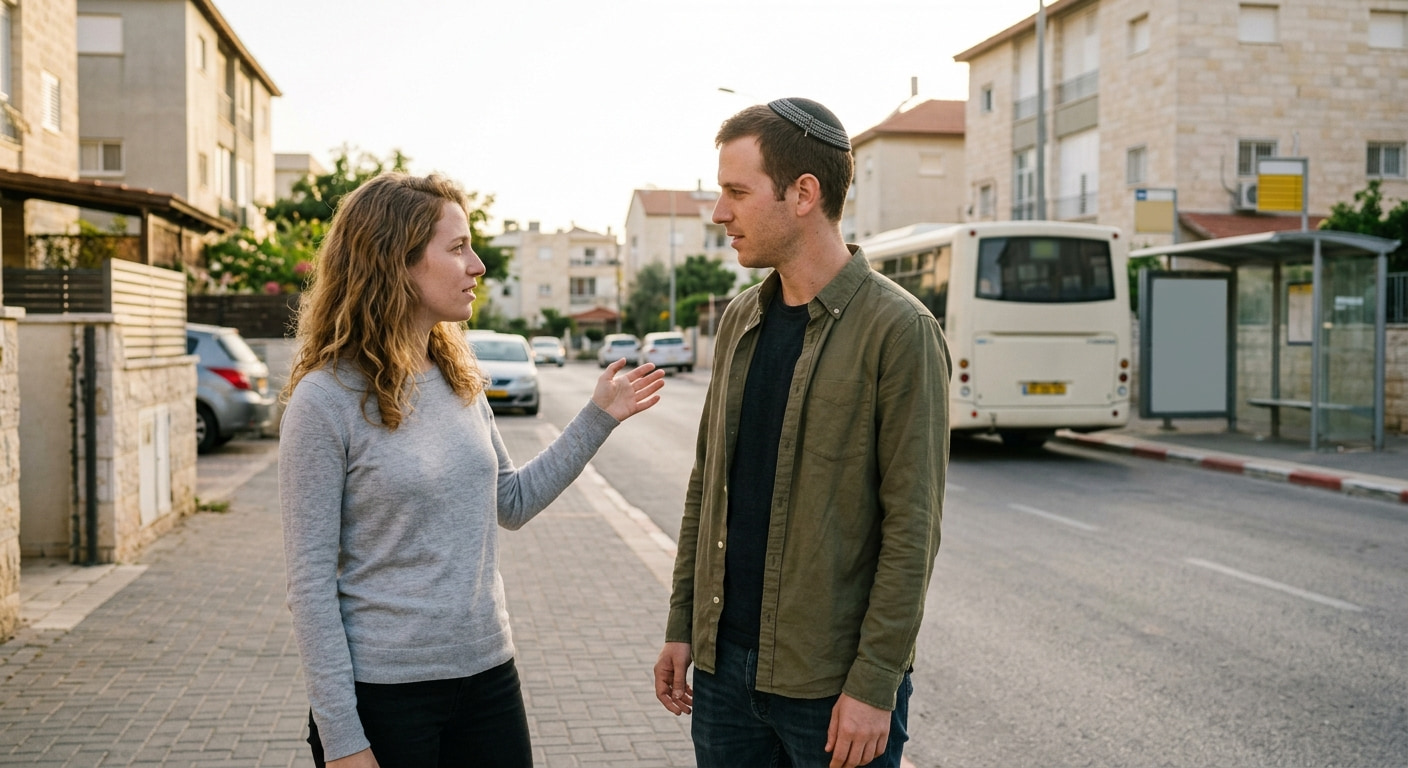
Efrat attracts new immigrants (olim) due to its supportive community, high-quality educational institutions, and proximity to Jerusalem. The town offers a suburban lifestyle with modern amenities, making it appealing for families seeking a balance between urban and communal living. Additionally, the presence of a large English-speaking population facilitates smoother integration for olim from English-speaking countries.
- Supportive Modern Orthodox community
- High-quality religious schools
- Proximity to Jerusalem
- Suburban lifestyle with modern amenities
- Large English-speaking population