CITY HISTORY & DEVELOPMENT
Merom Golan was established on July 14, 1967, making it the first Israeli settlement in the Golan Heights following the Six-Day War. Initially named Golan, the kibbutz was founded on the site of the abandoned Syrian military camp of Aleika. In November 1968, it was renamed Merom Golan. The community faced challenges during the Yom Kippur War, including shelling and evacuations, but has since developed into a settlement.
DEMOGRAPHICS & FAMILY LIFESTYLE
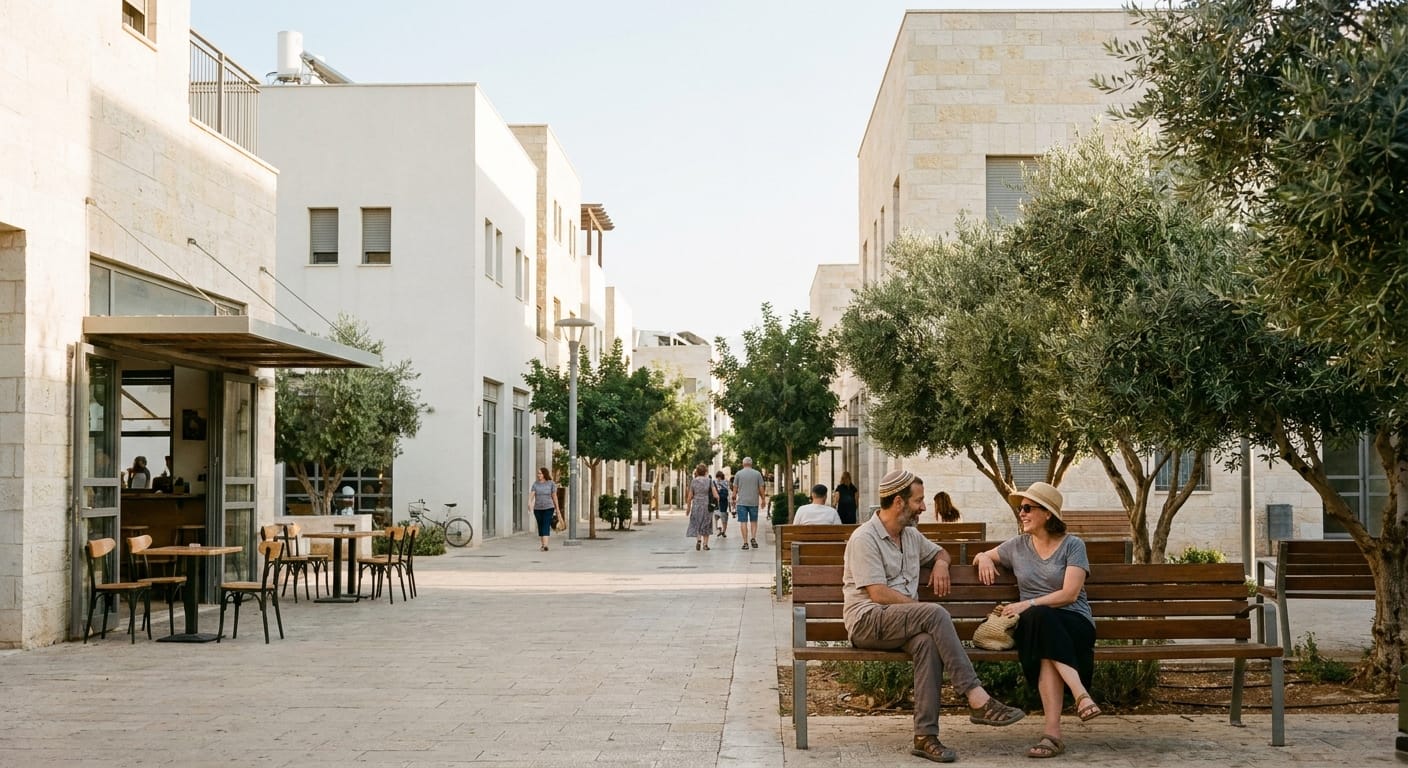
Merom Golan is a secular kibbutz community comprising approximately 750 residents, including about 270 families. The population includes 455 adults, 207 children and teenagers, and 88 soldiers and young adults residing with their parents. The community emphasizes a cultural and pluralistic lifestyle, upholding Jewish and Zionist values. Residents enjoy a high quality of life with access to excellent educational services and public amenities.
REAL ESTATE MARKET OVERVIEW
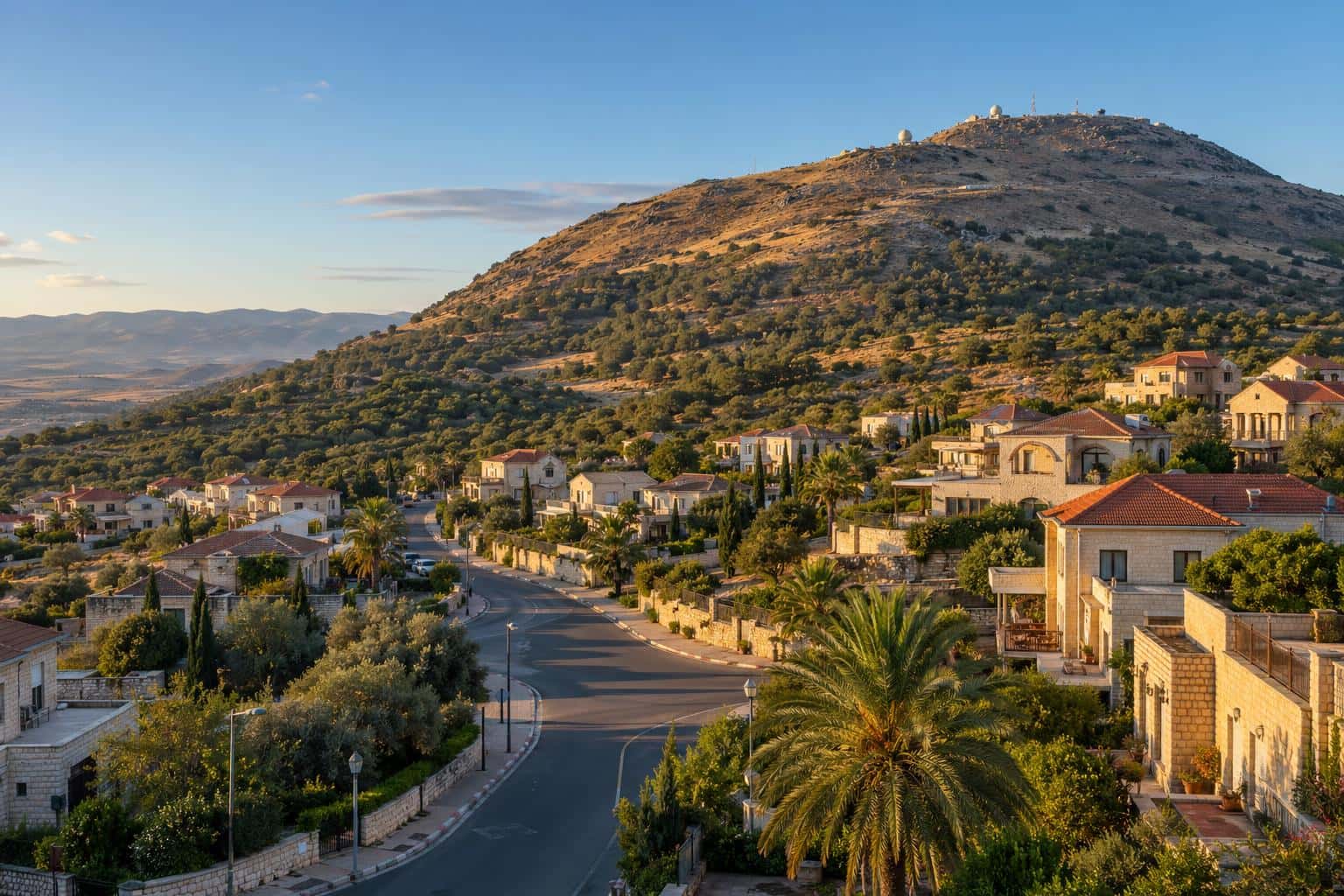
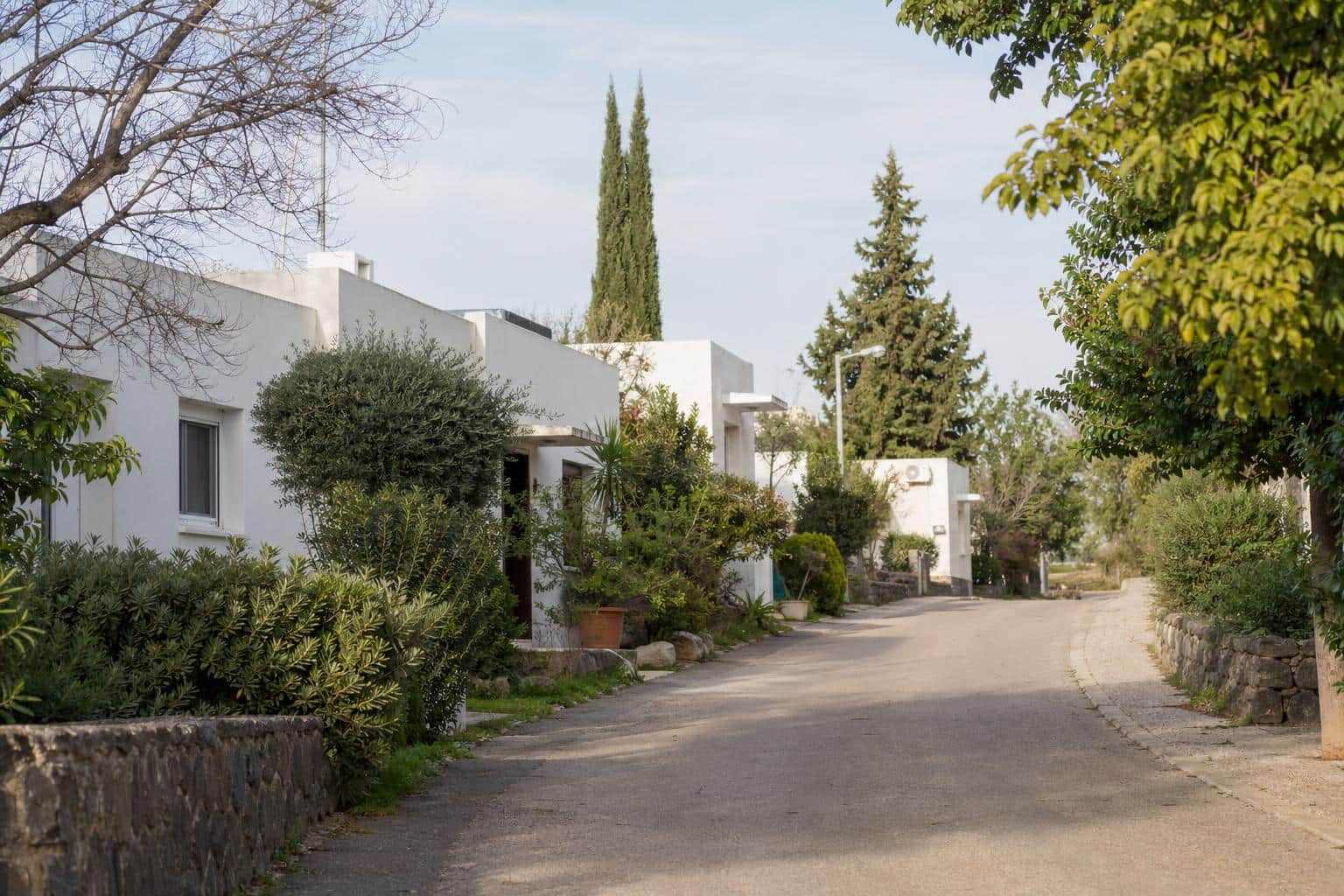
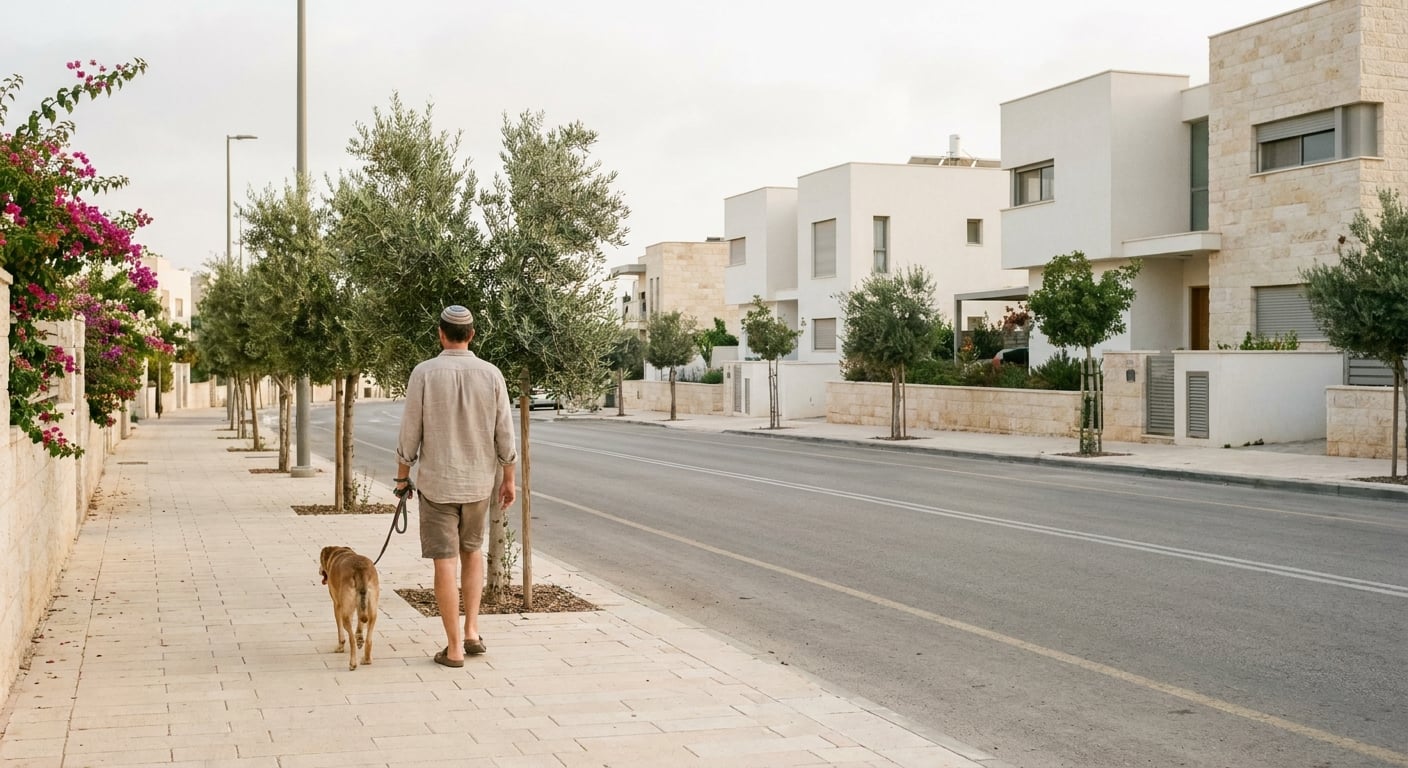
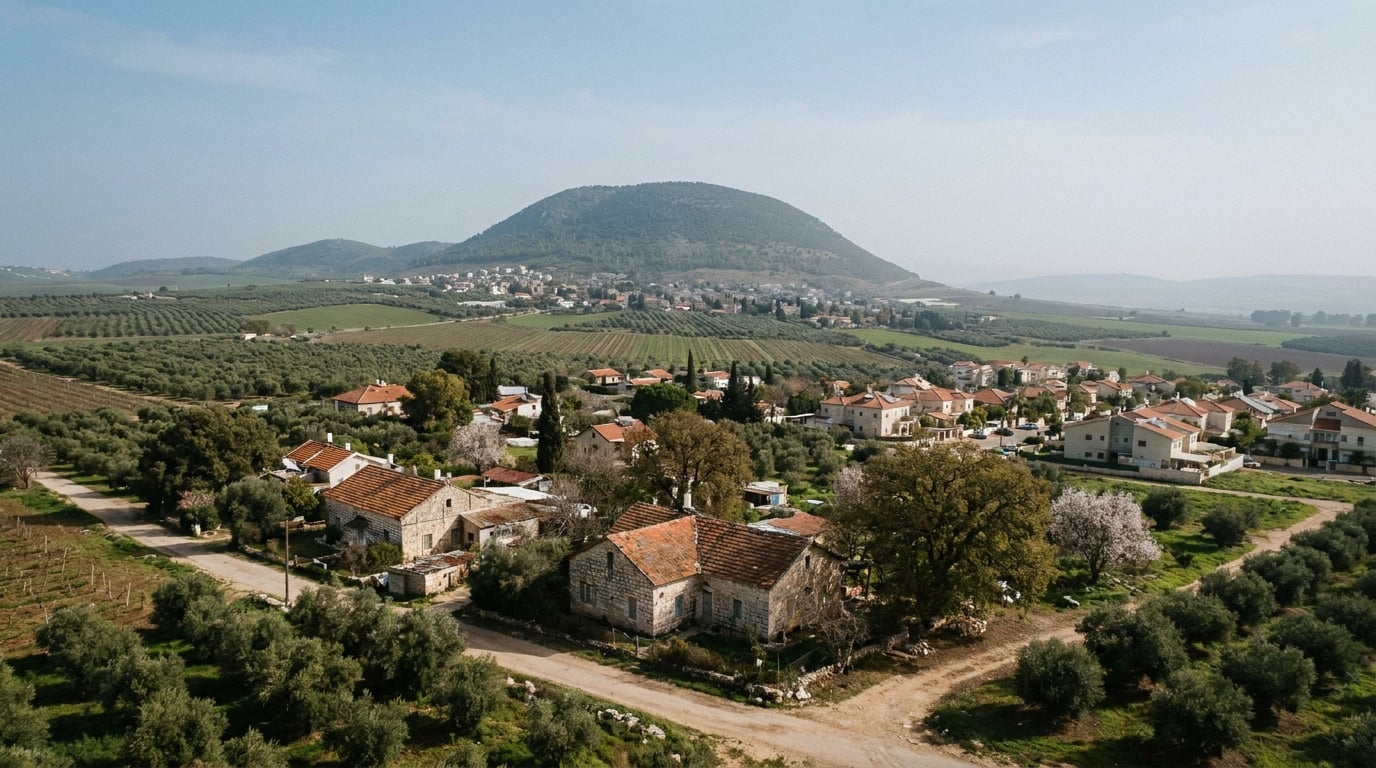
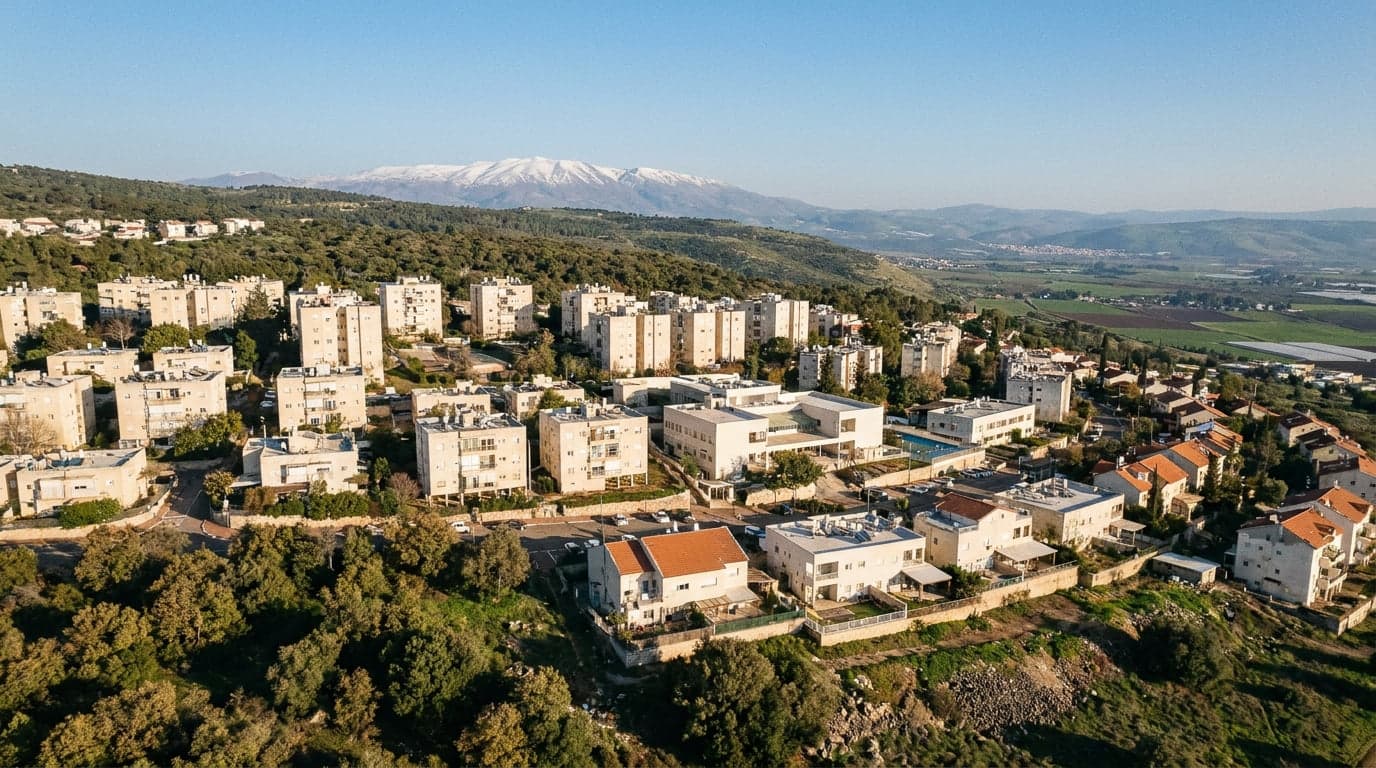
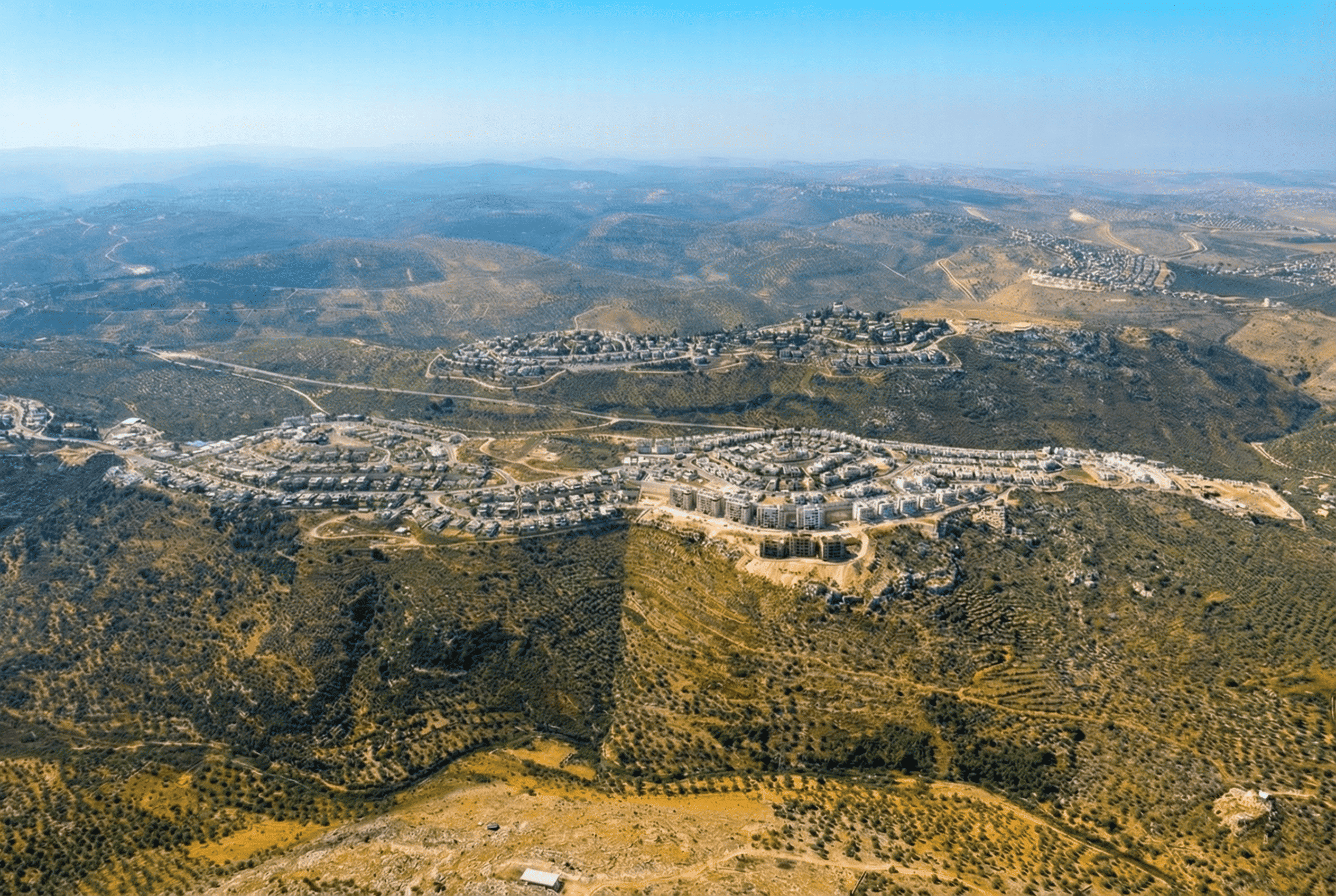
Merom Golan's housing primarily consists of single-family homes and cottages, many featuring agricultural plots. These residences are typically situated on spacious lots, offering ample outdoor space. The architectural styles vary, with homes constructed over different periods, reflecting the kibbutz's development since its establishment in 1967. The real estate market in Merom Golan is characterized by affordability compared to central Israel, attracting individuals and families seeking a tranquil, community-oriented lifestyle. The demand is driven by the kibbutz's scenic location, strong sense of community, and access to quality educational and public services. Buyers often include those interested in agricultural pursuits or tourism-related ventures, given the area's natural attractions. Market liquidity is moderate, with properties appealing to niche buyers looking for a unique living environment. Merom Golan is a compact community without distinct sub-areas or neighborhoods. The kibbutz's layout fosters a close-knit atmosphere, with residential areas, communal facilities, and agricultural lands integrated seamlessly. This design supports the communal lifestyle and shared values that define Merom Golan. Given the kibbutz's size and structure, there are no named neighborhoods or sub-divisions within Merom Golan.
NEW CONSTRUCTION PROJECTS
Merom Golan is currently enhancing its infrastructure with several significant projects. The Bar-On Reservoir, located approximately 1.5 kilometers northeast of the kibbutz, has been developed to collect and store runoff water, providing a reliable water source for local agriculture. Additionally, the Bar-On Reservoir hosts Israel's largest floating photovoltaic and storage project, with an installed capacity of 21 MW and a storage capacity of 160.5 MWh, operational since 2025. The kibbutz is also constructing the BaYaar Hotel, a luxury resort designed by Rozen-Linnenberg Architects, set amidst a dense oak forest to offer guests an immersive natural experience.
TRANSPORTATION & ACCESSIBILITY
Transportation to and from Merom Golan is facilitated by several bus routes operated by the Golan Regional Council. Bus lines such as 14, 54, 59, 87, and 94 connect the kibbutz to nearby towns and cities, including Katzrin and Kiryat Shmona. The Merom Golan Center serves as the primary bus stop within the kibbutz, providing residents and visitors with accessible public transit options. These services ensure connectivity to regional hubs, supporting the community's accessibility and mobility.
WHY NEW IMMIGRANTS CHOOSE MEROM GOLAN
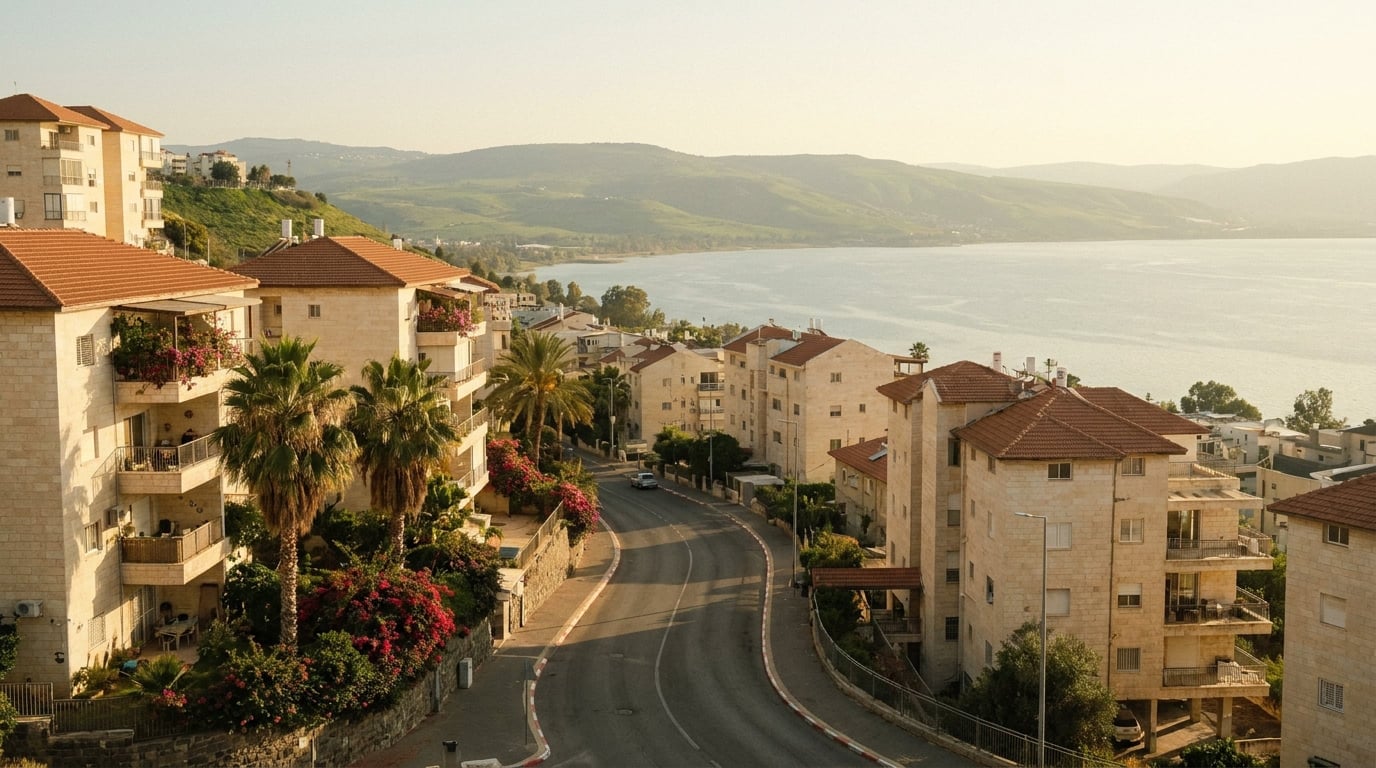
New immigrants are drawn to Merom Golan for its strong sense of community, high standard of living, and commitment to Jewish and Zionist values. The kibbutz offers a supportive environment for families, with excellent educational facilities and public services. Its scenic location at the foot of Mount Bental provides a peaceful and picturesque setting, appealing to those seeking a tranquil lifestyle.
- Supportive community with shared values
- High-quality education and public services
- Scenic and tranquil environment
- Opportunities for agricultural and tourism employment
- Rich cultural and social activities