CITY HISTORY & DEVELOPMENT
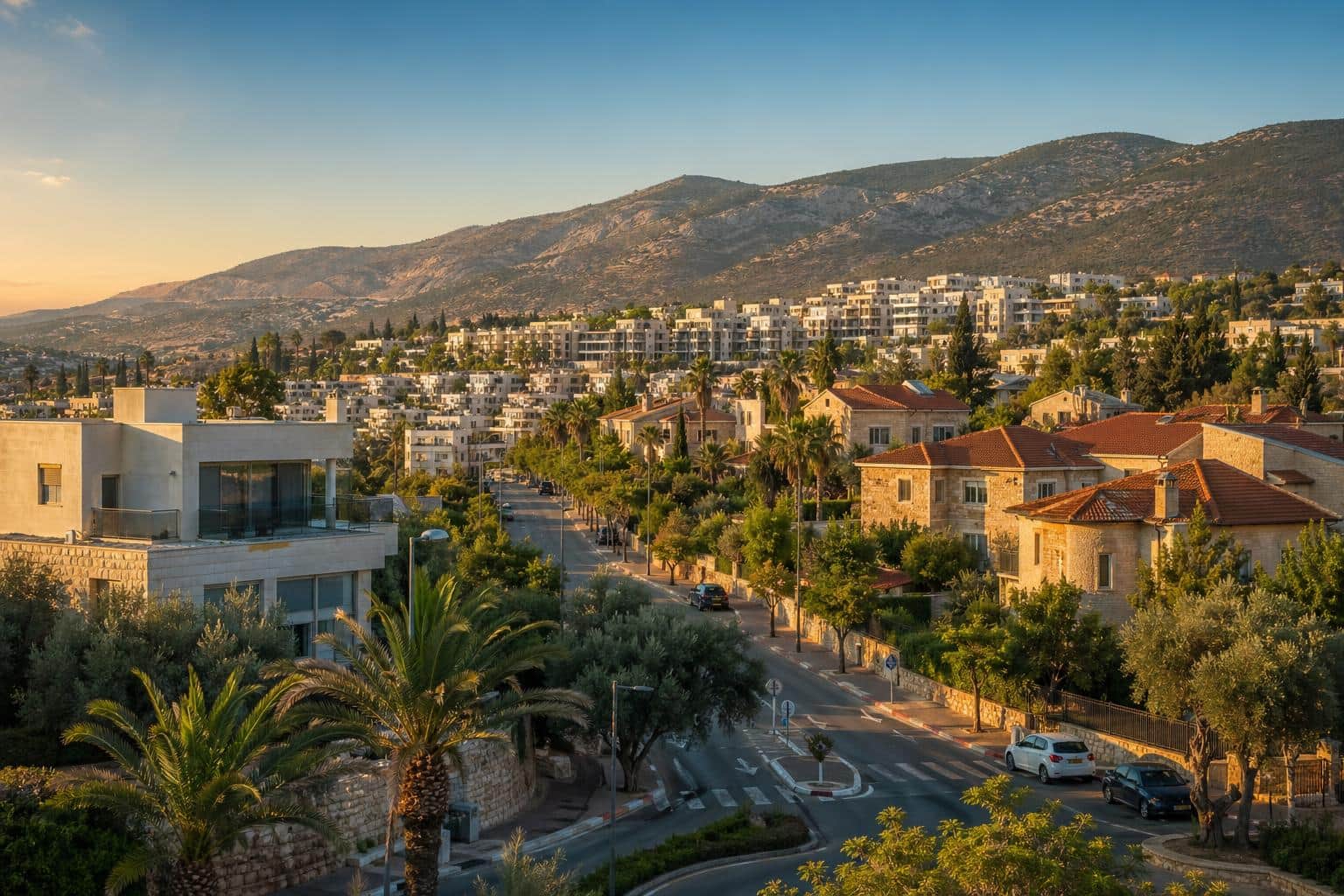
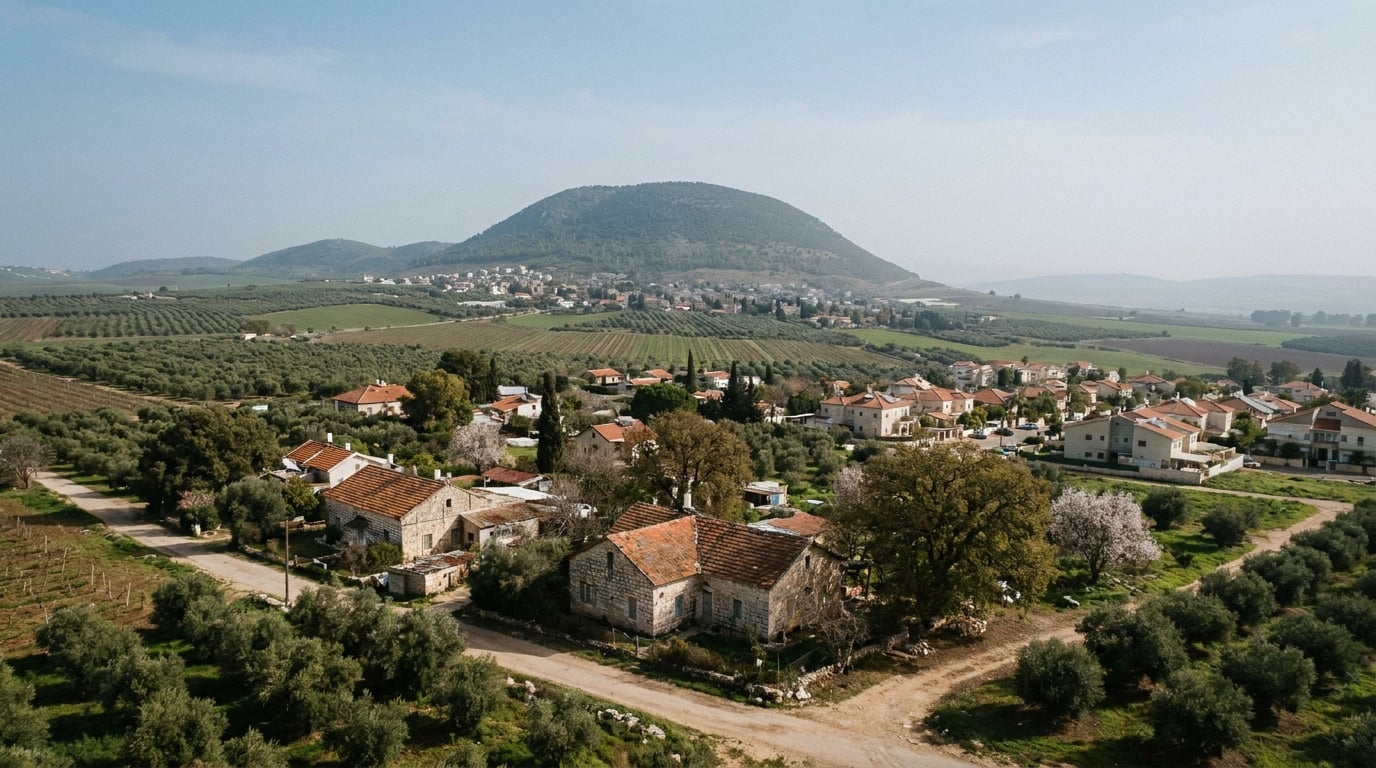
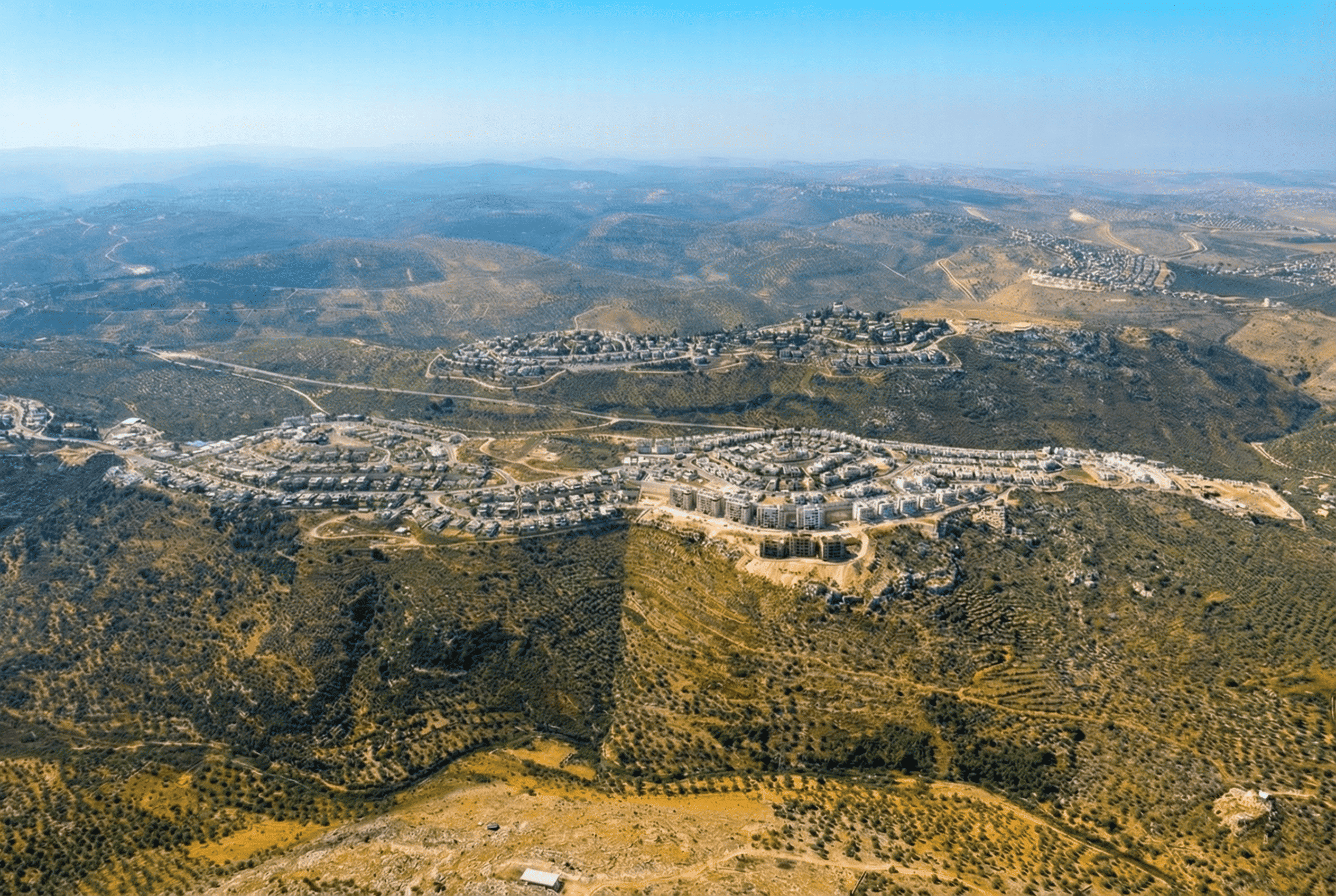
Yokneam Illit was established in 1950 as a transit camp for Jewish immigrants and refugees, evolving into a local council by 1967 and achieving city status in 2007. Situated at the base of the Carmel Mountains, it has transformed into a high-tech hub, earning the nickname 'Startup Village.' The city is strategically located along major highways, including Highway 70 and Highway 6, facilitating connectivity to other regions.
DEMOGRAPHICS & FAMILY LIFESTYLE
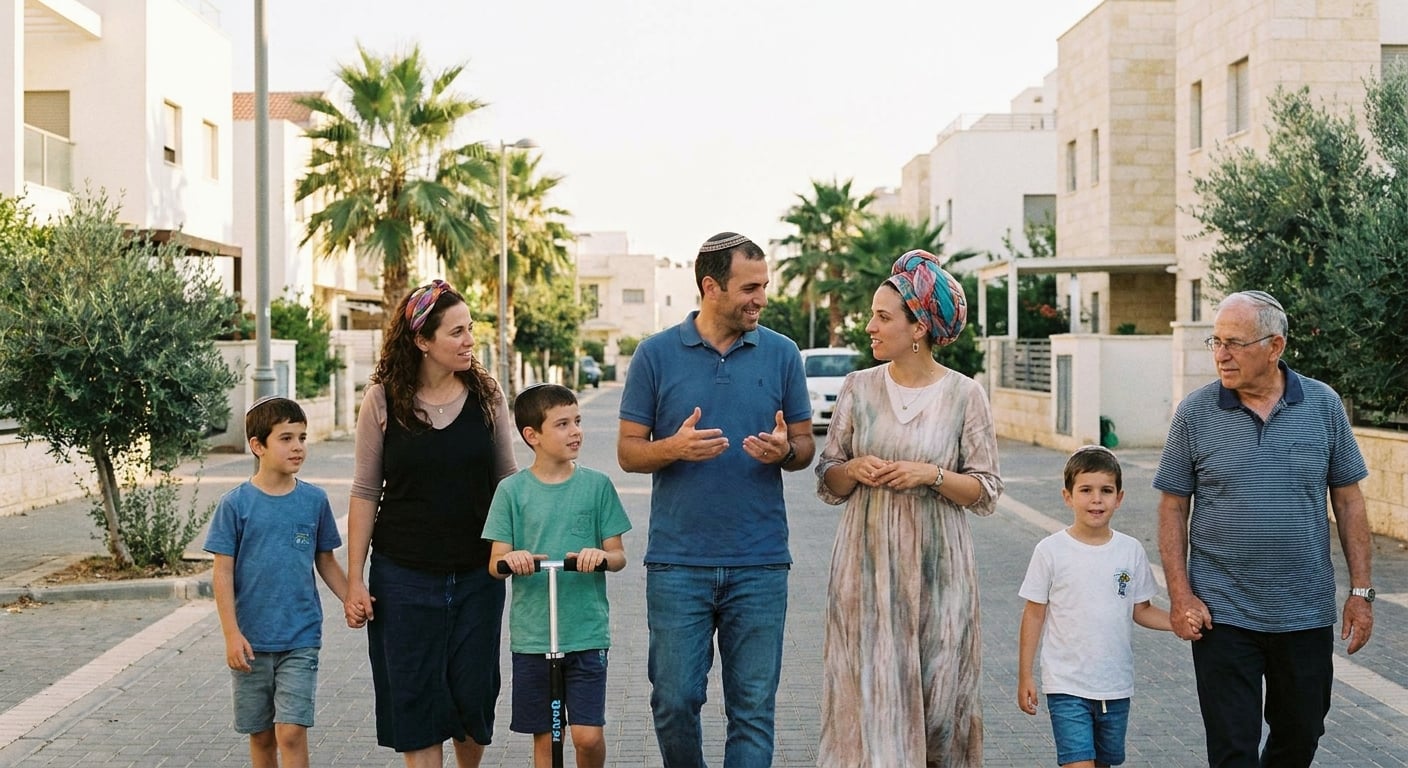
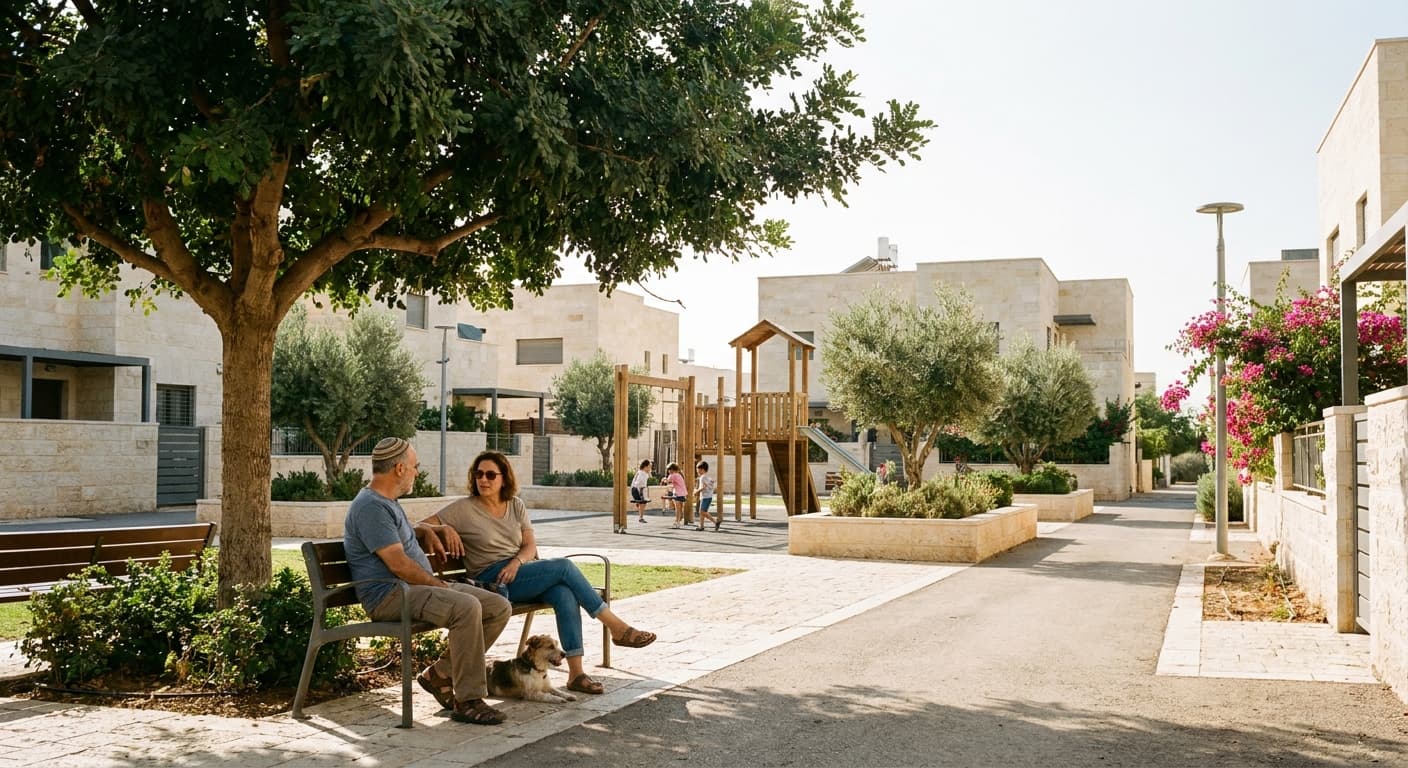
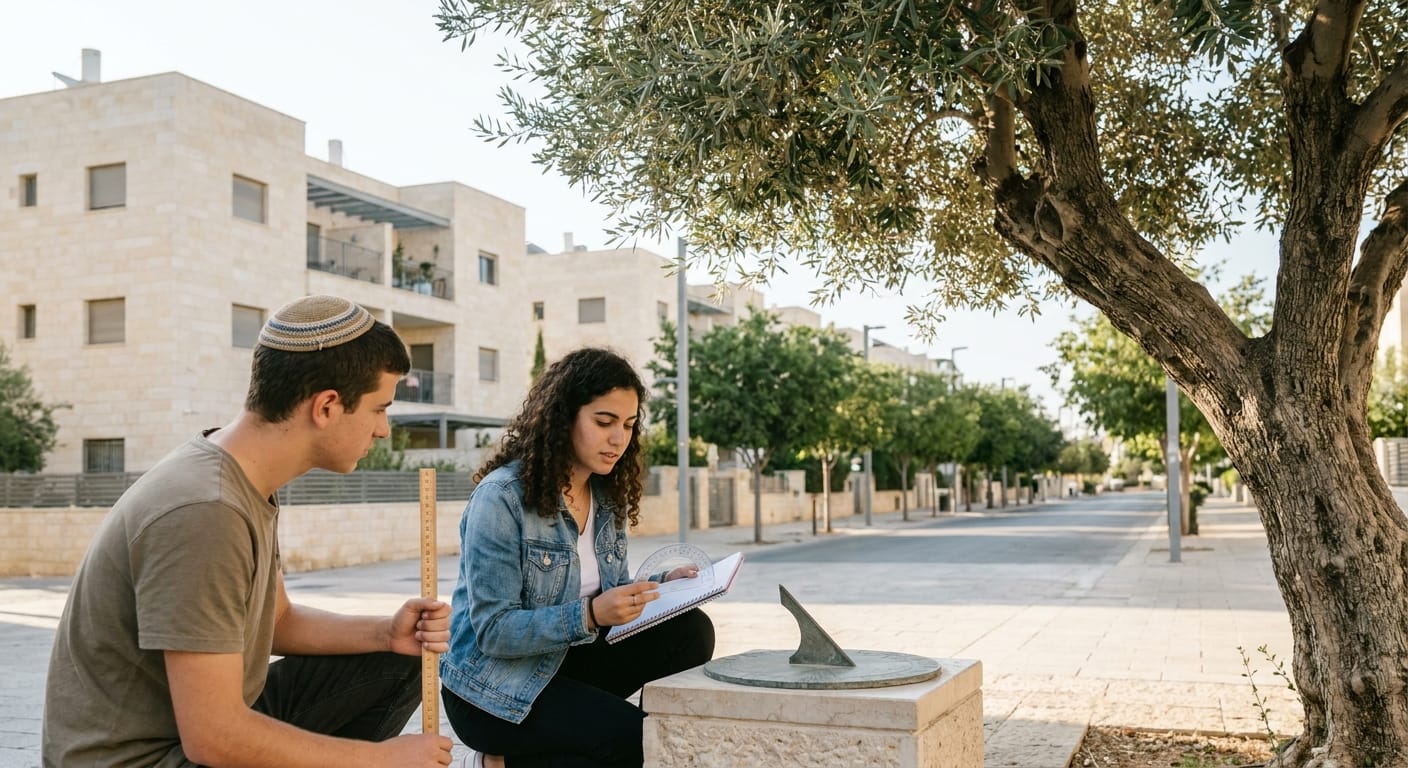
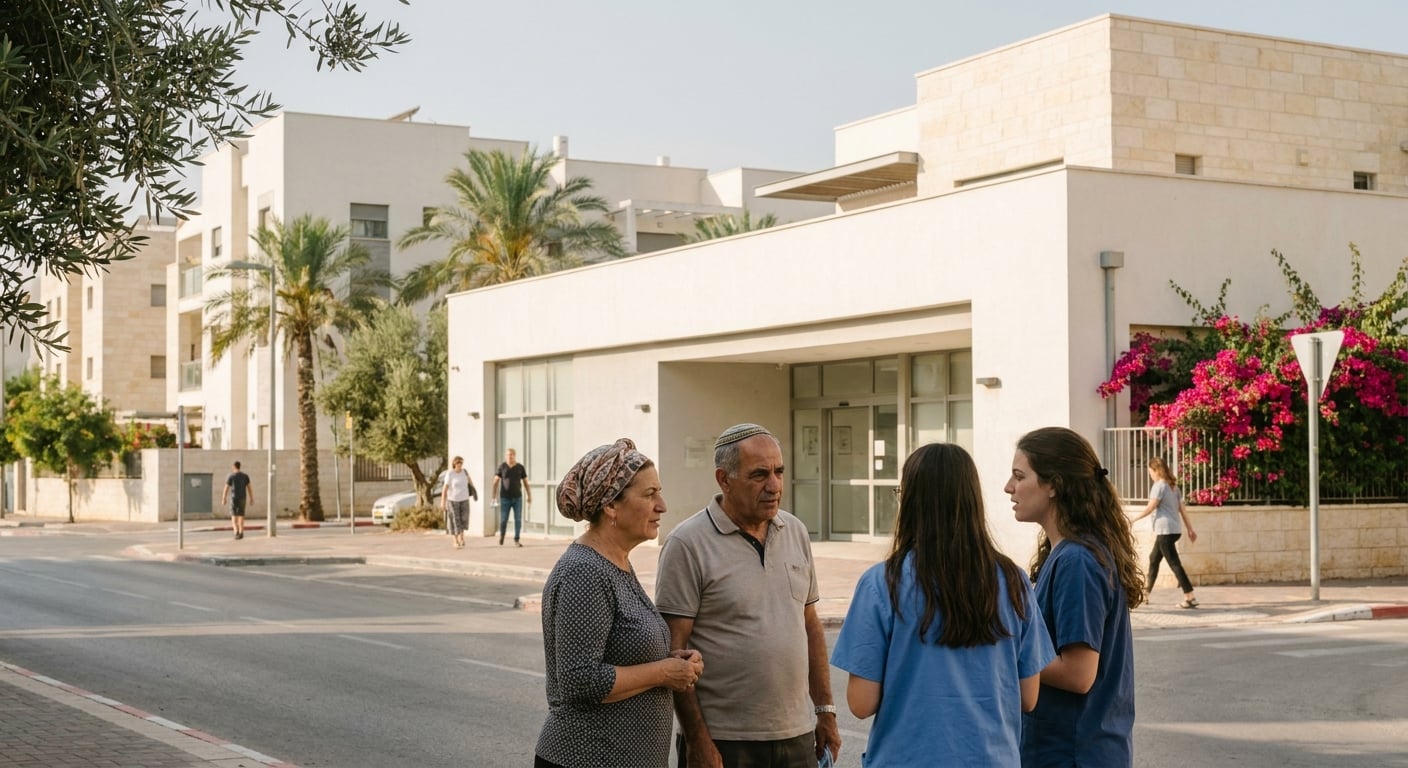
The city is home to approximately 24,158 residents, with a demographic composition of 89.7% Jewish and 10.3% other groups. The community is characterized by a mix of secular and religious Jews, fostering an environment of religious tolerance. Notably, 76% of the population is aged 40 or under, and 40% are college graduates, reflecting a youthful and educated populace.
REAL ESTATE MARKET OVERVIEW
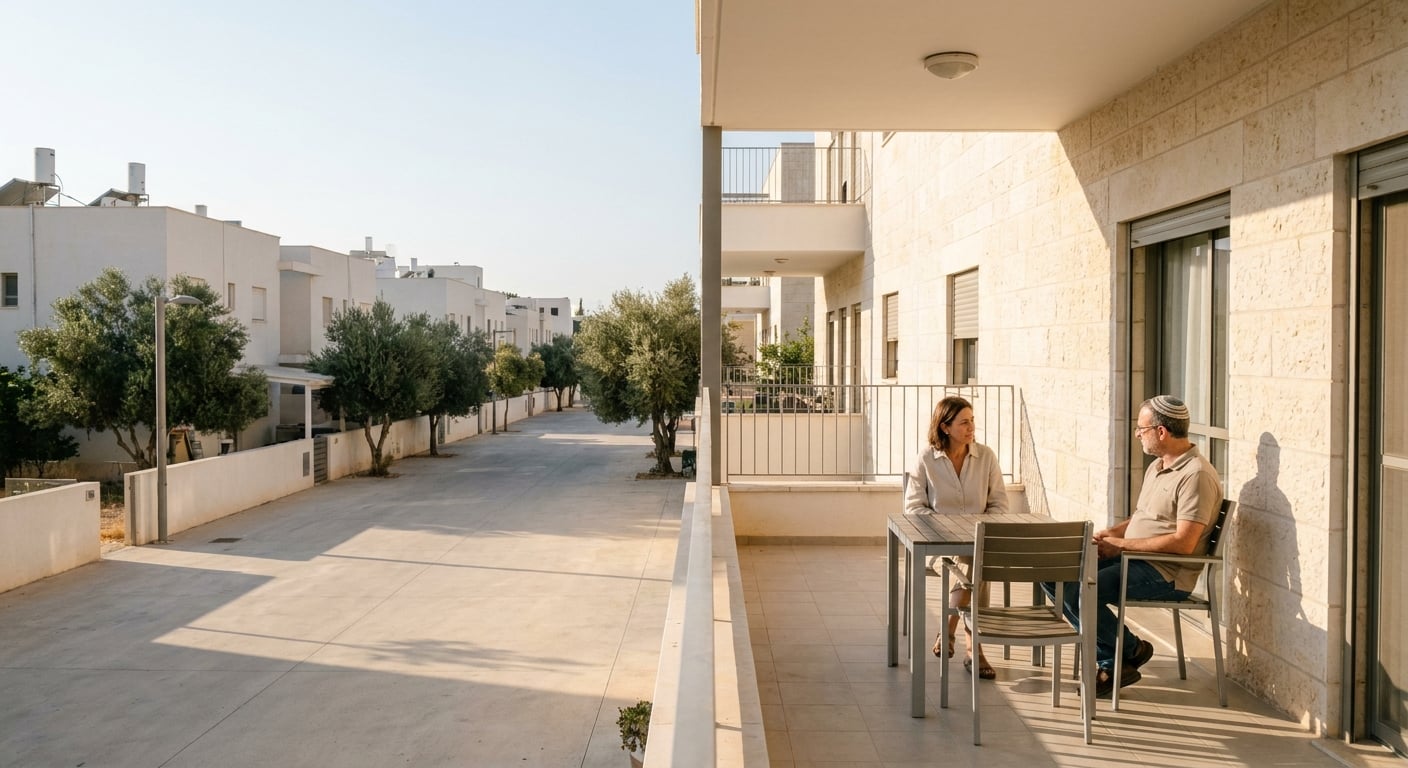
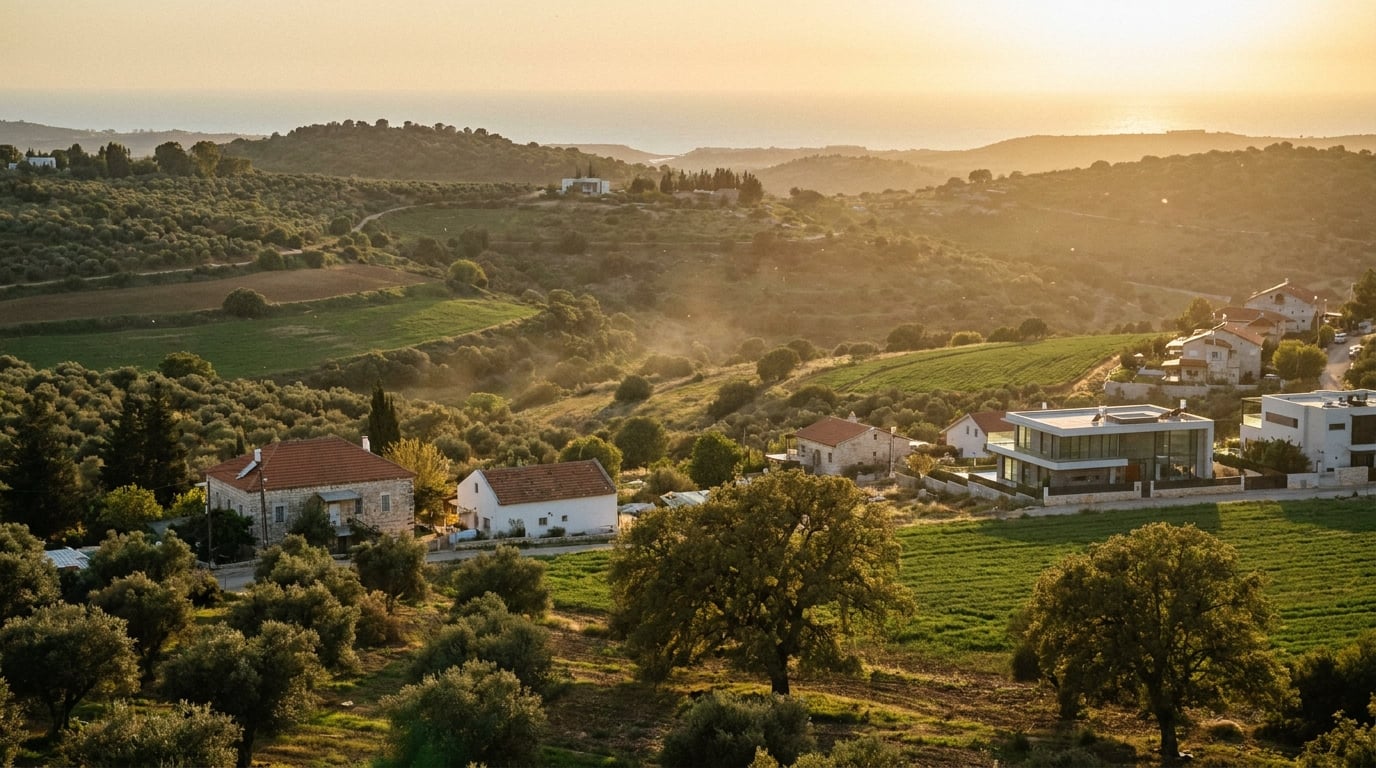
Yokneam Illit's housing stock comprises a mix of residential options, including apartments, cottages, and terraced houses. The city has experienced significant development since its establishment, with newer constructions featuring modern amenities. Properties vary in size, with some cottages offering plots around 213 square meters and built areas of approximately 187 square meters.
The demand for housing in Yokneam Illit is driven by its high-tech industry, attracting professionals seeking proximity to employment opportunities. This demand has led to a steady increase in property values, with average purchase prices around ₪1.94 million and average rents approximately ₪5,350 per month. The market is characterized by a youthful and educated buyer profile, contributing to a real estate environment.
NEIGHBORHOOD BREAKDOWN
The city is organized into distinct neighborhoods, each offering unique characteristics. This layout provides residents with a variety of living environments, catering to preferences and lifestyles.
- Ramat Yokneam: A neighborhood known for its residential apartments and proximity to local amenities.
- Nof HaEmek: Offers scenic views and a mix of housing options, appealing to families and professionals.
- Givat Alonim: Features modern developments with spacious homes, attracting those seeking contemporary living spaces.
- Sha'ar HaGai: Characterized by its accessibility and range of residential properties, suitable for various budgets.
- Nof HaCarmel: Provides residents with picturesque views of the Carmel Mountains and a tranquil living environment.
NEW CONSTRUCTION PROJECTS
Yokneam Illit is undergoing significant development to accommodate its growing population and expanding high-tech industry. A master plan agreement, signed with the Construction and Housing Ministries and the Finance Ministry, includes an investment of approximately NIS 1.8 billion to double the city's population from about 25,000 to 50,000 residents. This plan encompasses the construction of approximately 6,000 new housing units and 10,000 square meters designated for commerce and employment. Additionally, the high-tech park is expanding with the addition of a 13-floor office tower offering 26,500 square meters of LEED-certified office spaces, expected to begin construction in 2026. The park will also feature the city's first hotel, providing 40 rooms for business visitors and delegations.
TRANSPORTATION & ACCESSIBILITY
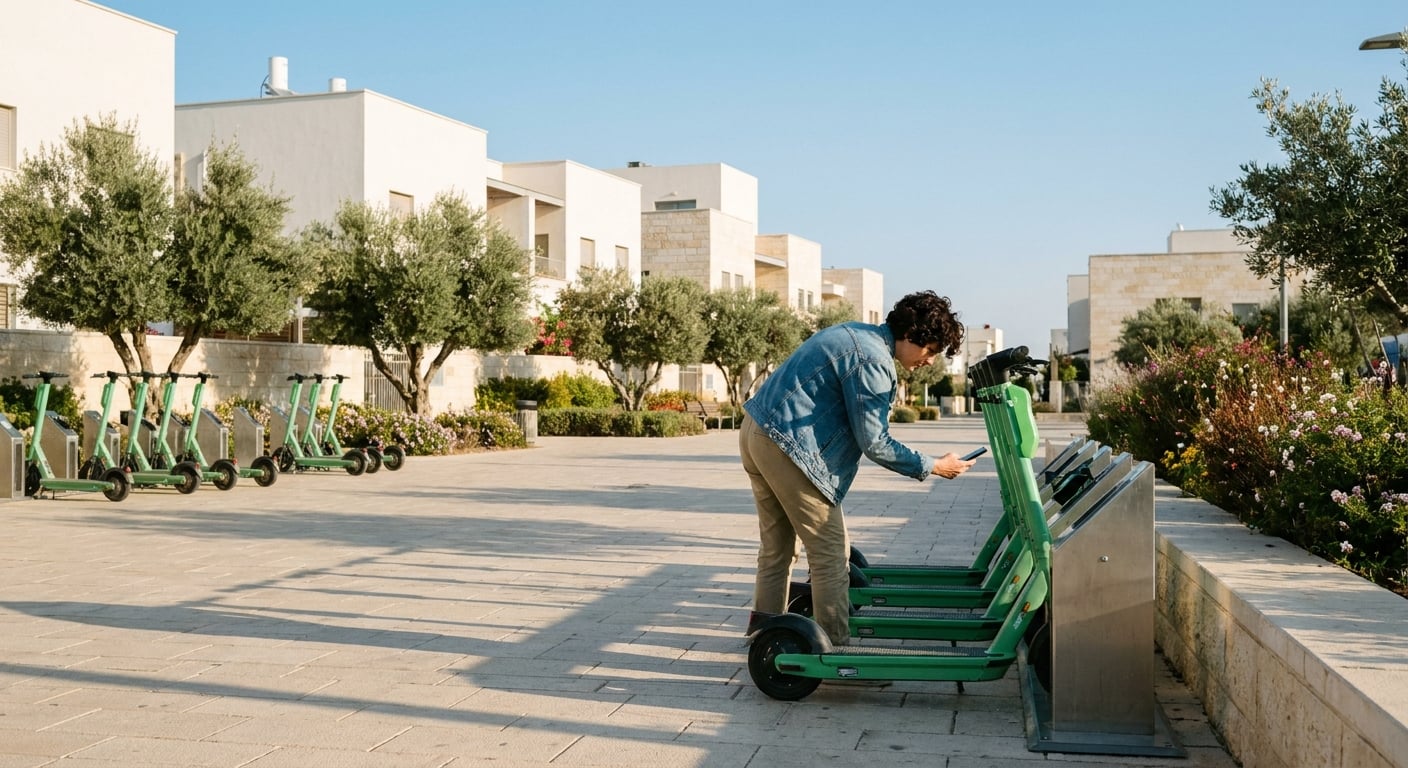
Yokneam Illit benefits from its strategic location at the intersections of Highway 70 and Highway 6, facilitating efficient travel to major cities like Haifa, Tel Aviv, and Jerusalem. Public transportation is well-developed, with bus services operated by companies such as Superbus, Egged, and Nateev Express, offering routes to Haifa, Afula, Tel Aviv, Bnei Brak, and Jerusalem. The city is also served by the Yokneam–Kfar Yehoshua railway station on the Jezreel Valley line, providing additional connectivity to the region. These transportation options enhance the city's accessibility for residents and businesses alike.
WHY NEW IMMIGRANTS CHOOSE YOKNEAM ILLIT
Olim are drawn to Yokneam Illit due to its high-tech industry, offering ample employment opportunities. The city's community, combined with its strategic location near major highways, enhances accessibility. Additionally, the presence of numerous synagogues catering to various traditions supports the religious and cultural needs of new immigrants.
- High-tech industry with ample job opportunities
- Community fostering religious tolerance
- Strategic location near major highways for easy accessibility
- Numerous synagogues catering to various traditions
- Youthful and educated populace enhancing social vibrancy