CITY HISTORY & DEVELOPMENT
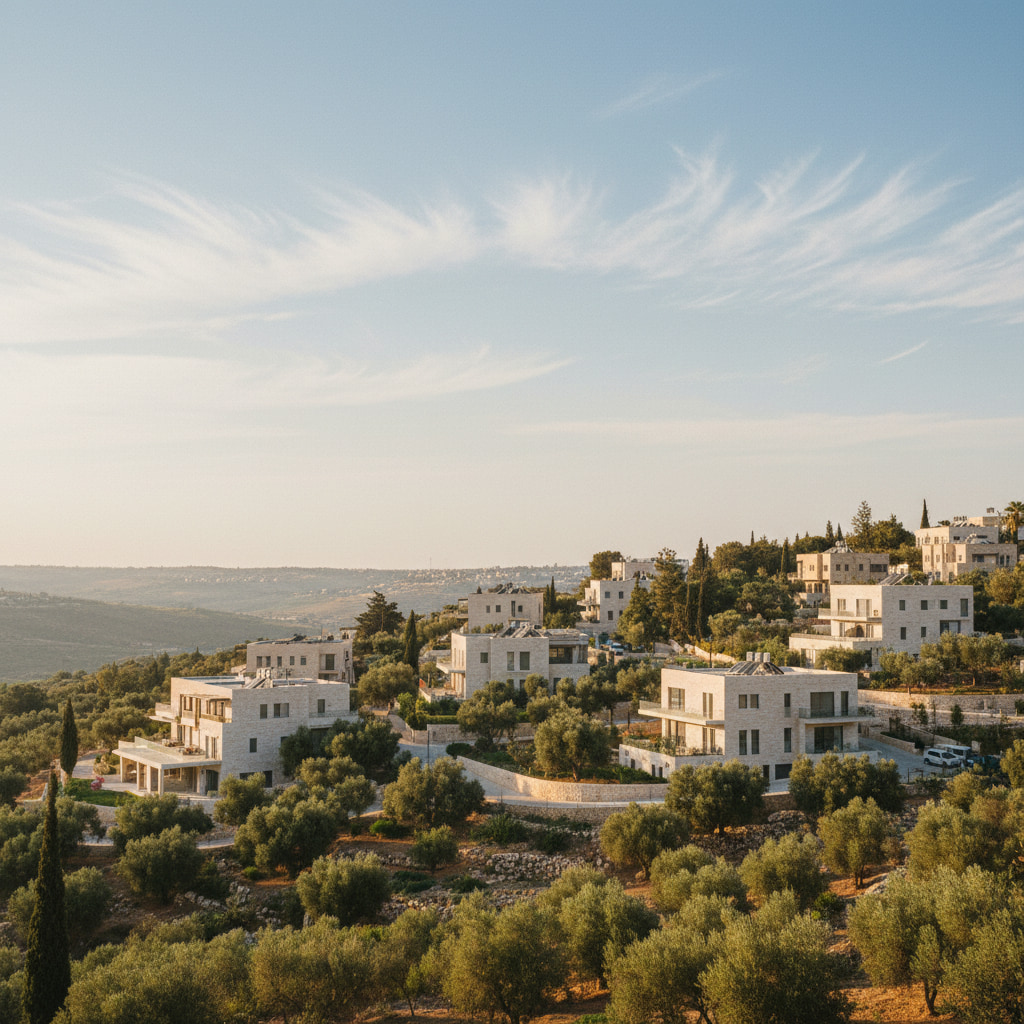
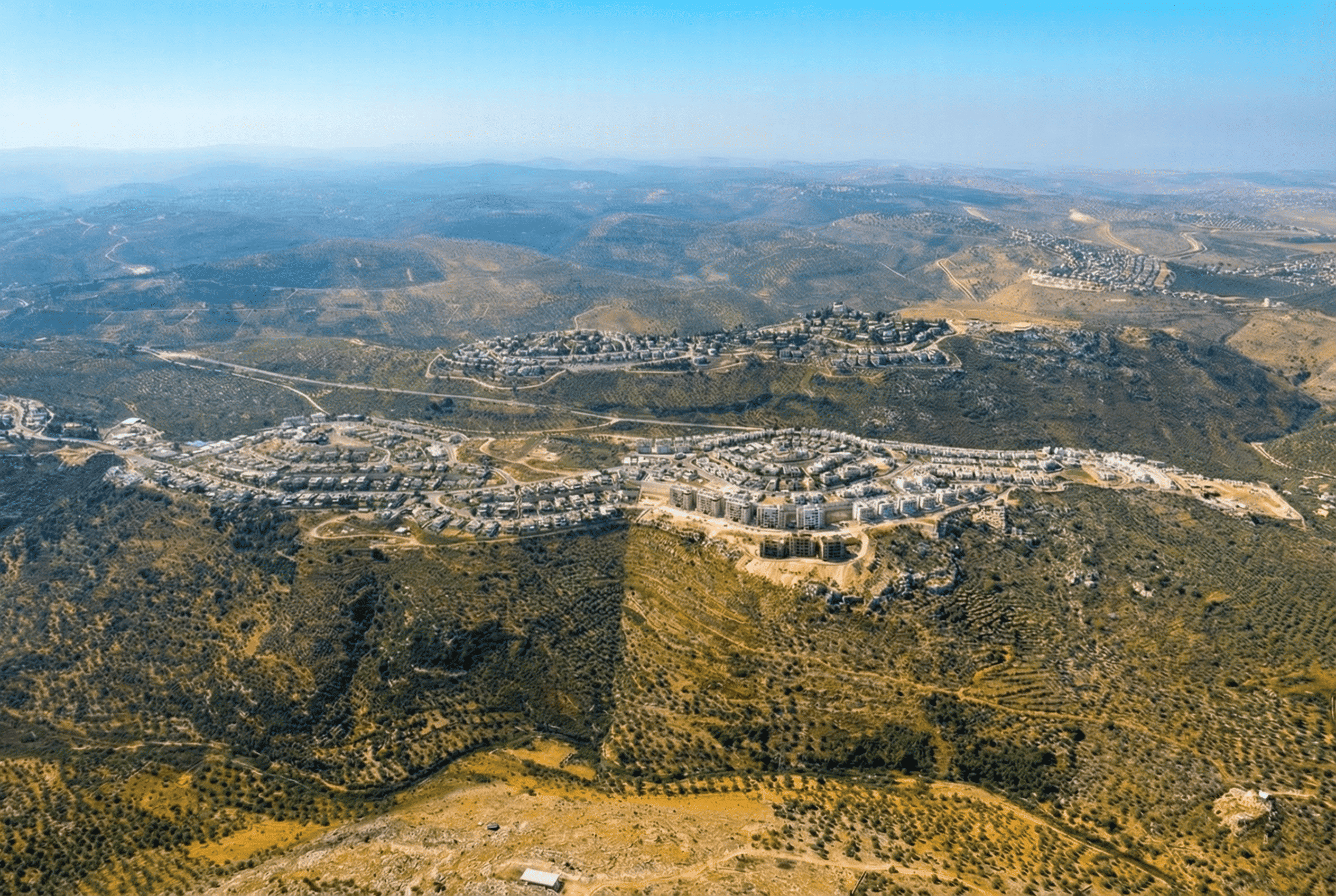
Kerem Shalom, established in 1956 as a Nahal settlement named "Kerem Avshalom" in honor of Avshalom Feinberg, is strategically located at the tri-border point between Israel, Egypt, and the Gaza Strip. The kibbutz faced dissolution in 1995 but was re-established in 2001. In 2017, an influx of young religious families revitalized the community, fostering a unique blend of secular and religious residents.
DEMOGRAPHICS & FAMILY LIFESTYLE
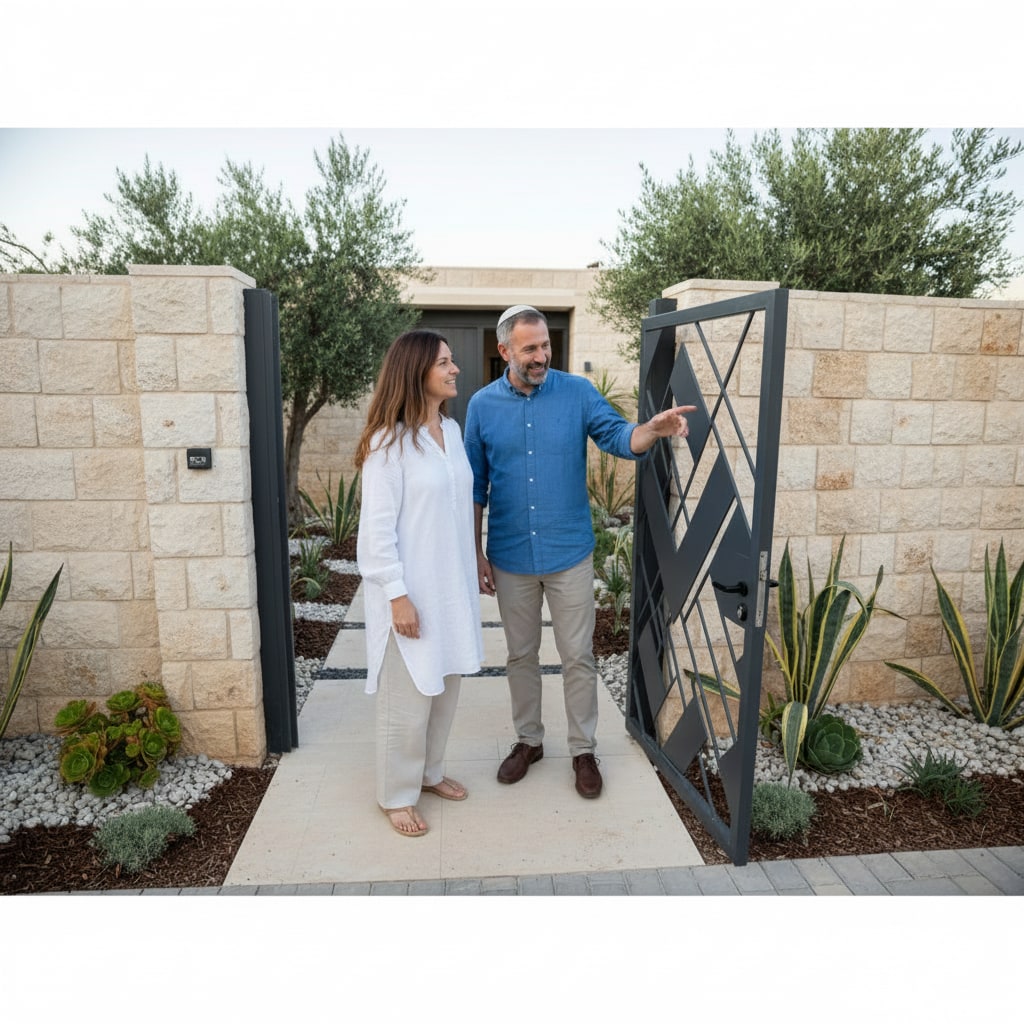
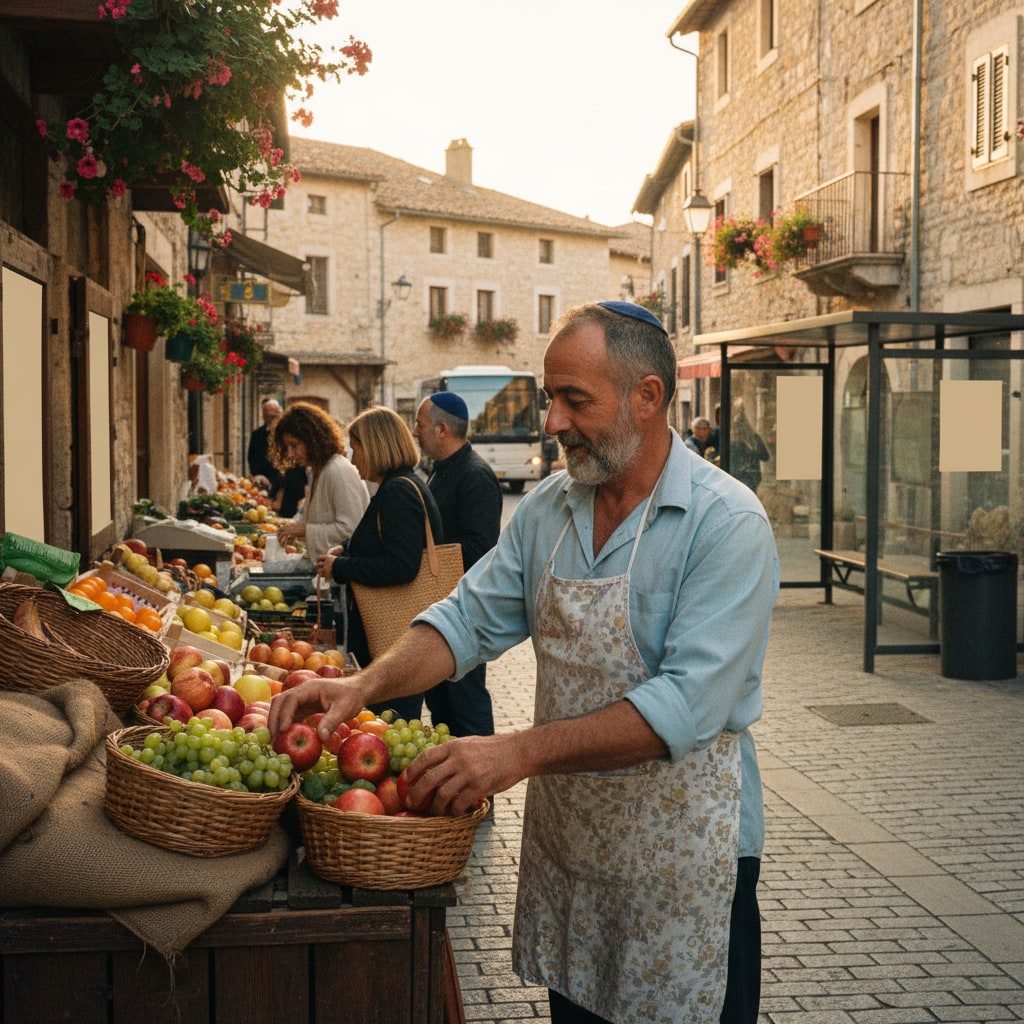
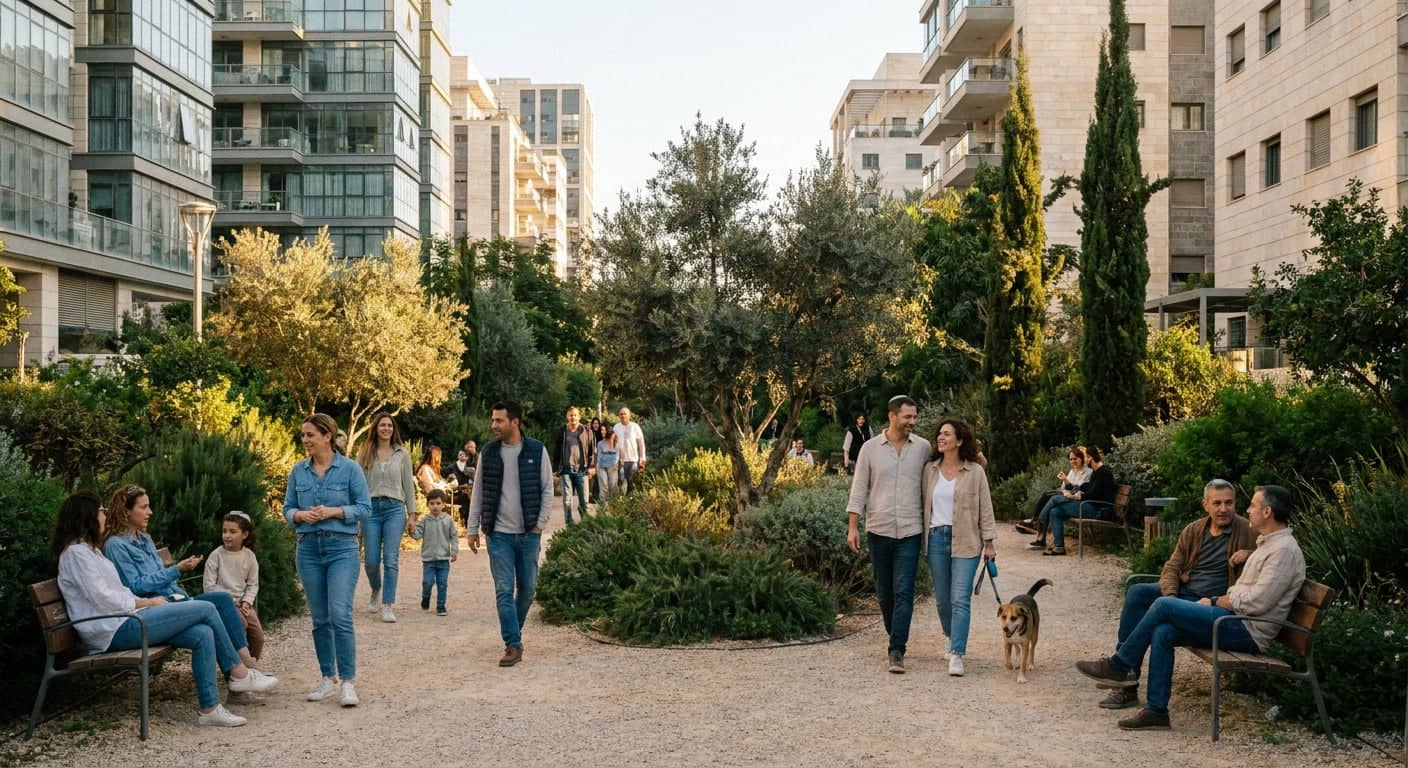
The kibbutz comprises approximately 35 families, totaling around 236 residents, including about 100 children. This mixed community of secular and religious members coexists harmoniously, emphasizing mutual responsibility in education, culture, health, and economy. The lifestyle is communal, with shared celebrations and cultural events.
REAL ESTATE MARKET OVERVIEW
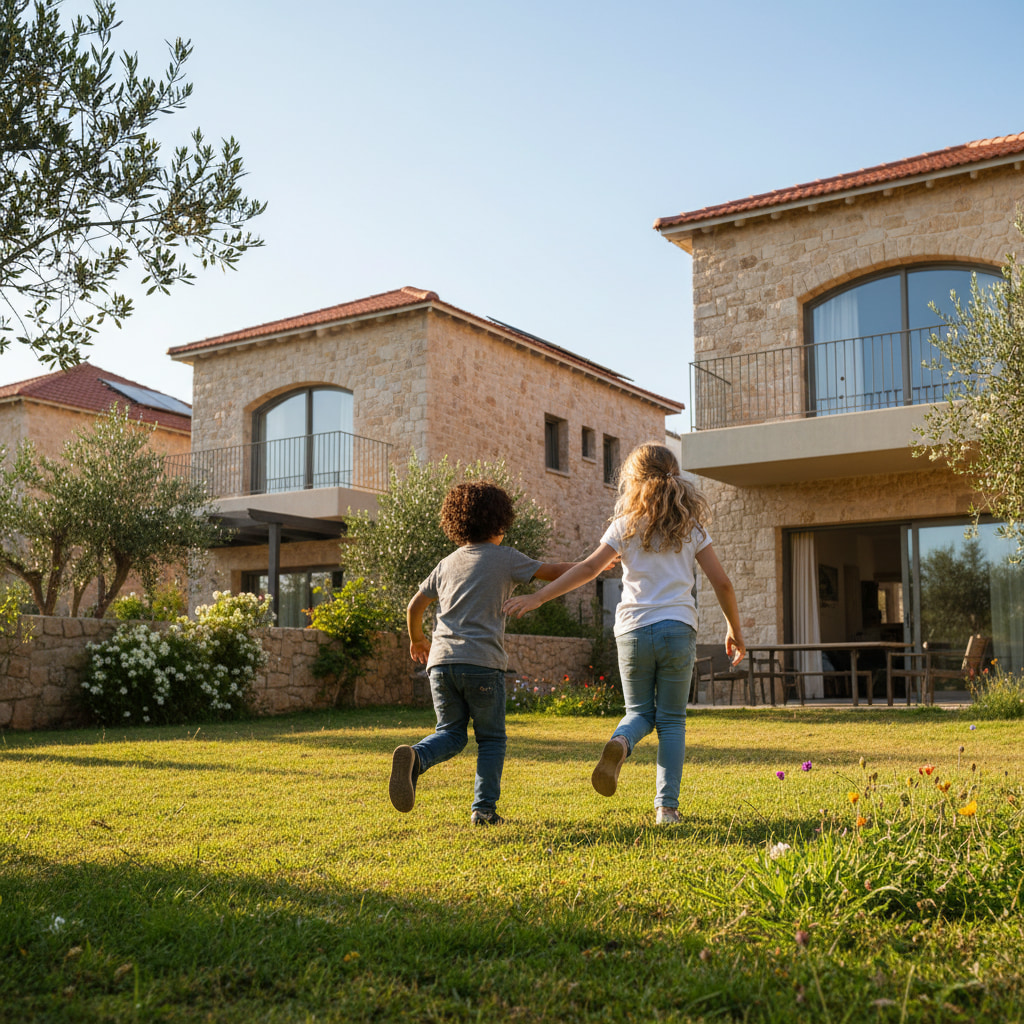
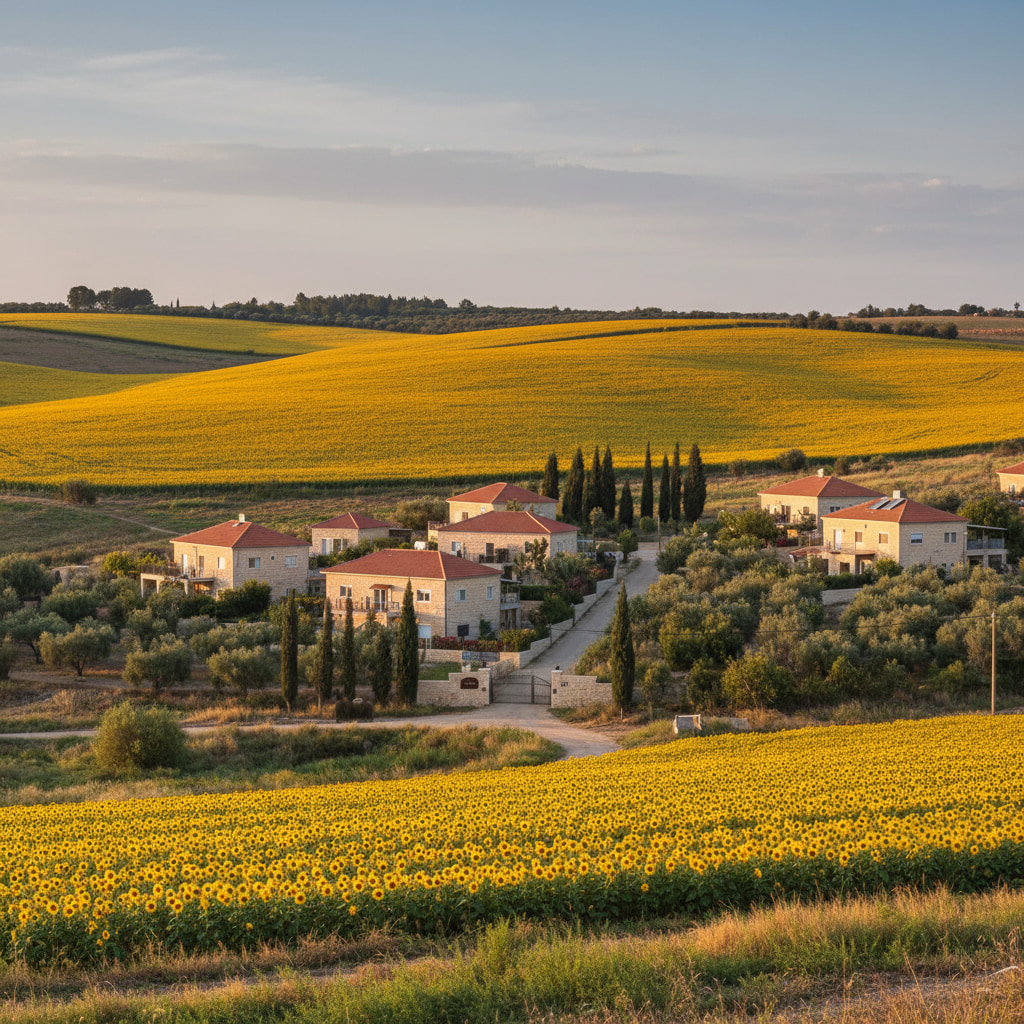
Kerem Shalom's housing primarily consists of single-story homes with three bedrooms, including a secure room (mamad), a living room, kitchen, two bathrooms, and a shower. Each house spans approximately 82 square meters and is surrounded by a yard suitable for a garden and seating area. These homes are designed to accommodate families seeking a communal lifestyle within the kibbutz. The kibbutz is experiencing growth, attracting families interested in its unique blend of secular and religious community life. The demand is driven by the affordable living conditions and the opportunity to participate in a cooperative agricultural environment. The housing market is characterized by stability, with properties being allocated to new members through a structured absorption process. Prospective residents typically rent homes initially, with the possibility of purchasing permanent residences as they become available. Kerem Shalom is a compact community without distinct neighborhoods. The layout fosters close-knit interactions among residents, emphasizing communal living and shared responsibilities. The kibbutz's design supports an environment where members engage collectively in daily activities and community events. Given its size and structure, Kerem Shalom does not have named sub-areas or neighborhoods. The entire kibbutz functions as a single, unified community, reinforcing its emphasis on collective living and mutual support among all residents. The kibbutz is actively seeking new families to join, offering a structured absorption process that includes initial rental housing and the potential for full membership. This growth initiative aims to strengthen the community's demographic and economic foundations. Kerem Shalom's housing market is unique due to its communal structure, where properties are allocated through the kibbutz's internal processes rather than a traditional real estate market.
NEW CONSTRUCTION PROJECTS
In recent years, Kerem Shalom has experienced significant development to accommodate its growing community. In 2019, the Settlement Division initiated the construction of new structures to welcome approximately ten new families, enhancing the kibbutz's capacity and infrastructure. This expansion included the addition of a synagogue and the dedication of a Torah scroll, reflecting the community's commitment to both growth and tradition.
TRANSPORTATION & ACCESSIBILITY
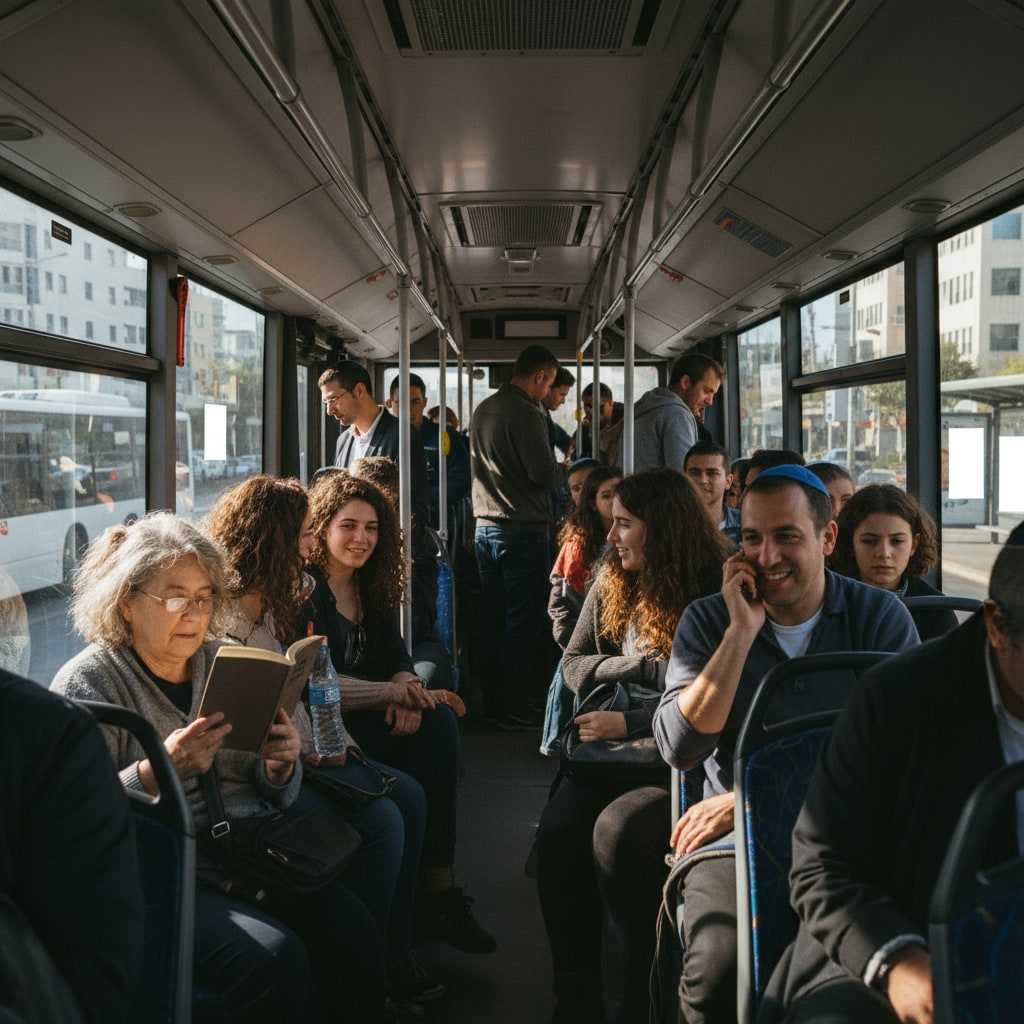
Kerem Shalom is accessible via public transportation, with bus line 11 operated by Dan South connecting the kibbutz to the Eshkol Regional Council Terminal. This service facilitates travel to and from the kibbutz, linking residents to broader regional networks. The journey from Tel Aviv to Kerem Shalom typically involves a transfer at the Eshkol Regional Council Terminal, with a total travel time averaging around 2 hours and 34 minutes.
WHY NEW IMMIGRANTS CHOOSE KEREM SHALOM
New immigrants are drawn to Kerem Shalom for its strong sense of community, affordable living, and the opportunity to participate in a cooperative agricultural lifestyle. The kibbutz's strategic location offers unique experiences, and the harmonious blend of secular and religious residents provides a welcoming environment for backgrounds.
- Strong sense of community and mutual support
- Affordable living with cooperative agricultural opportunities
- Unique experiences due to strategic location
- Welcoming environment for backgrounds
- Harmonious blend of secular and religious residents