CITY HISTORY & DEVELOPMENT
Kfar Aza was established in August 1951 by Jewish immigrants from Egypt and Tangier, Morocco, who had trained at kibbutzim such as Ein Harod, Ayelet HaShahar, and Afikim. Initially named Yagav, the kibbutz was temporarily abandoned in 1955 but reestablished in January 1957 by members of the Mita'arim gar'in. Over the years, Kfar Aza developed an agricultural sector and established the Kafrit plastics manufacturing plant in 1973. The community has faced security challenges due to its proximity to the Gaza Strip, including a significant attack in October 2023.
DEMOGRAPHICS & FAMILY LIFESTYLE
Kfar Aza is a secular kibbutz located in the Sha'ar HaNegev Regional Council, approximately 2 kilometers east of the Gaza border. The population is around 964 residents. The community comprises approximately 225 members, 98 children of members, 72 residents in the community expansion (who are members of the association), 58 children of the community expansion, 89 residents in the kibbutz, and 61 children of residents, totaling about 650 people. The kibbutz offers a high-quality education system for all ages, from infancy through high school, and provides various cultural and recreational activities. Residents are employed in agriculture, the Kafrit plastics factory, and other business ventures.
REAL ESTATE MARKET OVERVIEW
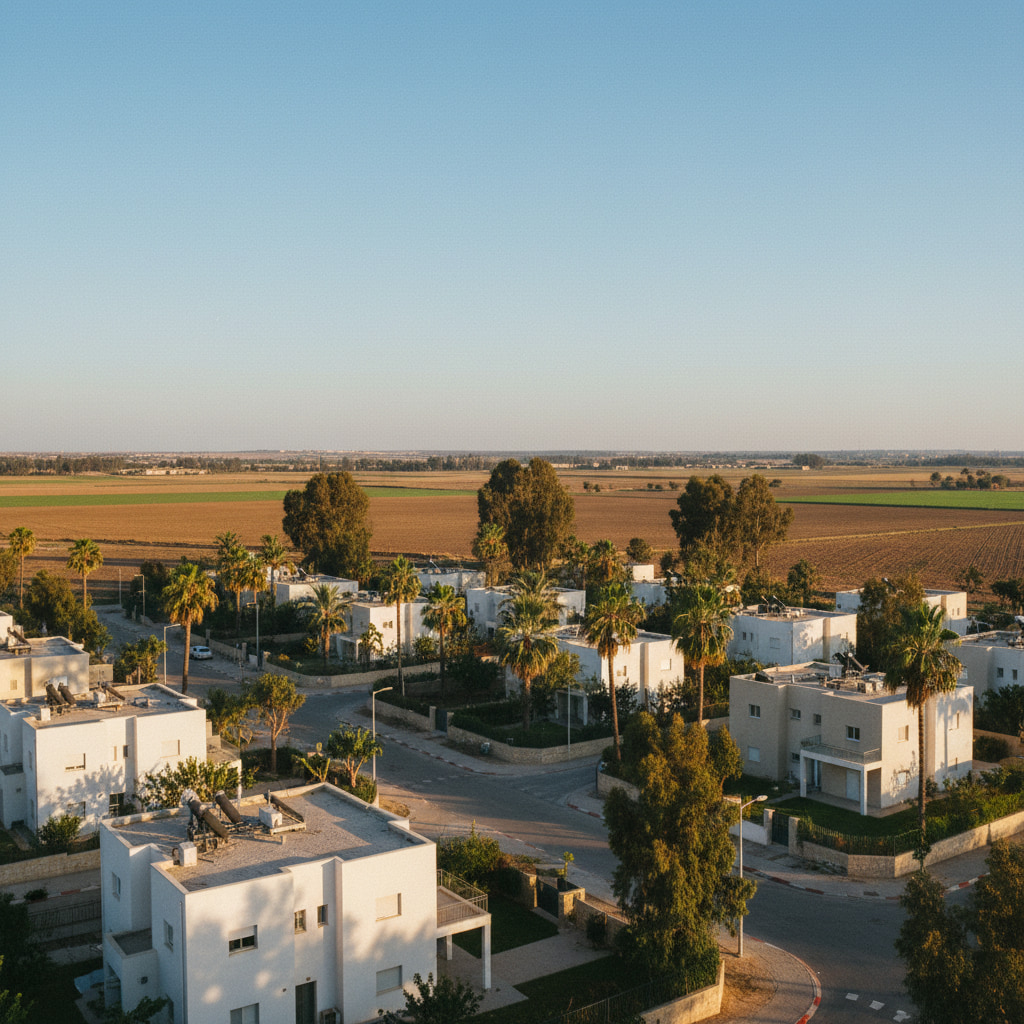
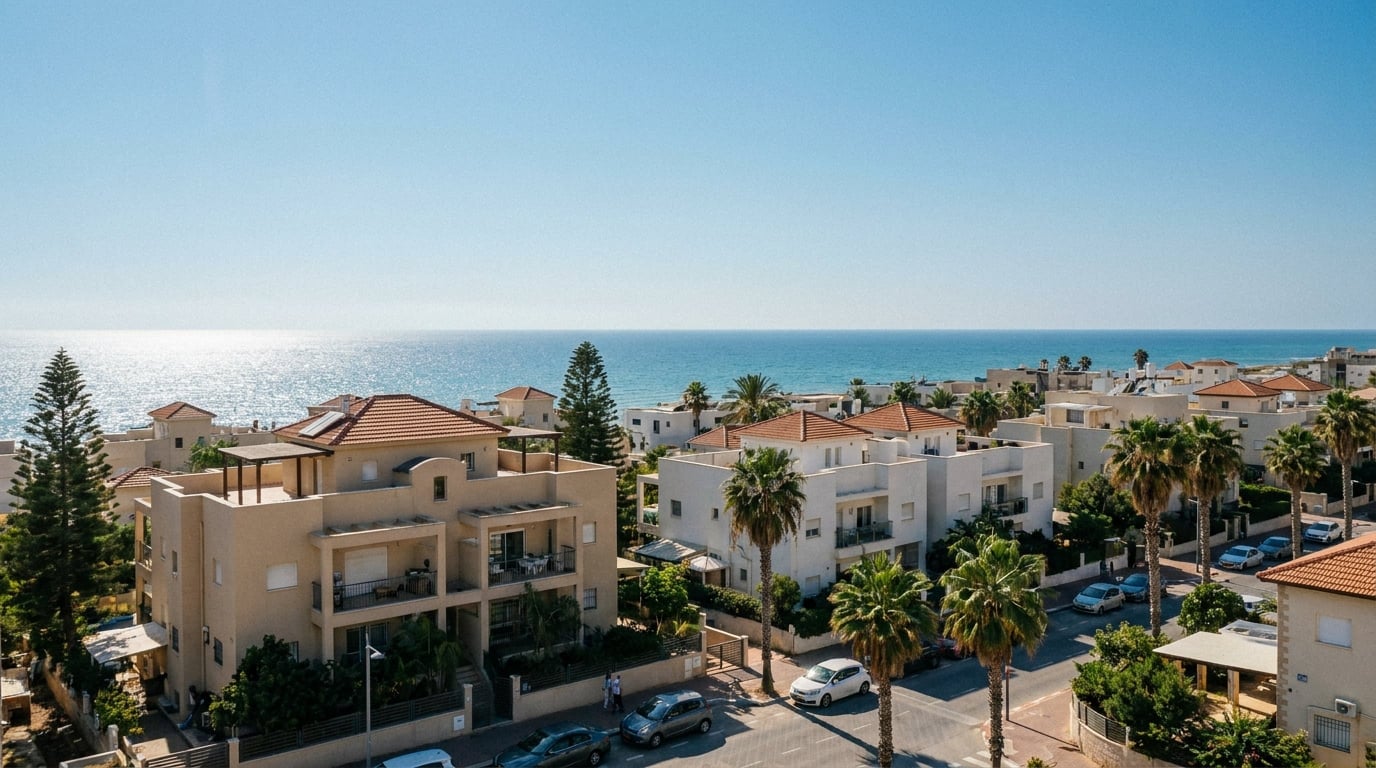
Kfar Aza's housing stock primarily consists of single-family homes and communal living units typical of kibbutz architecture. The residences are set on modest plots, reflecting the community's collective ethos. Many homes date back to the mid-20th century, with ongoing renovations and new constructions enhancing the community's infrastructure.
The real estate market in Kfar Aza is characterized by a stable demand, driven by individuals and families seeking a communal lifestyle with proximity to urban centers like Sderot and Netivot. Property prices are generally more affordable compared to central Israel, appealing to those looking for a balance between rural living and accessibility to city amenities. The market exhibits moderate liquidity, with properties typically remaining available for a reasonable duration before being sold.
NEIGHBORHOOD BREAKDOWN
Kfar Aza is a compact community without distinct neighborhoods, fostering a close-knit environment. The kibbutz's layout centers around communal facilities, with residential areas seamlessly integrated, promoting a strong sense of unity among residents.
NEW CONSTRUCTION PROJECTS
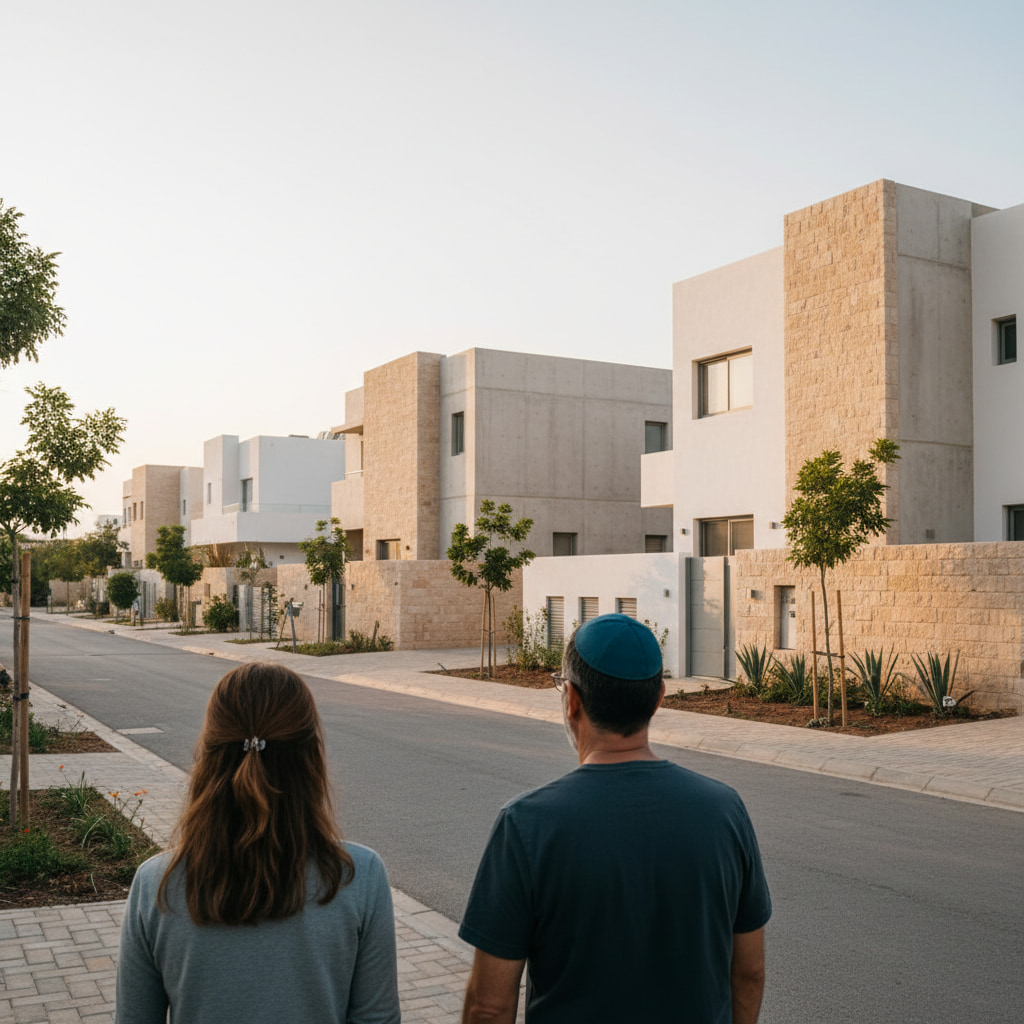
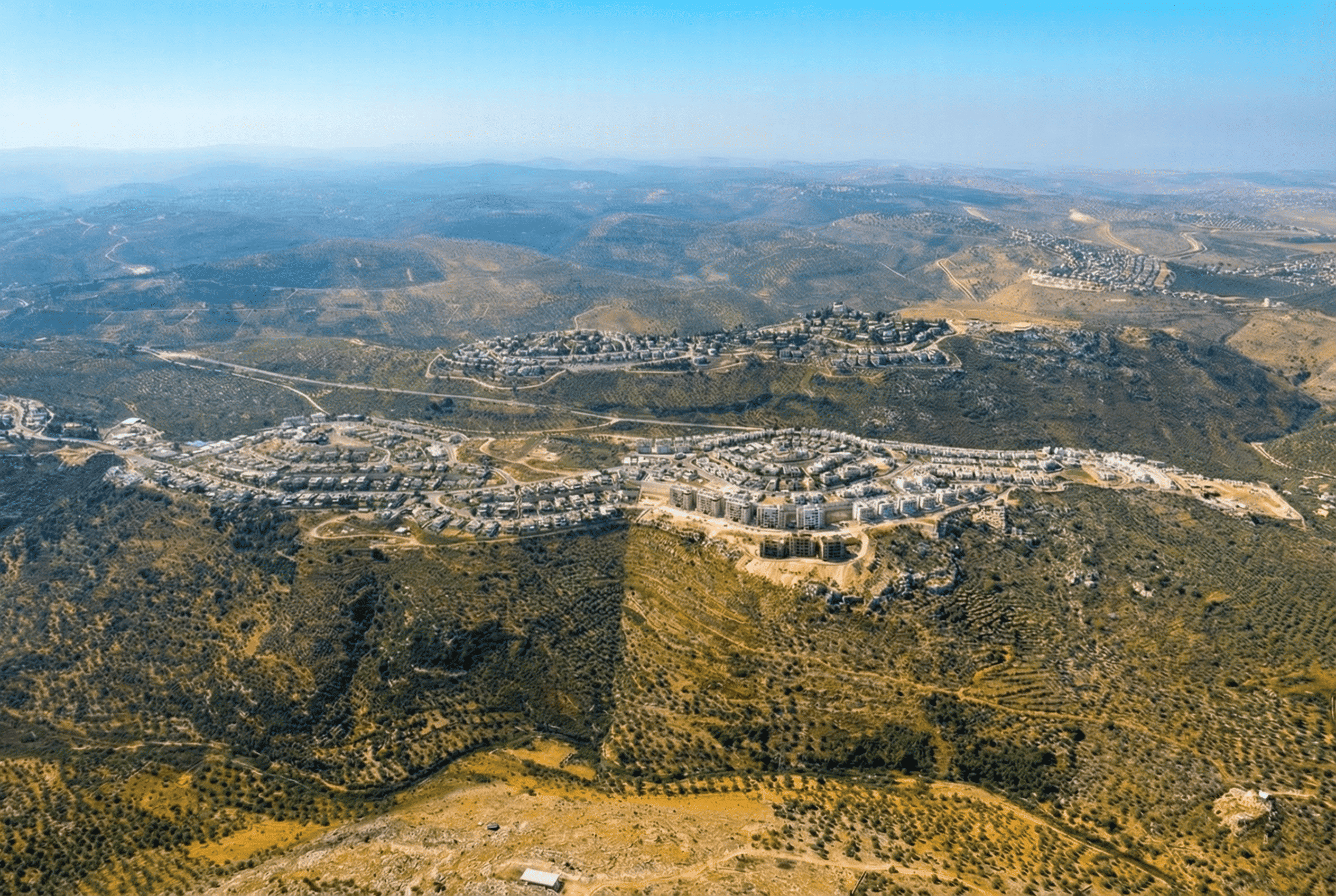
Following the events of October 7, 2023, Kibbutz Kfar Aza initiated significant reconstruction efforts to restore and enhance its community infrastructure. A notable project is the development of a new neighborhood featuring 48 housing units, designed to accommodate returning residents and attract new families.Additionally, plans are underway for a 42,000-square-meter industrial complex at the kibbutz's entrance, intended to bolster the local economy and provide employment opportunities. This complex will house offices, businesses, and storage facilities, serving as a regional industrial hub.
TRANSPORTATION & ACCESSIBILITY
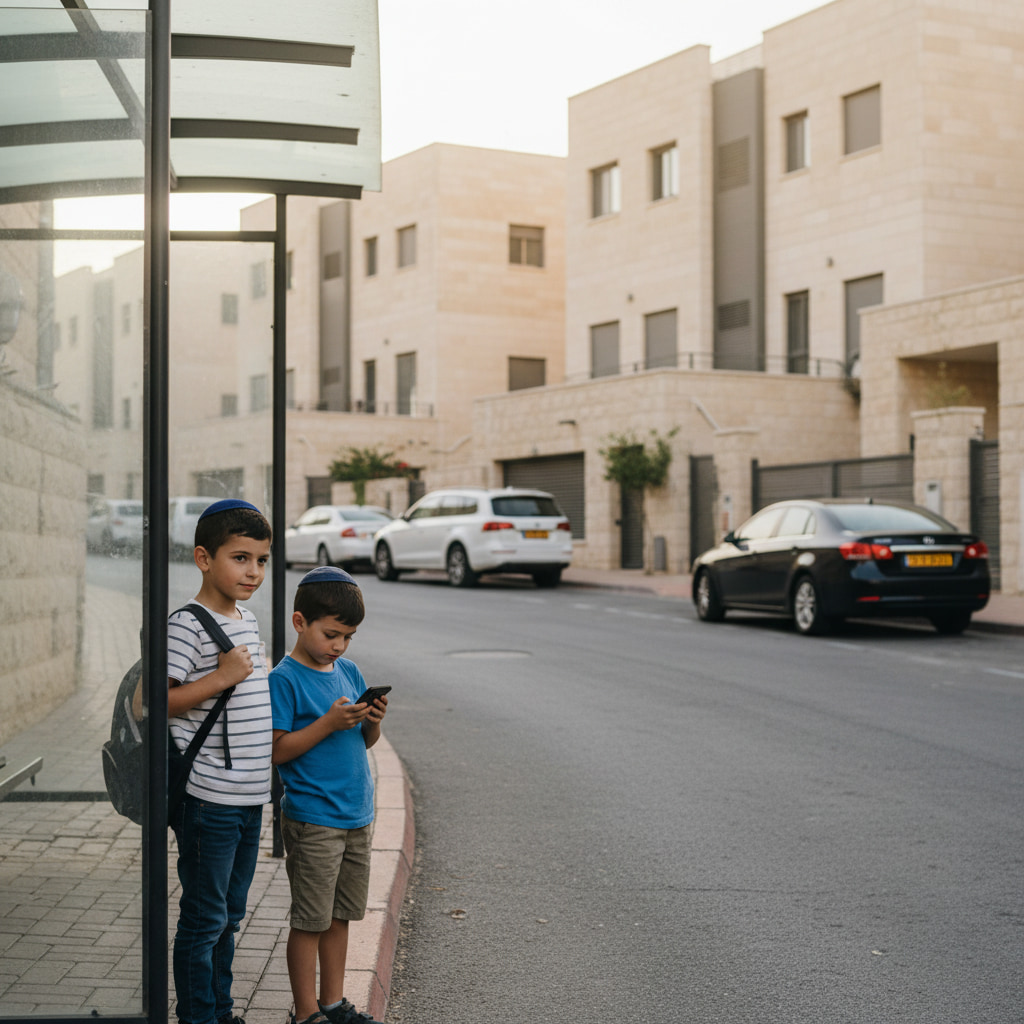
Kibbutz Kfar Aza is accessible via several bus routes, including lines 29, 36, 136, 353, and 361, connecting it to nearby cities such as Sderot and Netivot. The nearest bus stop, Kfar Aza Junction, is approximately a 15-minute walk from the kibbutz center. These transportation options facilitate convenient travel for residents and visitors, linking the kibbutz to regional hubs and essential services.
WHY NEW IMMIGRANTS CHOOSE KFAR AZA
New immigrants, or olim, are drawn to Kfar Aza for its strong sense of community, secular lifestyle, and proximity to larger cities like Sderot and Netivot. The kibbutz offers a supportive environment with comprehensive educational facilities and employment opportunities in agriculture and industry. Its location in the Northern Negev provides a balance between rural living and accessibility to urban amenities, making it an attractive option for those seeking integration into Israeli society.
- Supportive secular community
- Comprehensive educational facilities
- Employment in agriculture and industry
- Proximity to Sderot and Netivot
- Balance of rural and urban living