CITY HISTORY & DEVELOPMENT
Kfar Warburg was established on October 31, 1939, by members of the "Menachem" organization. Named after Felix M. Warburg, a prominent leader of the Jewish community in the United States and a founder of the American Jewish Joint Distribution Committee, the moshav was initially designed to accommodate 60 agricultural holdings. Over time, it expanded to include 98 farms covering approximately 6,000 dunams. In the early 1950s, a cultural hall with an 880-seat auditorium was constructed, hosting performances by major Israeli theaters. Today, Kfar Warburg continues to maintain its agricultural roots while embracing modern developments.
DEMOGRAPHICS & FAMILY LIFESTYLE
As of May 2025, Kfar Warburg is home to approximately 1,400 residents living across 98 agricultural holdings. The community is predominantly secular, with a mix of families and individuals spanning various age groups. The moshav's lifestyle combines traditional agricultural practices with contemporary living, offering residents a balanced environment. The presence of both long-standing families and newer residents contributes to the community's character.
REAL ESTATE MARKET OVERVIEW
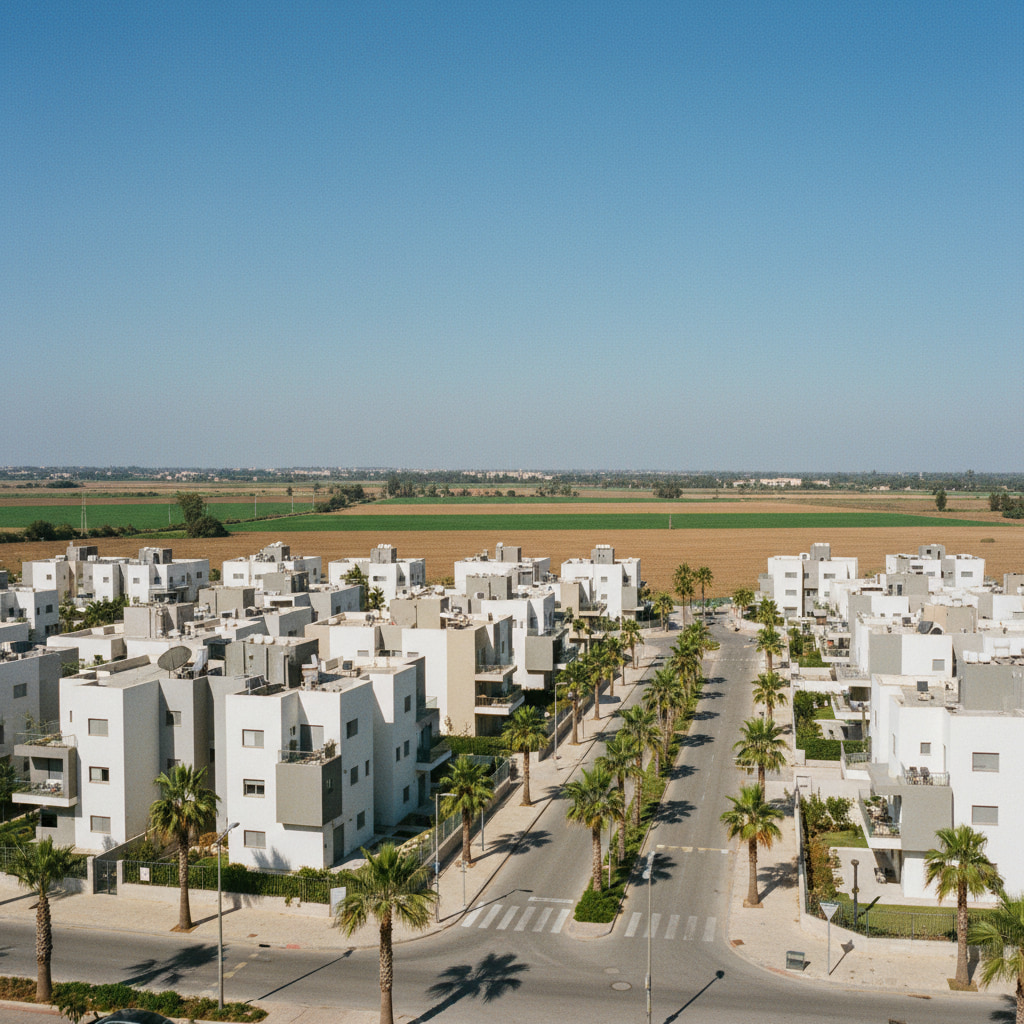
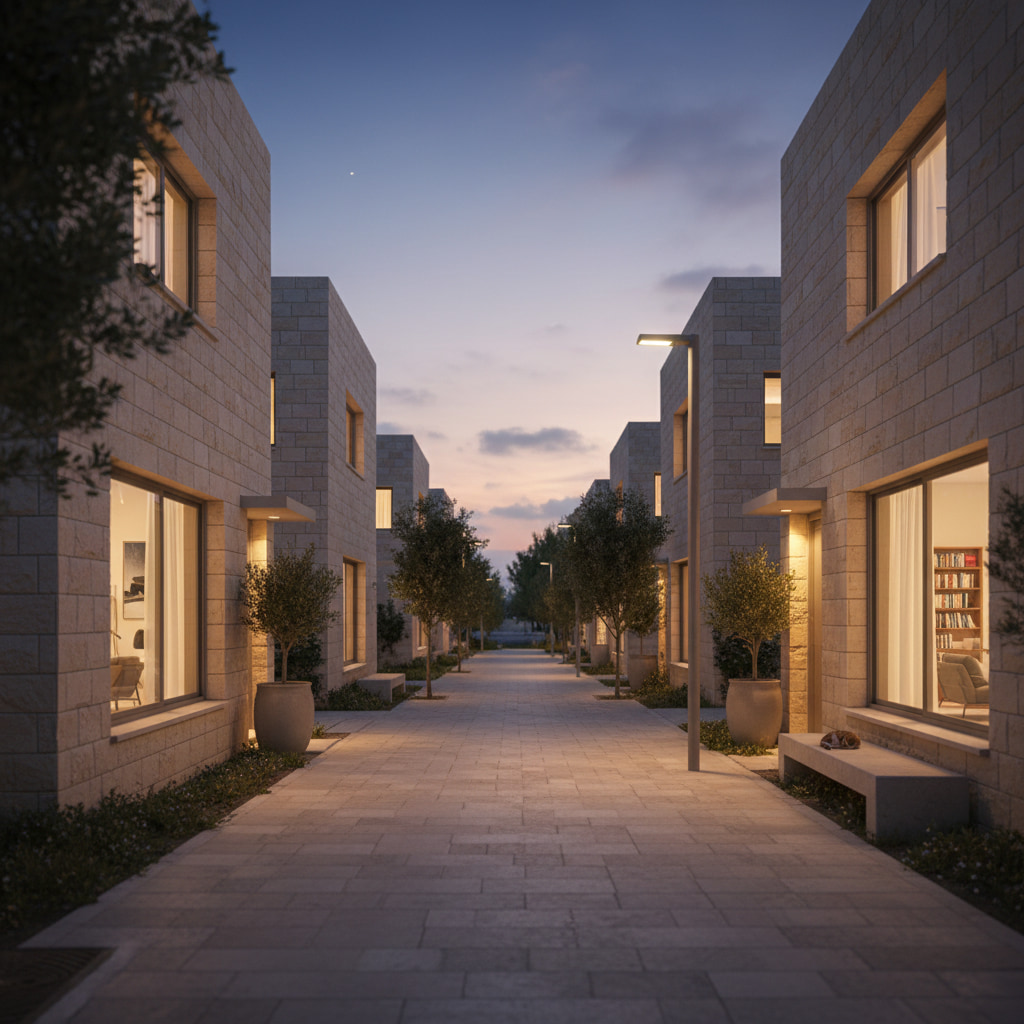
Kfar Warburg's housing primarily consists of single-family homes situated on agricultural plots, reflecting its moshav structure. The residences are interspersed with active farmland, maintaining the community's agricultural heritage. Over the years, the moshav has expanded, incorporating modern housing developments alongside traditional farmhouses.
The real estate market in Kfar Warburg is influenced by its proximity to urban centers like Ashdod and Kiryat Malakhi, attracting individuals seeking a rural lifestyle with convenient access to city amenities. The market is characterized by stable property values, appealing to buyers interested in agricultural pursuits or a tranquil living environment. Properties in the moshav are typically in demand among families and individuals looking for a balance between rural and urban living.
NEIGHBORHOOD BREAKDOWN
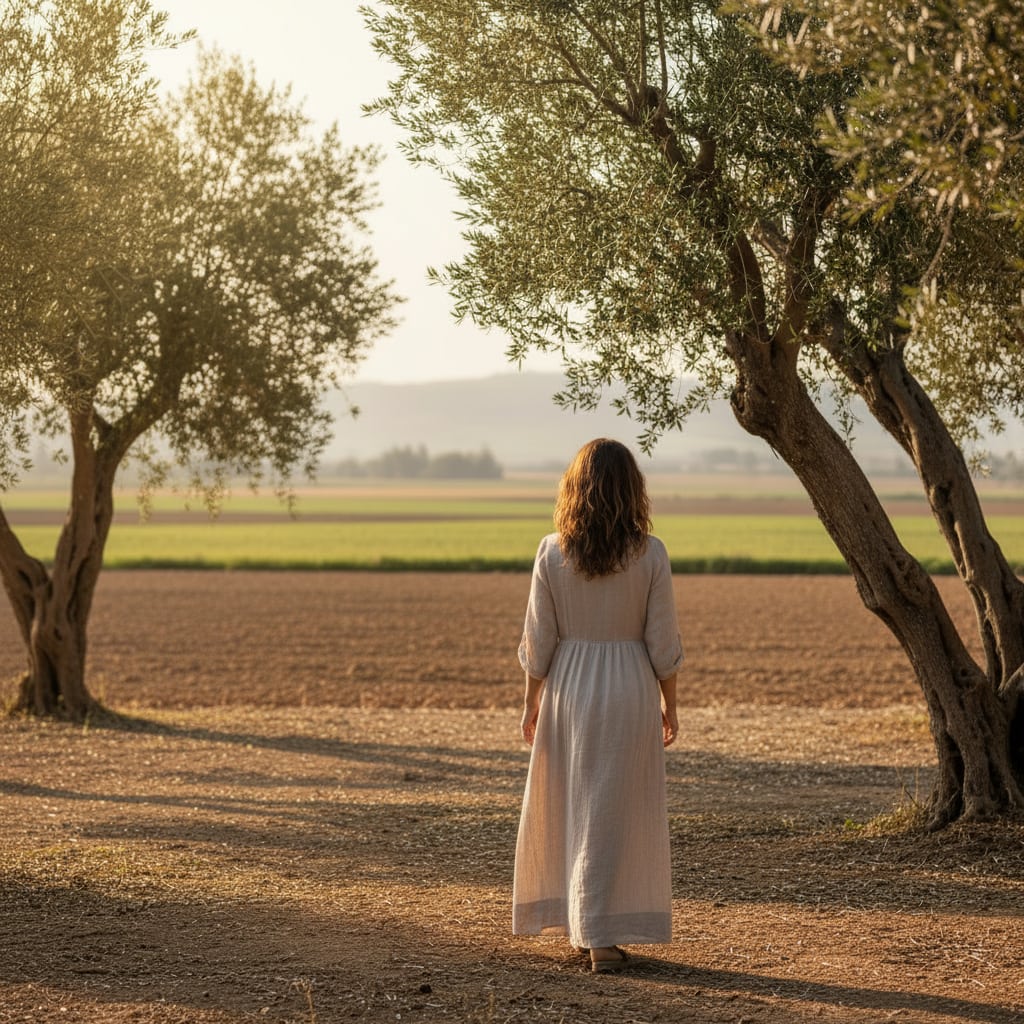
The layout fosters a close-knit atmosphere, with residential areas seamlessly integrated with agricultural lands, reflecting the moshav's communal and agricultural roots.
NEW CONSTRUCTION PROJECTS
Kfar Warburg has recently undertaken a significant solar energy project in collaboration with Doral Energy. This initiative involves the installation of a solar farm on agricultural land within the moshav, designed to produce green electricity. The project is notable for its scale, featuring two sections connected to the power grid through a single connection, making it the largest of its kind that Doral has implemented with a single grid connection.
TRANSPORTATION & ACCESSIBILITY
Transportation options in Kfar Warburg include several bus lines connecting the moshav to nearby cities and regions. For instance, bus line 301 provides service to Tel Aviv, while lines 437 and 436 connect to Jerusalem. Additionally, local routes such as lines 31 and 70 offer access to Kiryat Malakhi. These services facilitate convenient travel for residents to urban centers and neighboring communities.
WHY NEW IMMIGRANTS CHOOSE KFAR WARBURG
New immigrants are drawn to Kfar Warburg for its harmonious blend of rural tranquility and accessibility to urban centers. The moshav's proximity to Ashdod and Kiryat Malakhi provides convenient access to employment opportunities and urban amenities. Additionally, the community's secular nature and inclusive atmosphere make it appealing to olim seeking a welcoming environment. The availability of agricultural land and the opportunity to engage in farming also attract those interested in a self-sustained lifestyle.
- Proximity to Ashdod and Kiryat Malakhi
- Welcoming secular community
- Opportunities for agricultural pursuits
- Balanced rural and urban lifestyle
- Inclusive atmosphere for new residents