CITY HISTORY & DEVELOPMENT
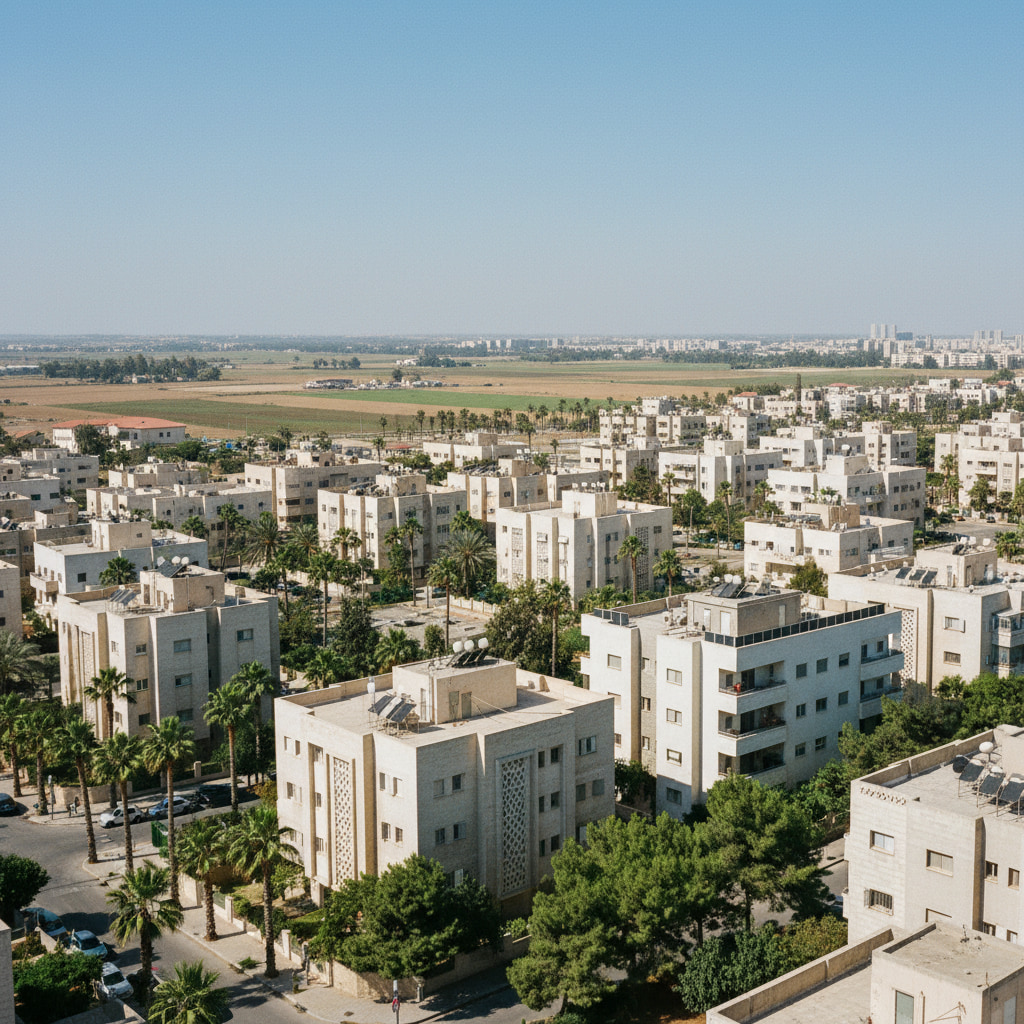
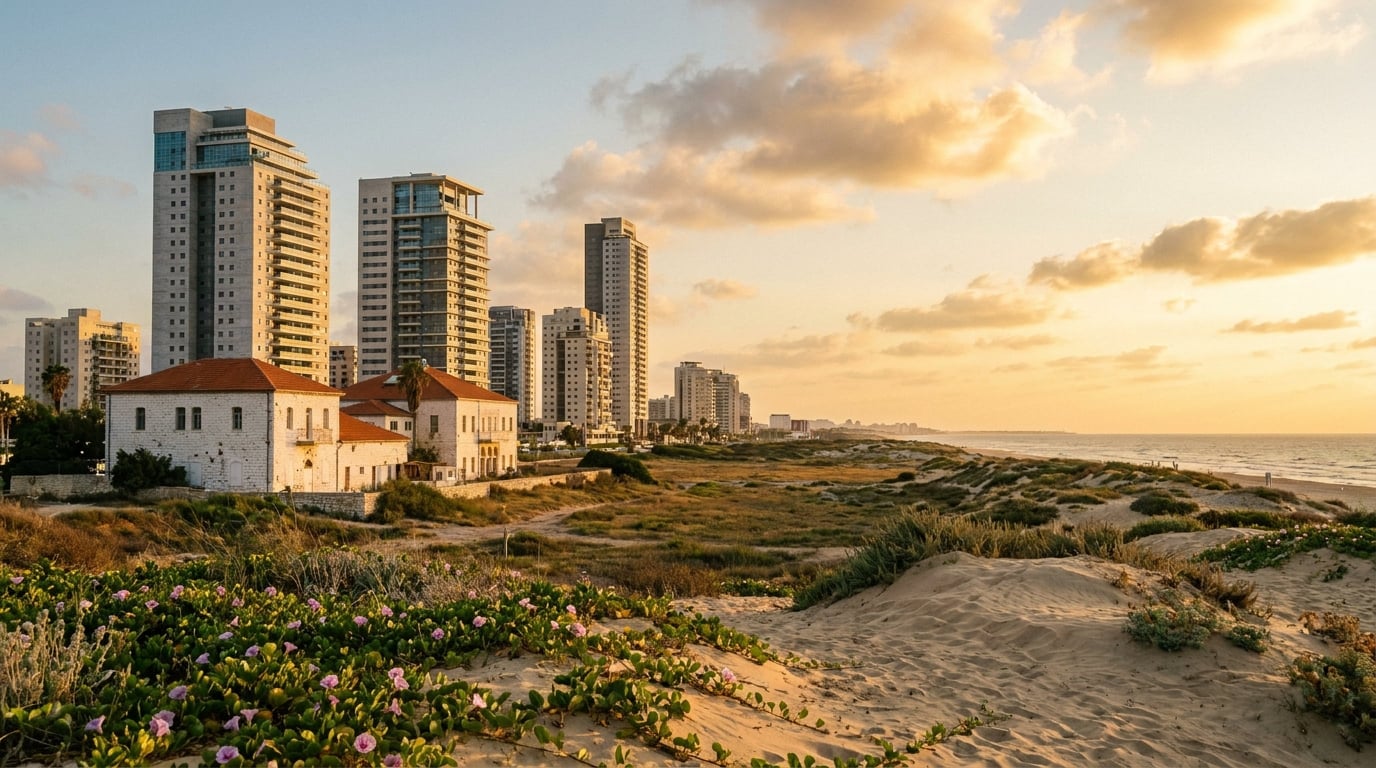
Kiryat Malakhi was established in 1951 as a ma'abara (transit camp) to accommodate Jewish immigrants arriving during Israel's early years, many from Arab and Muslim countries. The city's name, meaning 'City of Angels,' honors the Jewish community of Los Angeles, which significantly funded its establishment. Over time, Kiryat Malakhi evolved into a development town and was granted city status in 1998. Today, it serves as a regional center in Israel's Southern District.
DEMOGRAPHICS & FAMILY LIFESTYLE
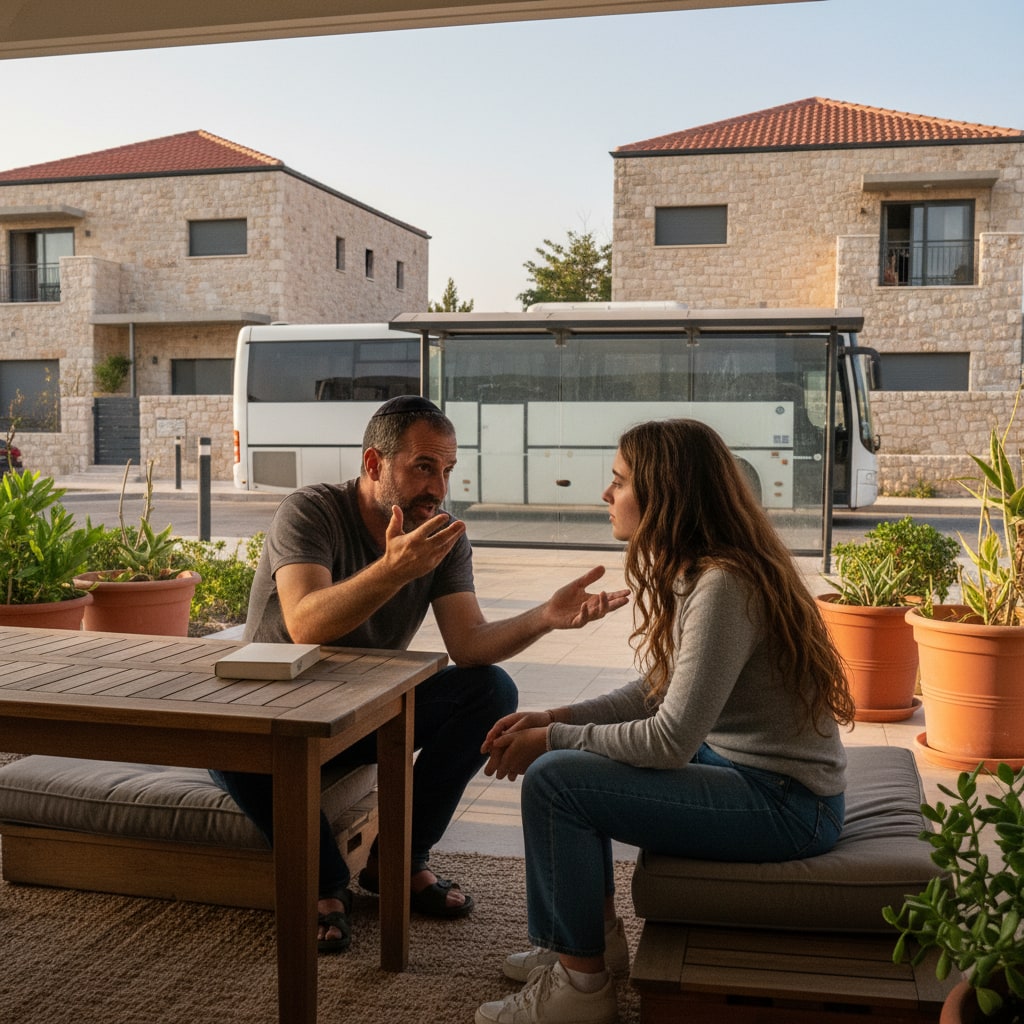
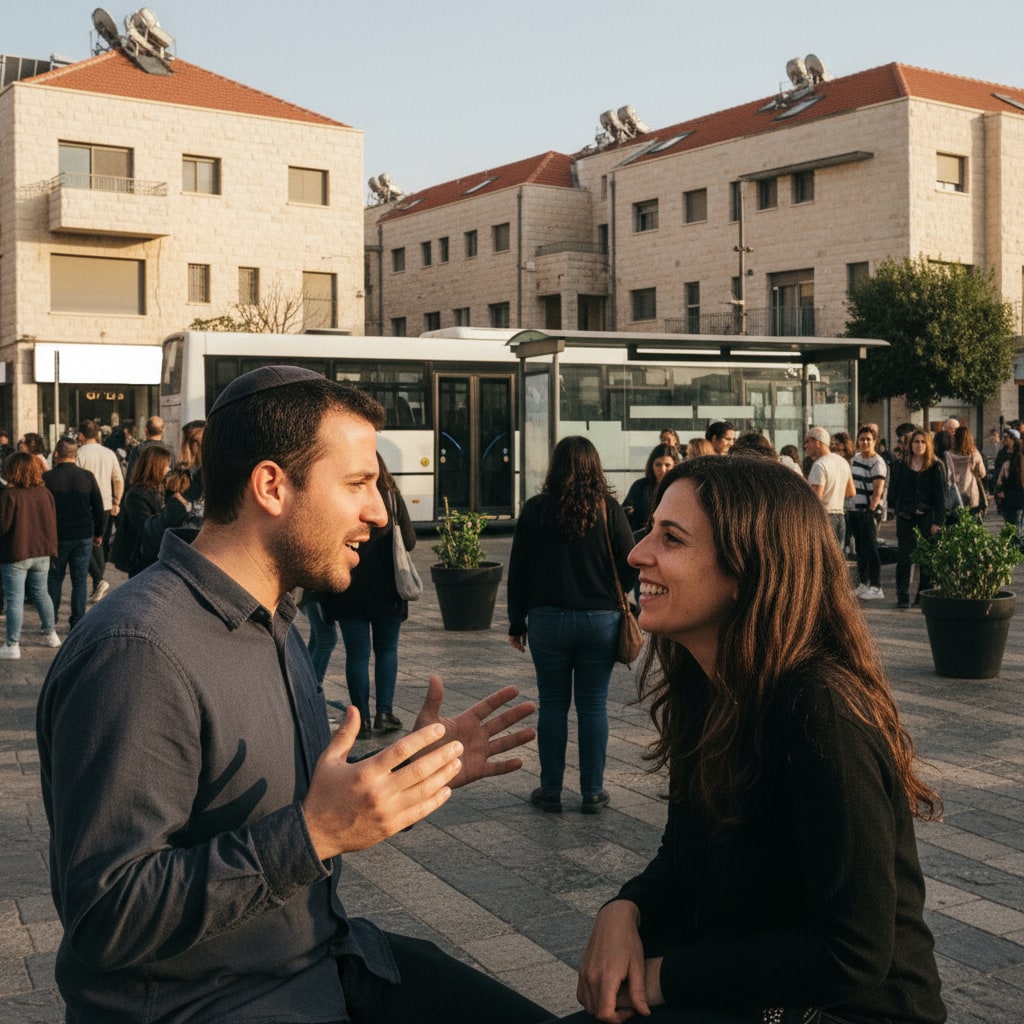
The city is home to approximately 23,000 residents, comprising a mix of secular and religious communities. The population includes families from backgrounds, with significant numbers of Ethiopian Jews and immigrants from the former Soviet Union. The community is characterized by a blend of traditional and modern lifestyles, with a range of educational institutions and cultural activities catering to various age groups.
REAL ESTATE MARKET OVERVIEW
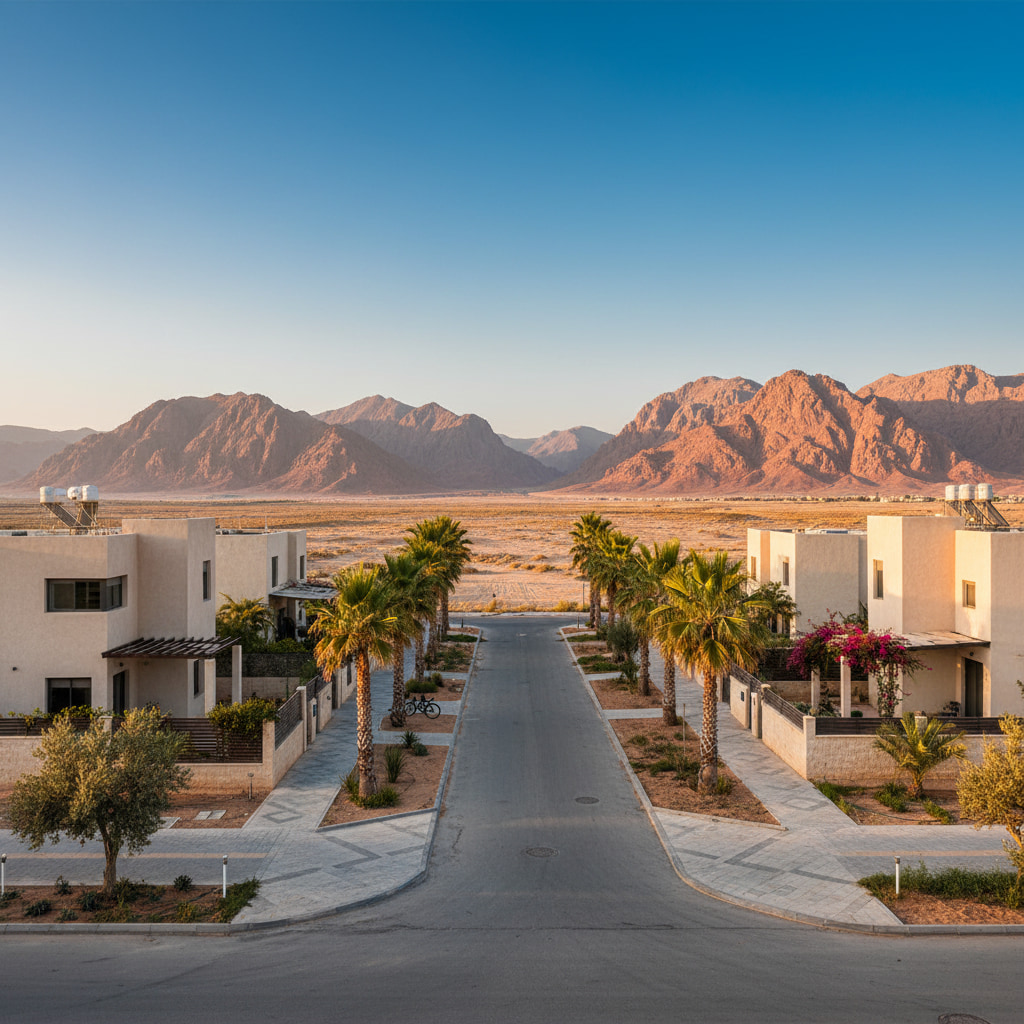
Kiryat Malakhi's housing stock encompasses a variety of residential options, including apartments and private homes. The average property size is approximately 125 square meters, with homes typically featuring three to four rooms. The city's development spans several decades, resulting in a mix of older structures and newer constructions that cater to preferences.
The real estate market in Kiryat Malakhi is characterized by steady demand, driven by its strategic location and affordability compared to national averages. The average property price is around ILS 1,074,345, with rental prices averaging ILS 3,500 per month as of May 2026. The market attracts a range of buyers, including families and investors, contributing to a property scene.
NEIGHBORHOOD BREAKDOWN
The city is organized into distinct neighborhoods, each offering unique characteristics and amenities. This structured layout allows residents to choose areas that best fit their lifestyle and community preferences.
- Chabad Neighborhood: Central area known for its cultural heritage and modern living spaces.
- Ahuzat Rotner: Sought-after neighborhood with spacious properties and a strong community spirit.
- Weizmann: Emerging residential area with attractive real estate opportunities.
- Herzl: neighborhood with competitive property prices and a welcoming atmosphere.
- Yigal Alon: Upscale area featuring larger homes and higher property values.
NEW CONSTRUCTION PROJECTS
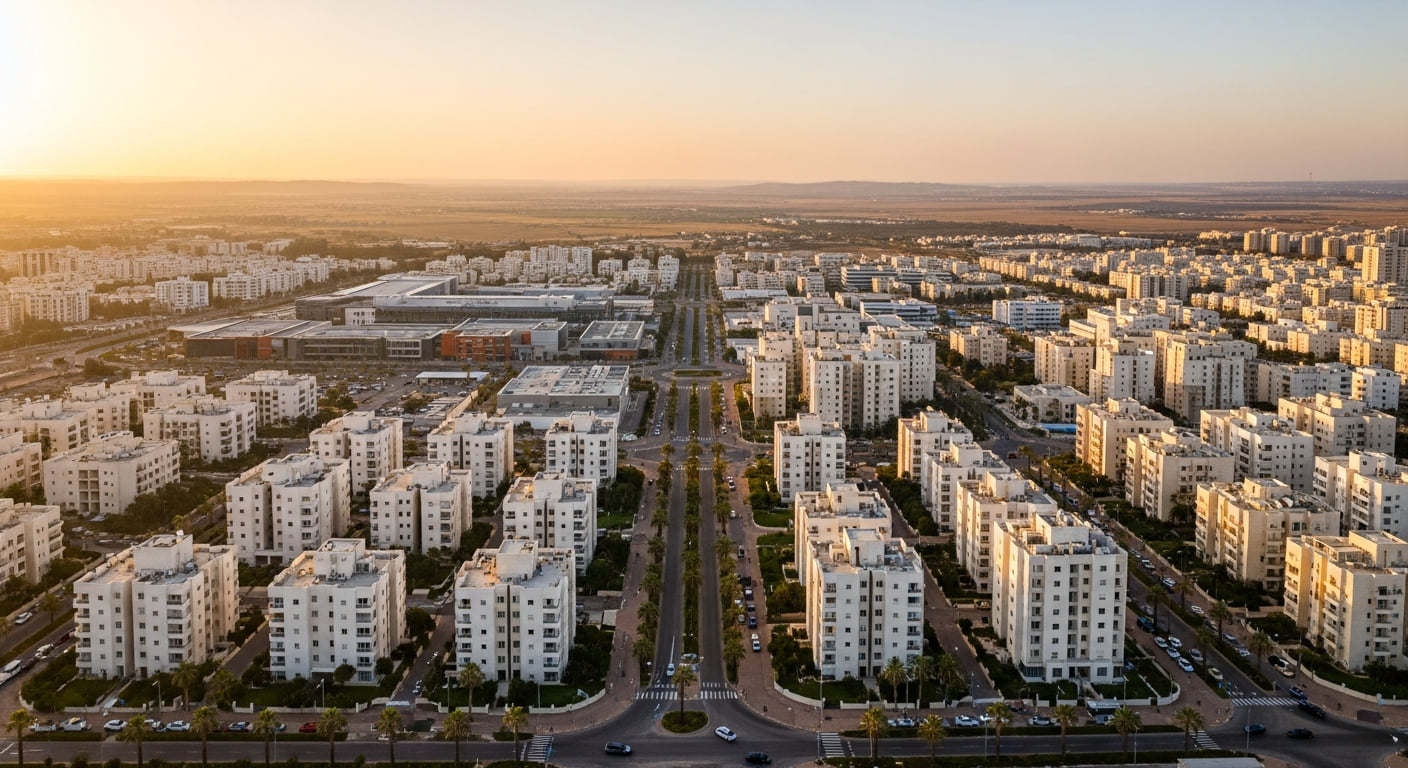
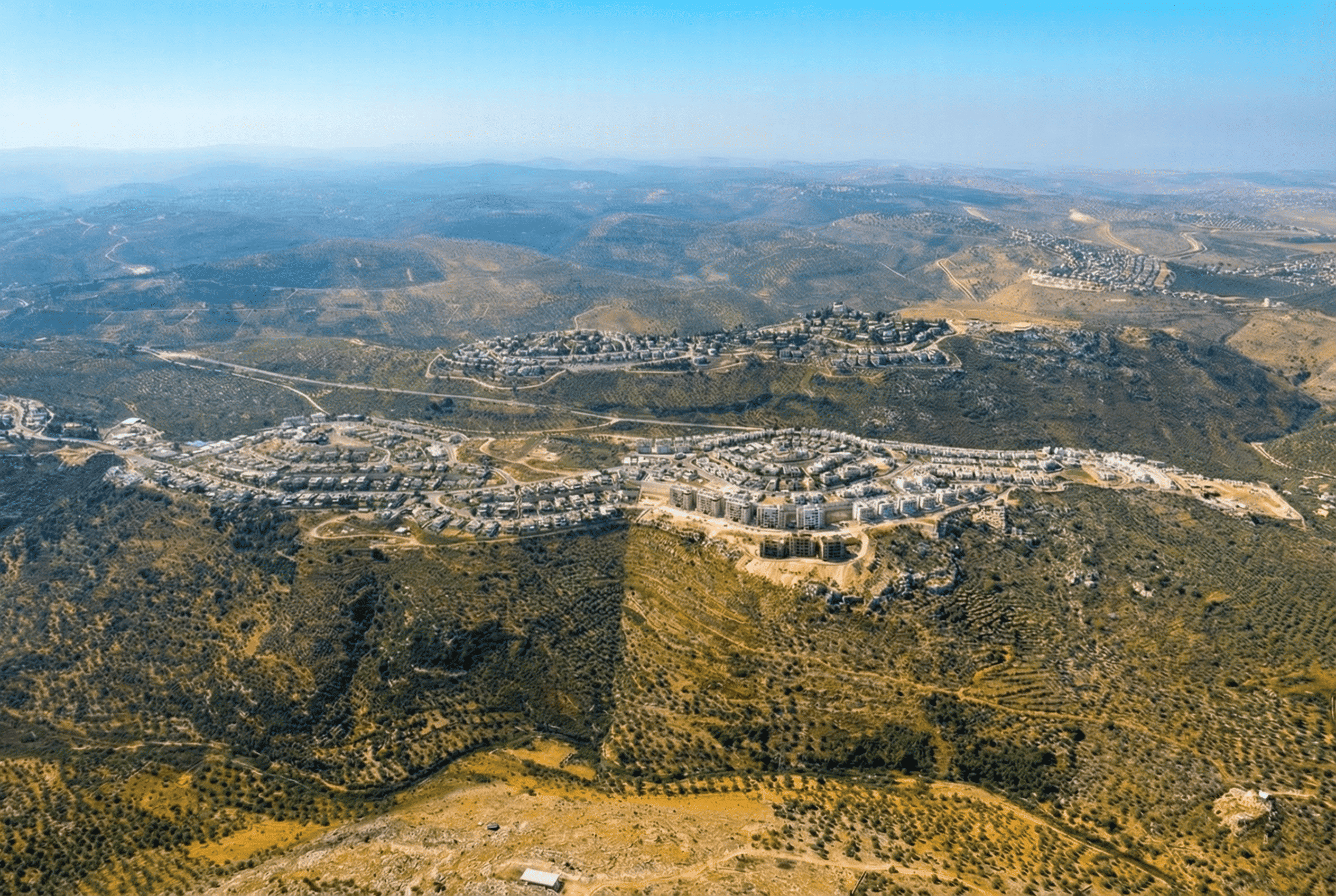
Kiryat Malakhi is experiencing significant urban development aimed at enhancing its infrastructure and accommodating a growing population. The city's master plan includes the construction of thousands of new housing units, infrastructure development, expansion of employment areas, and encouragement of urban renewal. This includes residential towers of 18 floors and above, increasing commercial and employment spaces, turning the city into a regional center, reducing dependence on other cities, and improving city connectivity along with supportive infrastructure to make Kiryat Malakhi a more functional regional hub.
TRANSPORTATION & ACCESSIBILITY
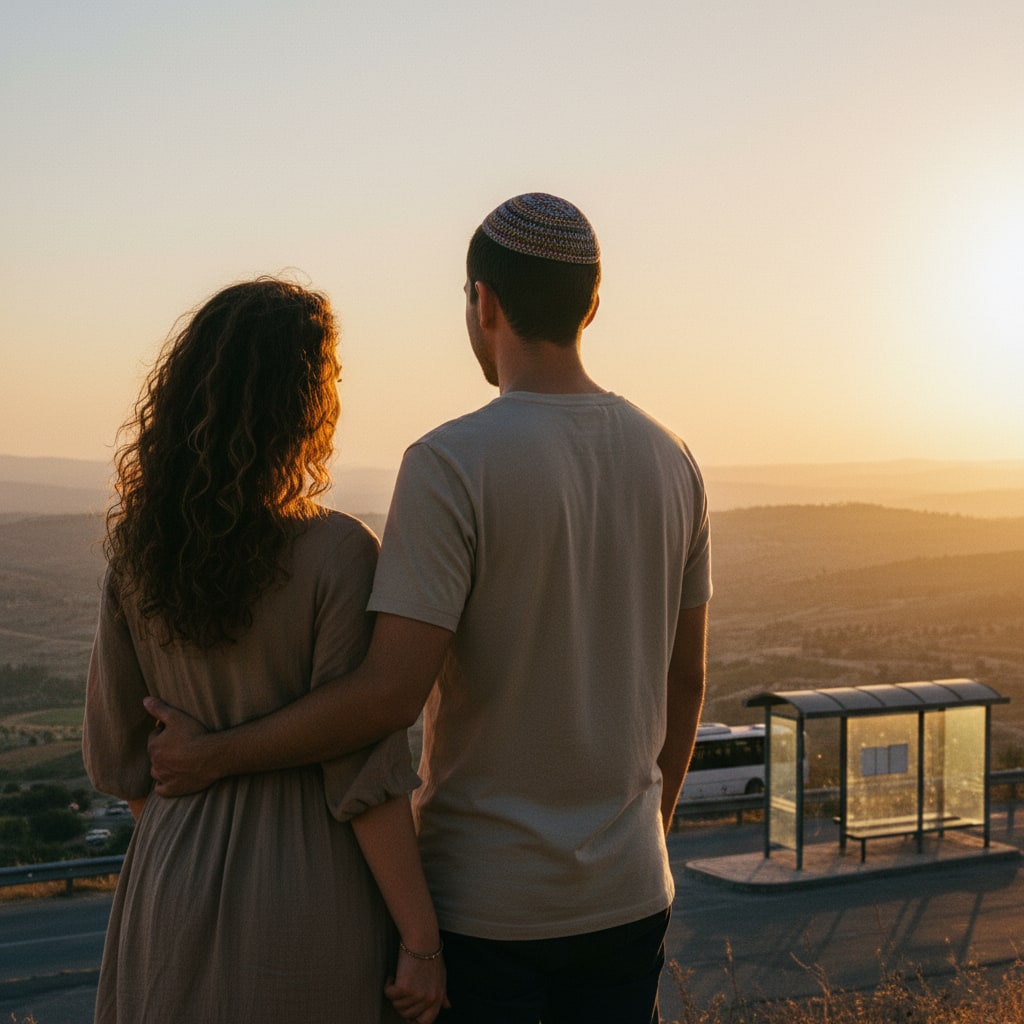
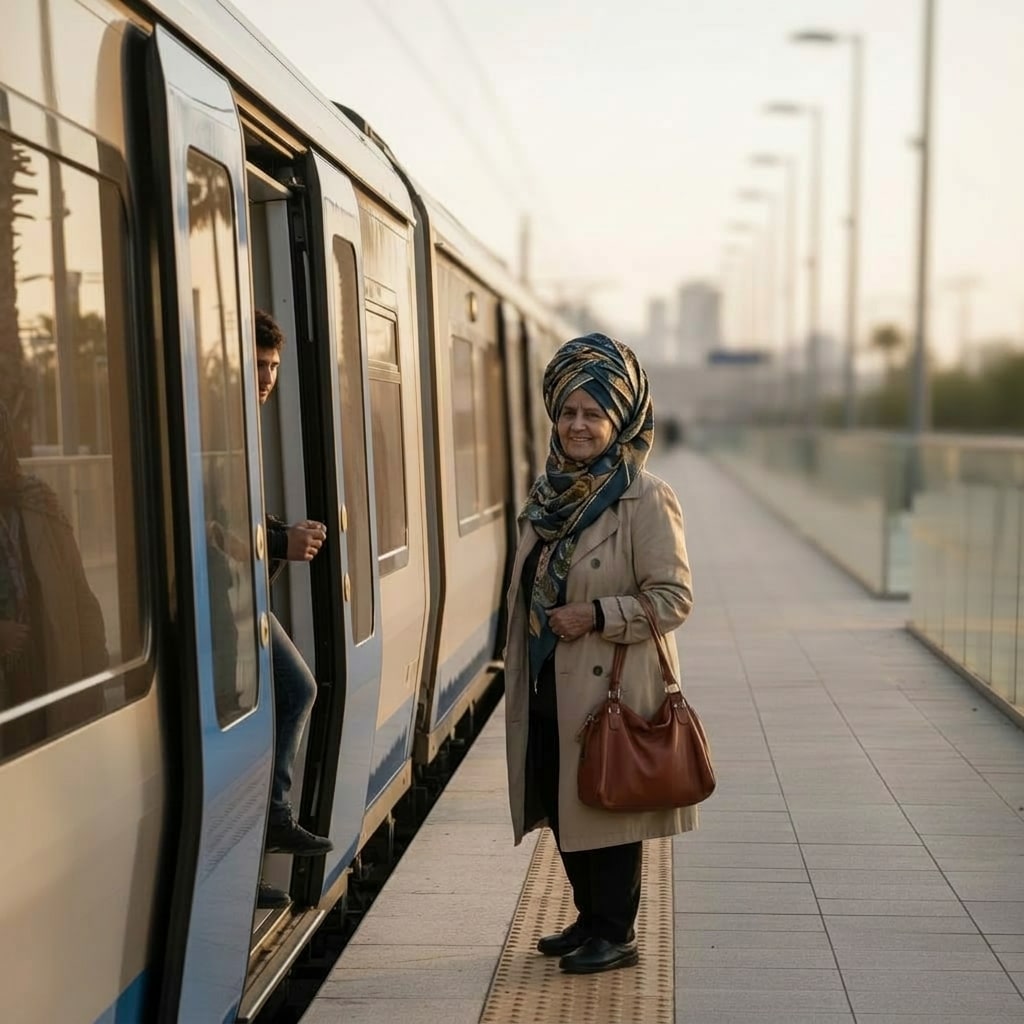
Kiryat Malakhi is well-connected through a network of regional bus services, facilitating easy access to nearby cities and towns. The city's strategic location near major transportation routes ensures efficient travel for residents and visitors alike. Public transportation options are readily available, providing convenient commuting solutions within the city and to surrounding areas.
WHY NEW IMMIGRANTS CHOOSE KIRYAT MALAKHI
New immigrants are drawn to Kiryat Malakhi for its supportive community, affordable housing, and strategic location. The city's welcoming atmosphere and established immigrant networks provide a sense of belonging. Additionally, its proximity to major cities like Ashkelon and access to transportation hubs make it an attractive option for those seeking integration into Israeli society.
- Supportive community with established immigrant networks
- Affordable housing options
- Proximity to major cities and transportation hubs
- Blend of traditional and modern lifestyles
- Range of educational institutions and cultural activities