CITY HISTORY & DEVELOPMENT
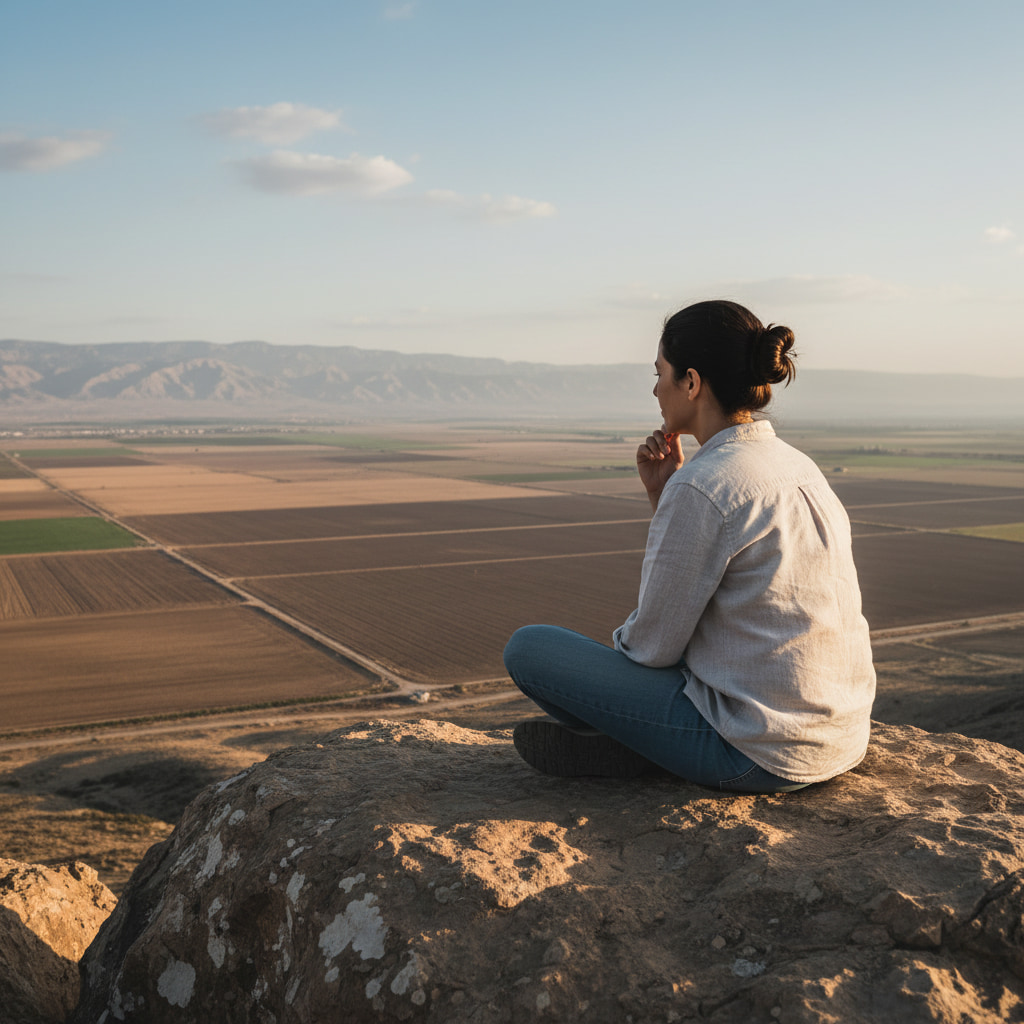
Netiv HaAsara was established in 1982 by 70 families who had previously resided in the Sinai Peninsula. These families relocated following the Camp David Accords, which led to Israel's withdrawal from Sinai. The moshav is situated in the northwestern Negev, near the Gaza Strip border. Over the years, it has developed into a community known for its agricultural advancements and strong communal bonds.
DEMOGRAPHICS & FAMILY LIFESTYLE
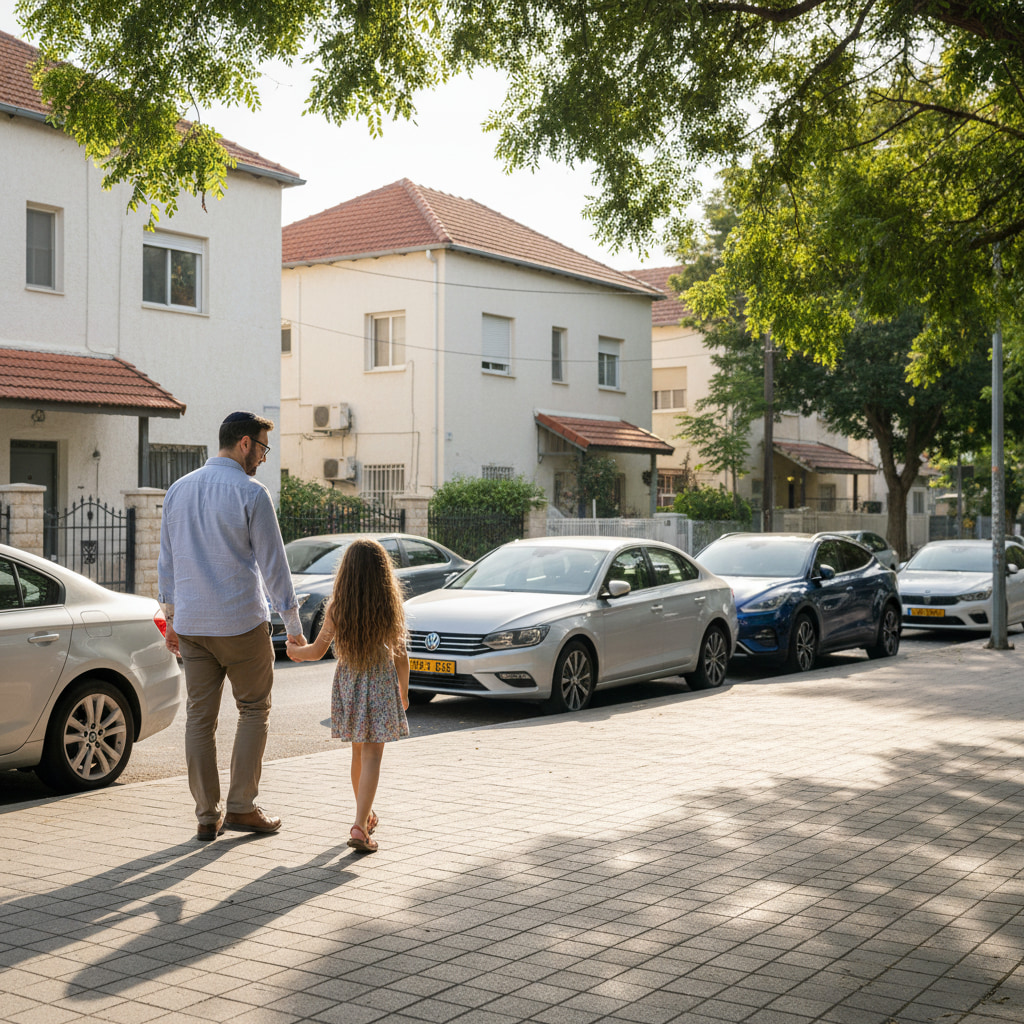
Netiv HaAsara had approximately 900 residents, comprising around 260 families. The community is predominantly Jewish, with a balanced mix of age groups, including children, working-age adults, and seniors. The moshav maintains a secular lifestyle, emphasizing agriculture and community activities. Its proximity to the Gaza border has influenced its development and security measures.
REAL ESTATE MARKET OVERVIEW
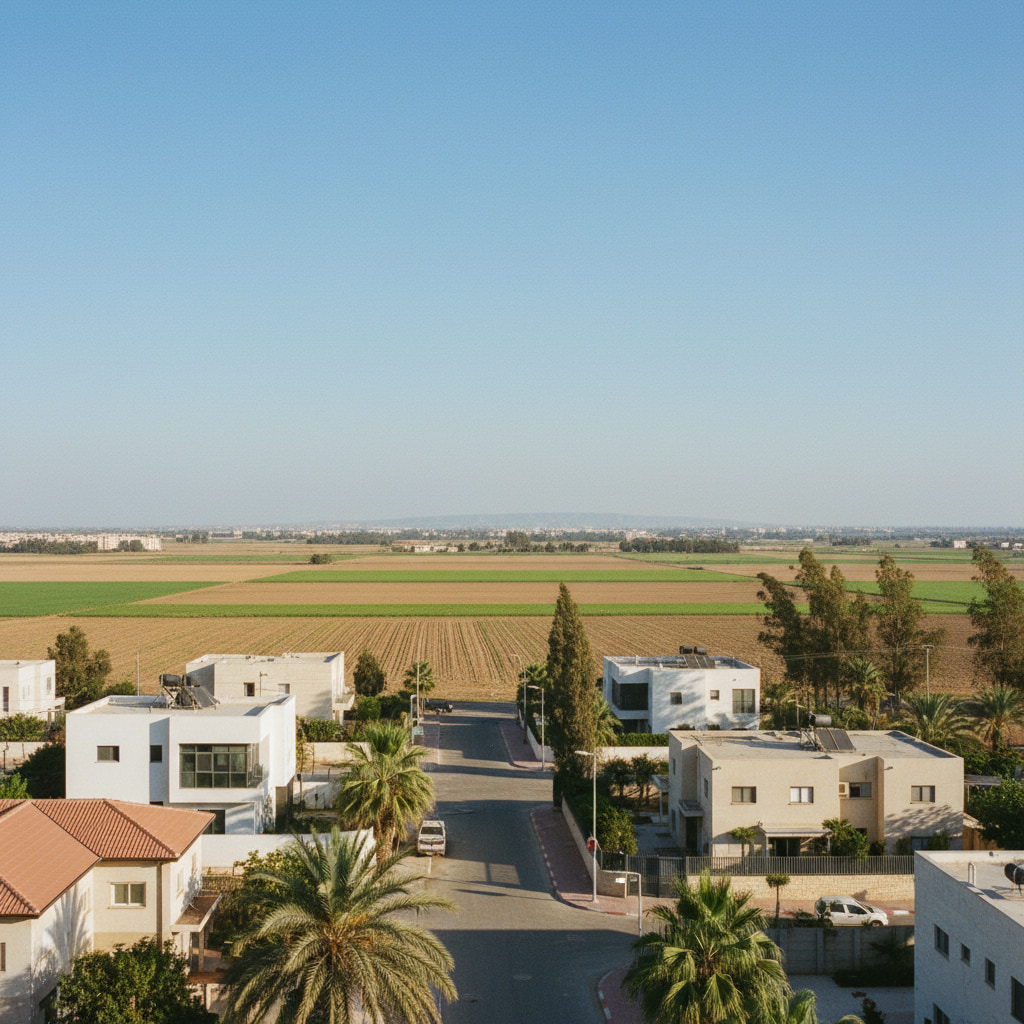
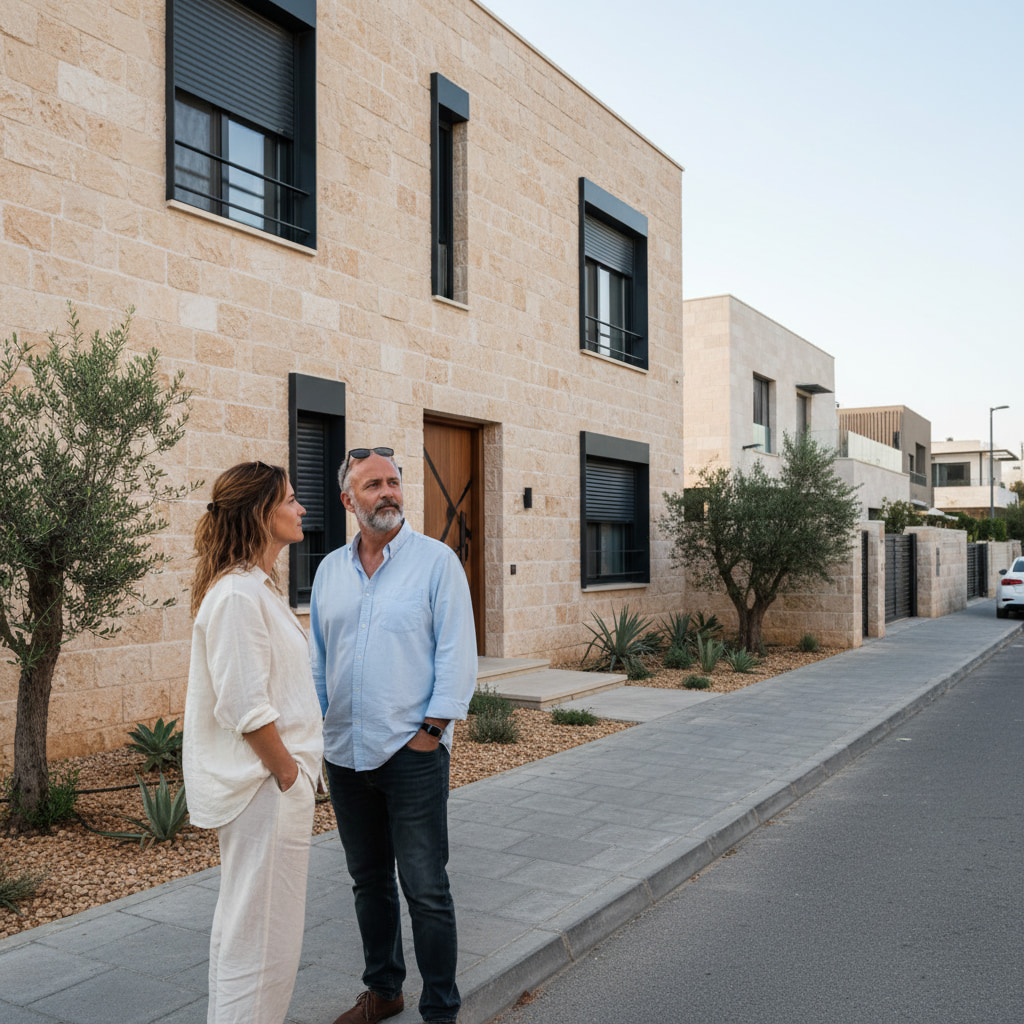
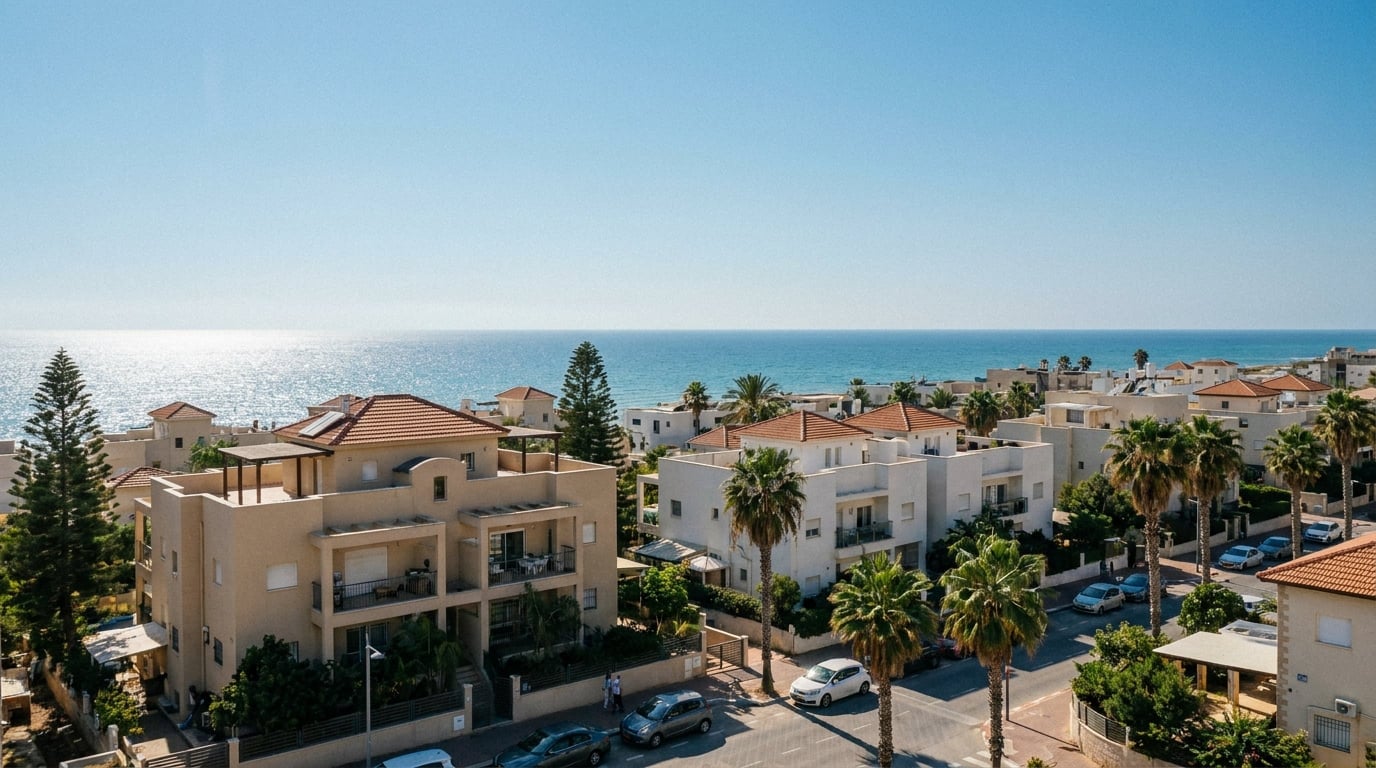
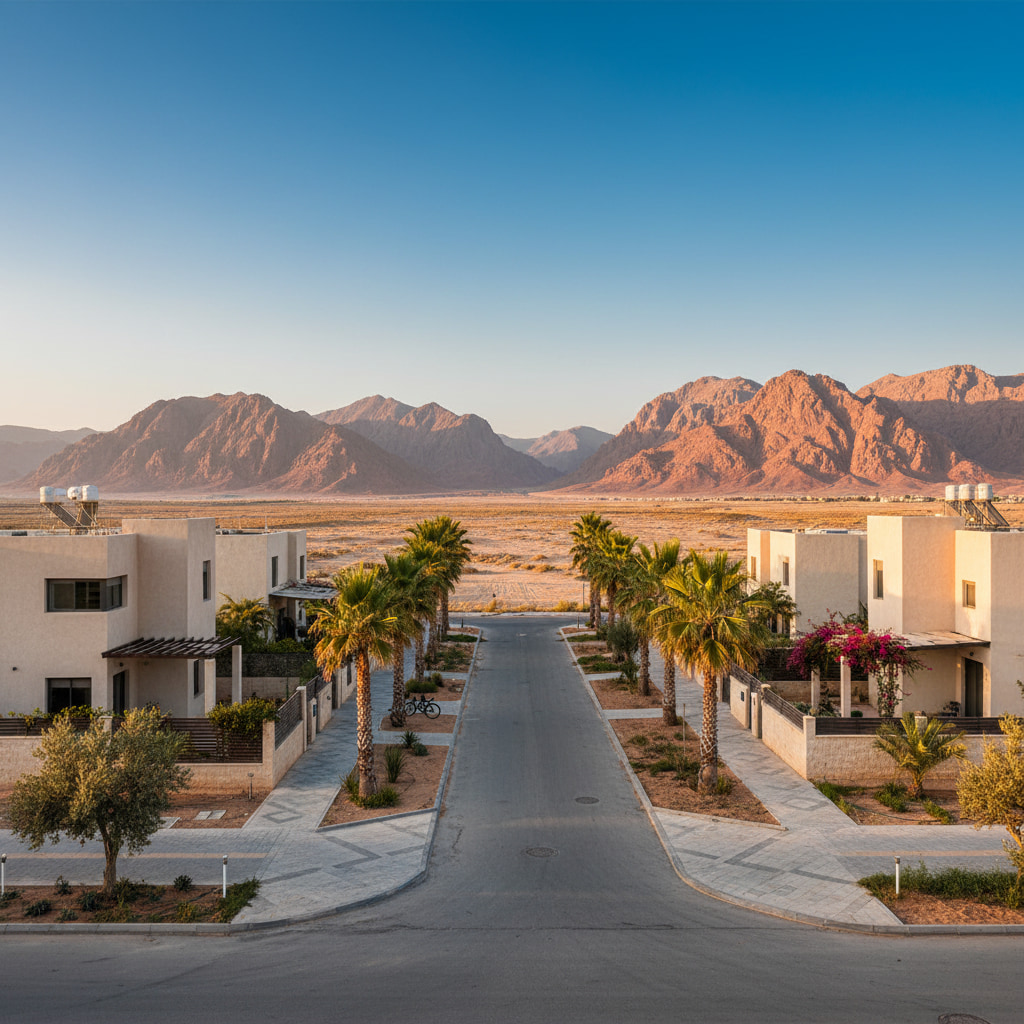
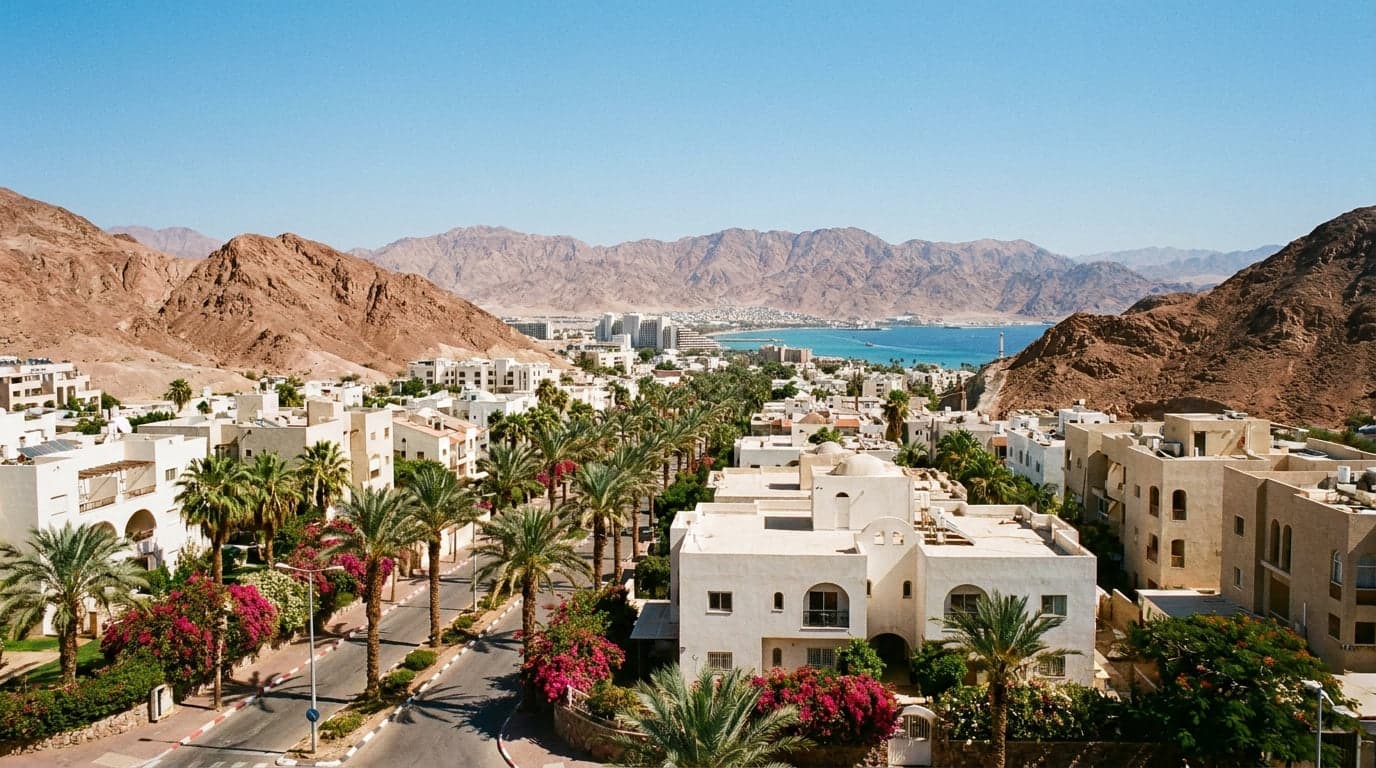
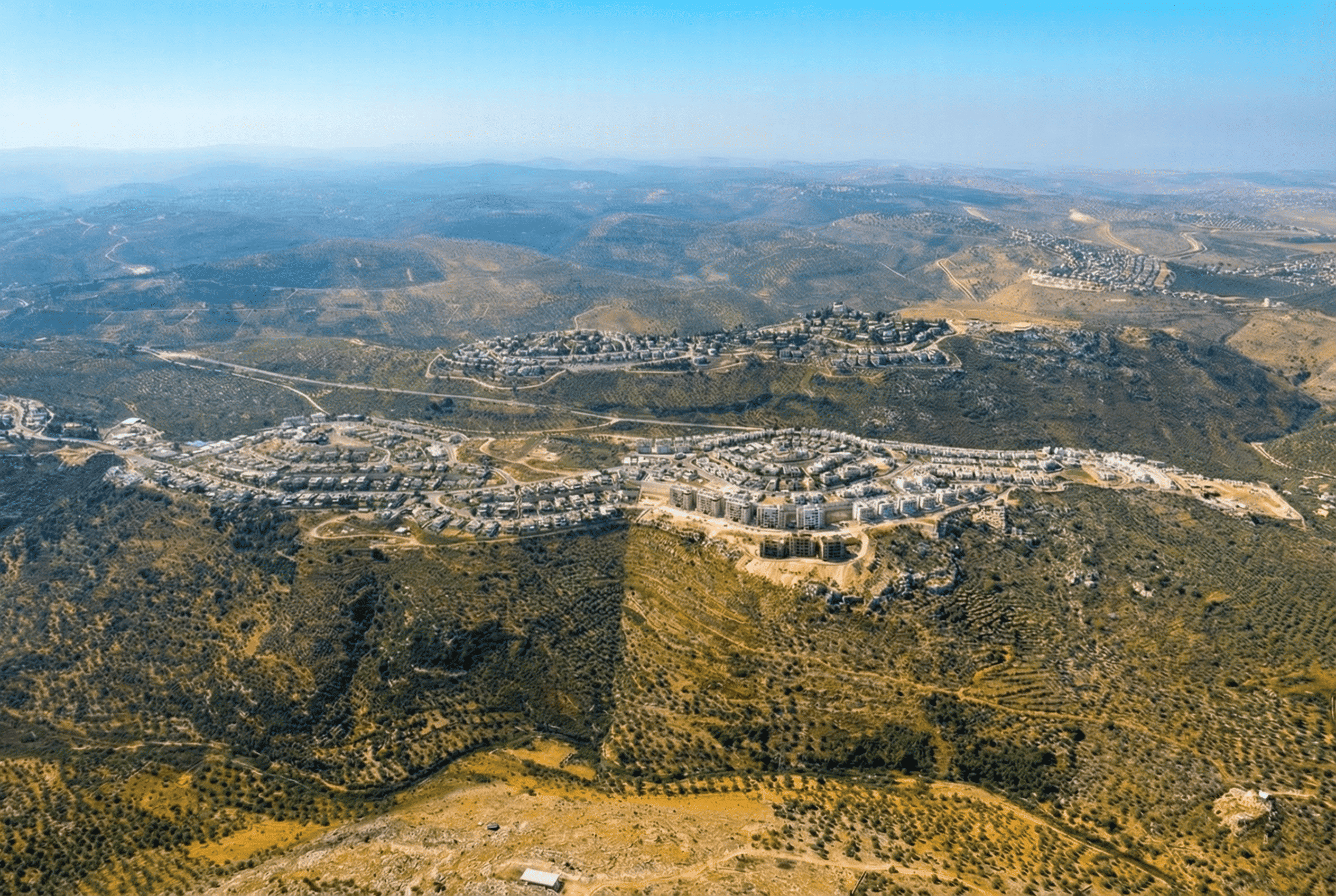
Netiv HaAsara's housing primarily consists of single-family homes situated on spacious plots, reflecting its origins as a moshav. The residences are a mix of original structures from the early 1980s and newer constructions, showcasing a blend of traditional and modern architectural styles. The community's layout emphasizes open spaces and agricultural land, contributing to its rural character.
The real estate market in Netiv HaAsara is influenced by its unique location near the Gaza border and its strong communal atmosphere. Demand is driven by individuals and families seeking a close-knit community with agricultural opportunities. Property prices are generally stable, offering a more affordable alternative compared to central Israel's coastal regions. The market experiences moderate liquidity, with properties typically remaining available for a reasonable duration before being sold.
NEIGHBORHOOD BREAKDOWN
Netiv HaAsara is a compact community without distinct neighborhoods, characterized by its layout centered around communal facilities and agricultural areas. The moshav's design fosters a strong sense of unity among residents, with homes and public spaces interwoven to support communal living and shared activities.
NEW CONSTRUCTION PROJECTS
In recent years, Netiv HaAsara has undertaken significant development initiatives to accommodate its growing population. A notable expansion project, completed in 2015, added 71 new housing units to the moshav, providing modern residences for young families. This development was part of a broader plan to strengthen the community and enhance its infrastructure.
TRANSPORTATION & ACCESSIBILITY
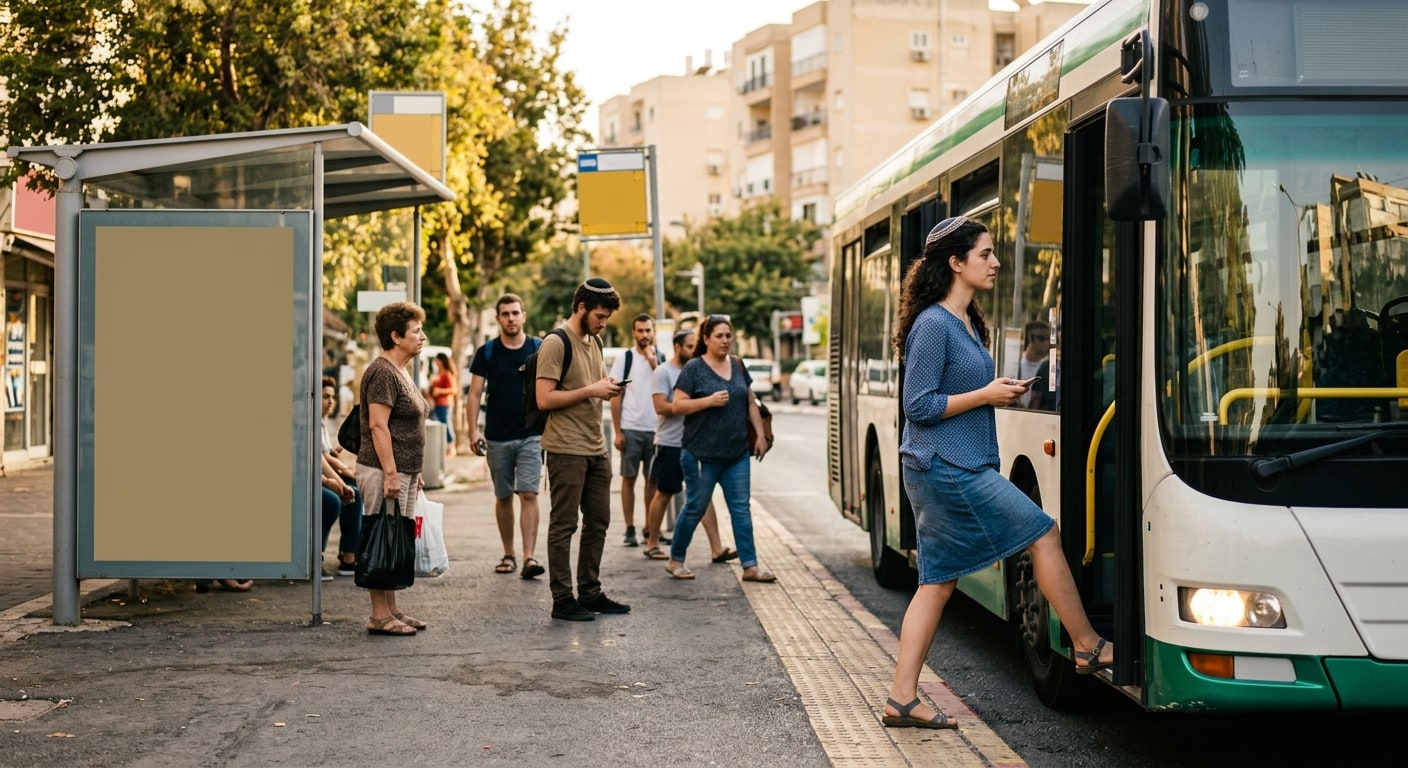
Netiv HaAsara is connected to nearby urban centers through a network of bus routes. The moshav is served by bus line 20, operated by Dan Badarom, which provides regular service to and from Ashkelon, the closest major city. This route facilitates access to urban amenities and services, supporting the daily commute of residents.
WHY NEW IMMIGRANTS CHOOSE NETIV HAASARA
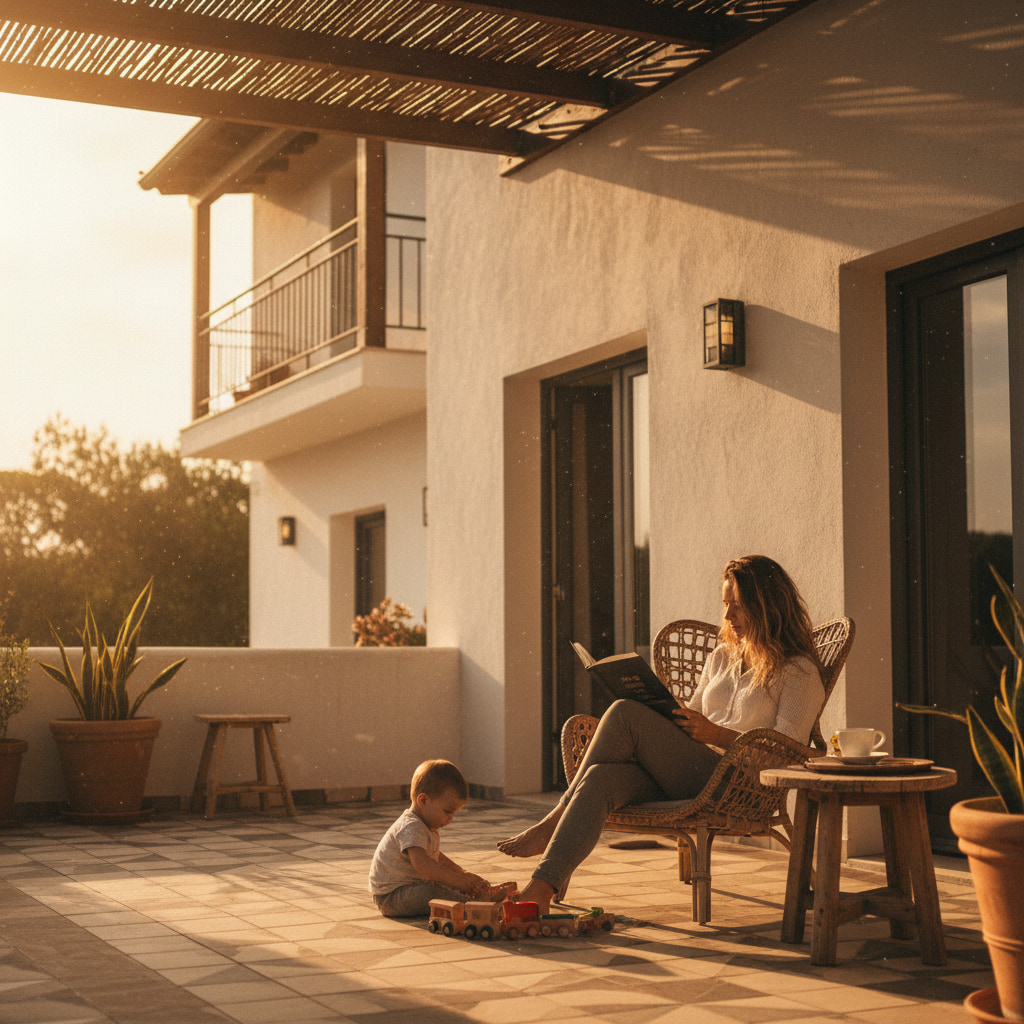
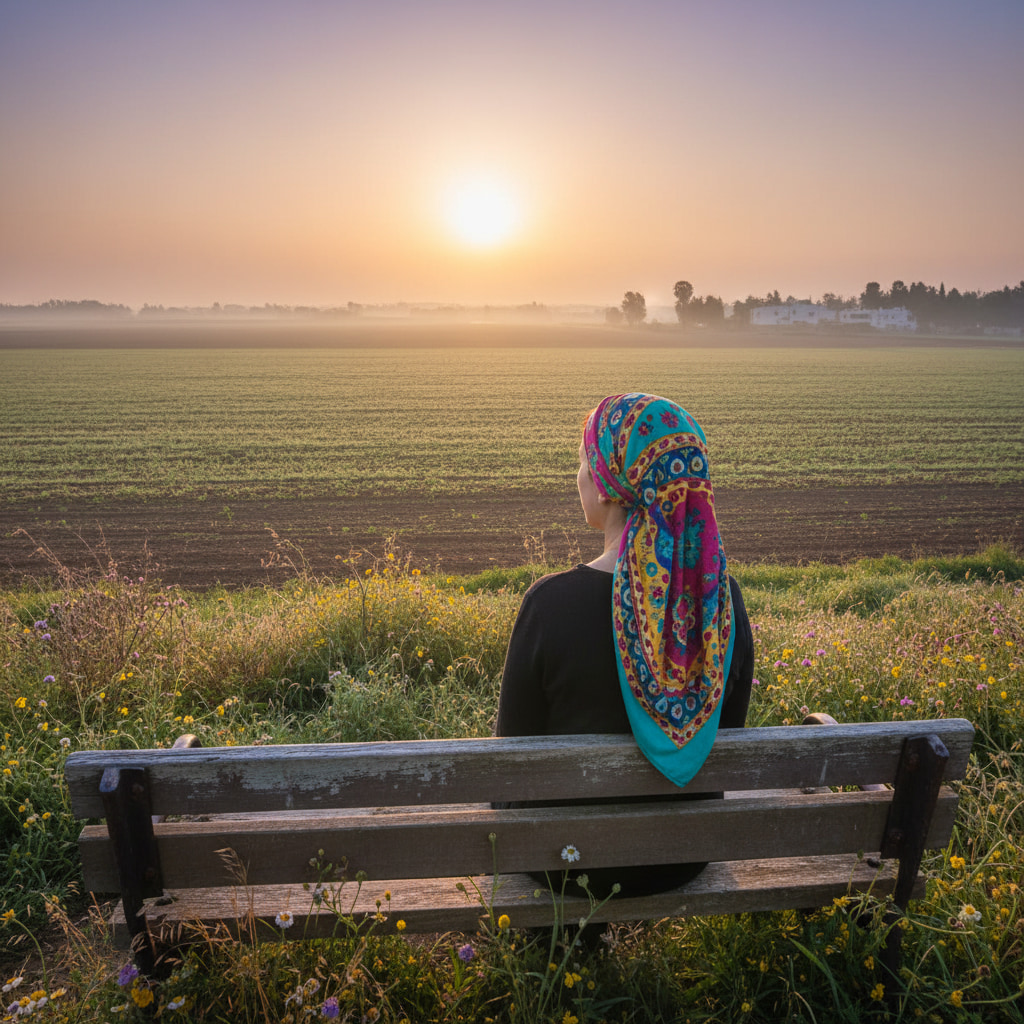
New immigrants, or olim, are drawn to Netiv HaAsara for its close-knit community, agricultural opportunities, and the pioneering spirit of its residents. The moshav offers a supportive environment for families seeking a rural lifestyle with modern amenities. Its location provides a unique experience of living near the border, fostering resilience and a strong sense of community among its inhabitants.
- Supportive and close-knit community
- Opportunities in advanced agriculture
- Modern amenities in a rural setting
- Unique experience of border proximity
- Strong sense of resilience and unity