CITY HISTORY & DEVELOPMENT
Netivot was established in 1956 as part of Israel's regional development strategy, initially serving as a transit camp for immigrants from Morocco and Tunisia. Over the decades, it evolved into a development town and, in 2000, attained city status. The city has experienced significant population growth, with estimates indicating a population of approximately 54,992 in 2026.
DEMOGRAPHICS & FAMILY LIFESTYLE
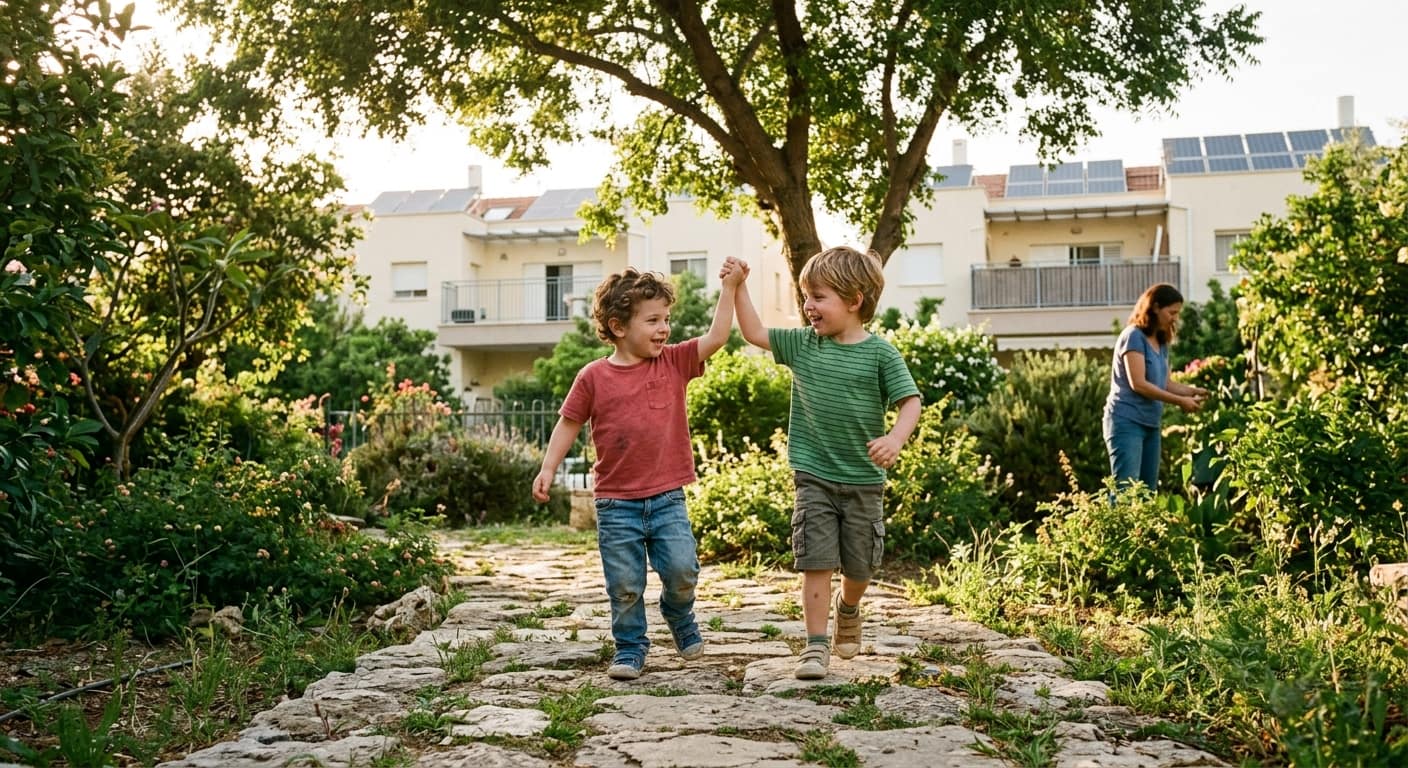
The city's population is predominantly Jewish, with a small percentage of other ethnic groups. Netivot is known for its religious character, hosting several yeshivas and being a center for Jewish mysticism. The community includes a mix of age groups, with a notable proportion of residents under 14 years old, reflecting a family-oriented lifestyle.
REAL ESTATE MARKET OVERVIEW
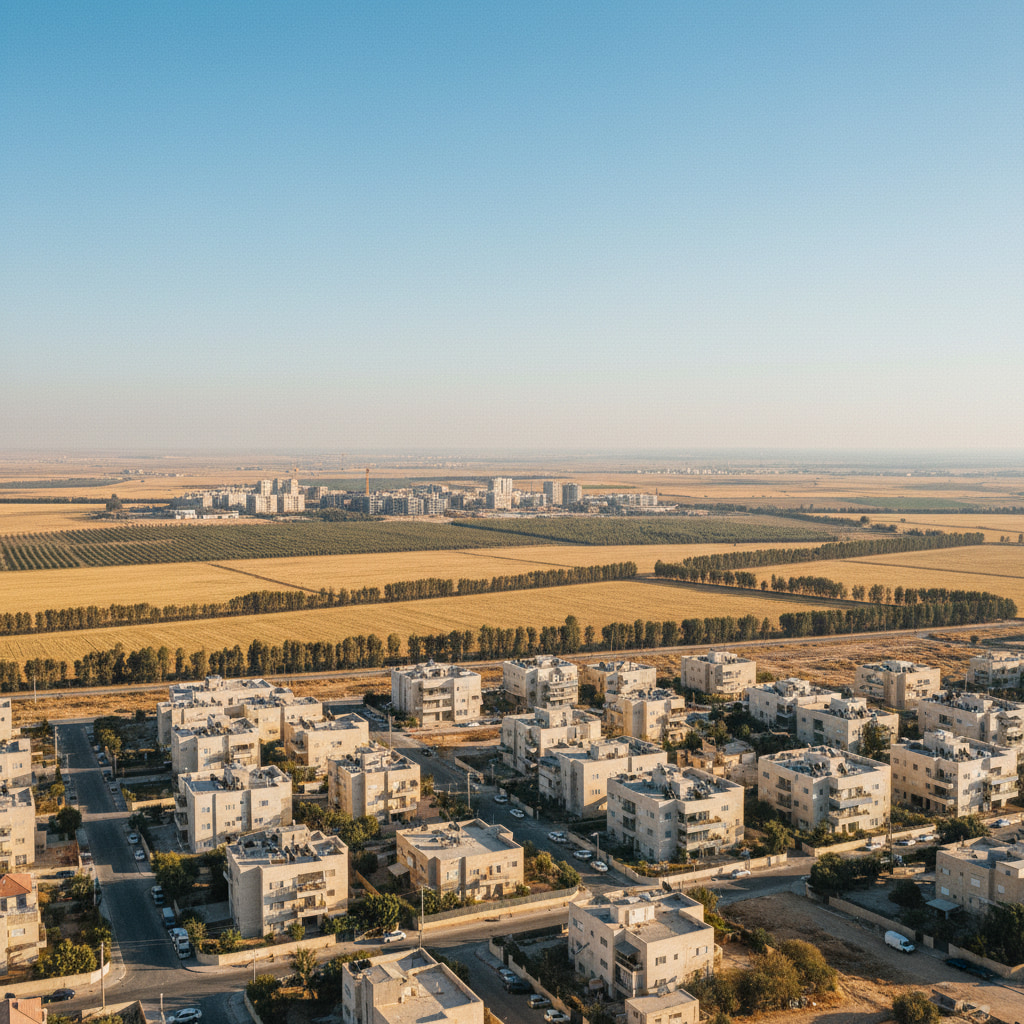
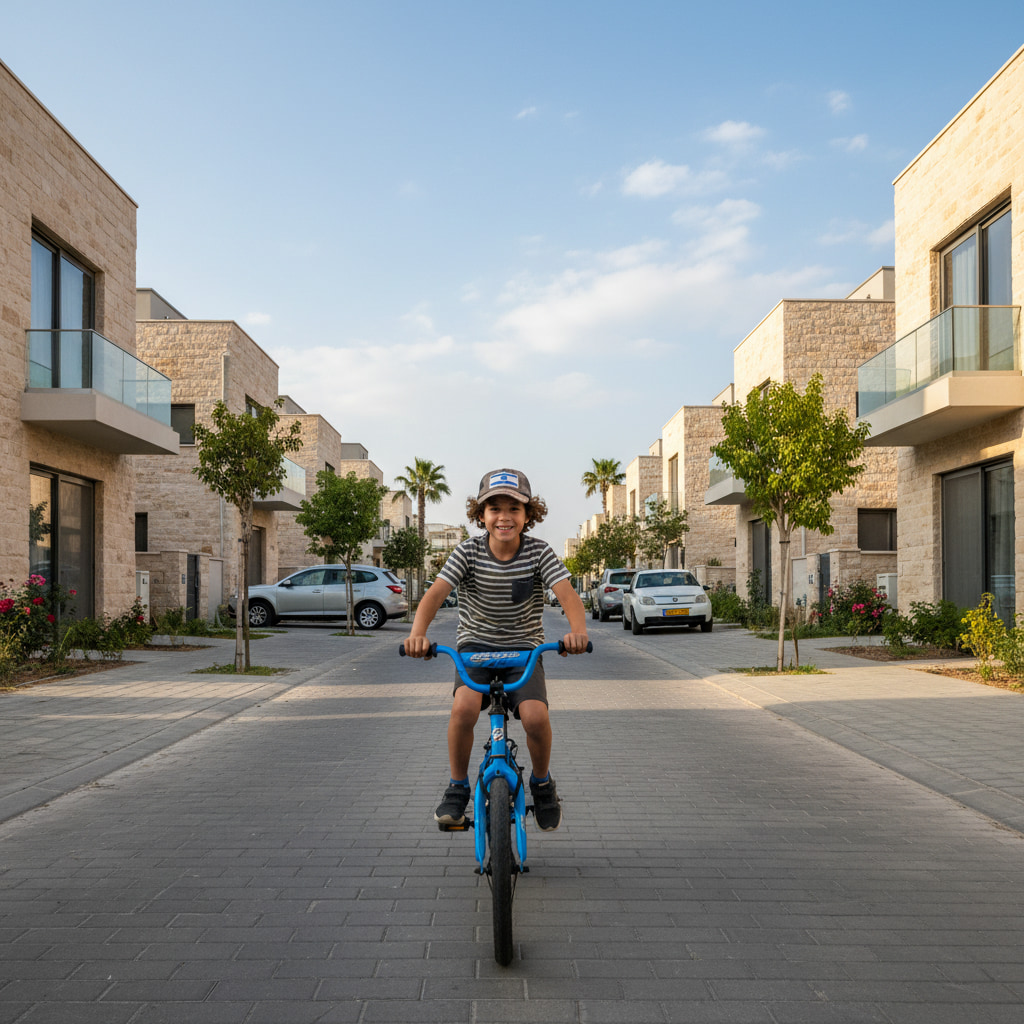
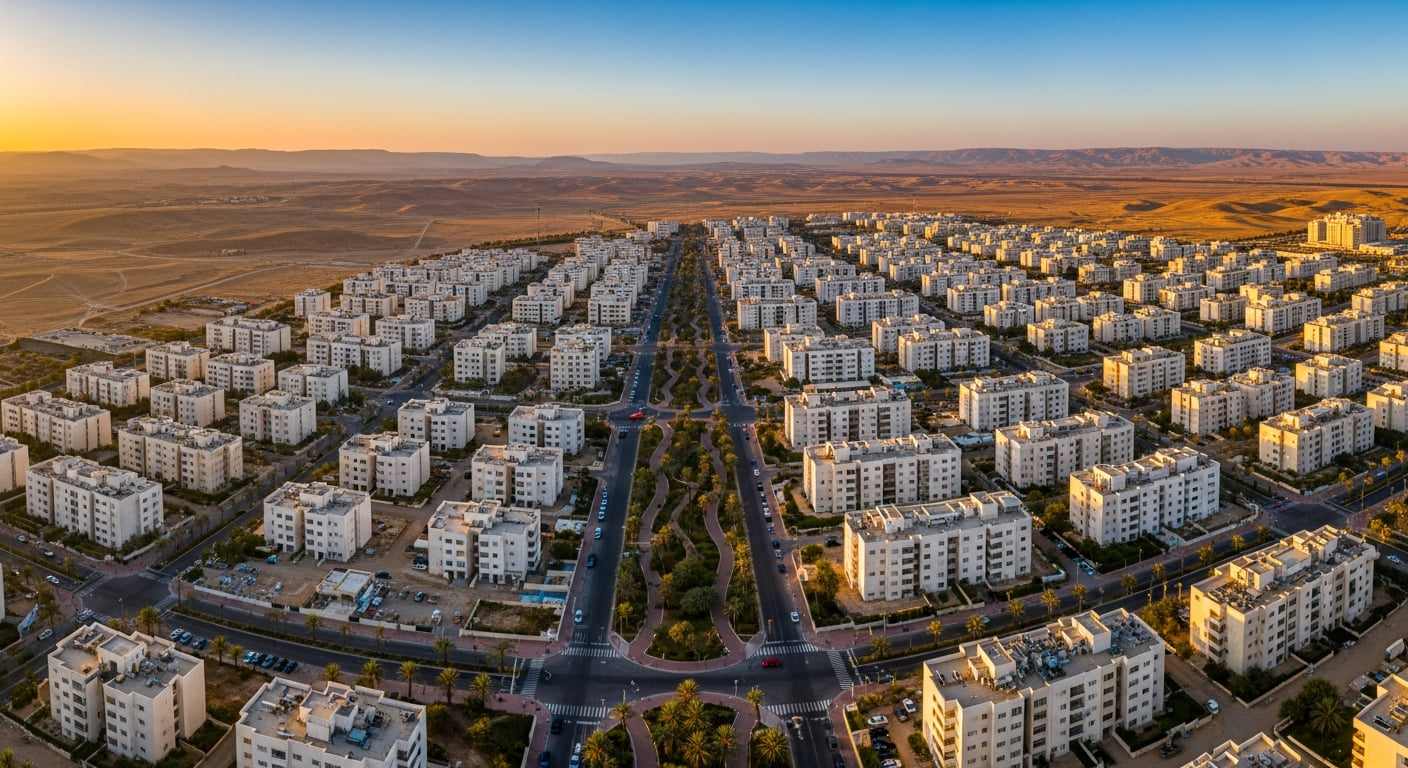
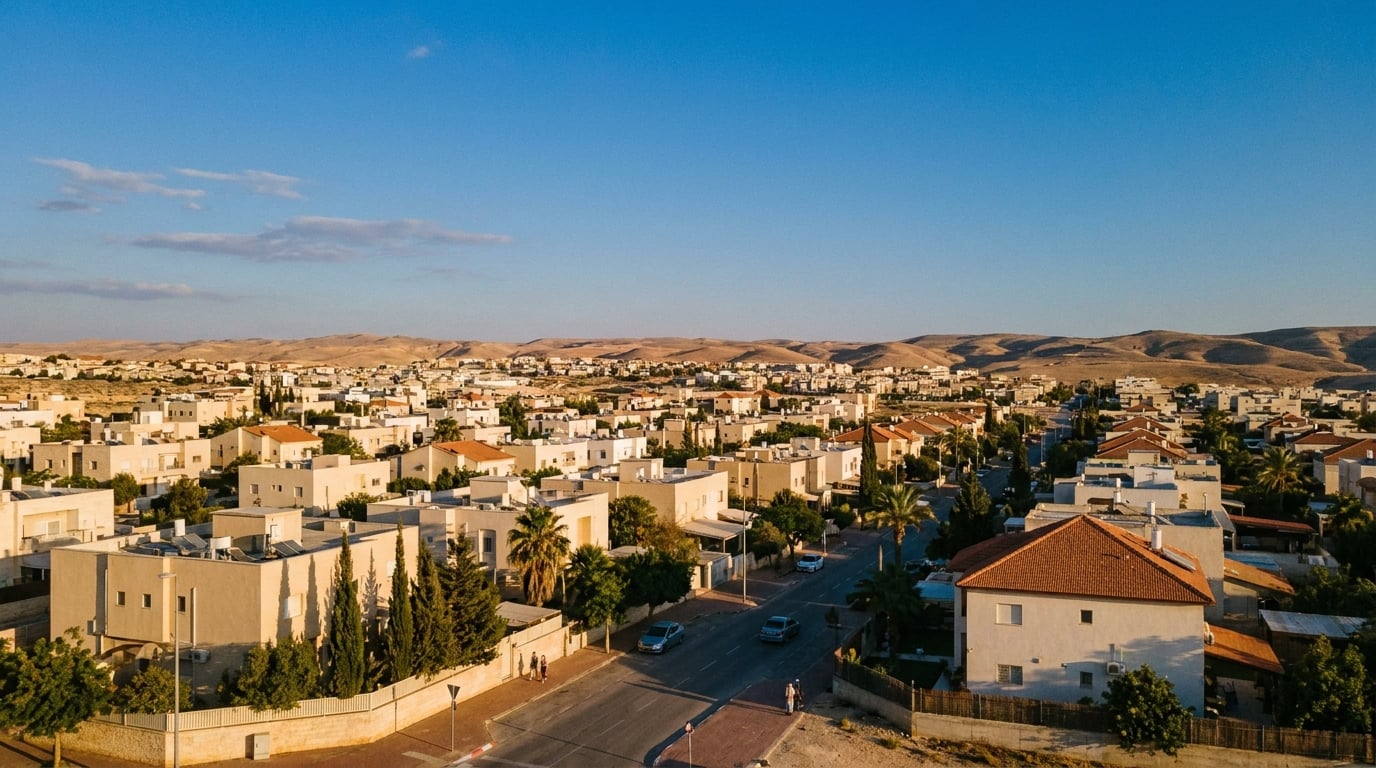
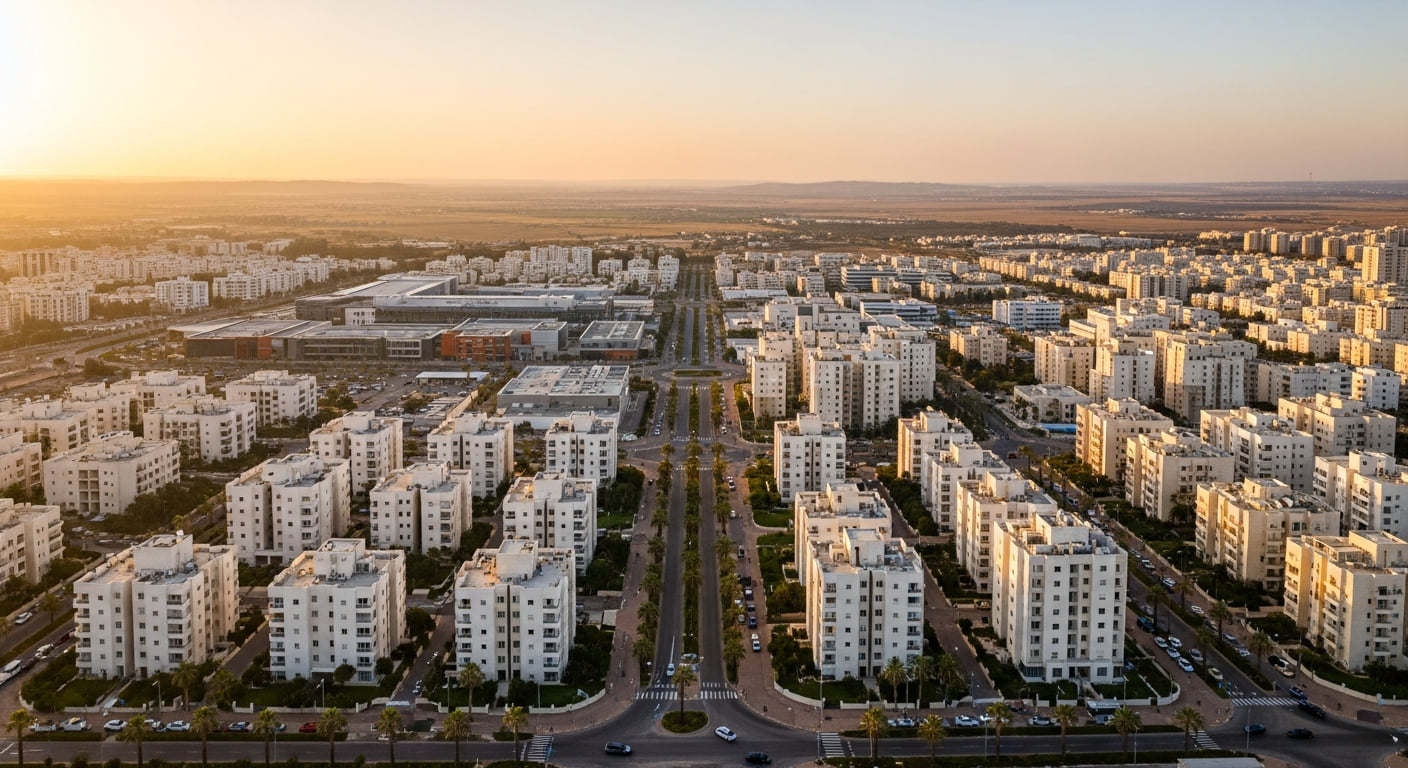
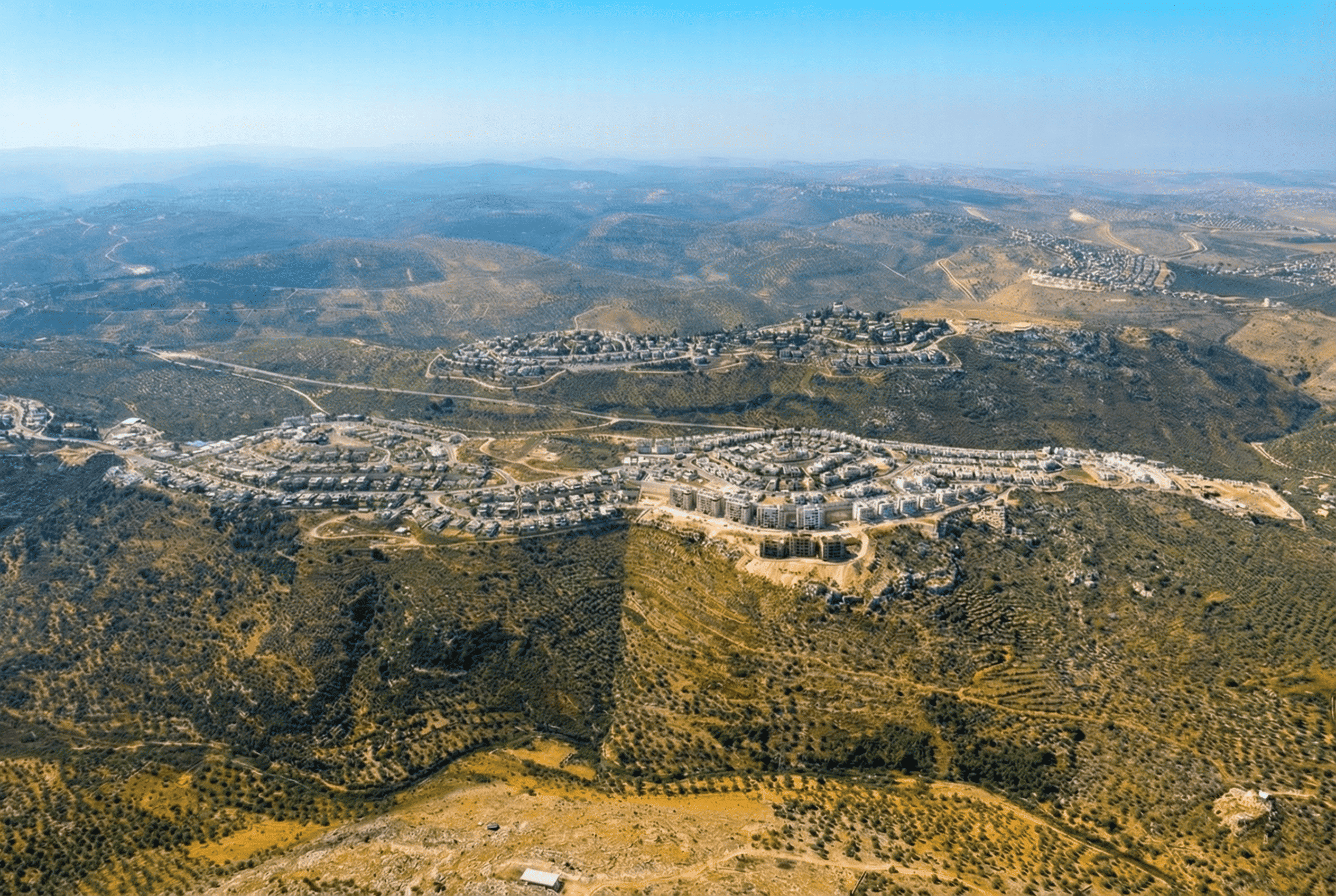
Netivot's housing stock comprises a mix of older apartments and newer residential developments. The city has seen significant growth, with modern neighborhoods like Neot Yehuda and Bareket featuring 4-8 story buildings, parks, and community facilities. Housing options range from three-room apartments to larger family homes, catering to family sizes and preferences.
The real estate market in Netivot is characterized by affordable property prices compared to central Israel, attracting young families and first-time buyers. Demand is driven by the city's strong religious community, ongoing development projects, and expanding infrastructure. The market offers competitive rental yields, supported by stable demand from local families and students.
NEIGHBORHOOD BREAKDOWN
Netivot features distinct neighborhoods, each with its own character. The city has undergone significant urban renewal, resulting in a blend of historic areas and modern residential developments. This diversity offers residents a range of living environments within the city.
- Neot Yehuda: A modern neighborhood developed since 2015, featuring 4-8 story buildings, parks, and new synagogues, attracting young traditional families.
- Ramat Revivim: A residential extension with individual villas and recent buildings, popular among families seeking more space.
- Shikun HaVatikim: The historic neighborhood around downtown and the main synagogue, offering older apartments and proximity to the Baba Sali tomb.
- Bareket and Yahalom: Expanding neighborhoods with many new developments, providing excellent value for new properties.
NEW CONSTRUCTION PROJECTS
Netivot is undergoing significant development to accommodate its growing population. The city has initiated several residential projects, including the construction of 16 housing units in the Ramot Yoram neighborhood and 13 units in the Neve Sharon area. Additionally, the Nofei Yoram project by Dimri offers new apartments ranging from three to five rooms, catering to housing needs. These developments aim to provide modern living spaces and attract new residents to the city.
TRANSPORTATION & ACCESSIBILITY
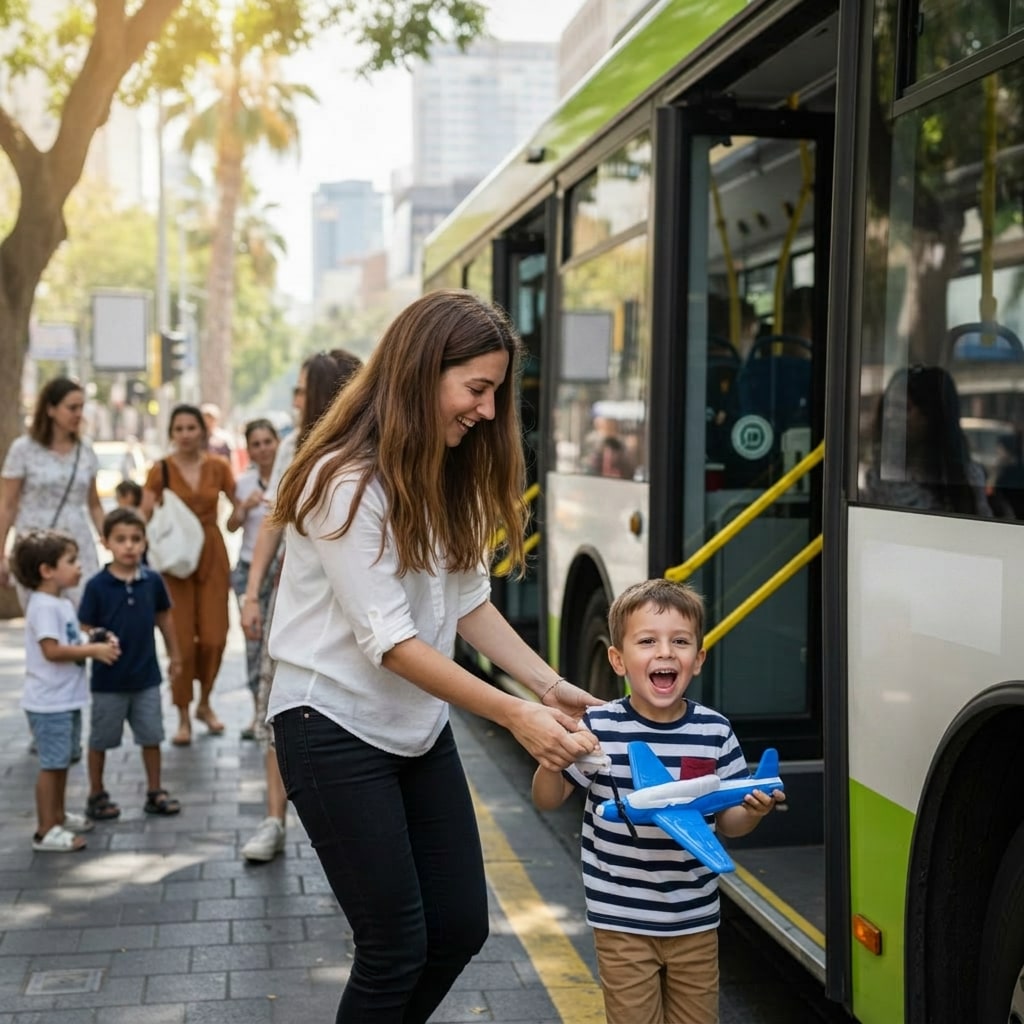
Netivot boasts a well-developed transportation network, enhancing its connectivity within the region. The city is accessible via Highway 34, Highway 25, and Route 232, facilitating convenient road travel. The Netivot railway station, inaugurated in 2015, connects the city to major urban centers, including Tel Aviv and Beersheba, with trains running every 30 to 60 minutes during the day. Local bus services operate within the city, ensuring efficient public transit options for residents and visitors alike.
WHY NEW IMMIGRANTS CHOOSE NETIVOT
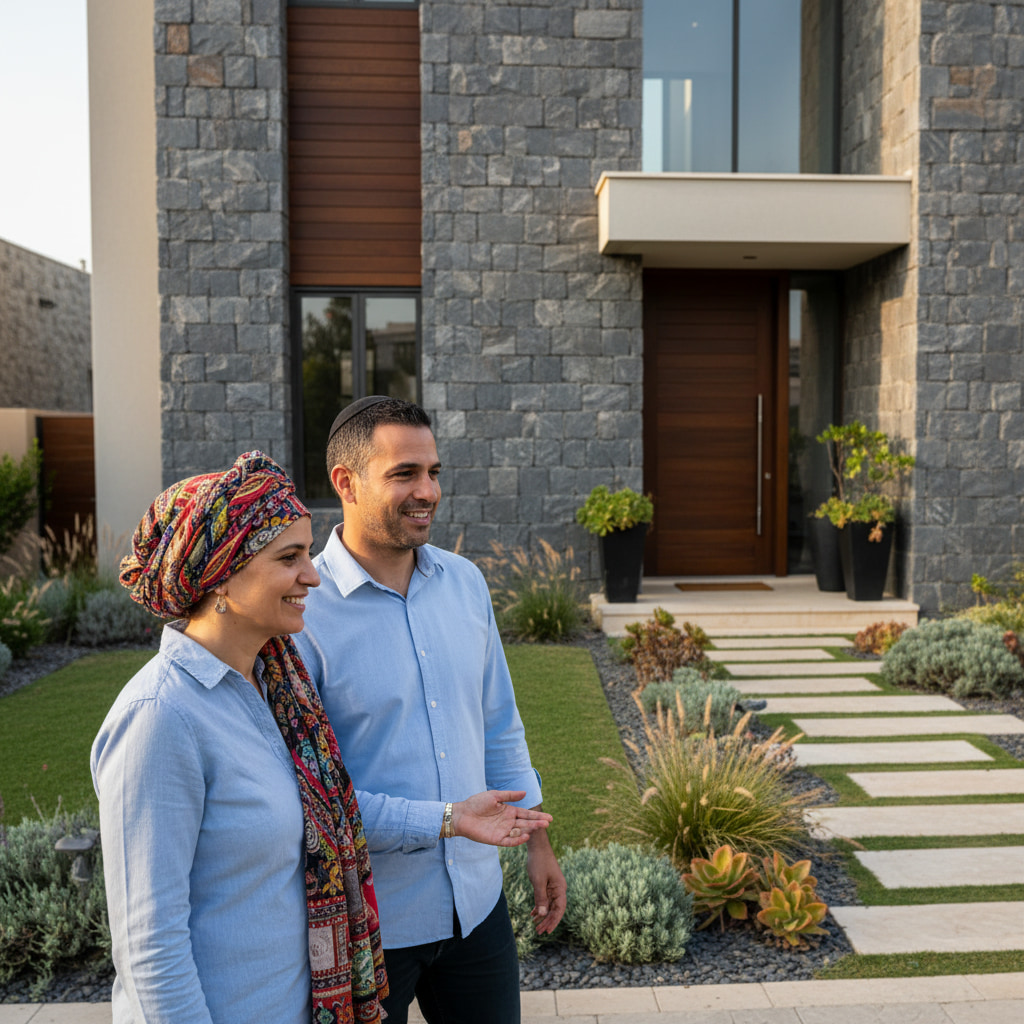
New immigrants, or olim, are drawn to Netivot for its affordable housing options, strong religious community, and proximity to larger cities like Beersheba. The city's ongoing development projects and expanding infrastructure also make it an attractive destination for those seeking a balanced lifestyle in southern Israel.
- Affordable housing options
- Strong religious community
- Proximity to Beersheba
- Ongoing development projects
- Expanding infrastructure