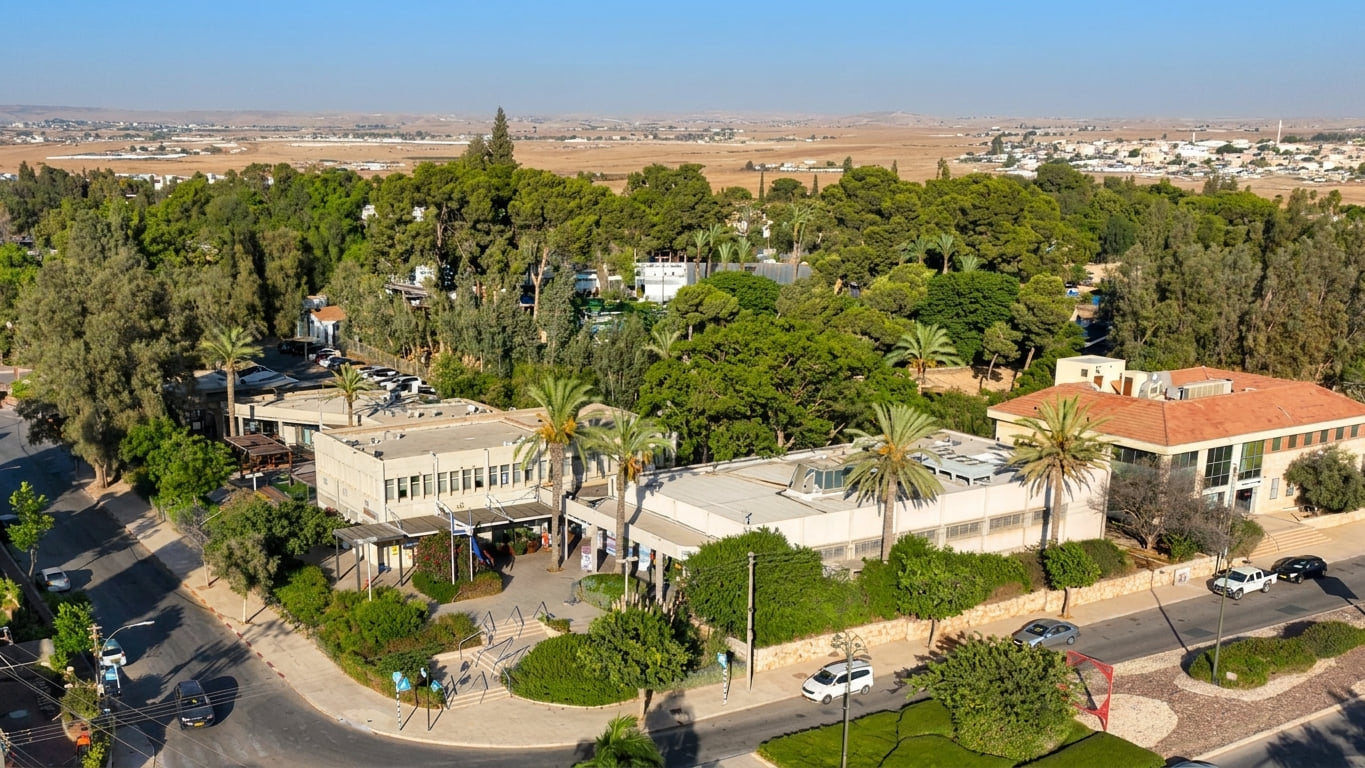
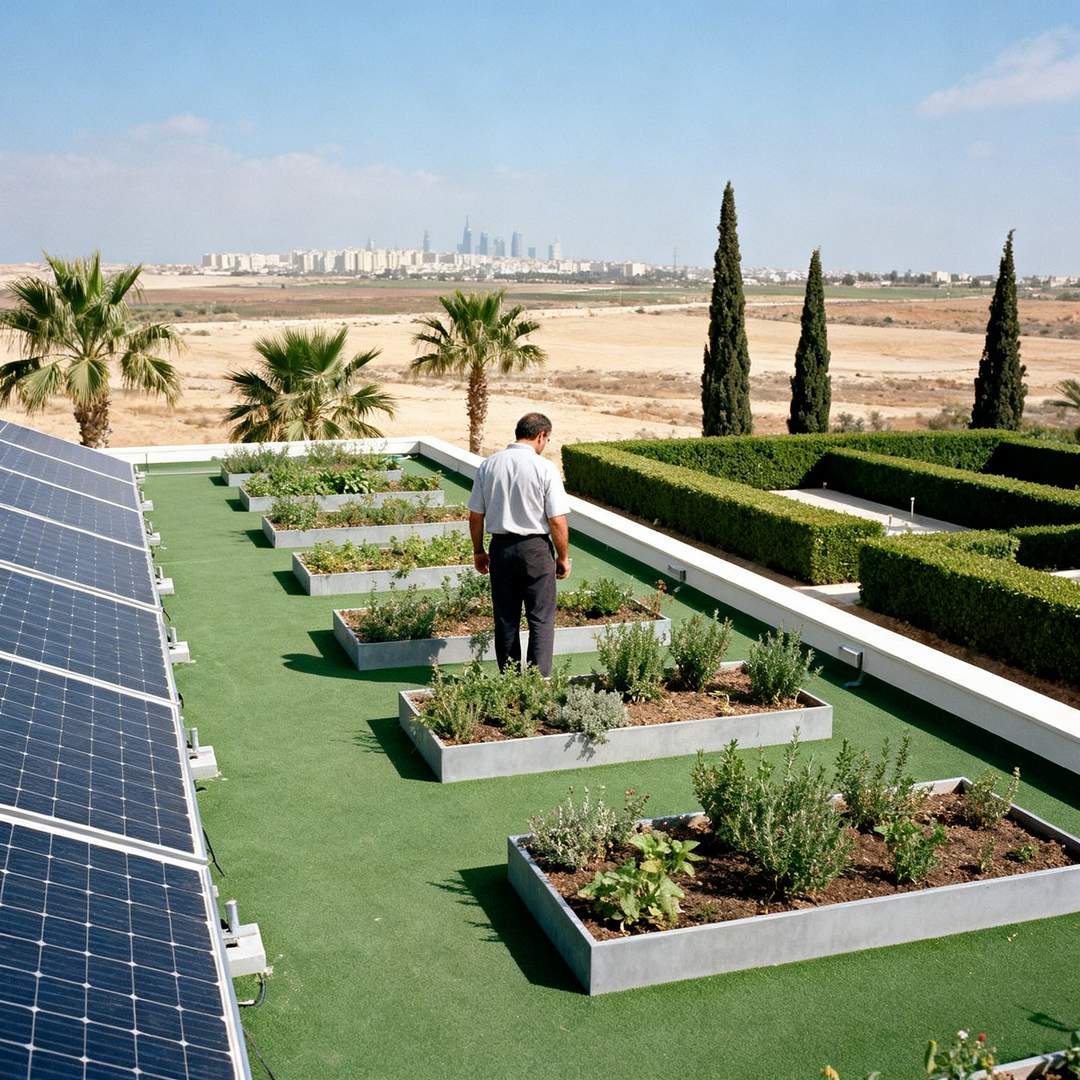
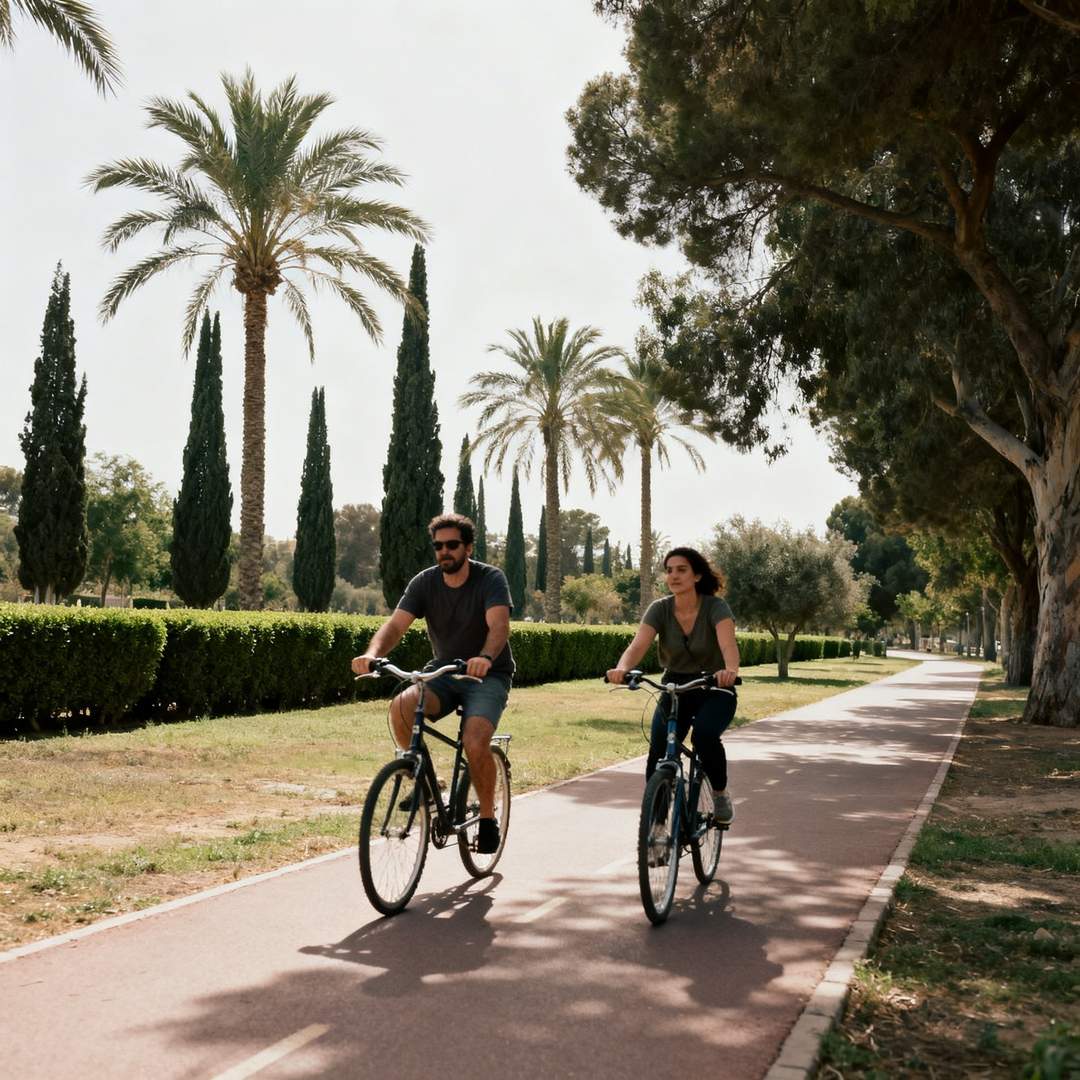
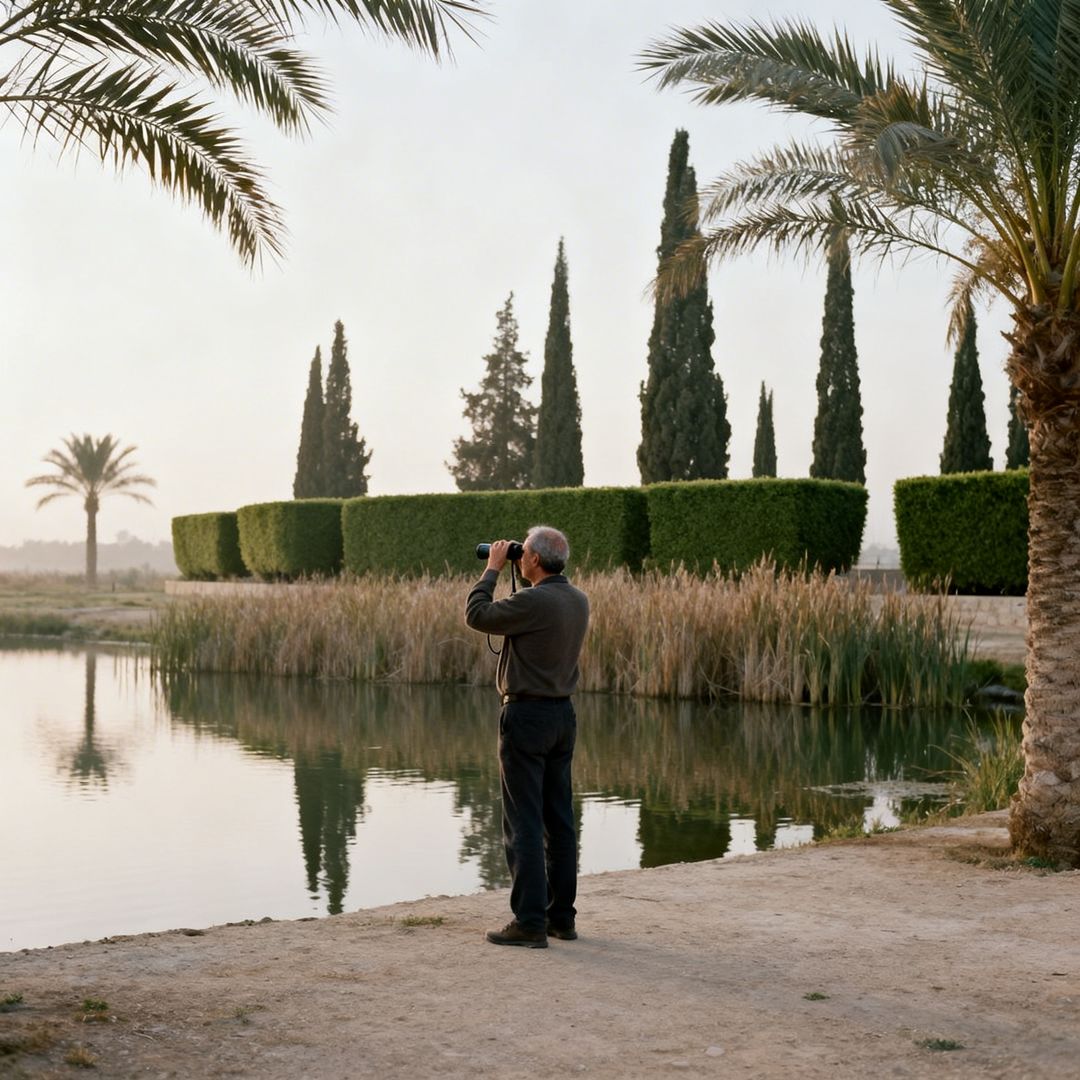
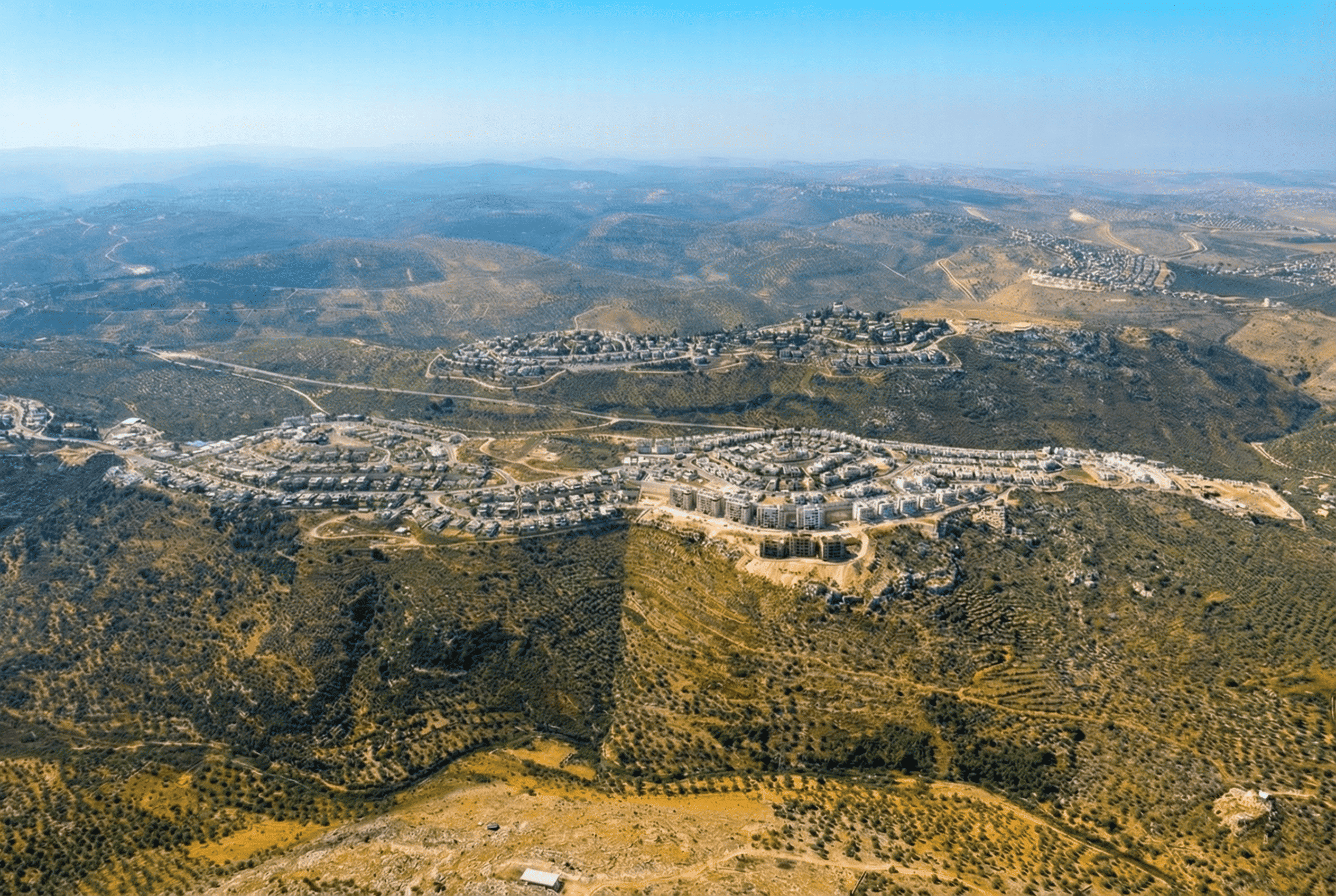
Omer, located in Israel's Southern District near Be'er Sheva, was founded in 1949 as a kibbutz named Hevrona by demobilized Palmach soldiers. It underwent several transformations: becoming a cooperative village called Eilata in 1951, a communal moshav named Omer in 1953, and eventually gaining municipal status in 1974. Today, Omer is an affluent town known for its high socio-economic standing and proximity to Be'er Sheva.
Omer has a population of approximately 7,656 residents, predominantly Jewish, with a small Arab minority. The community is characterized by a secular lifestyle, with a significant portion of the population holding academic degrees. The age distribution includes a substantial number of families with children, contributing to a family-friendly environment.
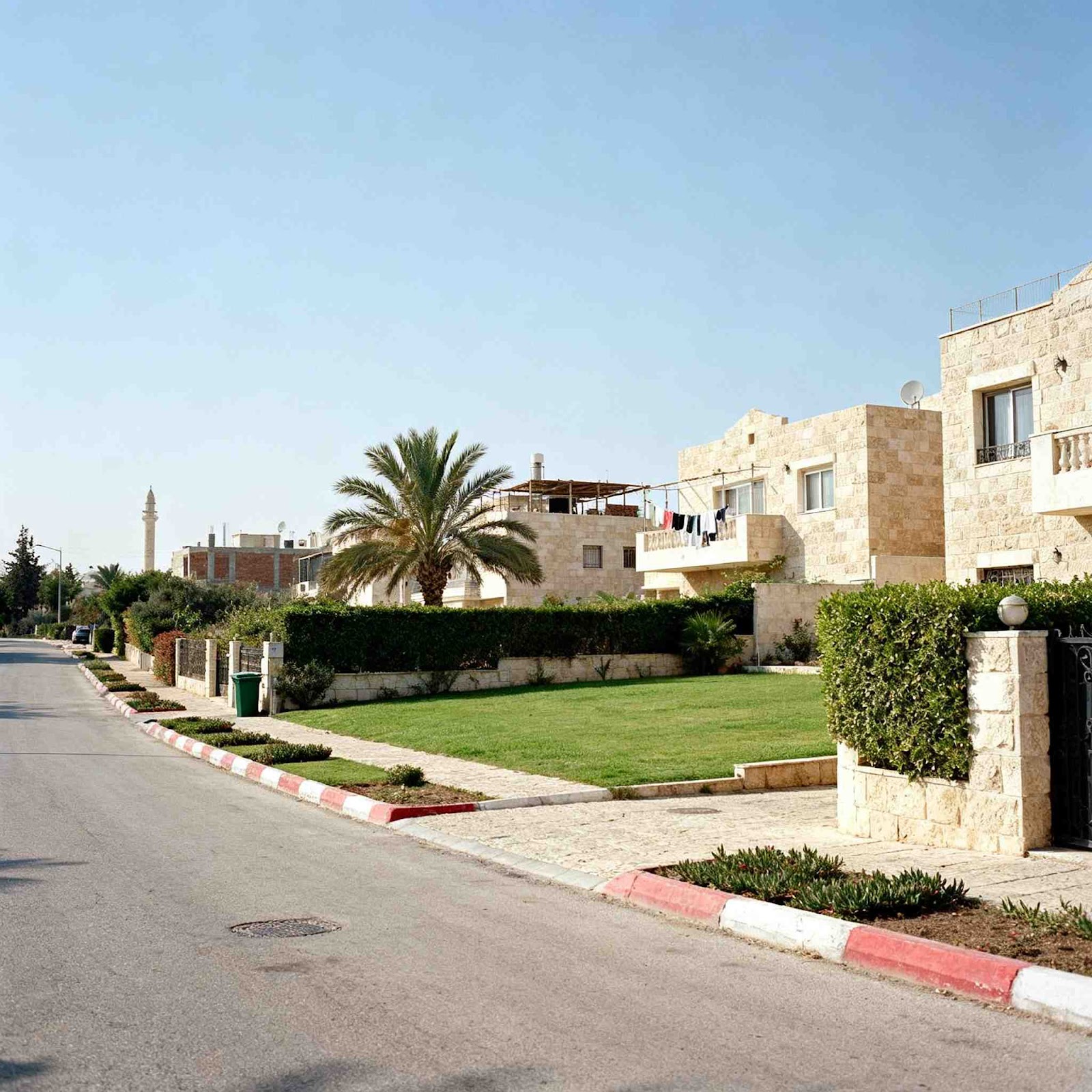
Omer's housing stock primarily consists of single-family homes situated on spacious plots, reflecting its evolution from a kibbutz to a municipal entity. The architectural styles vary, with many residences dating back to the mid-20th century, complemented by modern constructions that cater to contemporary living standards.
The real estate market in Omer is characterized by steady demand, driven by its high quality of life and proximity to Be'er Sheva's employment opportunities. Property prices are competitive for a southern community, appealing to families and professionals seeking a suburban environment with urban conveniences. The market exhibits moderate liquidity, with properties typically remaining on the market for a reasonable duration before sale.
Omer is a compact community without distinct sub-areas, offering a living environment. Its layout fosters a sense of unity among residents, with amenities and services centrally located to serve the entire population.
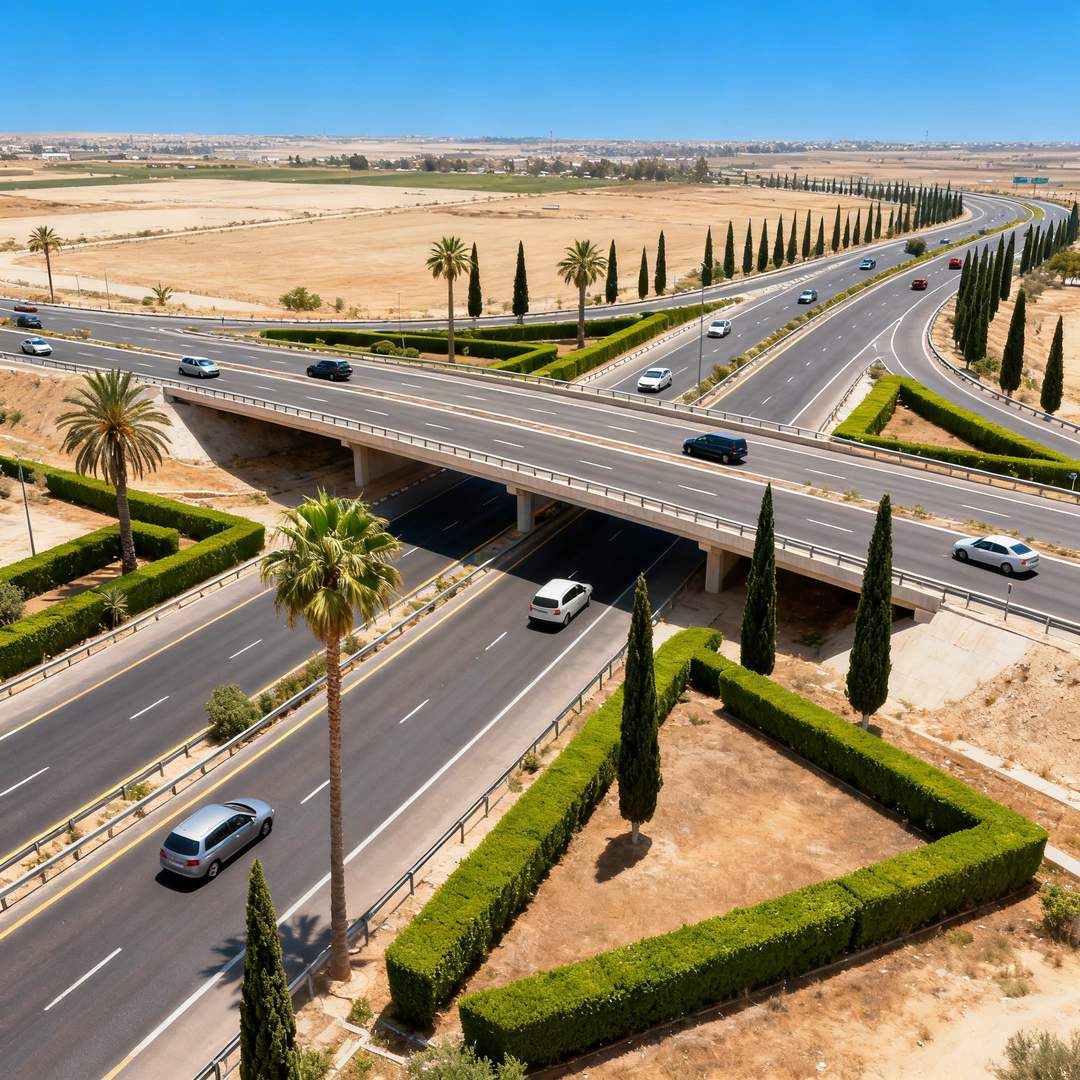
Omer has recently enhanced its infrastructure with the construction of a unique interchange at the entrance to the kibbutz. This project, completed at a cost of 30 million ILS, includes ramps to and from Highway 60 at the Shoket Junction, facilitating direct access to the surrounding military base and industrial park without the need for traffic lights. The development encompassed earthworks, infrastructure, road paving, and traffic arrangements, significantly improving connectivity for residents and visitors.
Transportation options in Omer are with several bus routes connecting the kibbutz to nearby areas. For instance, bus line 164, operated by Dan South, runs between Be'er Sheva Central Station and Amatsya, passing through Omer. Additionally, Metropoline operates routes such as line 137, which links Be'er Sheva Central Station to Hamada Omer Park. These services provide residents with convenient access to Be'er Sheva, the regional hub, and other destinations, supporting daily commutes and travel needs.
New immigrants are drawn to Omer for its high quality of life, excellent educational facilities, and proximity to Be'er Sheva's employment opportunities. The town's well-maintained infrastructure and community services provide a comfortable living environment. Additionally, Omer's secular character and population make it appealing to olim seeking integration into Israeli society.
- High quality of life and infrastructure
- Proximity to Be'er Sheva's job market
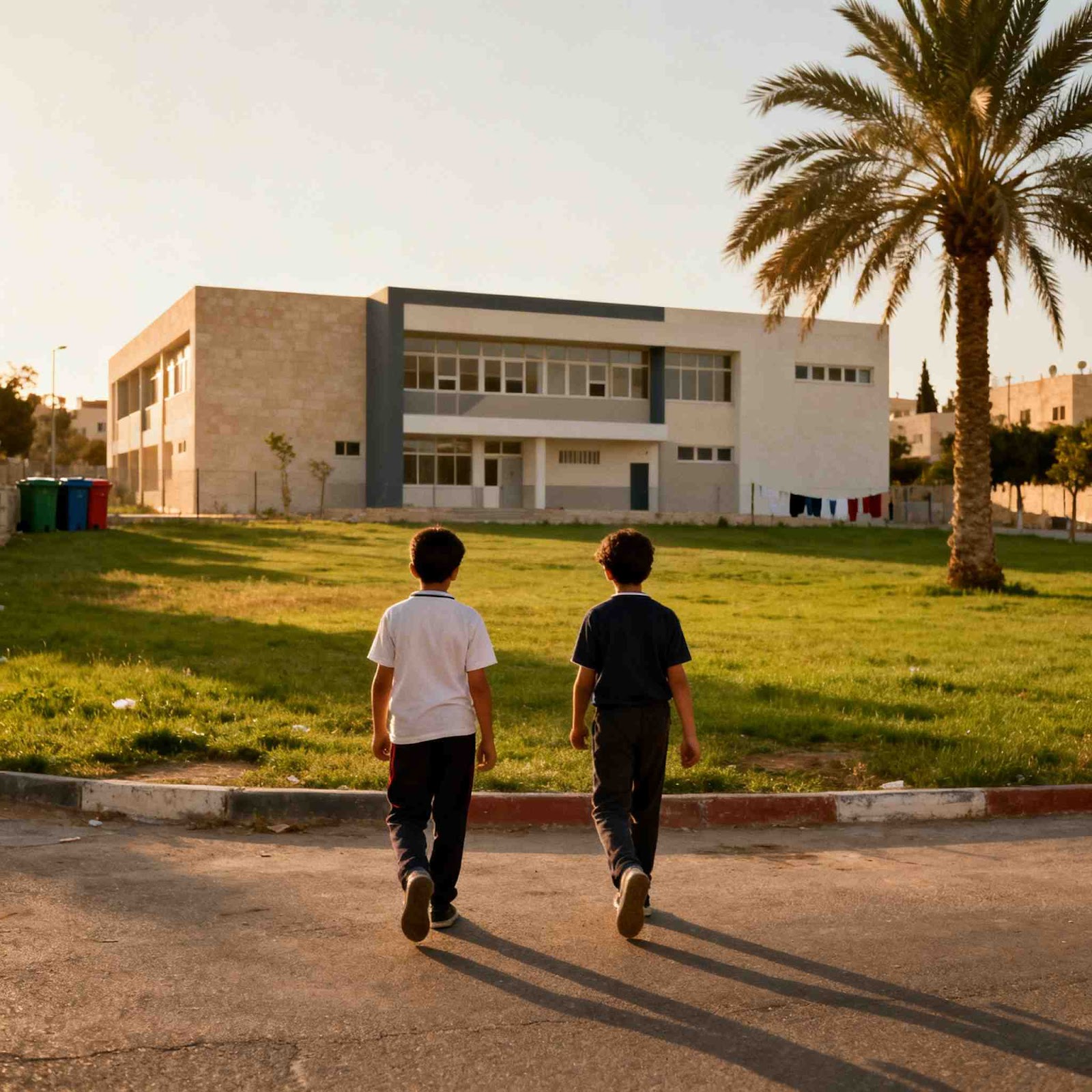
- Excellent educational facilities
- Family-friendly environment
- Secular and community