CITY HISTORY & DEVELOPMENT
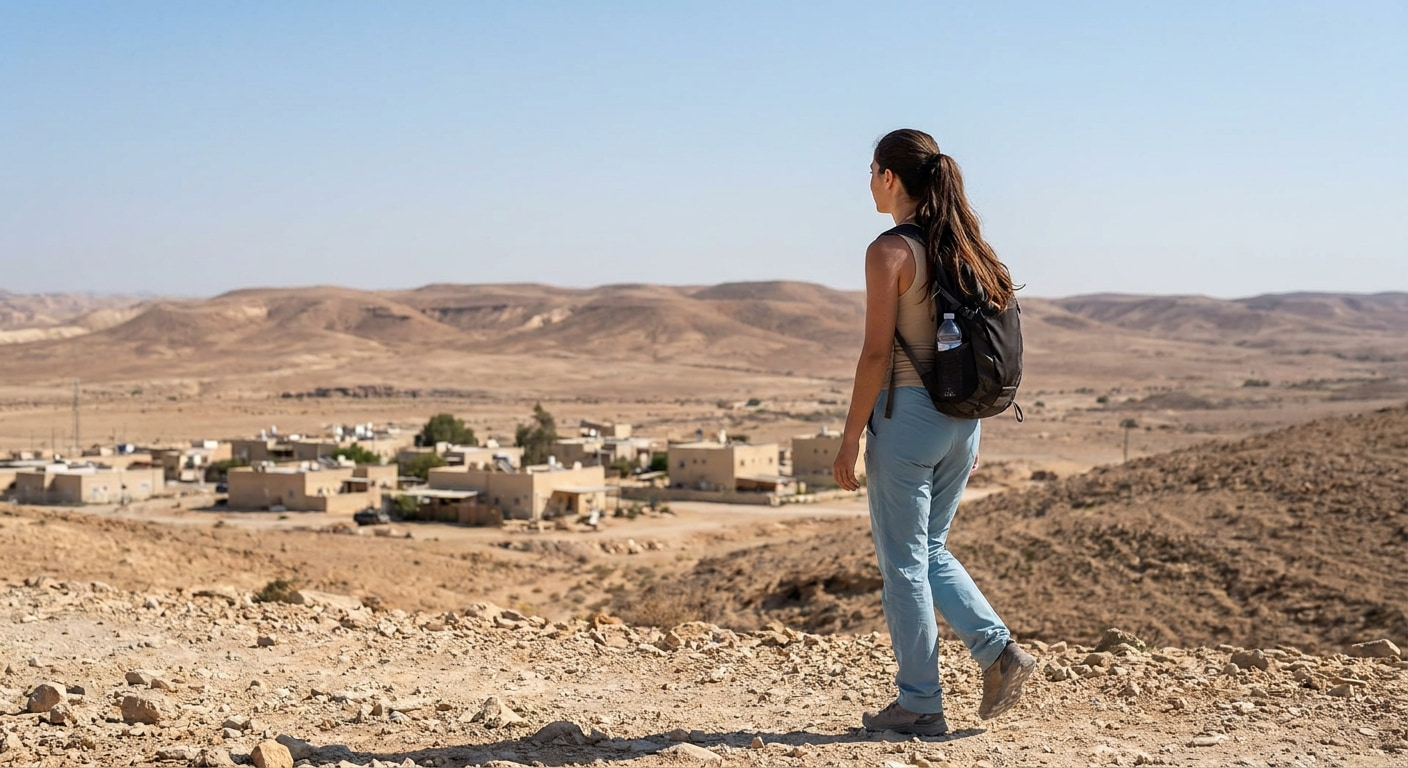
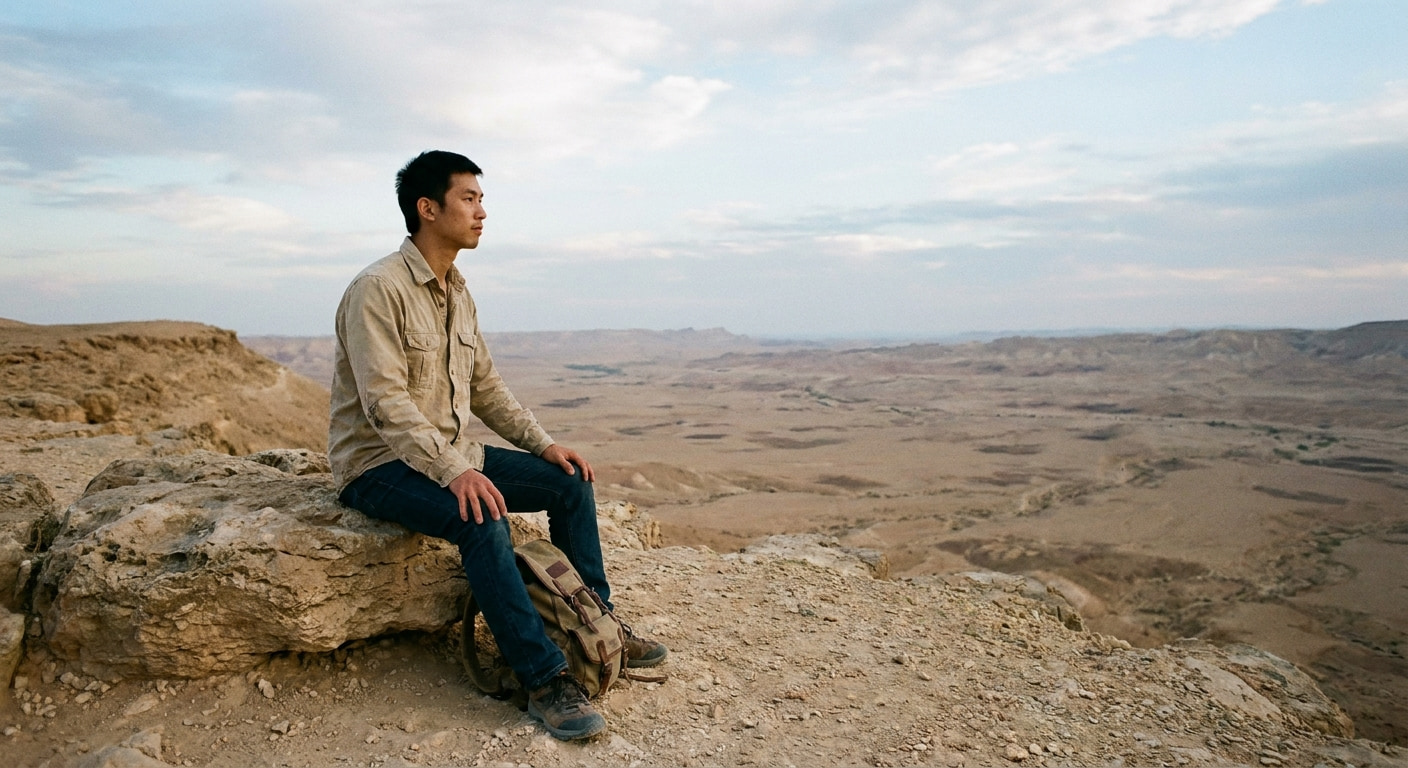
Sde Boker, established on May 15, 1952, by a group of former soldiers, is a kibbutz located in Israel's Negev desert. In 1953, Israel's first Prime Minister, David Ben-Gurion, resigned from office and joined the kibbutz, inspired by his vision to cultivate the Negev. He resided there until his death in 1973, and his home has since been converted into a museum. Over the years, Sde Boker has developed various agricultural ventures and now also hosts educational institutions like the Midreshet Ben-Gurion.
DEMOGRAPHICS & FAMILY LIFESTYLE
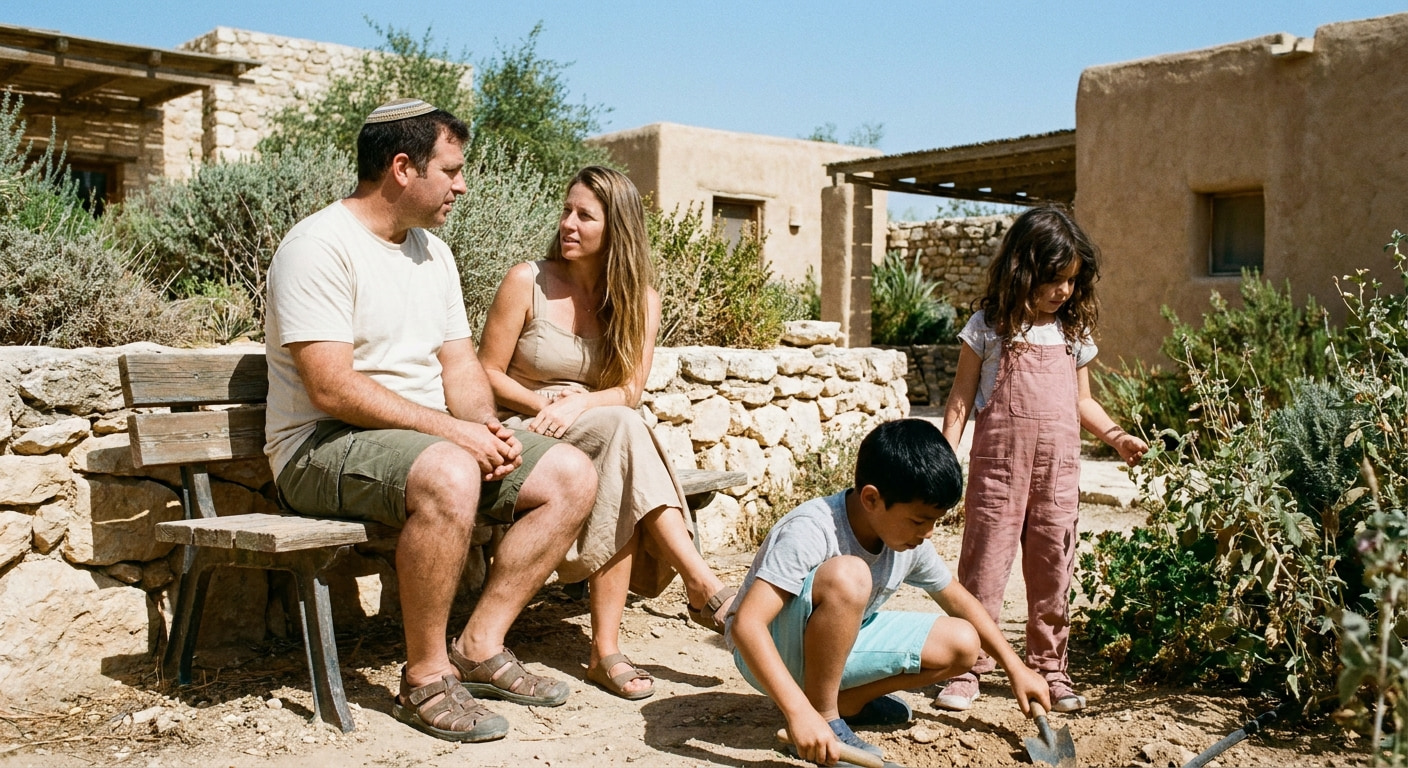
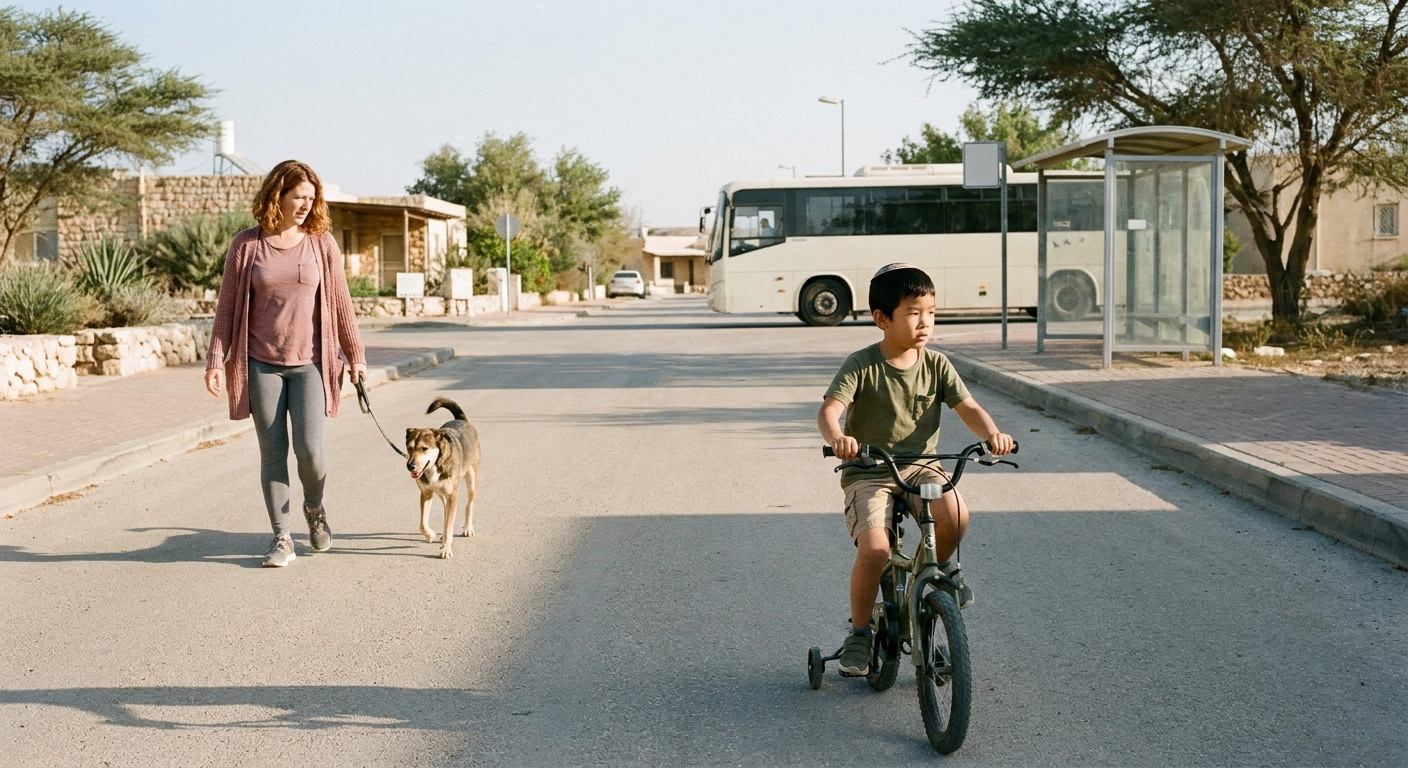
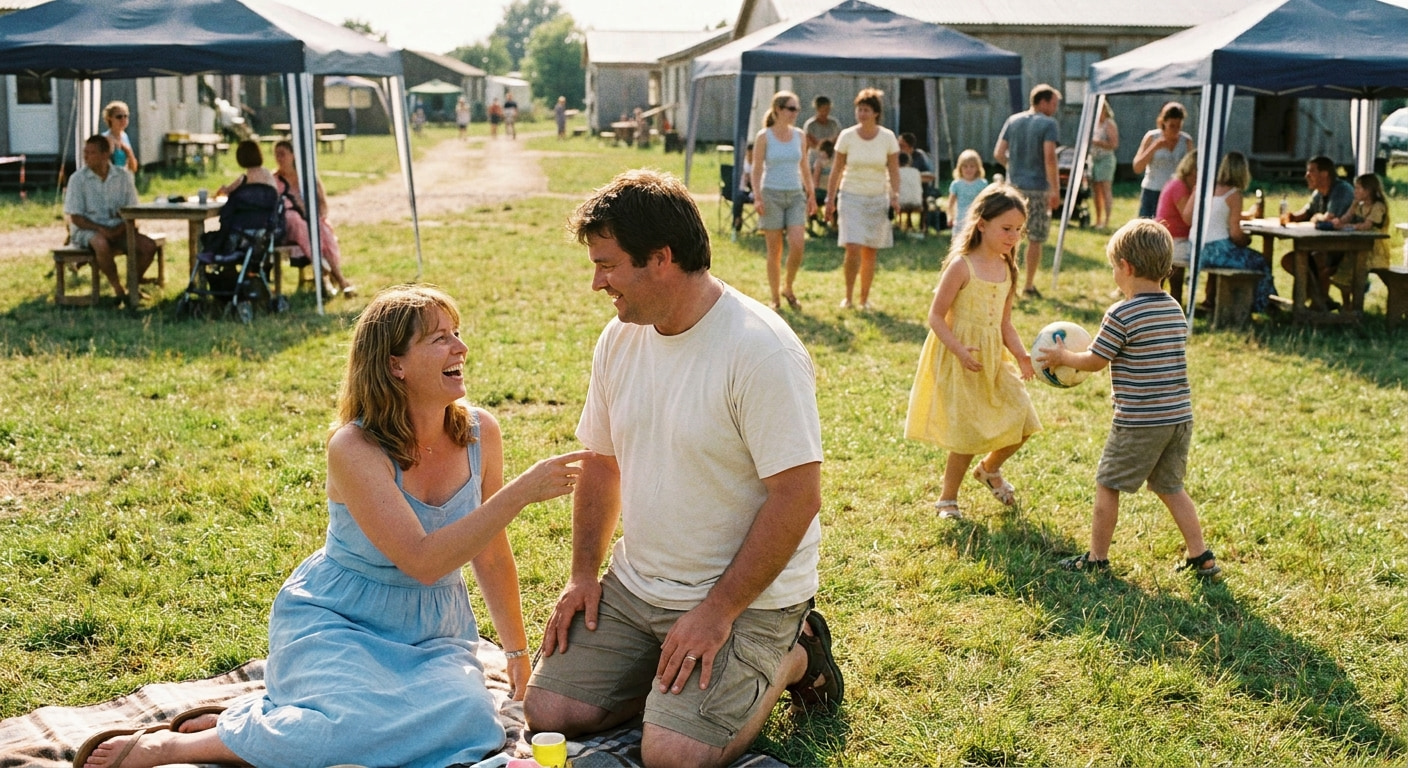
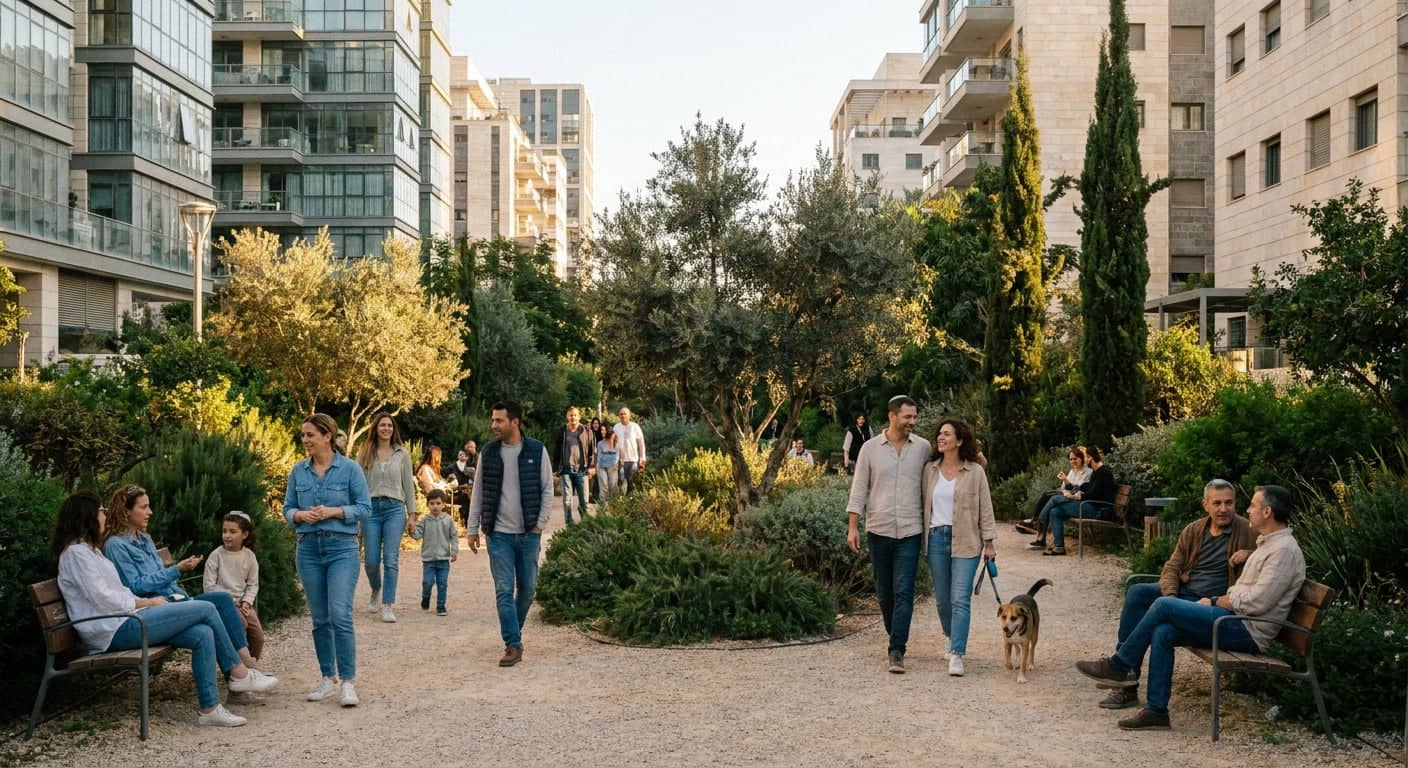
Sde Boker is a secular kibbutz that integrates both traditional cooperative and modern lifestyles. The community comprises approximately 200 families, totaling around 520 residents, including children. The population includes a mix of age groups, with about 25% being children aged 0-18. Residents have access to comprehensive community services, including education, healthcare, and recreational facilities.
REAL ESTATE MARKET OVERVIEW
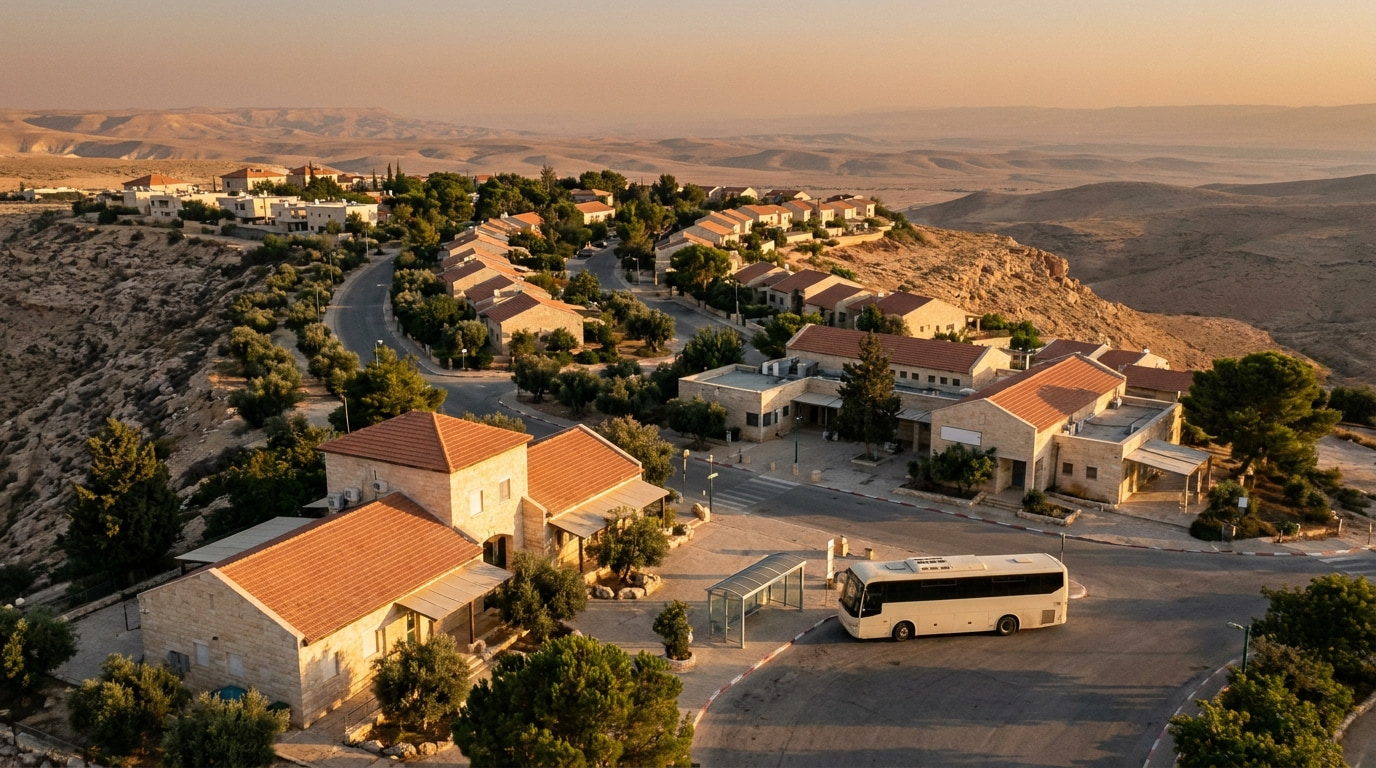
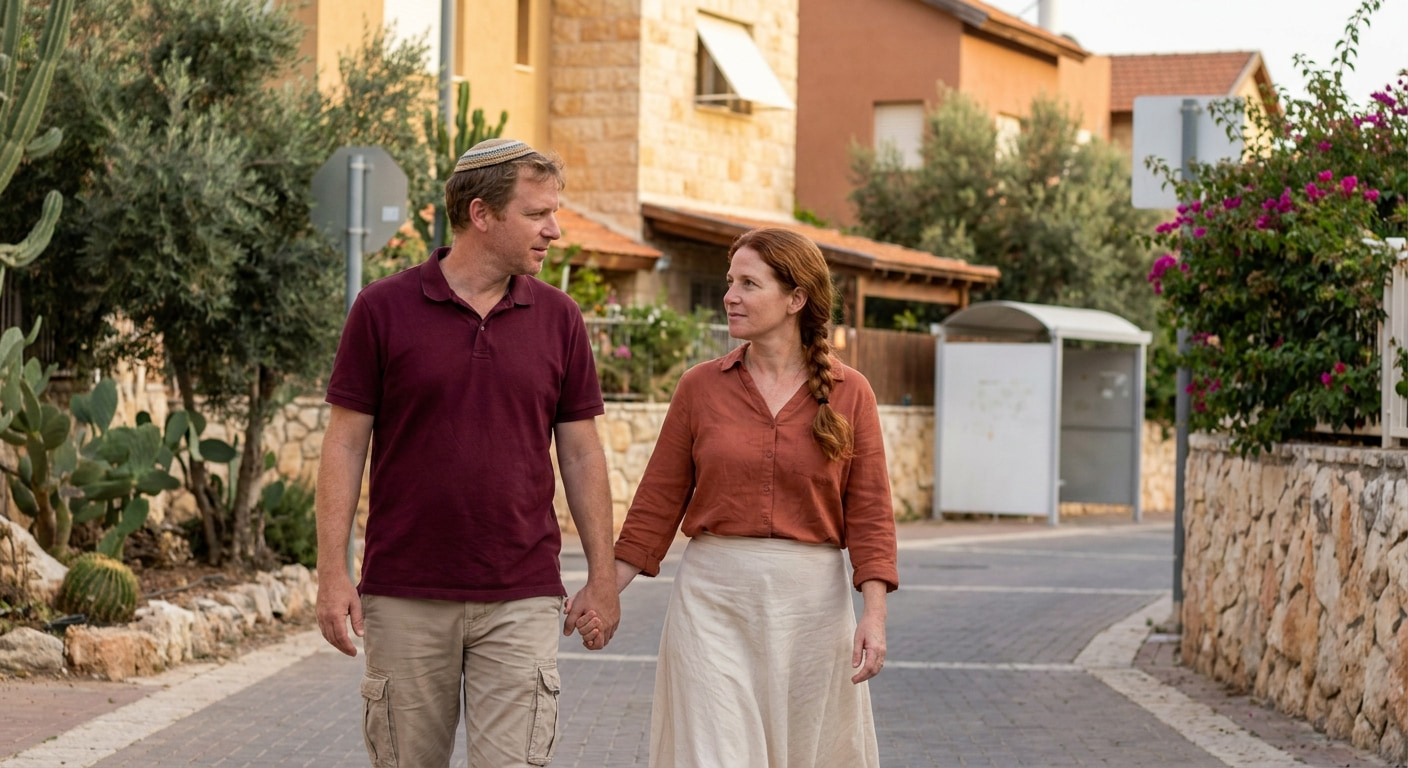
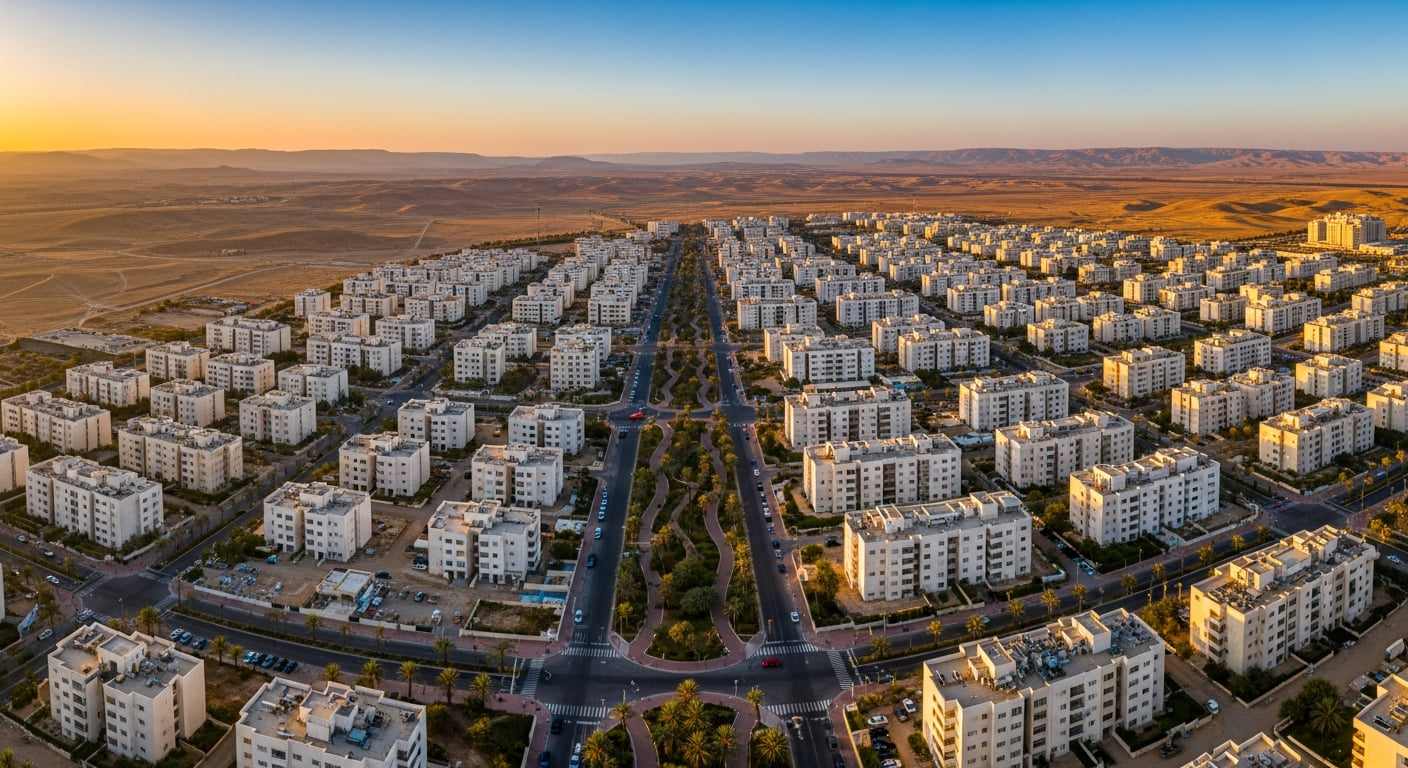
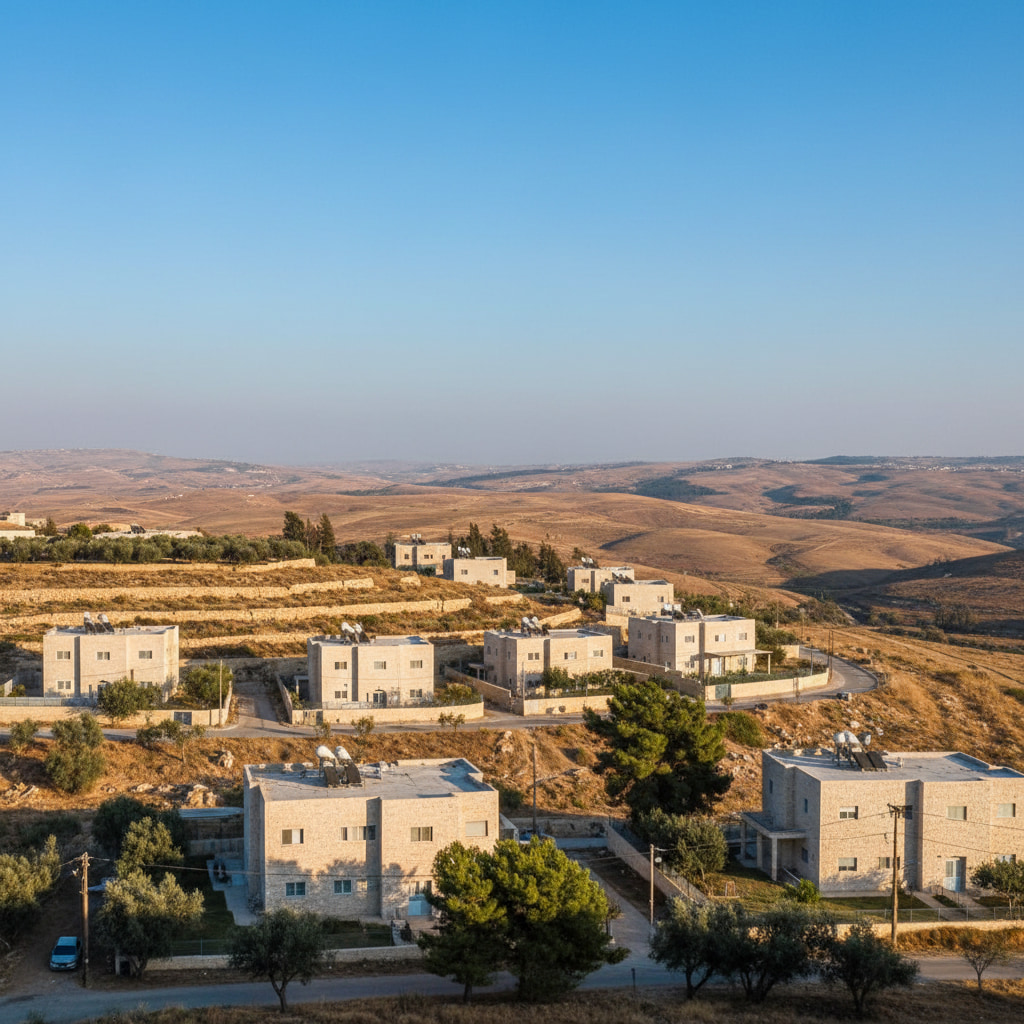
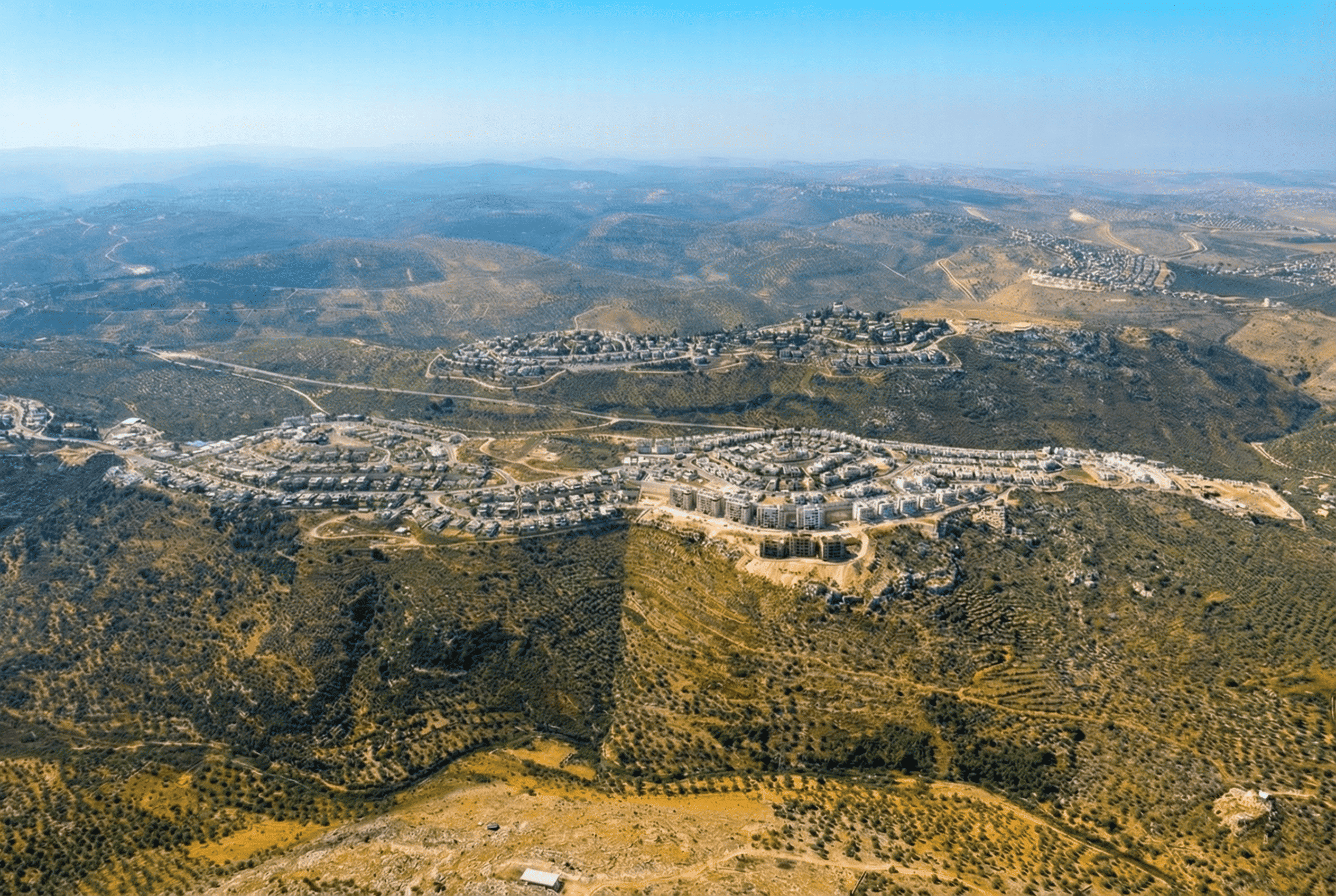
Sde Boker's housing primarily consists of single-family homes and communal buildings that reflect its origins as a kibbutz. The residences are typically modest in size, designed to accommodate the communal lifestyle and the arid climate of the Negev desert. Many homes were constructed during the mid-20th century, with some newer additions to meet the needs of the growing community. The architectural style is functional, emphasizing simplicity and sustainability. The real estate market in Sde Boker is characterized by a stable demand, driven by individuals and families attracted to its unique blend of communal living and modern amenities. Property prices are generally more affordable compared to urban centers, making it an appealing option for those seeking a quieter, community-focused lifestyle. The buyer profile often includes educators, researchers, and professionals involved in agricultural and environmental fields, reflecting the kibbutz's emphasis on education and sustainability. Market liquidity is moderate, with properties changing hands primarily within the community or to those with a strong interest in the kibbutz lifestyle. Sde Boker is a compact community without distinct neighborhoods, centered around communal facilities and residential areas. The layout fosters close-knit interactions among residents, with shared spaces such as dining halls, educational institutions, and recreational areas serving as focal points for daily activities.
NEW CONSTRUCTION PROJECTS
Sde Boker continues to evolve, balancing its rich history with modern development. The kibbutz has undertaken various construction projects to enhance residential and communal facilities, ensuring that both longstanding members and newcomers have access to quality housing and amenities. These developments reflect Sde Boker's commitment to growth while maintaining its unique character.
TRANSPORTATION & ACCESSIBILITY
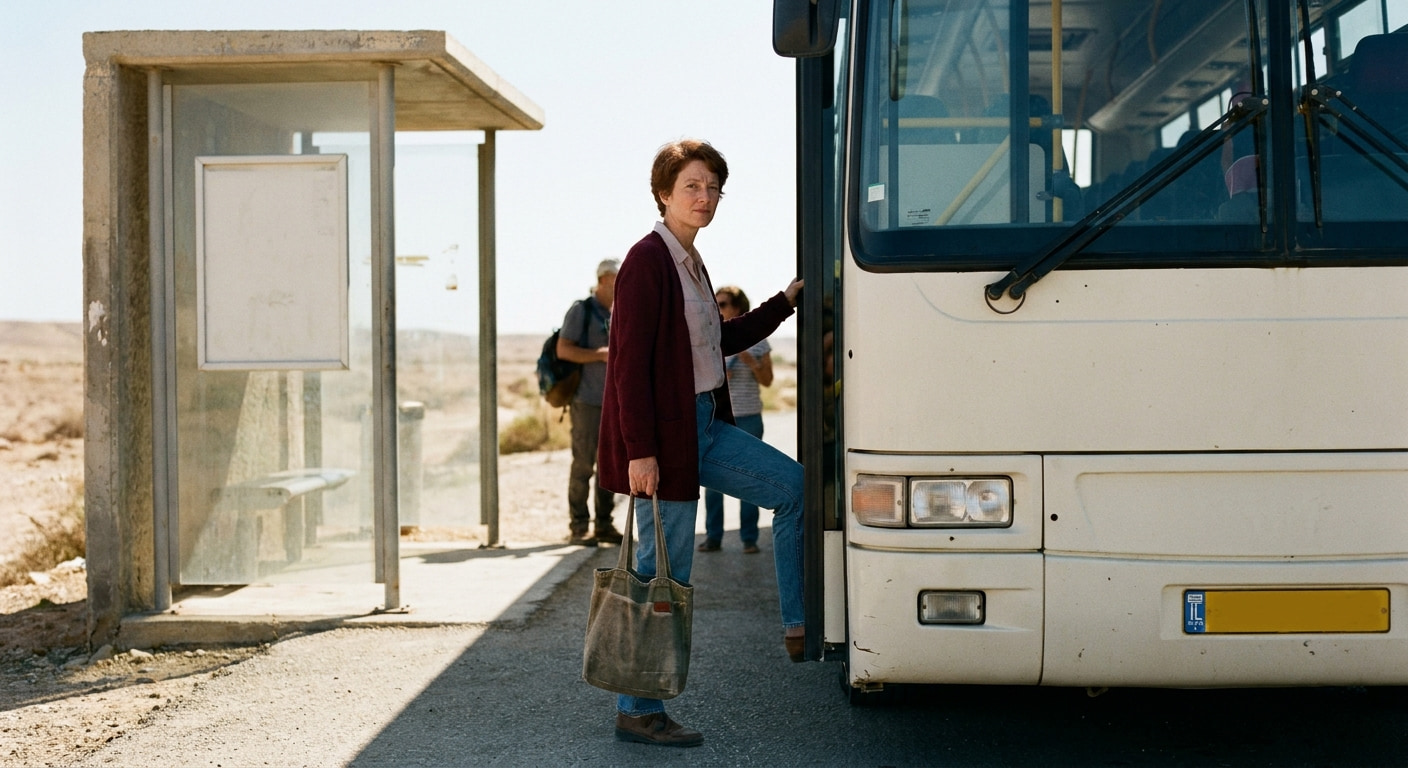
Transportation to and from Sde Boker is well-facilitated by several bus lines connecting the kibbutz to Be'er Sheva and other regional destinations. Bus routes such as 60, 64, and 65 provide regular service, ensuring residents and visitors have reliable access to urban centers. The nearest bus stop, Sde Boker/Center, is conveniently located within a short walking distance from the community's core, enhancing the kibbutz's accessibility.
WHY NEW IMMIGRANTS CHOOSE SDE BOKER
New immigrants, or olim, are drawn to Sde Boker for its unique blend of communal living and modern amenities. The kibbutz offers a supportive environment with a strong sense of community, making it easier for newcomers to integrate. Its location in the Negev provides opportunities for involvement in agricultural and environmental initiatives, aligning with the pioneering spirit that many olim seek. Additionally, the presence of educational institutions and cultural activities enriches the lifestyle, offering opportunities for personal and professional growth.
- Supportive community fostering easy integration
- Opportunities in agriculture and environmental projects
- Access to educational institutions and cultural activities
- Modern amenities within a communal setting
- Pioneering spirit aligned with Zionist ideals