CITY HISTORY & DEVELOPMENT
Sederot was established in 1951 as a transit camp for Jewish immigrants from Kurdistan and Iran. Initially housing 80 families, it evolved into a development town by 1956 and was declared a city in 1996. Over the decades, Sederot has experienced significant growth and development, becoming a regional hub in the northwestern Negev.
DEMOGRAPHICS & FAMILY LIFESTYLE
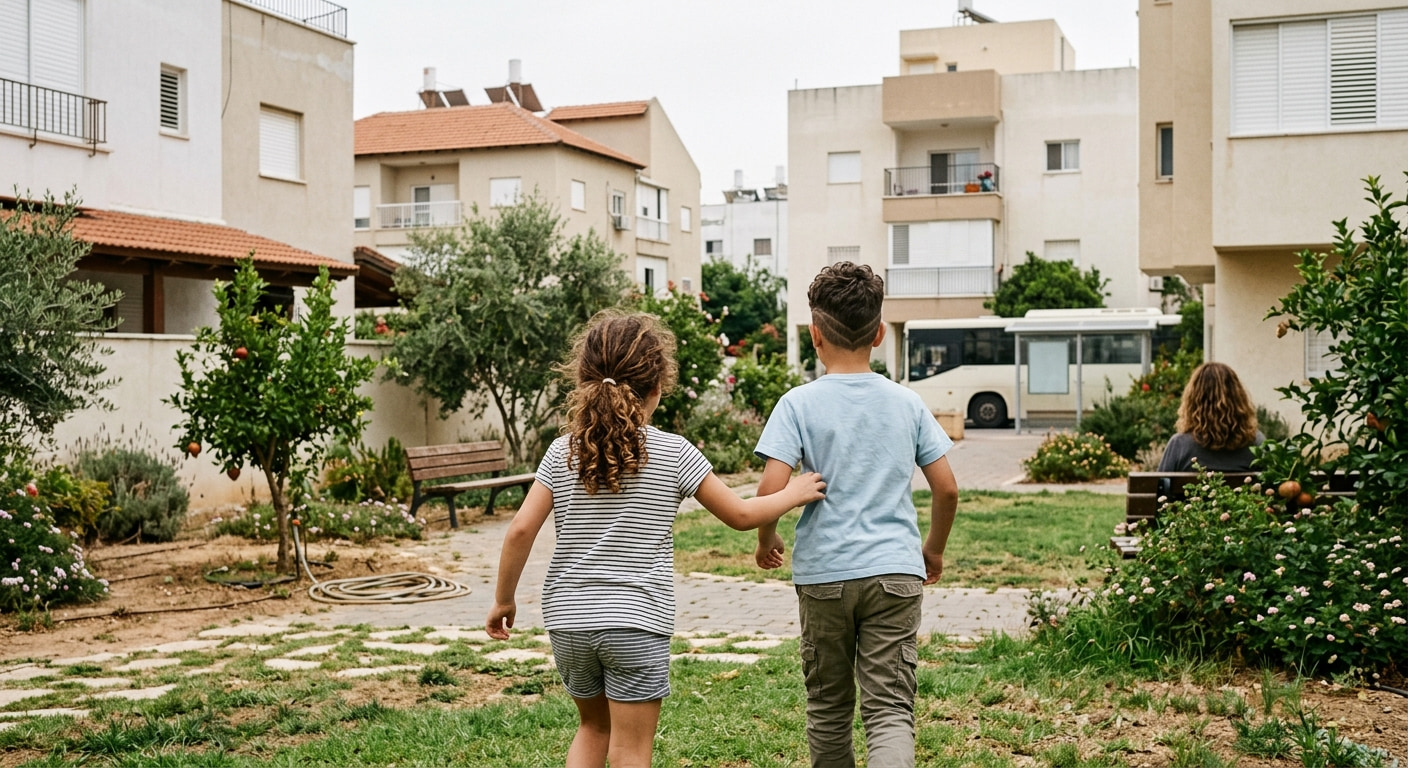
The city is home to approximately 30,553 residents, predominantly Jewish, with a small percentage of Arab and other ethnic groups. The population distribution includes about 8,608 individuals aged 0-14, 18,978 between 15-64, and 2,965 aged 65 and above. Sederot offers a family-friendly environment with modern infrastructure and community services.
REAL ESTATE MARKET OVERVIEW
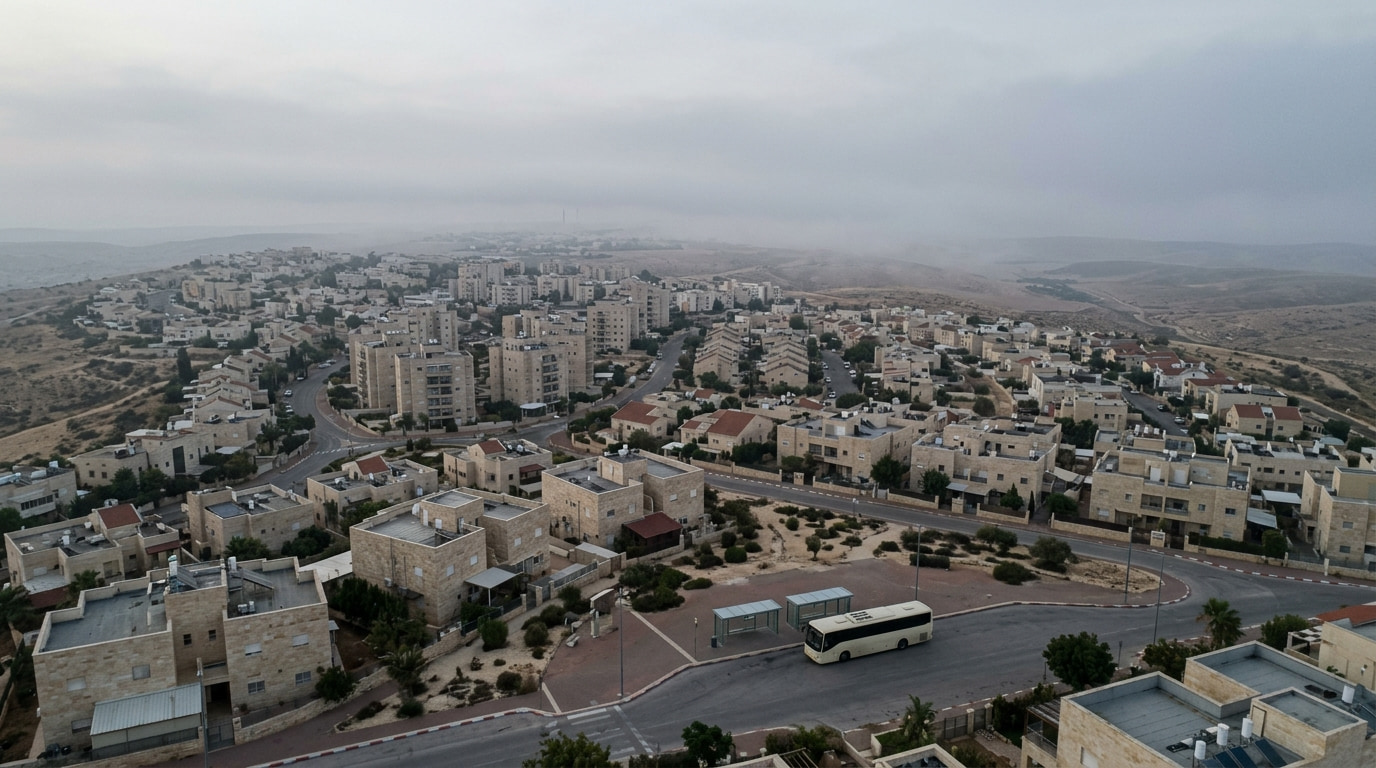
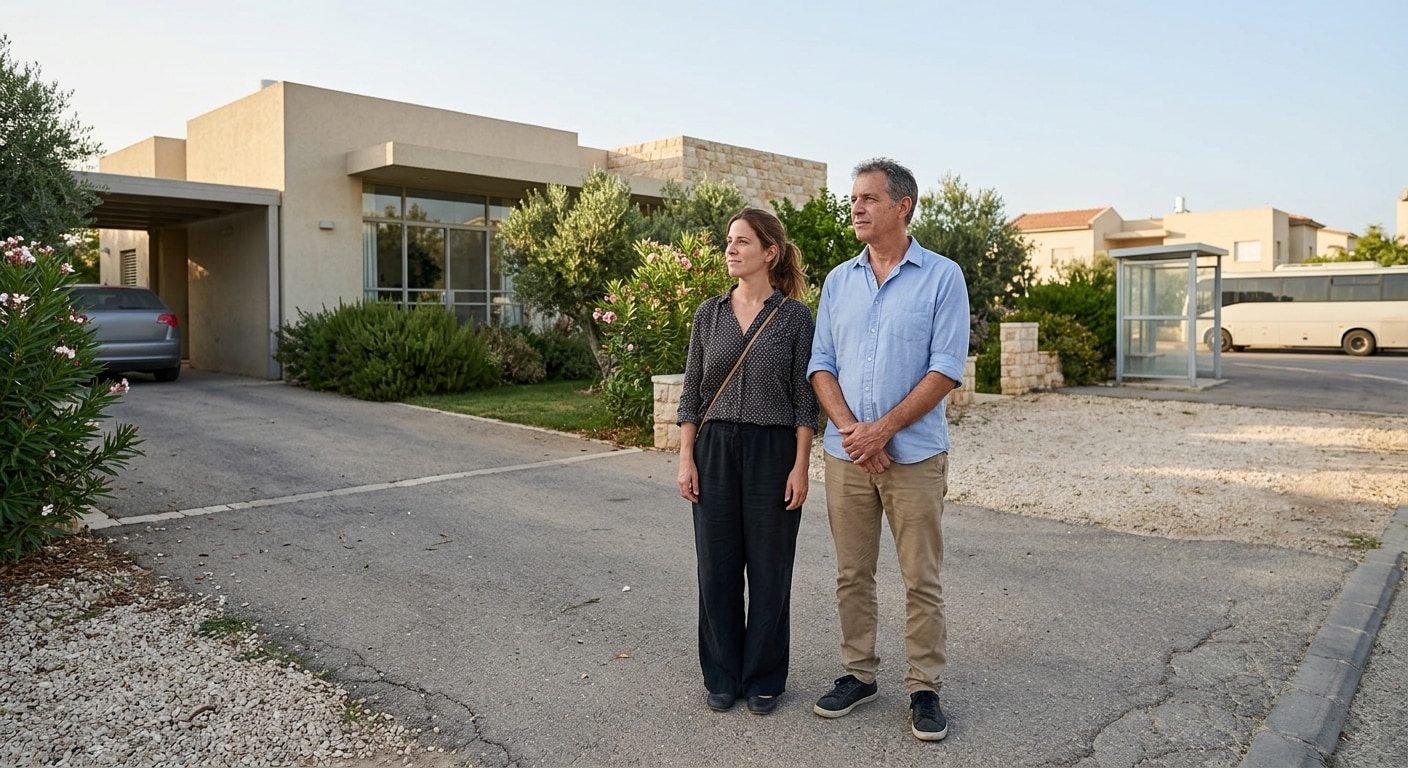
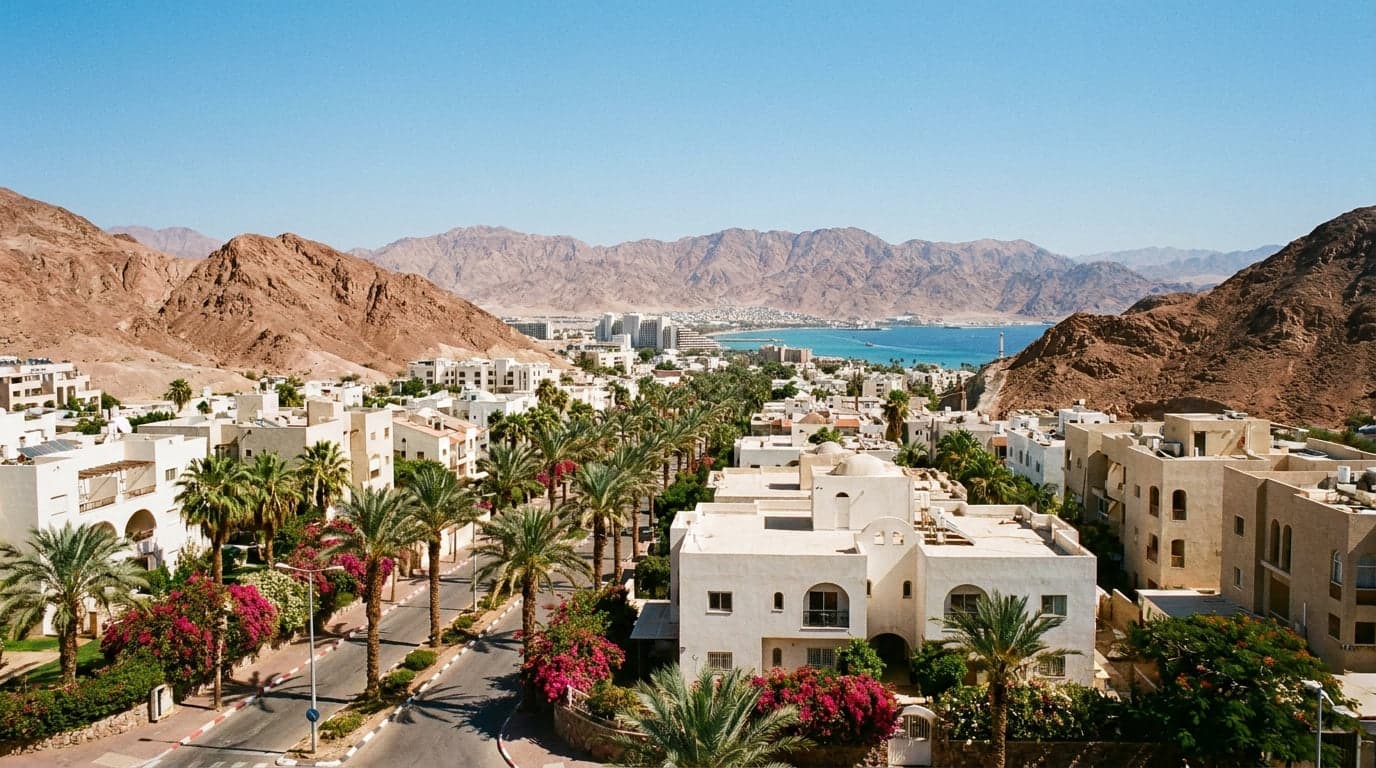
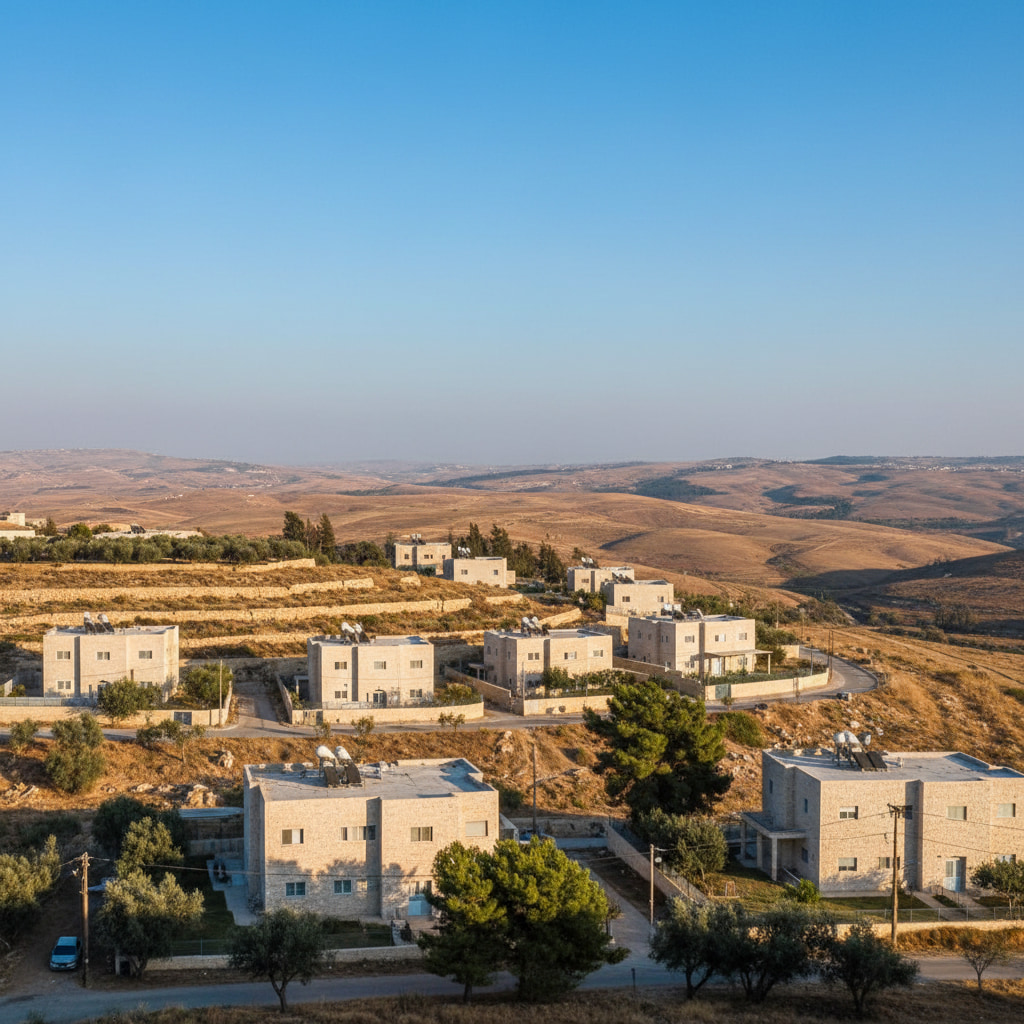
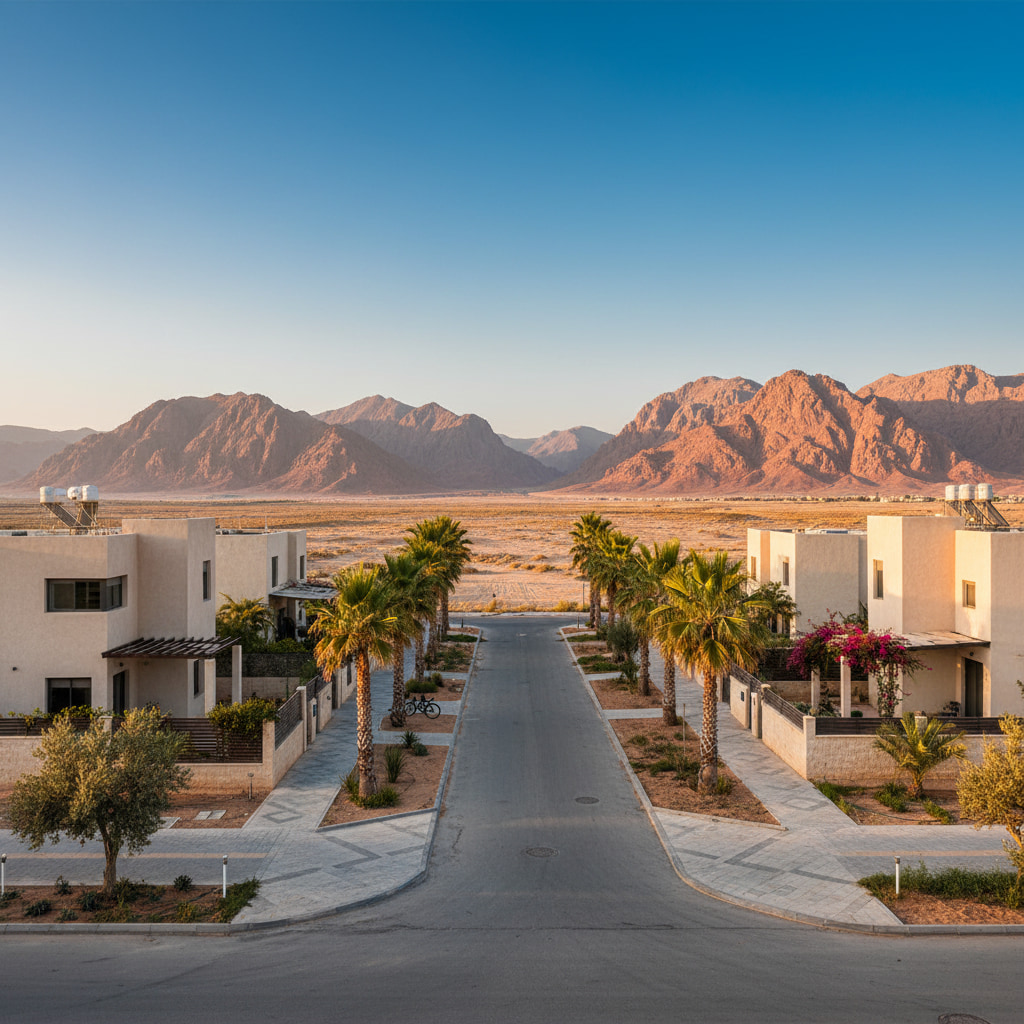
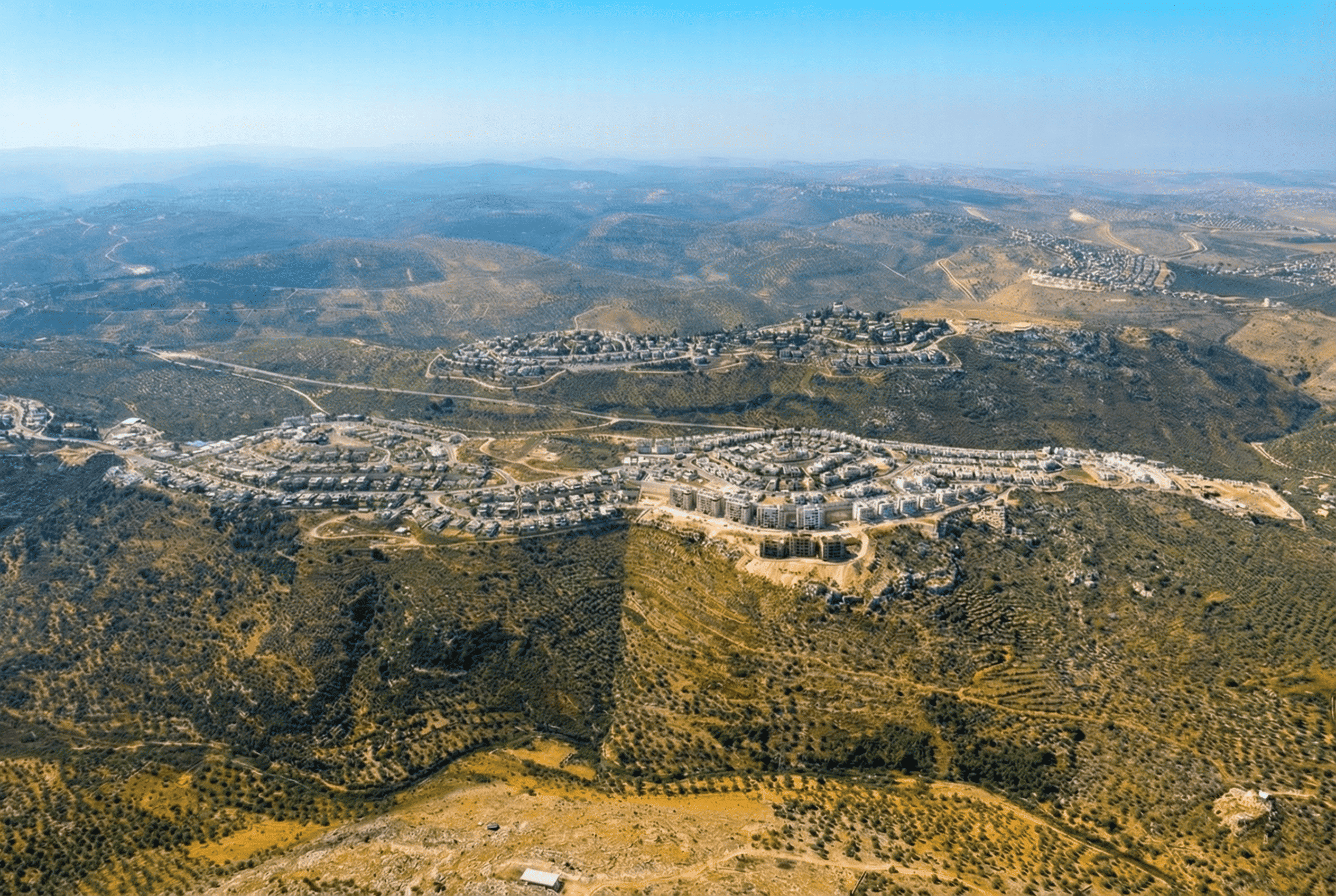
Sederot's housing stock comprises a mix of single-family homes, duplexes, and apartment buildings, reflecting its development over the decades. Residential areas feature homes with varying plot sizes, accommodating both compact urban living and more spacious suburban-style dwellings. The architectural styles range from mid-20th-century constructions to modern developments, showcasing the city's growth and modernization.
The real estate market in Sederot is characterized by its affordability compared to central Israel, attracting families and individuals seeking cost-effective housing options. Demand is driven by the city's proximity to major urban centers like Ashkelon, as well as its supportive community environment. The market exhibits steady demand, with properties typically maintaining stable values, appealing to both homebuyers and investors looking for long-term potential.
NEIGHBORHOOD BREAKDOWN
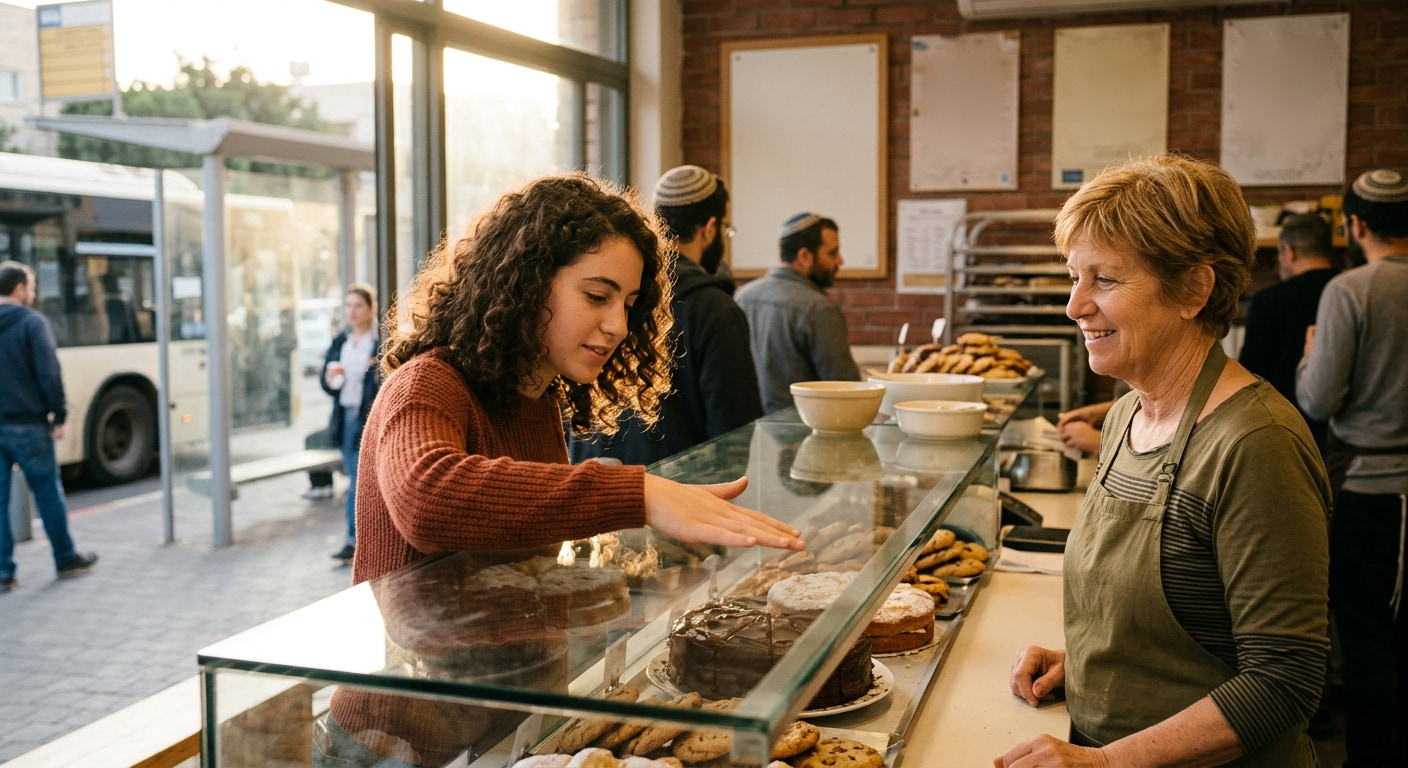
Sederot is organized into distinct neighborhoods, each offering unique characteristics and amenities. The city's layout includes both older, established areas and newer developments, providing a range of living environments to suit preferences. This neighborhood diversity contributes to the city's community fabric.
- Neot Shikma: A residential area known for its family-friendly atmosphere and proximity to local schools.
- Neve Eshkol: Features modern housing developments with access to parks and recreational facilities.
- Givat HaLevanon: Offers a mix of housing options and is noted for its community centers and cultural venues.
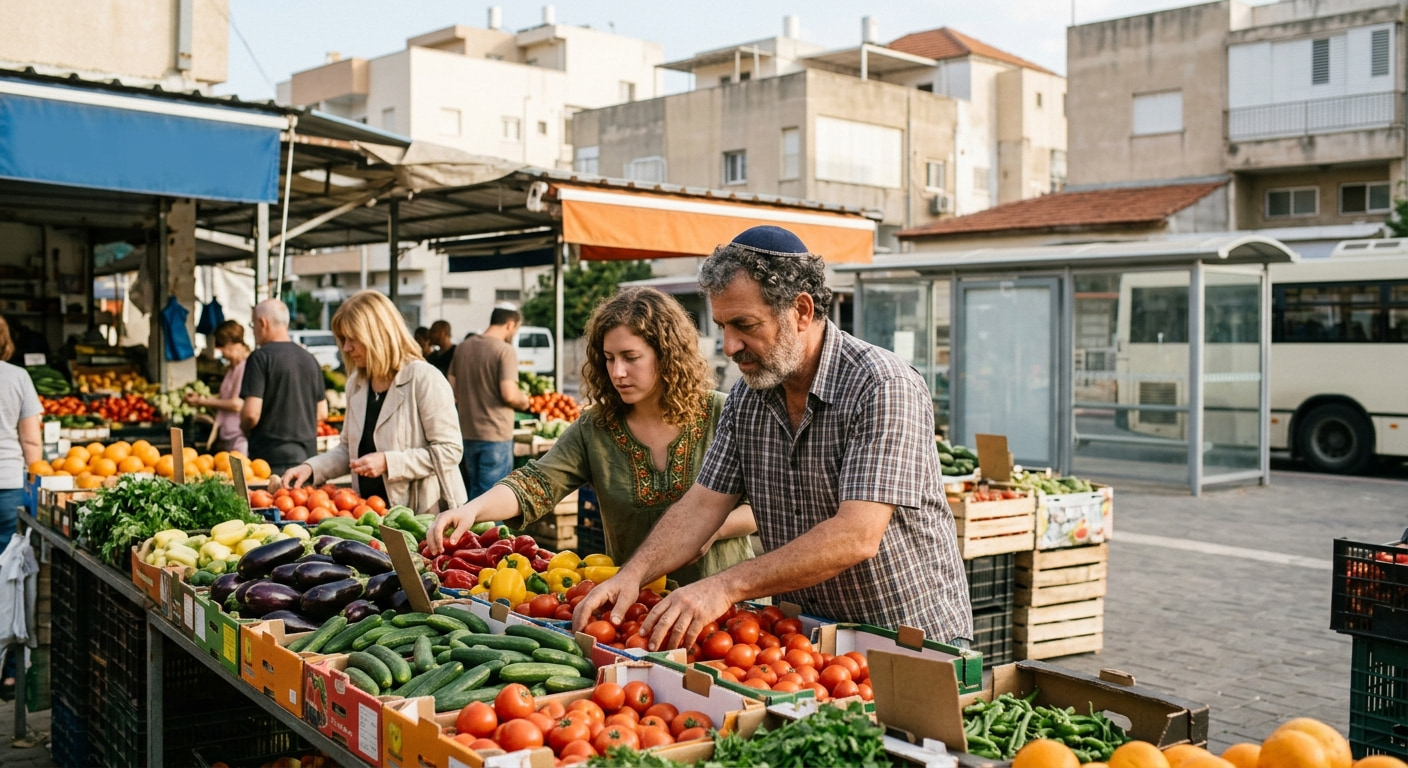
- Shikunei Amidar: One of the older neighborhoods, characterized by its established community and local markets.
- Hod HaSharon: A newer development area with contemporary housing and growing commercial centers.
NEW CONSTRUCTION PROJECTS
Sderot has been actively enhancing its urban landscape through various development initiatives. Notably, the "Or Sderot" project, a mixed-use residential development, was completed in 2023. This project encompasses 23,700 square meters and aims to create a sustainable living environment that strengthens community ties. Additionally, in August 2024, the Israeli government allocated over $4 million for an urban renewal program in Sderot, reflecting a commitment to upgrading housing and infrastructure in the city.
TRANSPORTATION & ACCESSIBILITY
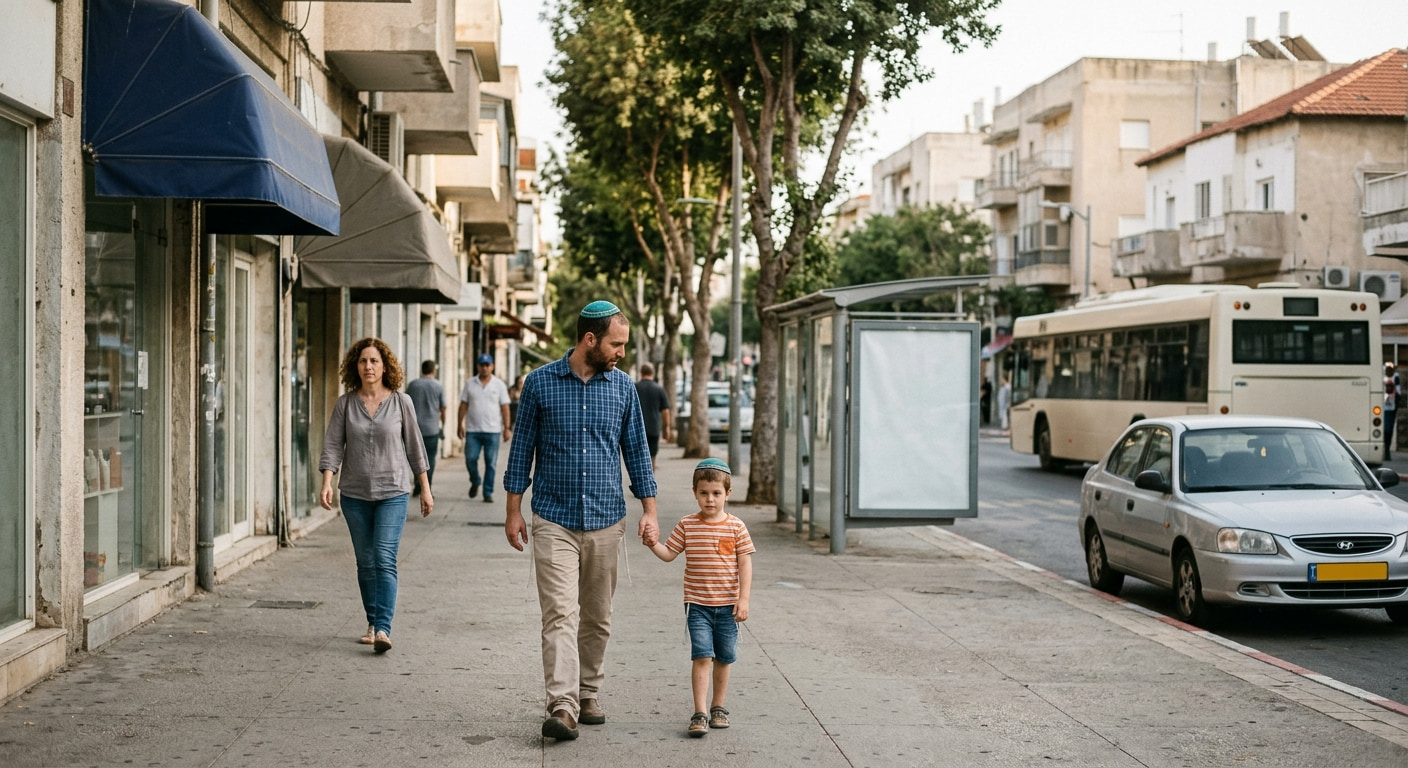
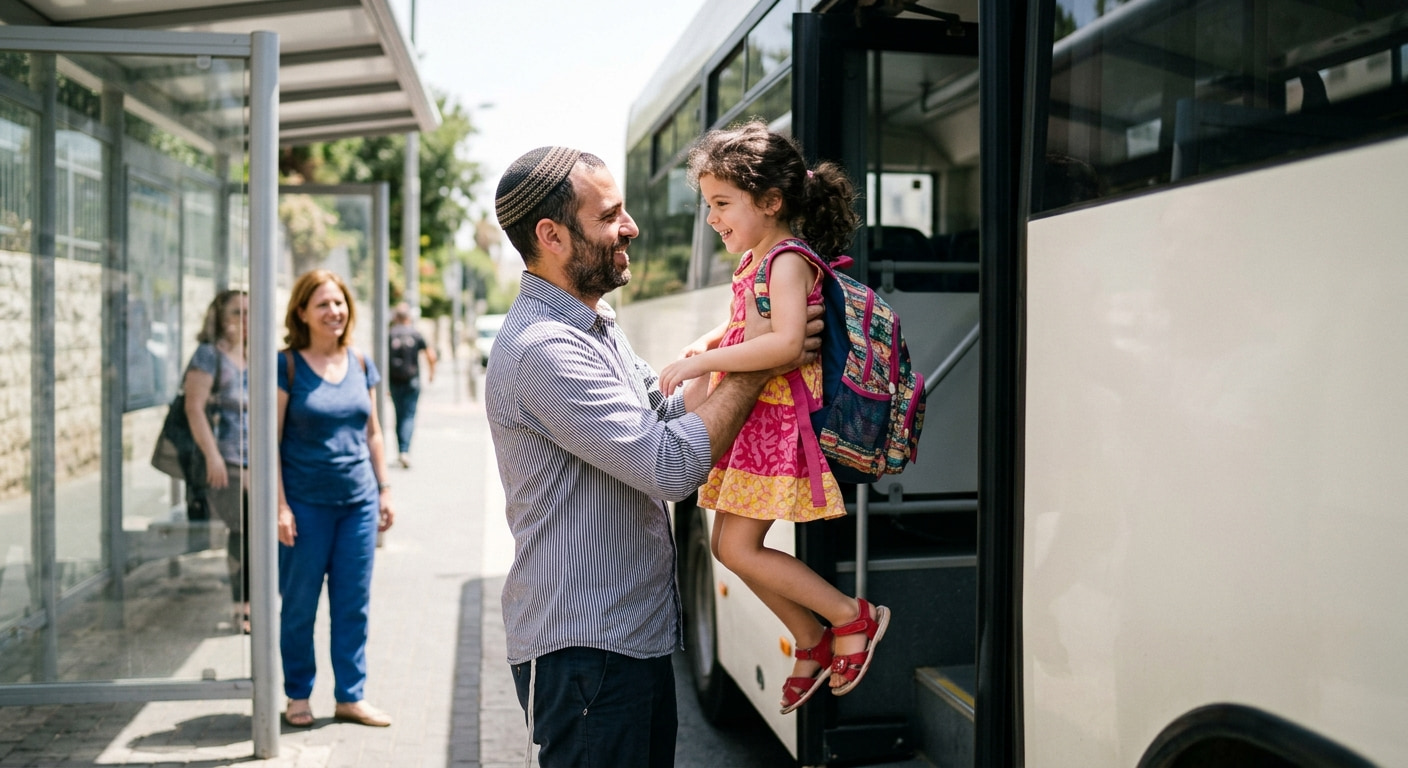
Transportation in Sderot is well-developed, facilitating easy access to and from the city. The Sderot railway station, inaugurated in December 2013, connects the city to major urban centers, including Tel Aviv and Beersheba. This station is notably the first in Israel to be armored against rocket fire, ensuring passenger safety. Additionally, Sderot is accessible via Highway 34 and Route 232, providing efficient road connections. Regular bus services operate between Sderot and nearby cities, such as Ashkelon, with travel times averaging around 24 minutes, further enhancing the city's connectivity.
WHY NEW IMMIGRANTS CHOOSE SEDEROT
New immigrants are drawn to Sederot due to its affordable housing, supportive community, and proximity to major cities like Ashkelon. The city's ongoing development projects and employment opportunities in local industries further enhance its appeal to olim seeking a balanced lifestyle.
- Affordable housing options
- Supportive and welcoming community
- Proximity to major cities
- Employment opportunities in local industries
- Modern infrastructure and community services