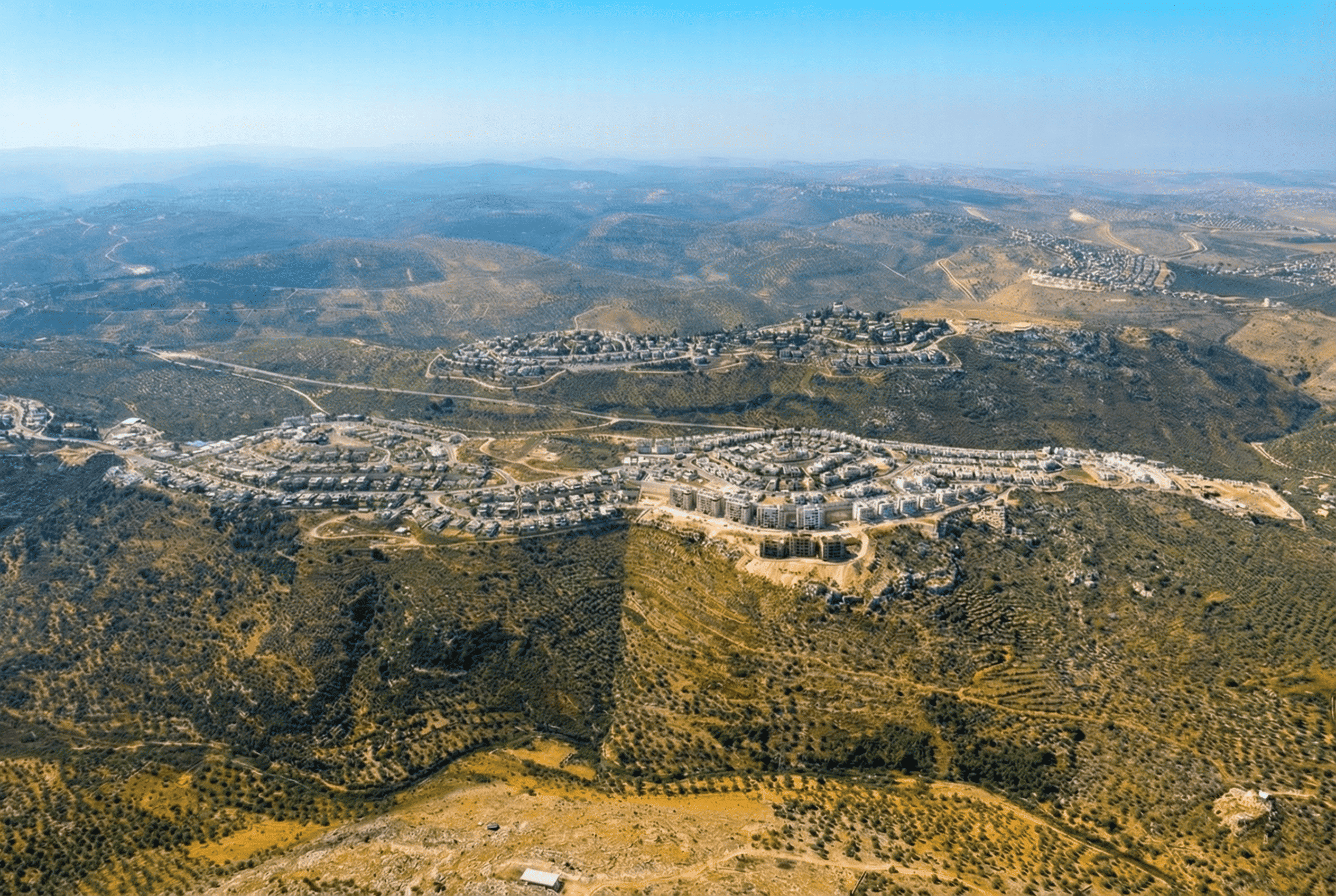
CITY HISTORY & DEVELOPMENT
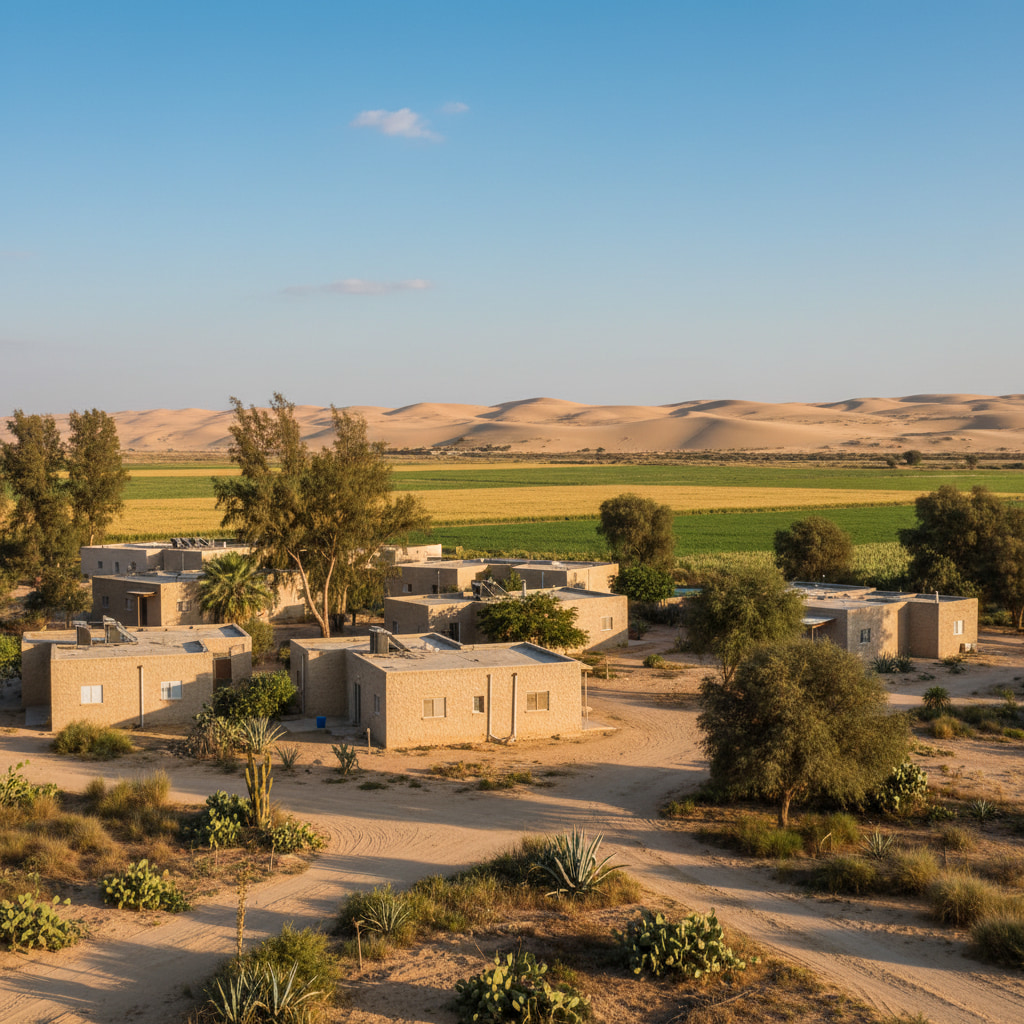
Shuva is a religious moshav in southern Israel, established in 1950 by Jewish immigrants and refugees from Tripoli, Libya. Located near Netivot, it covers approximately 4,500 dunams. In 1957, due to internal tensions, the moshav split, leading Tunisian residents to establish the nearby moshav Zimrat.
DEMOGRAPHICS & FAMILY LIFESTYLE
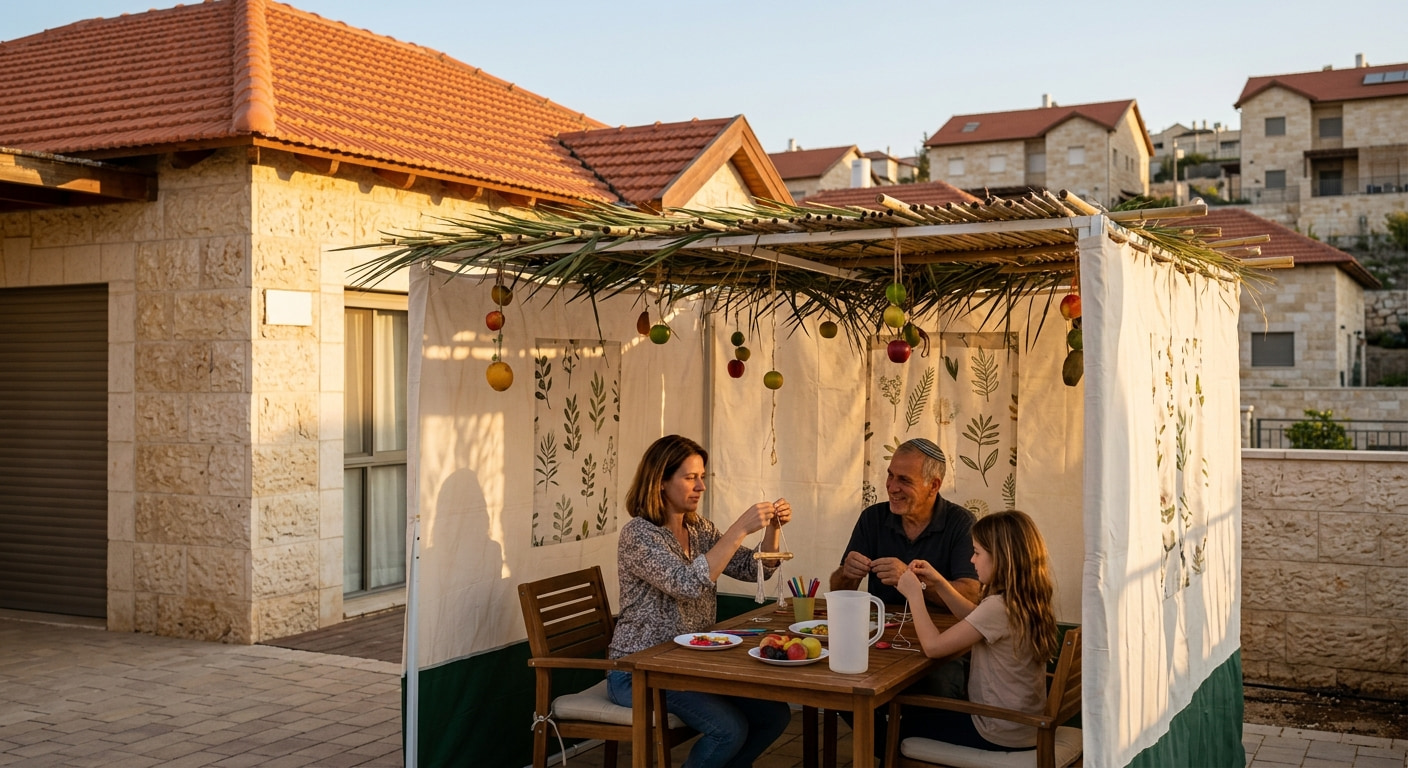
Shuva is a religious moshav affiliated with Hapoel HaMizrachi, characterized by a community-oriented lifestyle centered around agriculture. The population is approximately 650 residents, with a balanced gender distribution and a median age of 23.6 years. The community comprises families and individuals who engage primarily in farming and related activities.
REAL ESTATE MARKET OVERVIEW
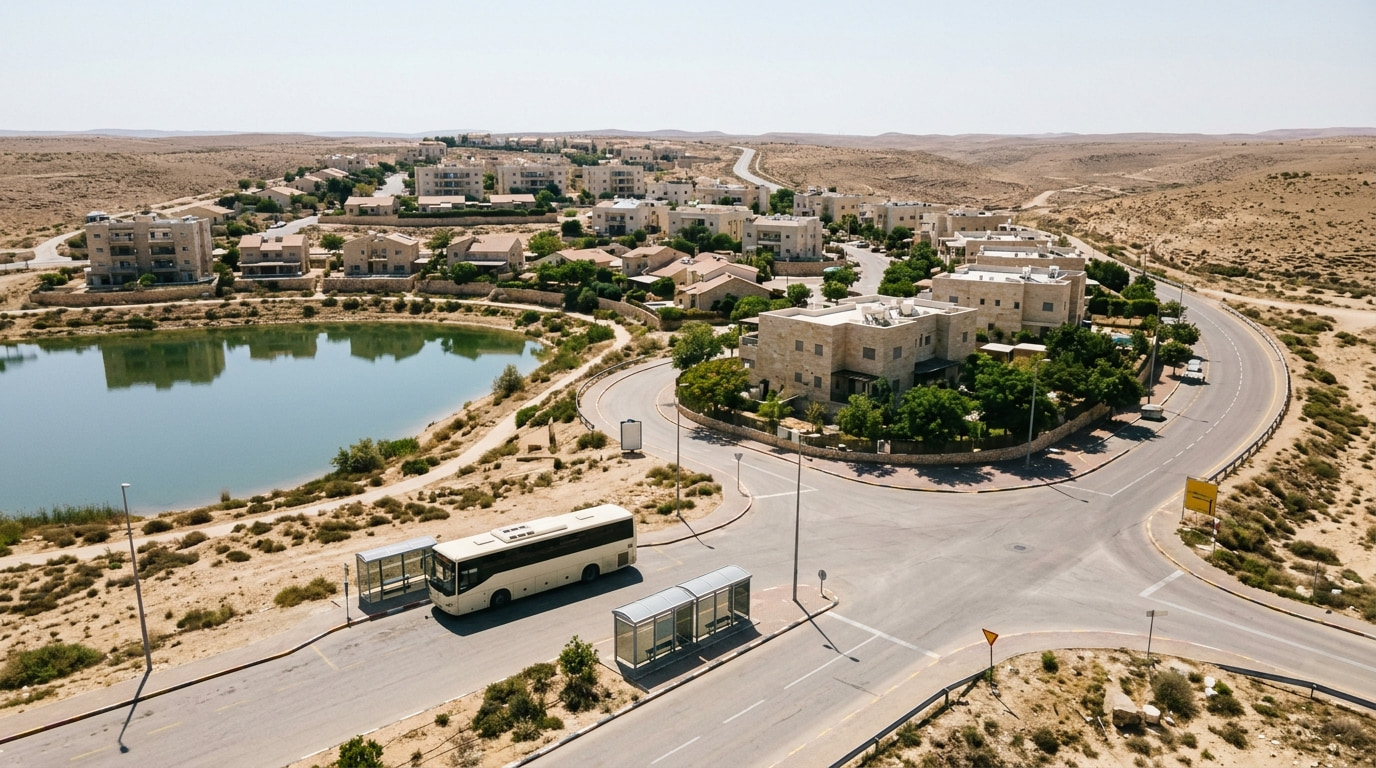
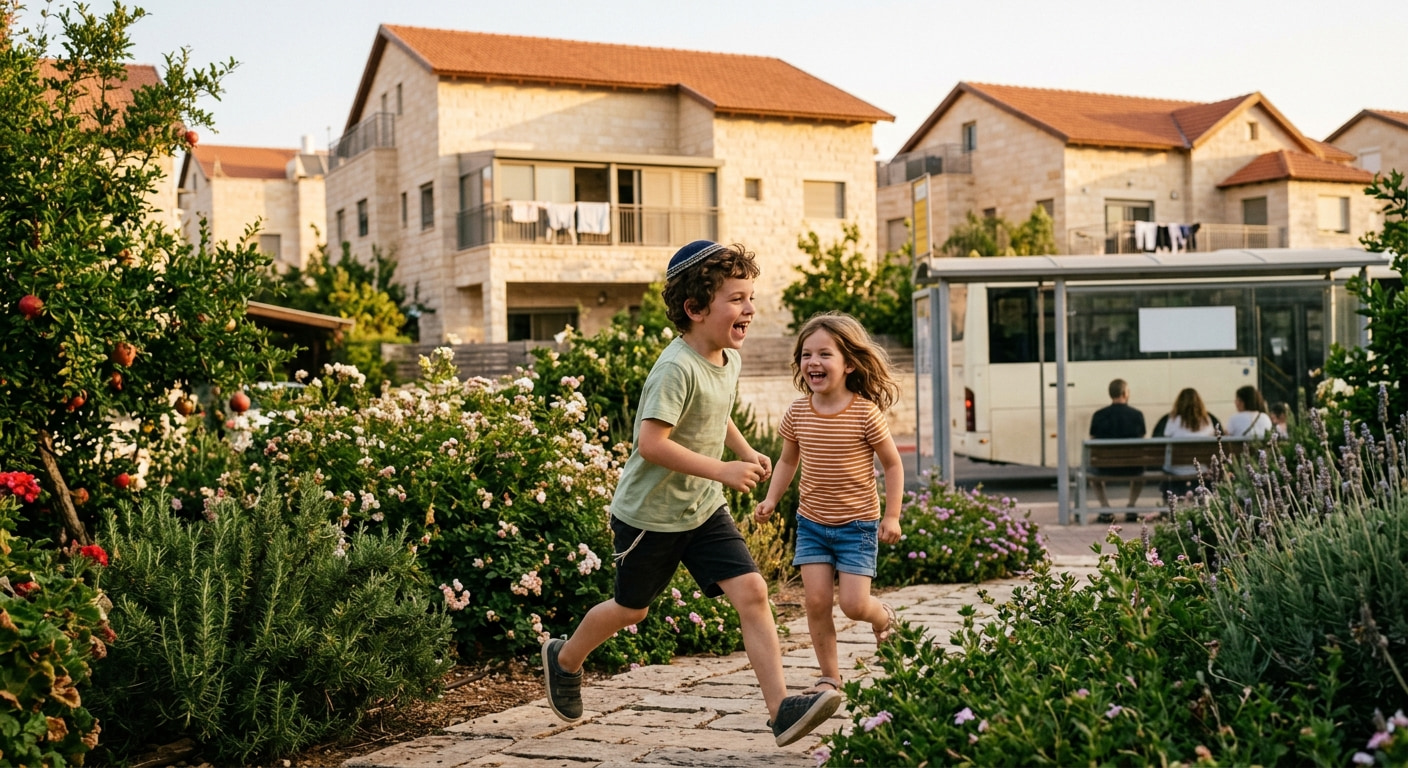
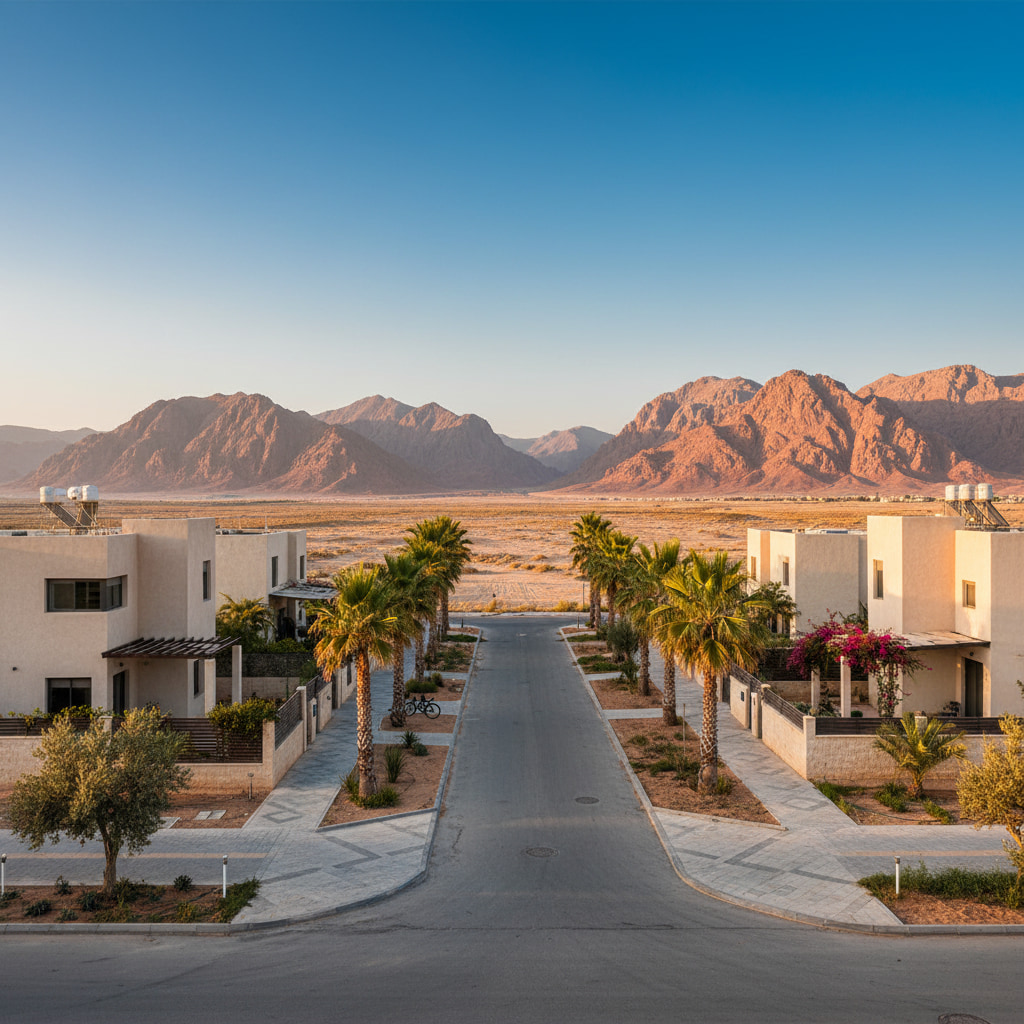
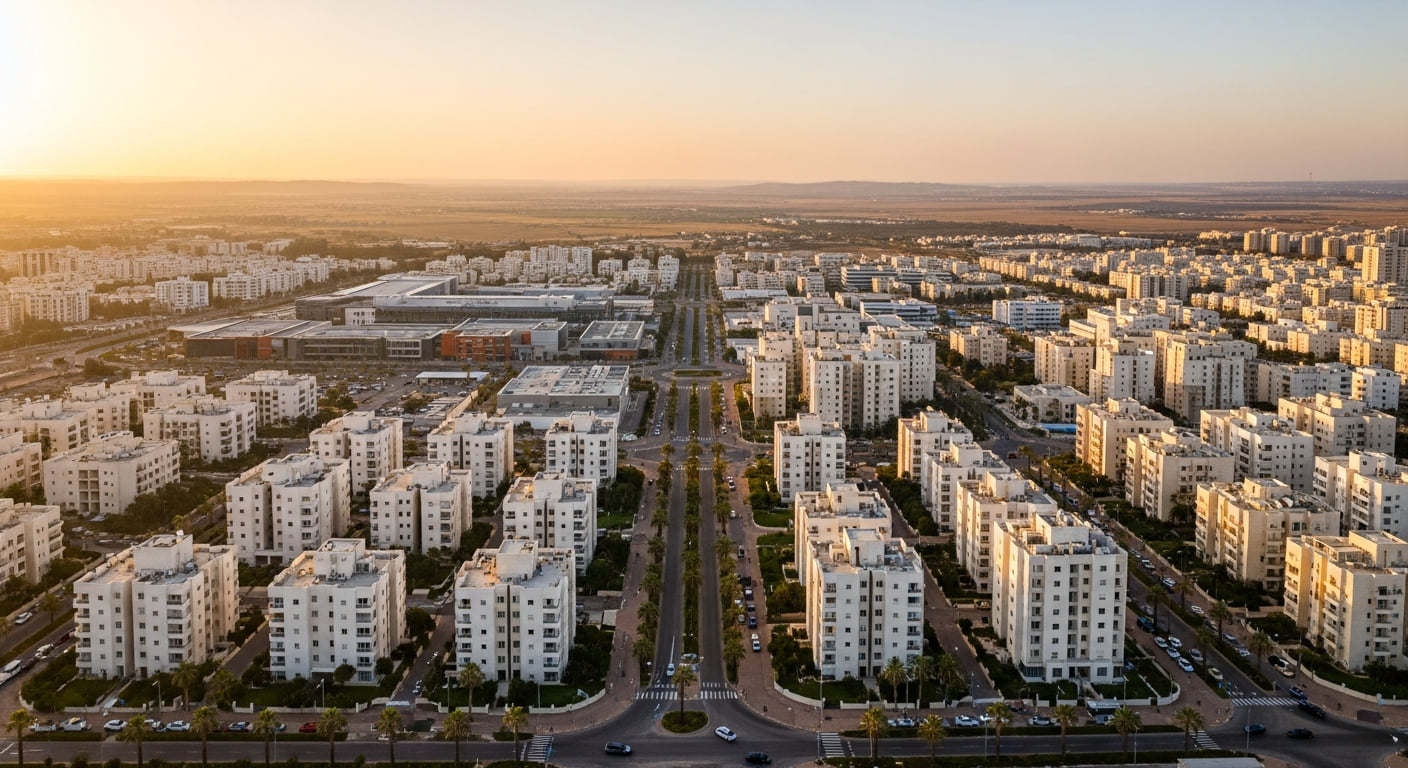
Shuva's housing stock primarily consists of single-family homes situated on spacious plots, reflecting its agricultural roots. The moshav has undergone expansions to accommodate growth, including a plan approved in January 2025 to add 93 residential plots, increasing the total to 313 housing units. These developments aim to provide modern living spaces while maintaining the community's rural character. The real estate market in Shuva is influenced by its strong religious community and agricultural lifestyle, attracting buyers seeking a close-knit, faith-based environment. The moshav's proximity to urban centers like Netivot and Ashkelon enhances its appeal, offering access to city amenities while preserving a rural setting. Housing prices are generally more affordable compared to central Israel, making Shuva an attractive option for families and individuals looking for a traditional community life. Shuva is a compact community without distinct neighborhoods, fostering a unified and environment.
NEW CONSTRUCTION PROJECTS
Shuva, a religious moshav in Israel's Southern District, continues to develop its residential and agricultural infrastructure to accommodate its growing community. The moshav focuses on enhancing existing facilities and expanding housing options to support both current residents and newcomers seeking a rural, faith-based lifestyle. These developments aim to maintain the moshav's communal atmosphere while integrating modern amenities.
TRANSPORTATION & ACCESSIBILITY
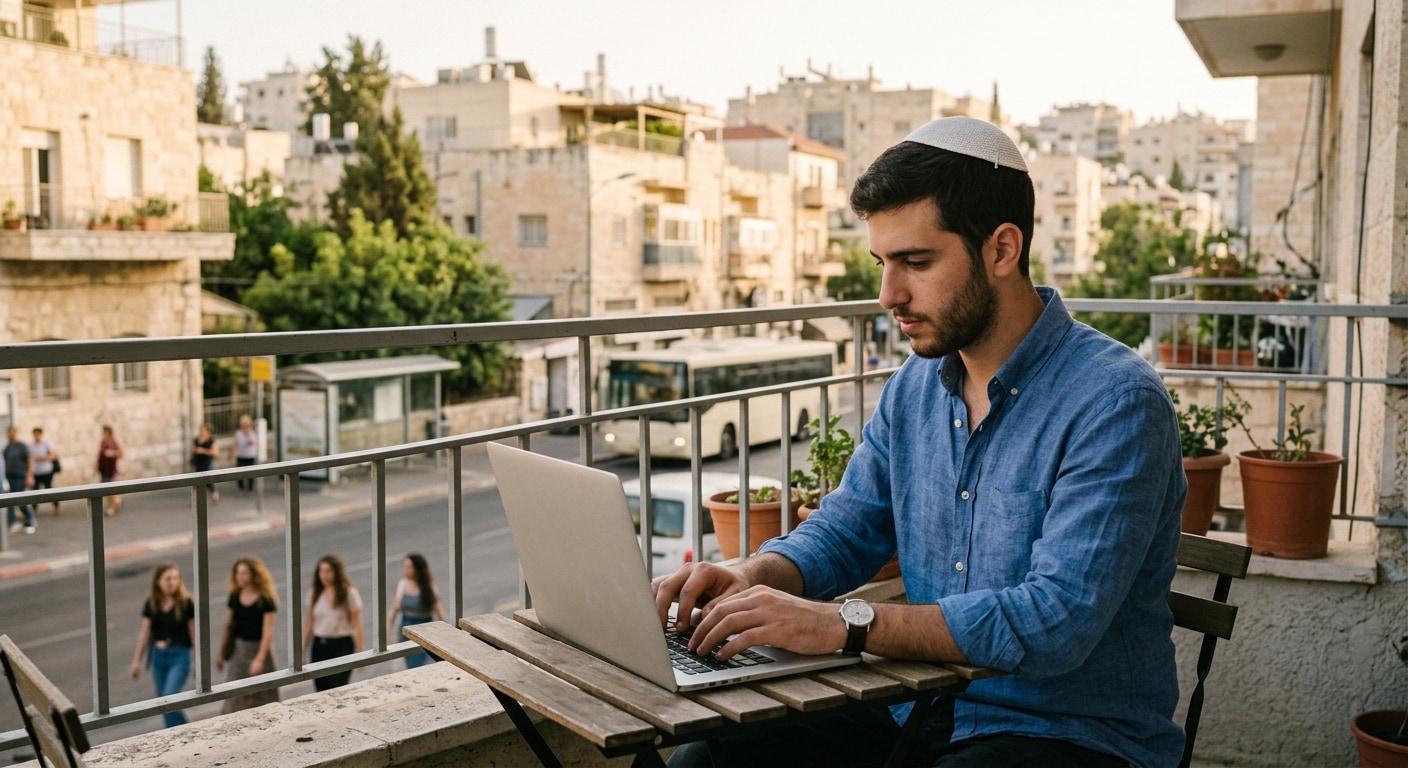
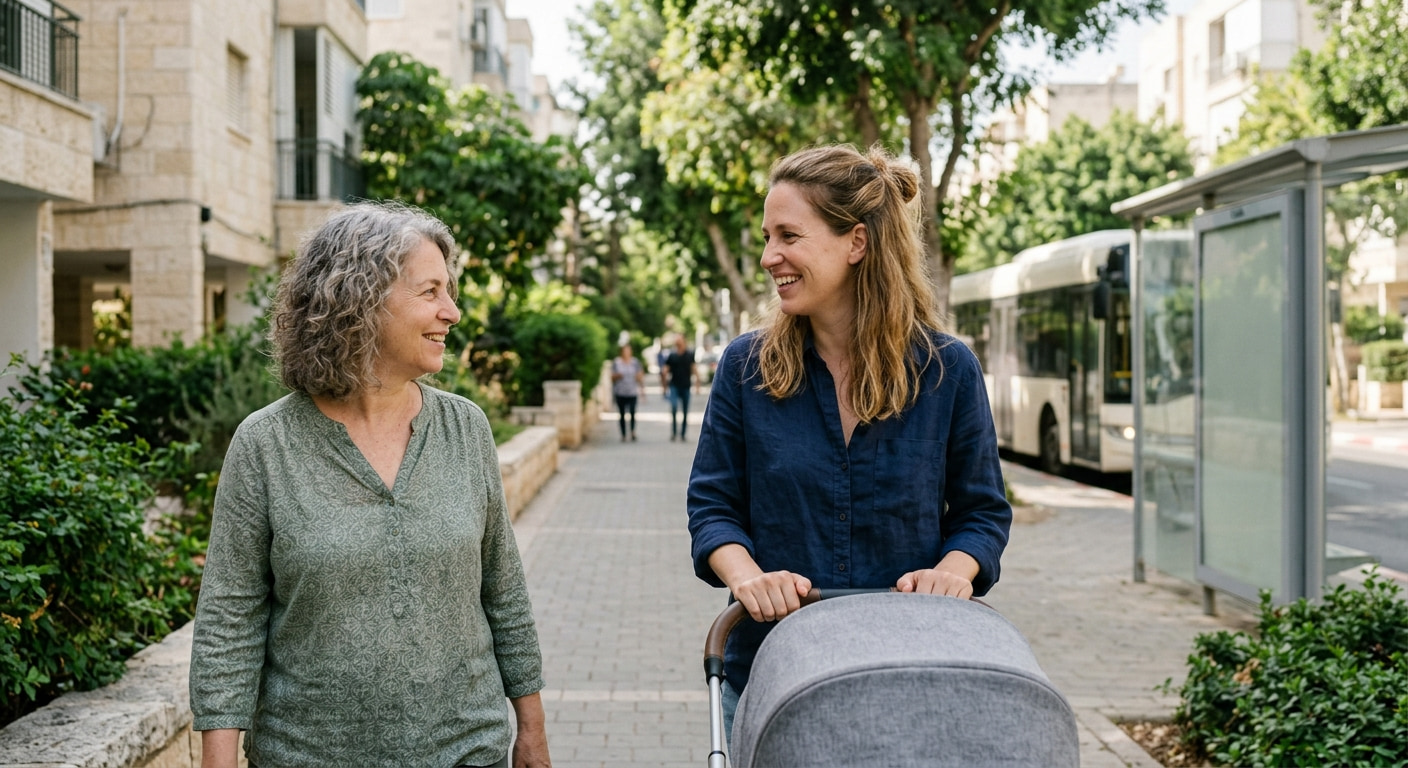
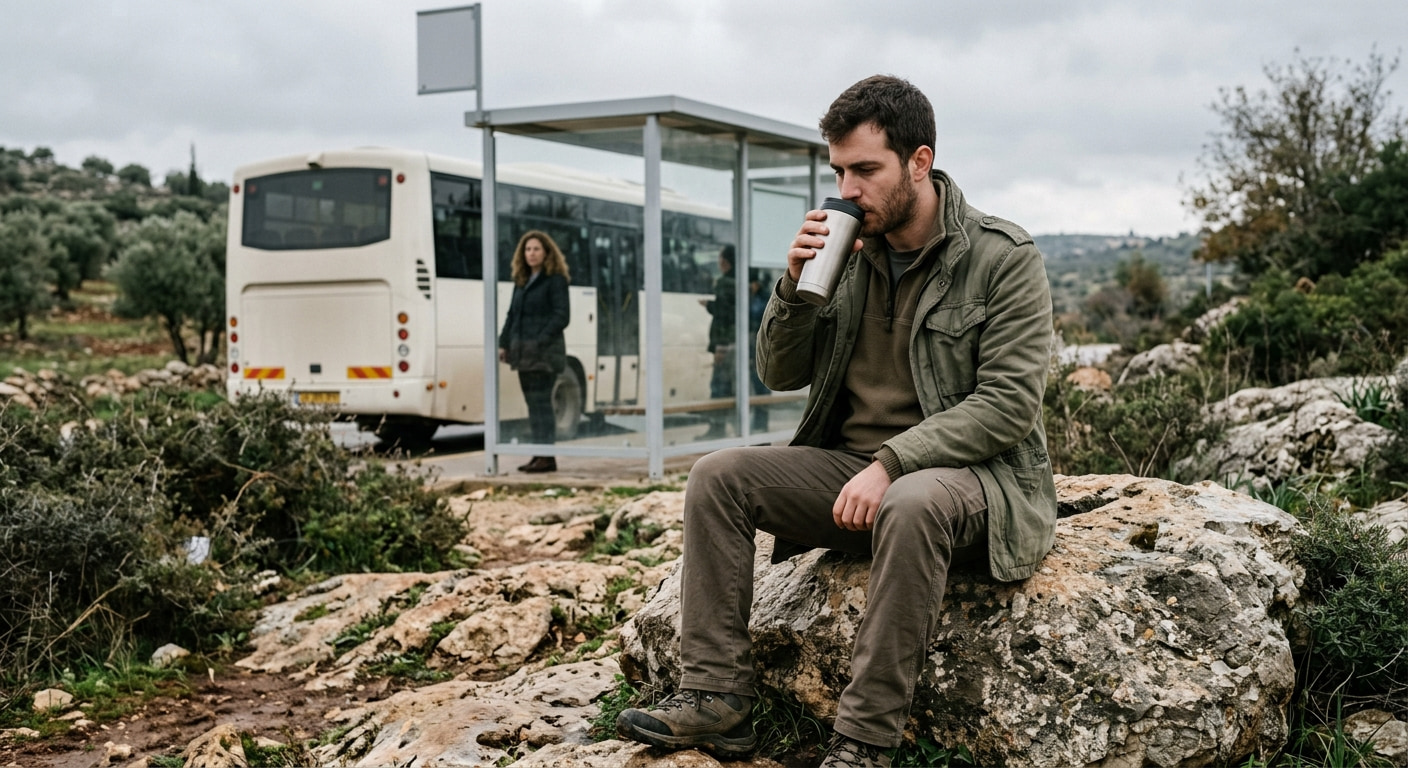
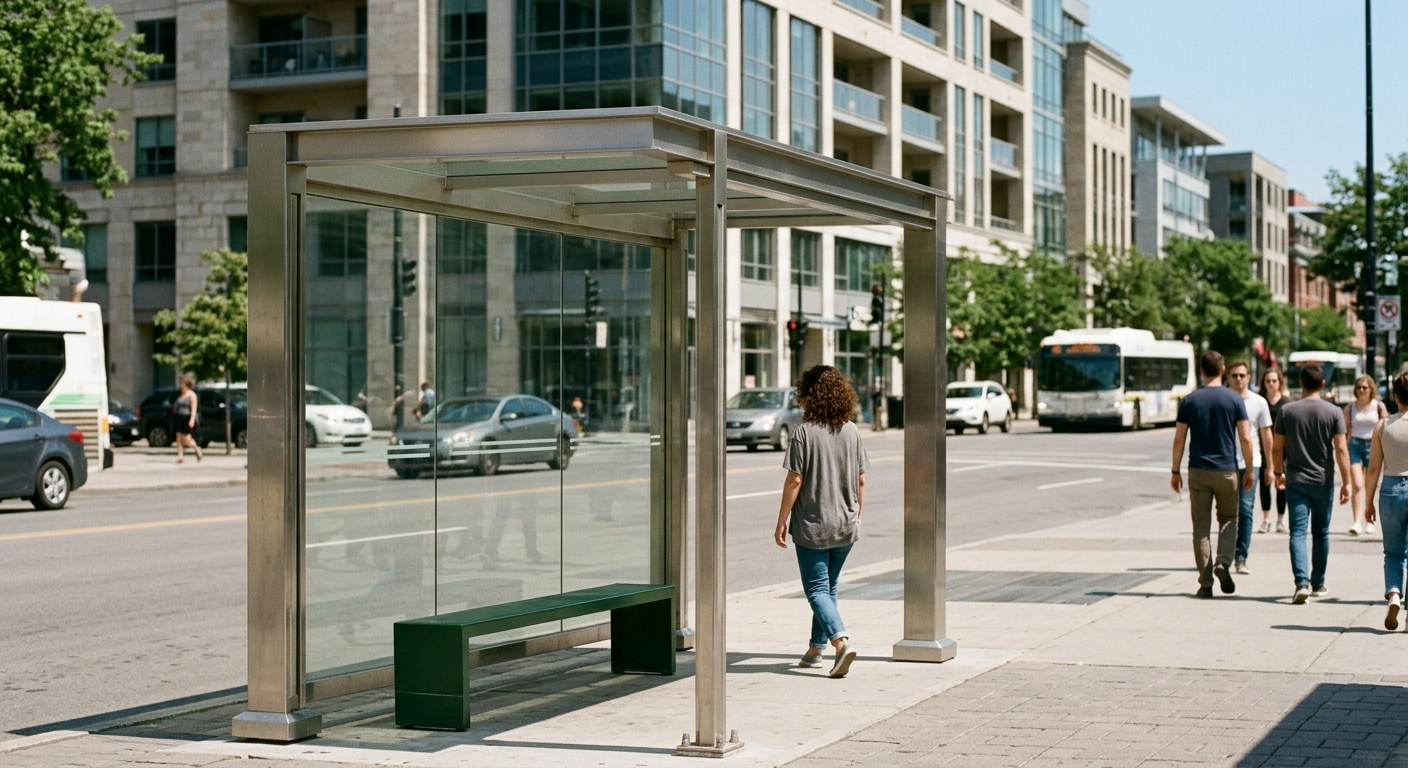
Transportation to and from Shuva is facilitated by several bus routes connecting the moshav to nearby urban centers. Bus lines such as 353, 361, 373, and 492 provide access to cities like Be'er Sheva, Ofakim, and Netivot. The moshav's proximity to Ashkelon offers residents convenient access to a regional hub, balancing rural living with urban amenities. The availability of public transportation supports the community's connectivity and accessibility.
WHY NEW IMMIGRANTS CHOOSE SHUVA
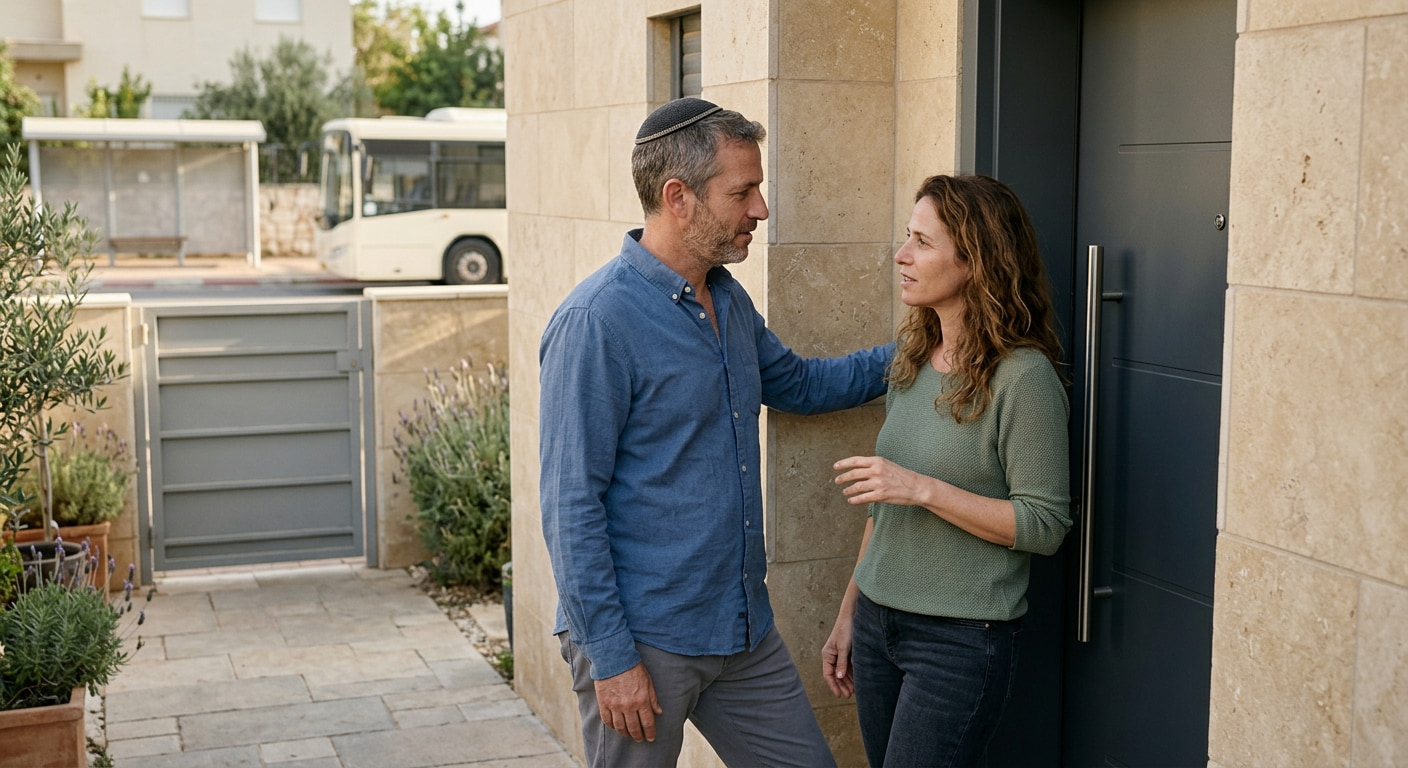
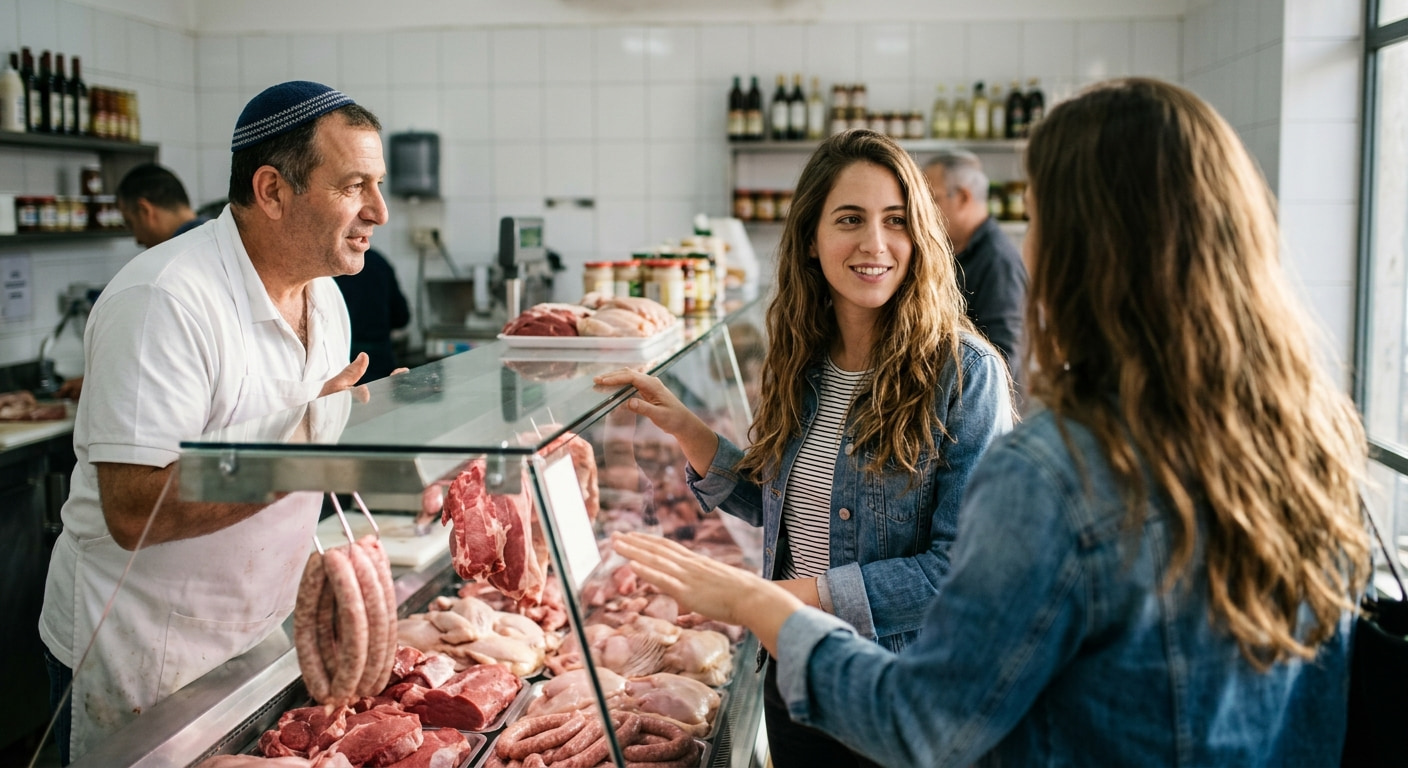
New immigrants are drawn to Shuva for its strong sense of community, religious environment, and agricultural lifestyle. The moshav's proximity to Netivot and Ashkelon offers access to urban amenities while maintaining a rural setting. Affordable housing and the opportunity to participate in a close-knit, faith-based community appeal to those seeking a traditional and communal way of life.
- Strong religious community
- Agricultural lifestyle opportunities
- Proximity to urban centers
- Affordable housing options
- Close-knit, supportive environment