CITY HISTORY & DEVELOPMENT
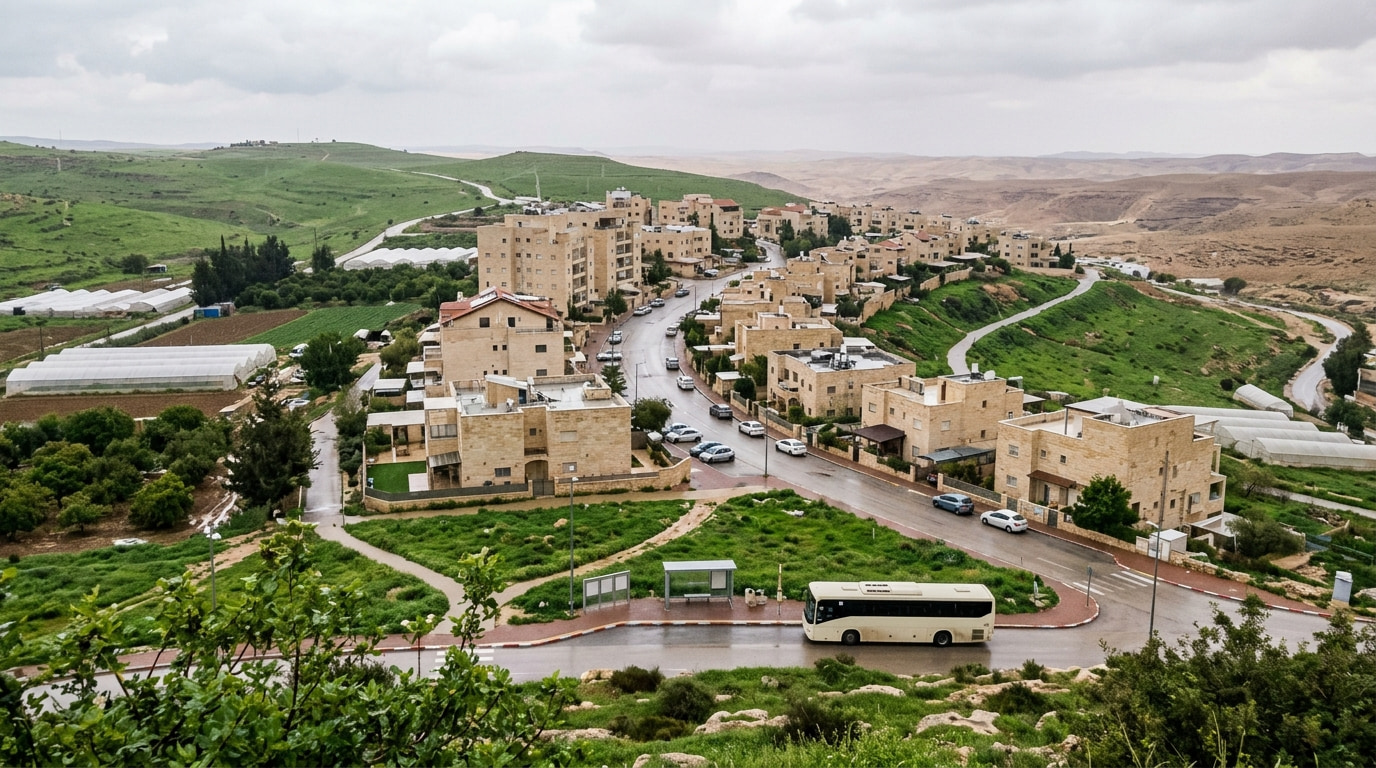
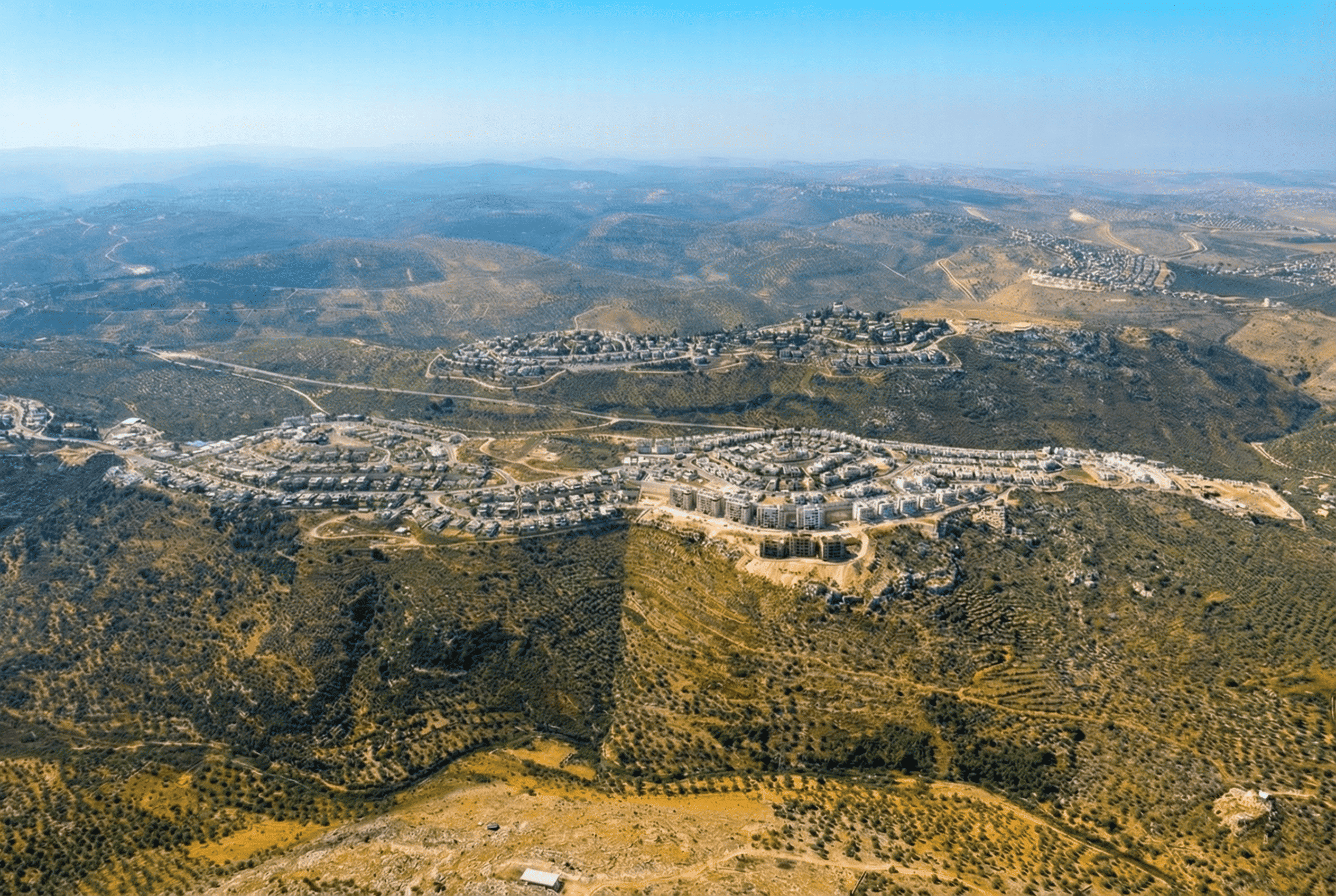
Zimrat is a religious moshav in southern Israel, established in 1957 by Jewish immigrants from Tunisia following a split from the nearby moshav Shuva. Initially named Shuva Bet, it was later renamed Zimrat, inspired by a verse from the Book of Exodus. The moshav covers approximately 4,500 dunams and falls under the jurisdiction of the Sdot Negev Regional Council.
DEMOGRAPHICS & FAMILY LIFESTYLE
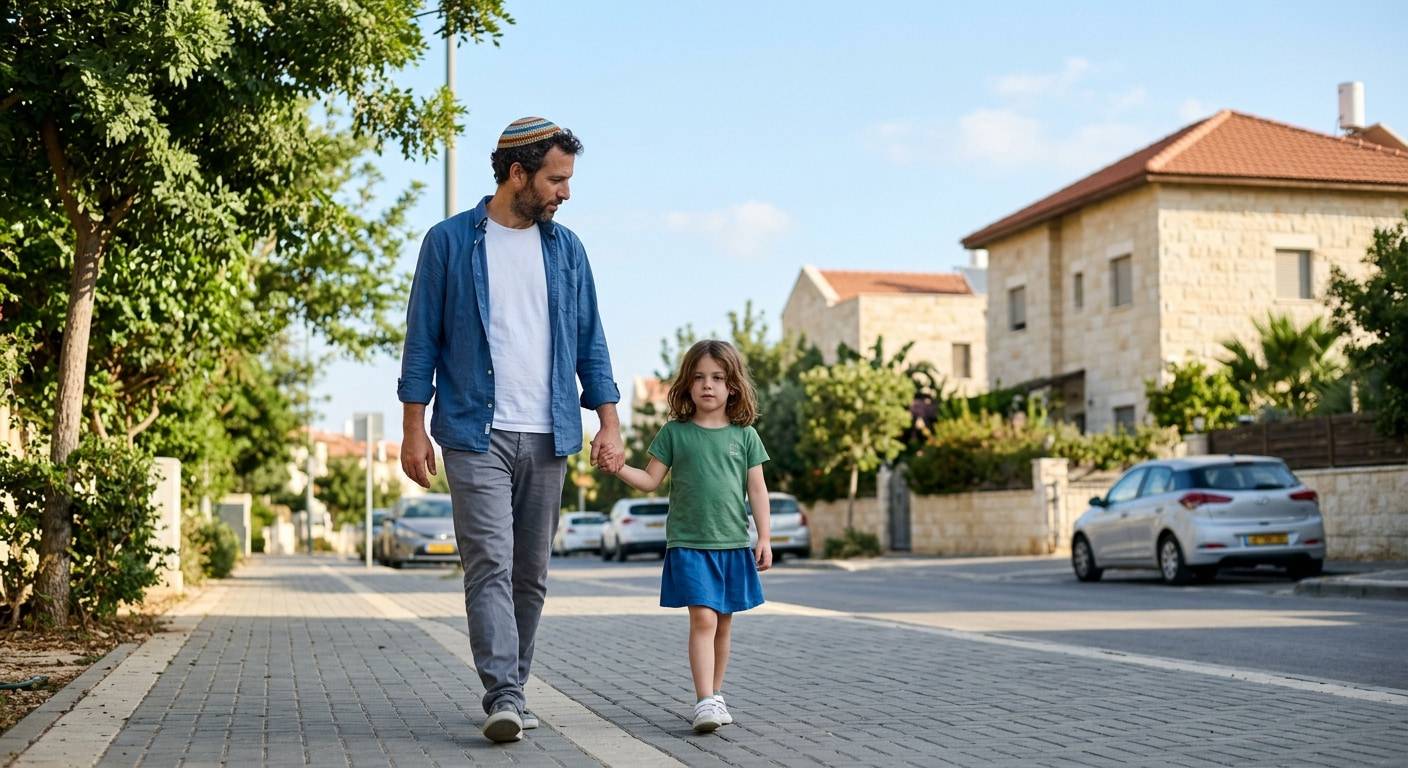
Zimrat has a population of approximately 684 residents, comprising 348 males and 335 females. The community is predominantly Jewish, with a small number of non-Jewish residents. The age distribution includes 281 individuals aged 0-14 years, 359 aged 15-64 years, and 43 aged 65 and above. The median age is 23.6 years, indicating a relatively young population. The moshav maintains a religious lifestyle, reflecting the traditions of its founding members.
REAL ESTATE MARKET OVERVIEW
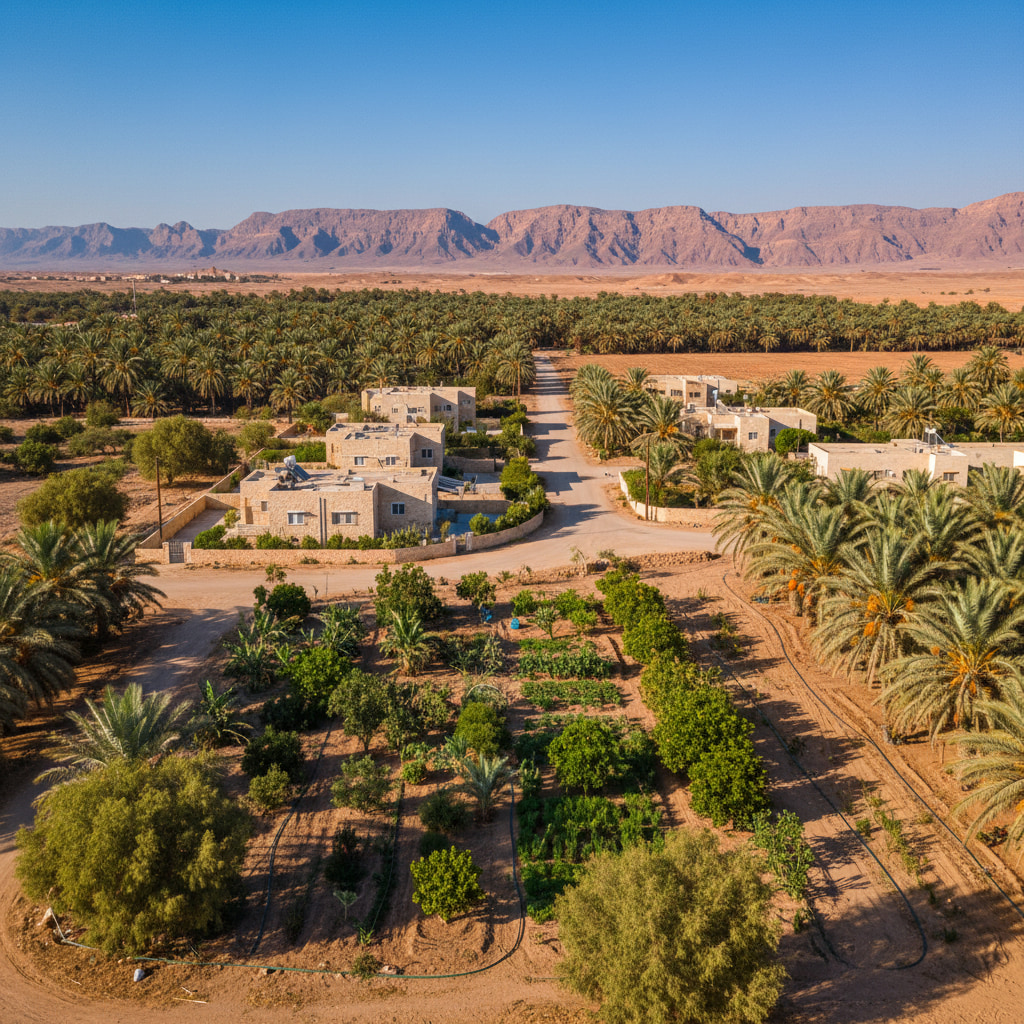
Zimrat's housing stock primarily consists of single-family homes situated on spacious plots, reflecting its moshav character. The residences, many of which were constructed in the late 20th century, exhibit a blend of traditional and modern architectural styles. The community's rural setting allows for larger property sizes compared to urban areas, providing ample space for gardens and agricultural activities. The real estate market in Zimrat is influenced by its strong religious community and proximity to Netivot, attracting families seeking a faith-based lifestyle within a supportive environment. Housing prices are generally more affordable than those in central Israel, making it an appealing option for new immigrants and young families. The market is characterized by steady demand, with properties typically remaining on the market for moderate periods before being sold. Zimrat is a compact community without distinct neighborhoods, fostering a close-knit atmosphere among residents.
NEW CONSTRUCTION PROJECTS
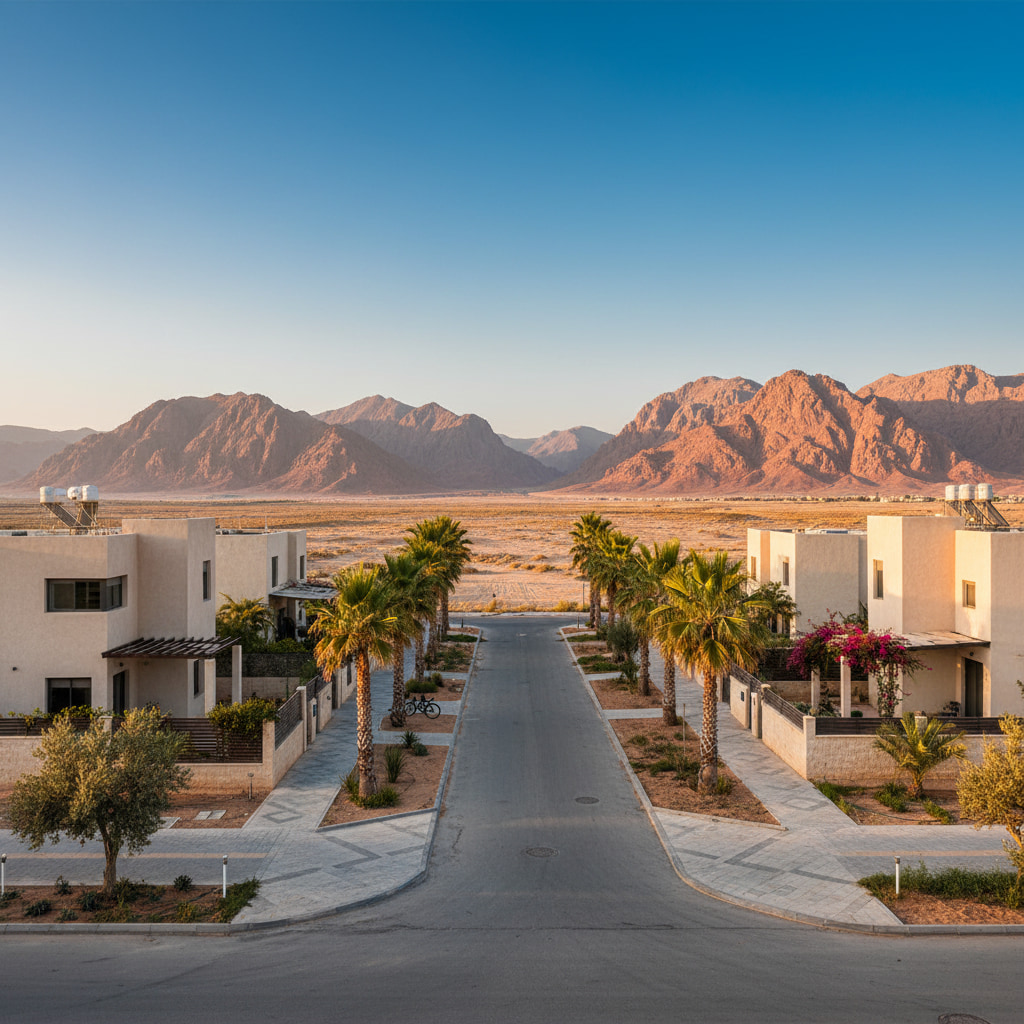
Zimrat, a religious moshav in southern Israel, has been experiencing steady development to accommodate its growing population. The community has been expanding its residential areas, with new housing units and infrastructure projects enhancing the quality of life for residents. These developments aim to provide modern amenities while preserving the moshav's traditional character.
TRANSPORTATION & ACCESSIBILITY
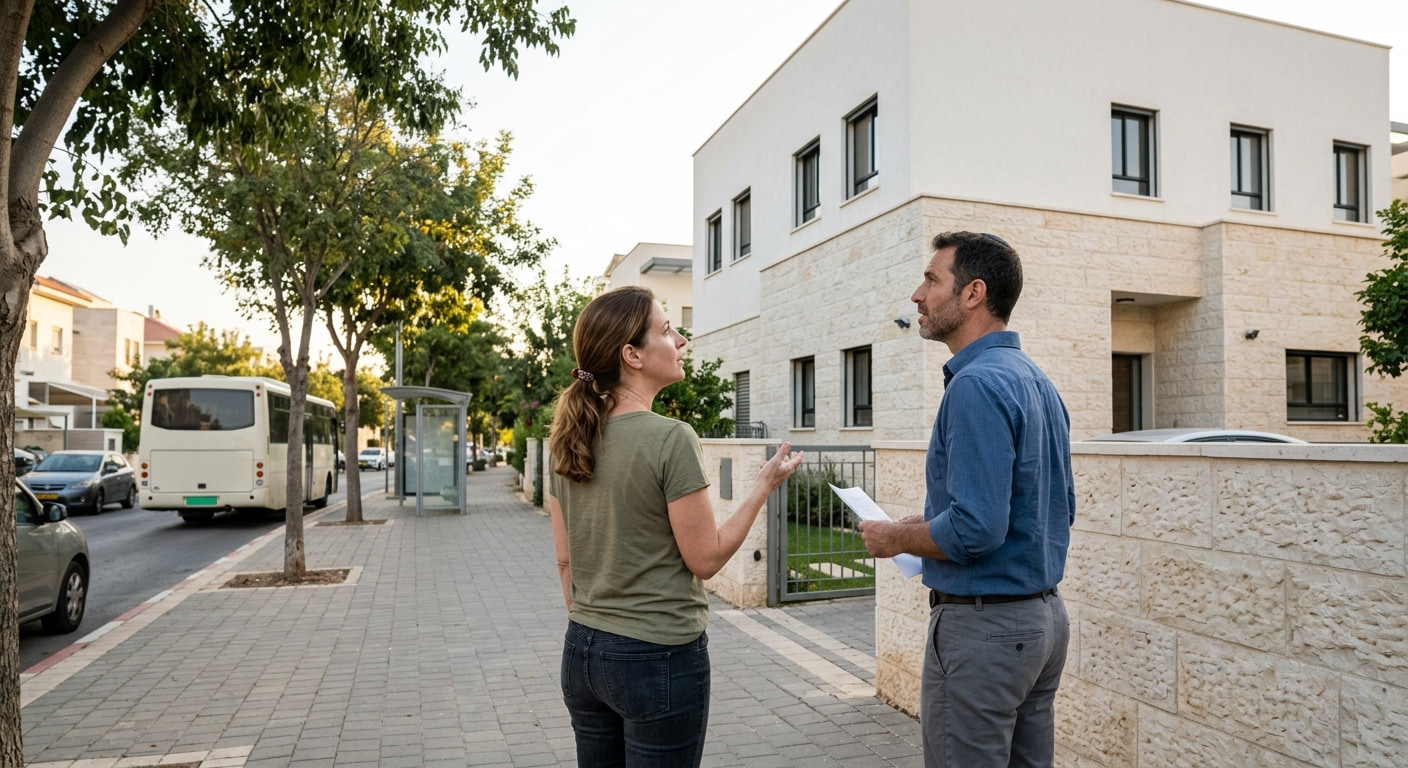
Zimrat is well-connected by public transportation, facilitating easy access to nearby urban centers. Several bus lines, including routes 55, 58, 353, 361, and 373, serve the moshav, linking it to cities such as Netivot, Be'er Sheva, Ashkelon, and Ofakim. The nearest bus stop, Zimrat Entrance, is just an one-minute walk from the center of the moshav. Additionally, the Netivot Railway Station is approximately a 42-minute walk away, providing further connectivity to the region. This comprehensive transportation network ensures that residents can conveniently commute for work, education, and other activities.
WHY NEW IMMIGRANTS CHOOSE ZIMRAT
New immigrants, or olim, are drawn to Zimrat for its strong religious community, which offers a supportive environment for those seeking to integrate into a faith-based lifestyle. The moshav's proximity to Netivot provides access to urban amenities while retaining a rural atmosphere. Additionally, the relatively affordable housing and the opportunity to be part of a close-knit community appeal to families and individuals looking to establish roots in Israel.
- Strong religious community support
- Proximity to urban amenities in Netivot
- Affordable housing options
- Close-knit, family-friendly environment
- Opportunity to integrate into a faith-based lifestyle