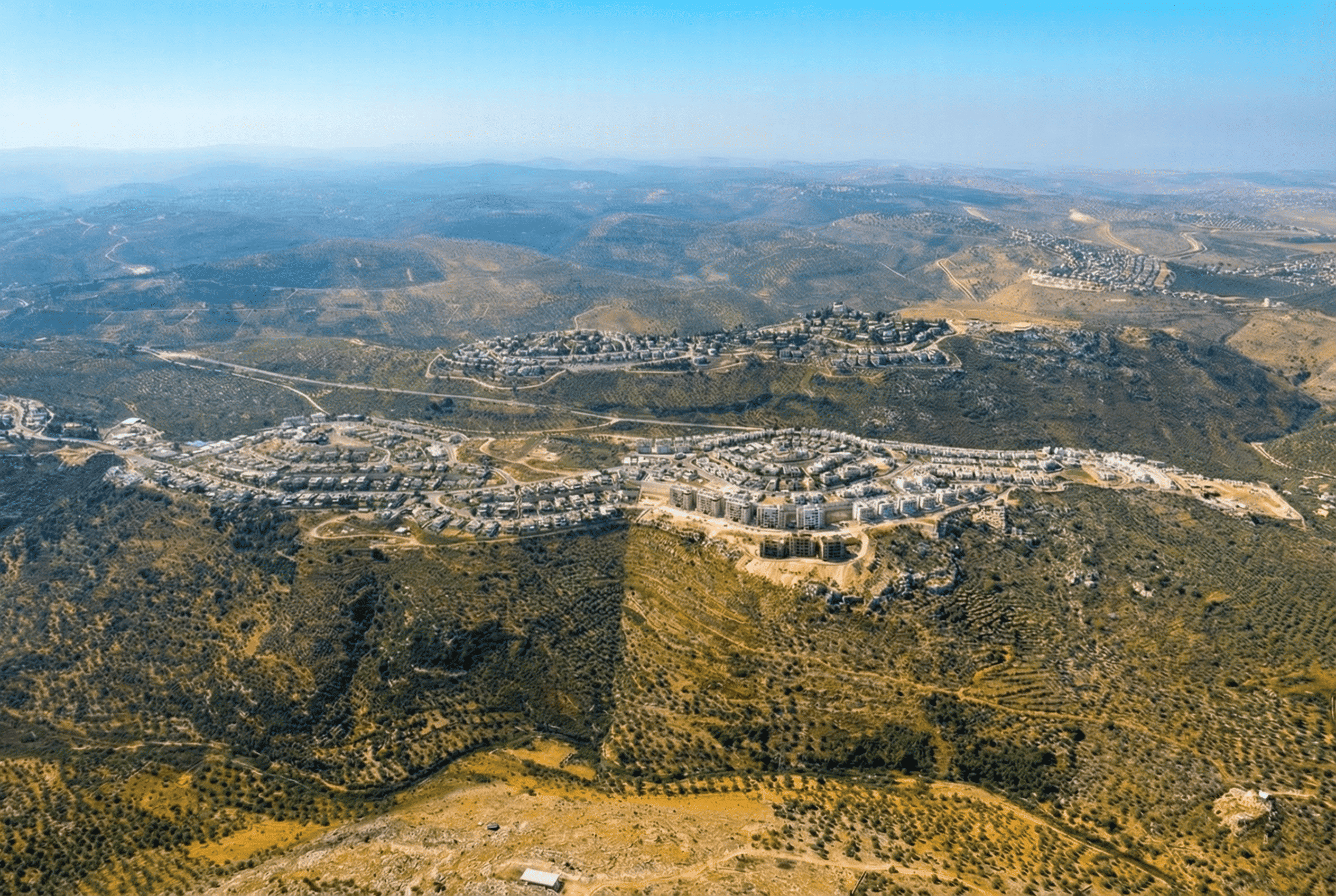
CITY HISTORY & DEVELOPMENT
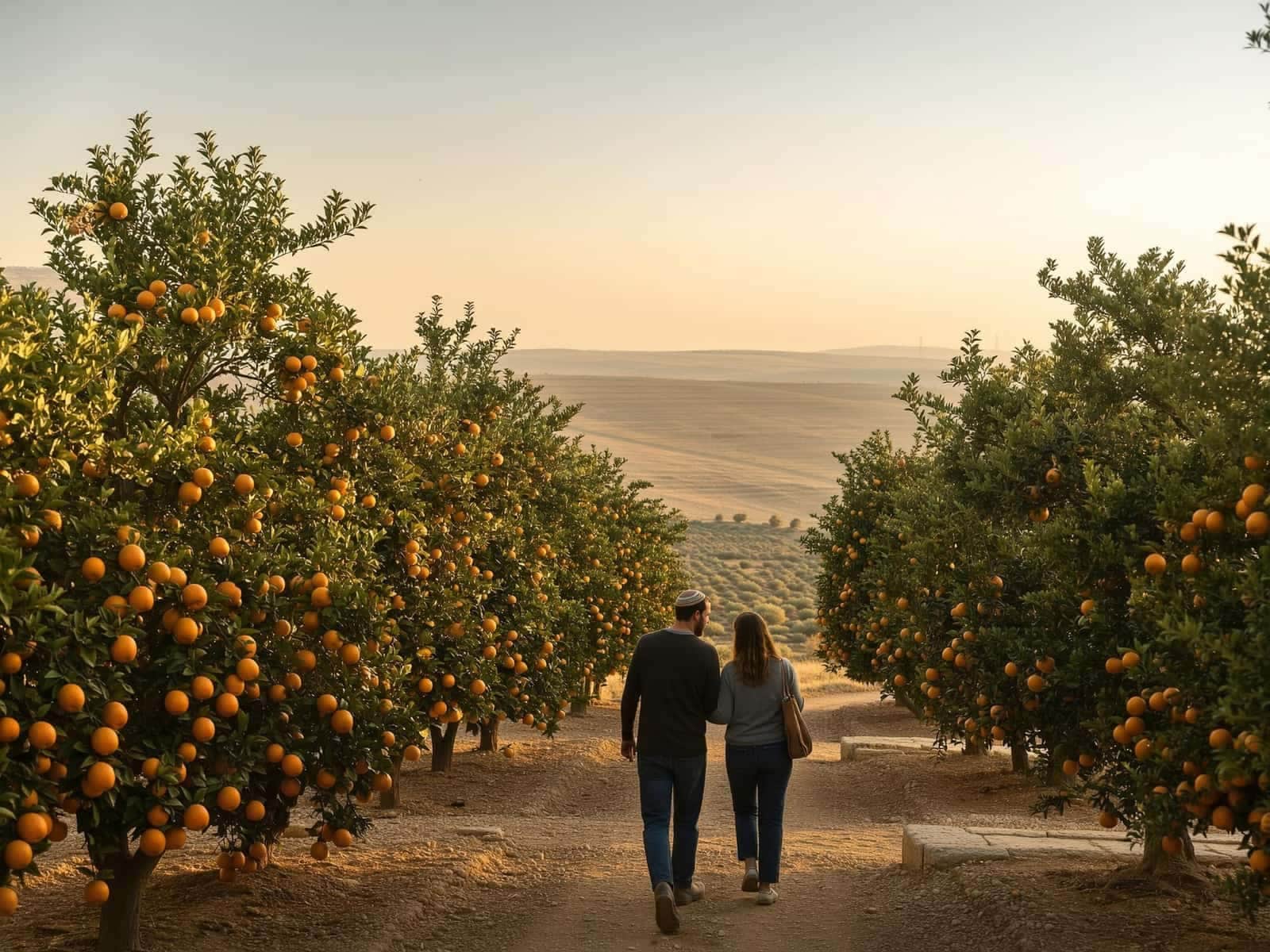
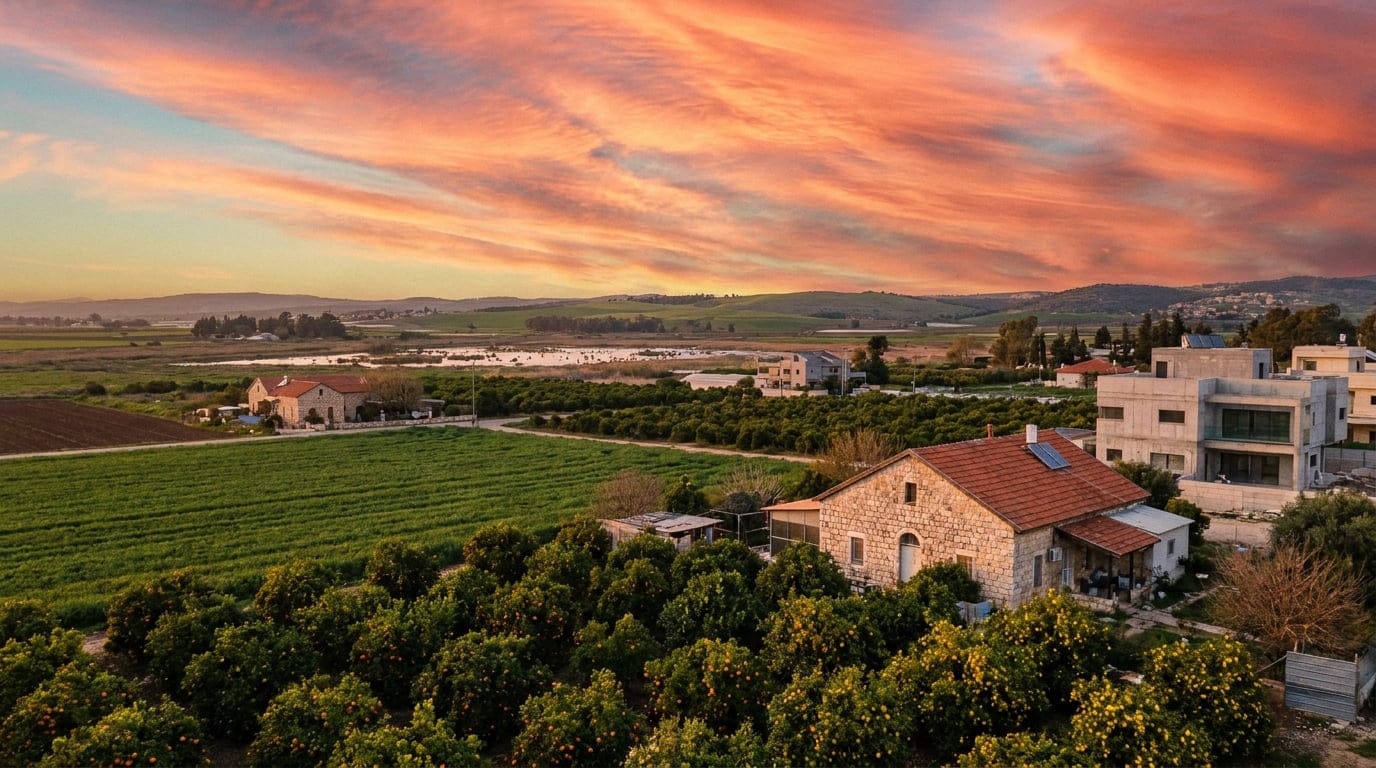
Even Yehuda, established in December 1932 by the Bnei Benyamin society and the Notea corporation, was initially centered around citrus agriculture. In 1950, it merged with the neighboring villages of Be'er Ganim and Tel Tzur, forming a unified local council. Over the decades, Even Yehuda has evolved from its agricultural roots into a suburban community, now home to approximately 14,266 residents.
DEMOGRAPHICS & FAMILY LIFESTYLE
The town is predominantly secular, with a significant portion of the population being Jewish. The population comprises 7,029 males and 7,238 females. The age distribution includes 3,724 individuals aged 0-14 years, 8,509 between 15-64 years, and 2,034 aged 65 and above. This demographic structure indicates a balanced mix of families, working-age adults, and seniors, contributing to a suburban lifestyle.
REAL ESTATE MARKET OVERVIEW
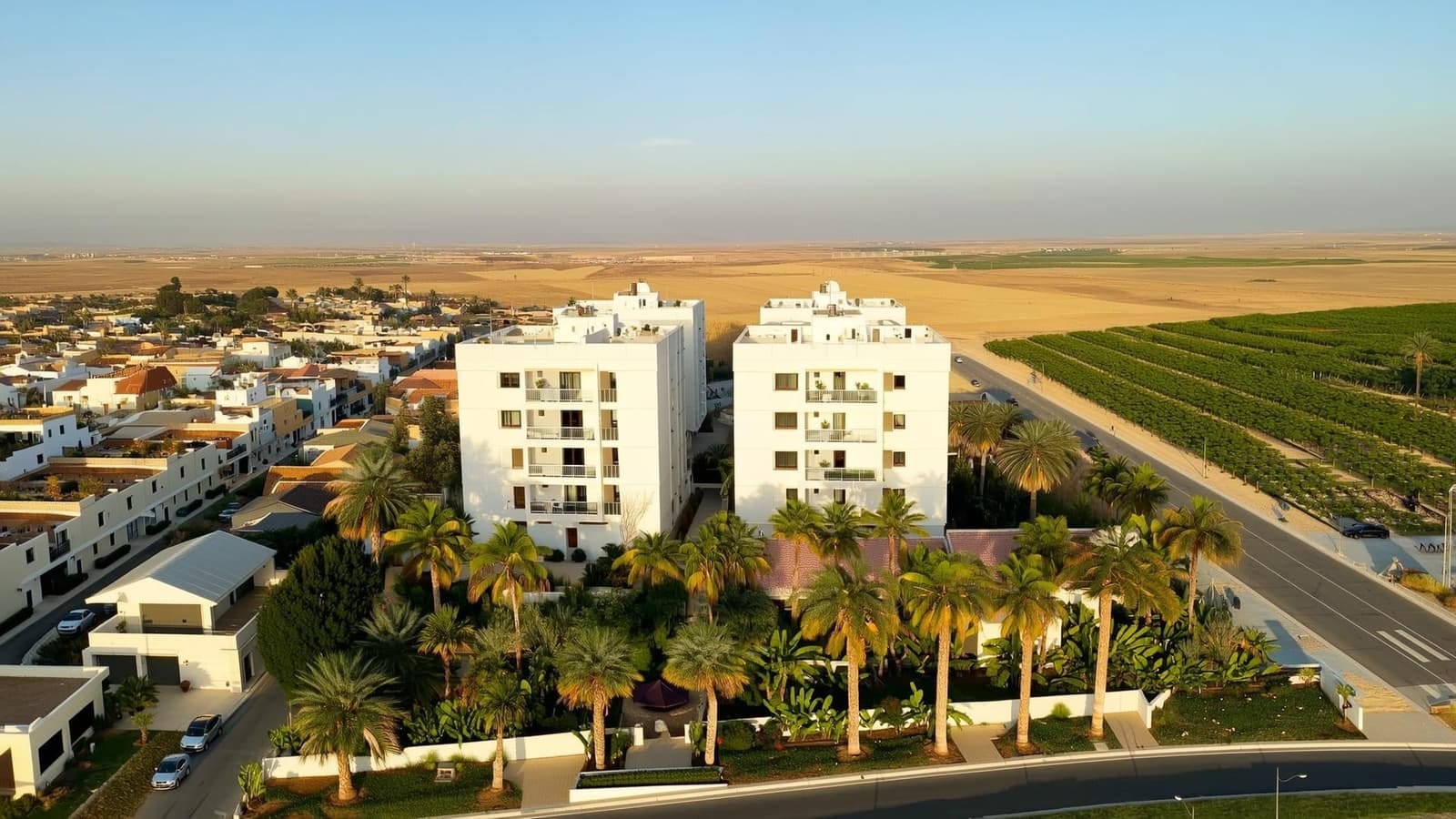
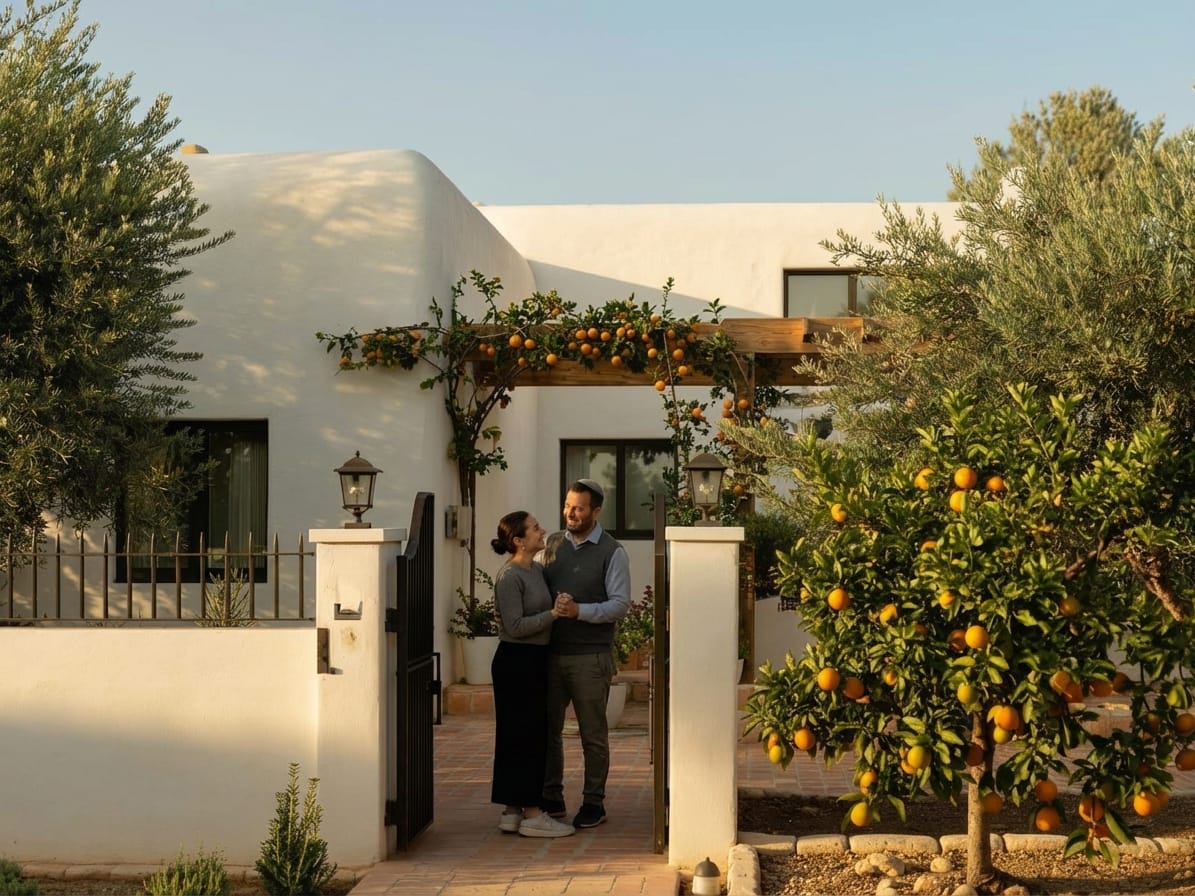
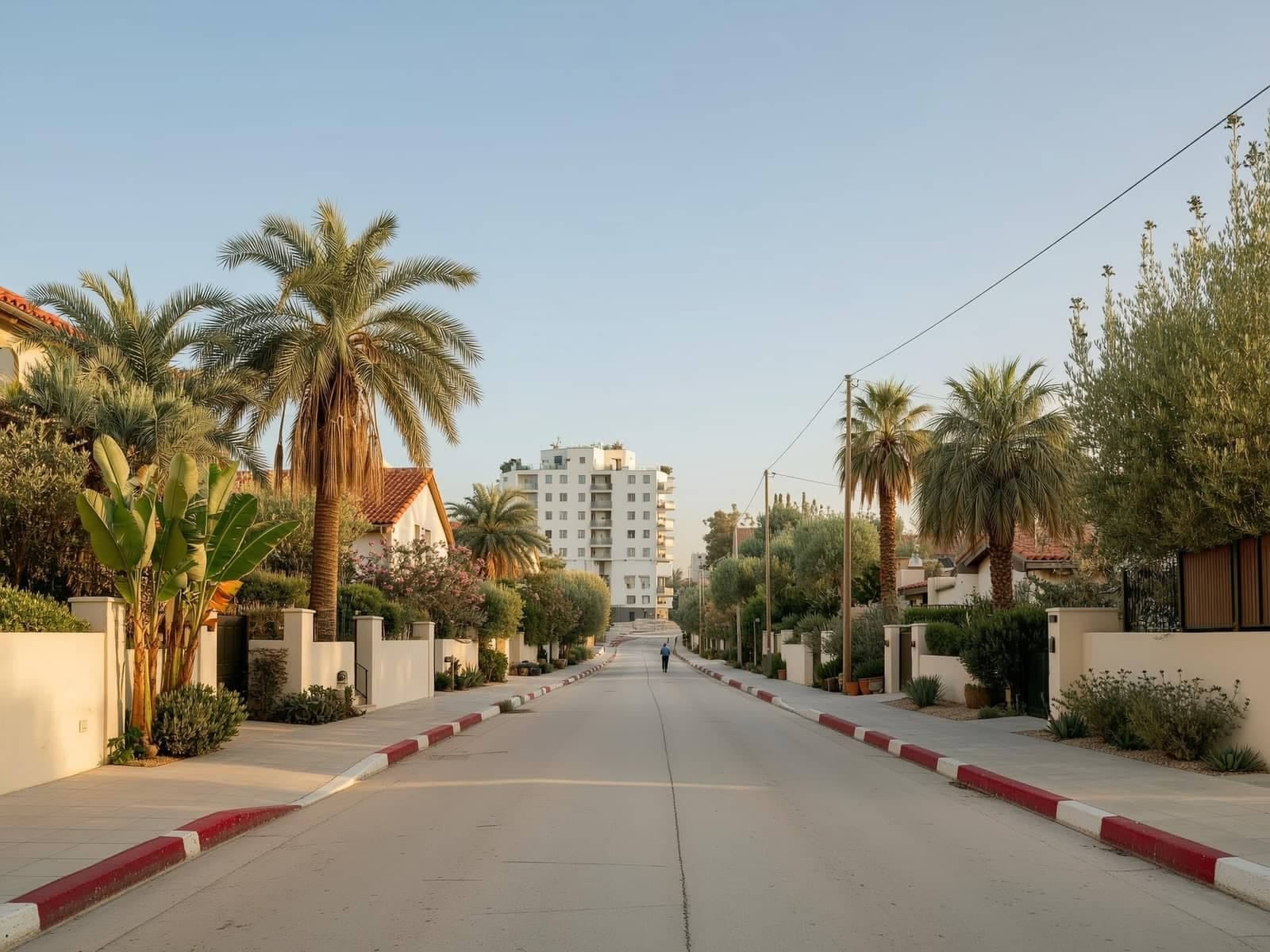
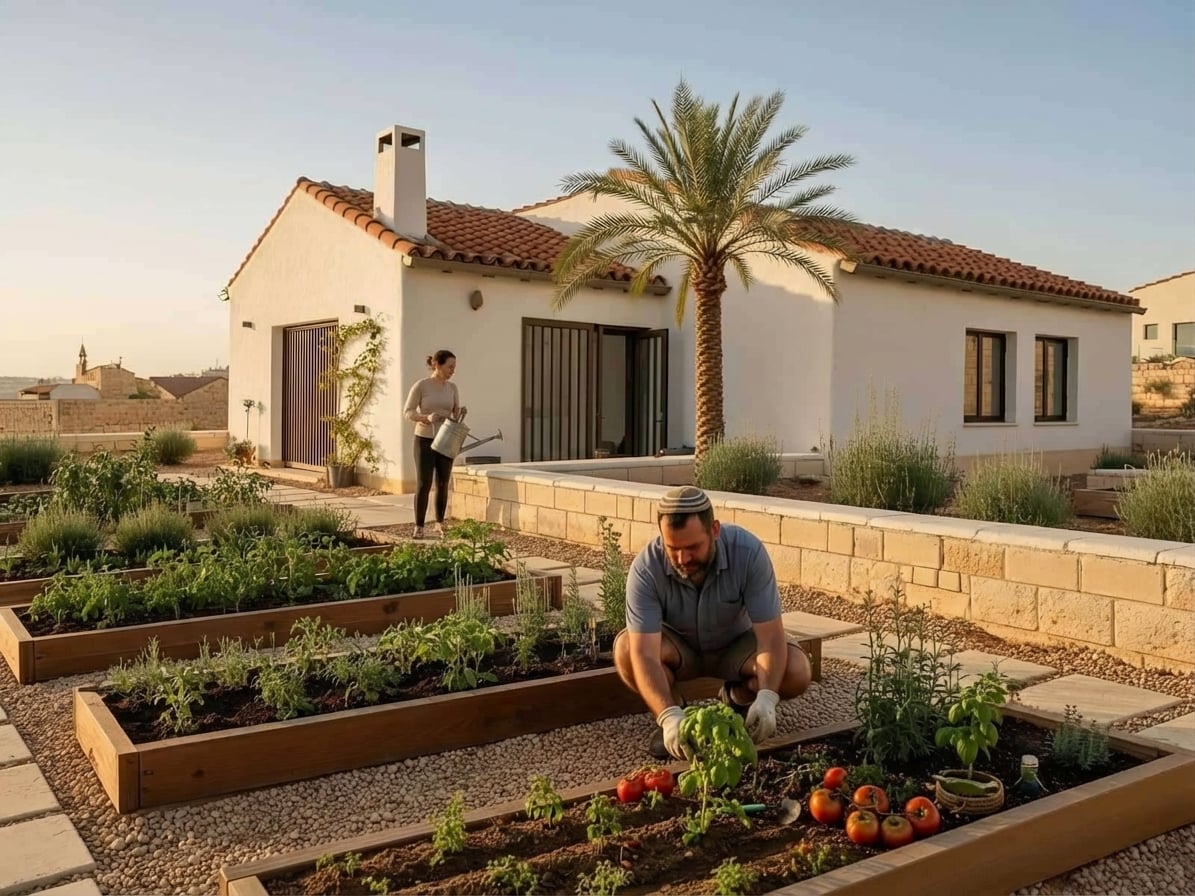
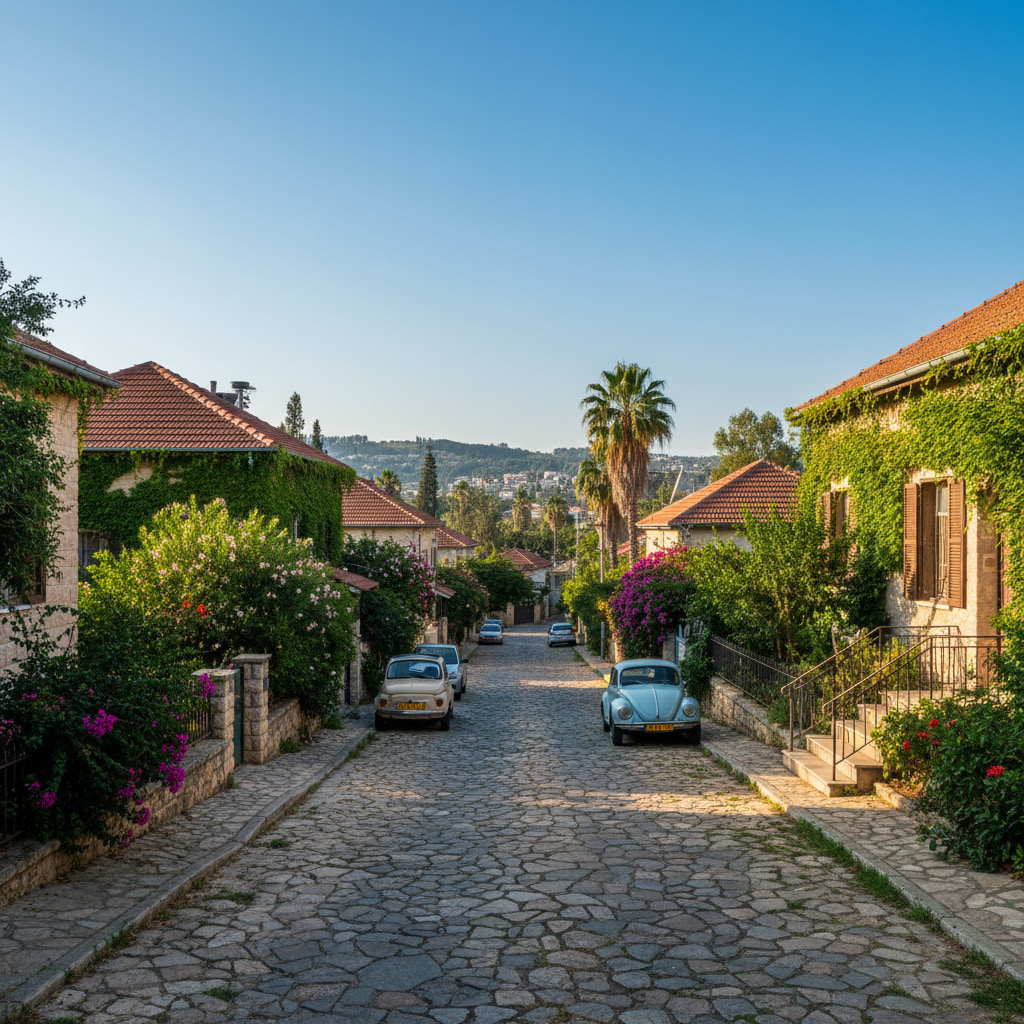
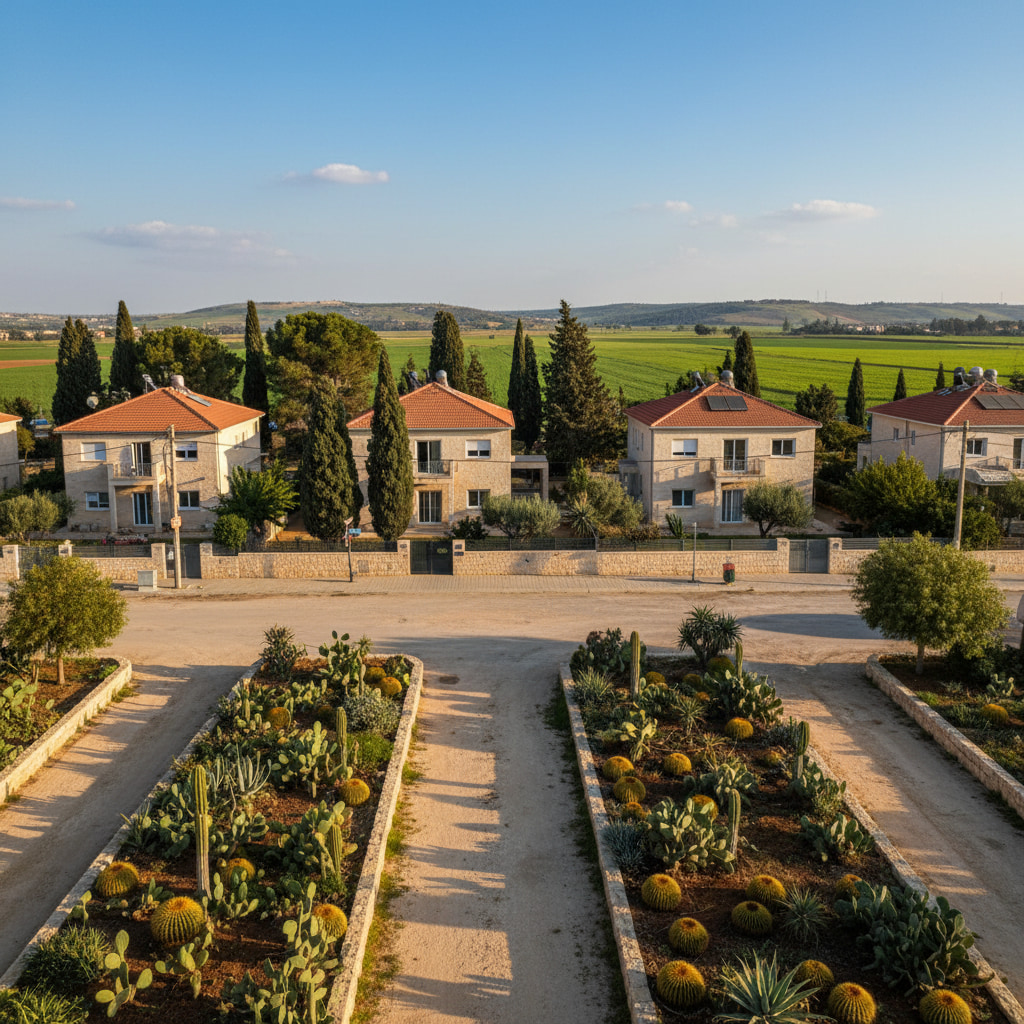
Even Yehuda's housing stock predominantly consists of single-family homes, many of which are situated on spacious plots. The town has experienced significant development over the years, with newer constructions complementing the original residences. This blend of old and new provides a variety of architectural styles and living spaces to accommodate preferences.
The real estate market in Even Yehuda is characterized by steady demand, driven by its suburban appeal and proximity to major urban centers. Property prices have shown a consistent upward trend, reflecting the town's desirability among homebuyers. The market attracts a mix of families and professionals seeking a tranquil environment without sacrificing accessibility to employment hubs. Market liquidity remains healthy, with properties typically moving at a steady pace.
NEIGHBORHOOD BREAKDOWN
Even Yehuda is organized into distinct neighborhoods, each offering its own unique character. The town's layout includes both established areas and newer developments, providing residents with a range of living environments. This structure contributes to a sense of community while accommodating growth and modernization.
- Central Even Yehuda: The heart of the town, featuring a mix of residential and commercial properties, and serving as the main hub for local amenities.
- Western Neighborhoods: Known for their spacious homes and proximity to green spaces, appealing to families seeking a suburban lifestyle.
- Northern Areas: Characterized by newer developments with modern housing options, attracting professionals and young families.
- Southern Districts: Offering a blend of traditional and contemporary homes, with easy access to main transportation routes.
NEW CONSTRUCTION PROJECTS
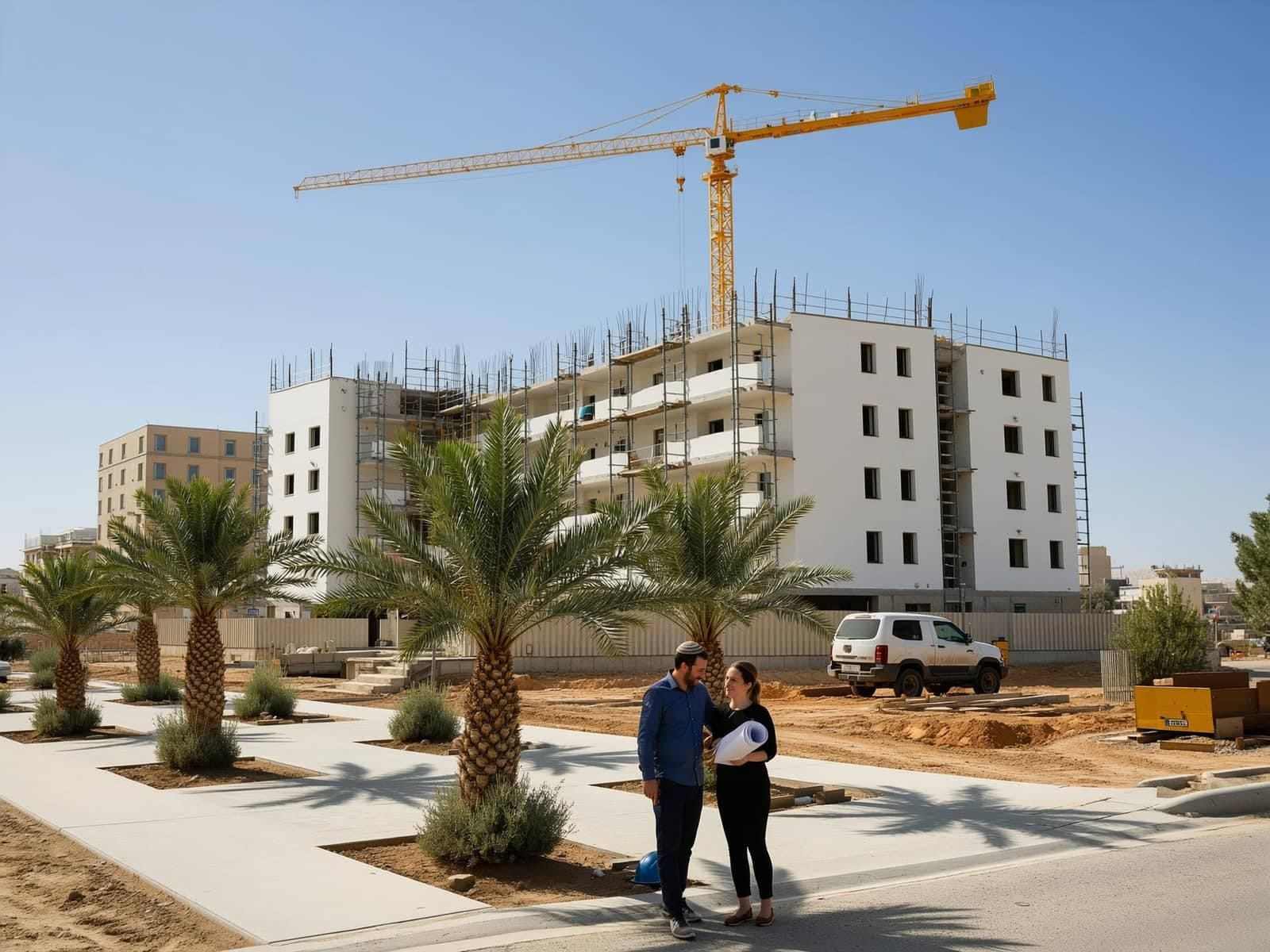
Even Yehuda is experiencing significant development with several new projects underway. The Sadot project, spanning 150 dunams near the town's southern entrance, plans to offer 432 residential units and a 1,500-square-meter commercial space, all centered around a public park. Additionally, the Techno Park Even Yehuda is set to provide 63 units designed for commerce, logistics, light industry, and storage, each approximately 210 square meters in size. These developments aim to enhance the town's residential and commercial infrastructure.
TRANSPORTATION & ACCESSIBILITY
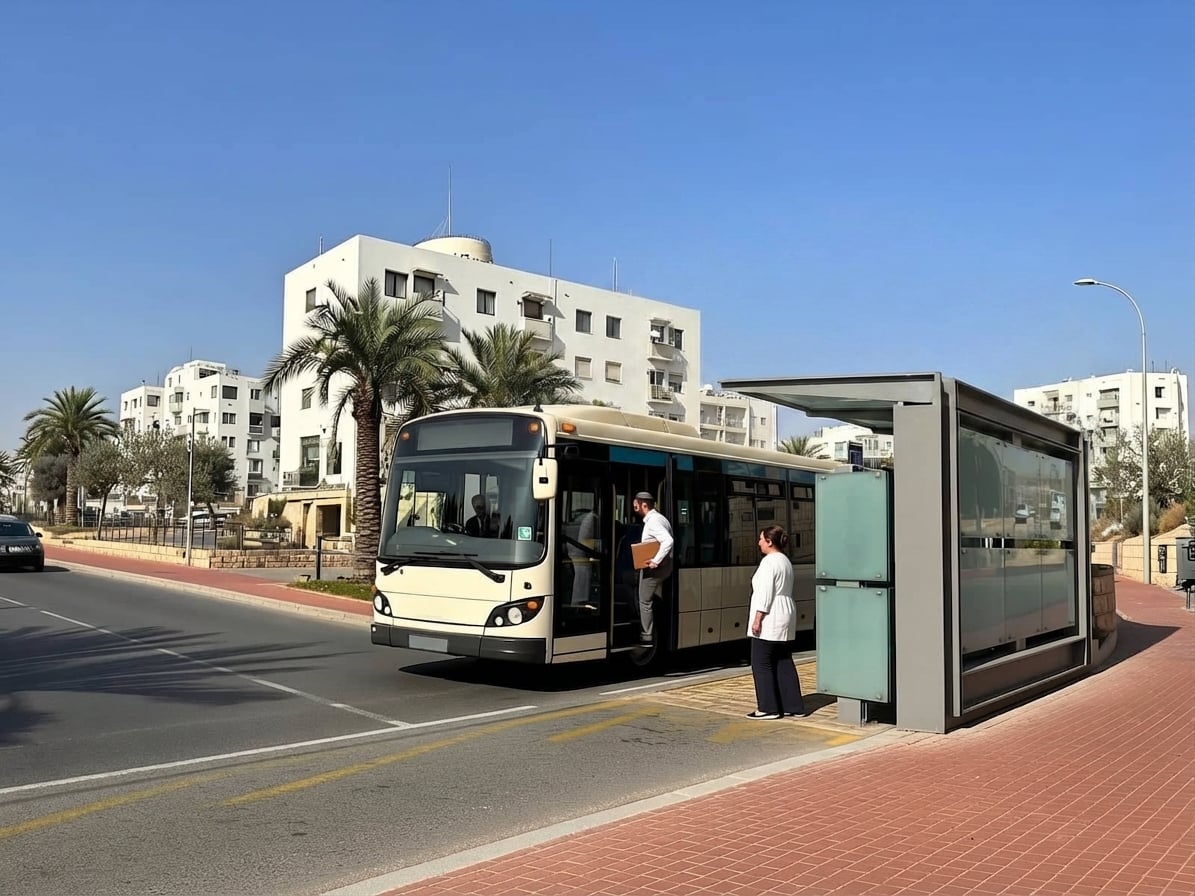
Transportation in Even Yehuda is well-integrated, offering residents convenient access to surrounding areas. The town is served by multiple bus routes, including lines 14, 148, 149, 641, and 821, facilitating travel to nearby cities and regions. Its proximity to major highways, such as Highway 4, ensures efficient connectivity for commuters. Additionally, the nearby city of Netanya serves as a regional hub, providing further transportation options and amenities.
WHY NEW IMMIGRANTS CHOOSE EVEN YEHUDA
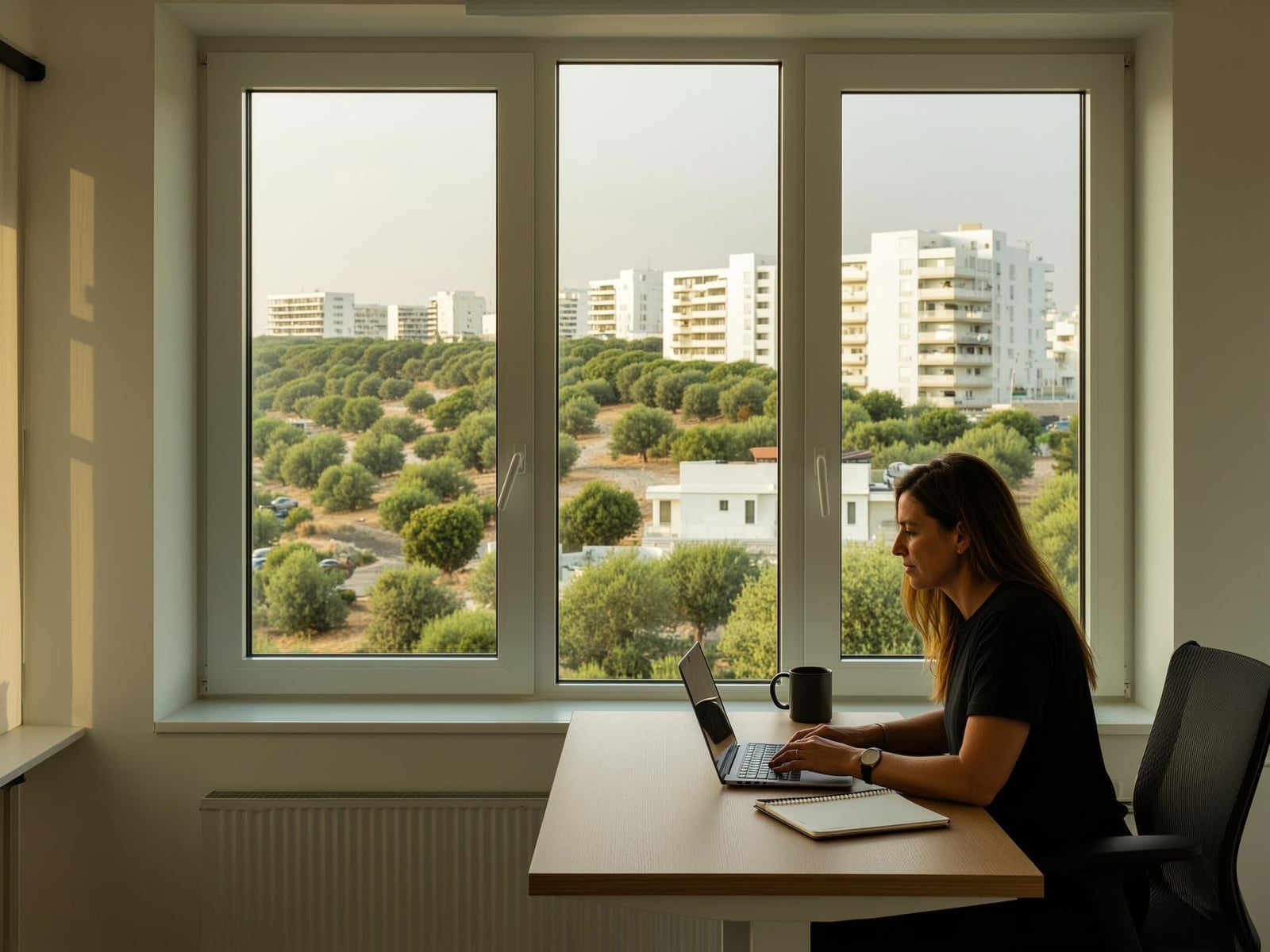
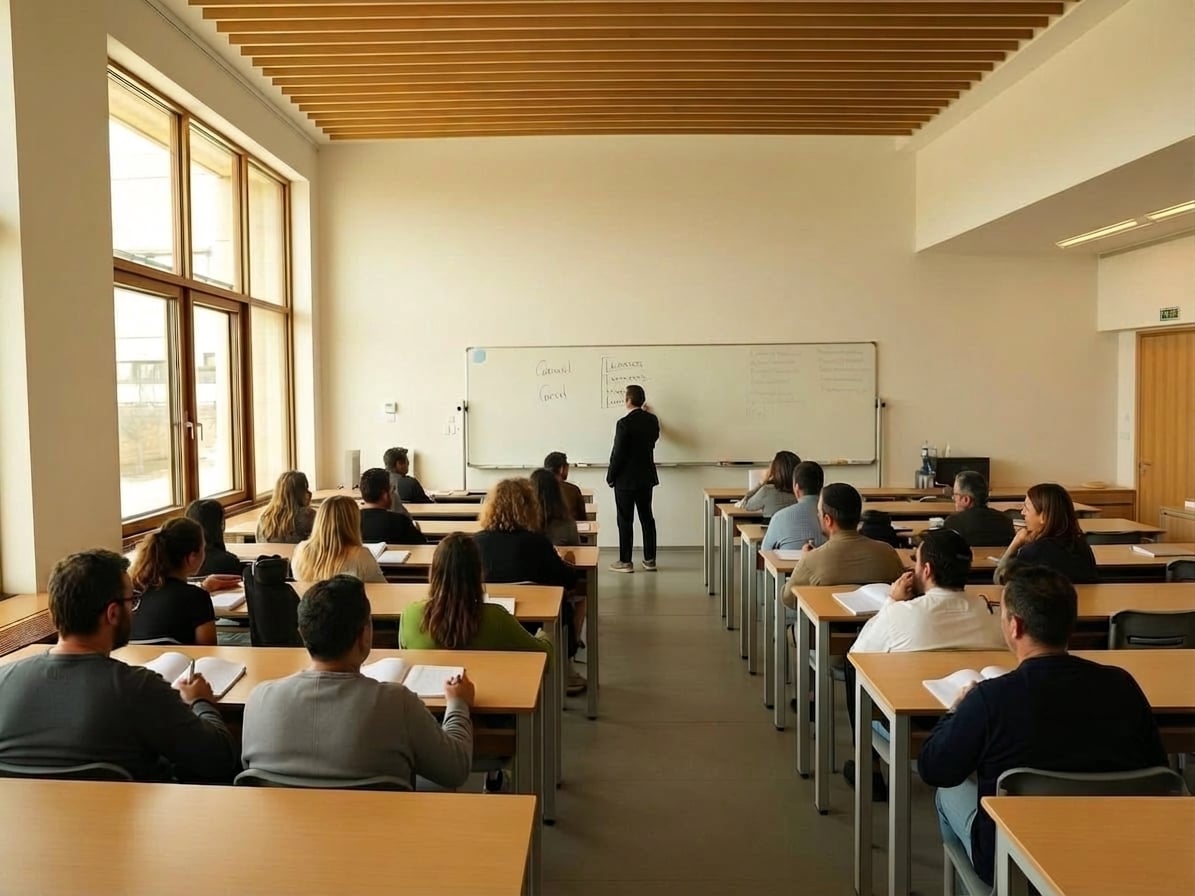
New immigrants are drawn to Even Yehuda for its suburban environment, proximity to Netanya, and well-established educational institutions. The town's secular character and balanced age distribution offer a comfortable setting for families and individuals seeking integration into Israeli society.
- Suburban environment with modern amenities
- Proximity to Netanya and central Israel
- Well-established educational institutions
- Secular community welcoming to backgrounds
- Balanced age distribution supporting family life