CITY HISTORY & DEVELOPMENT
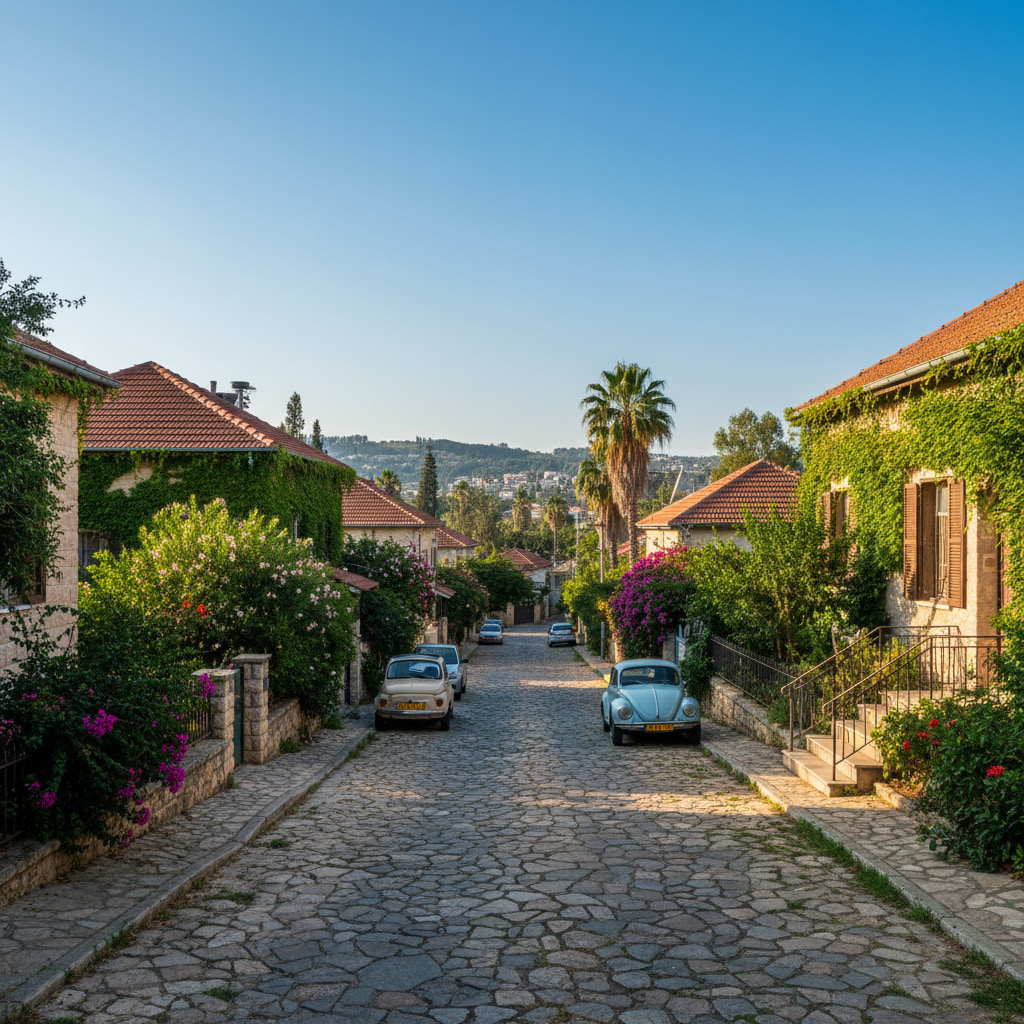
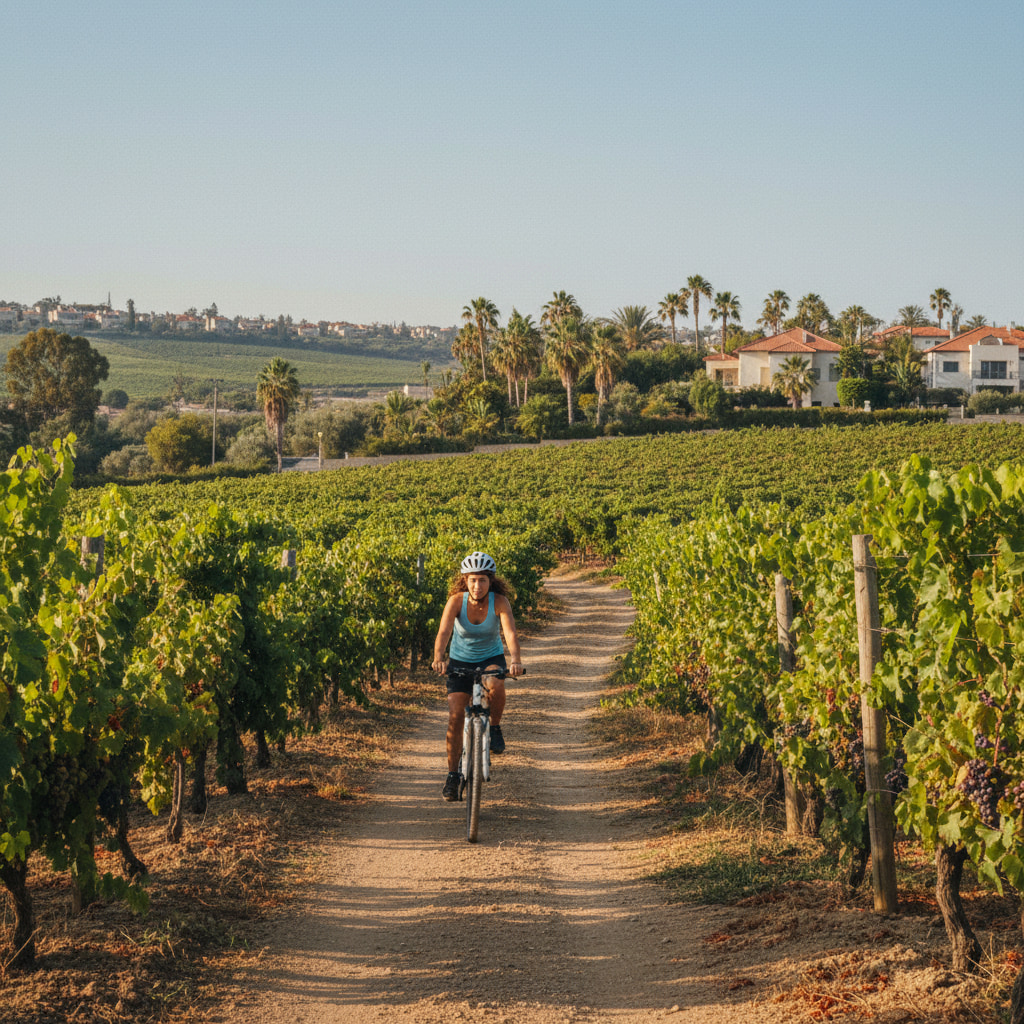
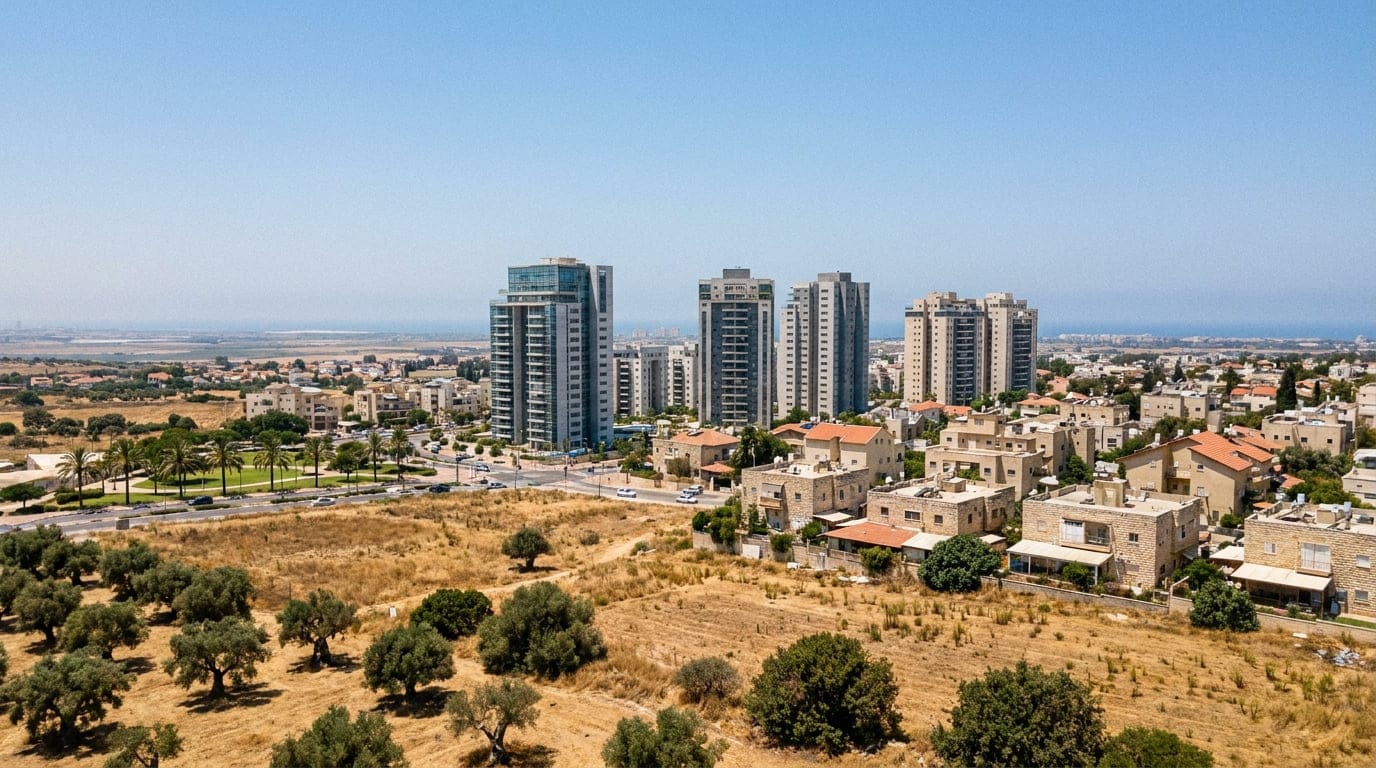
Gedera was founded in 1884 by members of the Bilu movement, a group of Jewish pioneers from Russia aiming to establish agricultural settlements in Ottoman Palestine. The town was established near the ruins of the Arab village of Qatra, on land purchased by Yechiel Michel Pines. Over the years, Gedera evolved from a small agricultural community into a town, now home to approximately 30,000 residents.
DEMOGRAPHICS & FAMILY LIFESTYLE
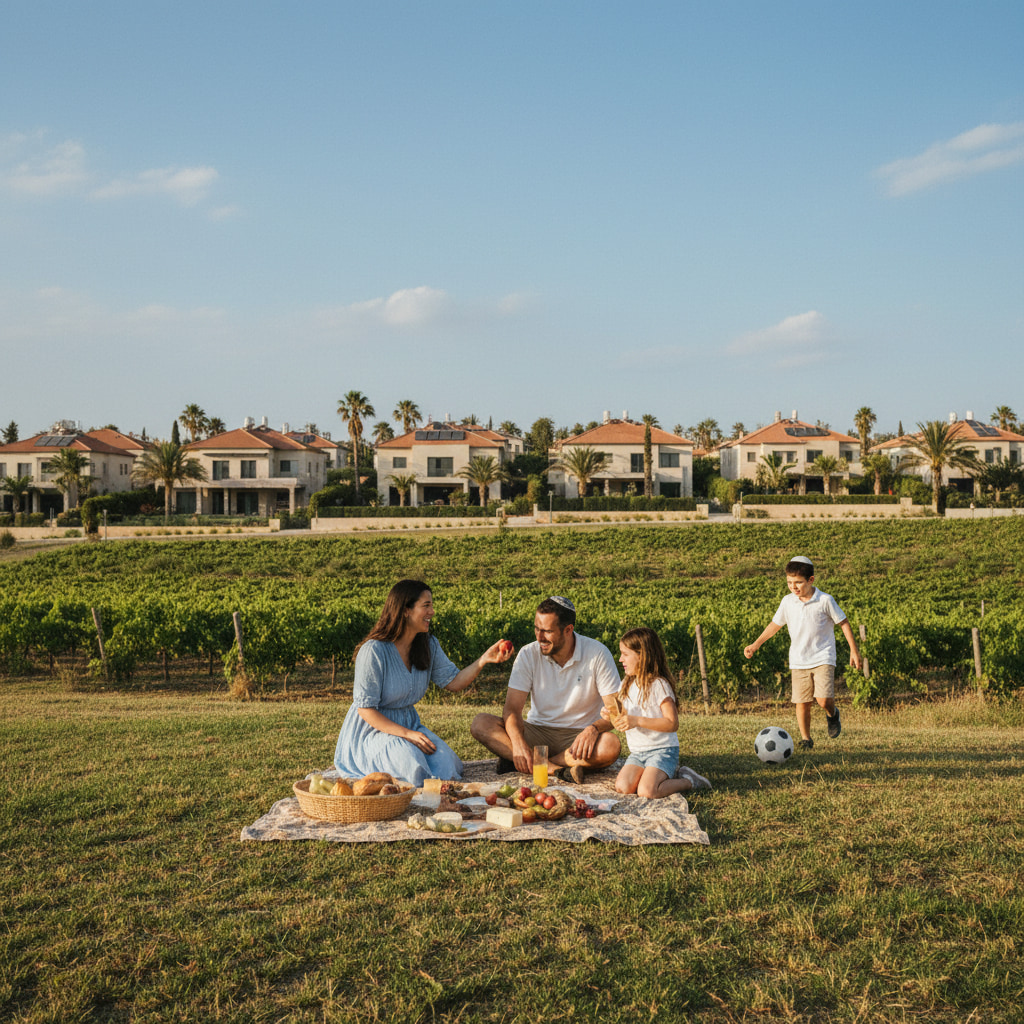
Gedera is a mixed community encompassing both secular and religious residents. The town has a significant population of Yemenite Jews, who constitute about 50% of the residents, and also hosts a notable Ethiopian-Israeli community. The population includes a mix of families and age groups, contributing to a community life.
REAL ESTATE MARKET OVERVIEW
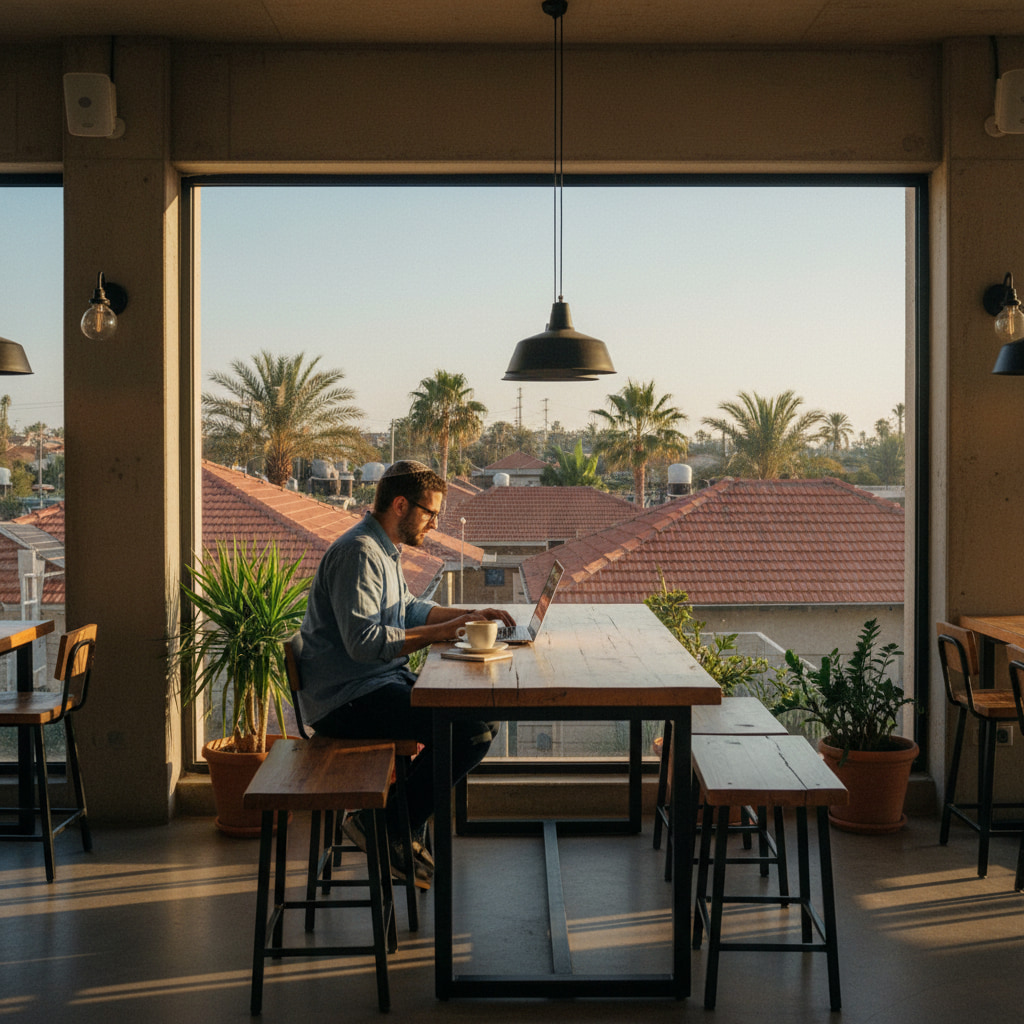
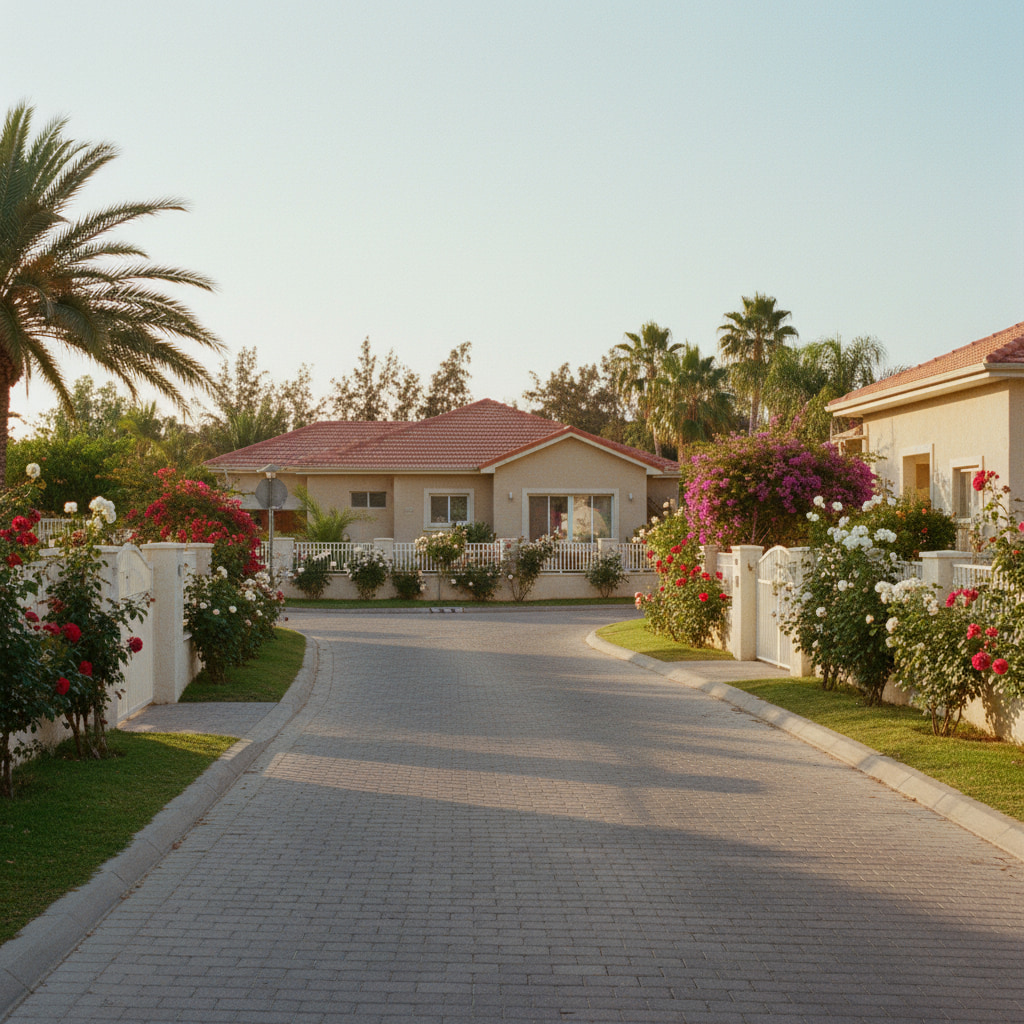
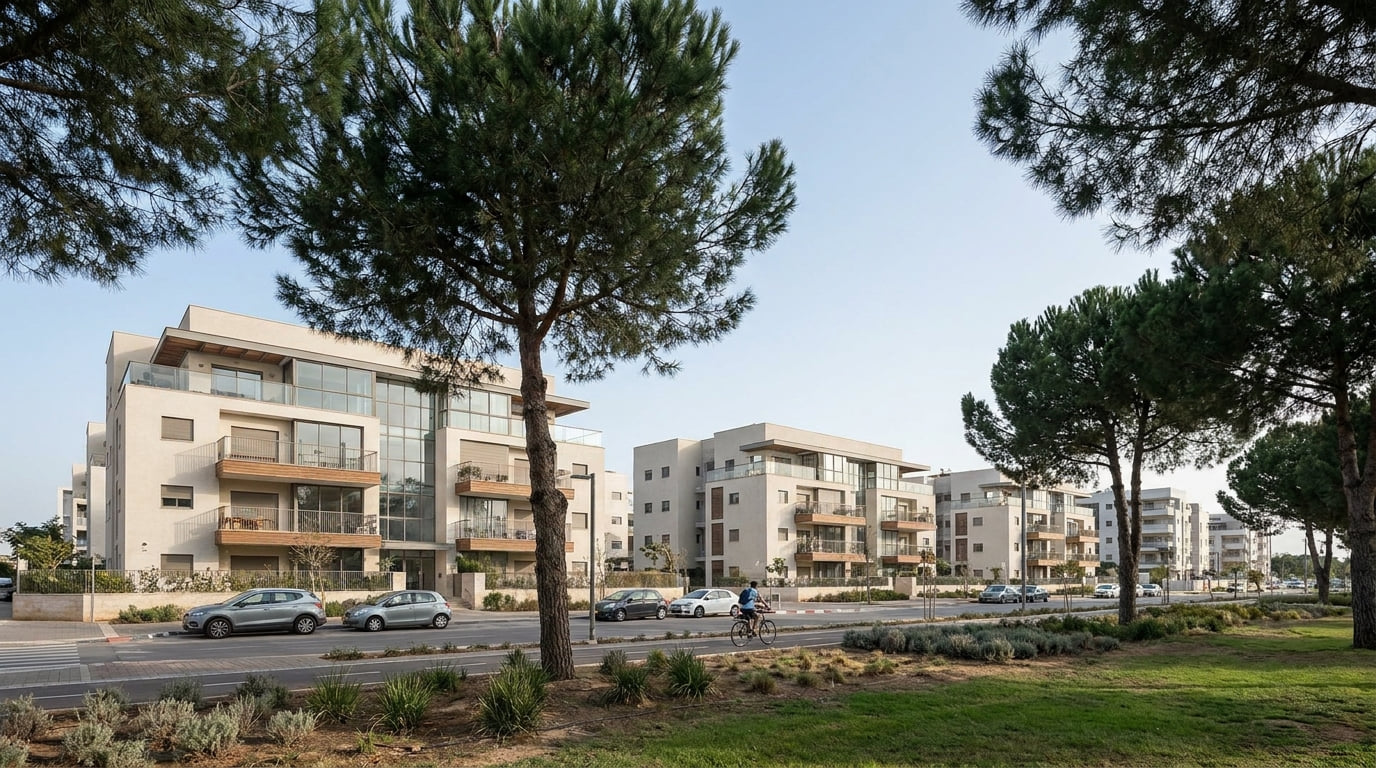
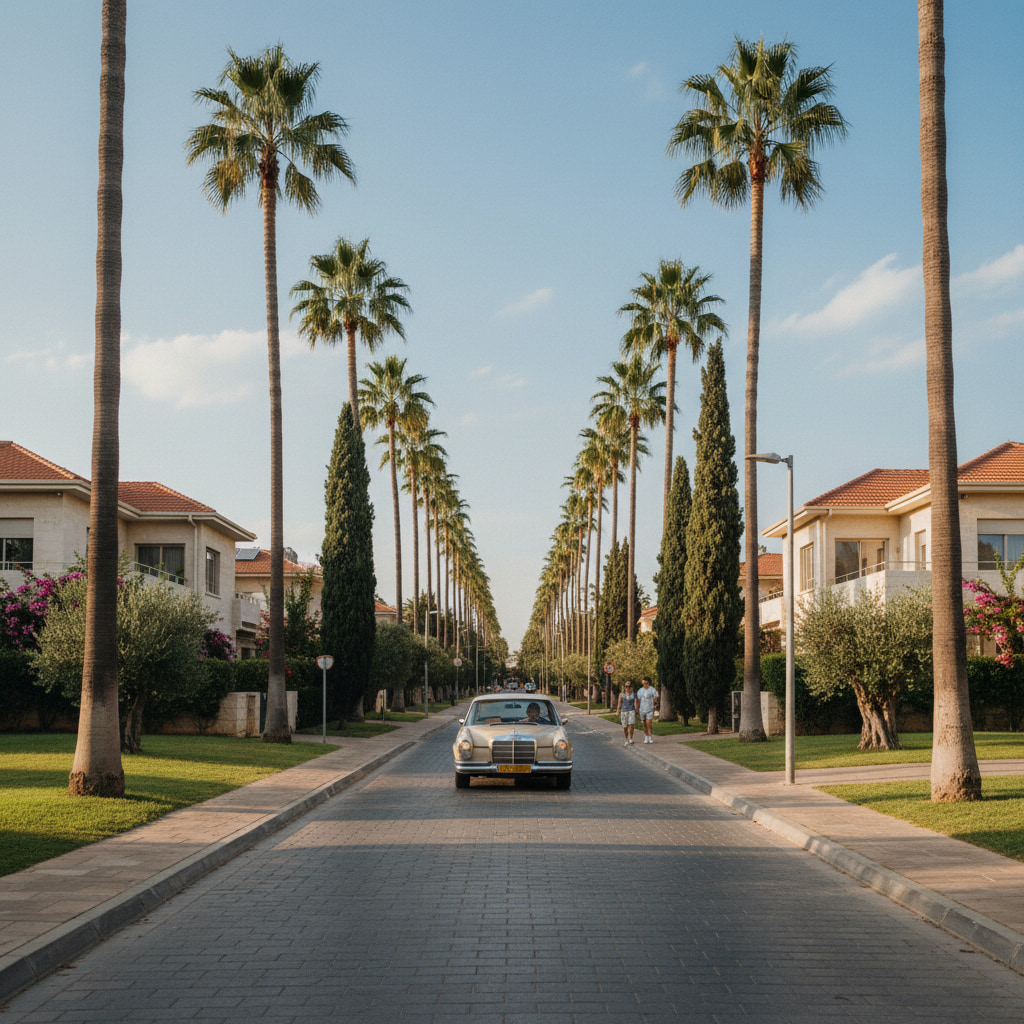
Gedera's housing stock comprises a mix of older, traditional homes and newer residential developments. The town features a variety of property types, including apartments, cottages, and single-family houses, catering to preferences. Many homes are situated on moderately sized plots, reflecting the town's suburban character. Recent years have seen the construction of modern apartments and family-oriented housing projects, accommodating the growing population.
The real estate market in Gedera is influenced by its strategic location near major cities like Rehovot and Ashdod, offering residents suburban tranquility with urban accessibility. This appeal has attracted families and individuals seeking a balanced lifestyle. While the market has experienced periods of price appreciation, recent trends indicate a stabilization, with average prices per square meter ranging between 25,000 to 27,000 shekels. Rental yields have adjusted accordingly, currently averaging around 2.5% to 3%.
NEIGHBORHOOD BREAKDOWN
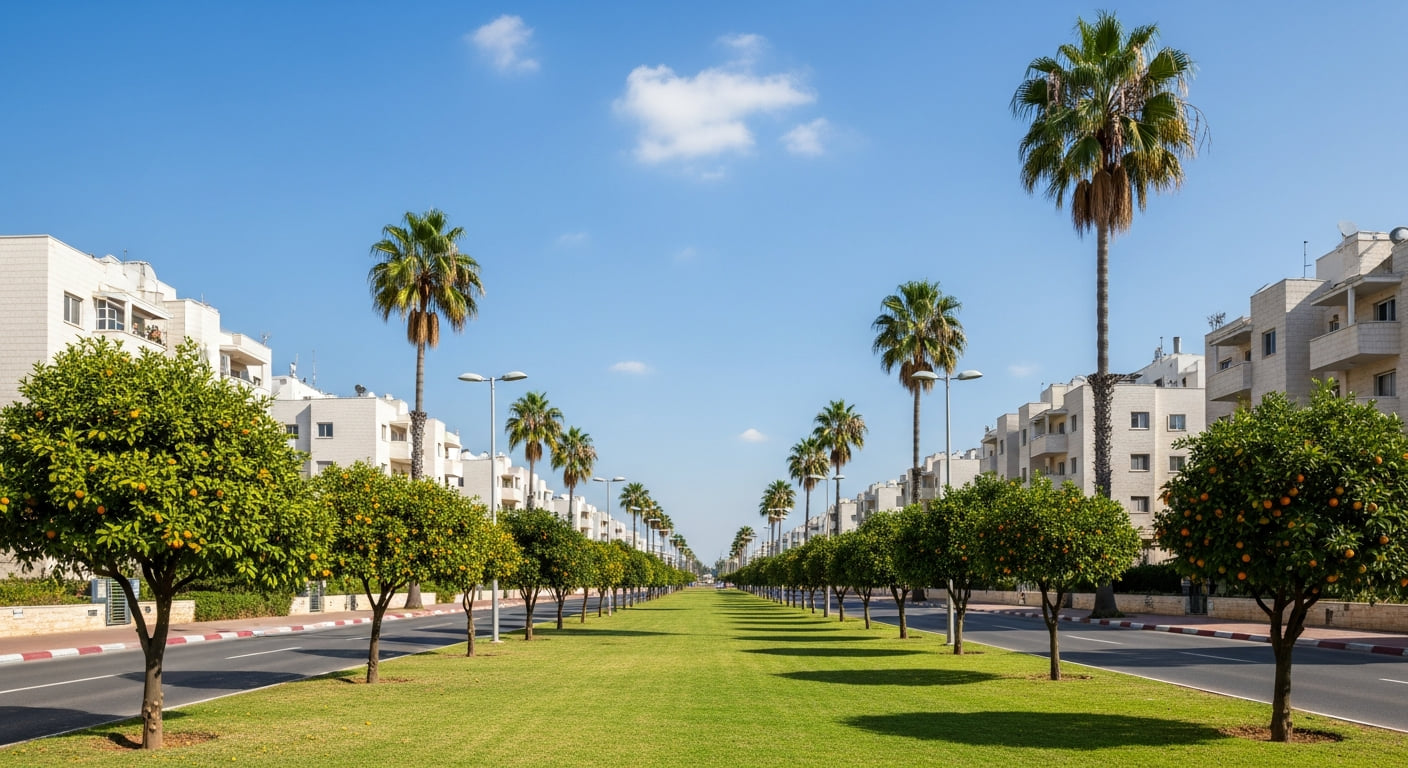
Gedera is organized into several distinct neighborhoods, each with its own unique character. The town's layout includes both historic areas and newly developed sections, providing a blend of old and new environments. This diversity allows residents to choose from a range of living experiences within the same town.
- Young Gedera: A neighborhood featuring modern apartments and family-friendly amenities, appealing to young families and professionals.
- HaMoshava: Known for its historical significance, this area offers traditional homes and a sense of heritage.
- Neve Shulamit: A residential area characterized by its peaceful environment and proximity to local parks.
- Golda: A developing neighborhood with contemporary housing projects and growing infrastructure.
- Neve Moshe: A community-focused area with a mix of housing options and local services.
NEW CONSTRUCTION PROJECTS
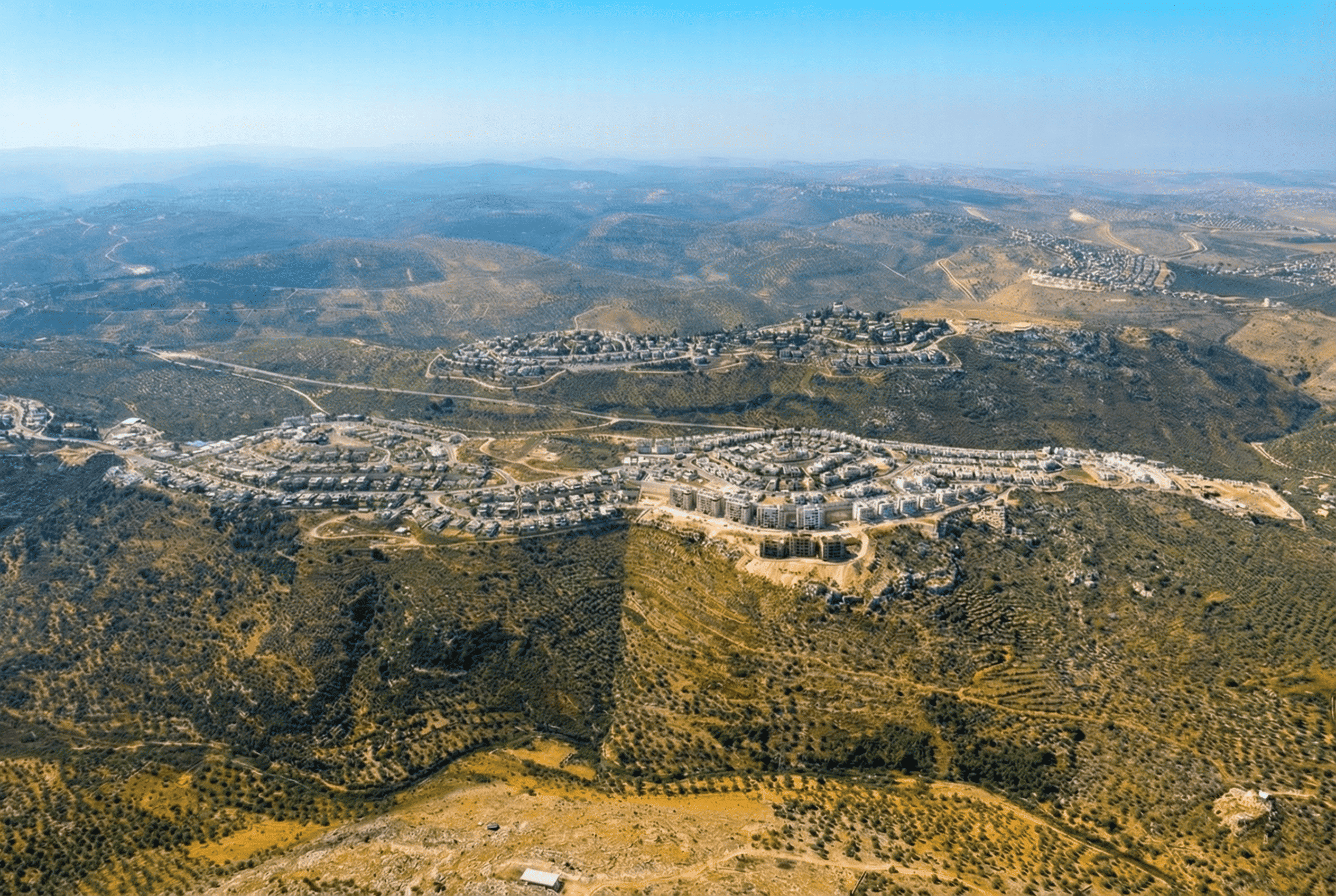
Gedera is experiencing significant urban development, notably with the 'Area 8' project in the Gderot region. This government-supported initiative plans to create a residential neighborhood featuring low-rise homes and buildings up to seven stories, designed to blend with the town's rural character. The development will include educational institutions, entertainment and shopping centers, an urban park along Nahal Sorek, sports facilities, and walking and cycling paths, enhancing the community's infrastructure and quality of life.
TRANSPORTATION & ACCESSIBILITY
Transportation in Gedera is well-developed, with the town's central bus station serving as a hub for multiple routes operated by Electra Afikim. Key lines include Route 301 to Tel Aviv and Route 323 to Ashdod, facilitating convenient travel to major urban centers. Additionally, the nearby Gedera Interchange connects the town to Highway 7, providing efficient access to the national road network and supporting both local and regional commuting needs.
WHY NEW IMMIGRANTS CHOOSE GEDERA
New immigrants, or olim, are drawn to Gedera for several reasons. Its proximity to major cities like Rehovot and Ashdod offers convenient access to urban amenities while maintaining a quieter, suburban atmosphere. The town's rich history and established communities provide a sense of belonging, and the relatively affordable housing options make it an attractive destination for families seeking a balanced lifestyle.
- Proximity to major cities with suburban tranquility
- Established communities offering cultural connections
- Affordable housing options suitable for families
- Rich historical background fostering a sense of belonging
- Population promoting inclusive community life