CITY HISTORY & DEVELOPMENT
Petah Tikva, established in 1878 by European Orthodox Jews, was the first modern Jewish agricultural settlement in Ottoman Palestine, earning it the nickname 'Mother of the Moshavot'. Initially, residents faced challenges such as malaria and financial difficulties, but with support from figures like Baron Edmond de Rothschild, the community persevered. Over time, Petah Tikva transformed from a small farming village into a significant urban center, now part of the Tel Aviv metropolitan area.
DEMOGRAPHICS & FAMILY LIFESTYLE
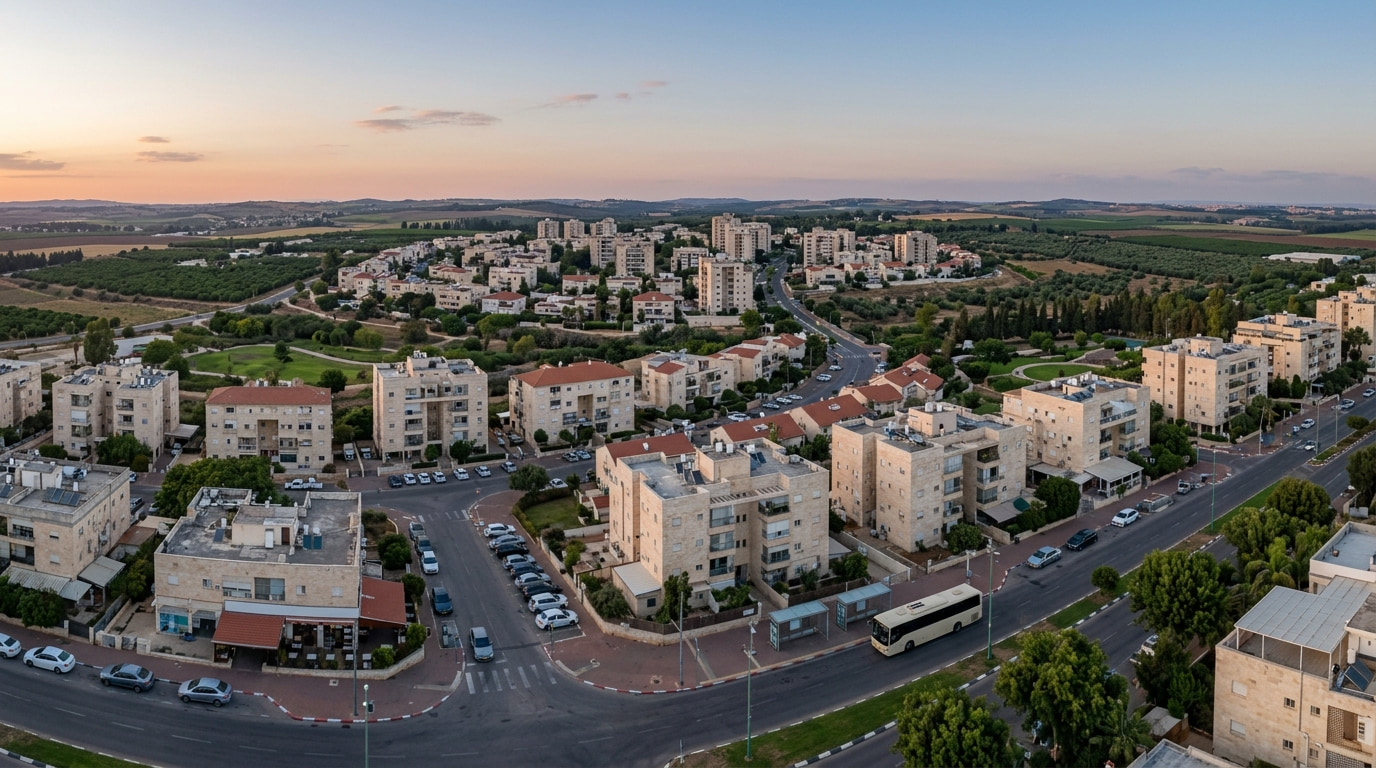
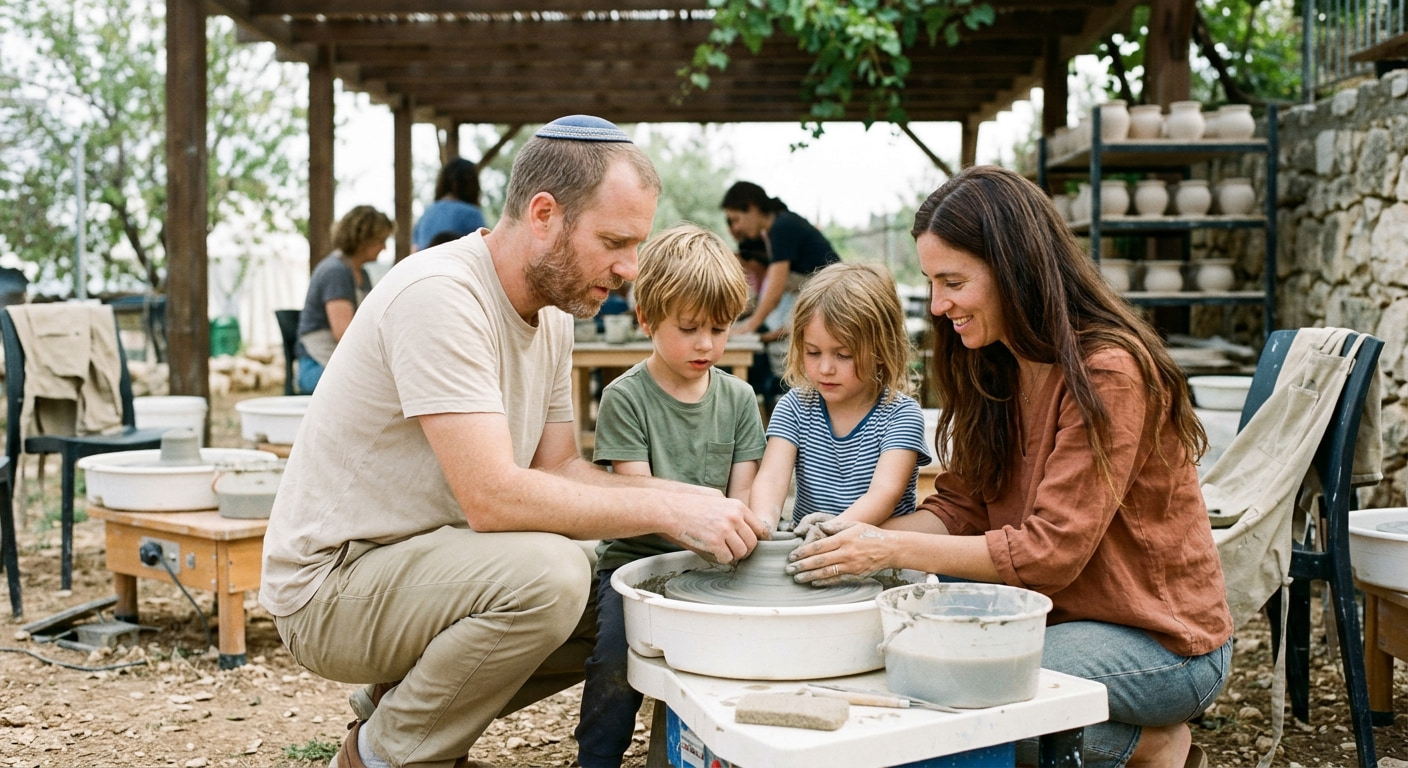
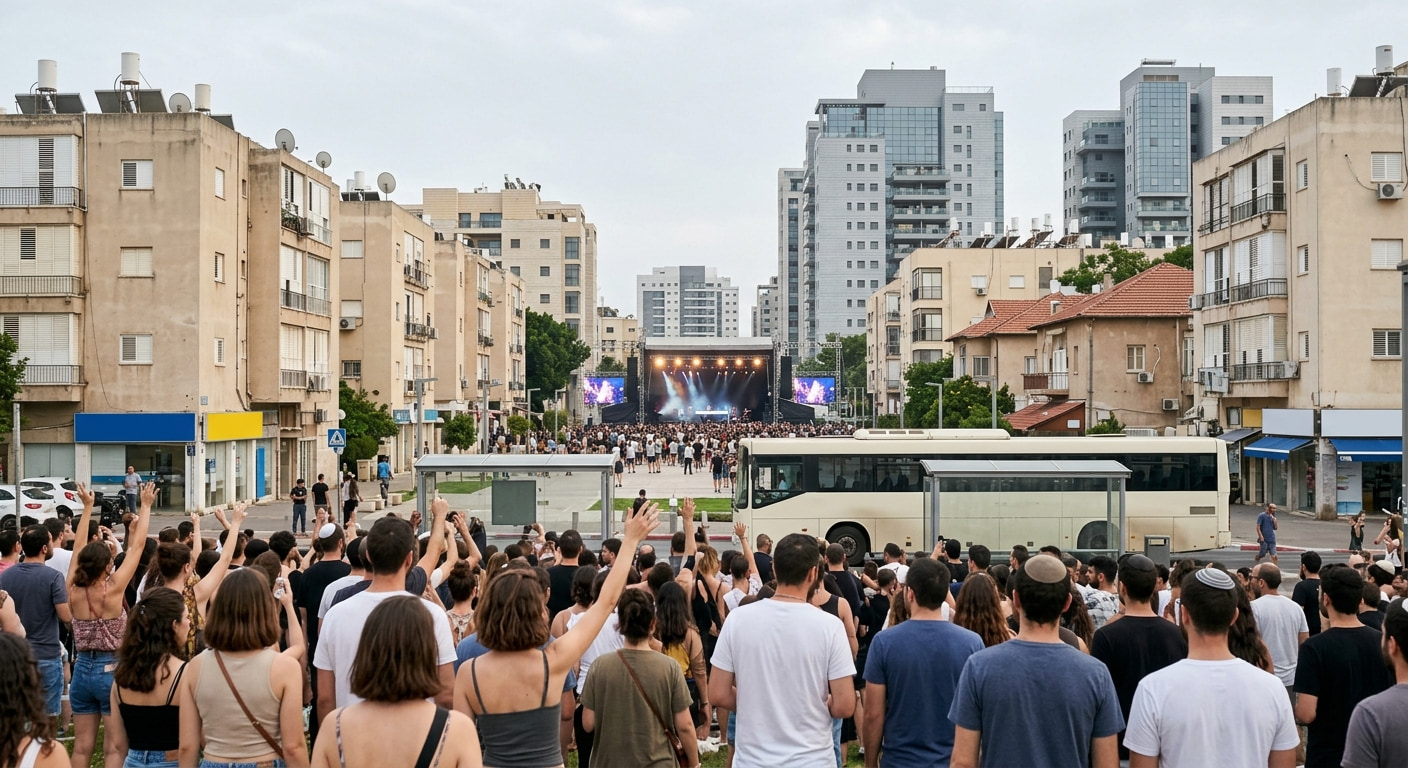
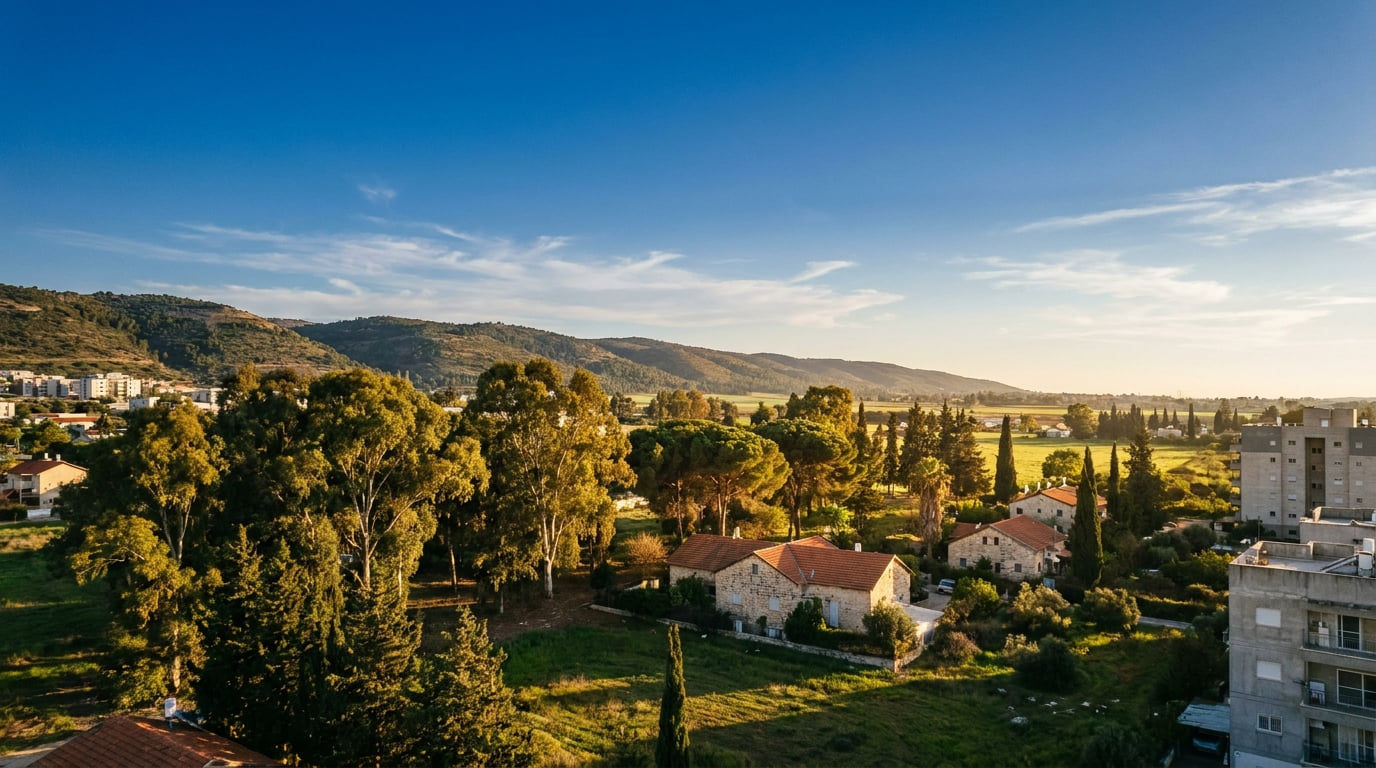
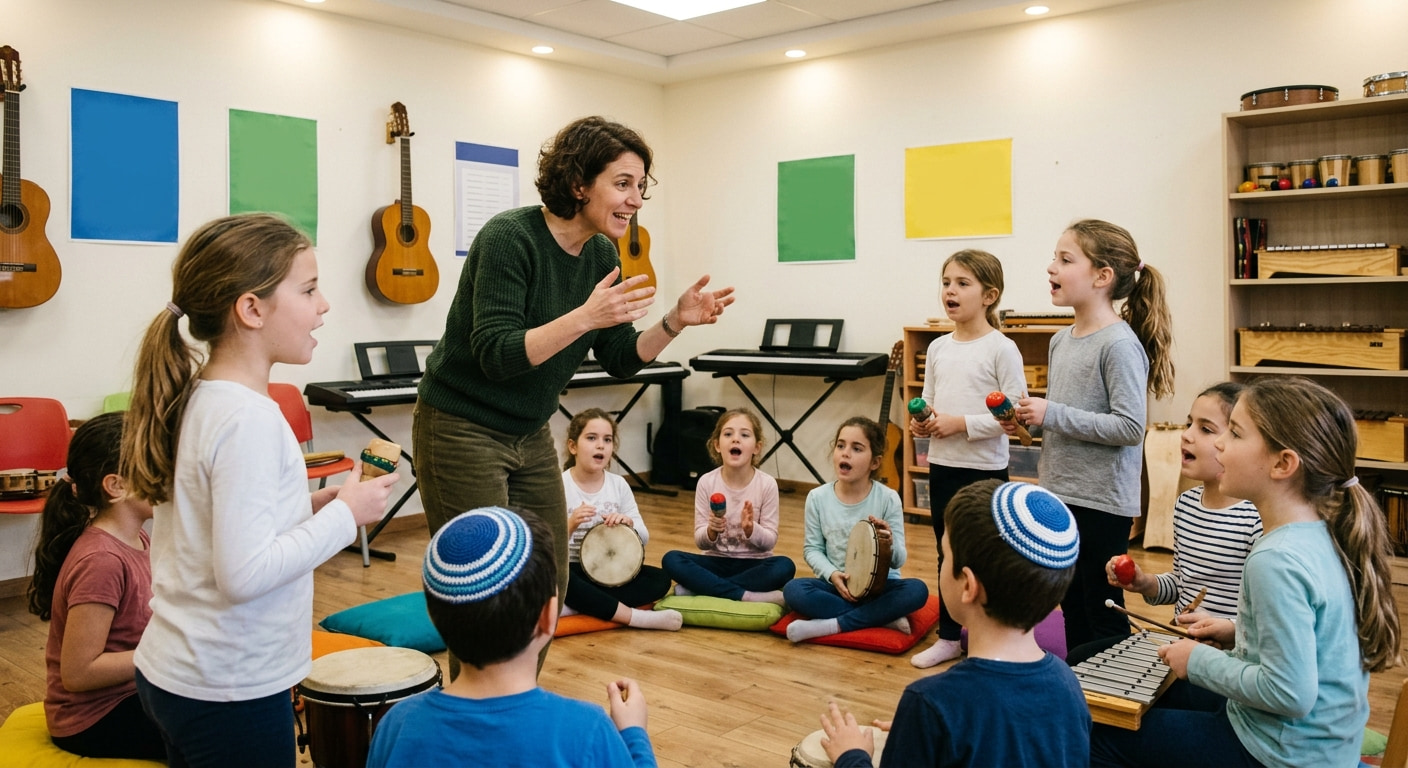
Petah Tikva's population is approximately 264,046 residents. The city is characterized by a mixed community, encompassing both secular and religious Jews. Families of various sizes reside here, contributing to an age distribution. The lifestyle in Petah Tikva blends urban amenities with suburban tranquility, offering a balanced environment for its inhabitants.
REAL ESTATE MARKET OVERVIEW
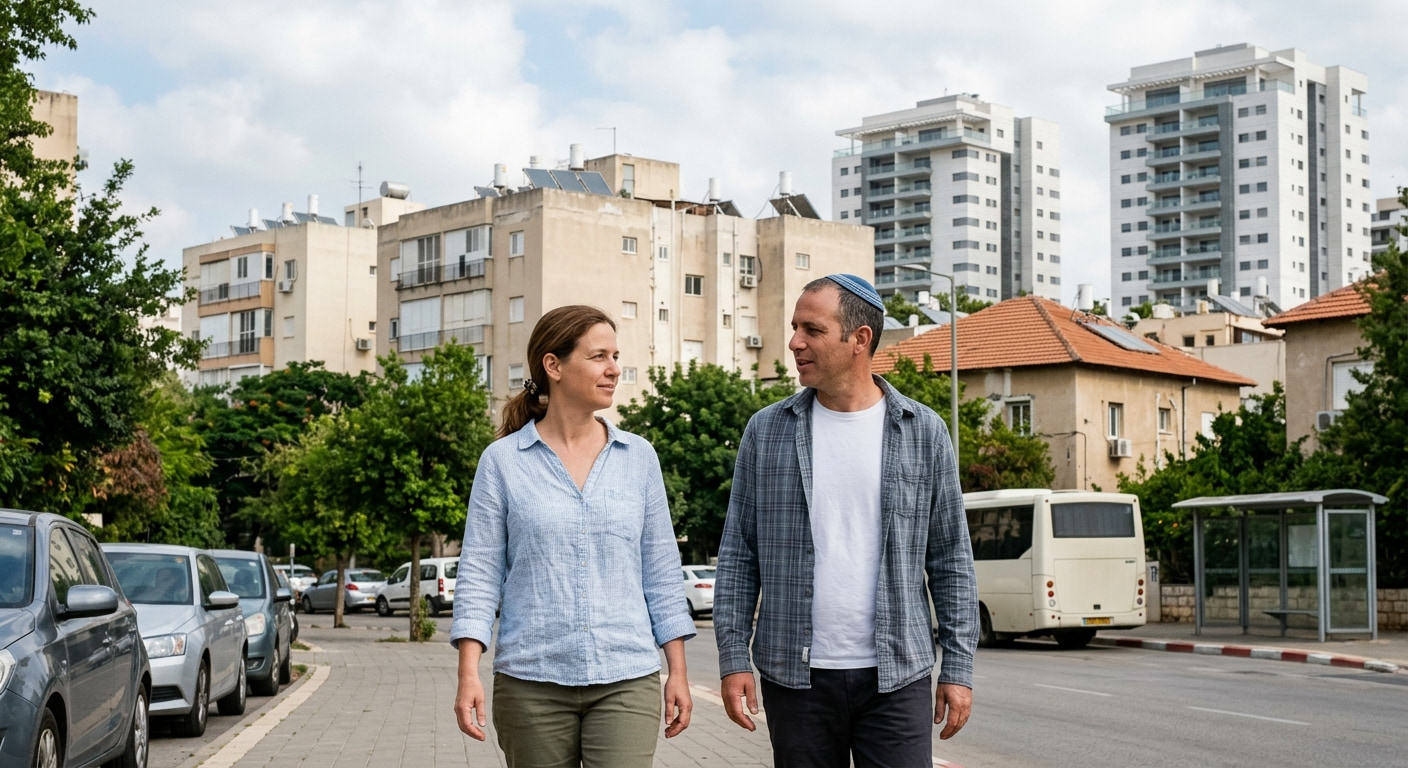
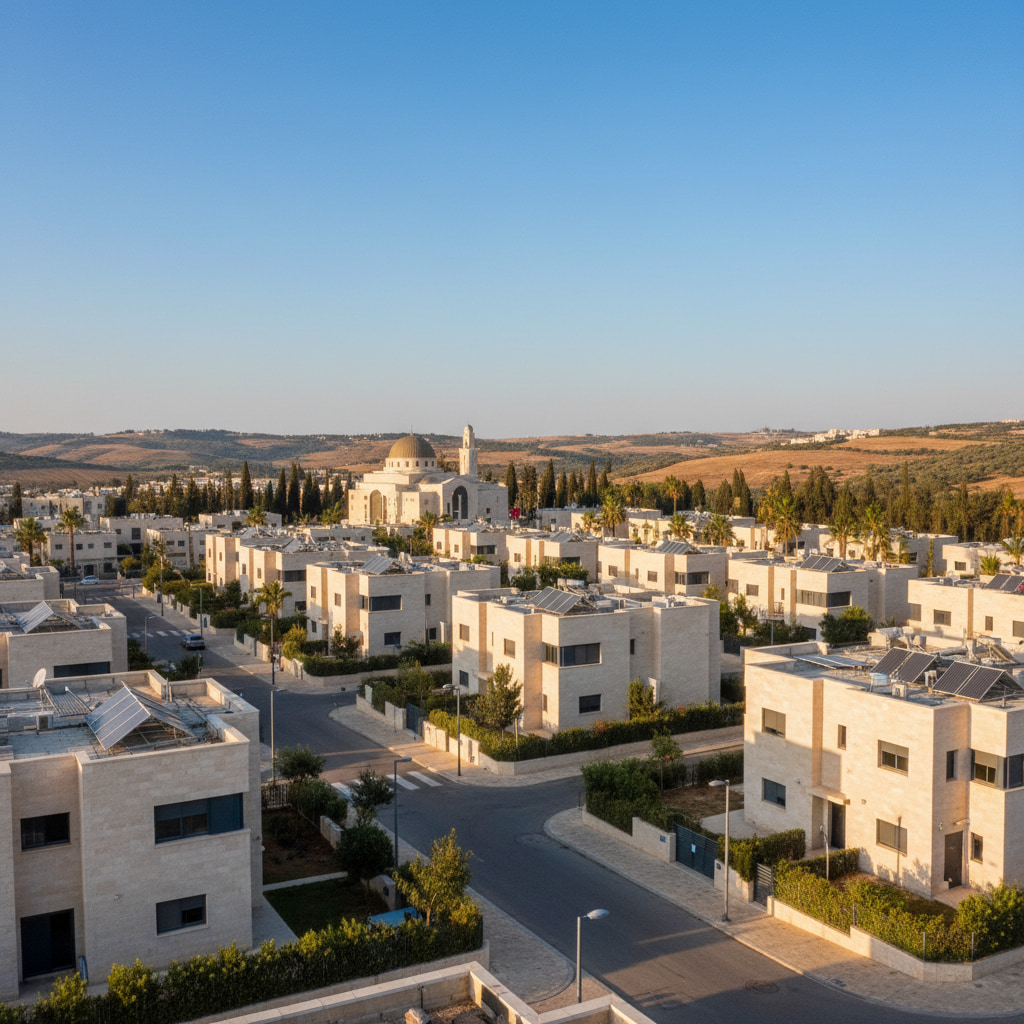
Petah Tikva's housing stock encompasses a range of properties, including modern apartments, luxury penthouses, and private homes. New developments often feature advanced construction standards, balconies, and underground parking.
The real estate market in Petah Tikva has experienced steady price appreciation due to high demand, limited land availability, and large-scale development projects.
NEIGHBORHOOD BREAKDOWN
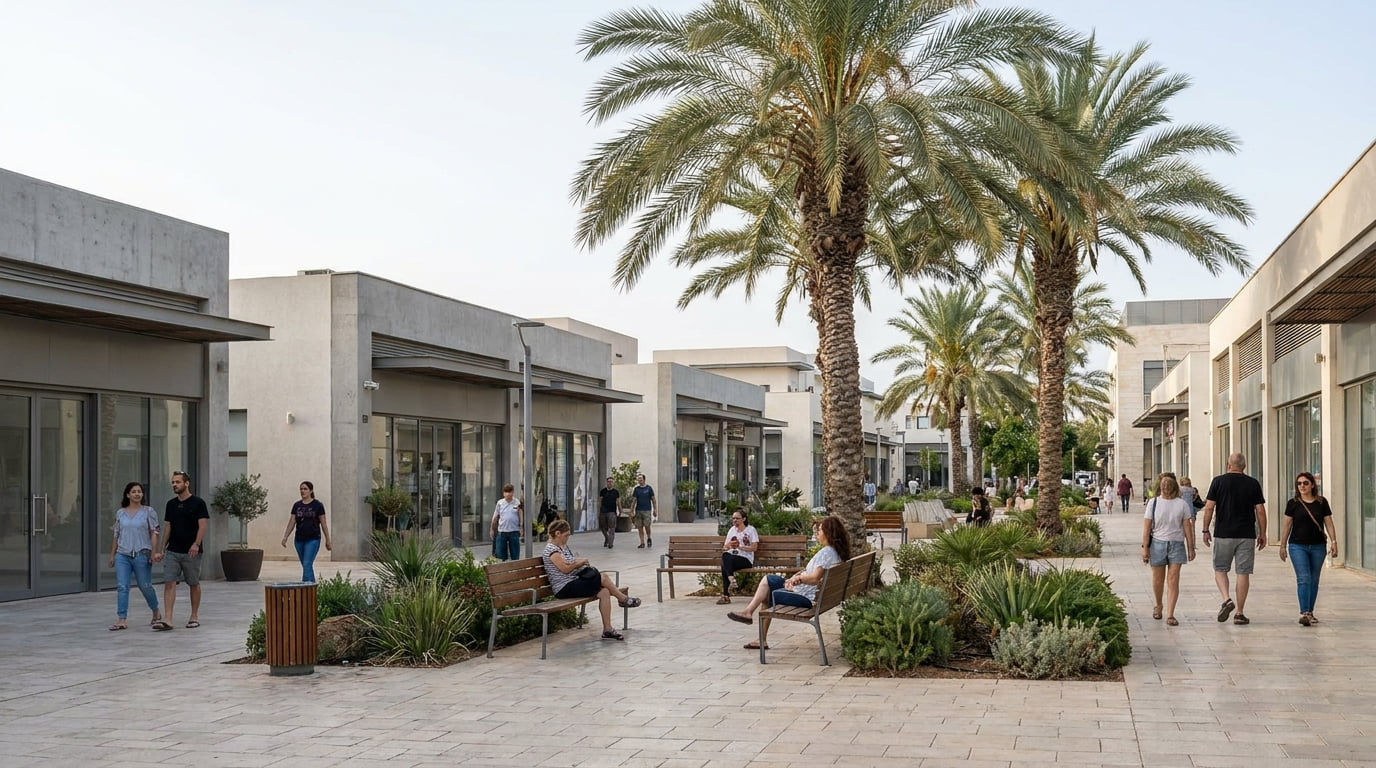
Petah Tikva is organized into distinct neighborhoods, each offering unique characteristics and amenities. The city center features boulevards with eateries, family-owned shops, and high-end malls.
- Kfar Ganim: A well-established neighborhood known for its family-friendly environment and proximity to parks and schools.
- Neve Oz: Characterized by private homes and cottages, offering a quiet residential setting with access to green spaces.
- Em HaMoshavot: A historic area blending traditional architecture with modern amenities, appealing to those seeking a blend of old and new.
- Hadar Ganim: A residential neighborhood with a range of apartment complexes and single-family homes, catering to families and professionals.
- City Center: The commercial hub of Petah Tikva, featuring shopping centers, restaurants, and cultural venues, providing a lively urban experience.
NEW CONSTRUCTION PROJECTS
Petah Tikva is experiencing significant development with several major projects underway. The 'Yarkon View' initiative aims to create an upscale neighborhood featuring commercial spaces, leisure facilities, parks, and enhanced transportation infrastructure, including connections to train and metro stations. The 'Adgar HUB' Tower, a 38-story office building in the Kiryat Aryeh business district, is set to become a landmark upon its expected completion in 2027. Additionally, the 'Oz Blend' project in the Neve-Oz neighborhood plans to offer a seven-building residential complex with various apartment types, catering to families and individuals seeking proximity to entertainment and commercial centers.
TRANSPORTATION & ACCESSIBILITY
Petah Tikva boasts a comprehensive transportation network facilitating connectivity within the city and to surrounding areas. The settlement is served by multiple bus companies, including Egged for intercity routes and Afikim for local lines. Major bus terminals, such as the central bus station and those near Rabin Medical Center and Beit Rivka, support efficient transit. Israel Railways operates suburban stations at Segula and Kiryat Aryeh, enhancing regional access. The city's strategic location is underscored by its proximity to major highways, including Highway 4 (Geha Highway) to the west, Highway 5 (Trans-Samaria Highway) to the north, and Highway 6 (Trans-Israel Highway) to the east, ensuring seamless travel to and from Tel Aviv and other key destinations.
WHY NEW IMMIGRANTS CHOOSE PETAH TIKVA
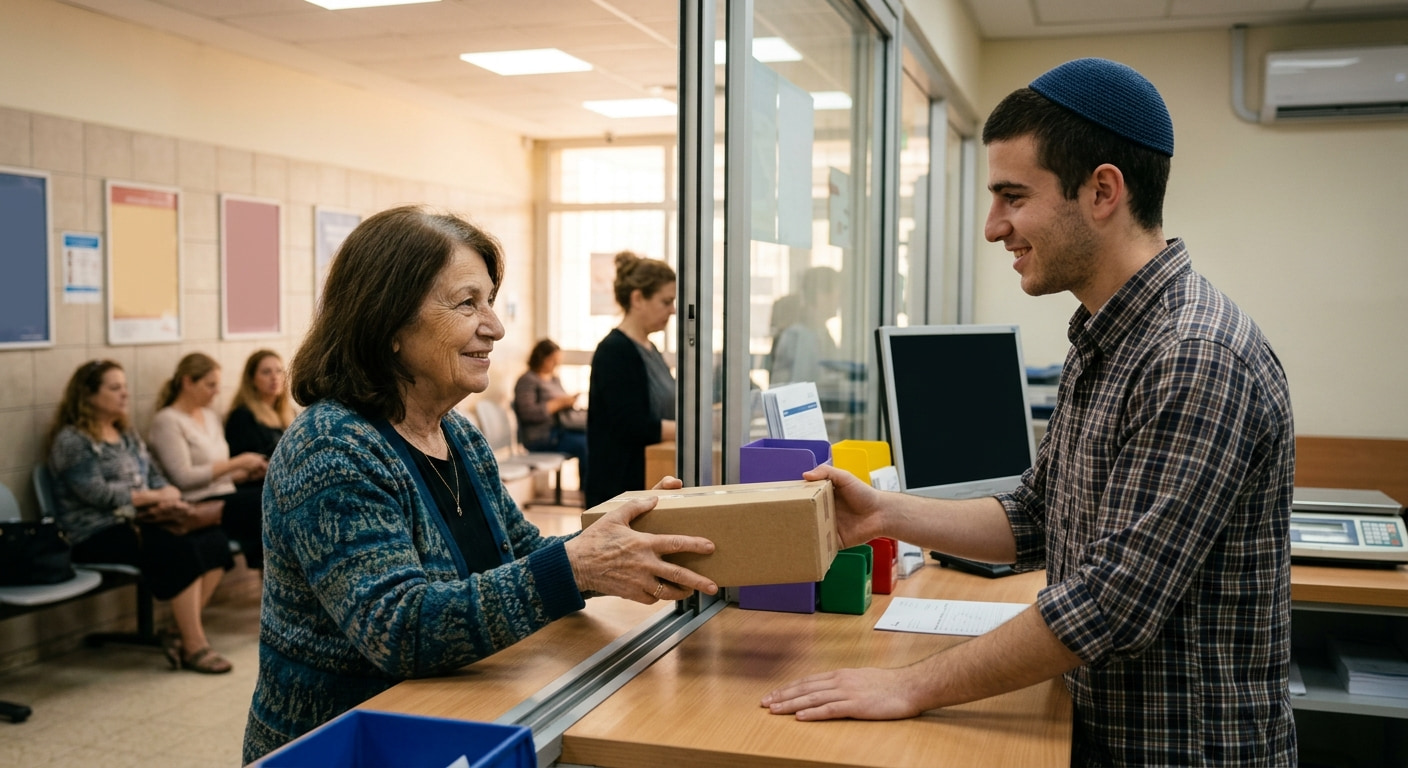
New immigrants, or olim, are drawn to Petah Tikva for several reasons. The city's proximity to Tel Aviv provides ample employment opportunities, especially in the high-tech and pharmaceutical sectors. Additionally, Petah Tikva offers a supportive community with resources tailored for newcomers, facilitating smoother integration. The cost of living is relatively moderate compared to other major cities, and the city's infrastructure supports a comfortable lifestyle.
- Proximity to Tel Aviv's job market
- Supportive community for newcomers
- Moderate cost of living
- Balanced urban-suburban lifestyle
- Established infrastructure and amenities