CITY HISTORY & DEVELOPMENT
Kfar Netter was established on June 26, 1939, by graduates of the Mikveh Israel agricultural school as part of the tower and stockade campaign. Named after Charles Netter, the founder of Mikveh Israel, the moshav initially focused on mixed farming, including citrus groves, vegetables, and poultry. Over time, it evolved into a community that blends agriculture with suburban residential living, benefiting from its proximity to Netanya and Tel Aviv.
DEMOGRAPHICS & FAMILY LIFESTYLE
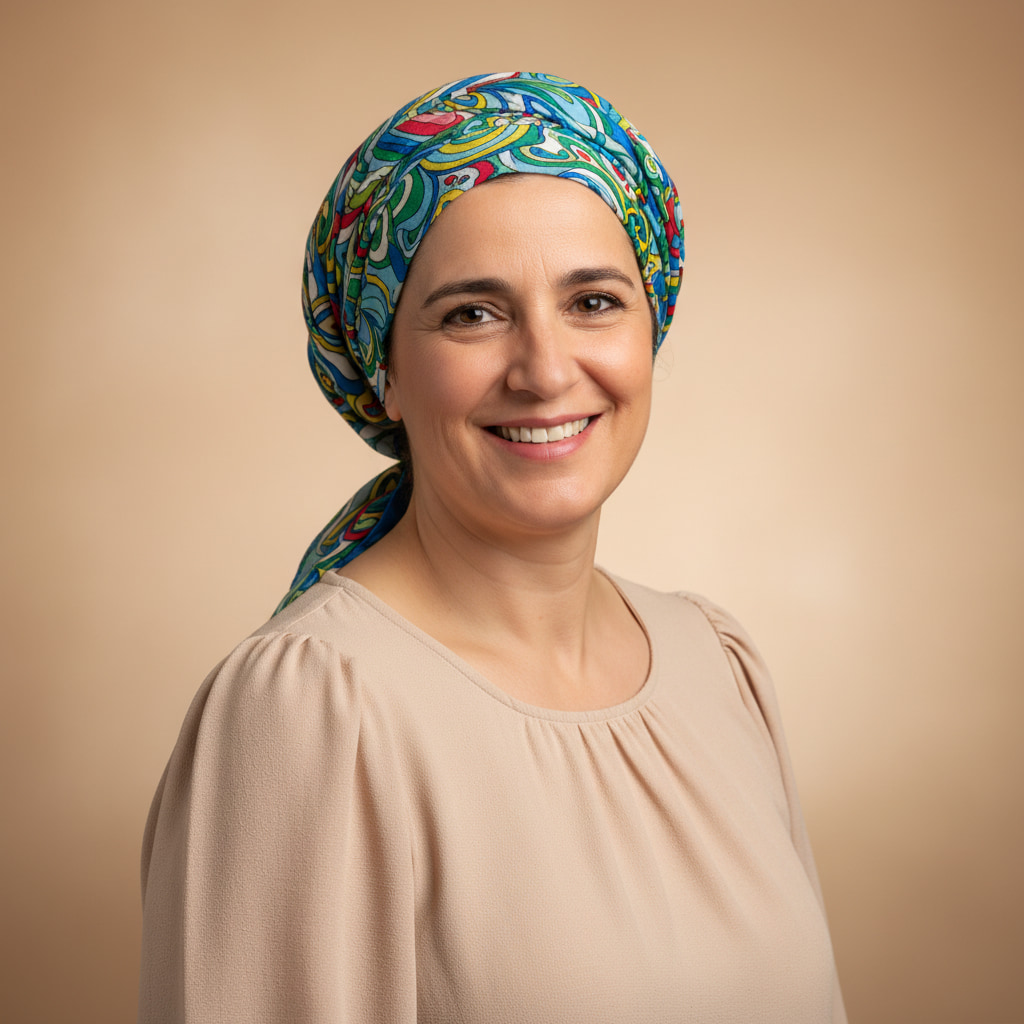
The moshav is home to approximately 1,151 residents. The community is predominantly secular, with a family-oriented lifestyle. The population includes a mix of age groups, with a significant proportion of children and working-age adults, fostering a community environment.
REAL ESTATE MARKET OVERVIEW
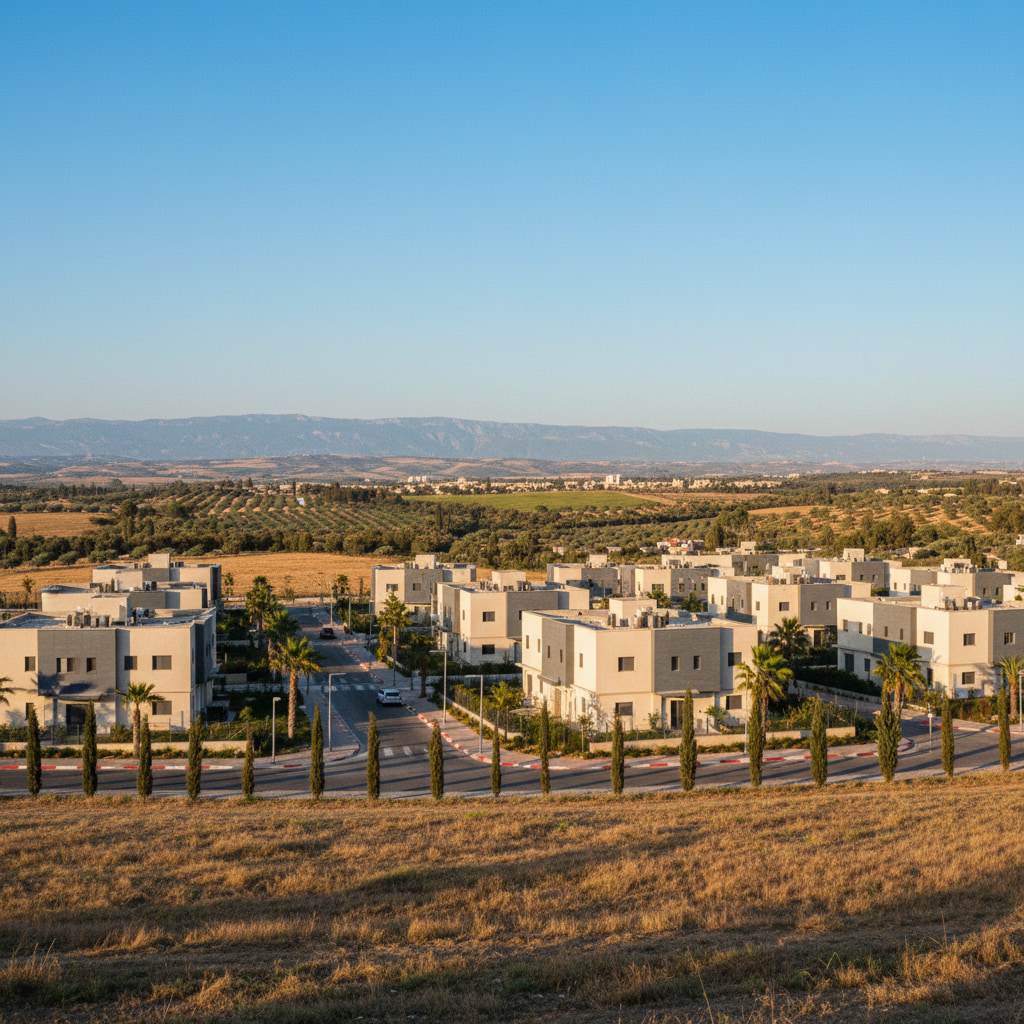
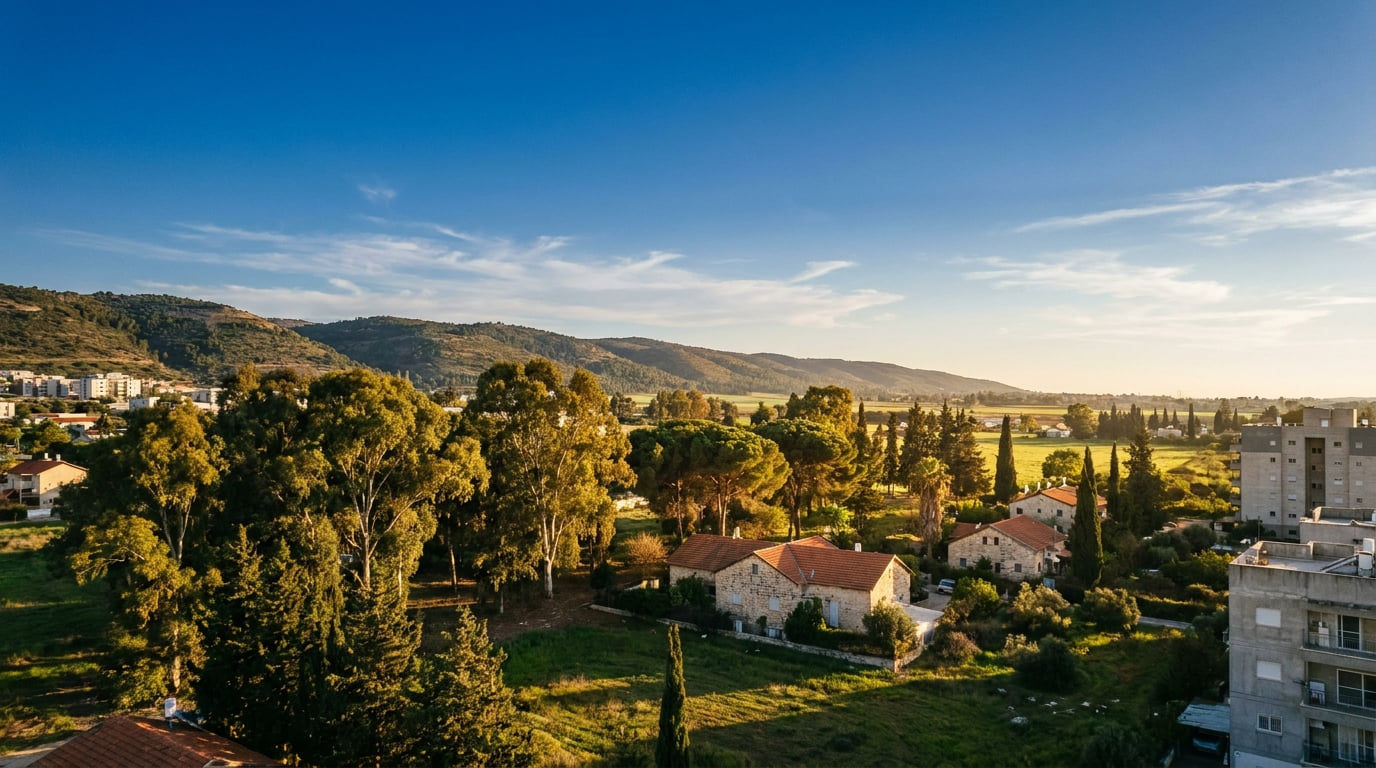
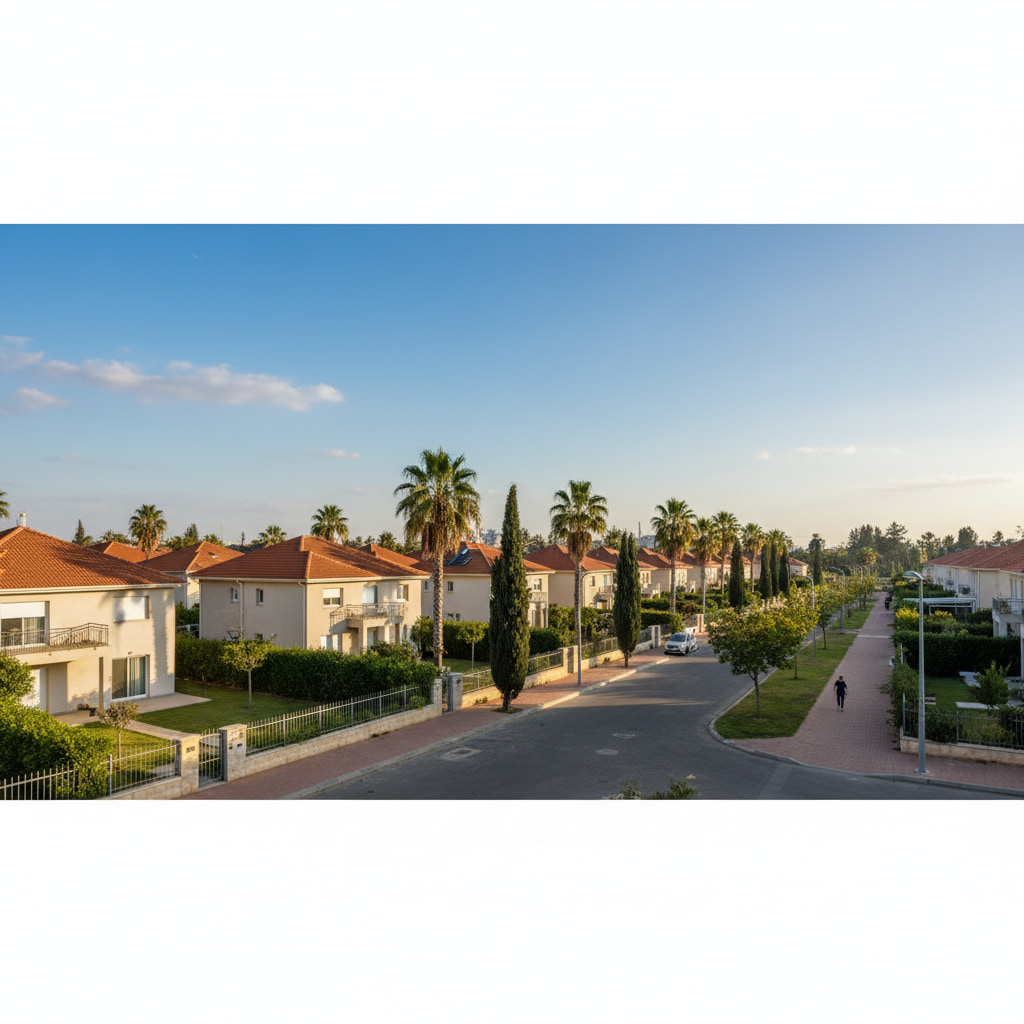
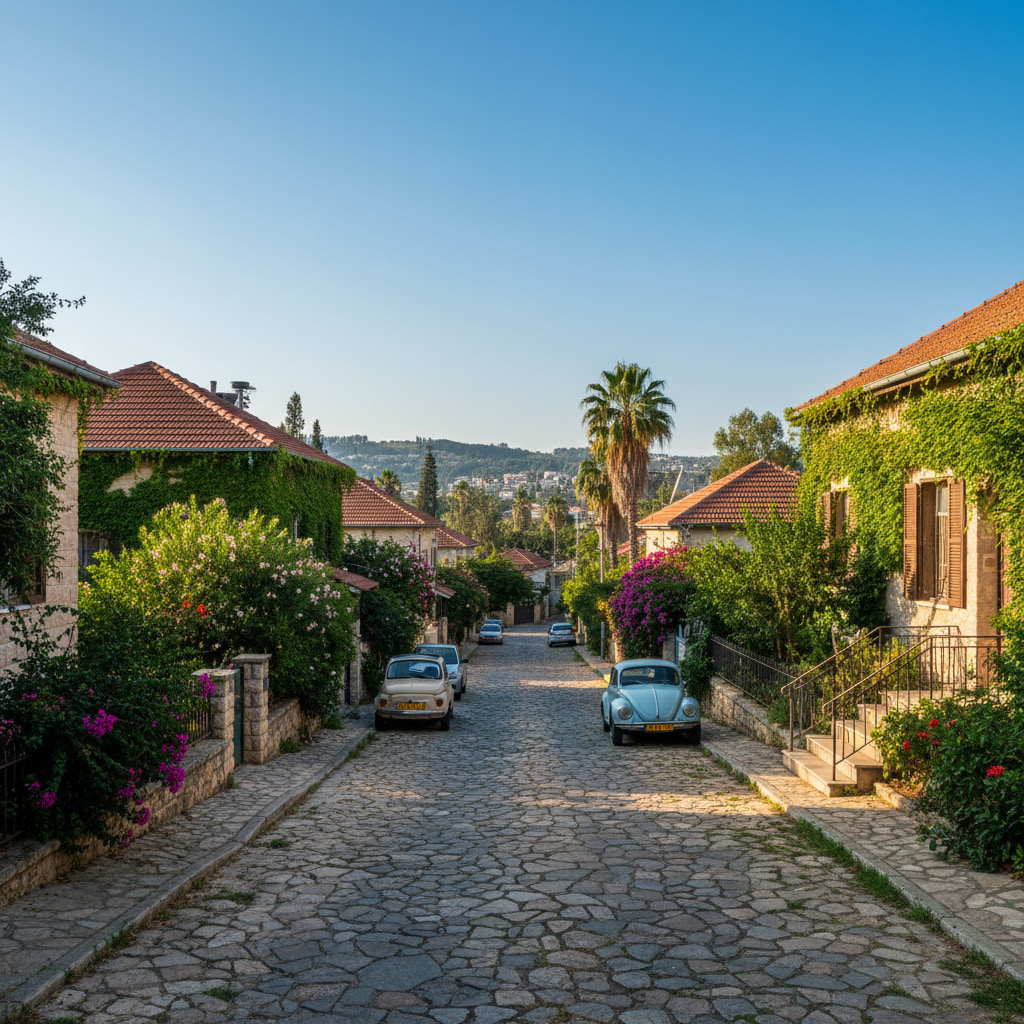
Kfar Netter's housing stock primarily consists of single-family homes situated on spacious plots, reflecting its origins as an agricultural moshav. The residences vary in architectural styles, with some homes dating back to the mid-20th century and others being more recent constructions. The generous lot sizes accommodate both residential living and potential agricultural use, maintaining the community's rural character.
The real estate market in Kfar Netter is influenced by its proximity to urban centers like Netanya and Tel Aviv, attracting buyers seeking a balance between rural tranquility and suburban convenience. The demand is driven by families and individuals looking for spacious living environments within reach of city amenities. Property prices in Kfar Netter are generally competitive, offering a more affordable alternative to the higher costs associated with properties in nearby urban areas. The market exhibits steady demand, contributing to a stable and liquid real estate environment.
NEIGHBORHOOD BREAKDOWN
Kfar Netter is a compact community without distinct sub-areas or neighborhoods. The moshav's layout is characterized by its agricultural plots and residential homes, fostering a close-knit community atmosphere. The absence of subdivided neighborhoods contributes to a unified and living environment.
NEW CONSTRUCTION PROJECTS
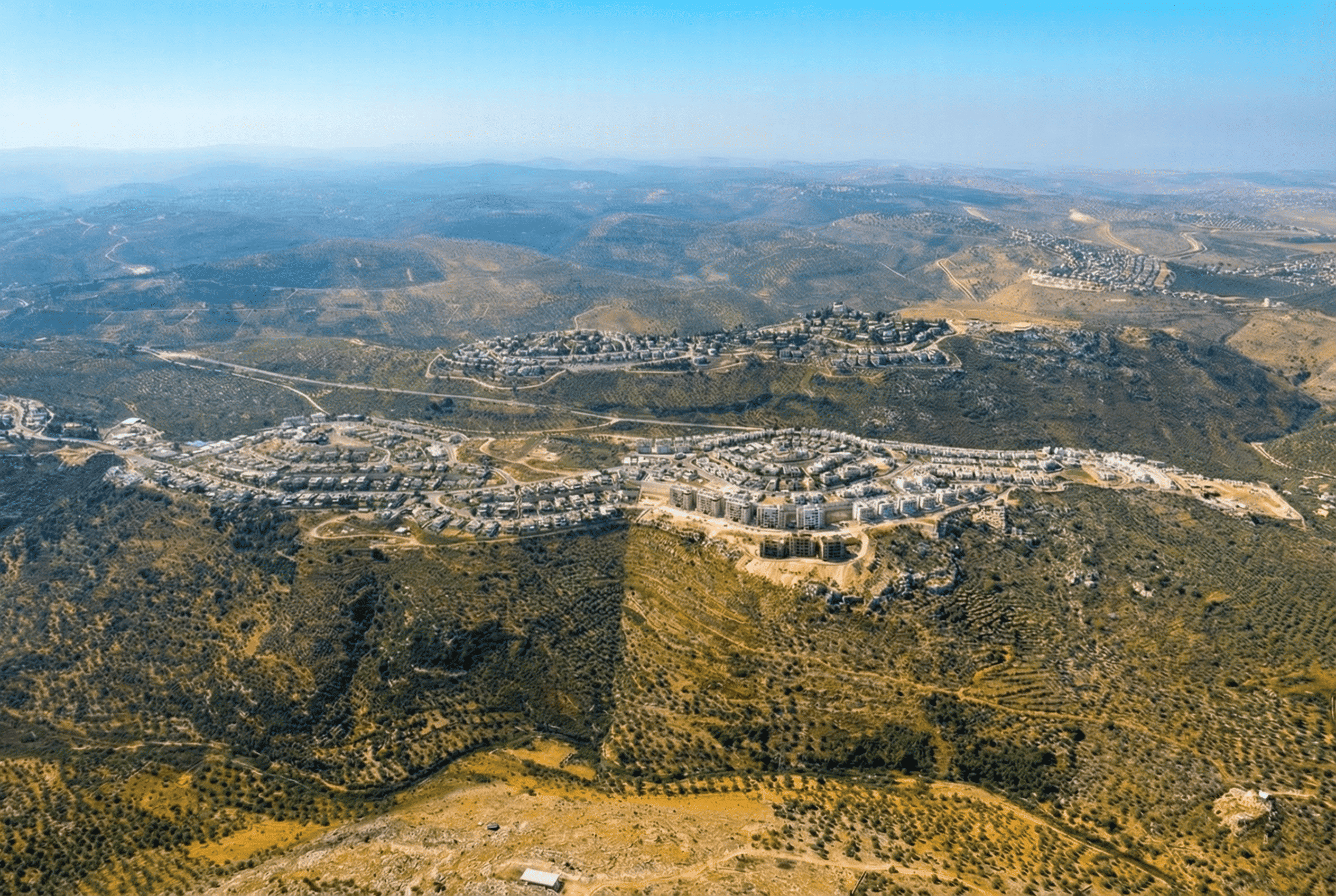
Kfar Netter has experienced significant residential development, with the addition of 82 private housing plots in 2001. The moshav continues to evolve, blending its agricultural heritage with suburban living, attracting families seeking spacious homes and a community-oriented environment. This development reflects a broader trend among moshavim in central Israel, where agricultural communities are diversifying to accommodate residential growth.
TRANSPORTATION & ACCESSIBILITY
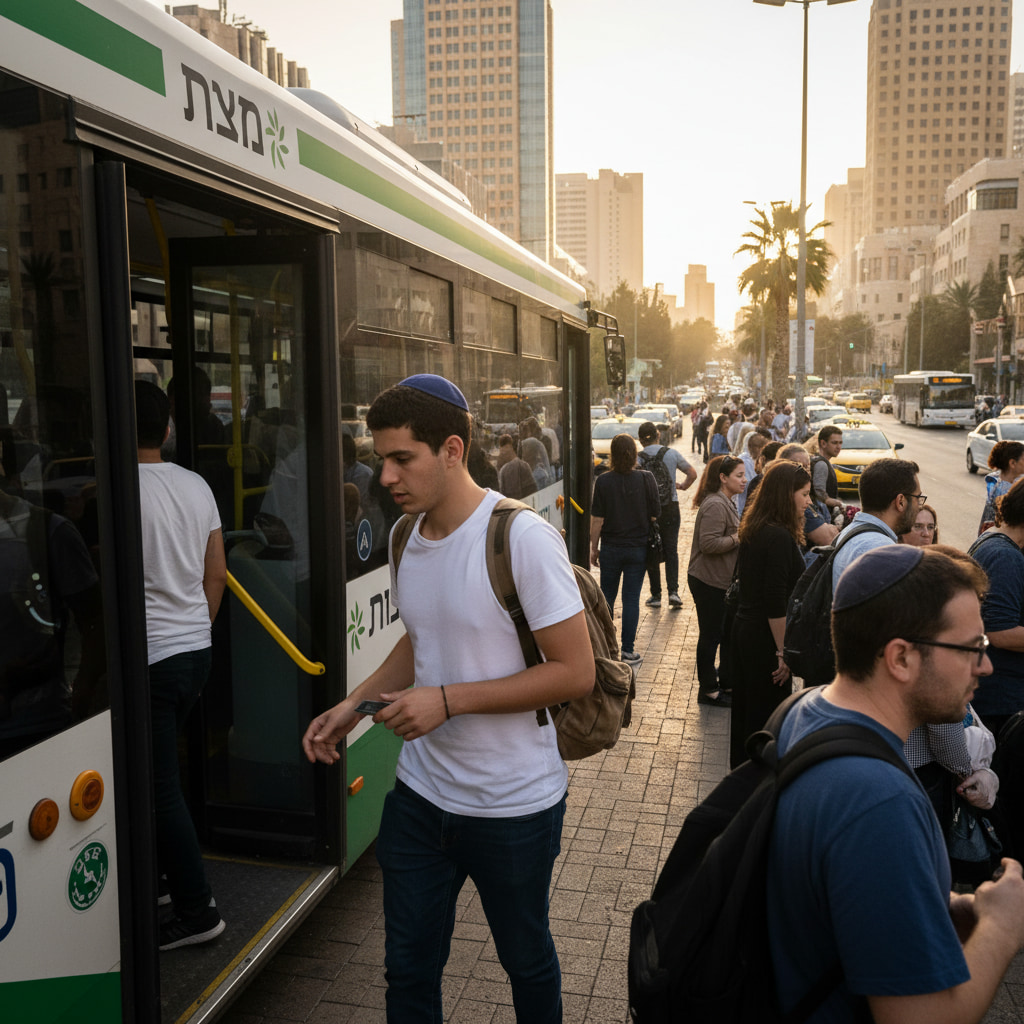
Kfar Netter benefits from its proximity to major transportation routes, including Highway 4 and Highway 2, facilitating easy access to central Israel. The nearby Beit Yehoshua railway station connects residents to the Tel Aviv–Haifa coastal line, enhancing commuting options. Additionally, several bus lines serve the moshav, providing public transportation to Netanya and other nearby areas. This connectivity supports residents who commute to urban centers for work and leisure.
WHY NEW IMMIGRANTS CHOOSE KFAR NETTER
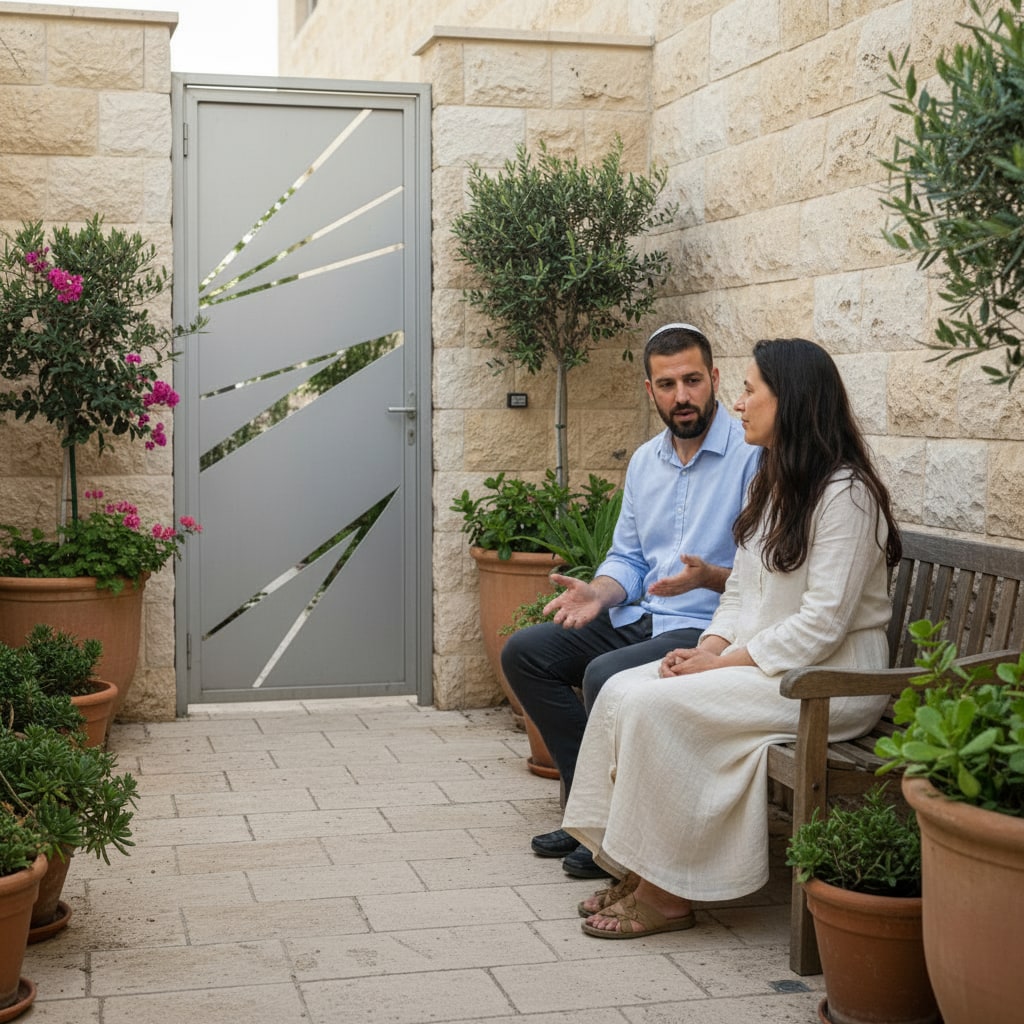
New immigrants are drawn to Kfar Netter for its combination of rural charm and suburban convenience. The moshav offers spacious residential plots, a strong sense of community, and easy access to urban centers like Netanya and Tel Aviv. Its secular nature and family-friendly atmosphere make it appealing to those seeking a balanced lifestyle in Israel.
- Spacious residential plots with agricultural potential
- Proximity to Netanya and Tel Aviv
- Strong community ties and family-friendly environment
- Secular lifestyle accommodating backgrounds
- Access to quality education and recreational facilities