CITY HISTORY & DEVELOPMENT
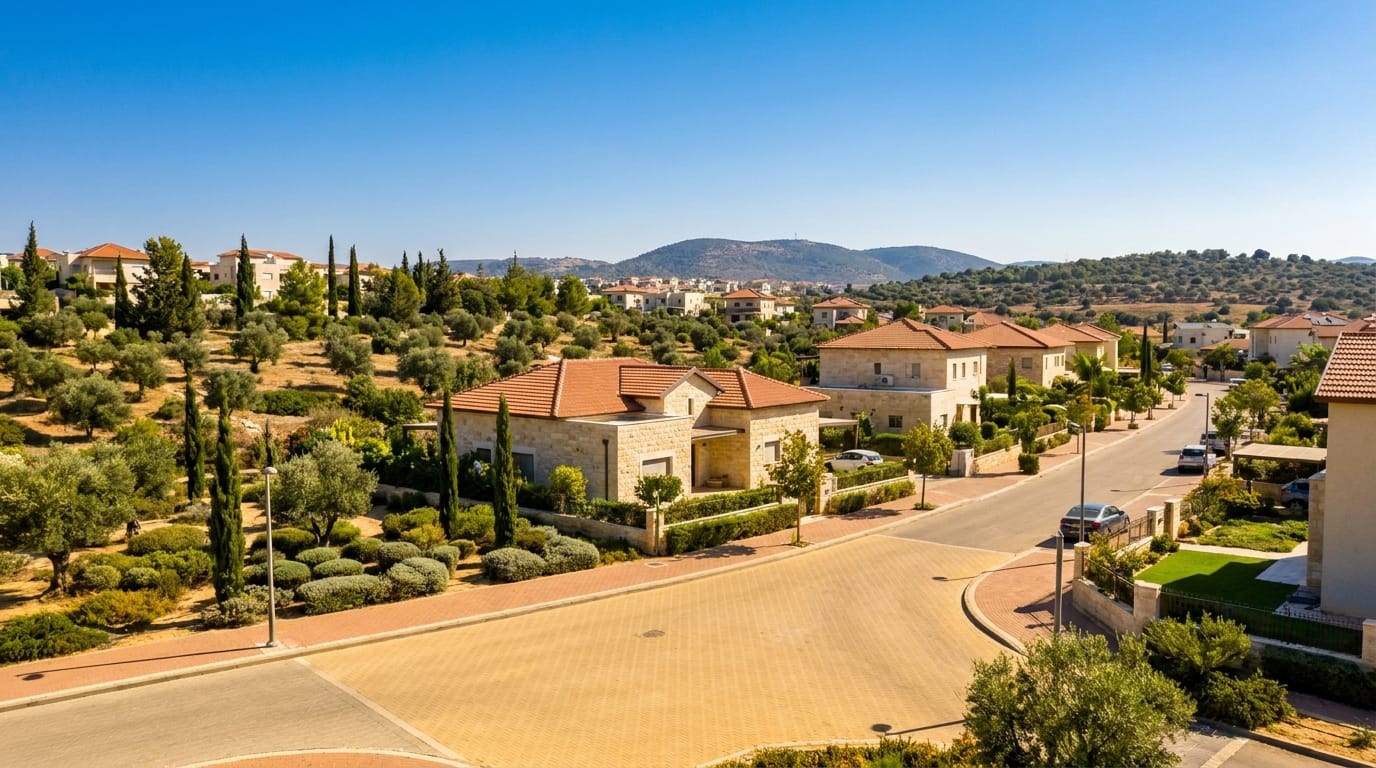
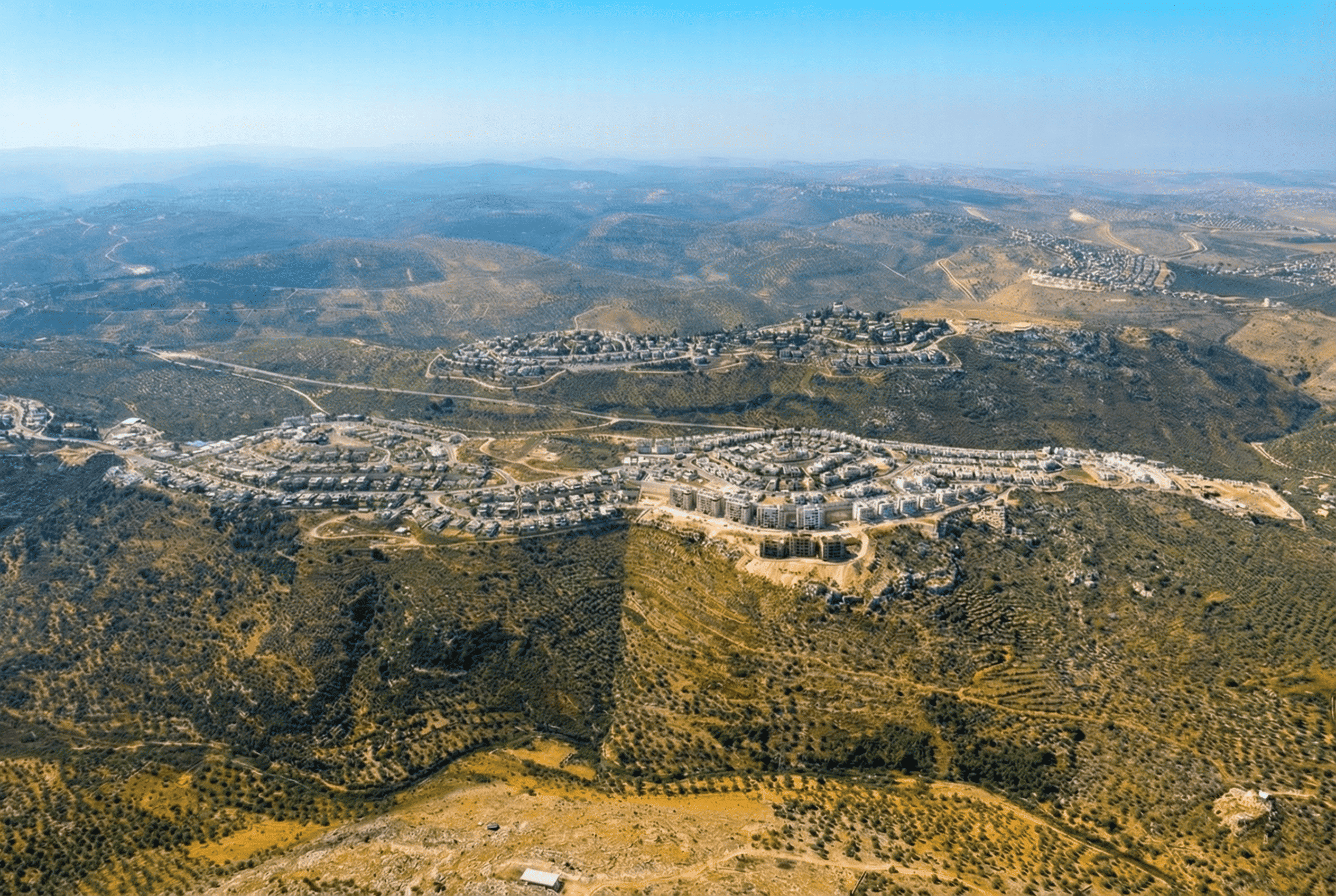
Shoham was established in 1993 as a planned community situated between Tel Aviv and Jerusalem, near Ben Gurion Airport. Initially designed to accommodate residents from surrounding moshavim lacking agricultural land rights, it evolved into a city integrated with the local landscape, encompassing approximately 6,000 dunams (600 hectares). The town began with 80 families in 1994 and has since grown rapidly, now housing around 21,000 residents.
DEMOGRAPHICS & FAMILY LIFESTYLE
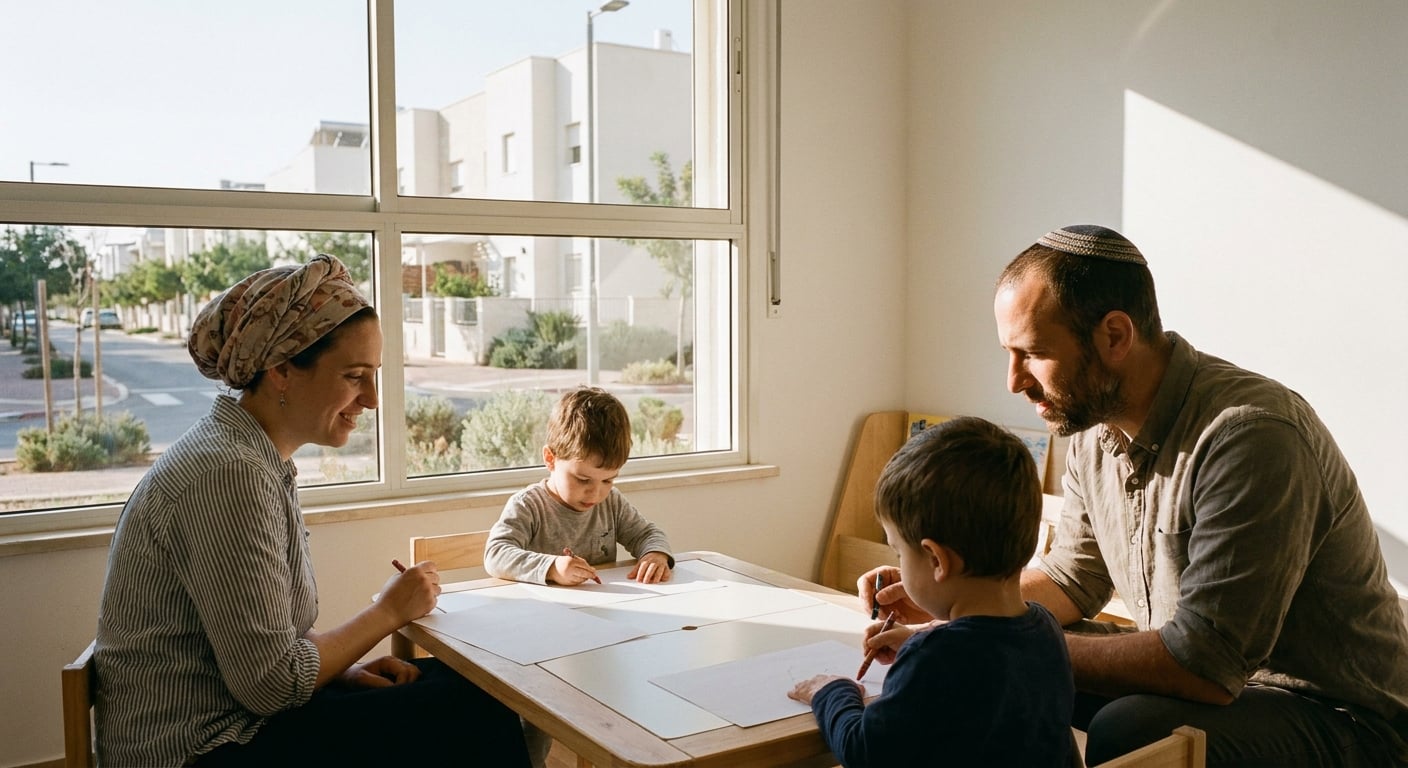
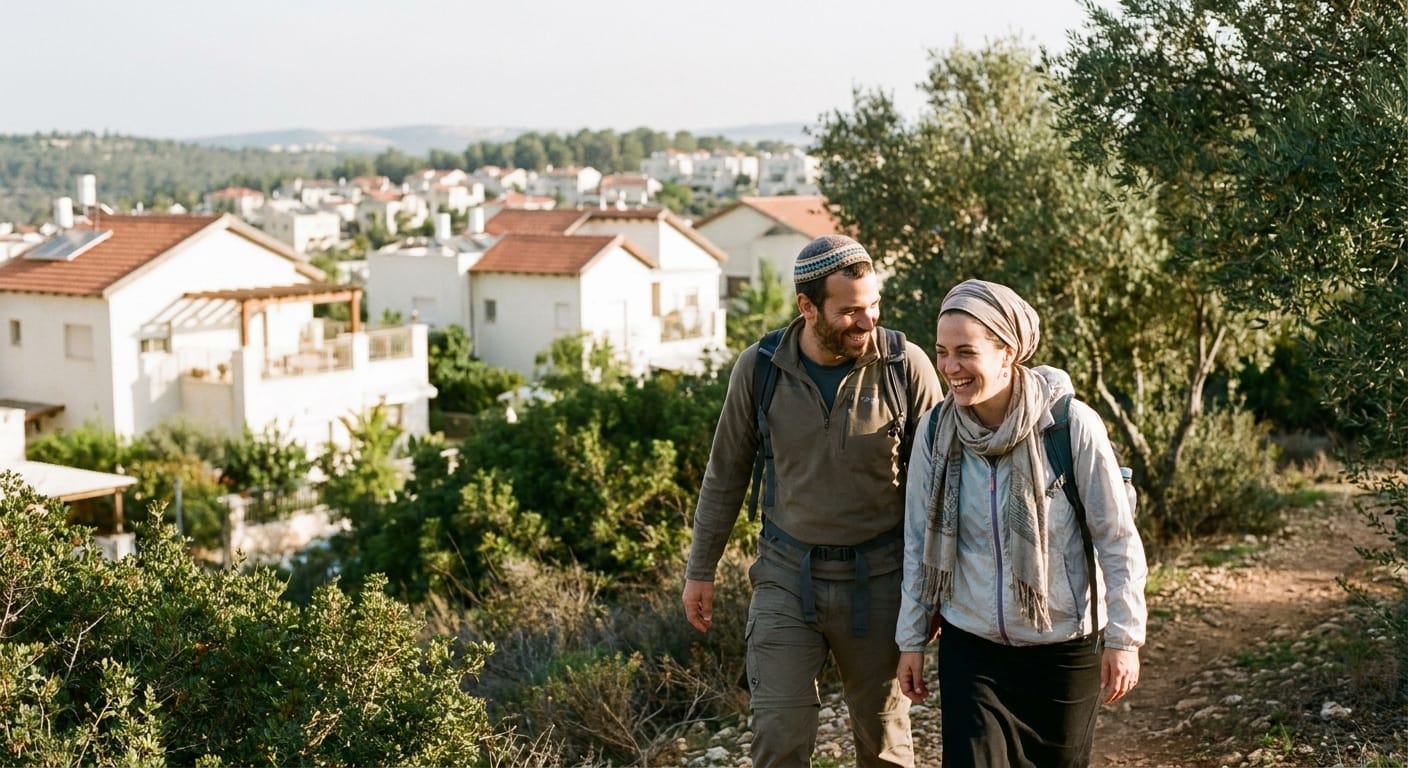
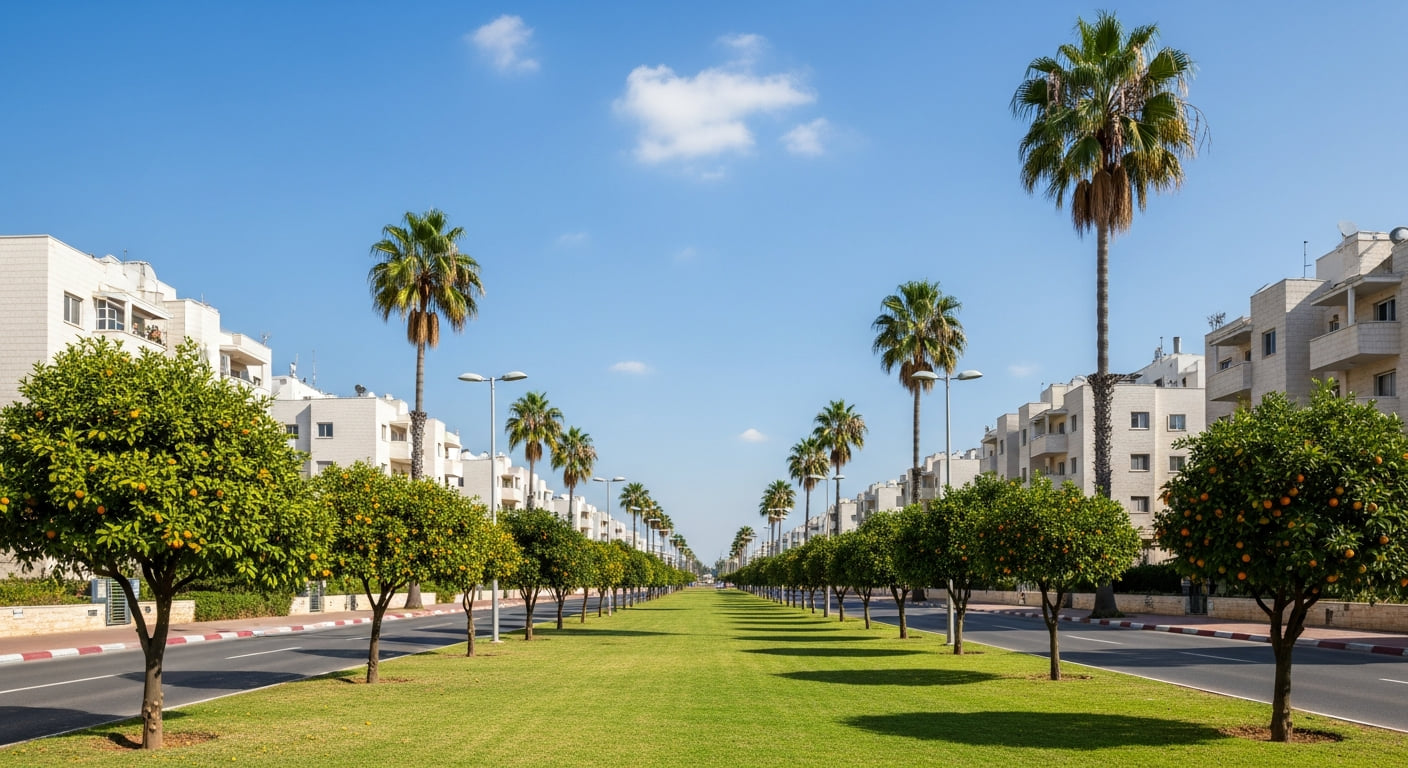
The population of Shoham is predominantly secular, with a harmonious blend of secular and religious residents. The community is characterized by a young, educated, and affluent demographic, with over 50% of residents being children and young adults up to 19 years old. The town offers a high quality of life, featuring extensive green spaces, parks, and a variety of cultural and educational institutions.
REAL ESTATE MARKET OVERVIEW
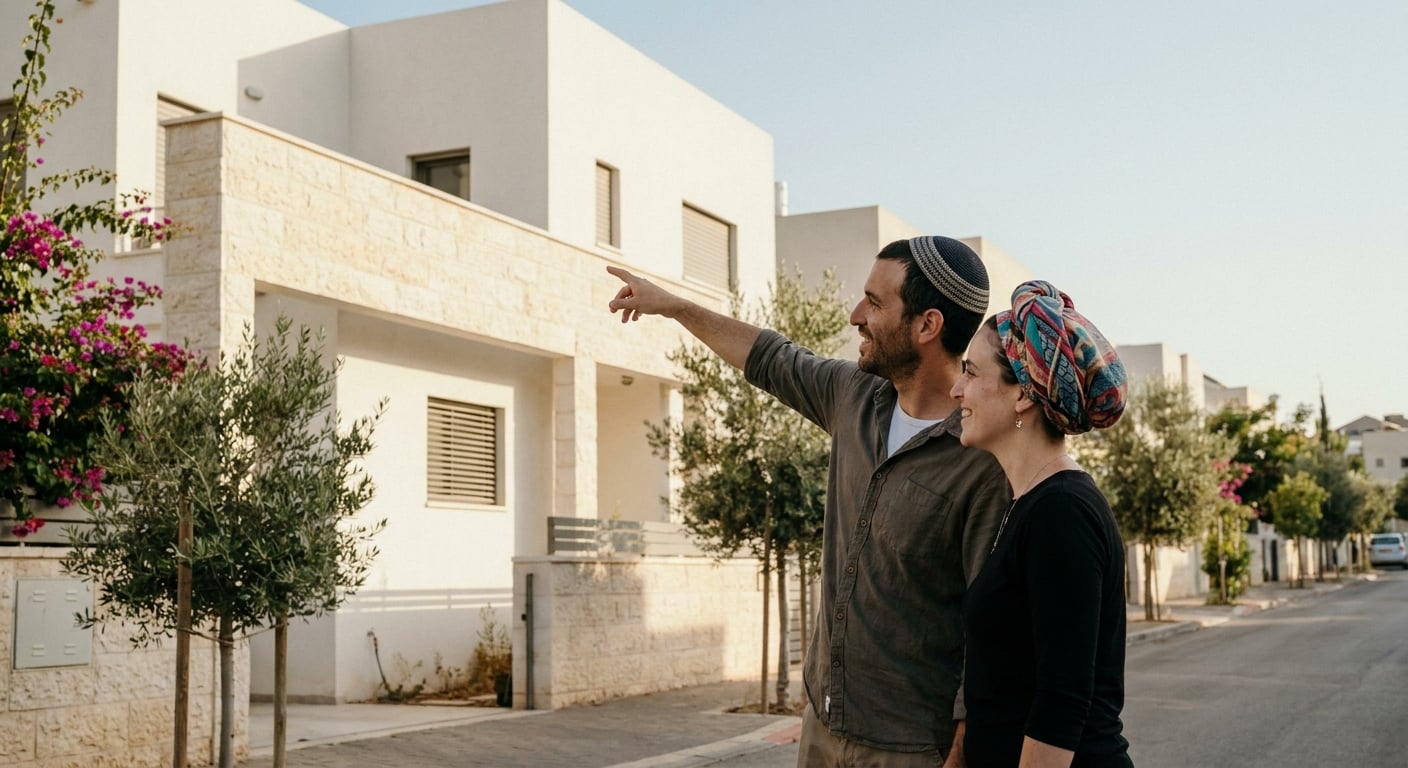
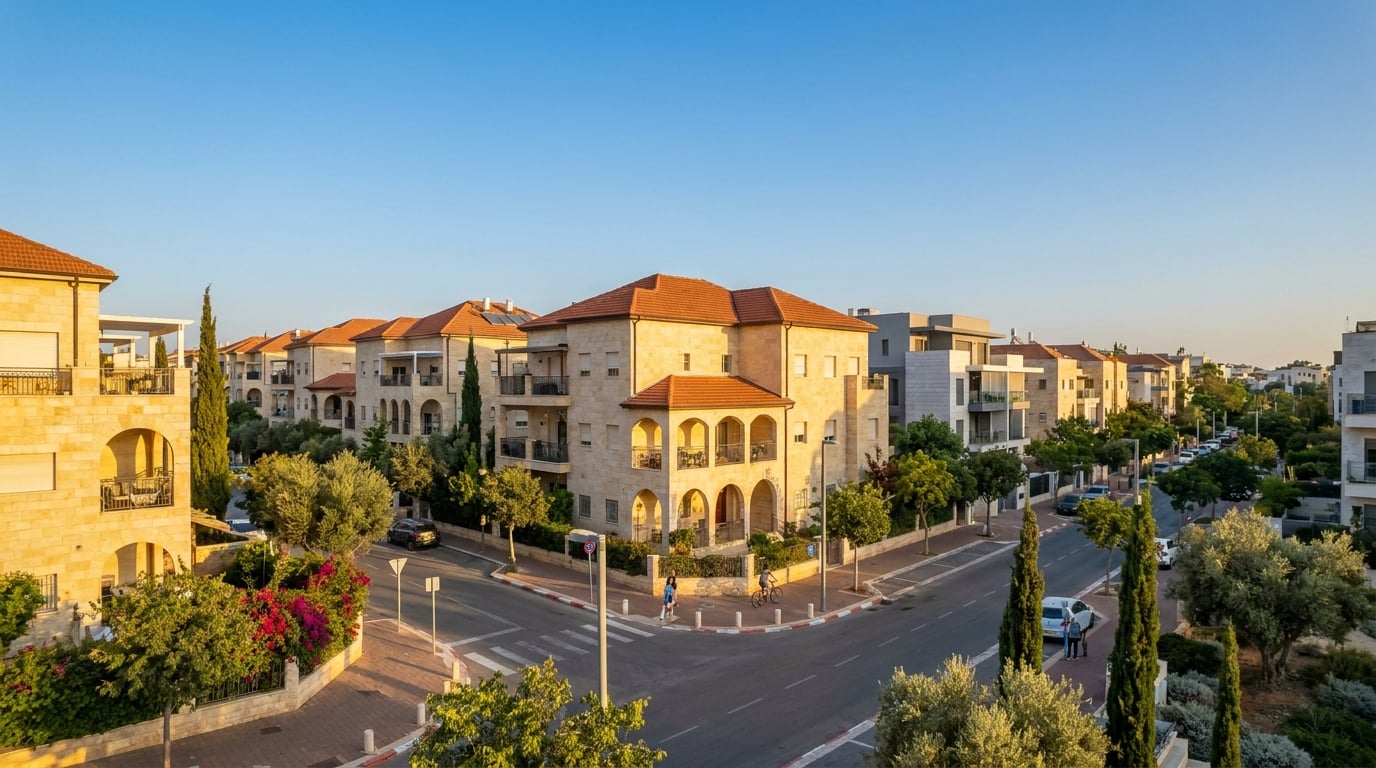
Shoham's housing stock primarily consists of modern residential units, including apartments and private homes, developed since its establishment in the 1990s. The city features a mix of low-rise buildings, typically ranging from three to six stories, and single-family homes. Recent developments, such as the Hadarim neighborhood, have introduced additional housing options, including duplexes and garden apartments, designed to integrate seamlessly with the city's green spaces.
The real estate market in Shoham is characterized by steady demand, driven by its strategic location between Tel Aviv and Jerusalem, and its proximity to Ben Gurion Airport. The city attracts families and professionals seeking a suburban lifestyle with convenient access to major urban centers. Property prices in Shoham are competitive for central Israel, offering more affordable options compared to nearby metropolitan areas. The market exhibits moderate liquidity, with properties typically selling within a reasonable timeframe.
NEIGHBORHOOD BREAKDOWN
The layout emphasizes connectivity and accessibility, with residential areas interspersed with parks and communal facilities. This design fosters a sense of community while maintaining the city's suburban character.
- Hadarim: A newly developed neighborhood featuring a mix of housing types, including duplexes and garden apartments, centered around green spaces and an ecological lake.
- Alonim: Known for its quiet residential streets and proximity to local amenities, offering a range of housing options suitable for families.
- Yaelim: Characterized by its modern apartment complexes and well-maintained public areas, appealing to young professionals and families alike.
- Rakafot: A neighborhood with a variety of housing styles, including single-family homes and apartments, set amidst landscaped surroundings.
- Givolim: Offers a blend of residential units with easy access to parks and recreational facilities, fostering a family-friendly environment.
NEW CONSTRUCTION PROJECTS
Shoham continues to experience growth, with ongoing residential and commercial development projects enhancing the city's infrastructure. These initiatives aim to accommodate the increasing population and improve the quality of life for residents by expanding housing options and community facilities.
TRANSPORTATION & ACCESSIBILITY
The city benefits from its strategic location near major transportation routes, facilitating convenient access to Tel Aviv and other regional hubs. Public transportation services connect Shoham to surrounding areas, supporting efficient commuting for residents and visitors alike.
WHY NEW IMMIGRANTS CHOOSE SHOHAM
New immigrants are drawn to Shoham for its strategic location, providing easy access to major cities like Tel Aviv and Jerusalem, as well as proximity to Ben Gurion Airport. The town's emphasis on education, community engagement, and environmental sustainability appeals to families seeking a supportive and enriching environment. Additionally, Shoham's commitment to integrating new residents fosters a welcoming atmosphere for olim.
- Proximity to Tel Aviv and Jerusalem
- High-quality educational institutions
- Strong community engagement
- Emphasis on environmental sustainability
- Welcoming atmosphere for new immigrants