CITY HISTORY & DEVELOPMENT
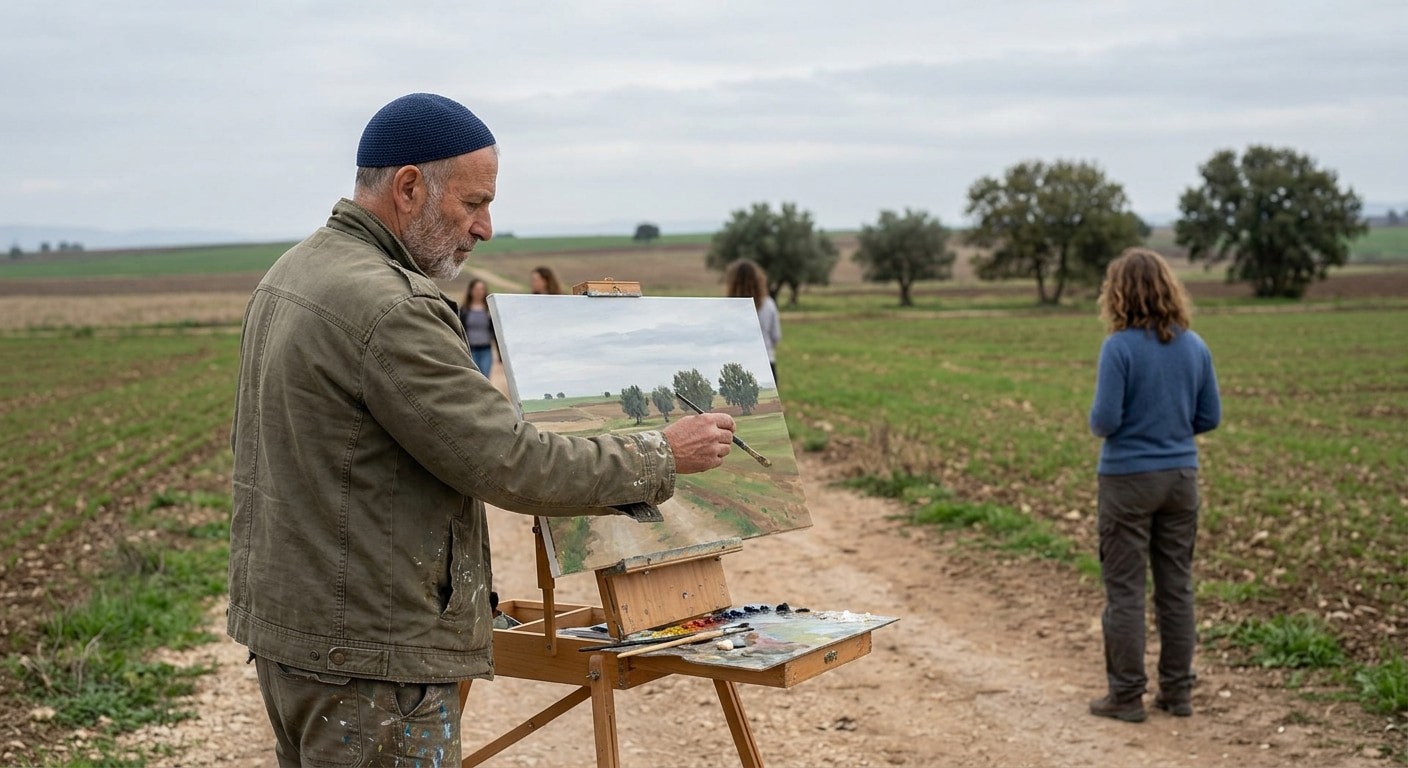
Tzur Moshe was established on 13 September 1937 by 20 Jewish immigrants from Kastoria, Greece, as part of the Tower and Stockade settlement program. The land was purchased in 1936 from the Hannun family of Tulkarm. The moshav was named in honor of Moshe Kofinas, a Greek parliamentarian and president of the Greek branch of the National Zionist Organisation, who had contributed to the land acquisition. Over time, the community expanded, incorporating additional residents and developing its agricultural base.
DEMOGRAPHICS & FAMILY LIFESTYLE
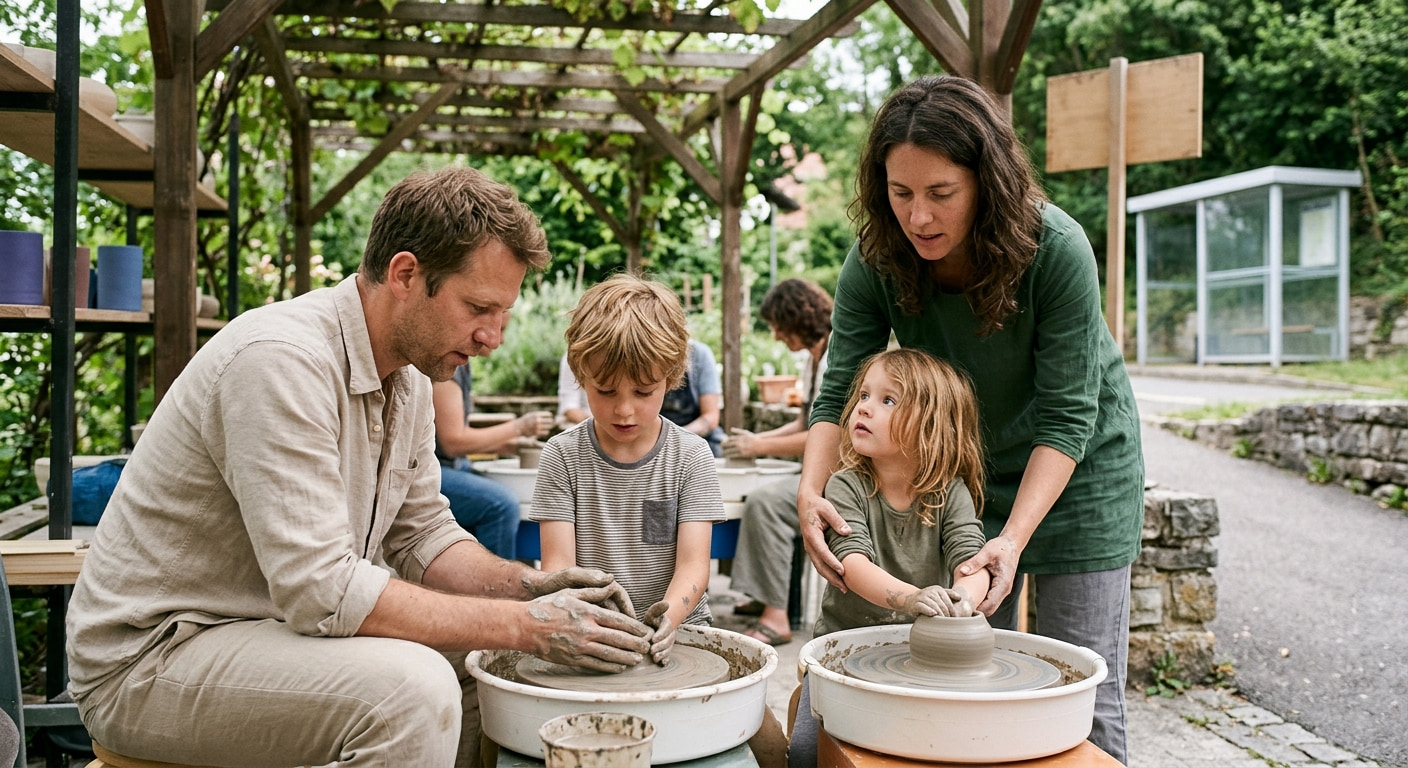
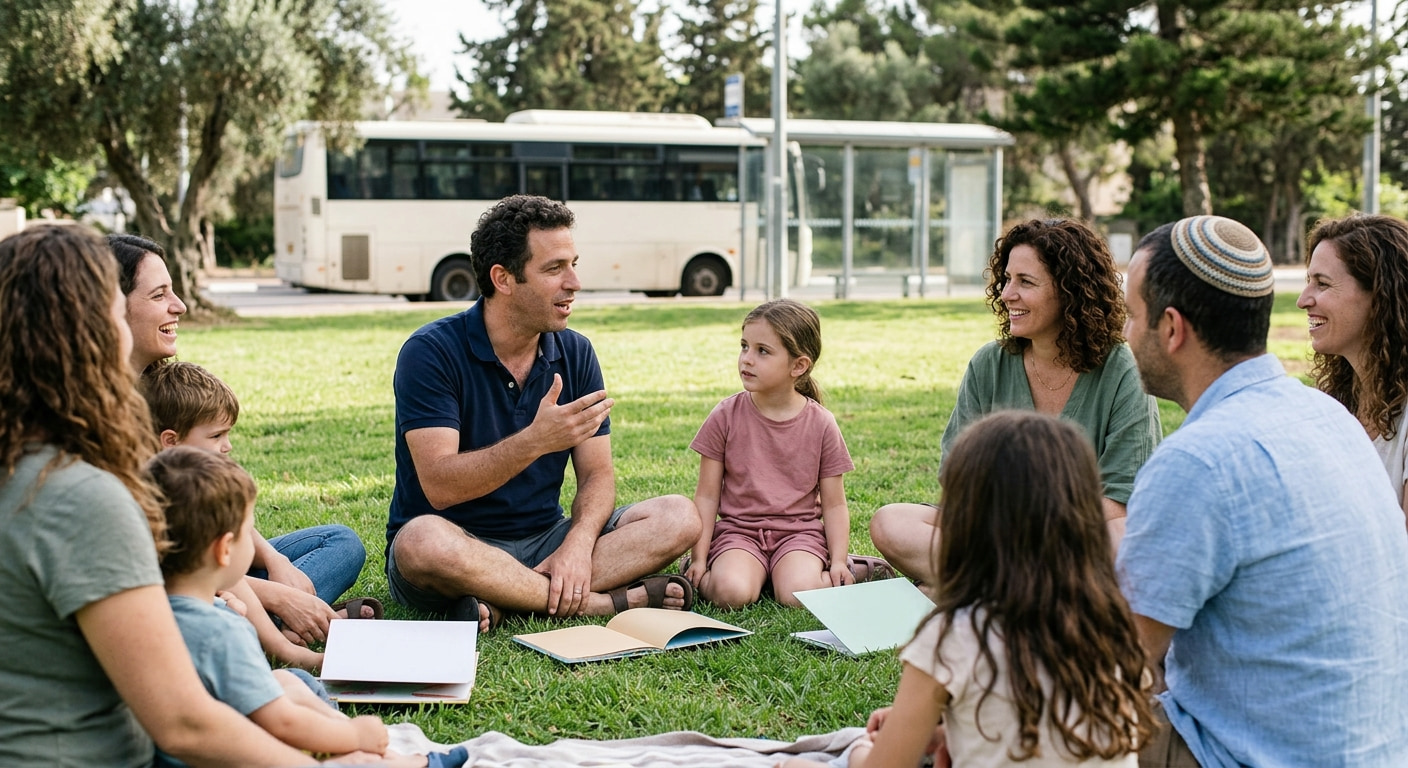
Tzur Moshe had a population of approximately 4,000 residents. The community is characterized by a mix of secular and religious families, with a significant proportion of children and young adults. The moshav offers a range of educational and cultural activities, including kindergartens, a primary school, a library, and various youth movements, fostering a family-friendly environment.
REAL ESTATE MARKET OVERVIEW
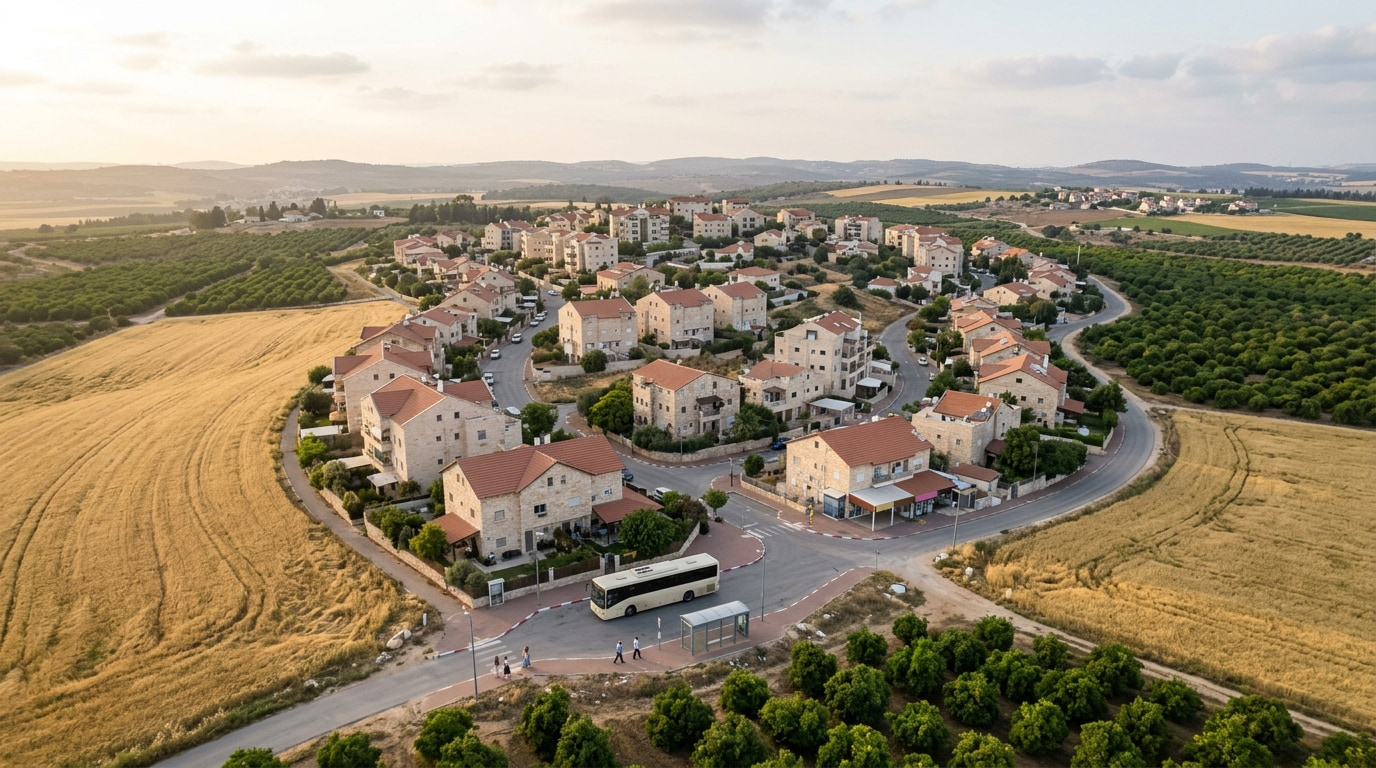
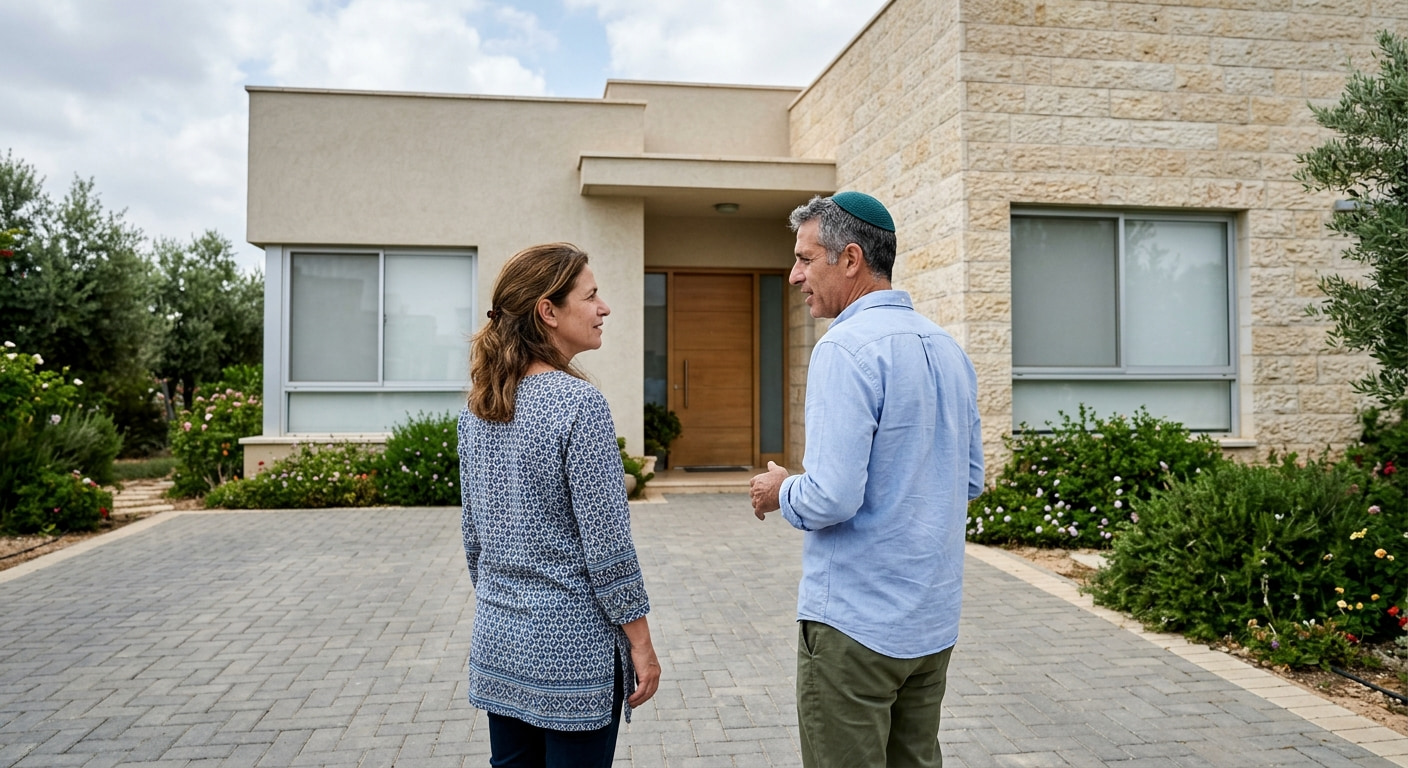
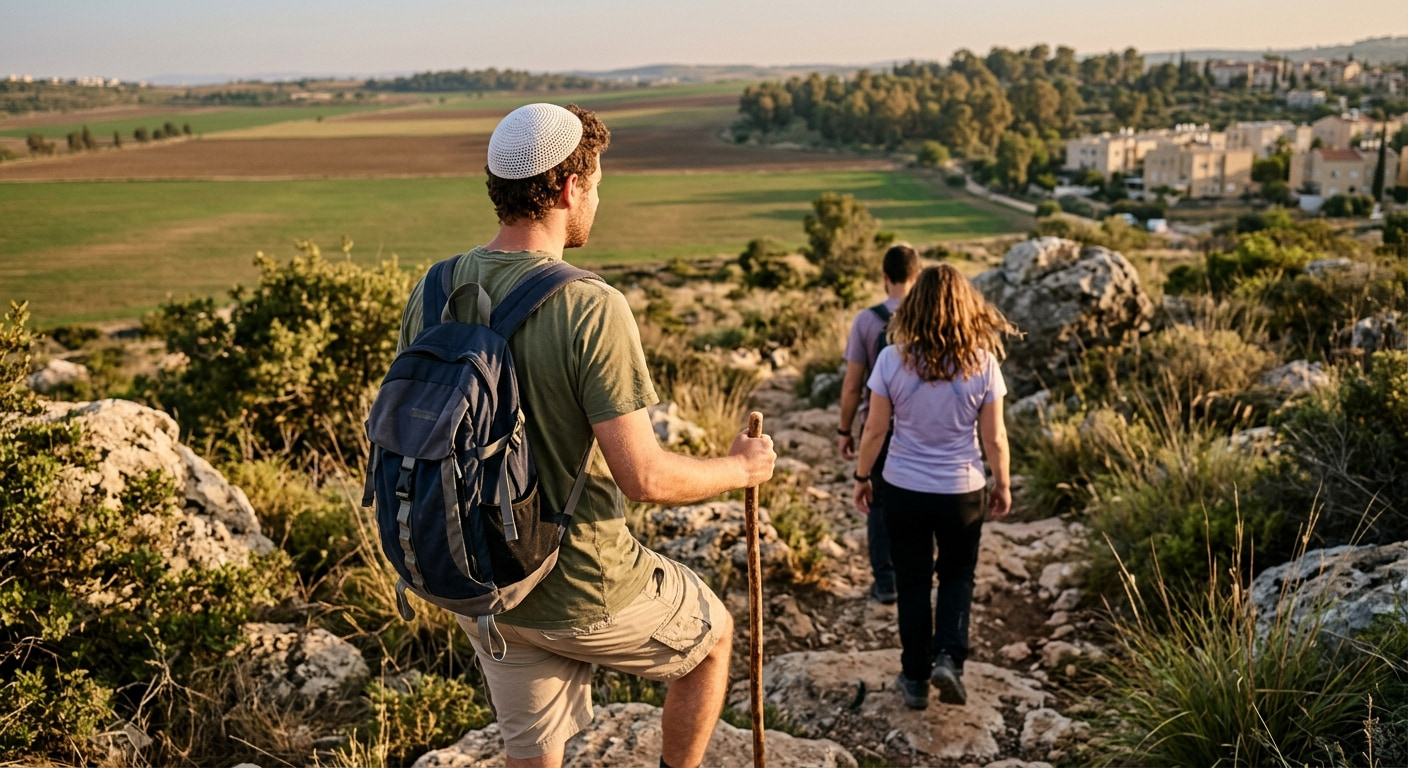
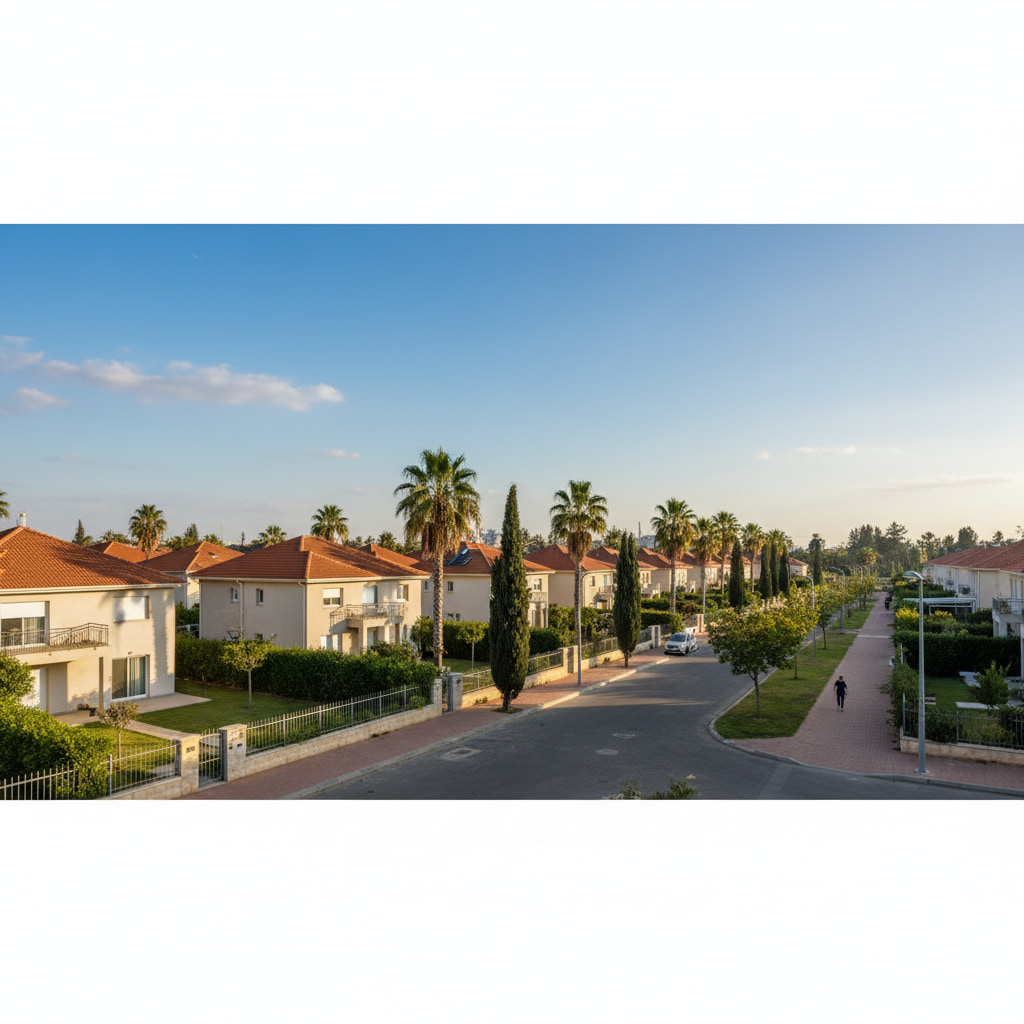
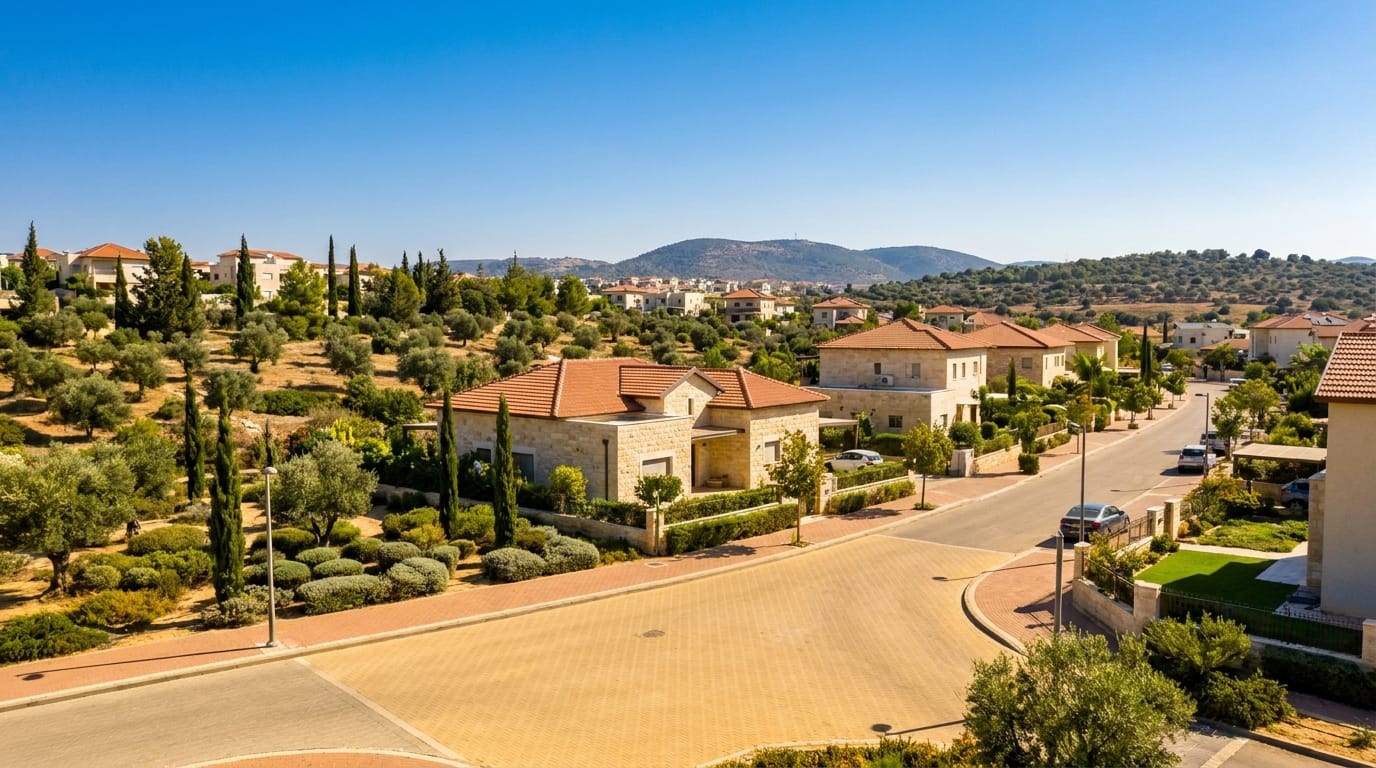
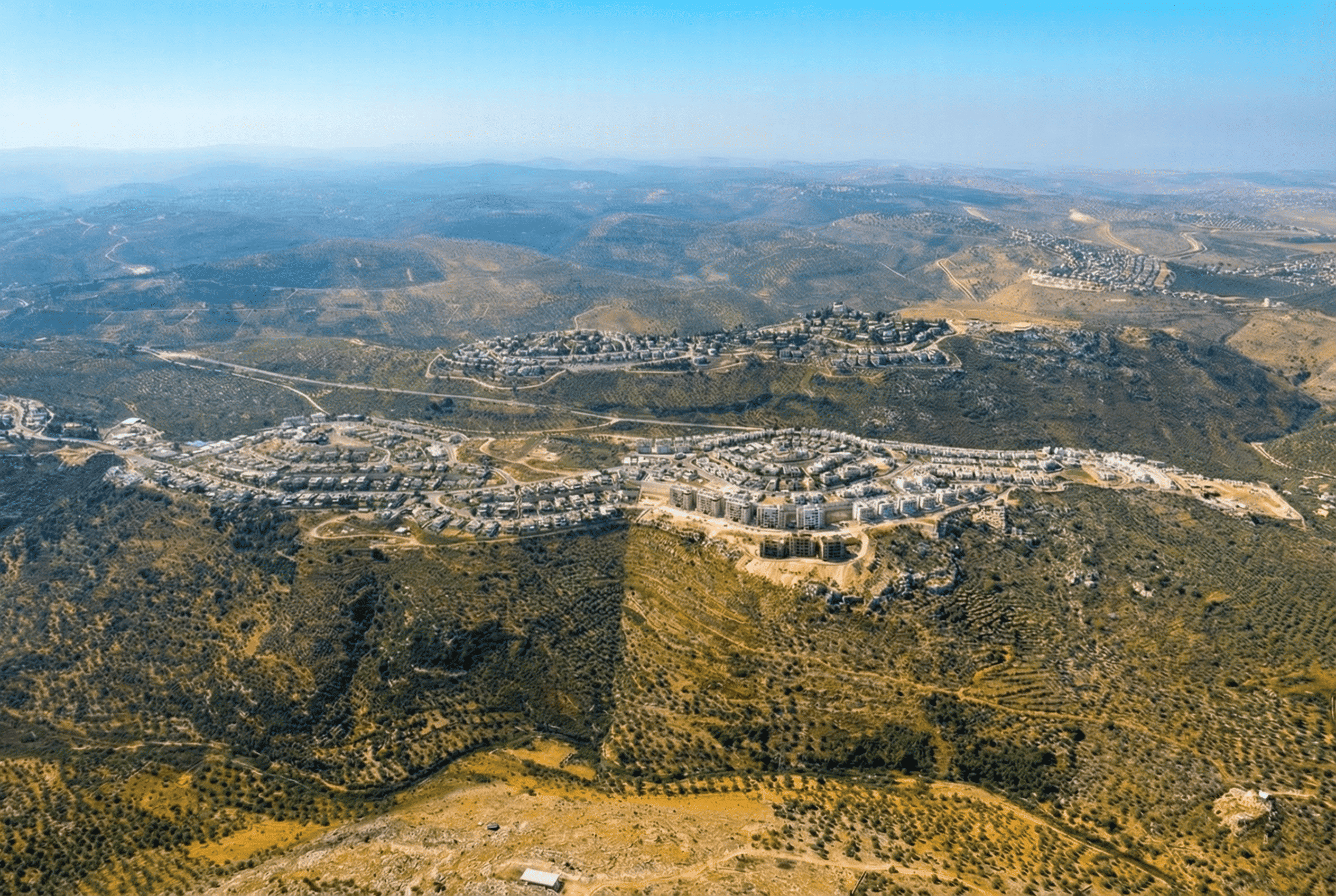
Tzur Moshe's housing stock primarily consists of single-family homes, many featuring spacious plots that accommodate both residential and agricultural uses. The architectural styles reflect various periods, with older homes dating back to the moshav's establishment in 1937 and newer constructions from subsequent development phases. The community's rural setting contributes to a tranquil living environment, appealing to those seeking a balance between countryside charm and proximity to urban amenities. The real estate market in Tzur Moshe is influenced by its desirable location near Netanya and the blend of traditional and modern lifestyles it offers. Demand is driven by families and individuals attracted to the moshav's strong community ties and quality of life. Property prices are generally stable, reflecting the steady interest in the area. The market exhibits moderate liquidity, with properties typically remaining available for a reasonable duration before being sold.The moshav's design fosters close-knit interactions among residents, with communal facilities and agricultural lands interspersed throughout the area. This structure supports a unified community atmosphere, emphasizing shared spaces and collective activities.
NEW CONSTRUCTION PROJECTS
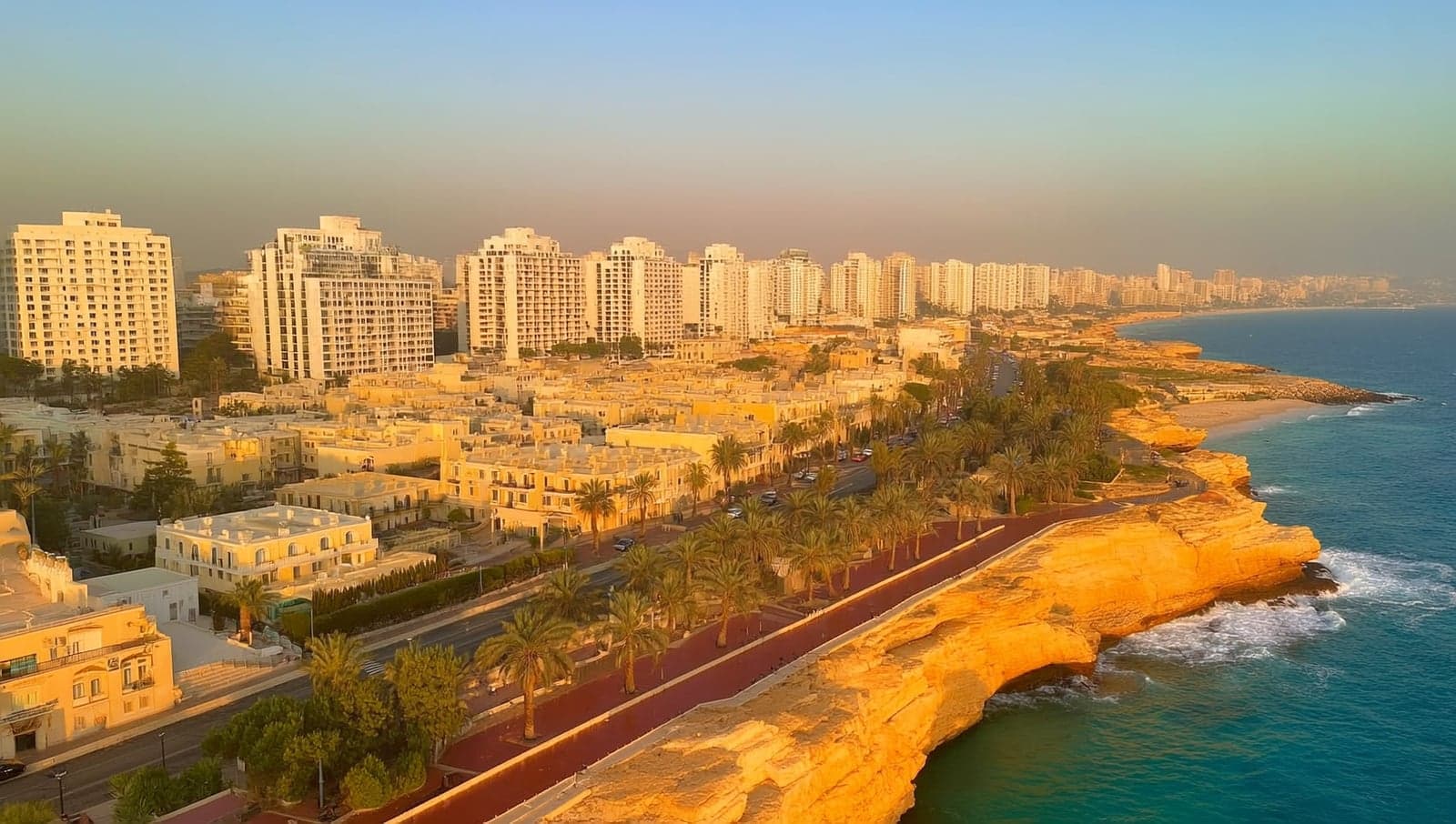
Tzur Moshe has been experiencing steady residential growth, with new housing developments and infrastructure enhancements to accommodate its expanding population. The moshav's proximity to Netanya and other urban centers has made it an attractive location for families seeking a balance between rural living and access to city amenities. This growth reflects a broader trend of suburban expansion in the Central District, where communities like Tzur Moshe are evolving to meet the needs of modern residents.
TRANSPORTATION & ACCESSIBILITY
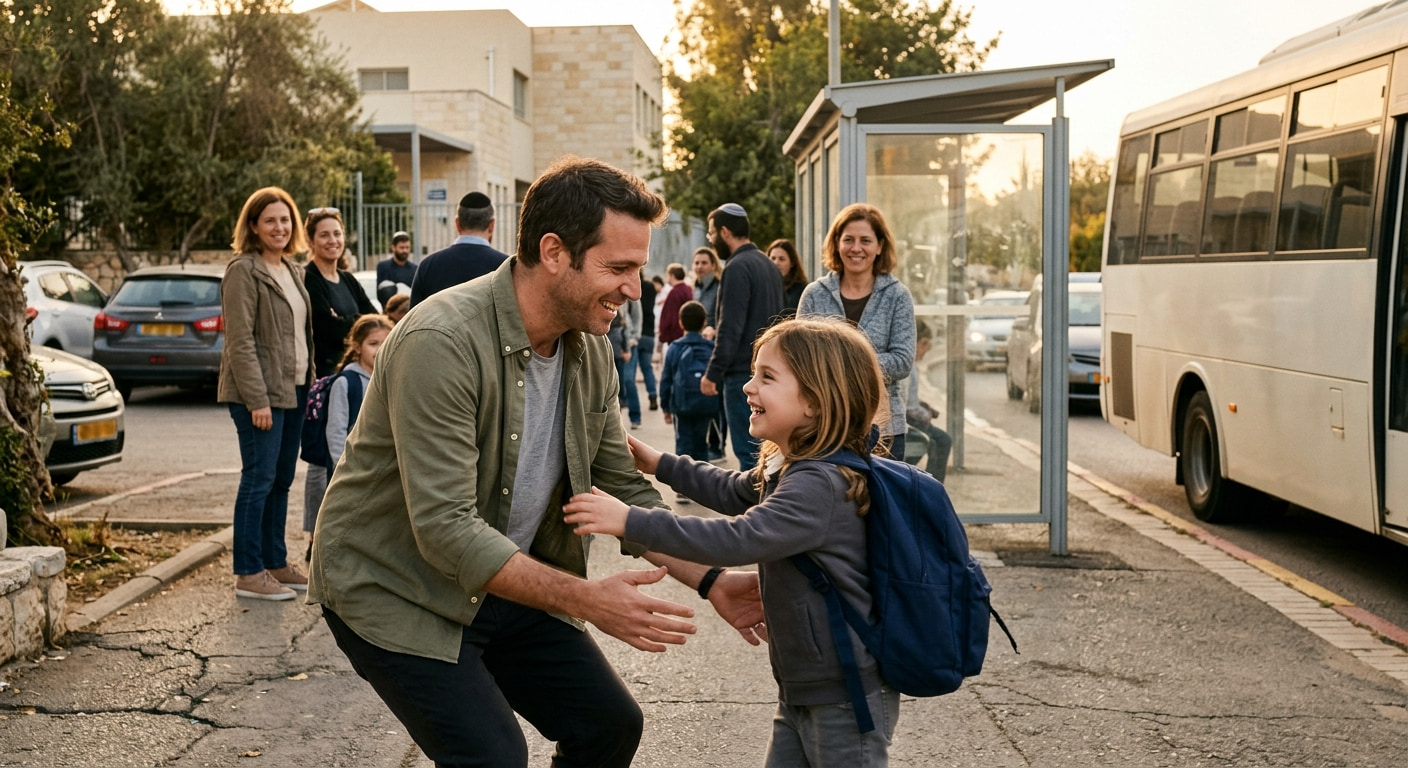
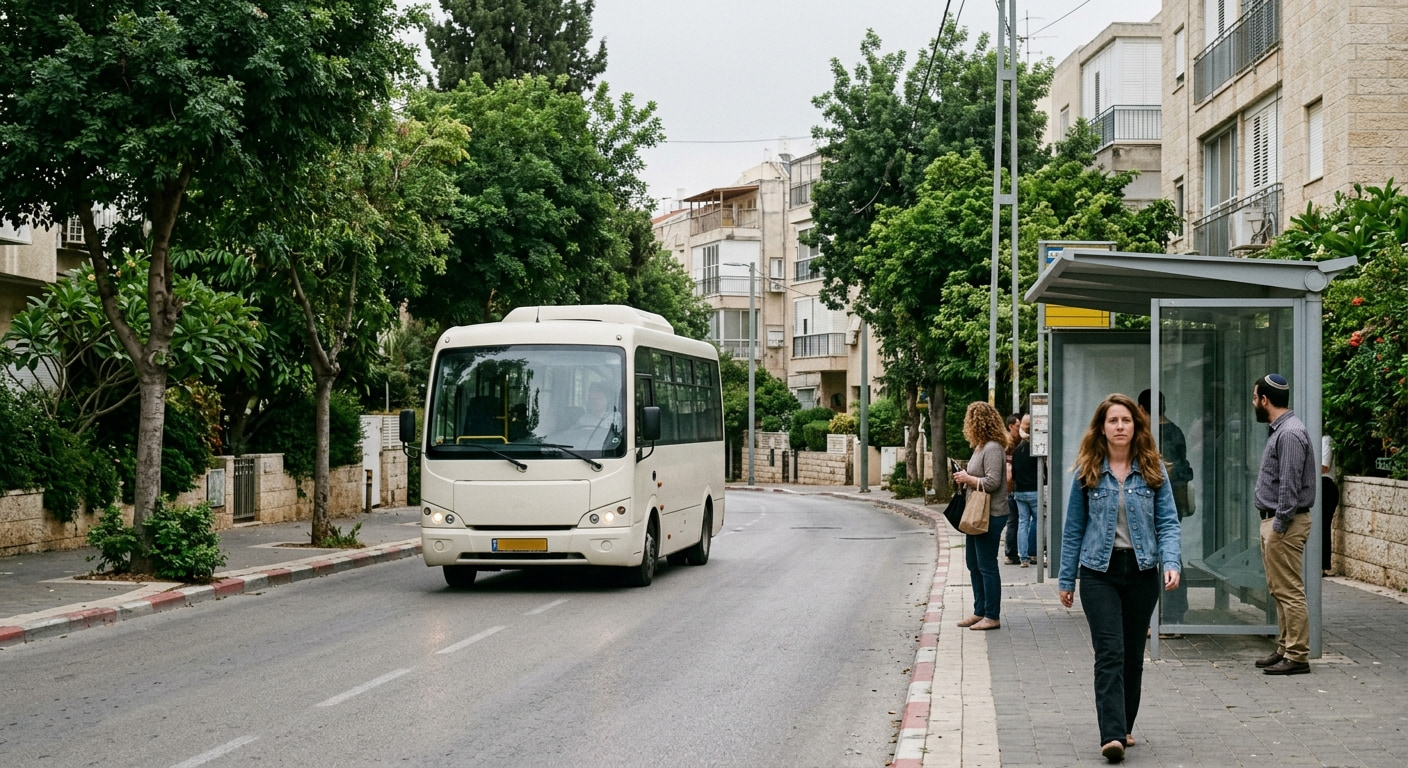
Tzur Moshe is well-connected by public transportation, with several bus lines providing access to and from the moshav. The nearest bus stop, Lev HaSharon Mental Health Center, is a short walk from the moshav's center. These services facilitate convenient travel to nearby cities, including Netanya, enhancing the community's accessibility for commuters and visitors alike.
WHY NEW IMMIGRANTS CHOOSE TZUR MOSHE
New immigrants are drawn to Tzur Moshe for its strong sense of community, cultural heritage, and proximity to major urban centers like Netanya. The moshav's blend of traditional agricultural life with modern amenities provides a balanced lifestyle. Additionally, the availability of educational and recreational facilities makes it an attractive destination for families seeking a supportive environment.
- Strong community bonds and support networks
- Rich cultural heritage with Greek Jewish roots
- Proximity to Netanya and other urban centers
- Balanced lifestyle combining tradition and modernity
- Comprehensive educational and recreational facilities