CITY HISTORY & DEVELOPMENT
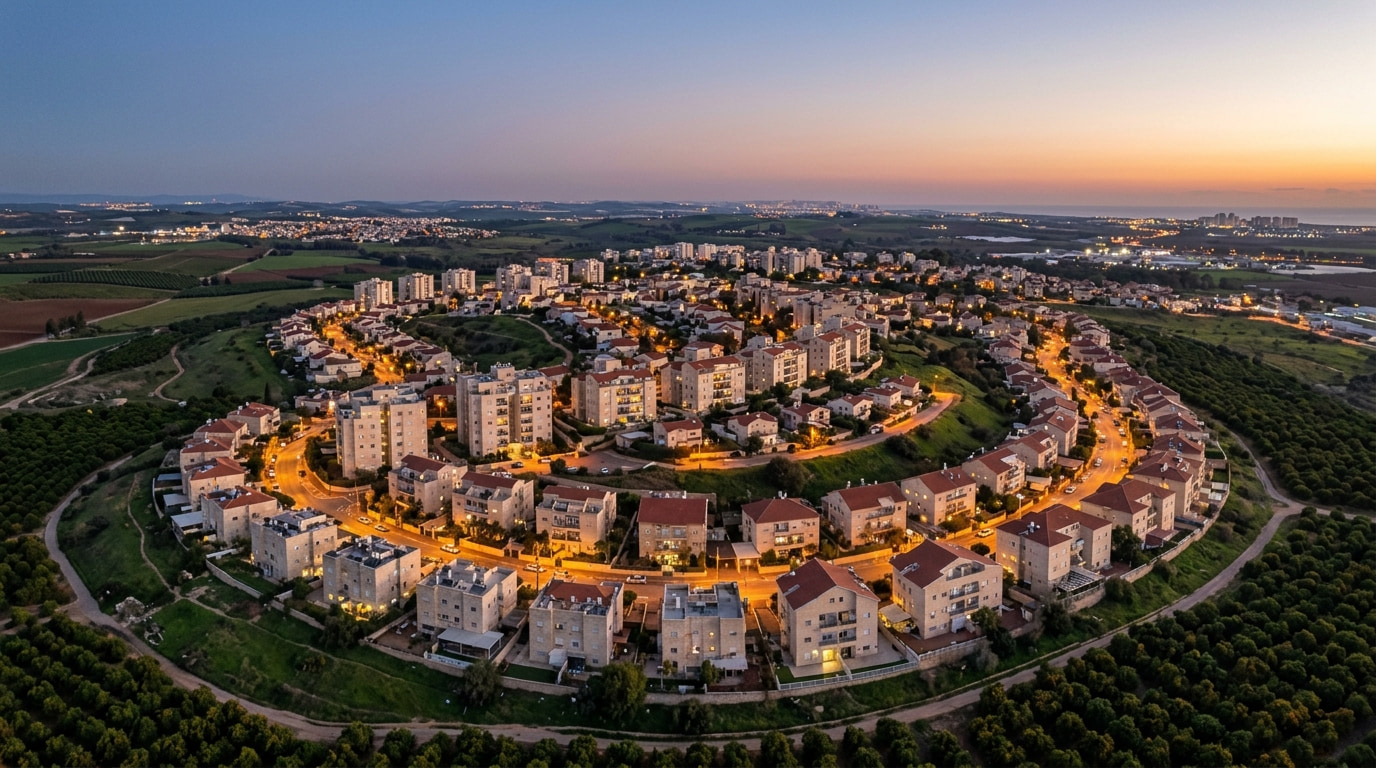
Yehud-Monosson, located in Israel's Central District, was established in 2003 through the merger of the city of Yehud and the neighboring community of Neve Monosson. Yehud's history dates back to biblical times, with its first mention in the Book of Joshua. In 1950, Yehud was declared the first local council after the establishment of the State of Israel, and it achieved city status in 1995. Neve Monosson was founded in 1953 by philanthropist Fred Monosson as a residential area for airport workers. The merger aimed to streamline municipal services while preserving Neve Monosson's communal autonomy.
DEMOGRAPHICS & FAMILY LIFESTYLE
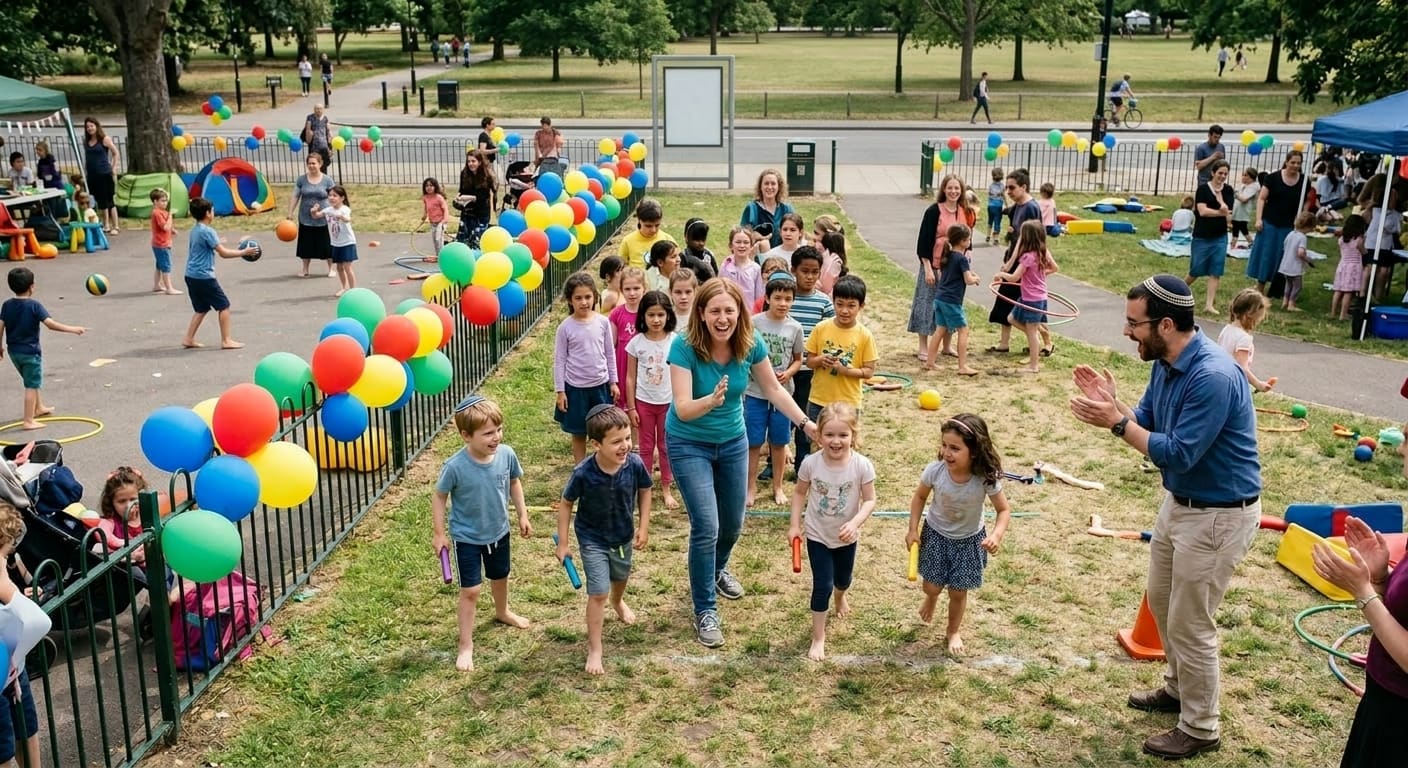
Yehud-Monosson is home to approximately 31,570 residents, predominantly Jewish. The community is characterized by a mix of secular and religious lifestyles, accommodating a population. The city includes multi-generational families, with both aging residents and young families contributing to its demographic profile. The socio-economic status of the city is ranked 8 out of 10, indicating a relatively high standard of living.
REAL ESTATE MARKET OVERVIEW
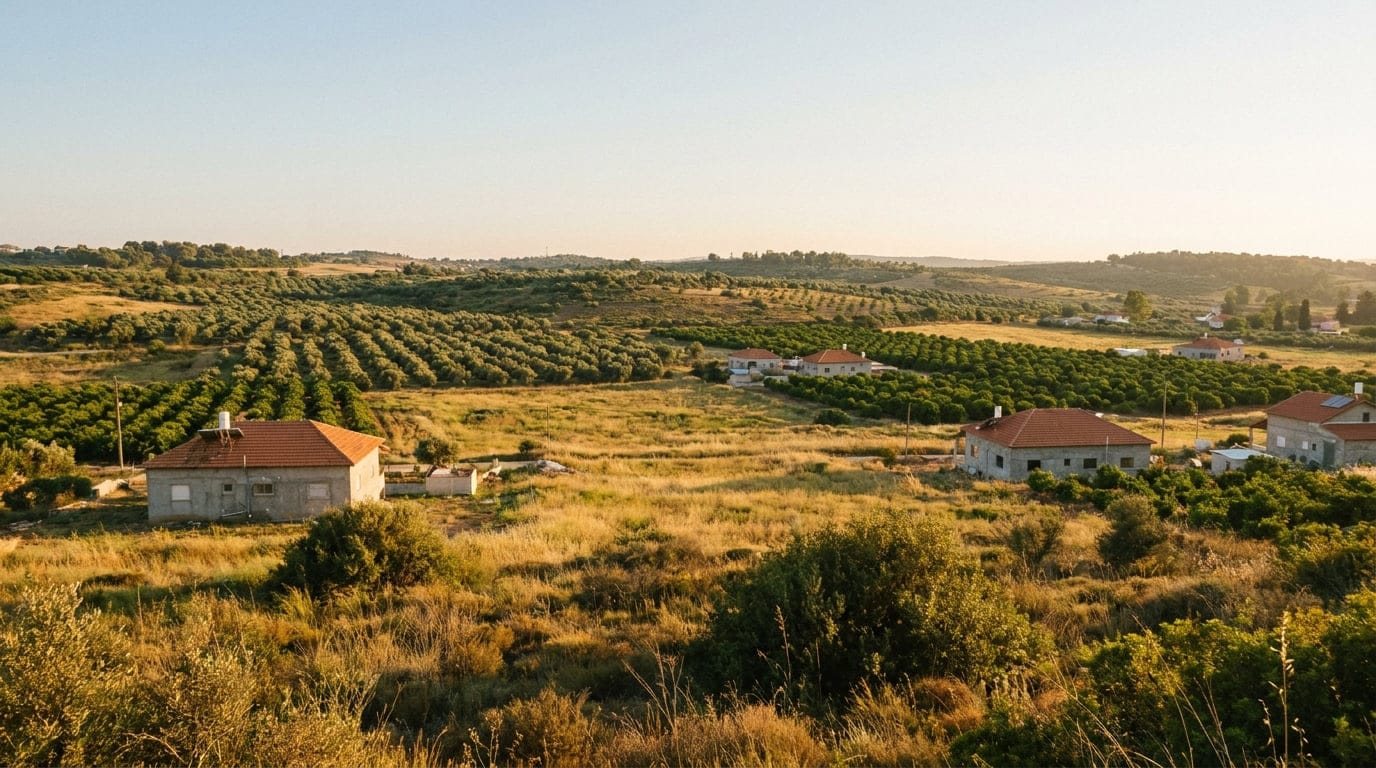
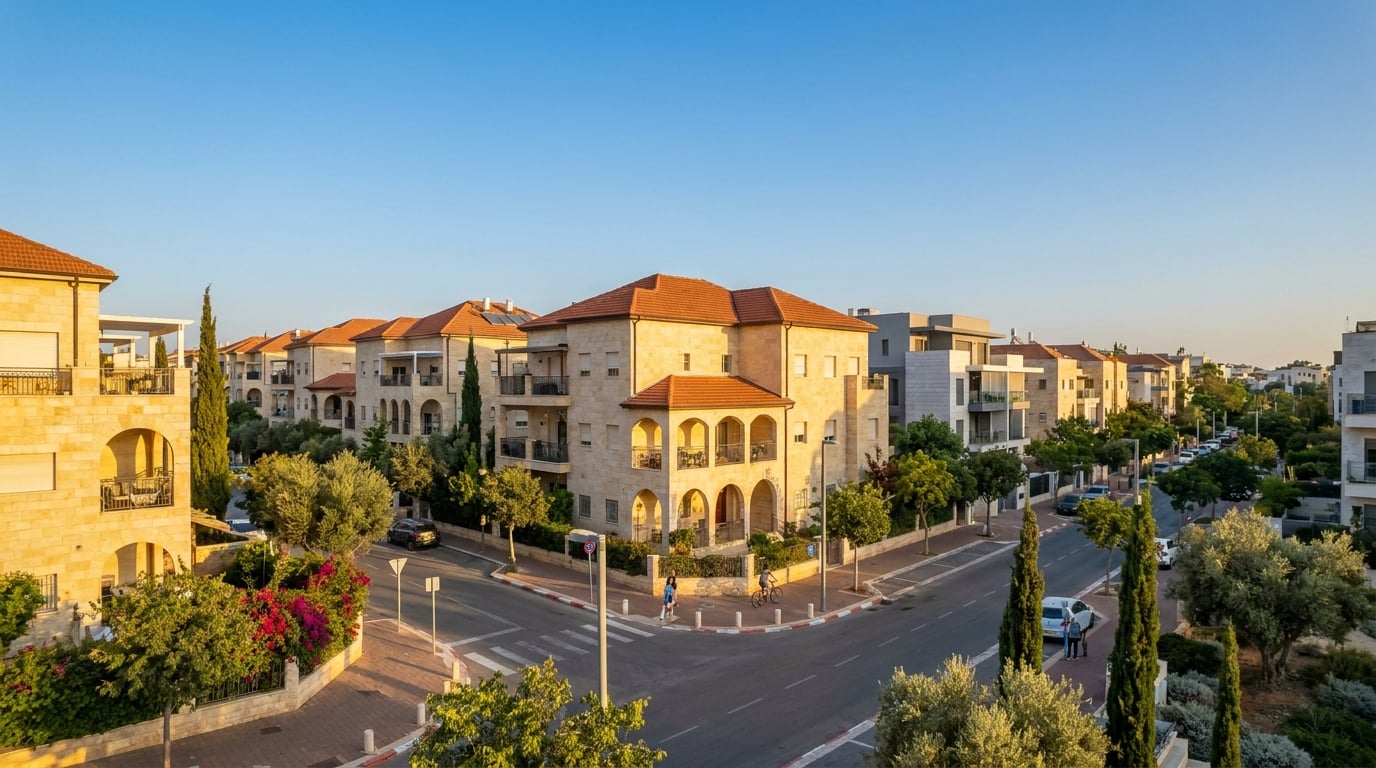
Yehud-Monosson's housing stock comprises a variety of residential options, including single-family homes, duplexes, and apartment buildings. Many of these properties were constructed during the late 20th century, with ongoing development introducing modern housing units to meet growing demand. The city offers a mix of older homes with spacious plots and newer constructions featuring contemporary designs.
The city's proximity to Tel Aviv and Ben Gurion Airport makes it an attractive location for professionals seeking convenient access to major employment centers. This demand has contributed to a stable real estate market, with property values reflecting the city's desirable location and quality of life. The market attracts a range of buyers, including young families and investors, leading to moderate market liquidity.
NEIGHBORHOOD BREAKDOWN
Yehud-Monosson features distinct neighborhoods, each with its own character.
NEW CONSTRUCTION PROJECTS
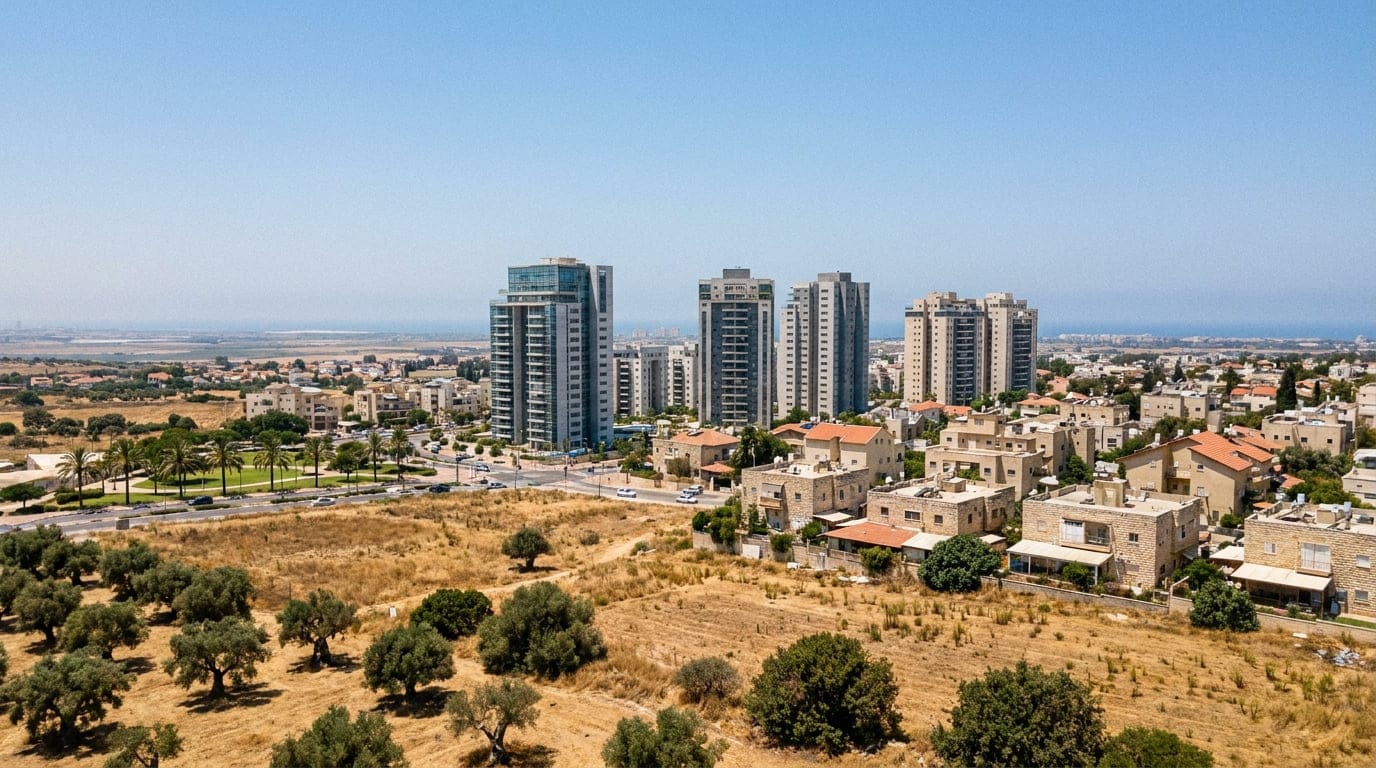
Yehud-Monosson is experiencing significant development, with several large-scale residential projects underway. The "Savyonei Ganei Yehud" project is constructing 342 residential units in Ganei Yehud, with Phase 1 expected to complete in 2028 and Phase 2 in 2029. Additionally, the "Hanging Gardens" neighborhood is expanding with five new residential towers, offering a variety of apartment sizes and designs. The "Neve Monosson Towers" project includes five 17-story residential towers with underground parking, enhancing the city's housing options.
TRANSPORTATION & ACCESSIBILITY
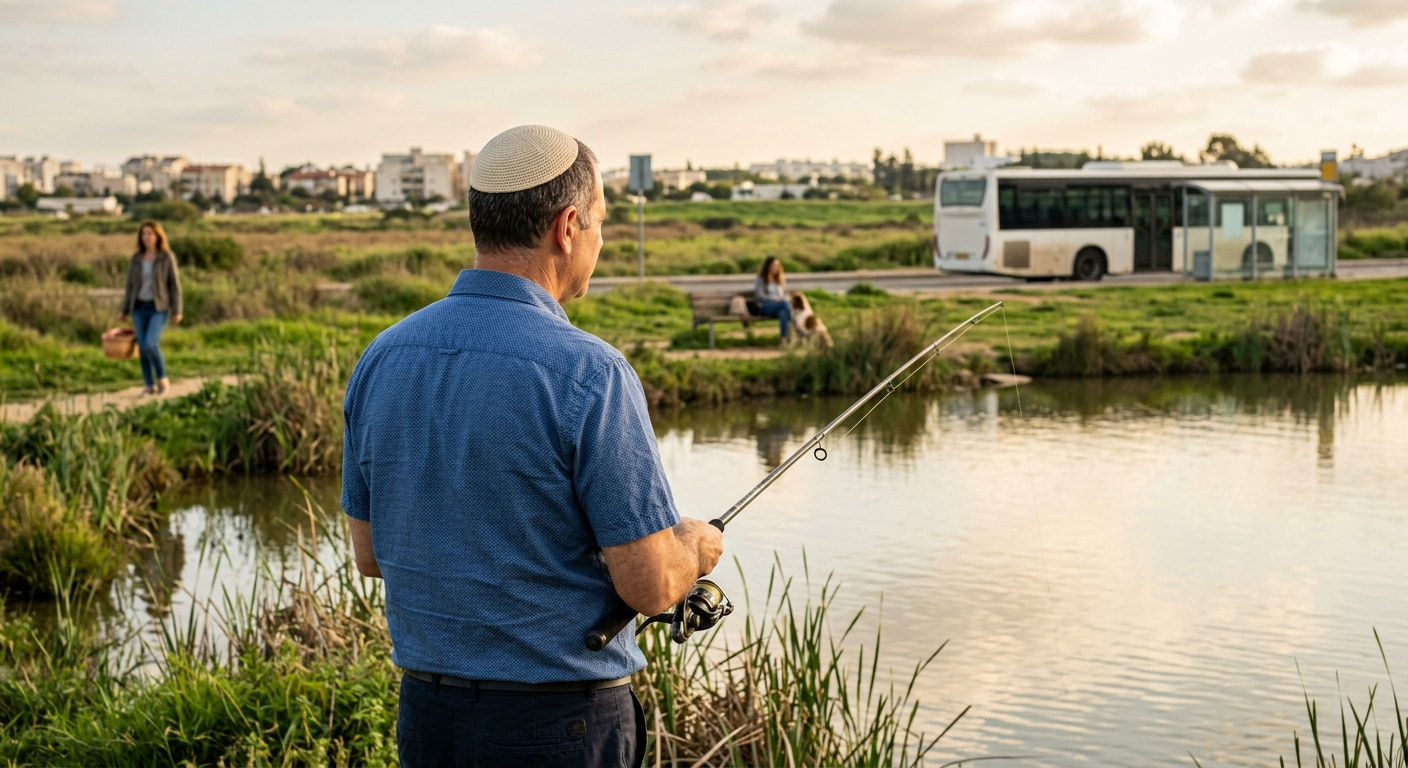
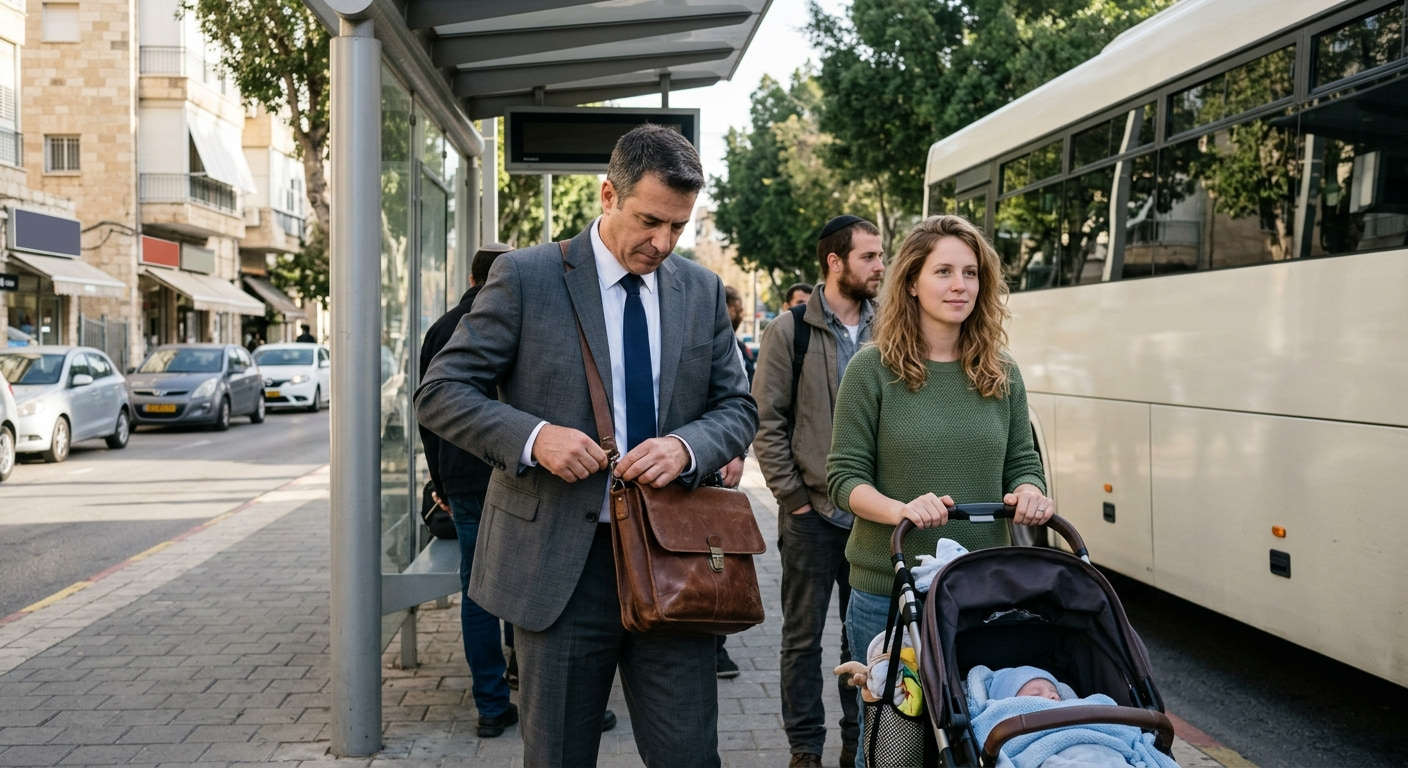
Yehud-Monosson benefits from a well-developed transportation network, providing convenient access to Tel Aviv and surrounding areas. Multiple bus routes, including lines 137, 138, and 205, connect the city to key destinations. The city's proximity to major highways, such as Route 461 leading to Tel Aviv and Route 412 to Rishon LeZion, facilitates efficient travel for residents. Additionally, the nearby Ben Gurion Airport railway station offers further connectivity options.
WHY NEW IMMIGRANTS CHOOSE YEHUD-MONOSSON
New immigrants, or olim, are drawn to Yehud-Monosson for several compelling reasons. Its strategic location near Tel Aviv and Ben Gurion Airport offers convenient access to employment opportunities and urban amenities. The city's blend of urban and suburban environments provides a balanced lifestyle, appealing to those seeking both community engagement and proximity to metropolitan centers. Additionally, the presence of established immigrant communities offers a supportive network for newcomers.
- Proximity to Tel Aviv and major employment hubs
- Balanced urban-suburban living environment
- Supportive immigrant communities
- High-quality educational institutions
- Strong sense of community and cultural integration