CITY HISTORY & DEVELOPMENT
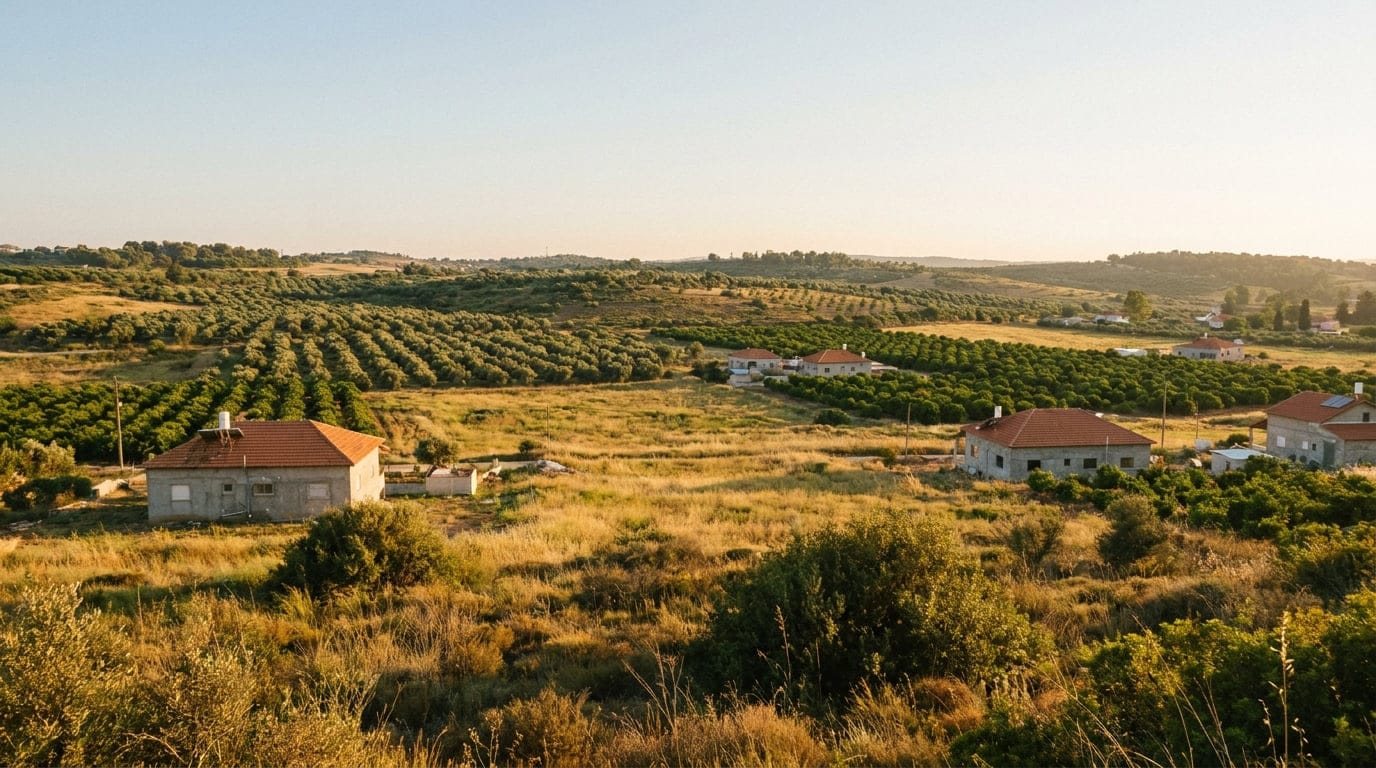
Bnei Ayish was established on October 7, 1957, on land that had previously served as a British Army military base during the Mandate era. The town is named after Rabbi Akiva Yosef Schlezinger, whose name is abbreviated to Ayish. Initially, it functioned as a transit camp for immigrants from Yemen in the early 1950s. Over the years, Bnei Ayish has developed into a local council within Israel's Central District, located approximately ten kilometers from Ashdod and adjacent to Gedera.
DEMOGRAPHICS & FAMILY LIFESTYLE
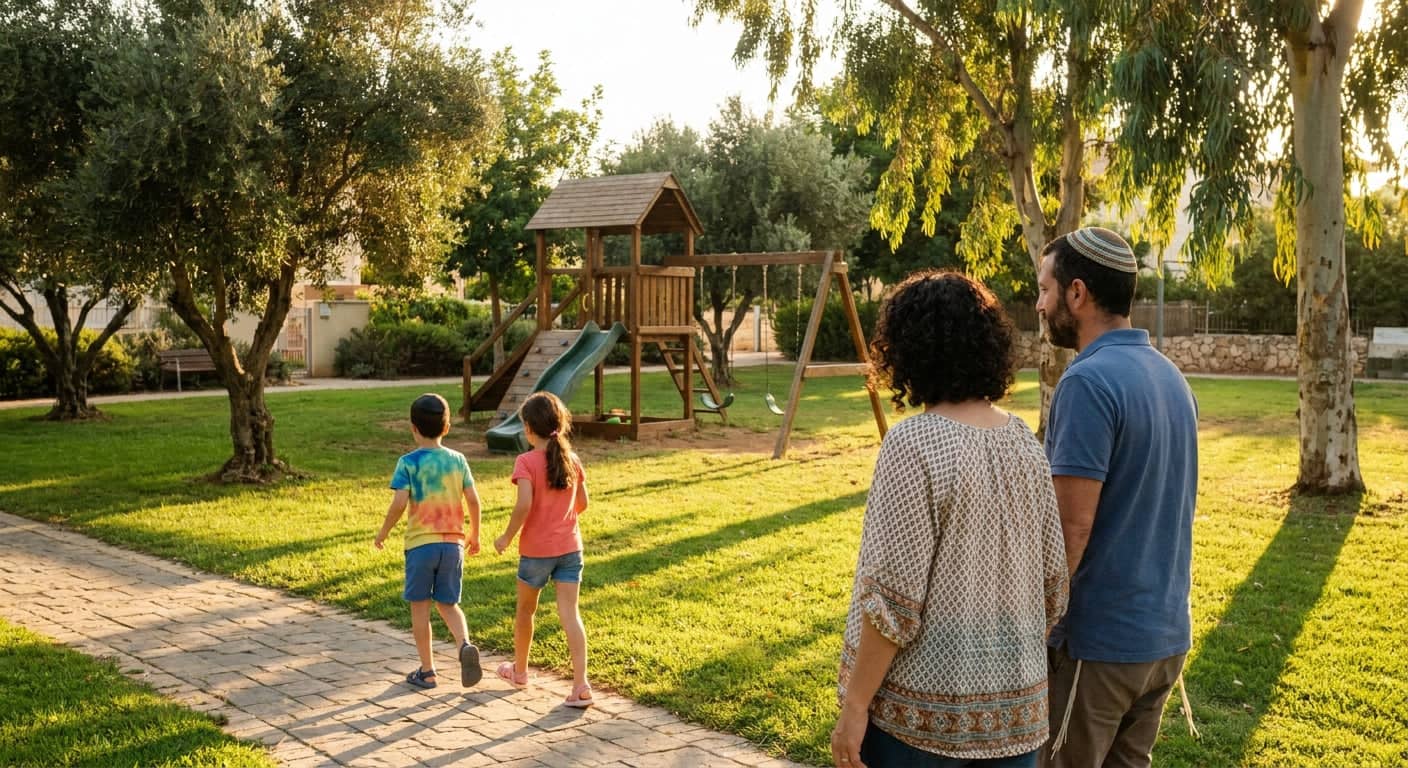
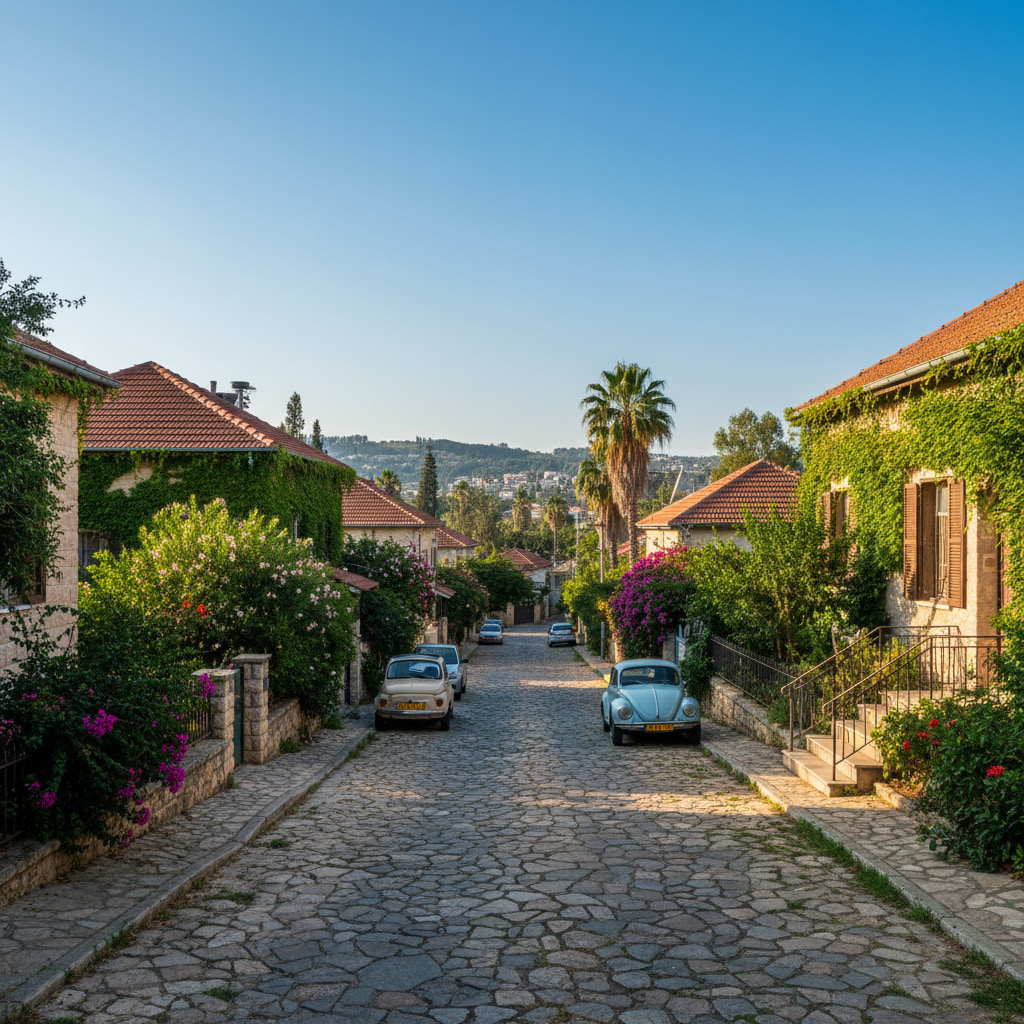
The town's population is composed primarily of Jews of Yemenite descent and immigrants from the former Soviet Union. Bnei Ayish had a population of 6,978 residents. The community is characterized by a blend of secular and religious lifestyles, reflecting the backgrounds of its inhabitants. The town offers a family-friendly environment with various educational institutions and cultural centers catering to its residents.
REAL ESTATE MARKET OVERVIEW
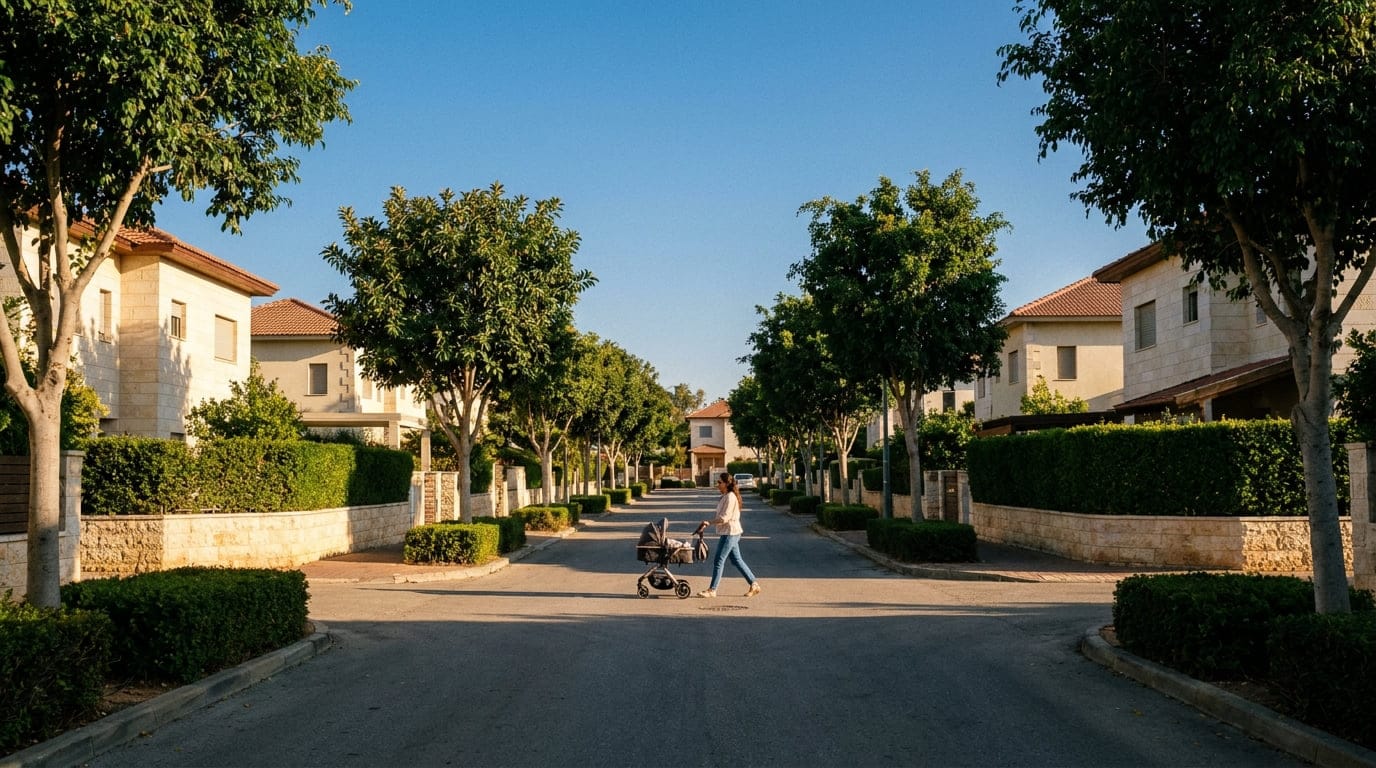
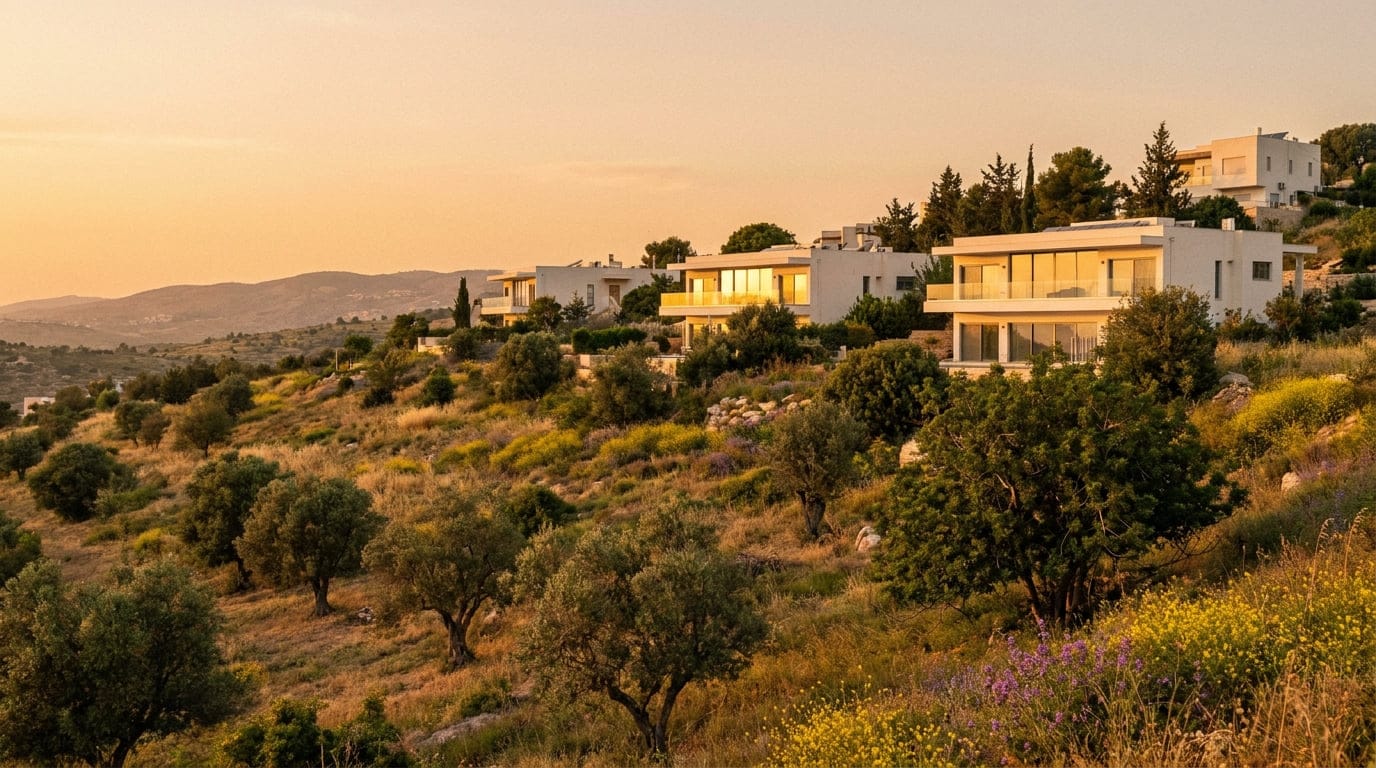
Bnei Ayish's housing stock primarily consists of single-family homes and low-rise apartment buildings, reflecting its suburban character. The town has experienced gradual development since its establishment in 1957, with newer residential projects emerging in recent years. Notably, the Prashkovsky Basadot project plans to add 96 housing units, including both 'target price' apartments and units available on the free market. Additionally, the 'Shdot' neighborhood has been approved for 540 new housing units, featuring buildings of six to nine stories alongside cottages and garden apartments.
The real estate market in Bnei Ayish is influenced by its proximity to major cities like Ashdod, offering residents suburban living with access to urban employment opportunities. The town's affordable housing options attract families and new immigrants seeking a balanced lifestyle. Market liquidity is moderate, with properties typically moving at a steady pace, reflecting consistent demand from buyers interested in the town's community-oriented environment.
NEIGHBORHOOD BREAKDOWN
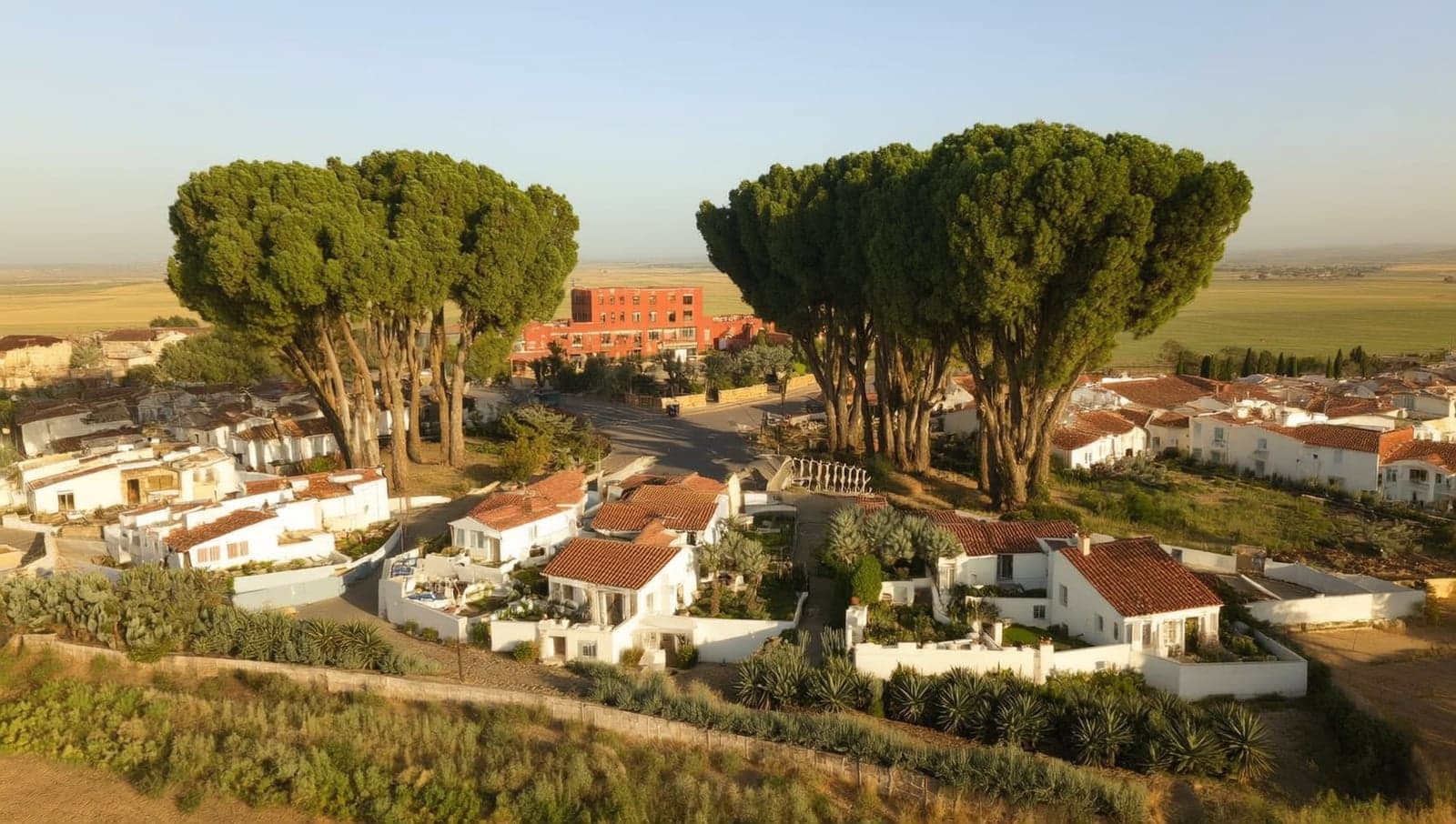
The recent and planned residential developments are integrated into the existing urban fabric, enhancing the town's suburban appeal while maintaining its close-knit atmosphere.
NEW CONSTRUCTION PROJECTS
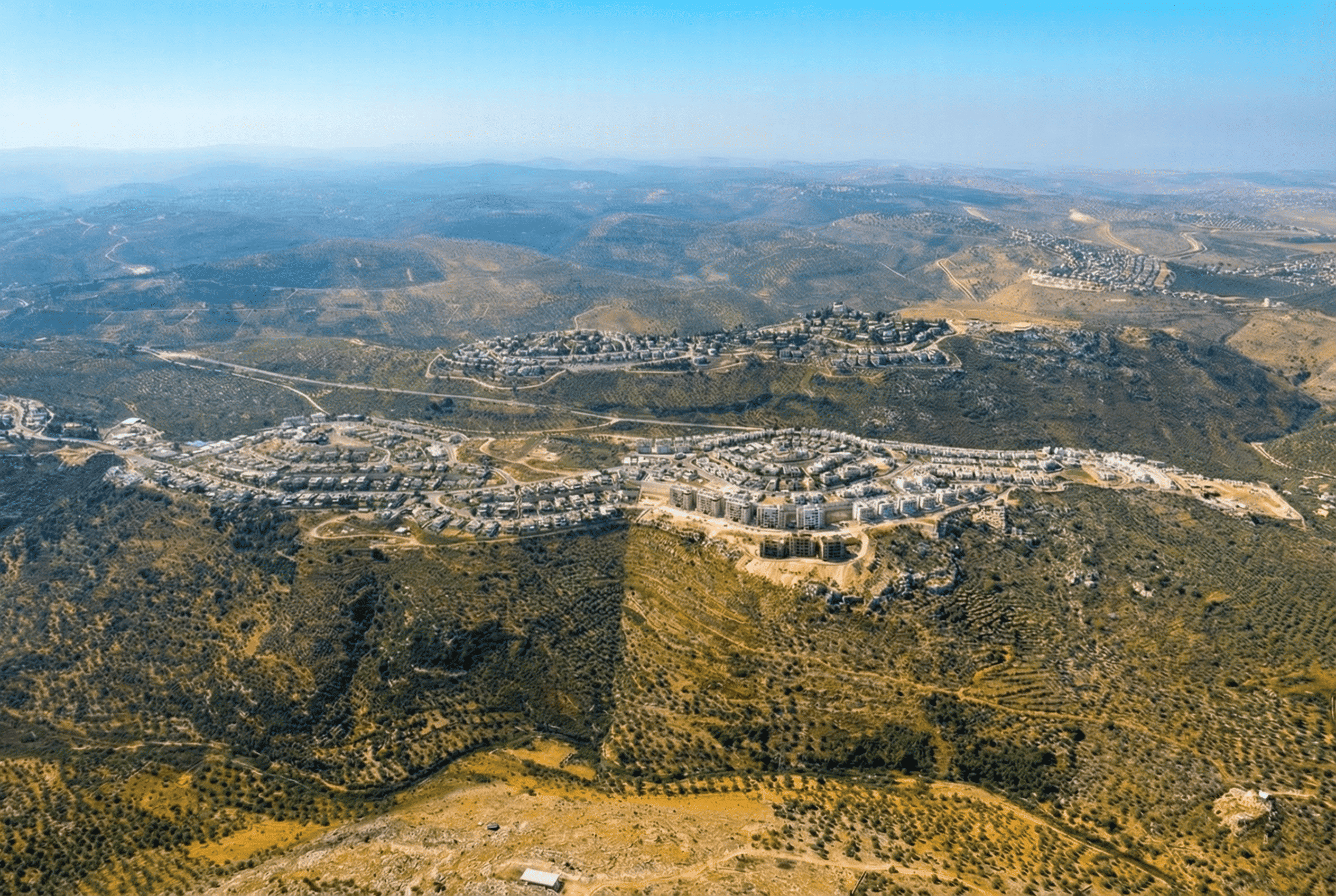
Bnei Ayish is undergoing significant development to accommodate its growing population. A major expansion plan approved in 2021 includes the construction of 5,739 housing units, potentially adding over 18,000 residents to the town. This initiative aims to transform Bnei Ayish into a city, reflecting its strategic location and increasing demand for residential space.
TRANSPORTATION & ACCESSIBILITY
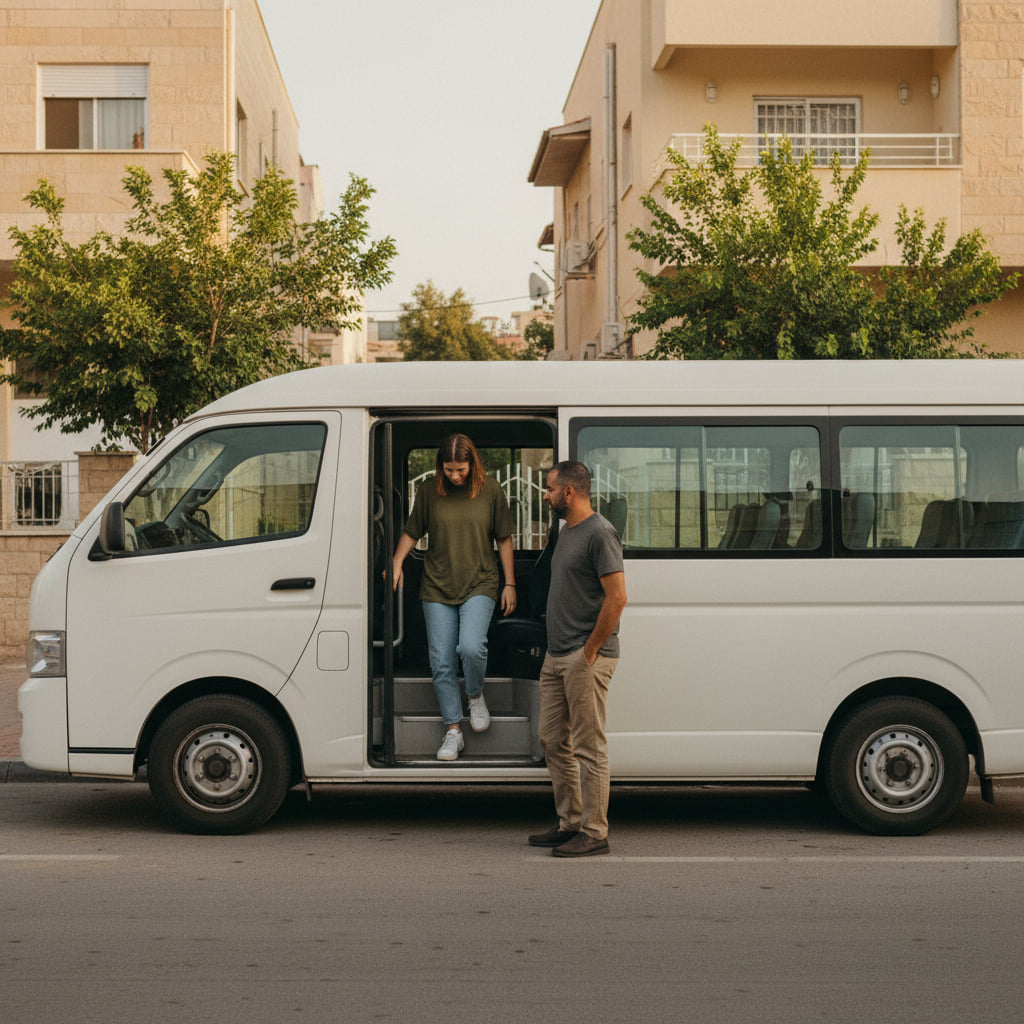
The town benefits from a well-connected public transportation network. Bus routes operated by companies such as Egged and Electra Afikim link Bnei Ayish to major cities, including Tel Aviv and Ashdod. For instance, bus line 340 provides direct service between Tel Aviv and Bnei Ayish, with a journey time of approximately 58 minutes. This accessibility enhances the town's appeal for commuters seeking a suburban lifestyle with convenient access to urban centers.
WHY NEW IMMIGRANTS CHOOSE BNEI AYISH
New immigrants, or olim, are drawn to Bnei Ayish for several reasons. The town's proximity to major cities like Ashdod provides access to employment opportunities while maintaining a quieter, suburban lifestyle. The established communities of Yemenite Jews and former Soviet Union immigrants offer a sense of familiarity and support for newcomers. Additionally, the cost of living in Bnei Ayish is relatively affordable compared to larger urban centers, making it an attractive option for families seeking a balanced lifestyle.
- Proximity to major cities with employment opportunities
- Established supportive immigrant communities
- Affordable cost of living
- Family-friendly environment with educational institutions
- Blend of secular and religious lifestyles