CITY HISTORY & DEVELOPMENT
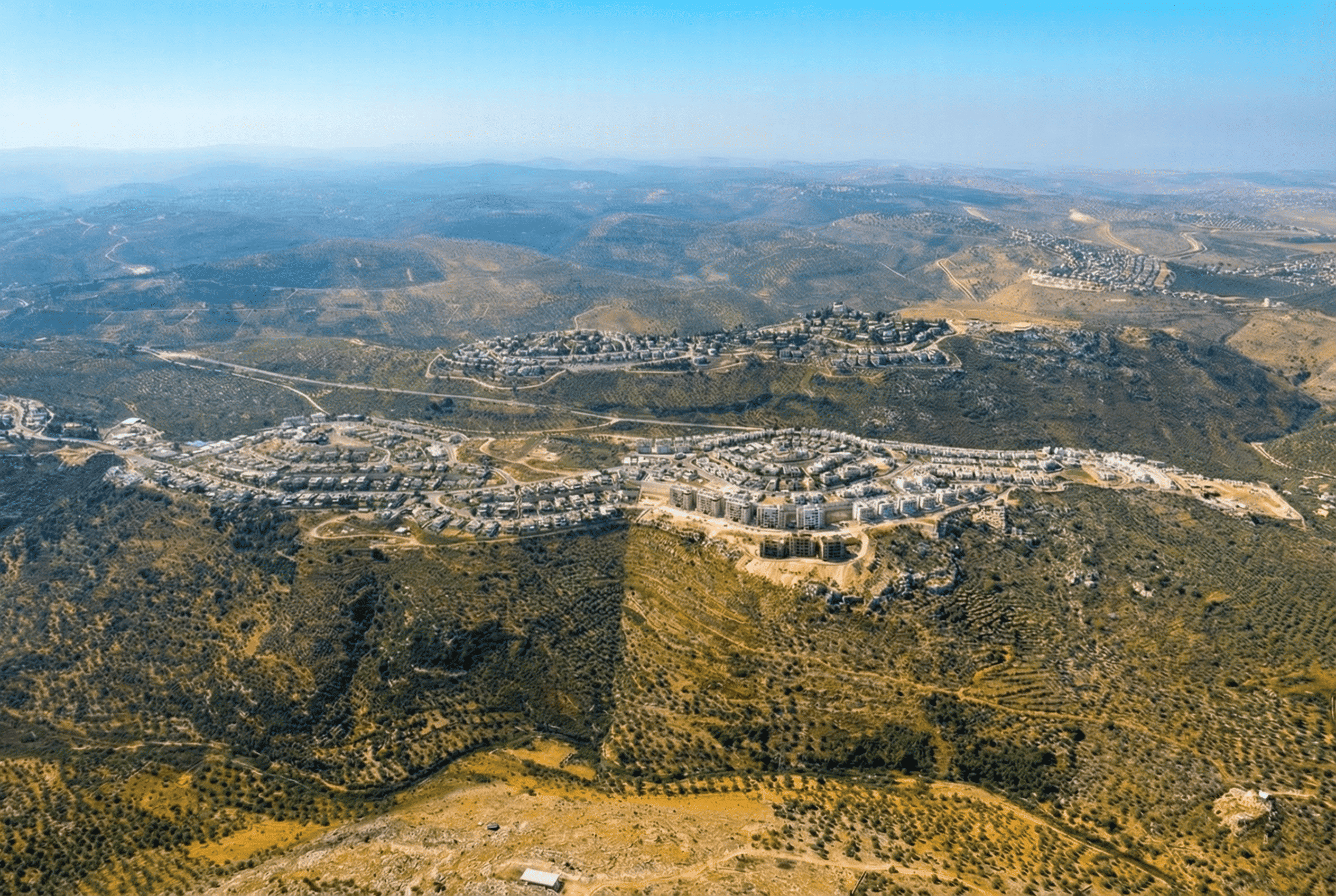
Beit Shemesh, located approximately 30 kilometers west of Jerusalem, was established in 1950 as a transit camp for new immigrants. Over the decades, it has transformed into a significant urban center, achieving city status on June 25, 1991. The city has experienced substantial growth, with its population increasing from around 25,000 in 1995 to over 180,000 by 2025. This expansion has been accompanied by extensive residential development, including the construction of thousands of new housing units to accommodate the growing population.
DEMOGRAPHICS & FAMILY LIFESTYLE
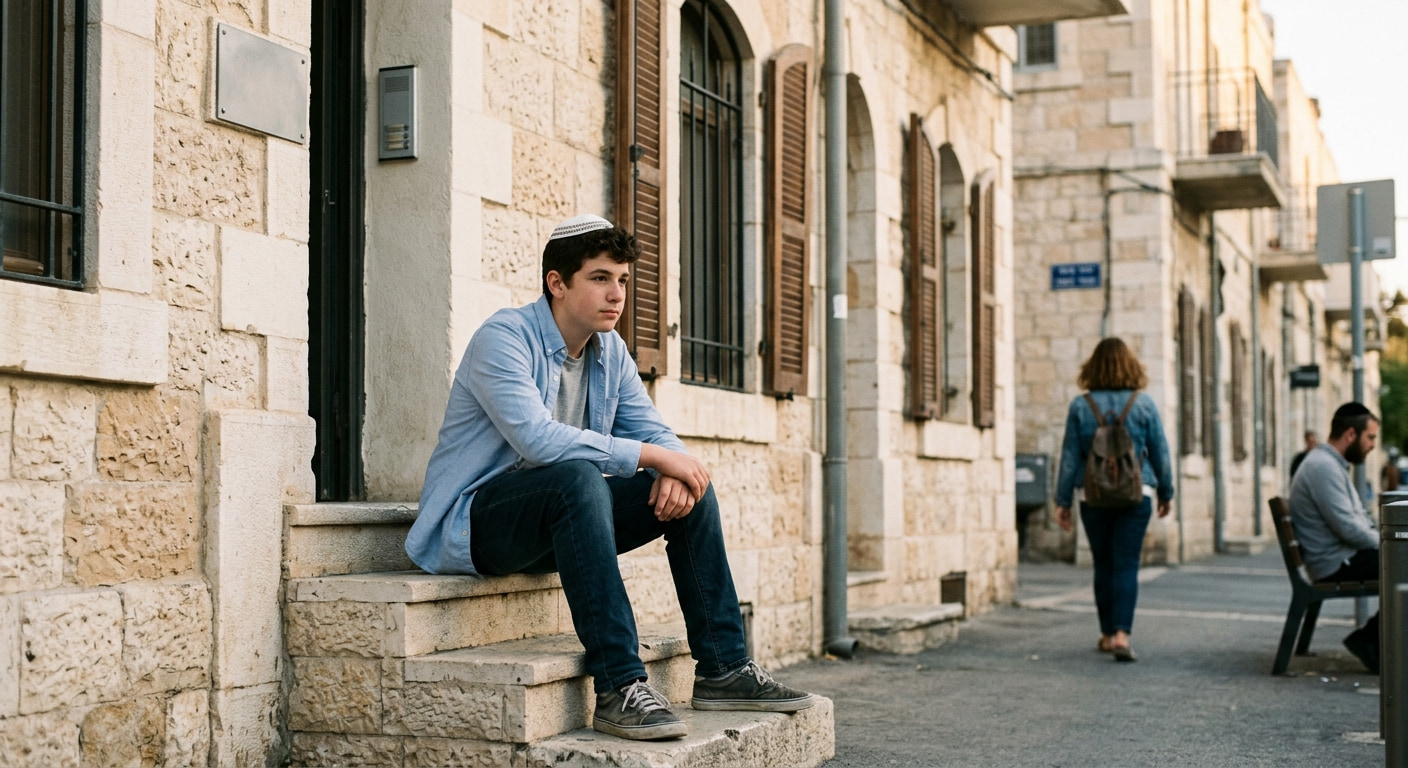
The city's population is predominantly Jewish, with approximately 80% identifying as Haredi (ultra-Orthodox). This demographic shift has been particularly pronounced since the 1990s, as many Haredi families have relocated to Beit Shemesh. The community is characterized by large families, contributing to a youthful population, with a significant proportion of residents under the age of 14. The city offers a lifestyle centered around religious observance, with numerous synagogues, yeshivas, and community centers catering to the needs of its residents.
REAL ESTATE MARKET OVERVIEW
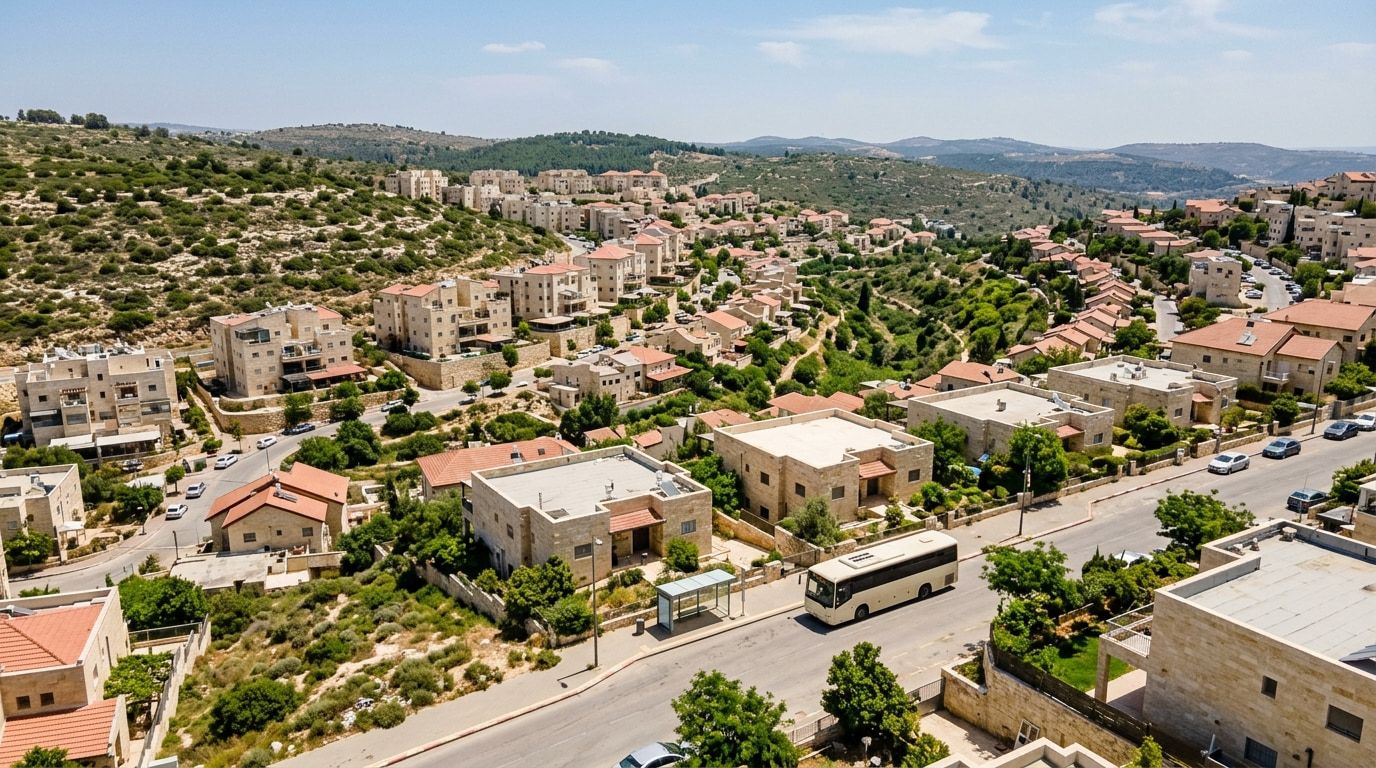
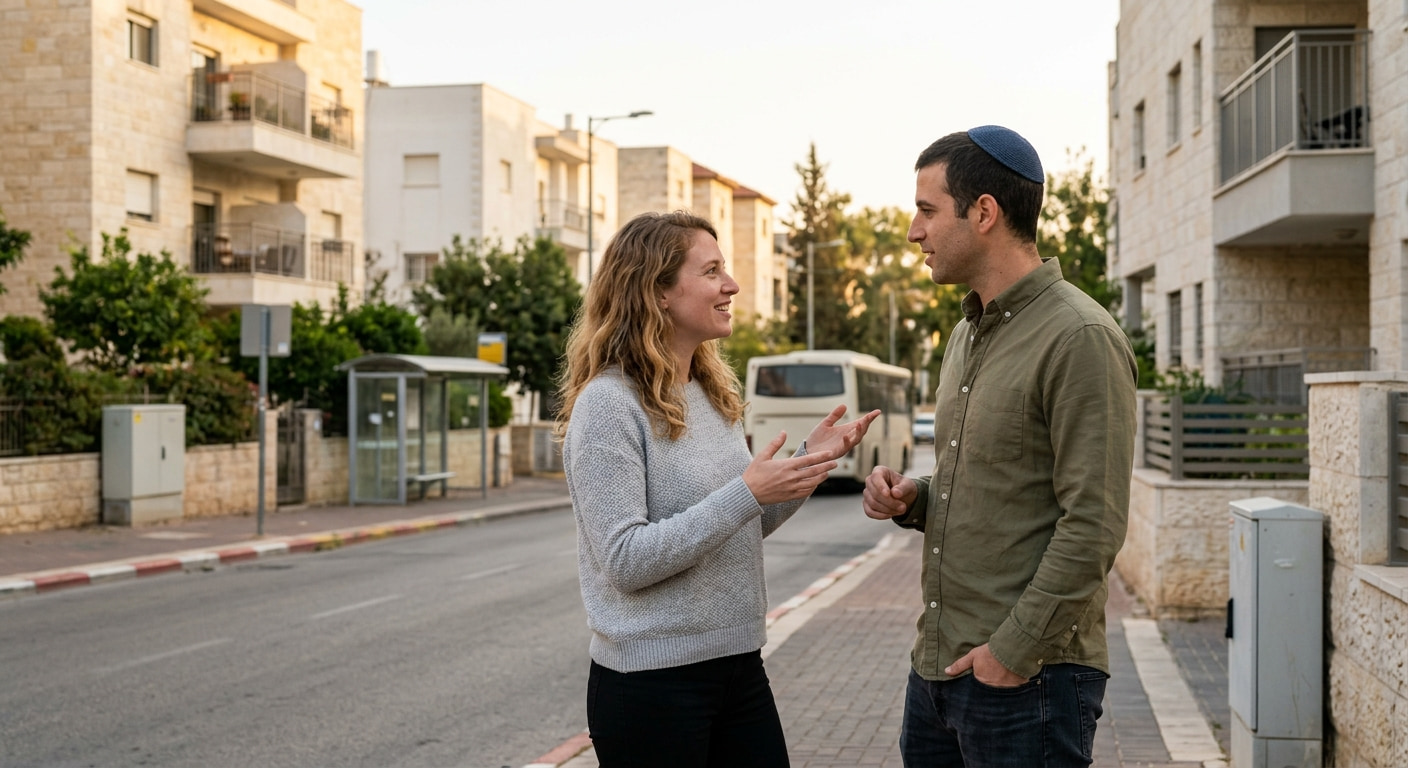
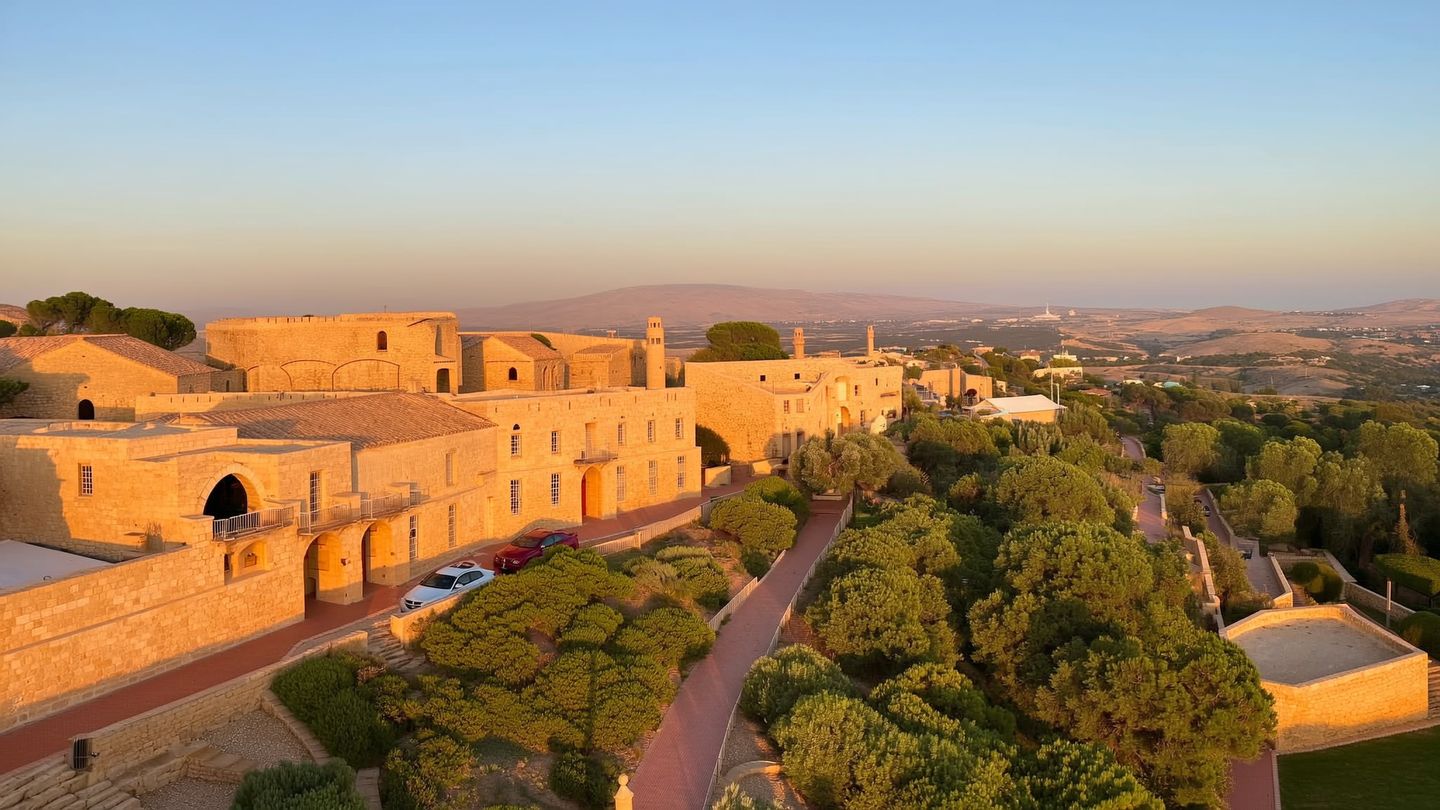
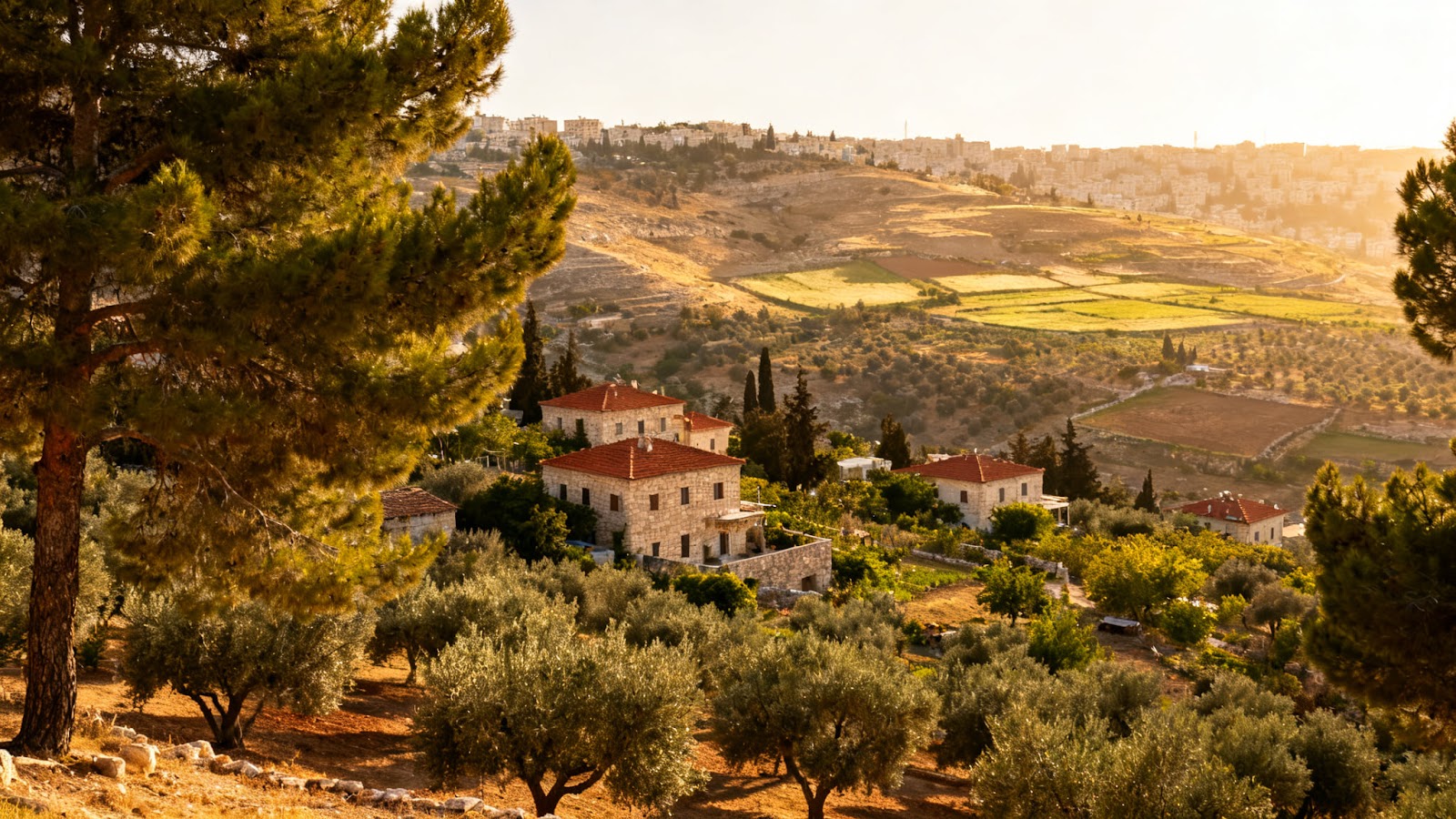
Beit Shemesh offers a housing stock, including apartments, cottages, and private homes. Older neighborhoods feature low-rise buildings constructed 20 to 40 years ago, while newer areas like Ramat Beit Shemesh Gimmel showcase modern developments with contemporary architectural designs. Housing sizes vary, with apartments typically ranging from 90 to 120 square meters, and private homes offering more expansive living spaces.
The city's real estate market is driven by demand from large families seeking affordable housing near Jerusalem. Prices are generally lower than in Jerusalem and Tel Aviv, making Beit Shemesh an attractive option for middle-class families. The market is active, with properties often selling within 60 days, indicating strong liquidity.
NEIGHBORHOOD BREAKDOWN
Beit Shemesh comprises distinct neighborhoods, each with its own character. The city has expanded significantly, with new developments complementing the older, established areas.
- Ramat Beit Shemesh Alef: Established area with a strong Anglo community and mature infrastructure.
- Ramat Beit Shemesh Bet: Known for its family-friendly environment and proximity to religious institutions.
- Ramat Beit Shemesh Gimmel: Features modern construction and spacious apartments, appealing to those seeking contemporary living.
- Old Beit Shemesh: Characterized by older, low-rise buildings and a more traditional atmosphere.
- Sheinfeld: Offers a blend of urban convenience and residential comfort, with various amenities nearby.
NEW CONSTRUCTION PROJECTS
Beit Shemesh is undergoing significant urban development to accommodate its growing population. The city has initiated several large-scale residential projects, including the construction of approximately 4,500 housing units in the Ramat Beit Shemesh H2 neighborhood, with priority given to local couples. Additionally, the Narkis Neighborhood plan in Givat Sharett aims to replace 23 old buildings with 3,270 new homes, featuring modern amenities and public spaces. The Ramat Lehi project has also commenced, focusing on urban renewal through the demolition of existing structures to make way for new residential buildings.
TRANSPORTATION & ACCESSIBILITY
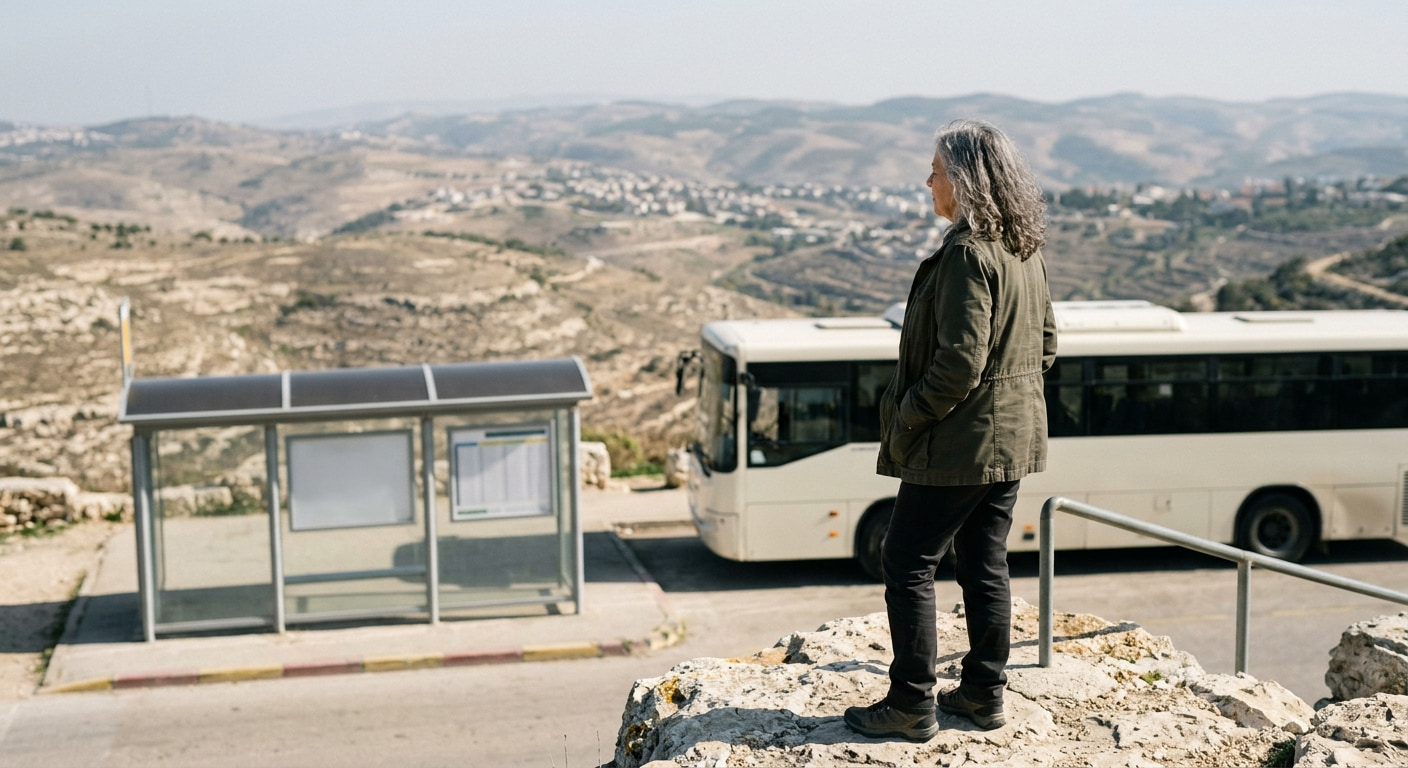
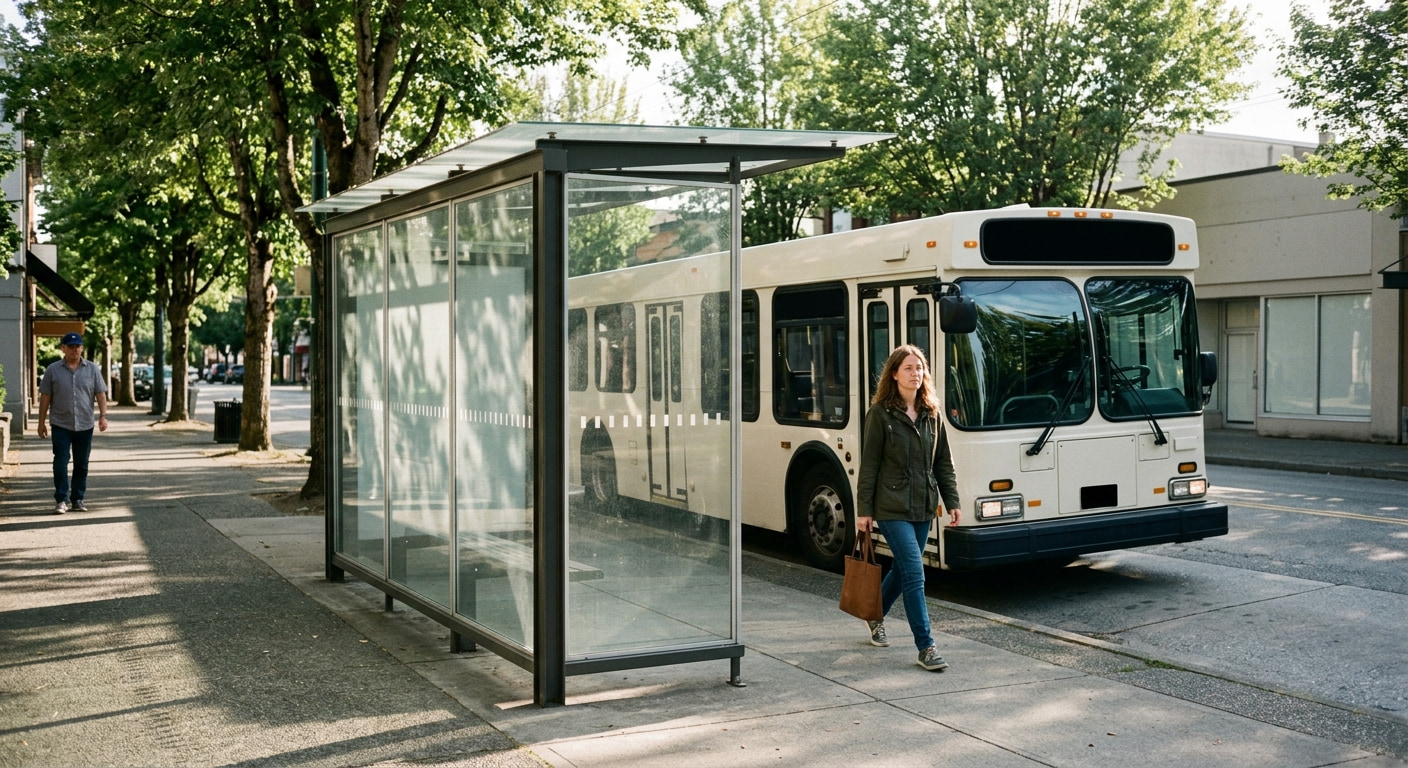
Transportation infrastructure in Beit Shemesh is expanding to enhance connectivity within the city and to neighboring areas. The "Accelerator" project, approved in November 2024 with a budget of 1 billion shekels, includes the construction of bus lanes, bike paths, smart traffic lights, and upgraded bus stops with real-time information displays. New bus routes have been introduced, such as Line 477 connecting Beit Shemesh to Be'er Sheva, and Line 509 providing direct service to the Ganei Ayalon neighborhood in Lod. The city is also served by the Beit Shemesh railway station, offering hourly services on the Israel Railways Herzliya–Lod–Jerusalem line.
WHY NEW IMMIGRANTS CHOOSE BEIT SHEMESH
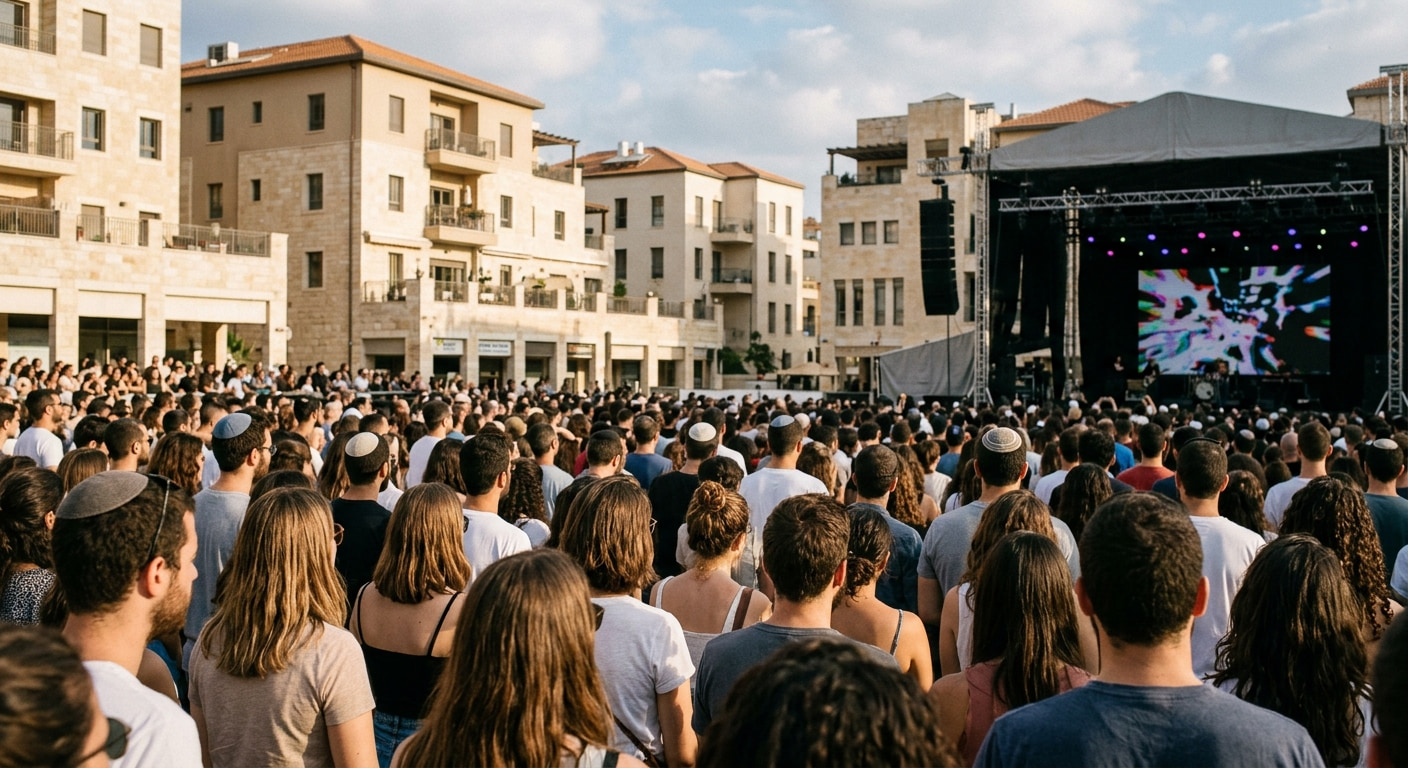
Beit Shemesh has become an attractive destination for olim (new immigrants) due to its established religious communities, affordable housing options, and proximity to Jerusalem. The city hosts a substantial English-speaking population, including olim from countries such as the United States, the United Kingdom, and South Africa. This has led to the development of support networks, English-speaking educational institutions, and cultural activities that ease the integration process for newcomers.
- Established religious communities with supportive networks
- Affordable housing options suitable for large families
- Proximity to Jerusalem with accessible transportation
- English-speaking educational institutions and services
- Active cultural and social programs for olim