CITY HISTORY & DEVELOPMENT
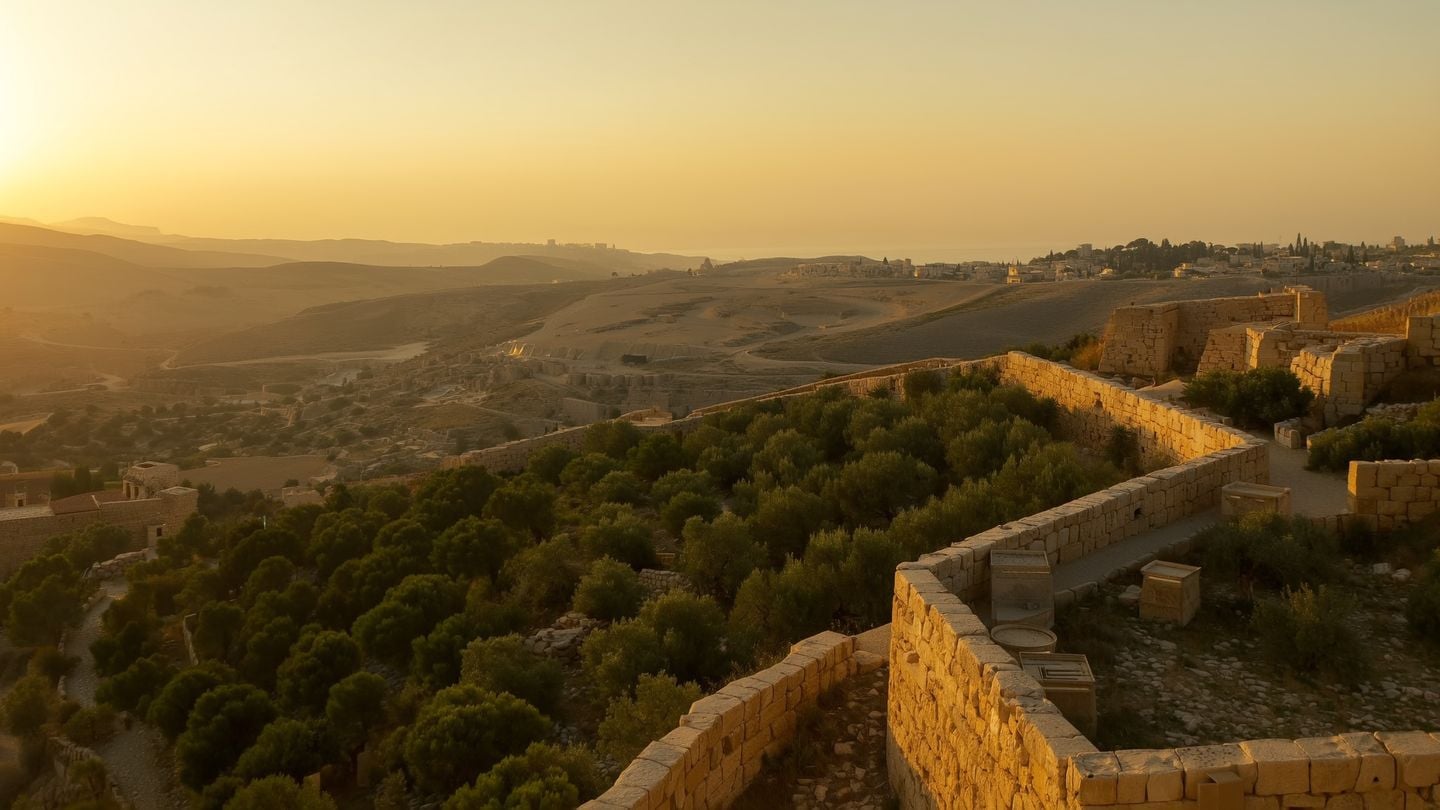
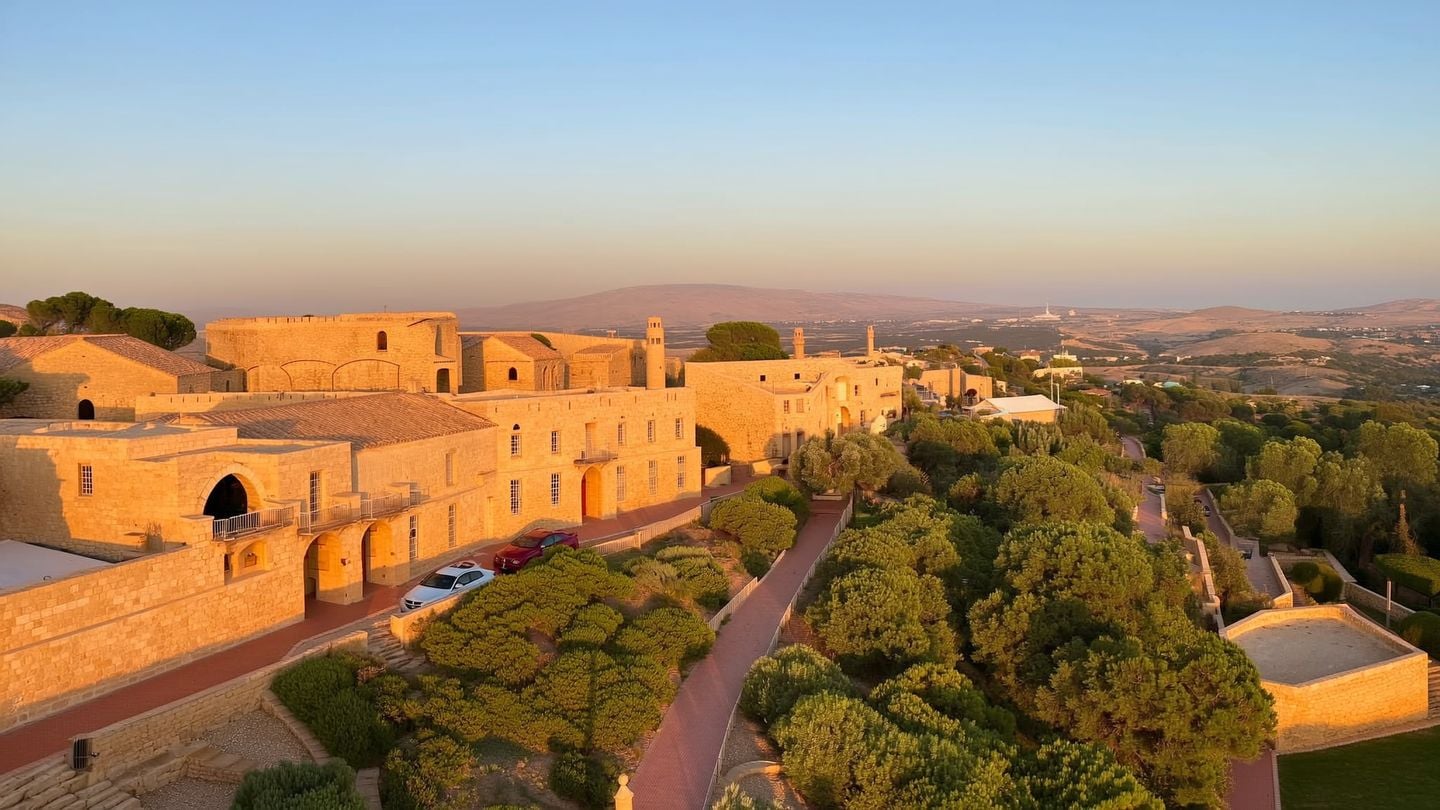
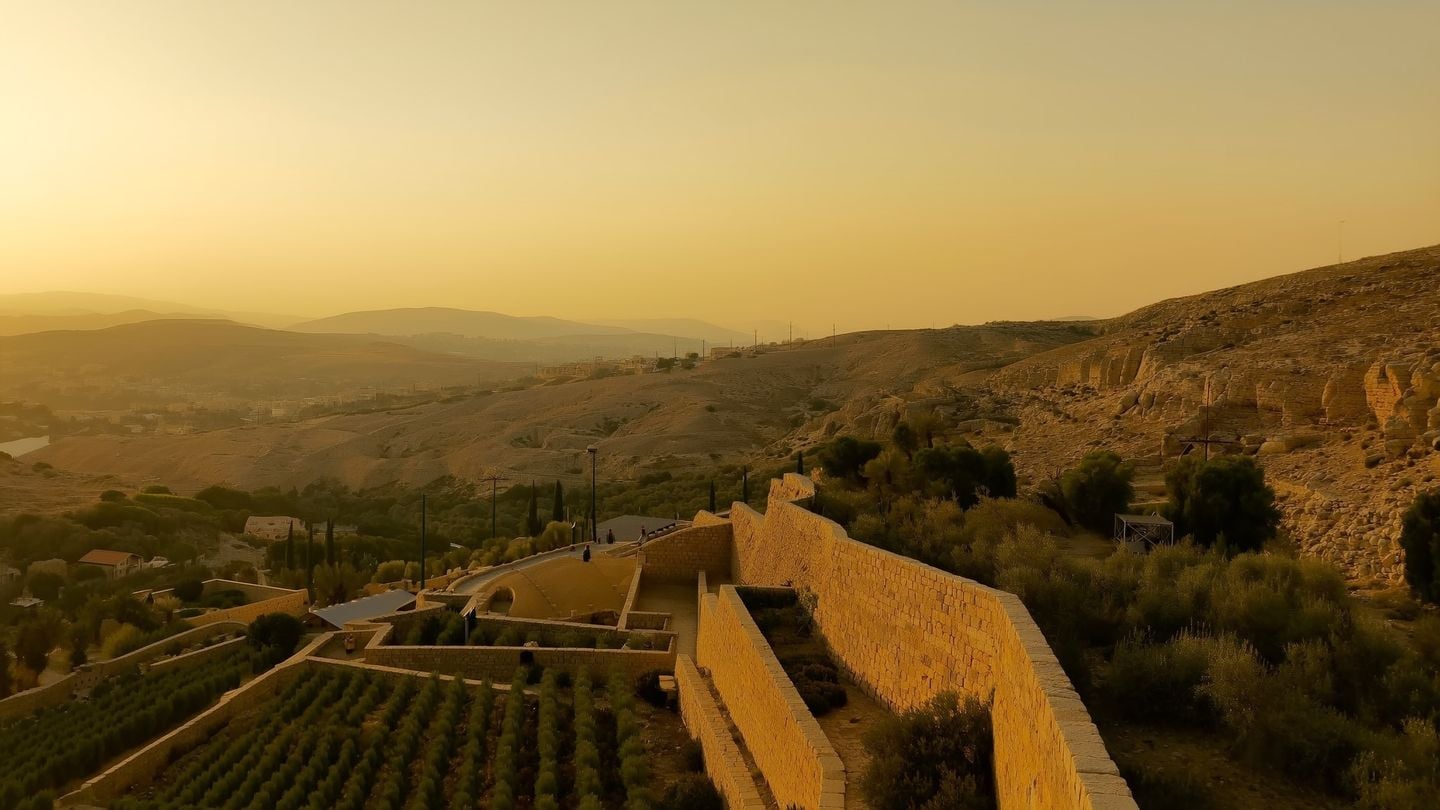
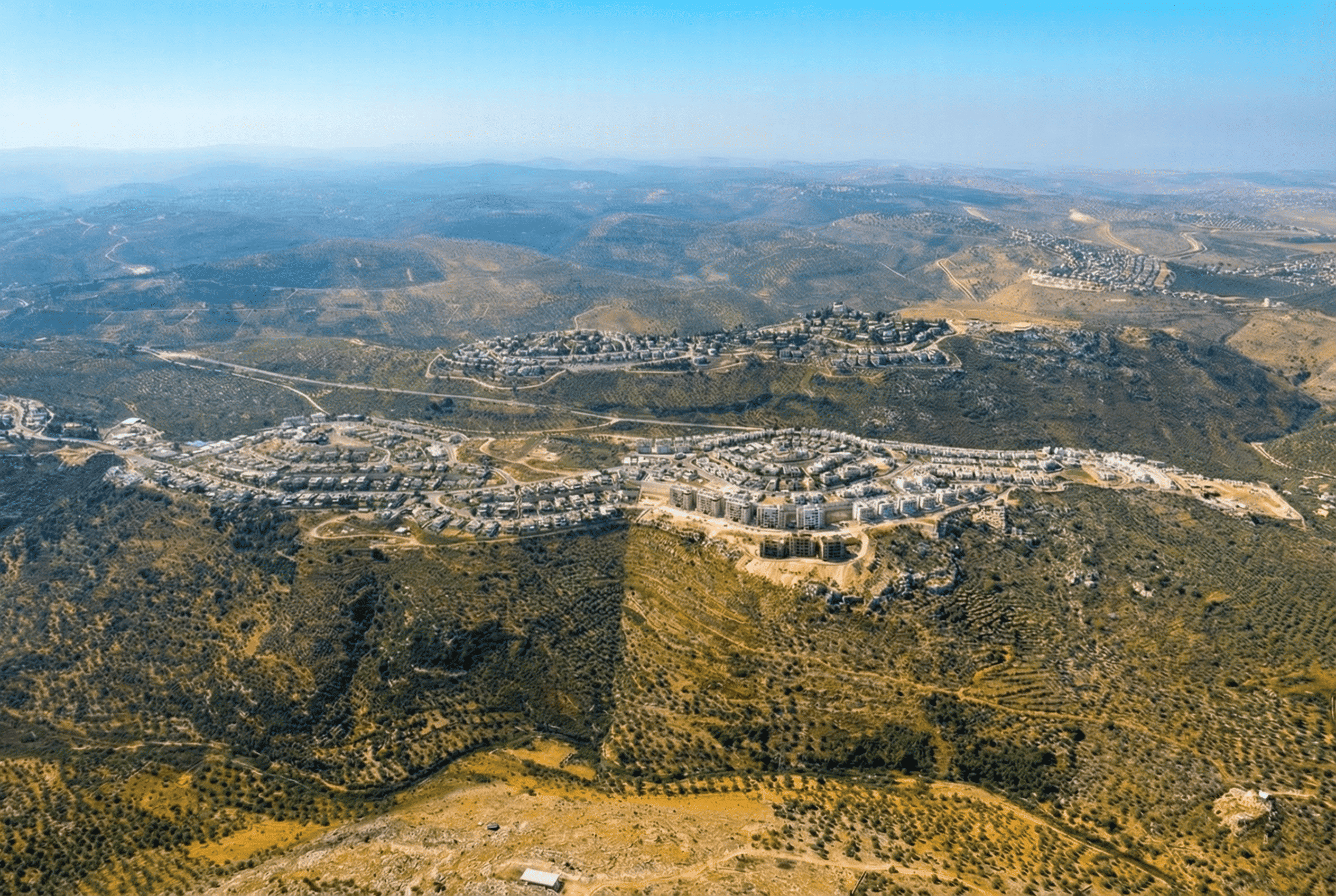
Pisgat Ze'ev, established in 1982, is the largest residential neighborhood in Jerusalem, with a population exceeding 50,000 residents.
DEMOGRAPHICS & FAMILY LIFESTYLE
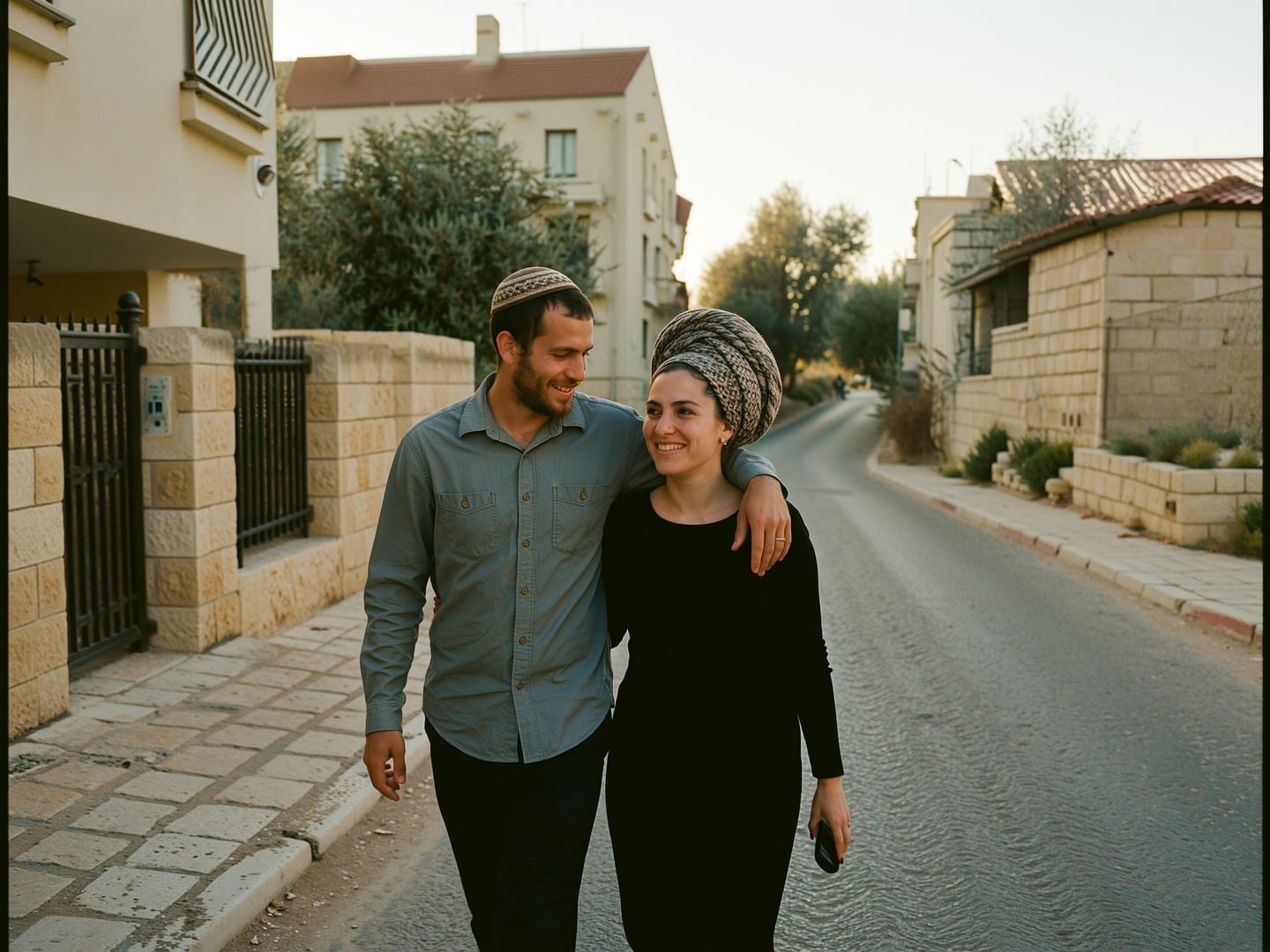
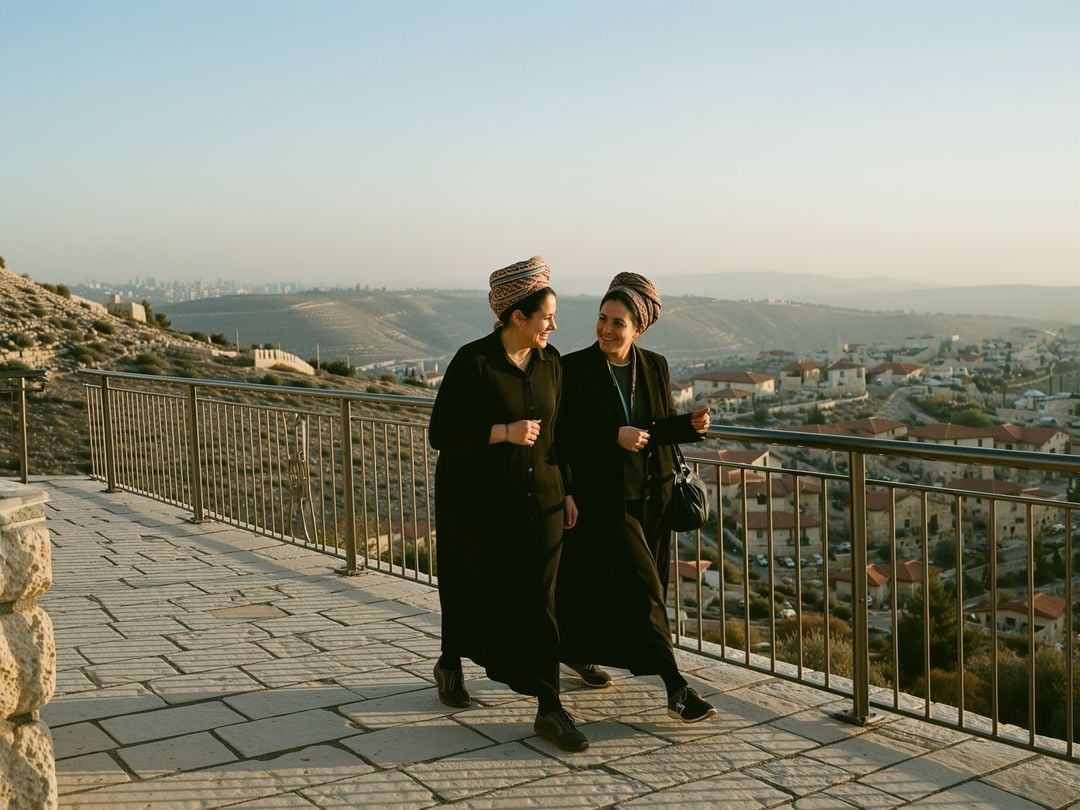
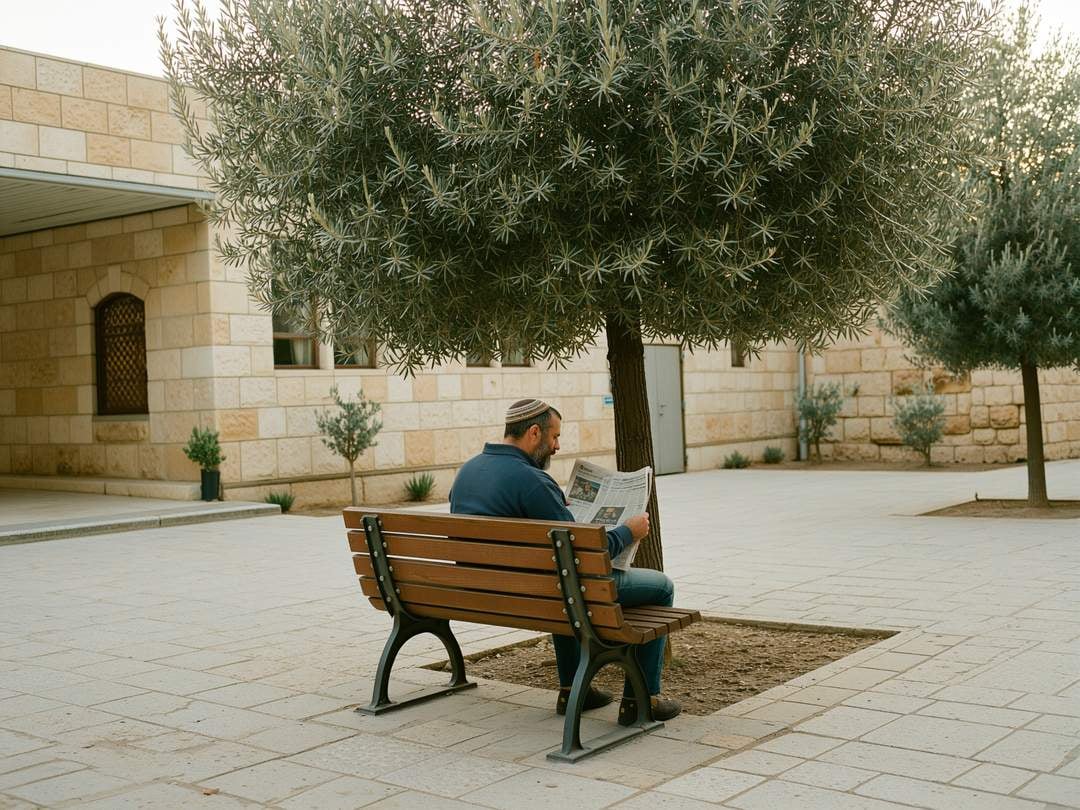
Pisgat Ze'ev is home to a population comprising both religiously observant and secular Jews.
REAL ESTATE MARKET OVERVIEW
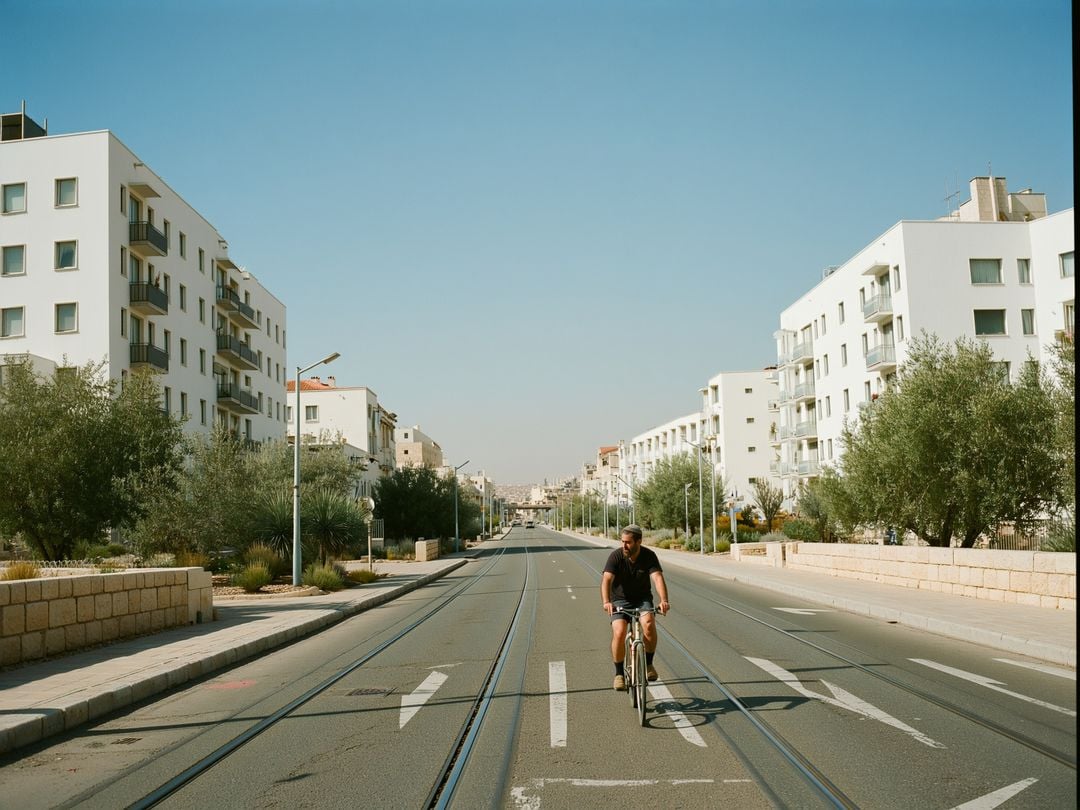
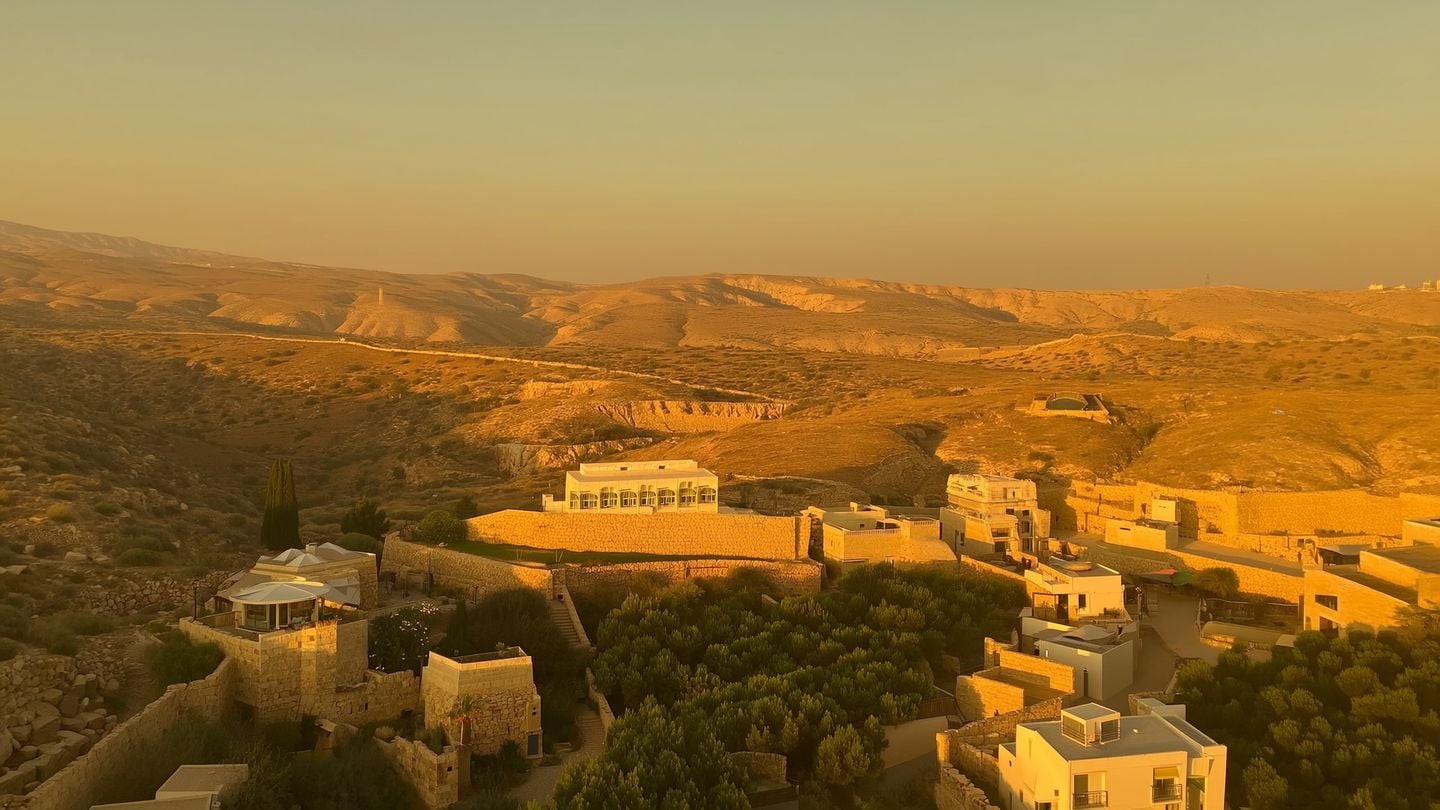
Pisgat Ze'ev's housing stock primarily consists of apartments built during the 1980s and 1990s, reflecting the neighborhood's rapid development during that period. These residences vary in size, typically ranging from three to five rooms, catering to family needs. Many buildings feature balconies, and some ground-floor units include private gardens, offering residents additional outdoor space. Recent urban renewal projects have introduced modern high-rise buildings, enhancing the architectural diversity of the area. The demand for housing in Pisgat Ze'ev is driven by its affordability relative to central Jerusalem, attracting young families and new immigrants seeking cost-effective living options. The neighborhood's accessibility via the light rail system further enhances its appeal. The real estate market here is active yet less competitive than in the city center, providing a good selection of available properties. Rental prices for standard four-room apartments range between 4,500 and 5,200 NIS, while five-room units typically rent for 5,300 to 6,200 NIS. Pisgat Ze'ev is divided into several sub-neighborhoods, including Center, West, East, and North, each offering distinct living environments. The central area, close to the light rail and main shopping mall, is the most convenient and has the highest rental prices. The other areas are more purely residential and can be quieter. The neighborhood's layout includes distinct sub-areas, each contributing to the overall character of Pisgat Ze'ev. - Pisgat Ze'ev Center: The central area, close to the light rail and main shopping mall, is the most convenient and has the highest rental prices.
NEW CONSTRUCTION PROJECTS
Pisgat Ze'ev has experienced significant development in recent years, with several notable construction projects enhancing the neighborhood's residential and communal infrastructure. A boutique building by Dissi Investments and Construction Ltd. Introduced 24 luxurious apartments, including spacious garden units and rooftop residences, all designed to high standards. Additionally, the Pascal Square renovation project is underway, aiming to revitalize the central square with new infrastructure, terraces, and a memorial for Yamam fighter Pascal Avrahami, with completion expected in 2025. These developments reflect ongoing efforts to modernize and expand the neighborhood's amenities and housing options.
TRANSPORTATION & ACCESSIBILITY
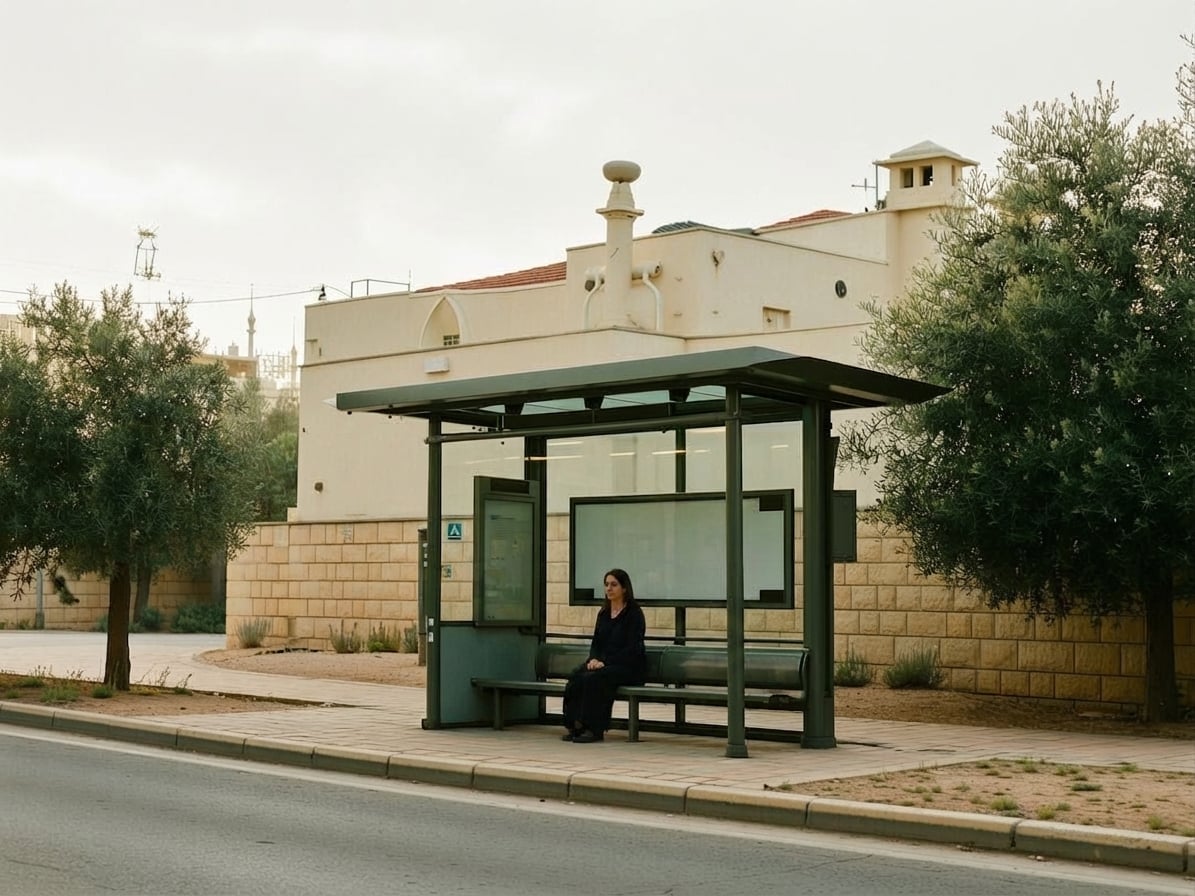
Transportation in Pisgat Ze'ev is well-integrated with the broader Jerusalem area, offering residents convenient access to various parts of the city. The neighborhood is served by multiple bus lines, including routes 1, 22, 44, 49, 53, 65, and 66, facilitating easy travel to and from central Jerusalem. Additionally, the Jerusalem Light Rail extends into Pisgat Ze'ev, with the Pisgat Ze'ev Center station located just two stops from the northern terminus, providing a swift and efficient connection to the city's core. This comprehensive public transportation network ensures that residents can navigate the city with ease, enhancing the neighborhood's appeal for commuters and families alike.
WHY NEW IMMIGRANTS CHOOSE PISGAT ZE'EV
New immigrants, or olim, are drawn to Pisgat Ze'ev for several compelling reasons. The neighborhood offers relatively affordable housing compared to other parts of Jerusalem, making it attractive to families seeking cost-effective living options.
- Affordable housing options for families
- Proximity to central Jerusalem
- Access to public transportation
- Community
- Comprehensive community services and cultural activities