CITY HISTORY & DEVELOPMENT
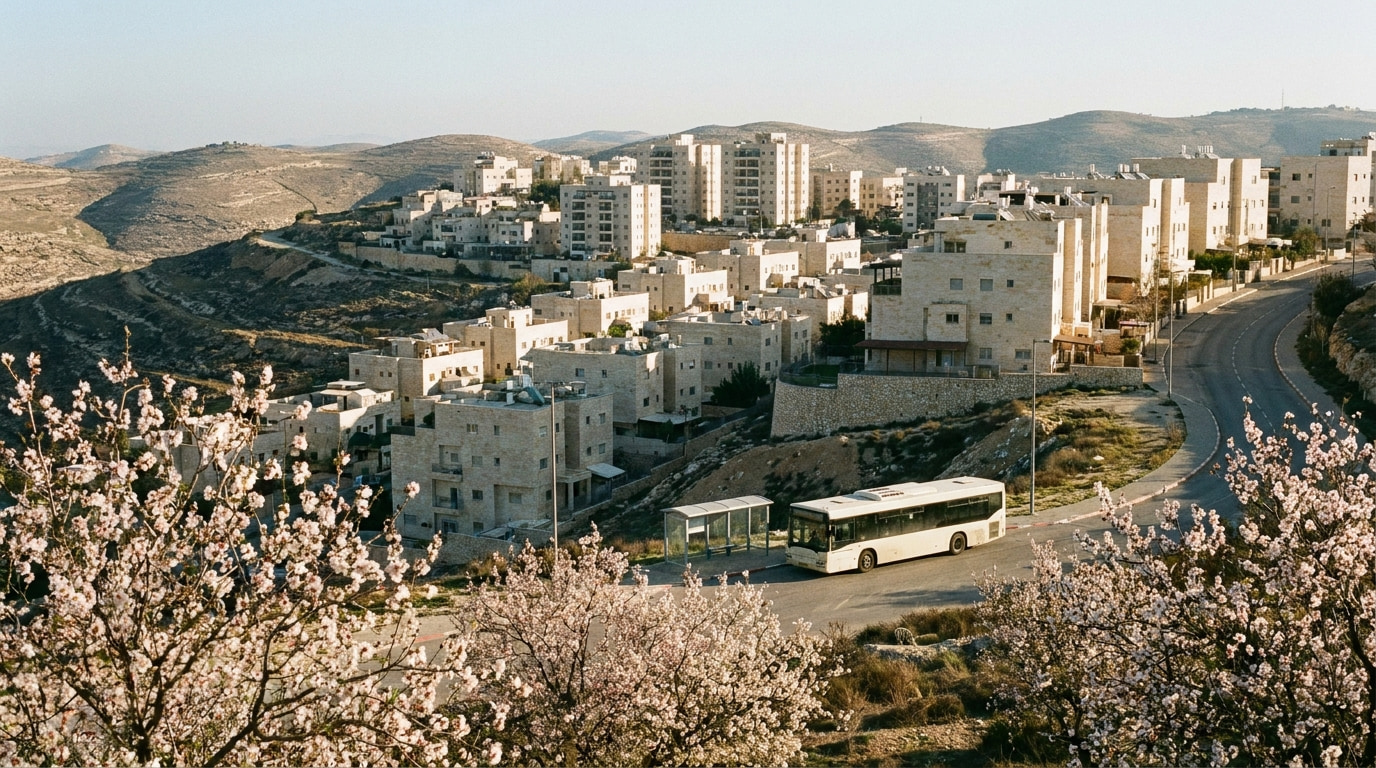
Beitar Illit was established in 1985 by a small group of young families from the religious Zionist yeshiva of Machon Meir. The first residents settled in 1990, and the city was officially recognized in 2001. Located approximately 10 kilometers southwest of Jerusalem, Beitar Illit has grown rapidly and is now one of the largest and fastest-growing cities in the region.
DEMOGRAPHICS & FAMILY LIFESTYLE
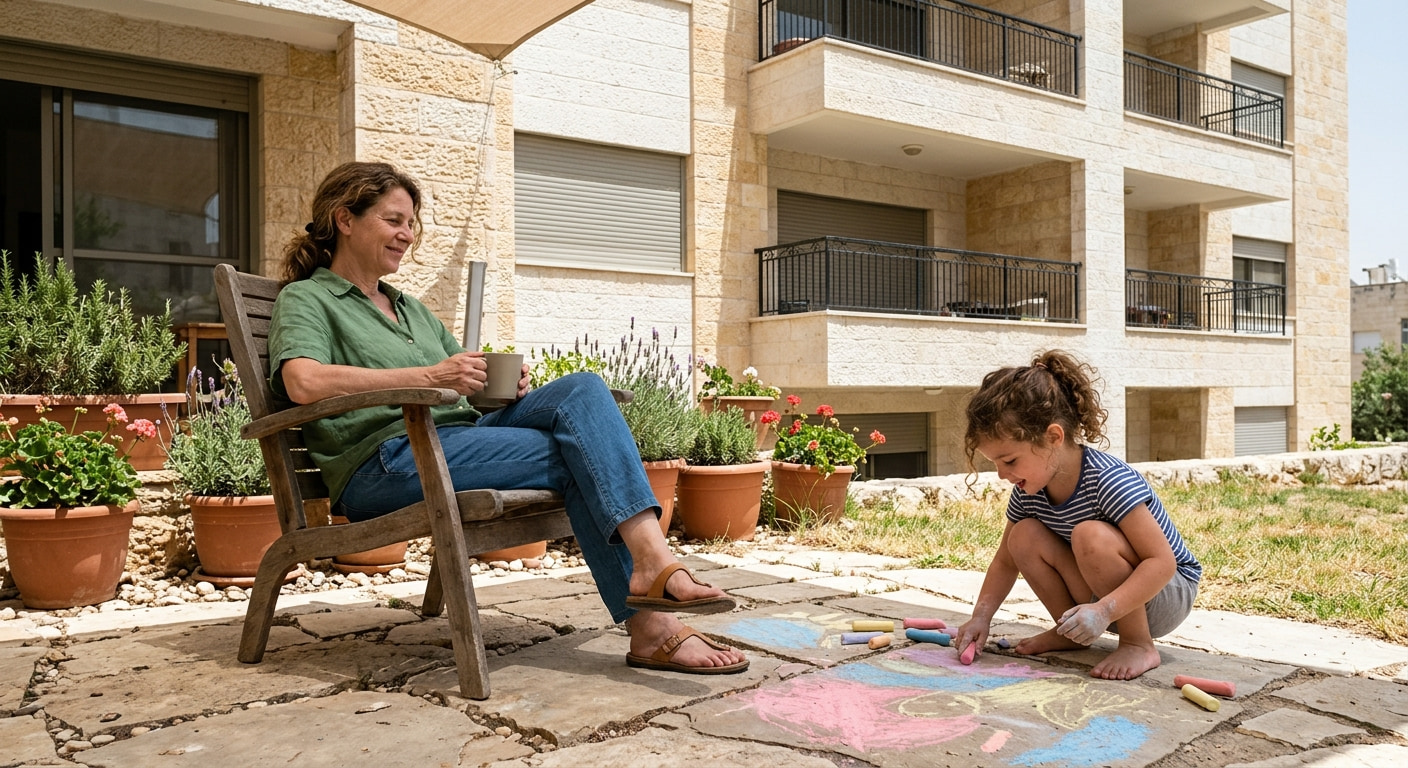
Beitar Illit is a predominantly Haredi (ultra-Orthodox) Jewish city. As of February 2026, the population was 72,964, with 55.4% under the age of 18, making it one of the youngest cities in Israel. The community is characterized by large families and a lifestyle centered around religious study and observance.
REAL ESTATE MARKET OVERVIEW
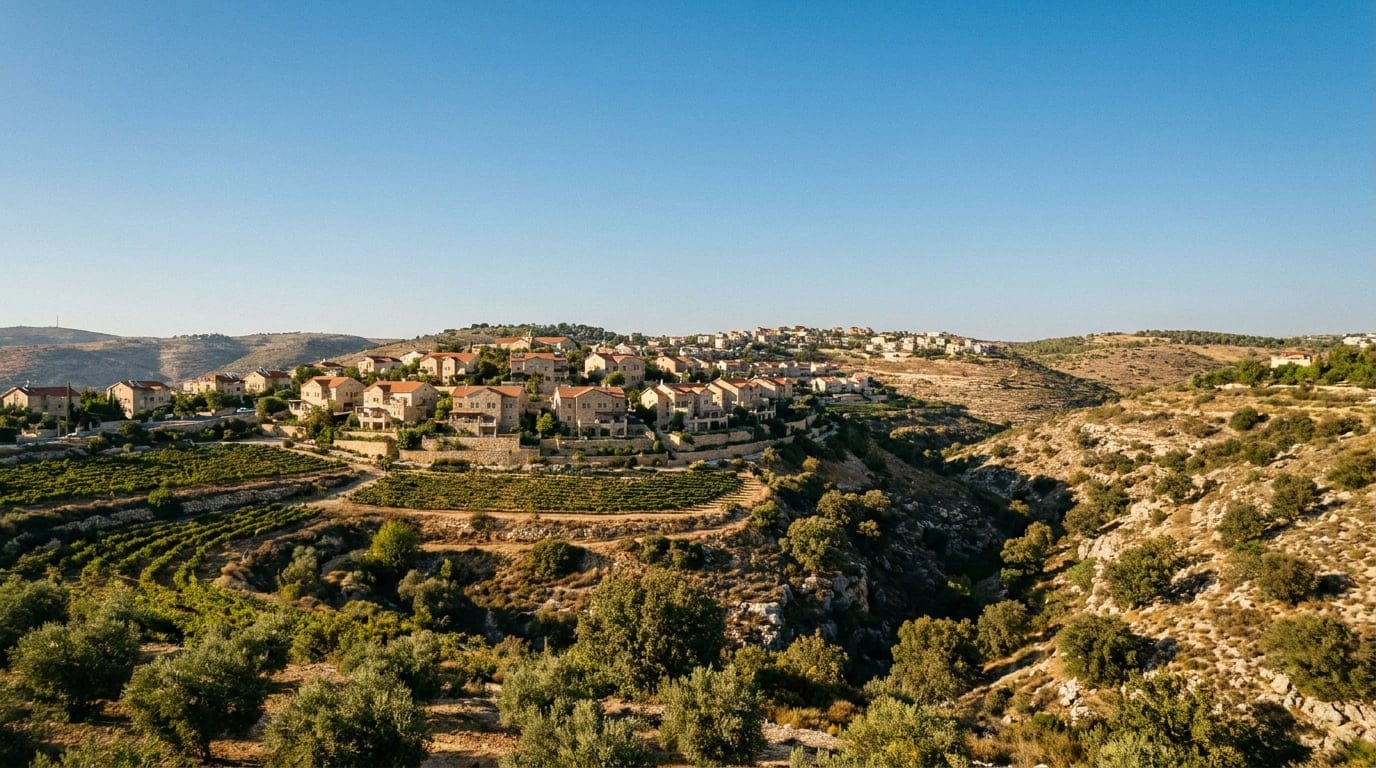
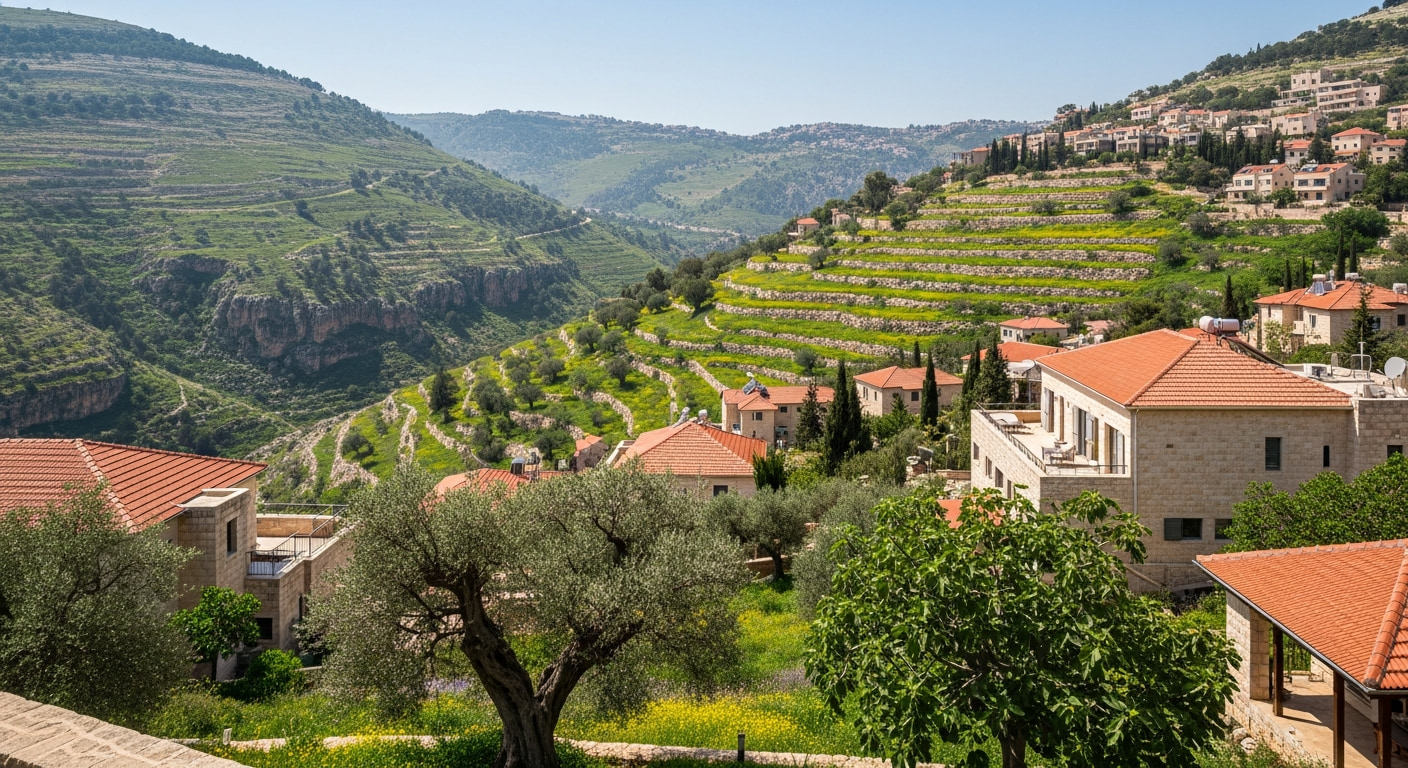
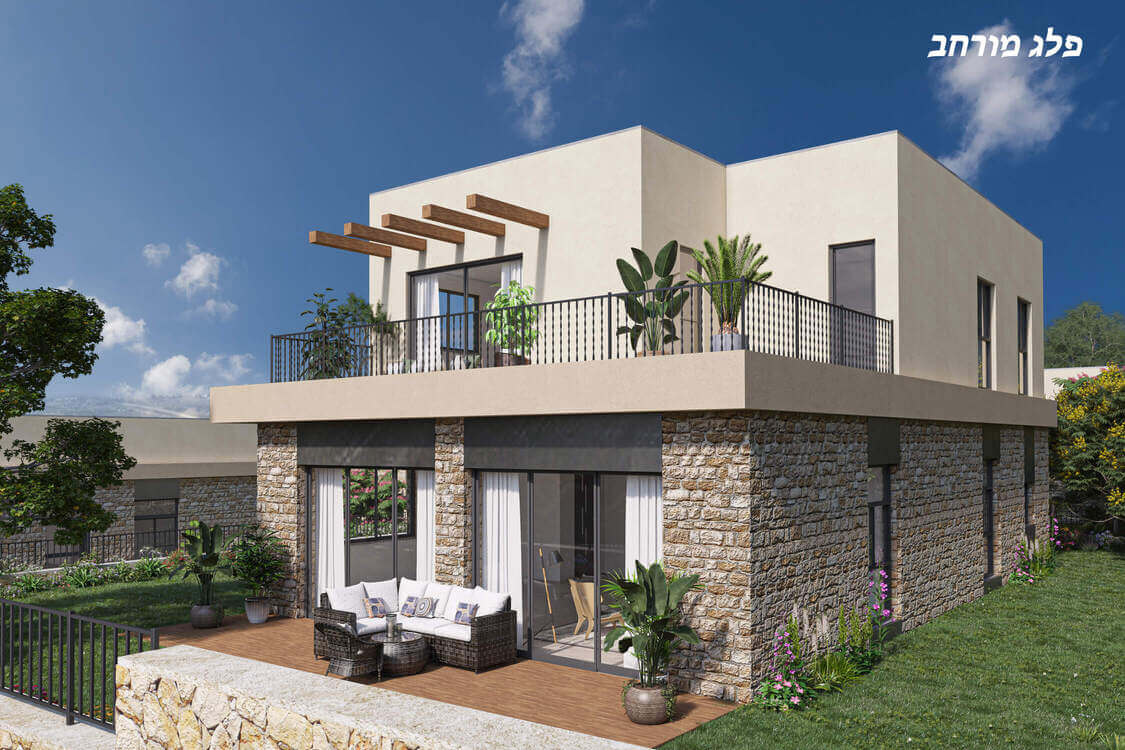
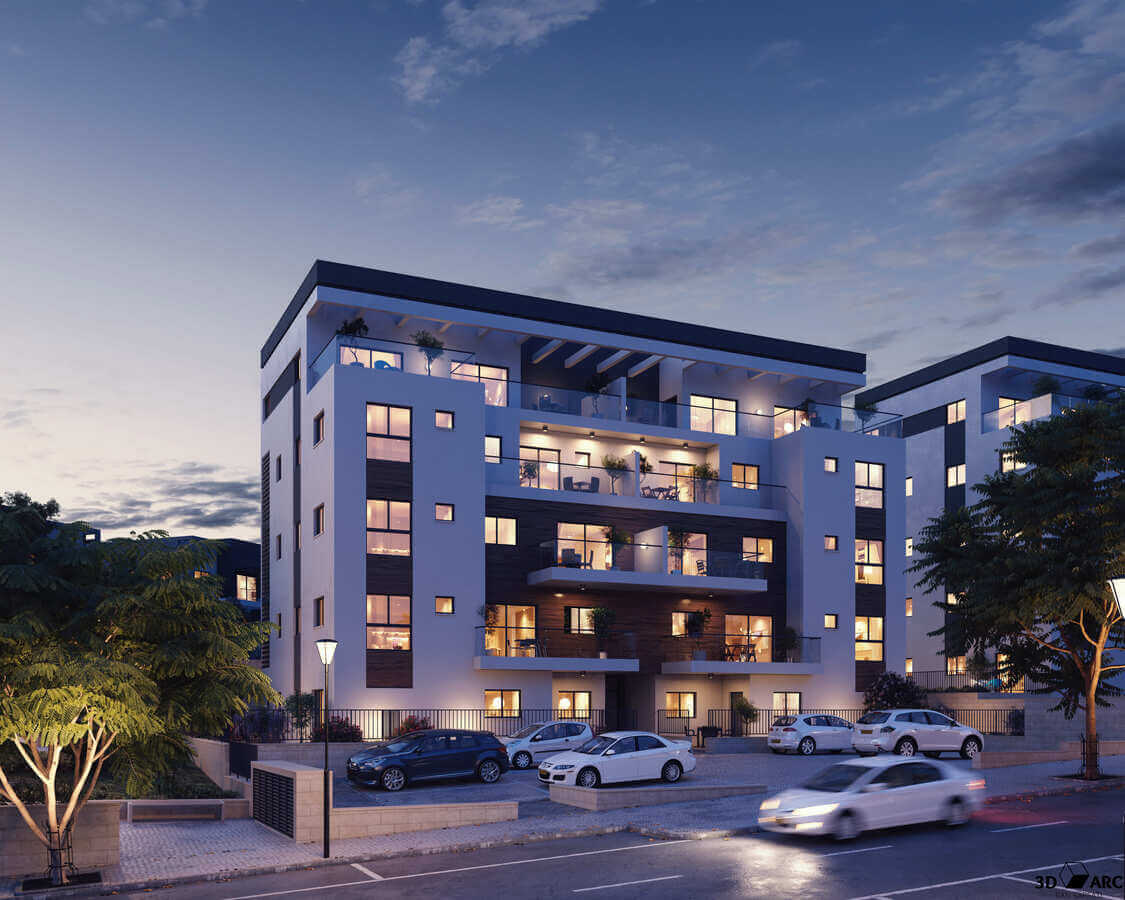
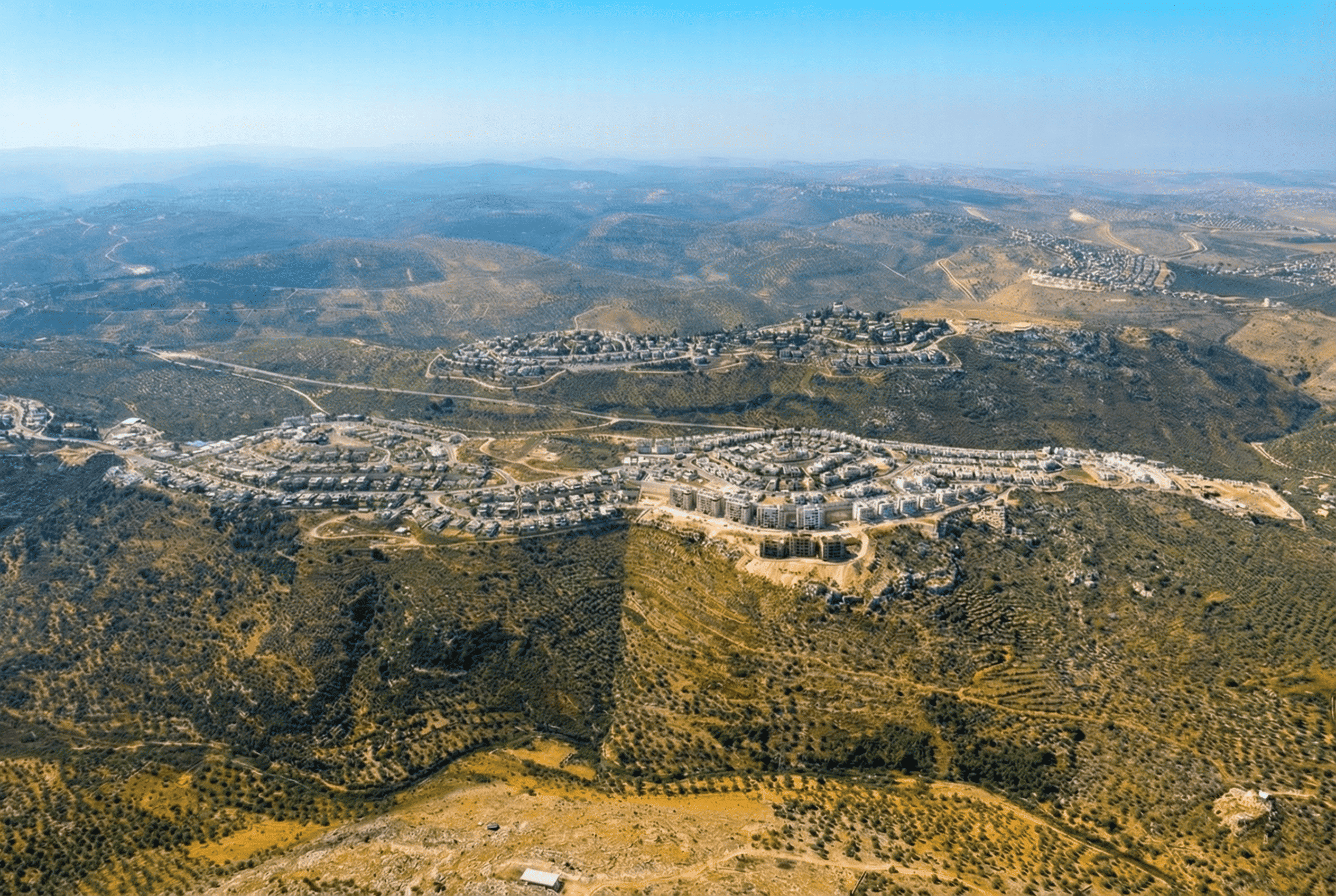
Betar Illit's housing primarily consists of multi-unit apartment buildings, accommodating the city's rapidly growing population. The majority of these apartments are designed to meet the needs of large families, featuring multiple bedrooms and spacious living areas. Construction has been ongoing since the early 1990s, resulting in a mix of older and newer buildings. While detached houses and cottages are less common, they are available, though often at higher price points. The real estate market in Betar Illit is characterized by strong demand, driven by the city's high birthrate and the influx of new residents seeking a Haredi lifestyle close to Jerusalem. This demand has led to competitive housing prices, with apartments often priced close to or above the national average. The market is predominantly seller-friendly, with quick turnover and limited listings. Buyers are typically large families and investors looking to capitalize on the city's continuous growth. Betar Illit is structured across three main ridges, each hosting distinct neighborhoods. The southern ridge includes the Etrog and Dekel neighborhoods; the central ridge comprises the Gefen and Tamar neighborhoods; and the northern ridge contains the Gimmel neighborhood. This topographical division influences the city's layout, with each area offering its own unique residential environment.
NEW CONSTRUCTION PROJECTS
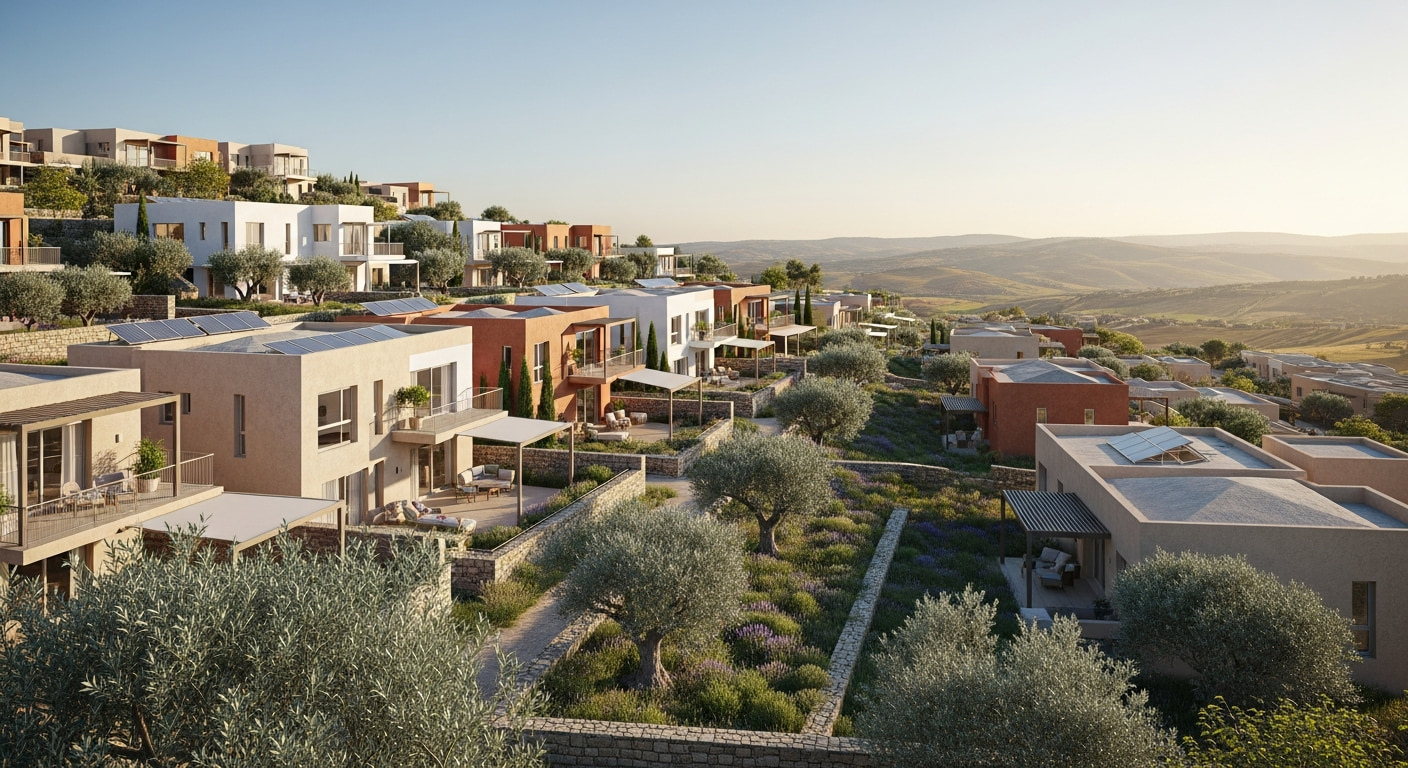
Beitar Illit is experiencing significant expansion to accommodate its rapidly growing population. In August 2025, plans were approved to add 5,000 new housing units, nearly doubling the city's size. This development includes an expansion of 900 dunams (approximately 222 acres) to the city's area. Additionally, in December 2025, the Supreme Planning Council approved 230 new housing units in Beitar Illit, further supporting the city's growth.
TRANSPORTATION & ACCESSIBILITY
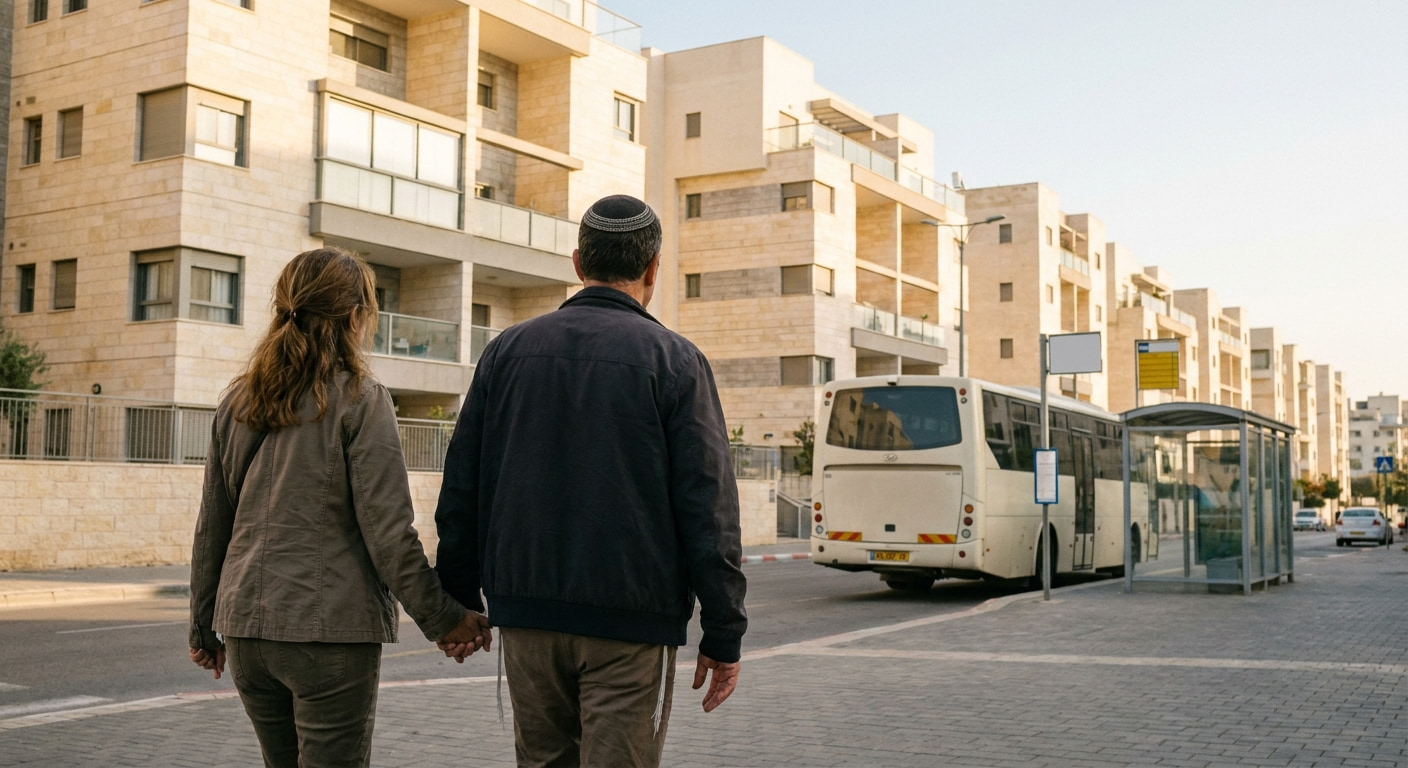
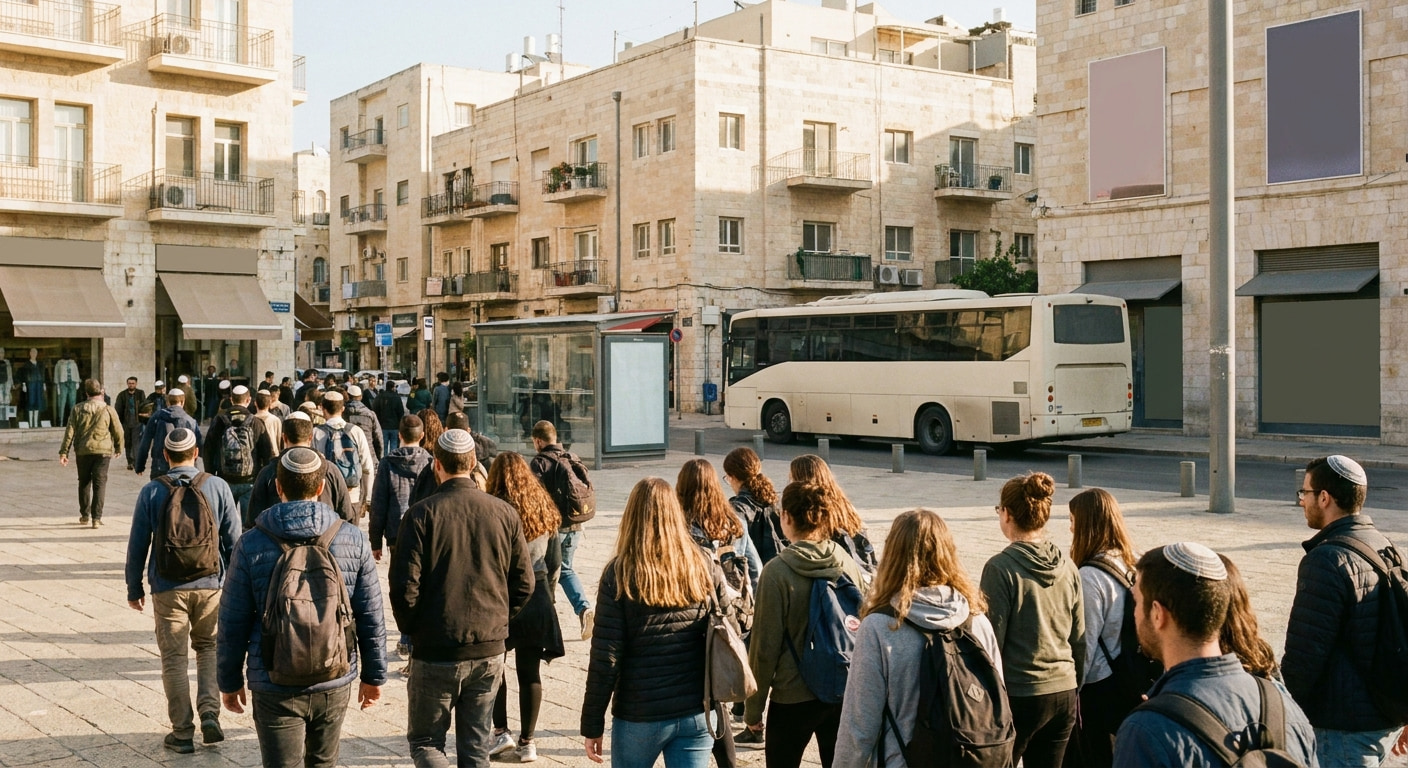
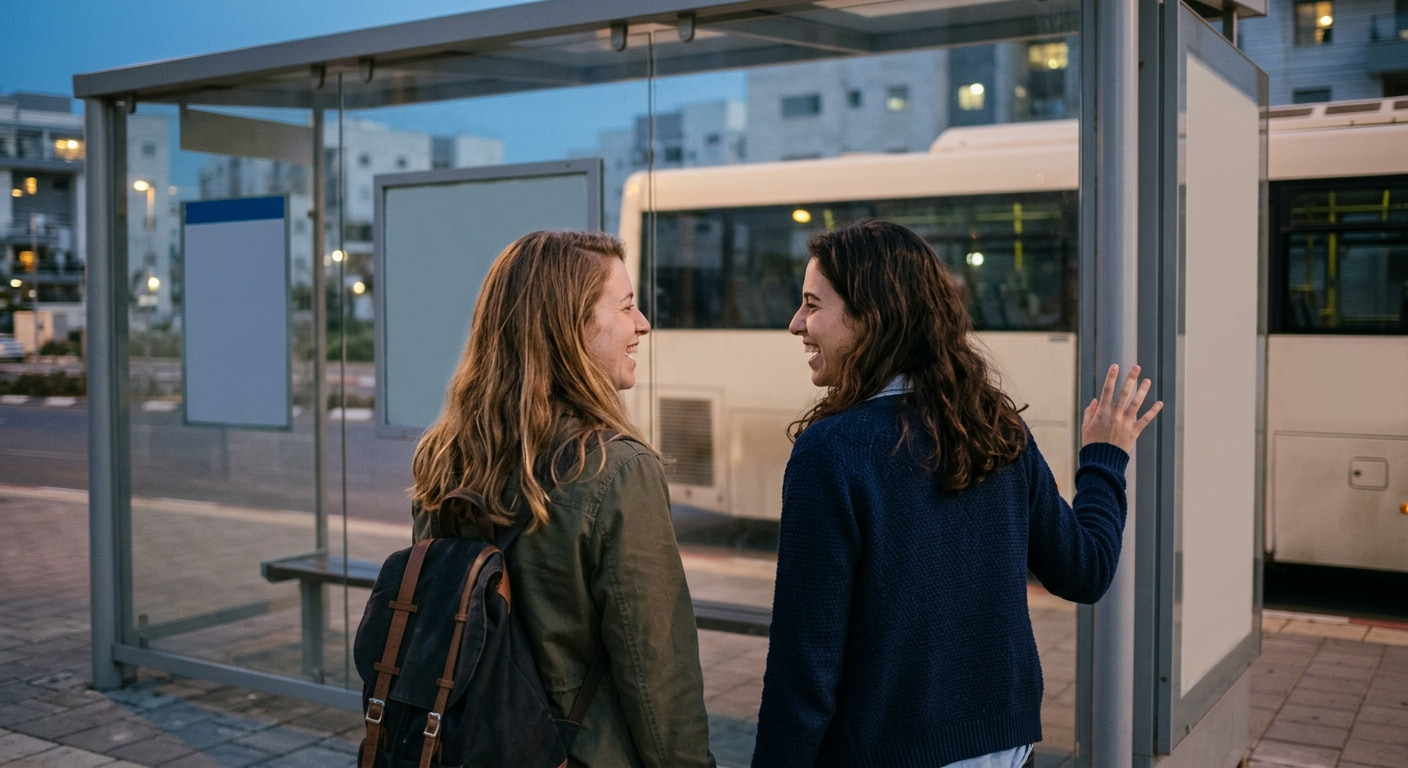
Beitar Illit is well-connected to Jerusalem, located approximately 10 kilometers to the northeast. The city is accessible via Route 375, which links to the Tunnels Road, providing a direct route to Jerusalem's Gilo neighborhood. Public transportation within Beitar Illit is managed by Kavim-Elite, operating a fleet of environmentally friendly buses. These services include multiple intracity lines and routes to Jerusalem, Beit Shemesh, and Bnei Brak, facilitating convenient travel for residents.
WHY NEW IMMIGRANTS CHOOSE BETAR ILLIT
New immigrants are drawn to Beitar Illit for its strong Haredi community, affordable housing, and proximity to Jerusalem. The city's numerous yeshivot and synagogues provide ample opportunities for religious study and communal engagement. Additionally, the family-oriented environment and support networks make it an attractive destination for those seeking to integrate into a Haredi lifestyle.
- Strong Haredi community with shared values
- Affordable housing options
- Proximity to Jerusalem
- Numerous yeshivot and synagogues
- Family-oriented environment with support networks