CITY HISTORY & DEVELOPMENT
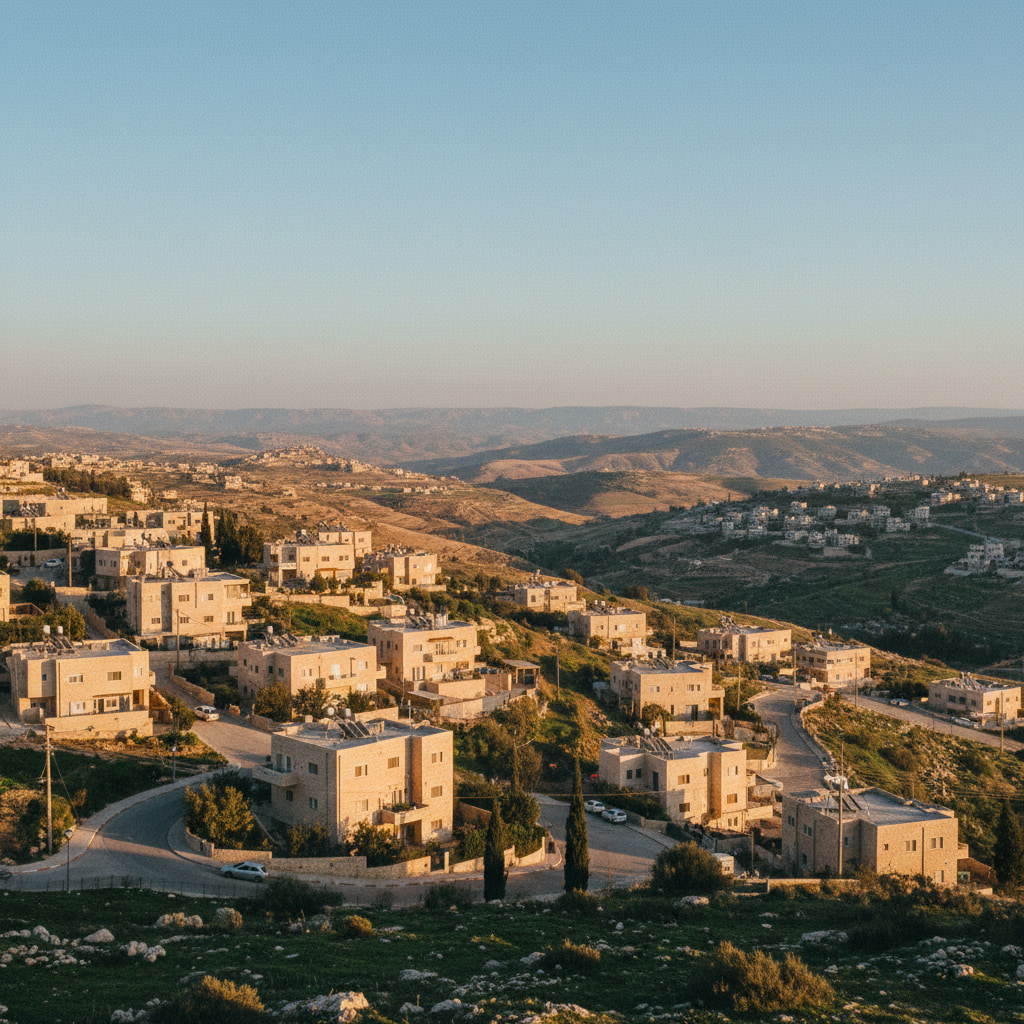
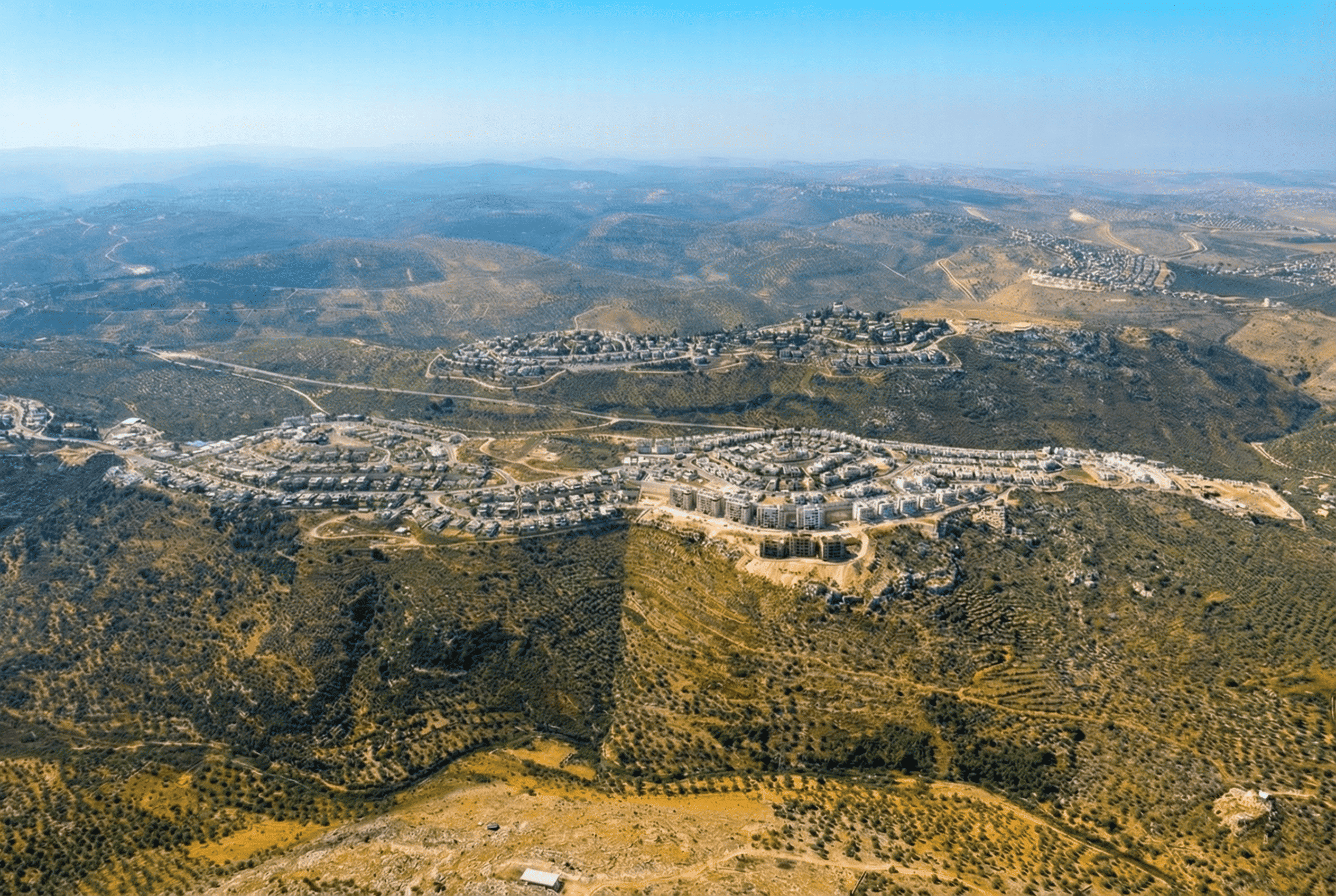
Kfar Tapuach, established in 1978 by the Poel Mizrachi movement, began with nine families enduring challenging conditions, including poor roads and temporary dwellings. Over the years, the community expanded significantly, reaching over 200 families by the mid-2010s. This growth was driven by factors such as proximity to Ariel University and the desire of second-generation residents to remain in the area. Today, Kfar Tapuach continues to develop, with ongoing construction projects and enhancements to community infrastructure.
DEMOGRAPHICS & FAMILY LIFESTYLE
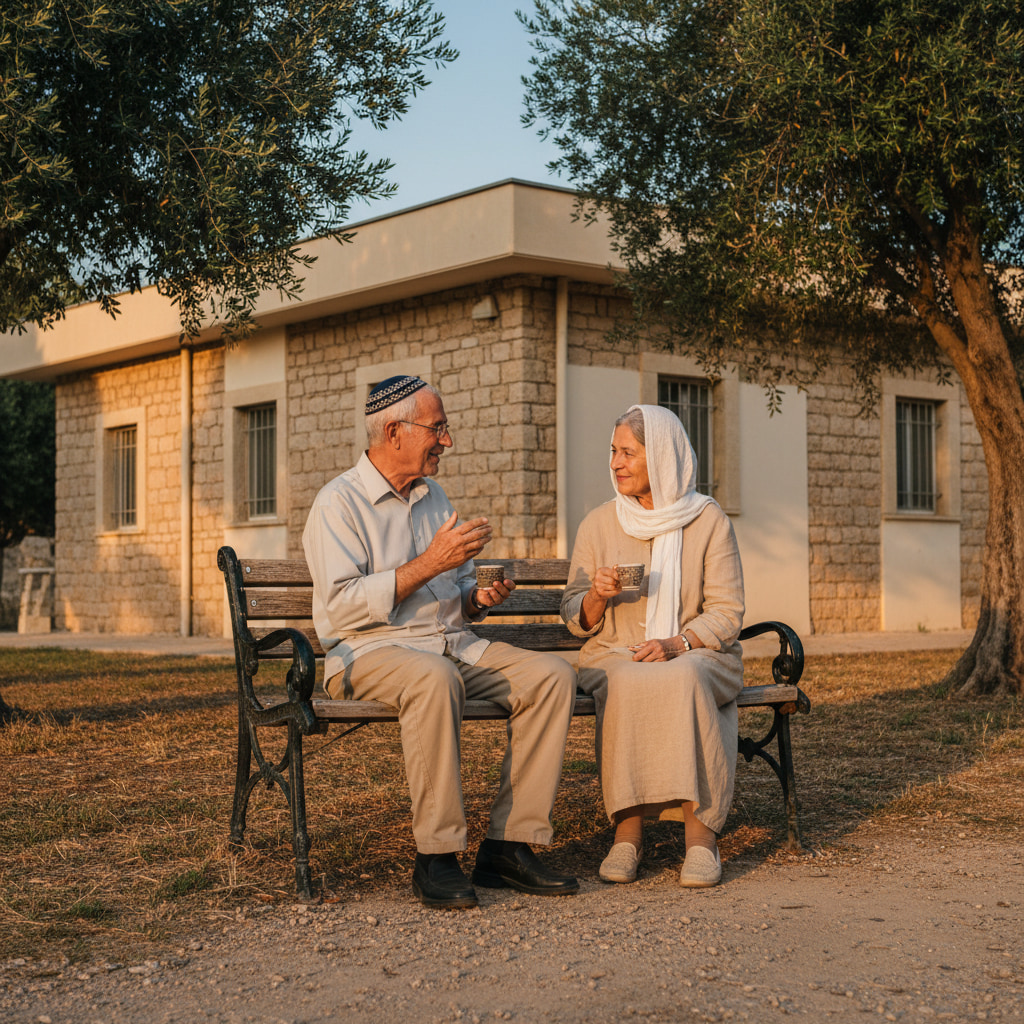
Kfar Tapuach is a religious community affiliated with the Poel Mizrachi movement. The population includes a mix of farmers, teachers, government employees, and professionals, fostering a harmonious environment. The community's diversity is reflected in its synagogues, which accommodate various Jewish traditions, including Sephardi, Ashkenazi, and Yemenite customs.
REAL ESTATE MARKET OVERVIEW
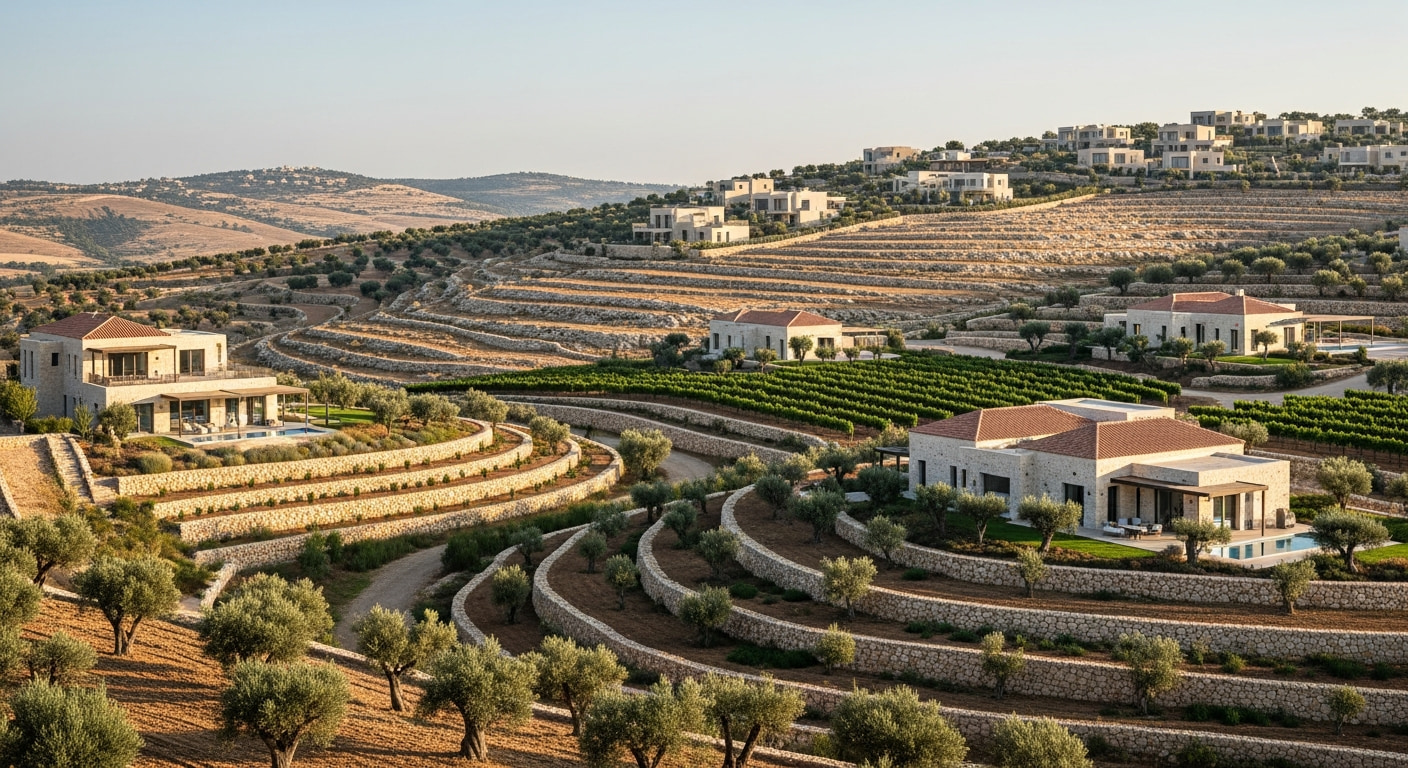
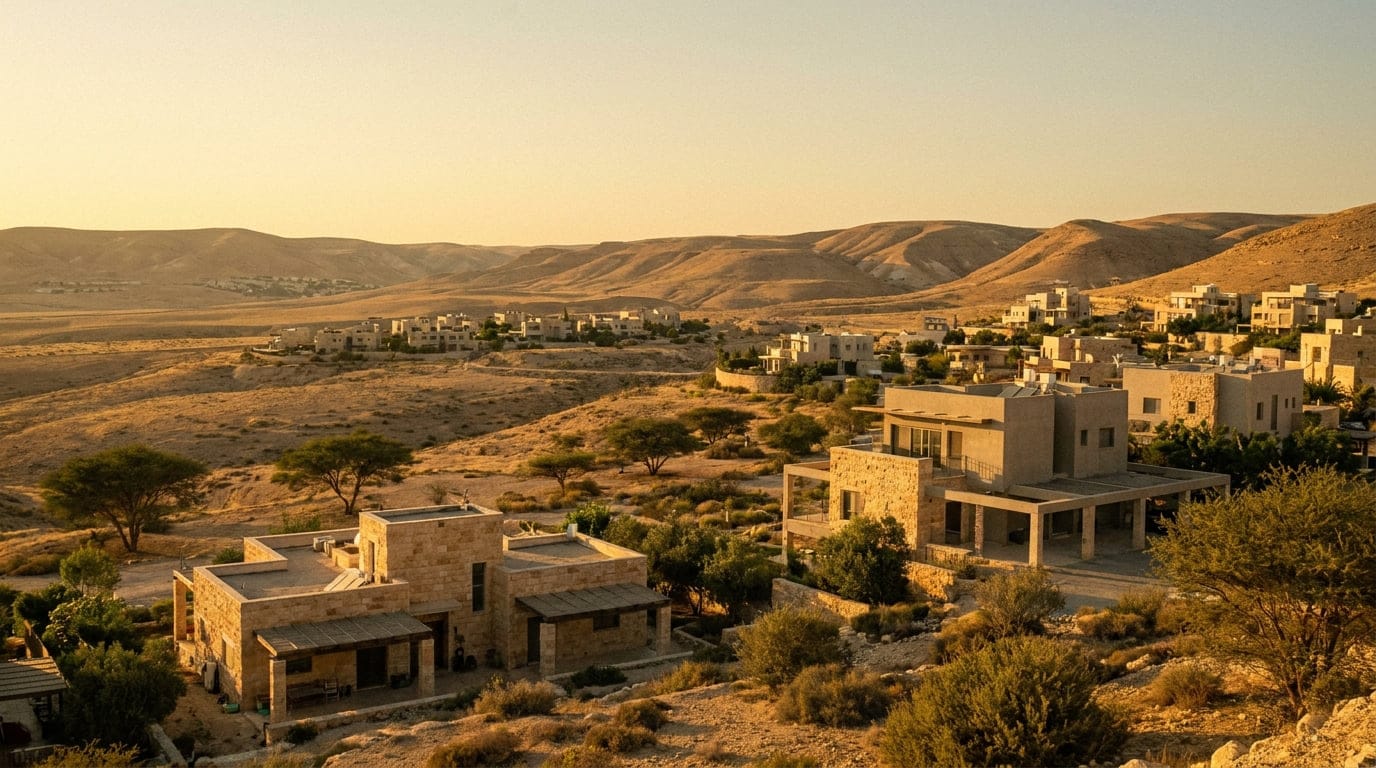
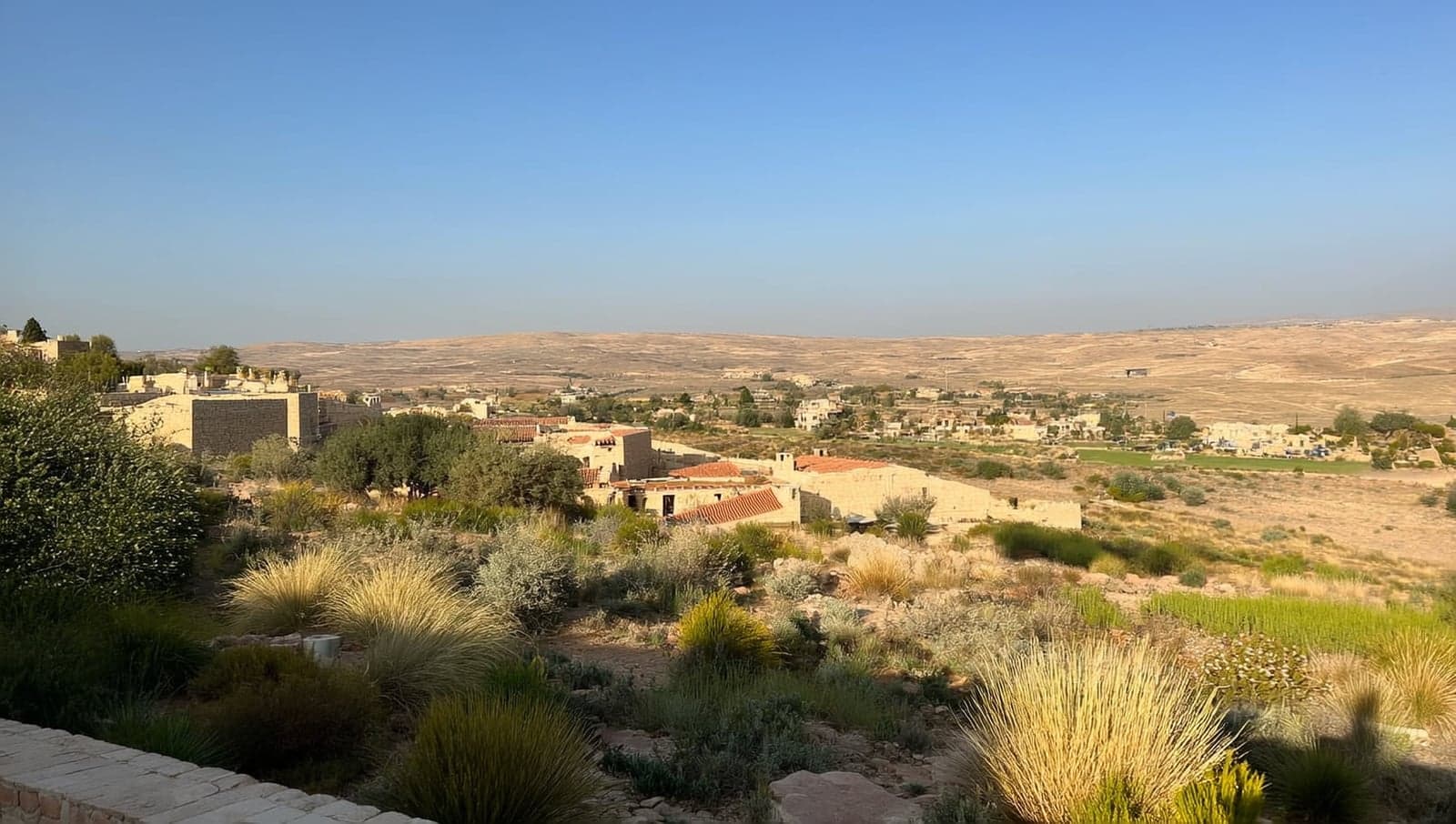
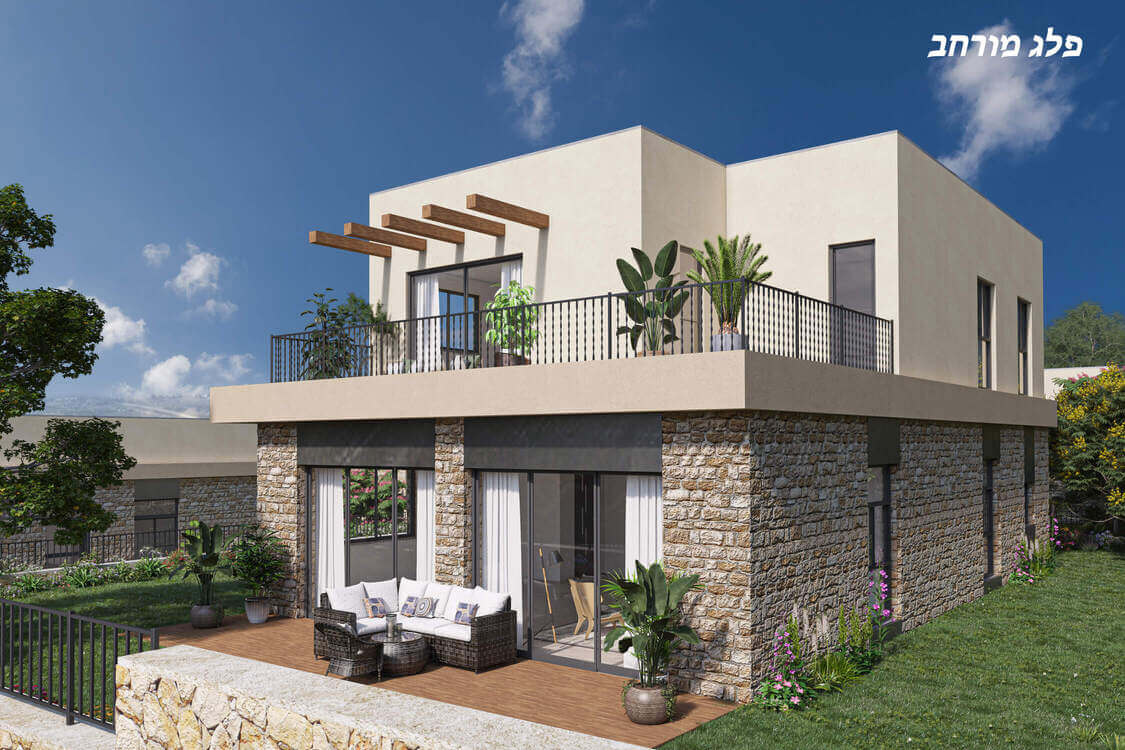
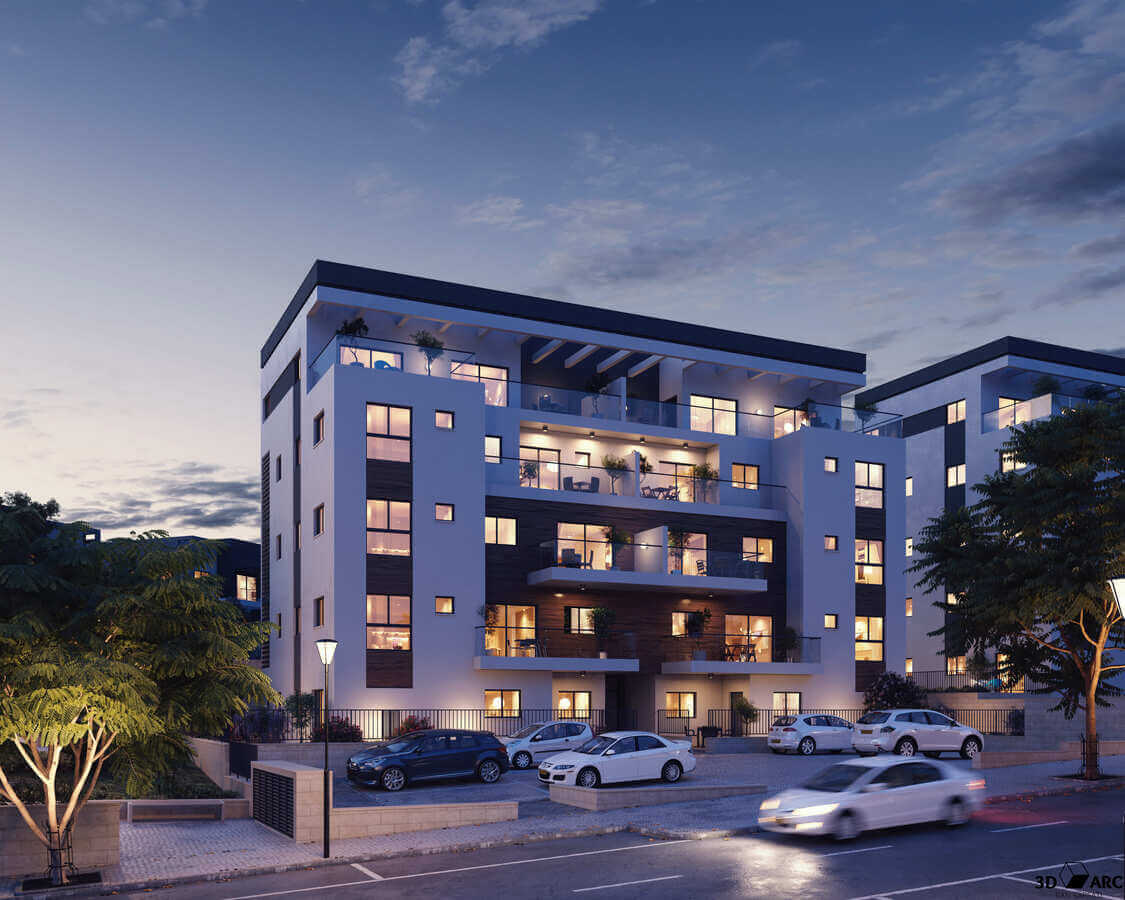
Kfar Tapuach's housing stock primarily consists of single-family homes, many of which are situated on spacious plots of land. The architectural styles reflect the settlement's development since its establishment in 1978, with homes built over the decades to accommodate the growing community. Recent construction projects have introduced modern residences, enhancing the variety of housing options available.
The demand for housing in Kfar Tapuach is influenced by its religious atmosphere, strong community bonds, and proximity to Ariel University, which attracts families and individuals seeking a supportive environment. The real estate market is characterized by stable prices, offering more affordable options compared to areas within the Green Line. Buyers are typically families and professionals looking for a serene lifestyle in the Samarian hills. Market liquidity is moderate, with properties being bought and sold at a steady pace.
NEIGHBORHOOD BREAKDOWN
Kfar Tapuach is a compact settlement without distinct sub-areas or neighborhoods. The community is centered around shared facilities such as synagogues, schools, and communal spaces, fostering a close-knit environment. The layout is designed to promote interaction among residents, with homes and amenities within walking distance of each other.
NEW CONSTRUCTION PROJECTS
Kfar Tapuach has experienced significant growth, with the Higher Planning Council granting final approval for the construction of 105 new housing units in April 2025. This expansion aims to accommodate the increasing demand for residential space within the settlement. Additionally, the community has enhanced its infrastructure by constructing a state-of-the-art gymnasium serving the entire region and allocating substantial funds for sidewalks and landscaping improvements.
TRANSPORTATION & ACCESSIBILITY
Situated at a major crossroads in Samaria, Kfar Tapuach offers convenient access to various parts of the country. The settlement is served by multiple bus routes, including lines 58, 59, 60, 161, and 467, operated by companies such as Tnufa and Electra Afikim. These routes connect residents to nearby cities and regions, facilitating daily commutes and travel. The central location and established transportation network make Kfar Tapuach accessible for both residents and visitors.
WHY NEW IMMIGRANTS CHOOSE KFAR TAPUACH
New immigrants are drawn to Kfar Tapuach for its strong sense of community, religious atmosphere, and affordable housing options compared to areas within the Green Line. The settlement's proximity to Ariel University offers educational and employment opportunities, while its location in the Samarian hills provides a serene environment. Additionally, the community's commitment to mutual respect and support makes it an appealing destination for those seeking a close-knit and supportive community.
- Strong sense of community and mutual support
- Affordable housing options
- Proximity to Ariel University
- Serene environment in the Samarian hills
- Religious practices accommodated