CITY HISTORY & DEVELOPMENT
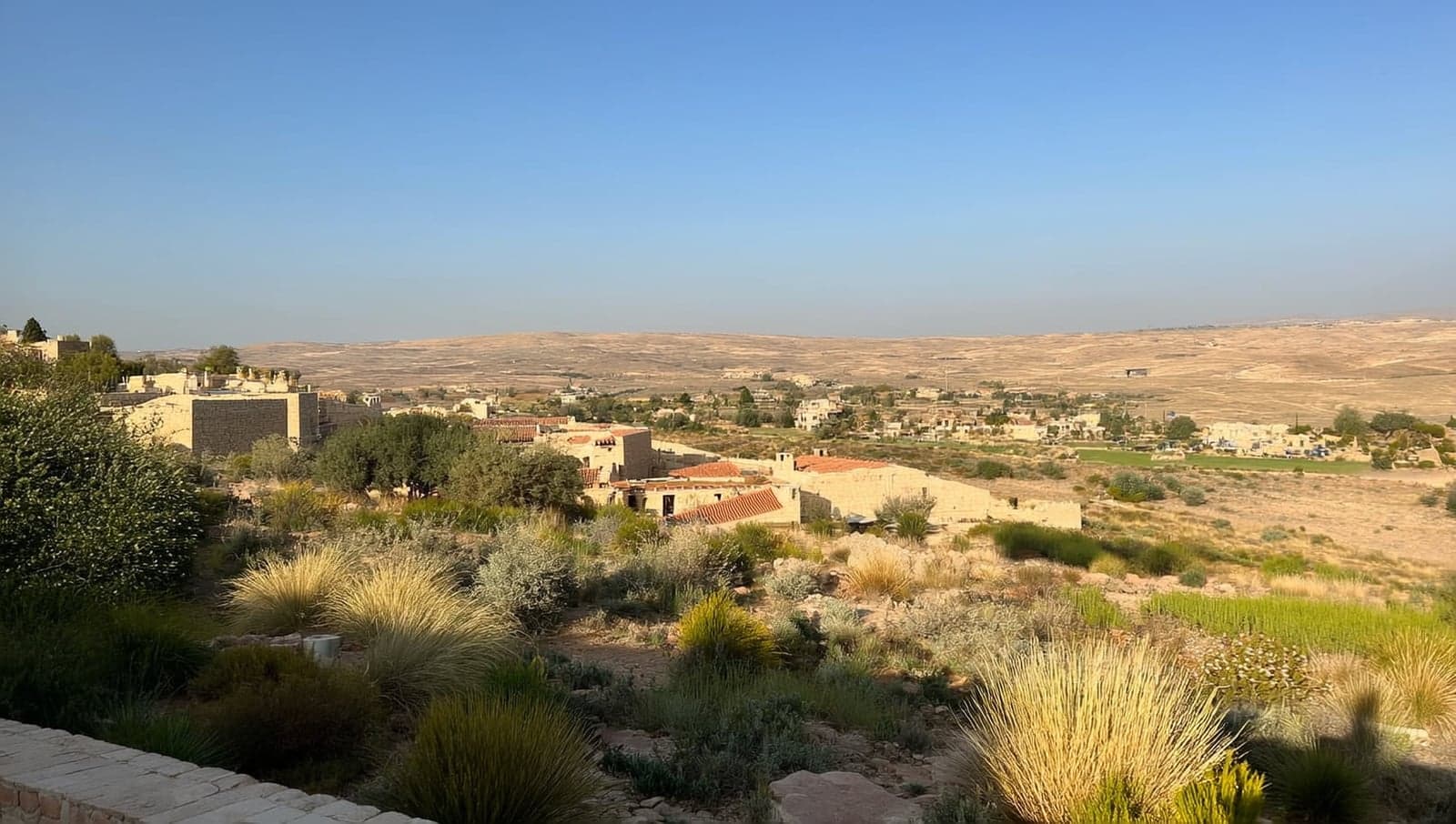
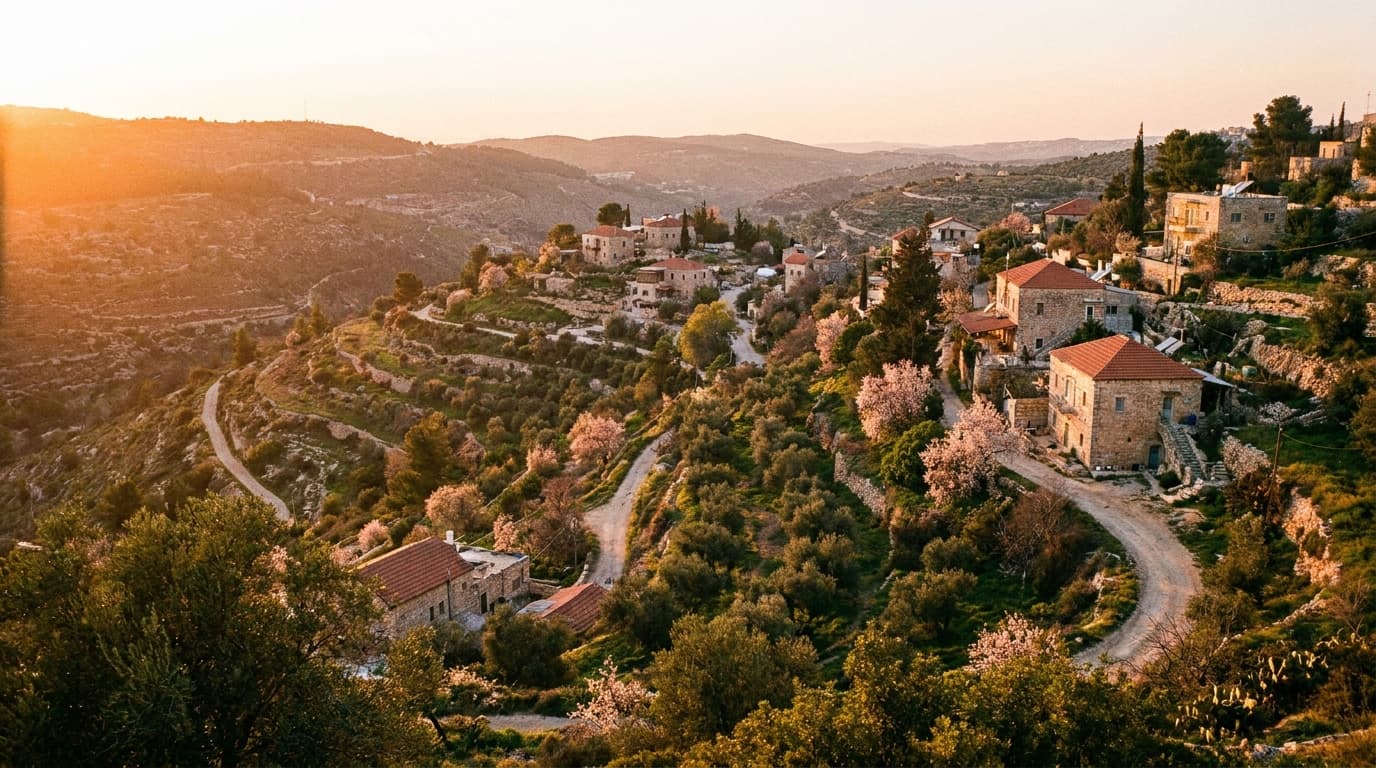
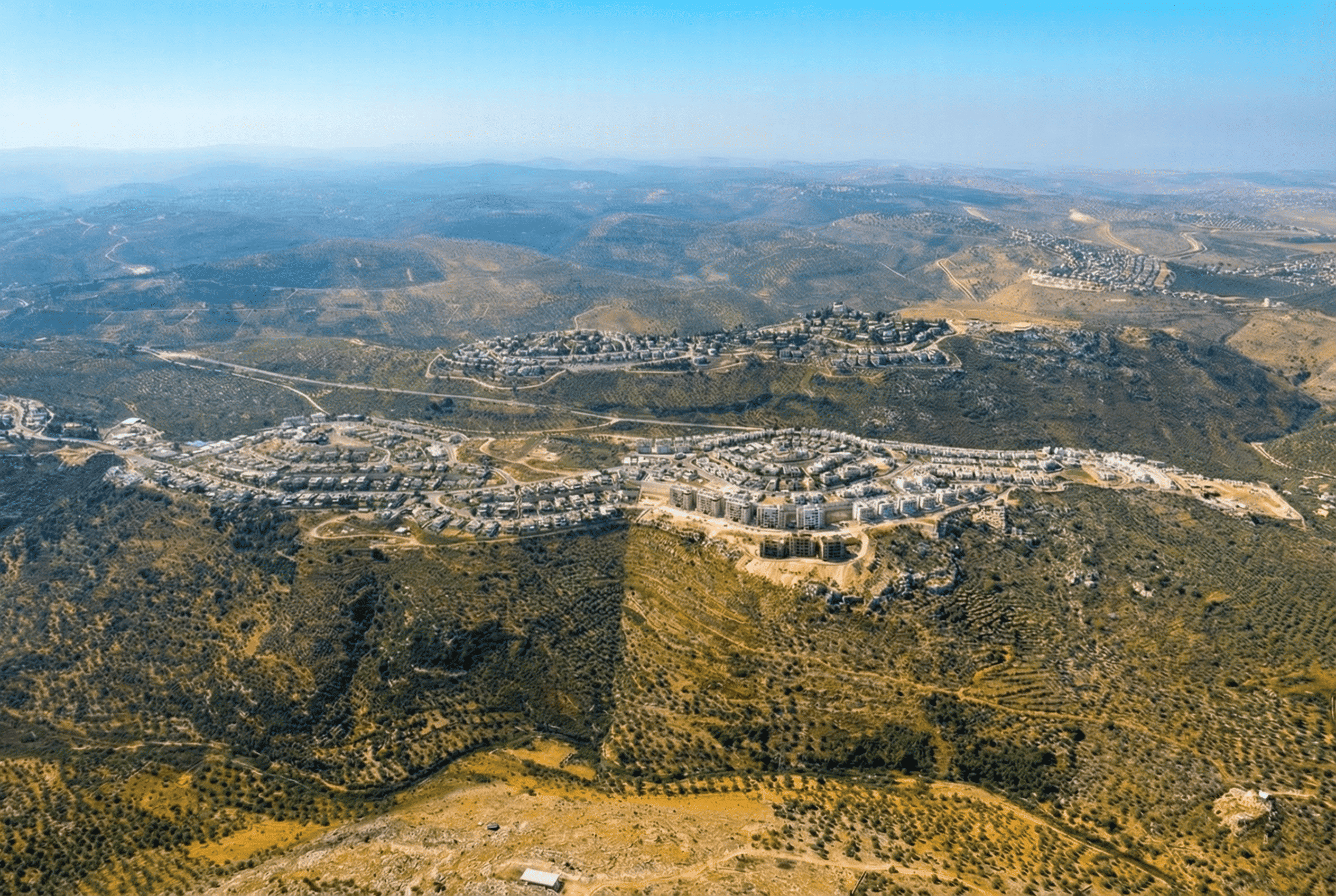
Psagot was established in 1981 by families from the Jerusalem neighborhood of Beit VeGan. Situated on Tawil Hill, adjacent to the Palestinian cities of Ramallah and al-Bireh, it falls under the jurisdiction of the Mateh Binyamin Regional Council, whose headquarters are located there. Over the years, Psagot has developed into a community with approximately 300 families, offering various educational institutions and community services. The area is also notable for its archaeological significance, including remnants of ancient Jewish villages and Second Temple period winepresses.
DEMOGRAPHICS & FAMILY LIFESTYLE
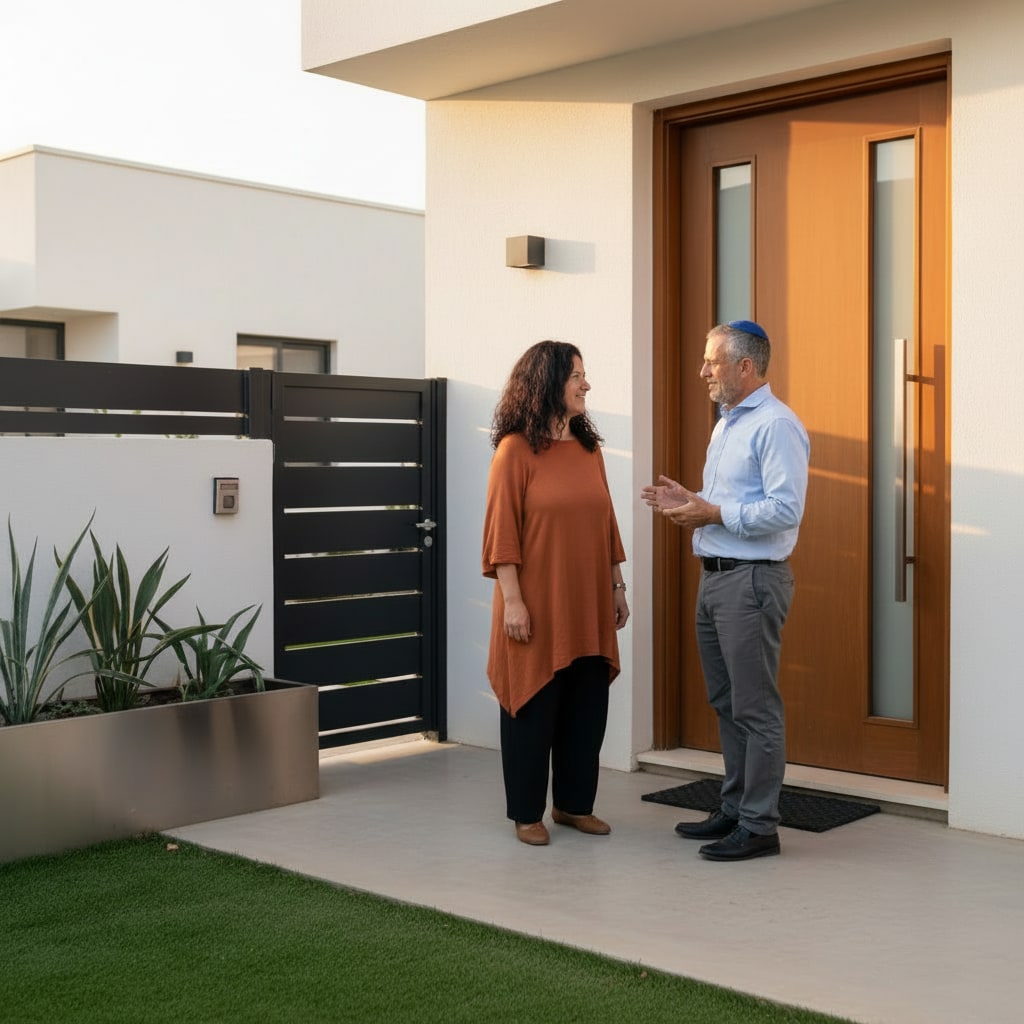
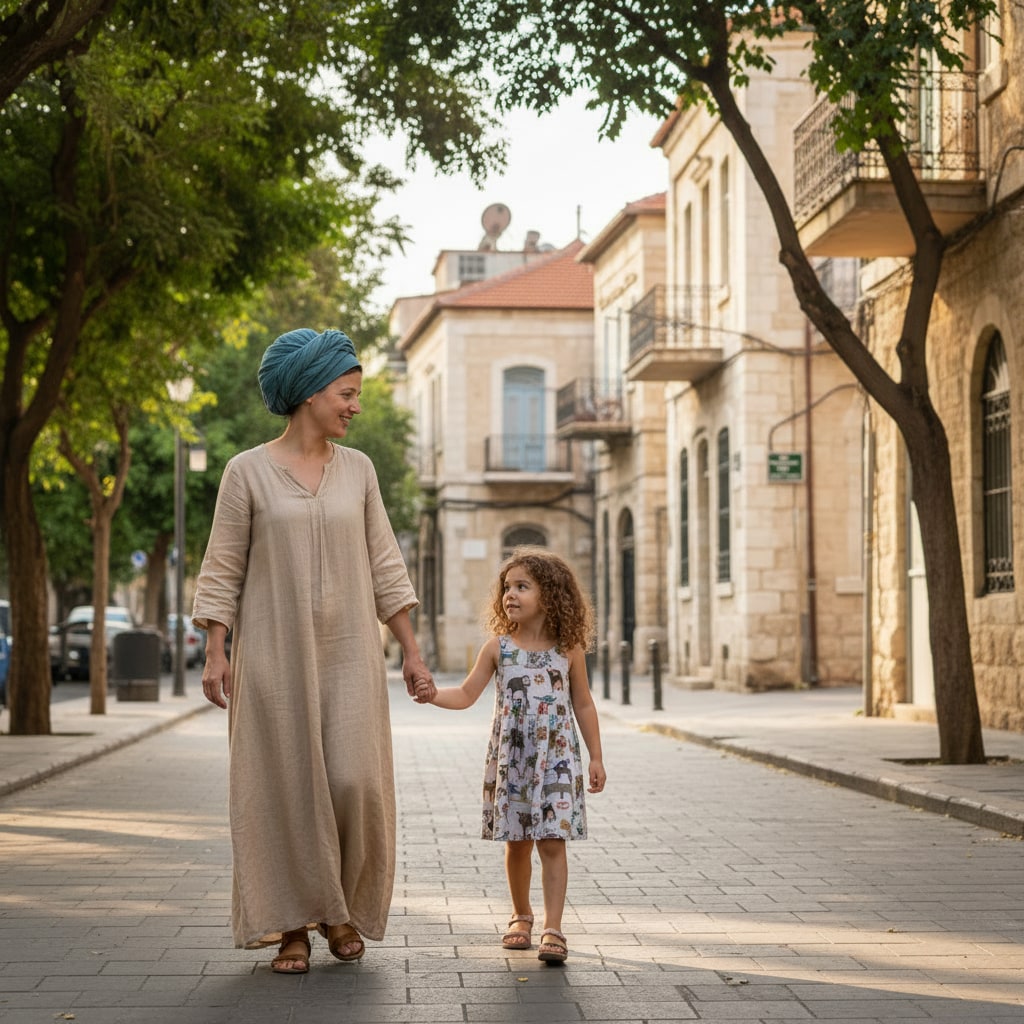
Psagot is a religious community settlement comprising around 300 families. The community includes educational institutions and community services, catering to a family-oriented lifestyle. The presence of the Binyamin Regional Council's offices within Psagot underscores its role as an administrative center in the region.
REAL ESTATE MARKET OVERVIEW
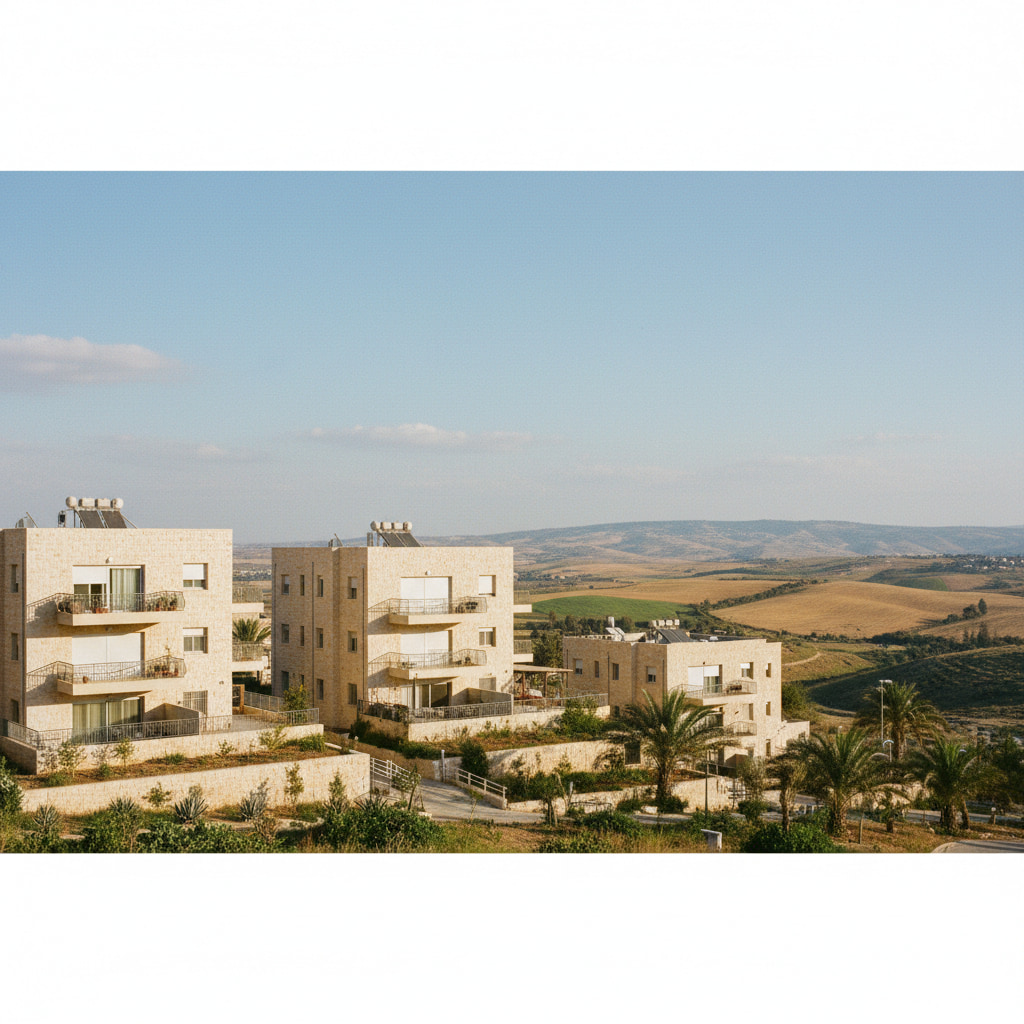
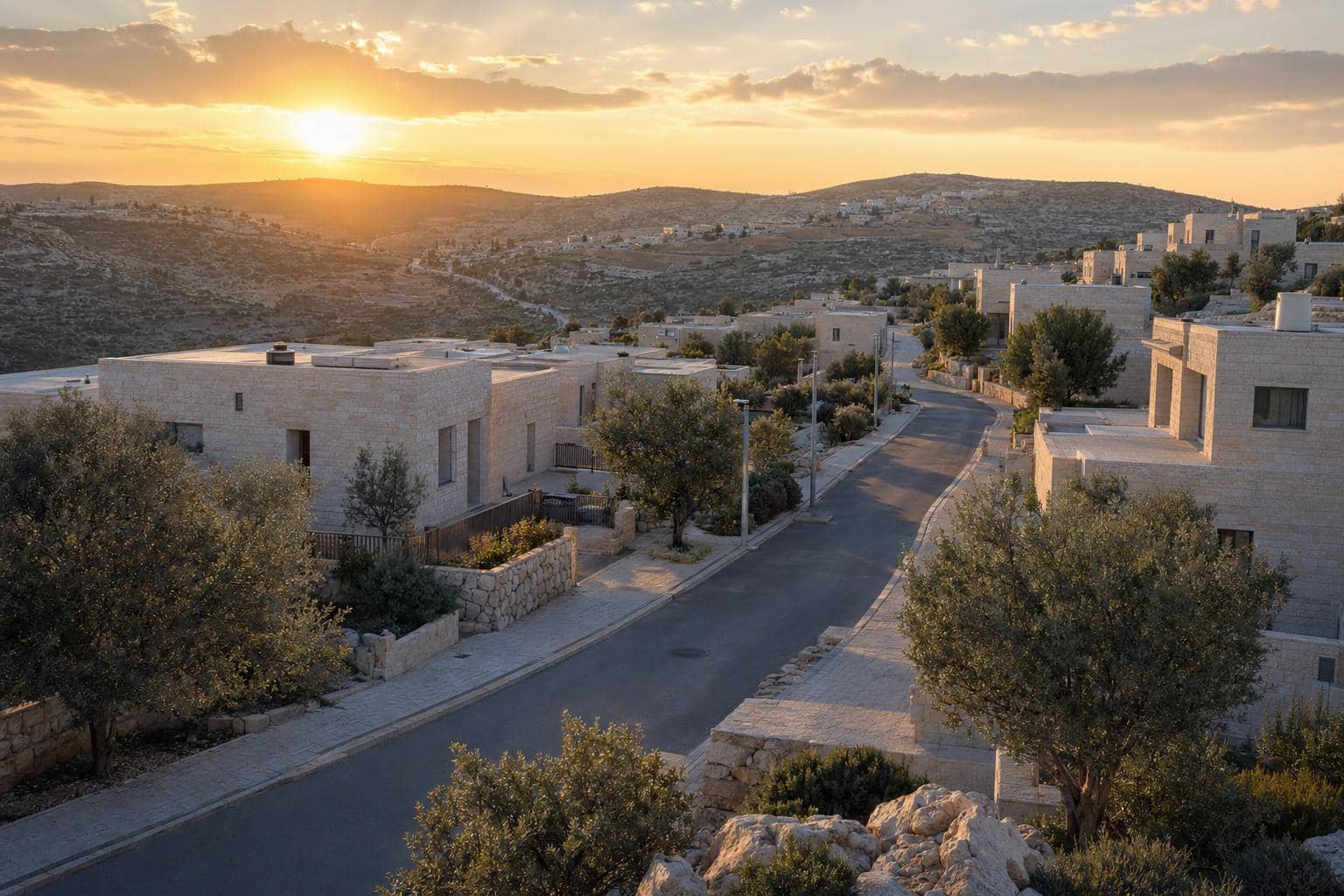
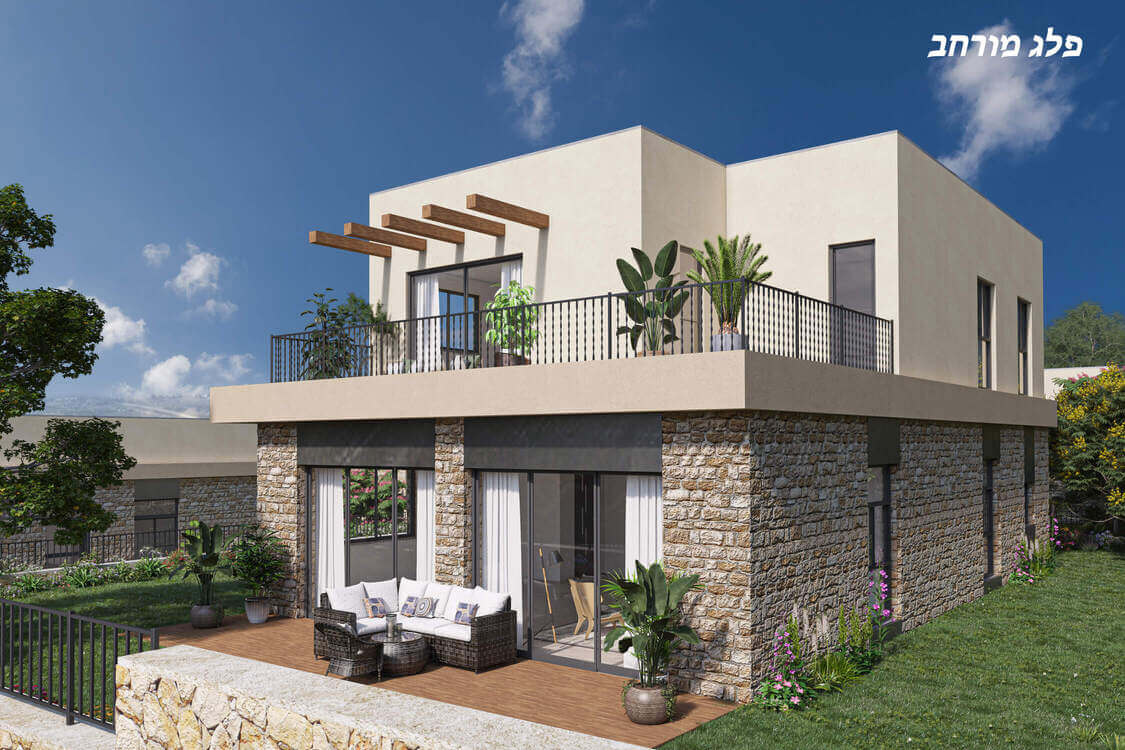
Psagot's housing primarily consists of single-family homes, many featuring spacious plots that accommodate gardens and outdoor areas. The architectural style reflects a blend of traditional and modern designs, with homes constructed predominantly in the 1980s and 1990s. Over time, some properties have undergone renovations to meet contemporary standards, while new constructions have been added to accommodate the growing community. The real estate market in Psagot is influenced by its proximity to Jerusalem and the strong demand from families seeking a religious community environment. Property prices are generally more affordable compared to central Israel, attracting buyers looking for a balance between quality of life and cost. The market is characterized by steady demand, with properties typically remaining on the market for moderate periods before being sold. Psagot is a compact settlement without distinct neighborhoods, fostering a close-knit community atmosphere. The layout is designed to encourage interaction among residents, with communal facilities centrally located to serve all families. This structure supports the community's emphasis on shared values and collective activities. Given Psagot's size and unified design, there are no formally recognized sub-areas or neighborhoods within the settlement. �
NEW CONSTRUCTION PROJECTS
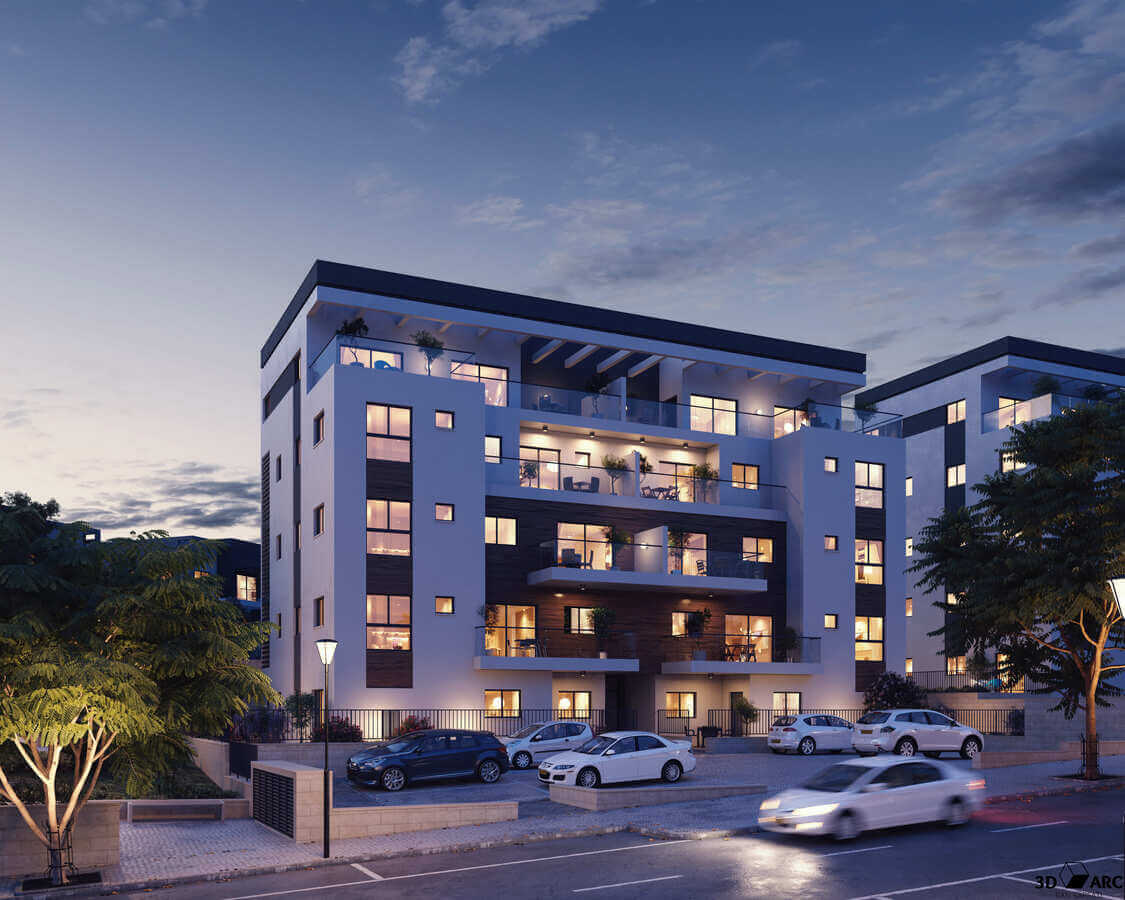
Psagot continues to develop its residential infrastructure to accommodate its growing community. The settlement is expanding its housing options, including the construction of new residential homes and community facilities.
TRANSPORTATION & ACCESSIBILITY
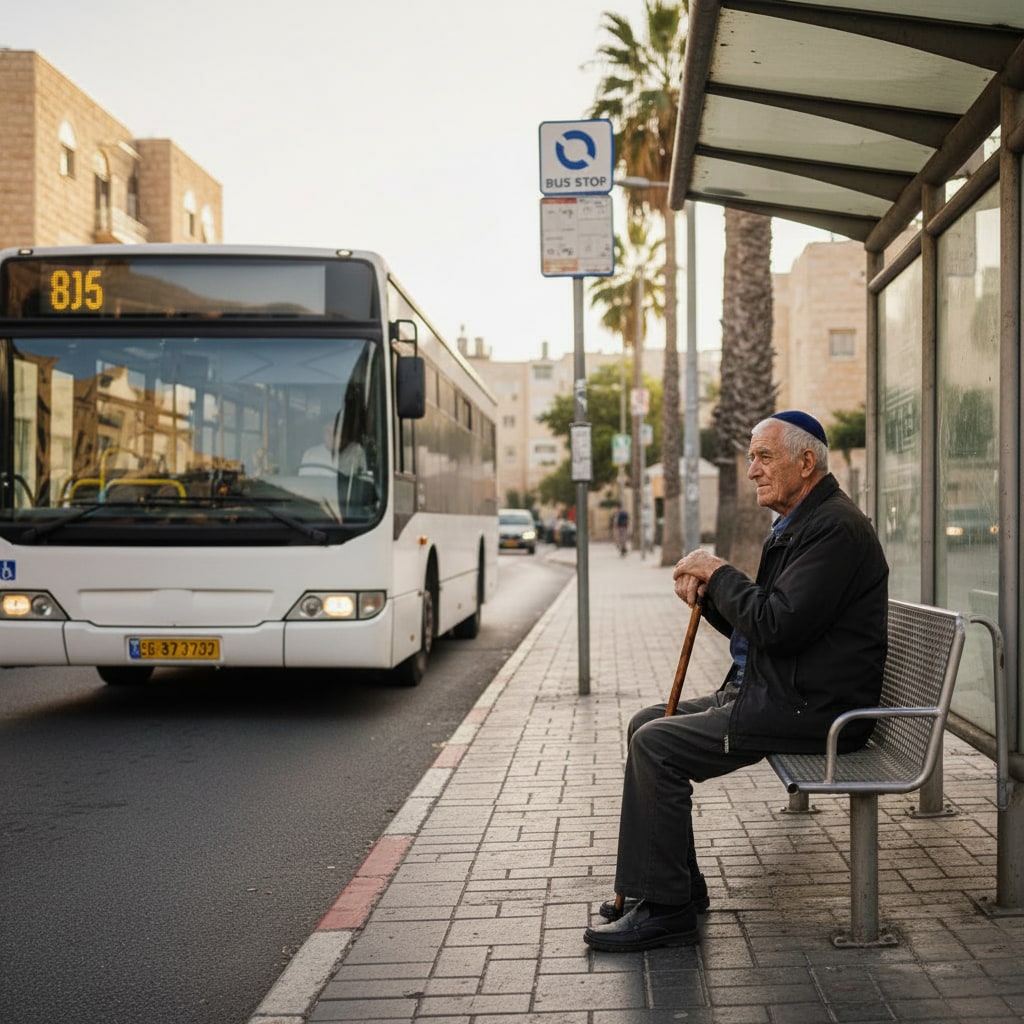
Psagot's proximity to Jerusalem offers residents convenient access to the city's extensive transportation network. While specific public transportation services directly connecting Psagot to Jerusalem are not detailed, residents typically rely on private vehicles or community-organized transport for their daily commutes. The settlement's location facilitates relatively short travel times to Jerusalem, making it accessible for work, education, and other urban amenities.
WHY NEW IMMIGRANTS CHOOSE PSAGOT
New immigrants are drawn to Psagot for its strong religious community, family-friendly environment, and proximity to Jerusalem. The community's educational institutions and community services provide support for families, while the area's historical and archaeological significance adds to its appeal. Additionally, the presence of the Psagot Winery offers cultural and economic opportunities within the community.
- Strong religious community
- Family-friendly environment
- Proximity to Jerusalem
- Educational institutions and community services
- Cultural and economic opportunities at Psagot Winery