CITY HISTORY & DEVELOPMENT
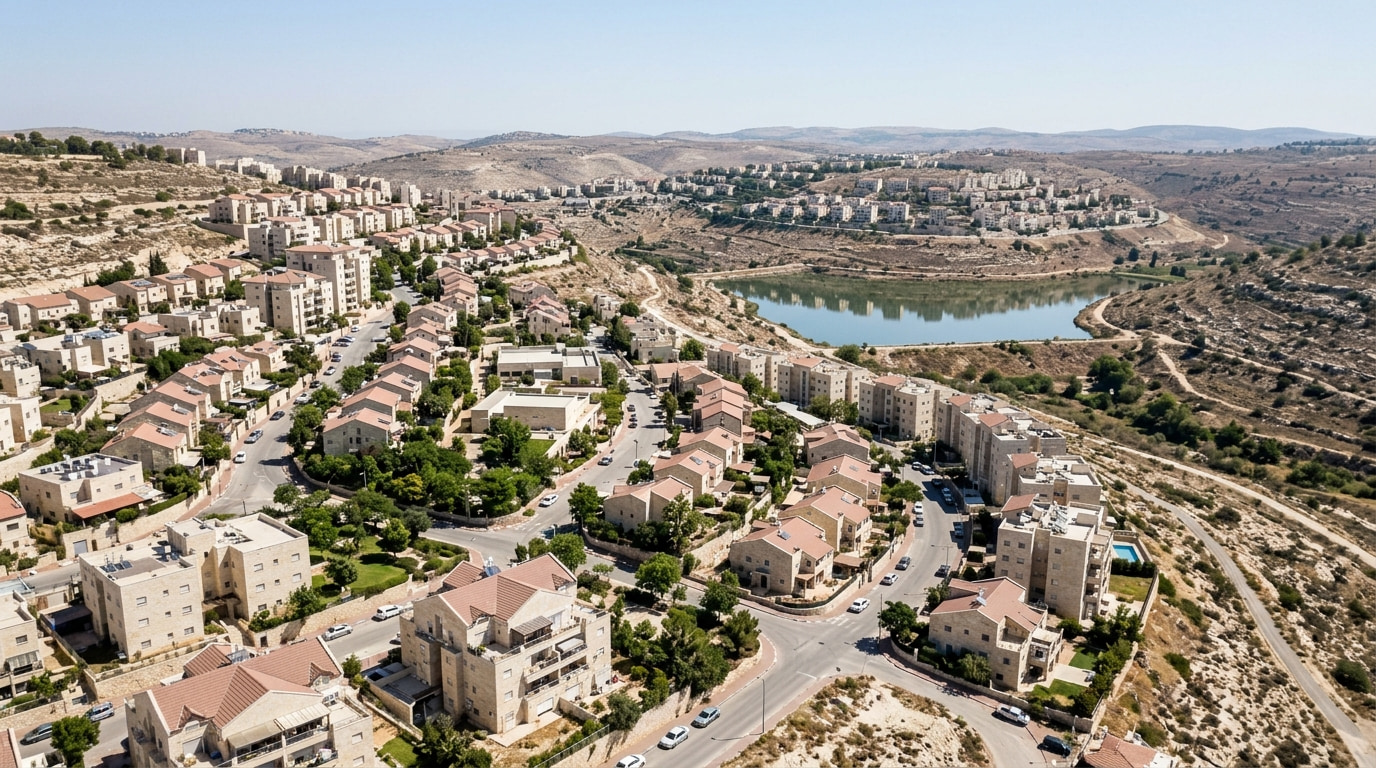
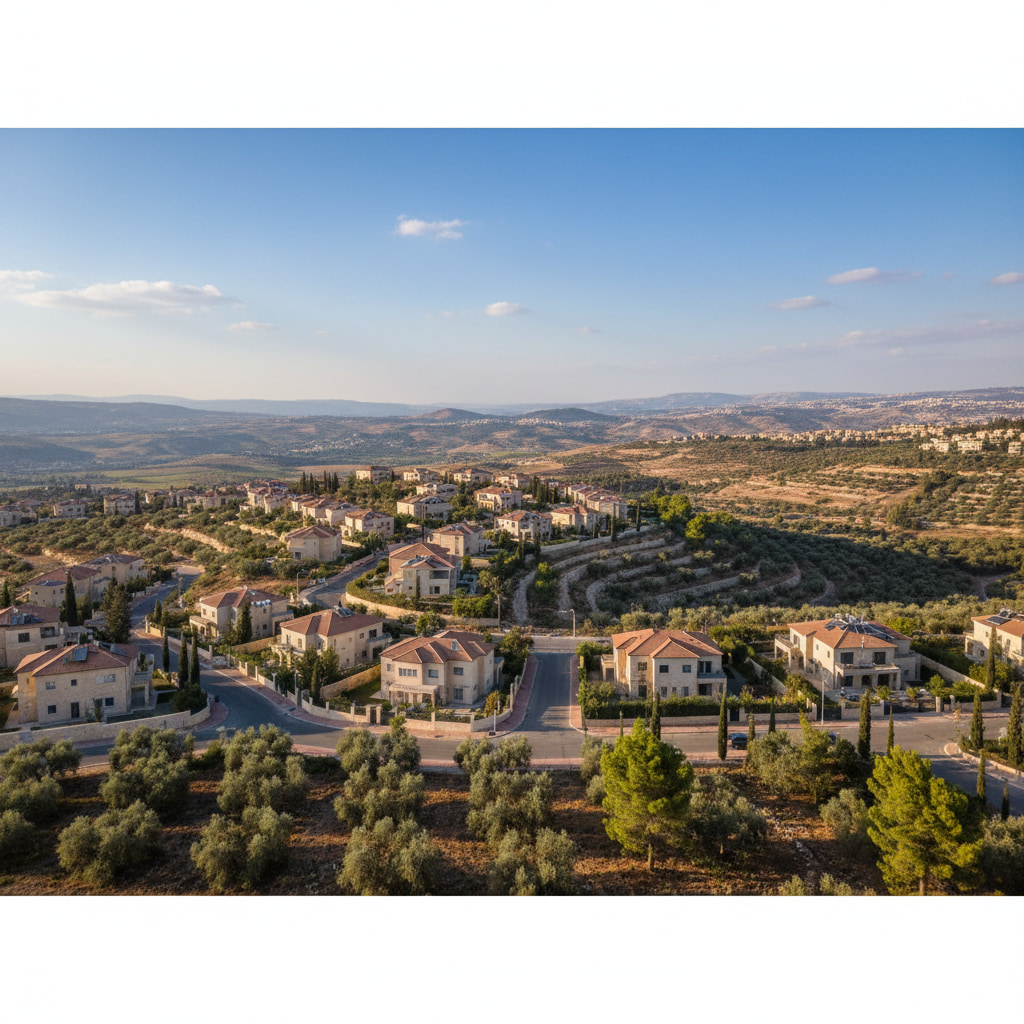
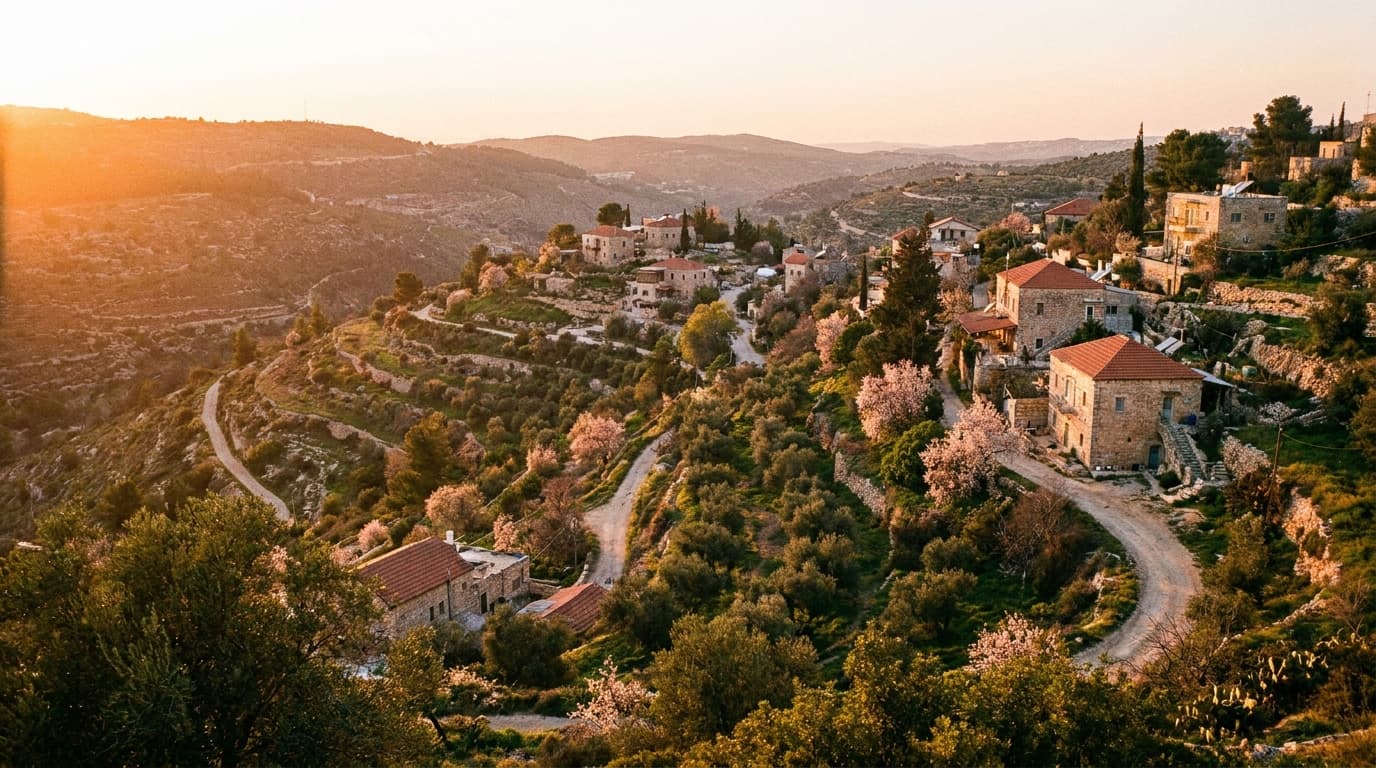
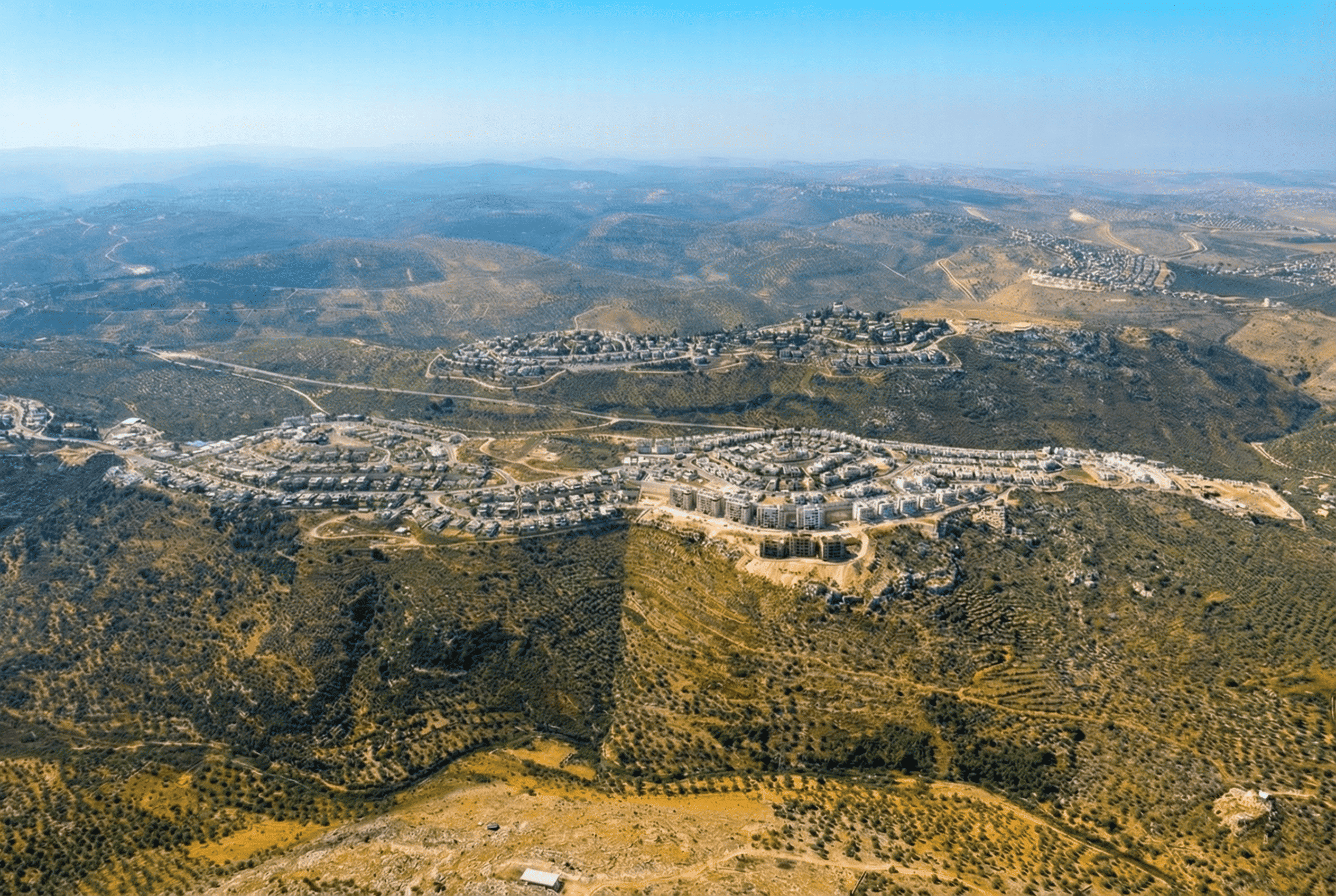
Sha'arei Tikva was established in 1983 on the western slopes of Samaria, approximately one kilometer east of the Green Line and near the city of Elkana. The first residents arrived in April 1985, aiming to create a community that integrates both religious and secular lifestyles. In 1990, Sha'arei Tikva was granted municipal council status, reflecting its growth and development over the years.
DEMOGRAPHICS & FAMILY LIFESTYLE
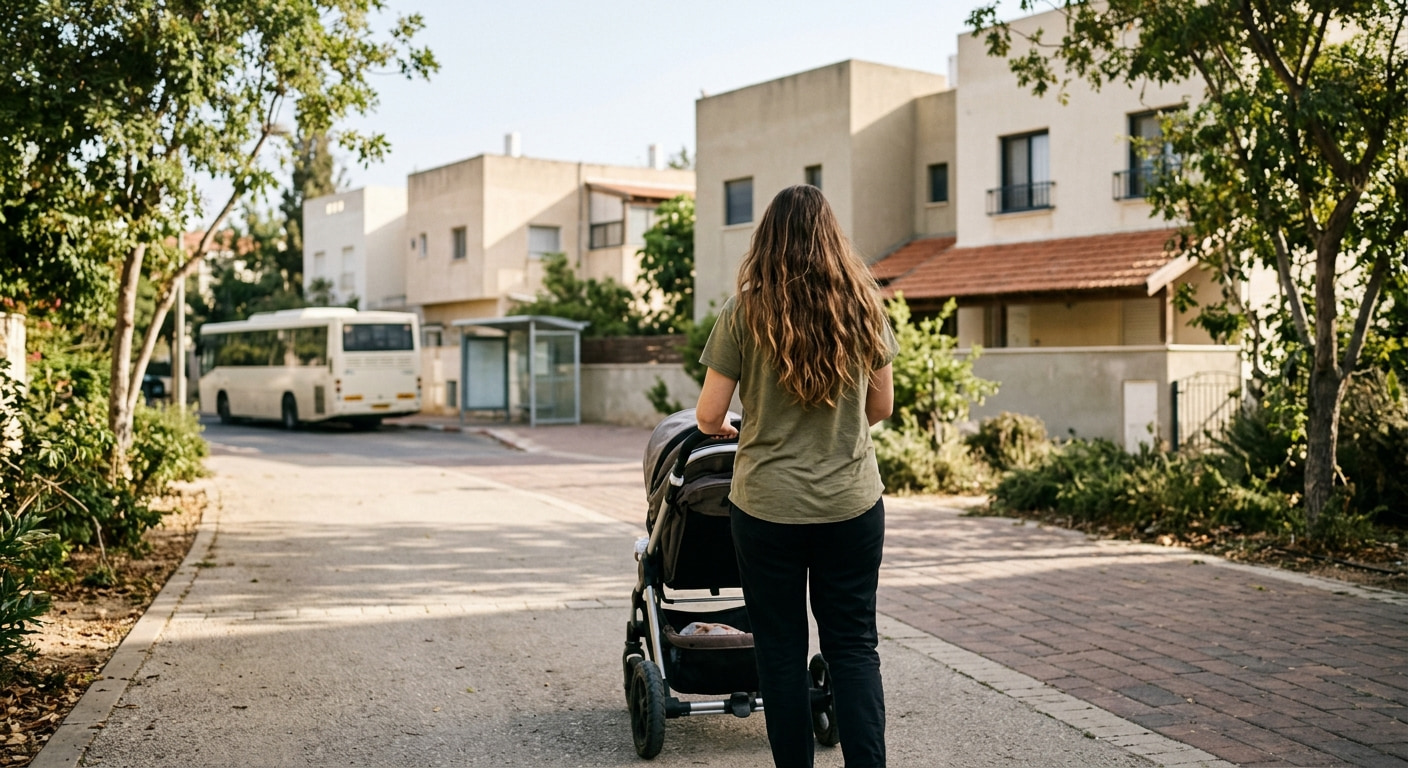
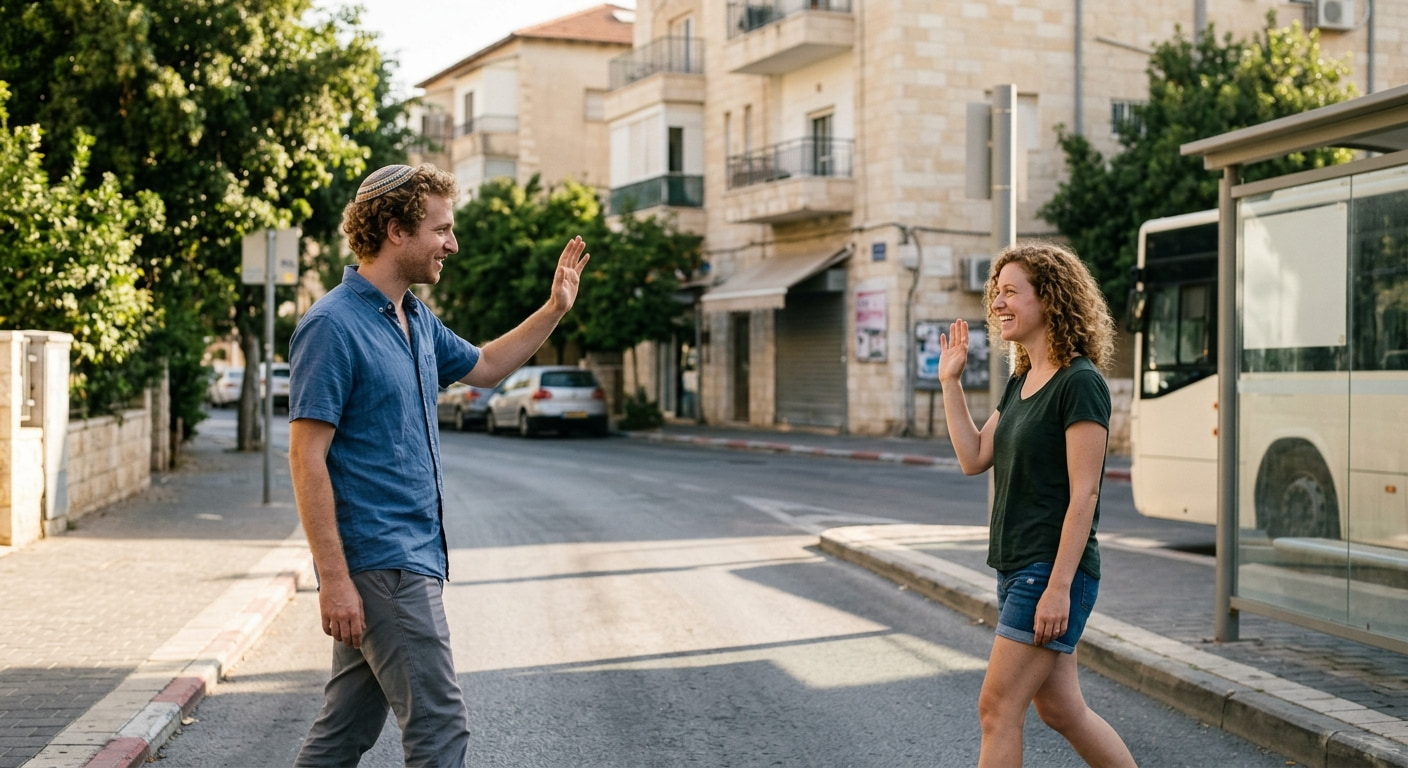
Sha'arei Tikva is home to approximately 6,122 residents. The community is characterized by a harmonious blend of religious and secular individuals, fostering an environment. The population includes a mix of age groups, with a significant number of families and children contributing to the community's lifestyle.
REAL ESTATE MARKET OVERVIEW
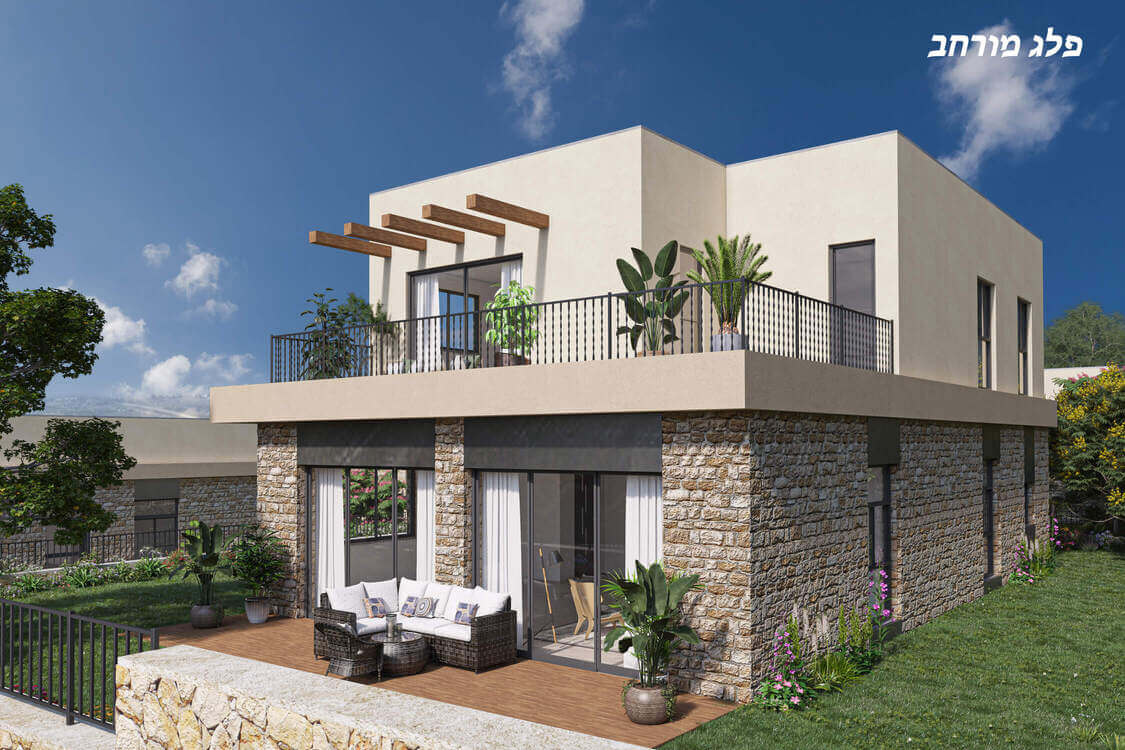
Sha'arei Tikva's housing market primarily features private homes, including detached houses and semi-detached units. These residences often offer spacious living areas, with some properties boasting up to 200 square meters of built space on plots exceeding 600 square meters. Many homes have been constructed or renovated in recent years, incorporating modern designs and amenities. For instance, a property on Yahalom Street offers 200 square meters of living space on a 293-square-meter plot, featuring renovations such as new flooring and kitchens. The demand for housing in Sha'arei Tikva is driven by its proximity to major urban centers like Petah Tikva, offering residents convenient access to employment opportunities and urban amenities. The community's inclusive atmosphere, blending religious and secular lifestyles, appeals to a range of buyers. The real estate market here is characterized by stable prices, with properties offering competitive value compared to neighboring areas. For example, a seven-room house on Yahalom Street is listed at ₪3,300,000, reflecting the area's affordability relative to central Israel's coastal regions. Sha'arei Tikva is organized into distinct neighborhoods, each contributing to the city's overall character. The layout includes areas with varying architectural styles and community facilities, fostering an environment. - Givat David: A sought-after neighborhood known for its spacious properties and quiet streets, offering residents a serene living environment. - Yahalom Street Area: Features modern homes with recent renovations, attracting families seeking contemporary living spaces. - Barakat Neighborhood: Characterized by large plots and potential for additional construction, appealing to those interested in property development. - Sapphire Street Vicinity: Offers a mix of older and newer homes, providing options for various preferences and budgets. - Granite Area: Known for its unique architectural designs and proximity to community amenities, making it a desirable location for families. These neighborhoods collectively contribute to the city's appeal, offering a range of housing options to suit needs. *Note: The above information is based on available real estate listings and community descriptions.* *Sources: Madlan, N.
NEW CONSTRUCTION PROJECTS
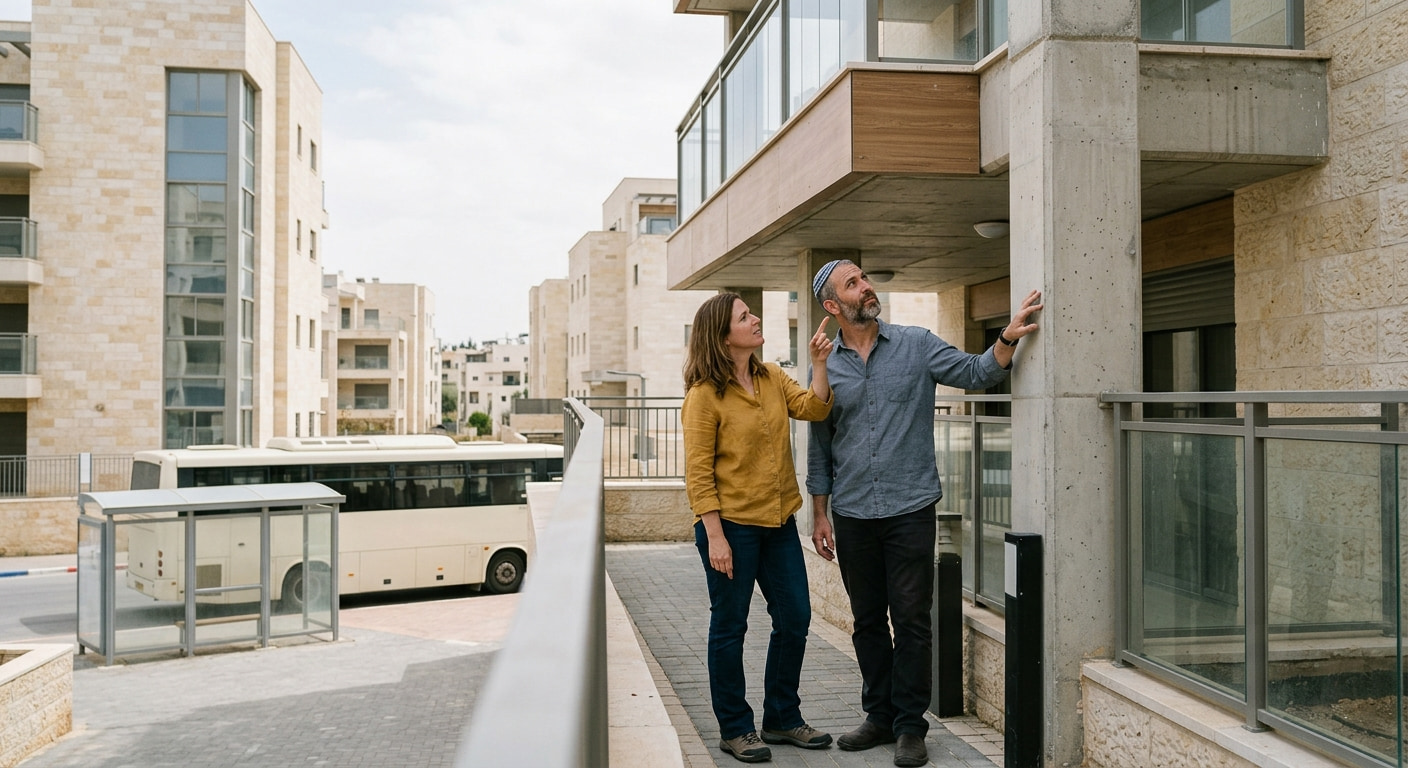
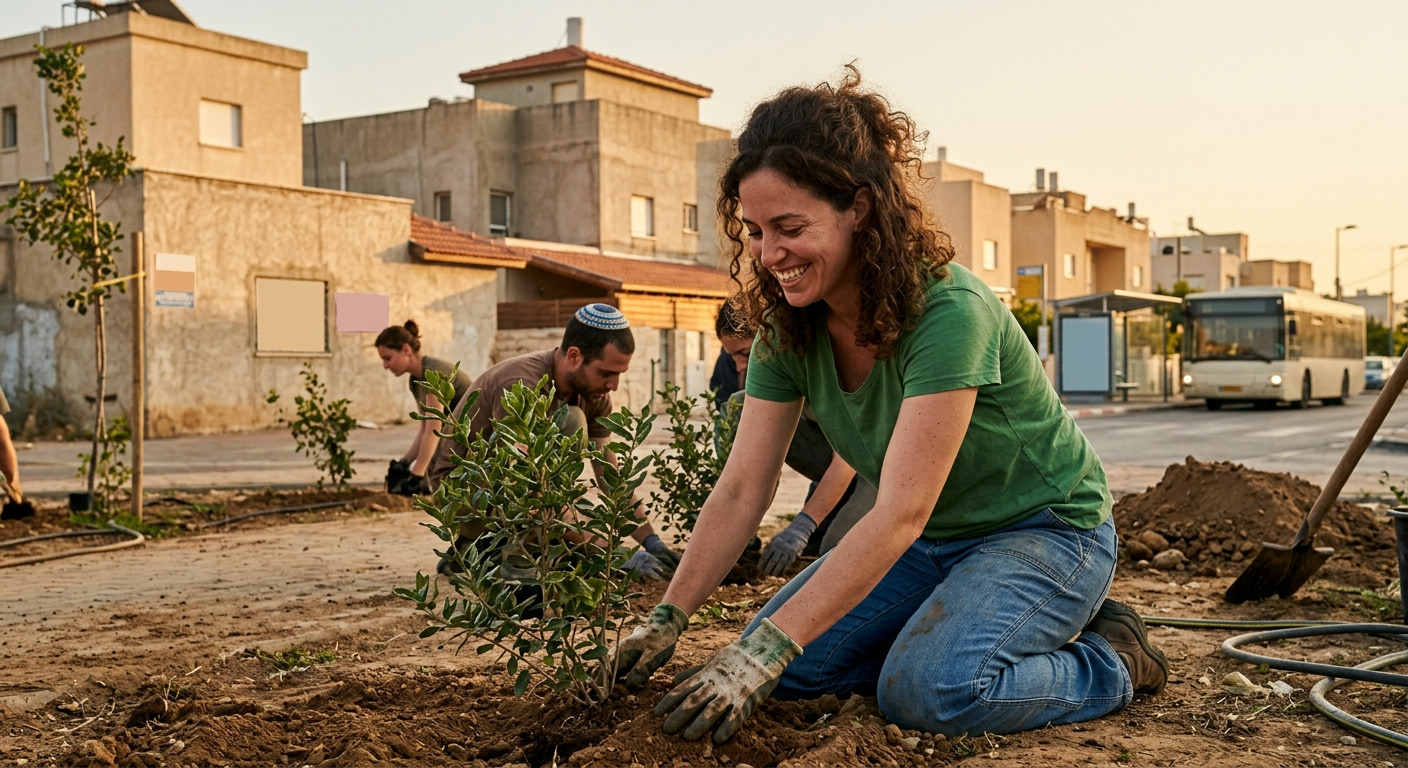
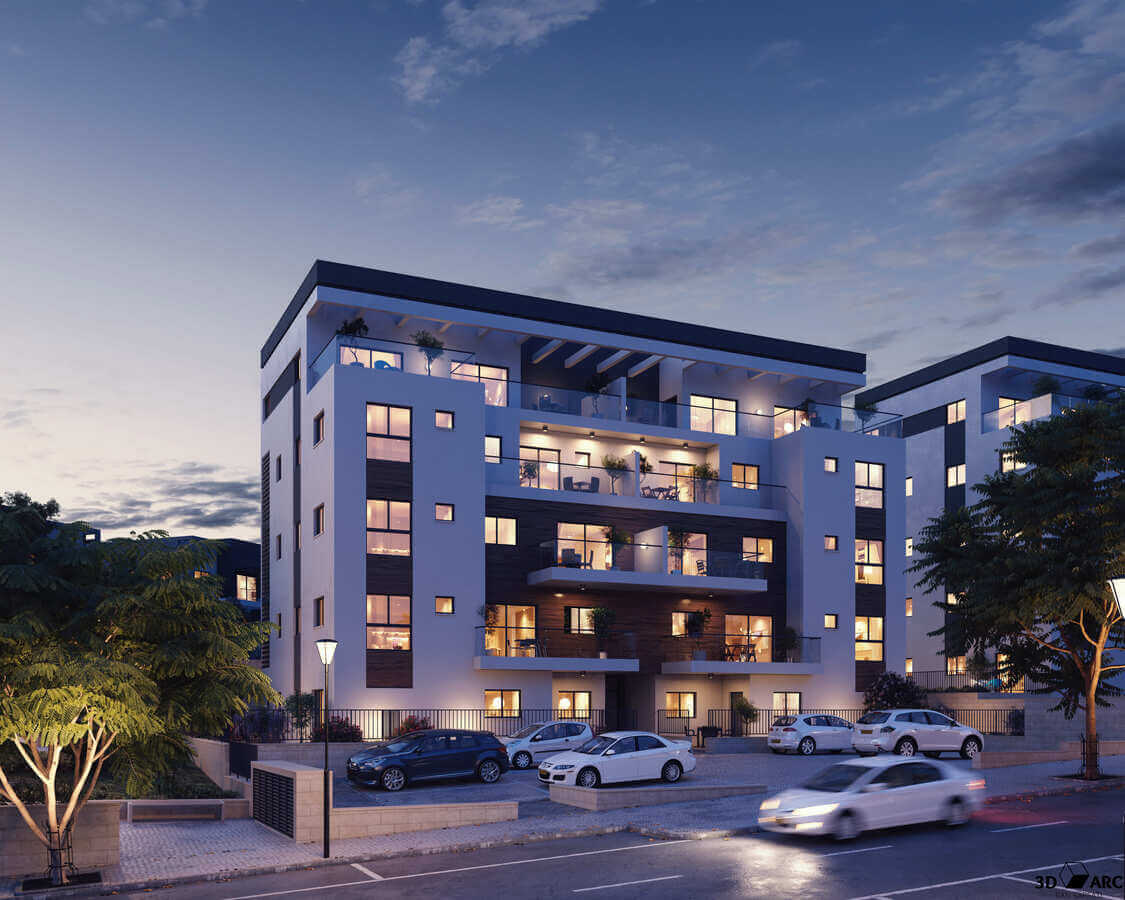
In March 2026, the Higher Planning Council of the Civil Administration approved the validation of 126 housing units in Sha'arei Tikva, indicating ongoing residential development within the city.
TRANSPORTATION & ACCESSIBILITY
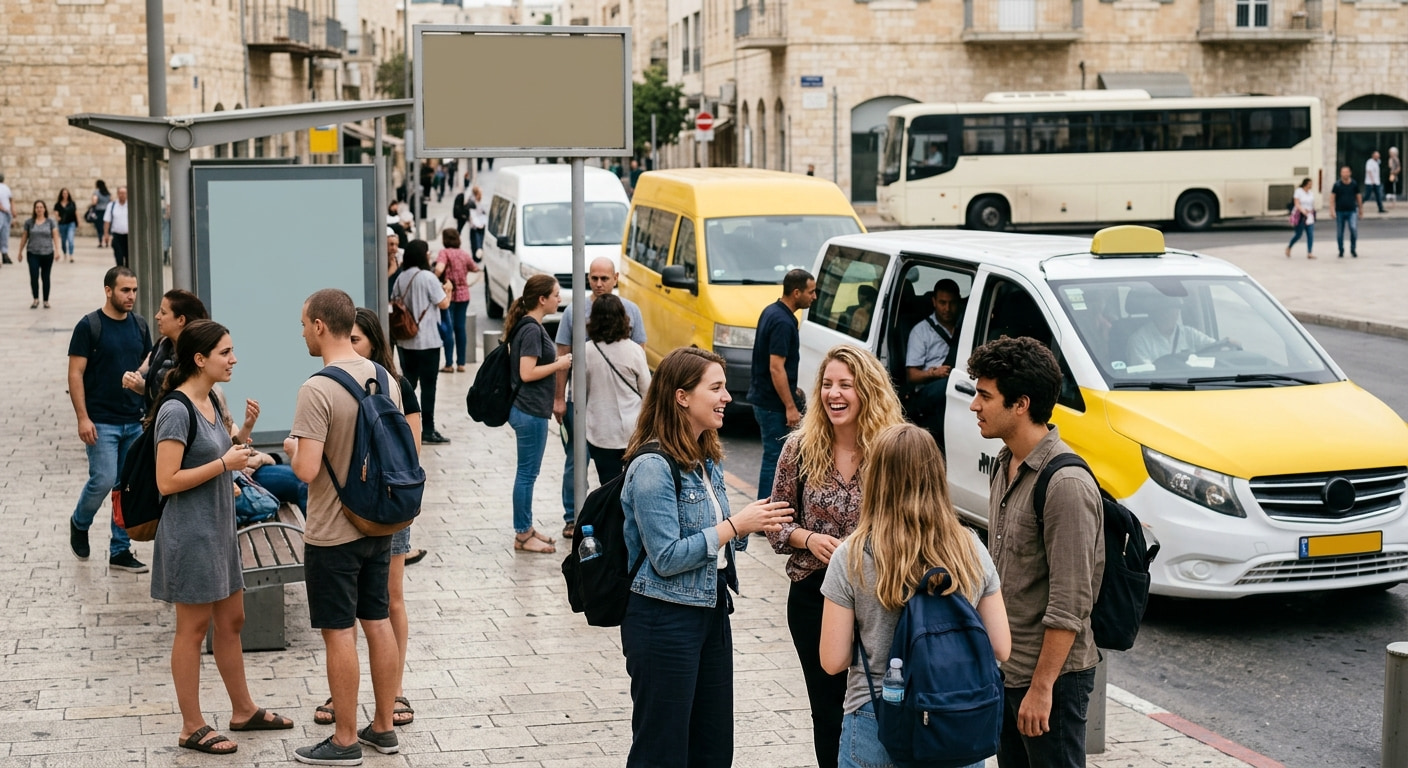
Sha'arei Tikva is accessible via several bus routes, including lines 17, 18, 20, and 21, connecting the city to nearby urban centers such as Rosh HaAyin and Petah Tikva.
WHY NEW IMMIGRANTS CHOOSE SHA'AREI TIKVA
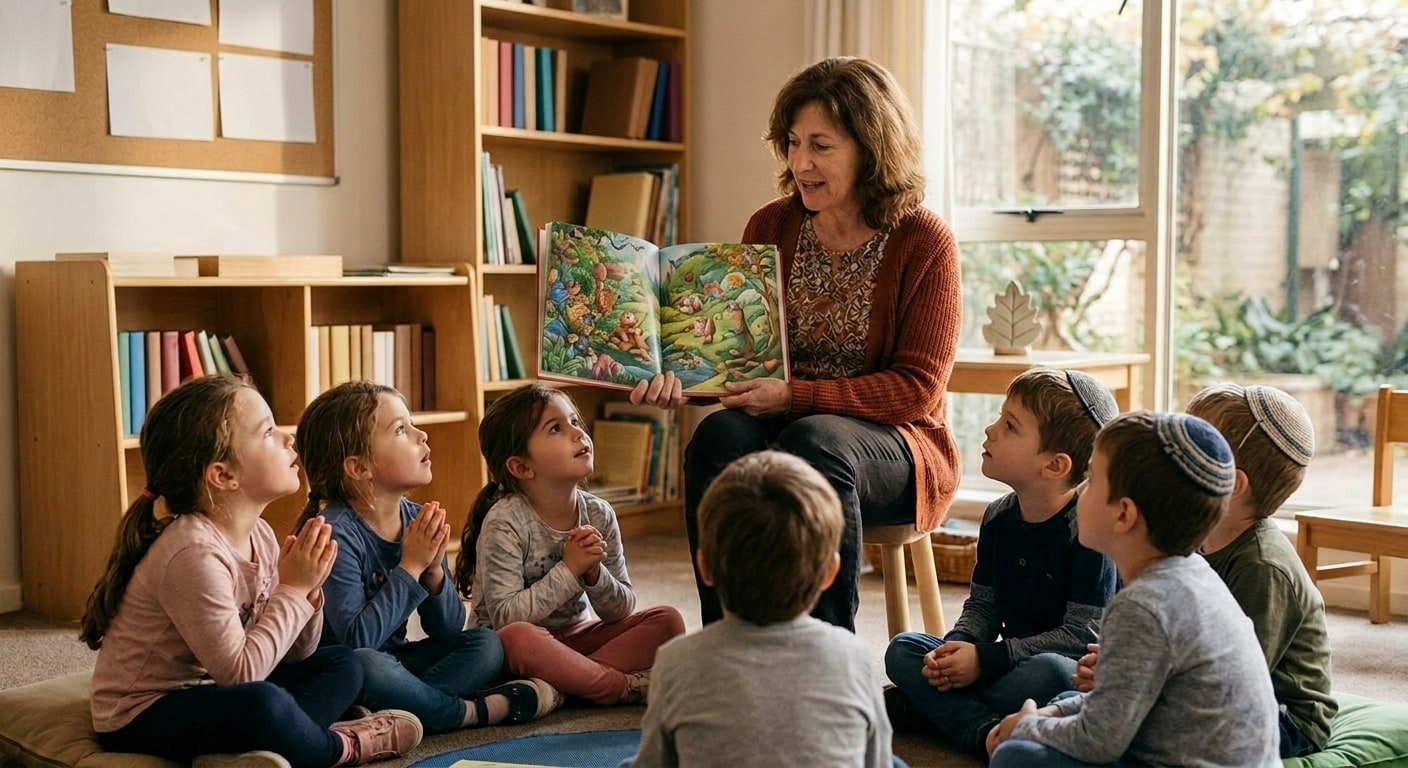
New immigrants, or olim, are drawn to Sha'arei Tikva for several compelling reasons. The community's commitment to integrating religious and secular residents creates an inclusive atmosphere that appeals to backgrounds. Its strategic location near major urban centers like Petah Tikva offers convenient access to employment opportunities and urban amenities. Additionally, the community's investment in education, with a network of kindergartens and elementary schools, makes it an attractive destination for families seeking a supportive environment for their children's growth.
- Inclusive community blending religious and secular lifestyles
- Proximity to major urban centers and employment opportunities
- Strong educational infrastructure for children
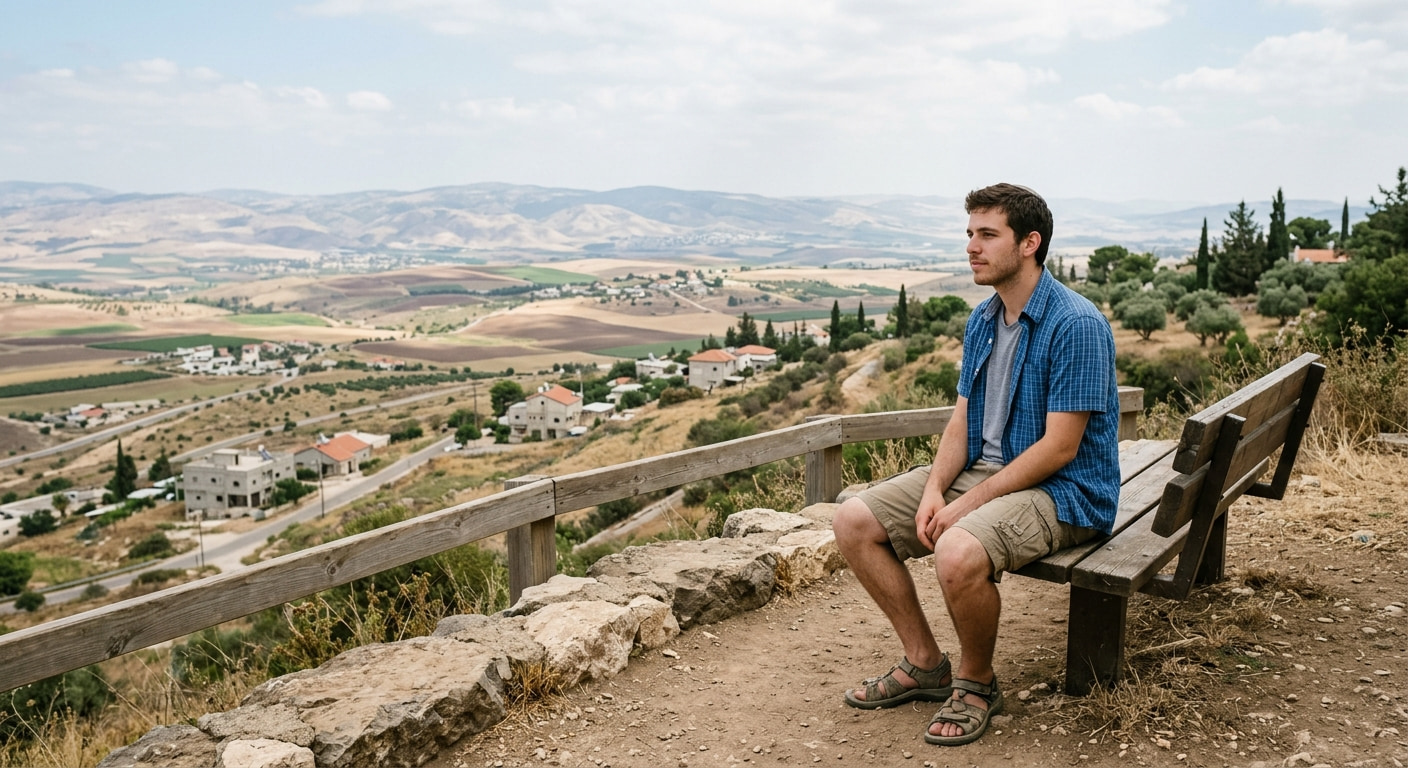
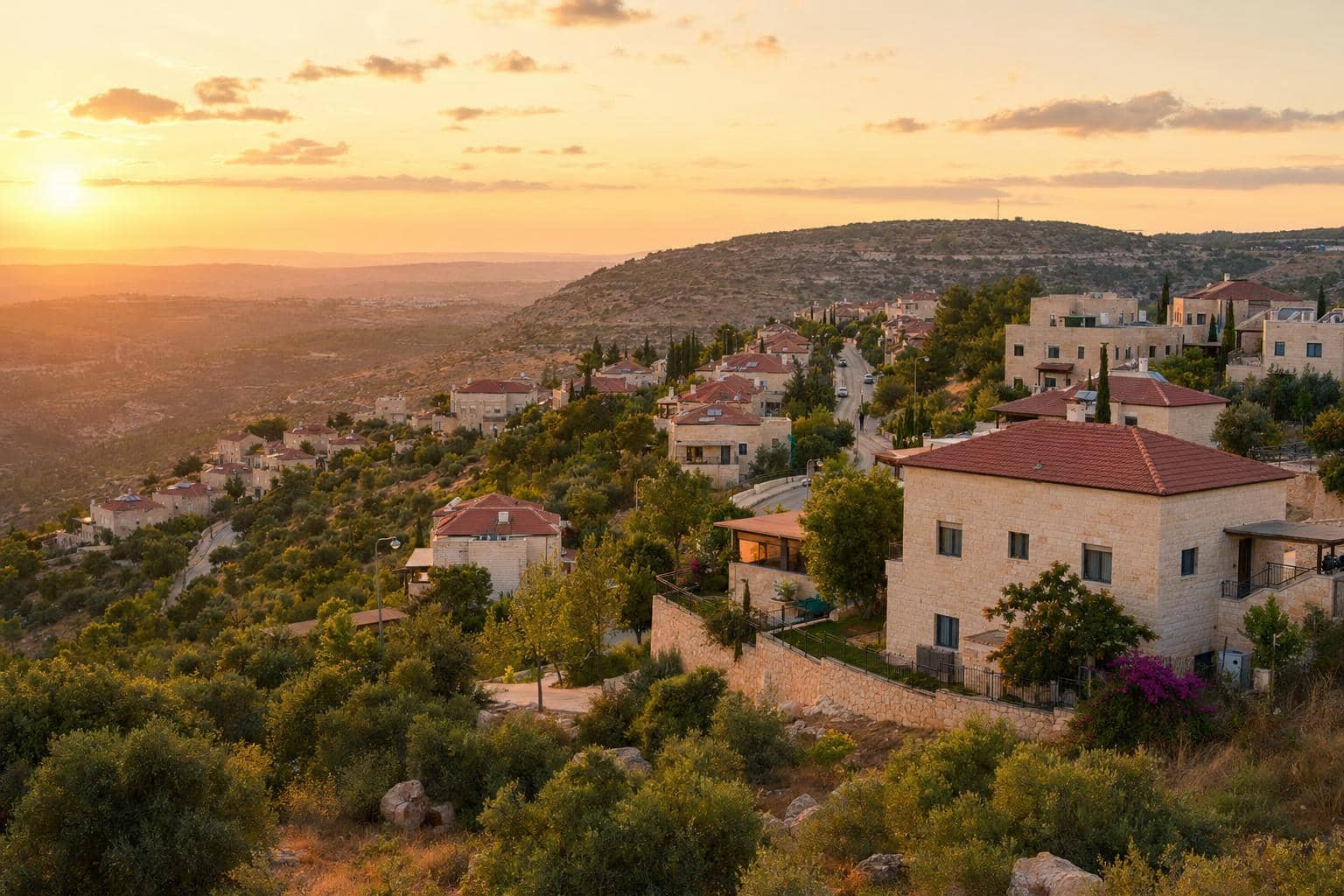
- Scenic location with panoramic views of the coastal plain
- Established municipal services and community facilities