Ein Gev was established on July 6, 1937, as a "tower and stockade" settlement by Jewish immigrants from Czechoslovakia, Germany, Austria, and the Baltic countries. Located on the eastern shore of the Sea of Galilee, it was the first Jewish settlement in this area. The kibbutz faced frequent attacks during its early years, particularly during the 1948 Arab-Israeli War, due to its proximity to the Syrian border. These hostilities subsided after Israel's of the Golan Heights in 1967.
Ein Gev is a secular kibbutz with a population of approximately 700 residents. The community comprises a mix of families and individuals across various age groups. Residents enjoy a lifestyle that blends traditional kibbutz values with modern amenities, including a kosher dining hall and an active synagogue. The kibbutz offers a range of cultural and recreational activities, fostering a close-knit and engaged community.
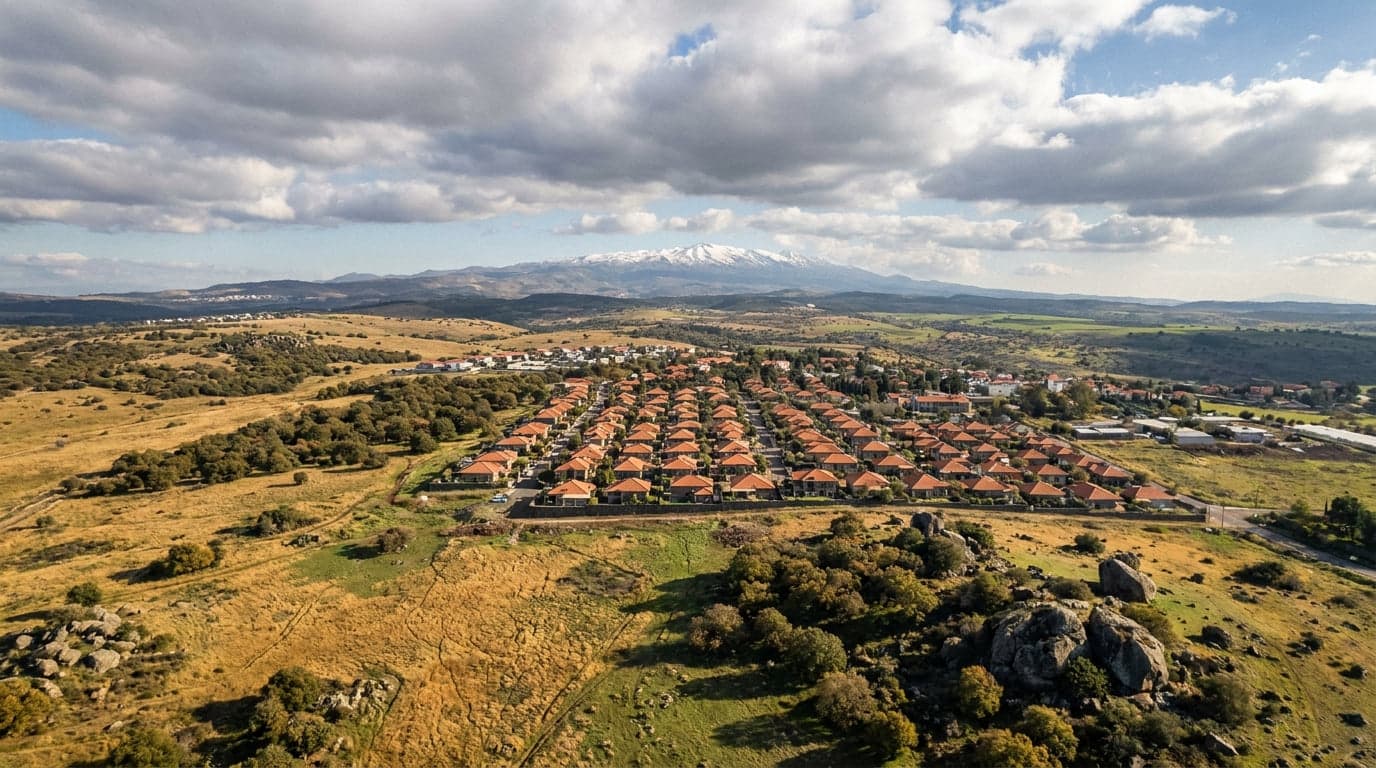
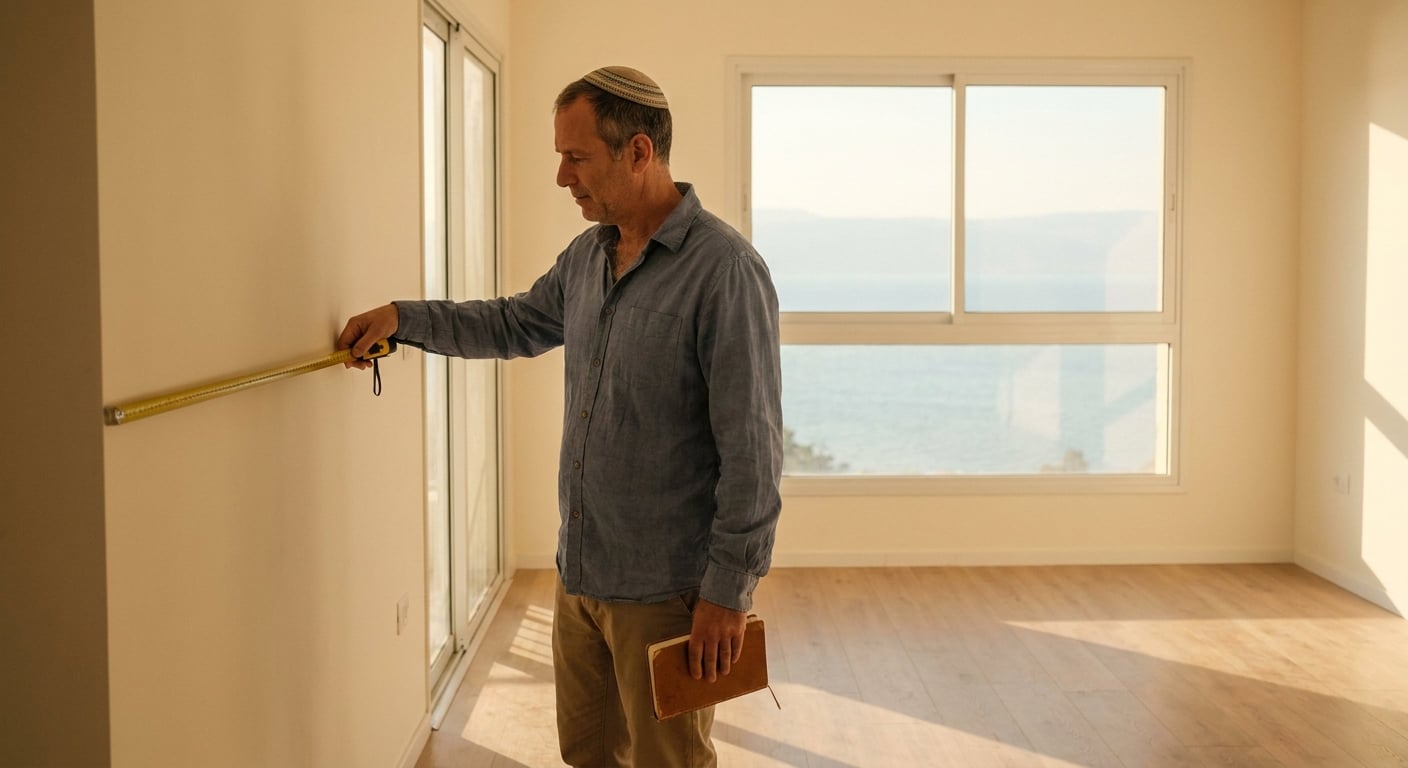
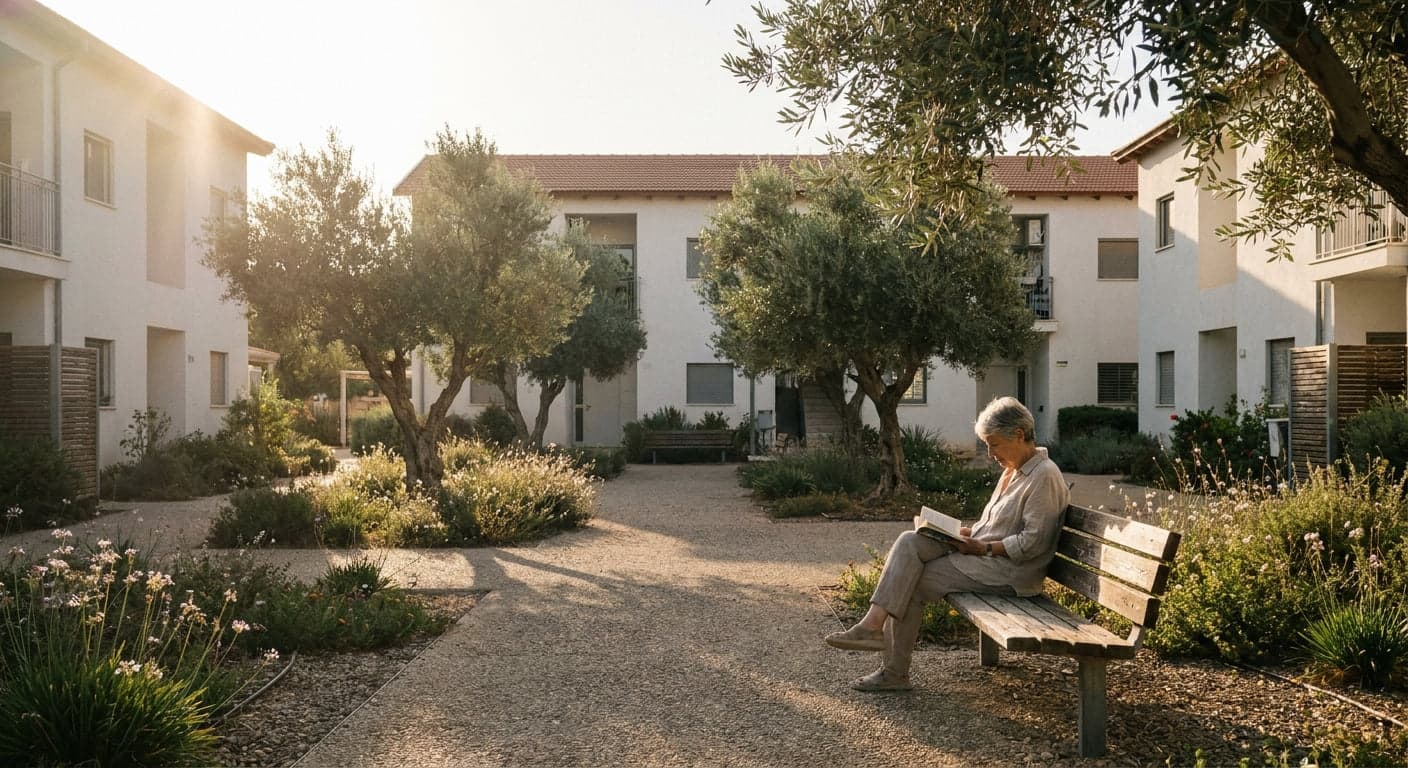
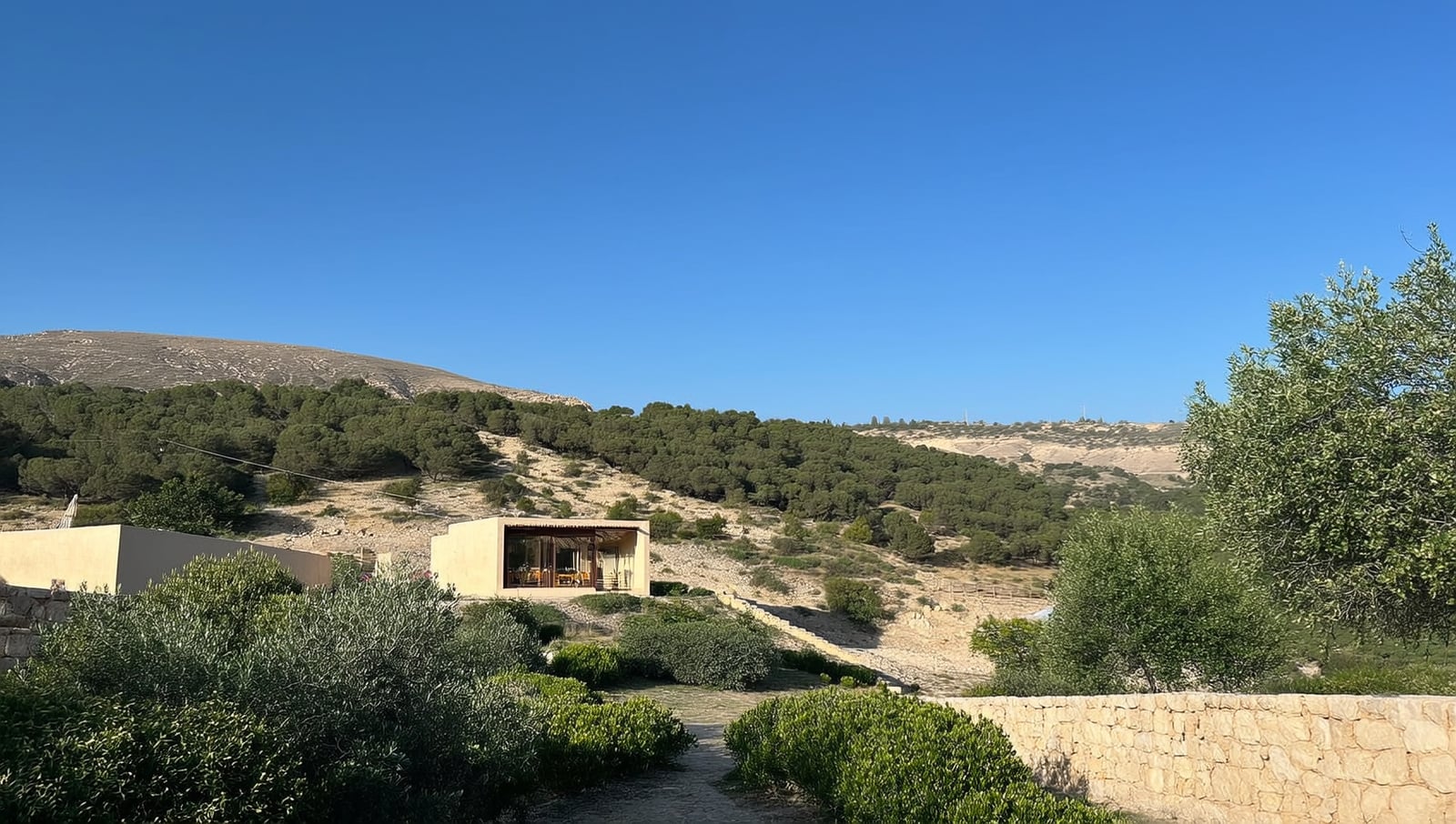
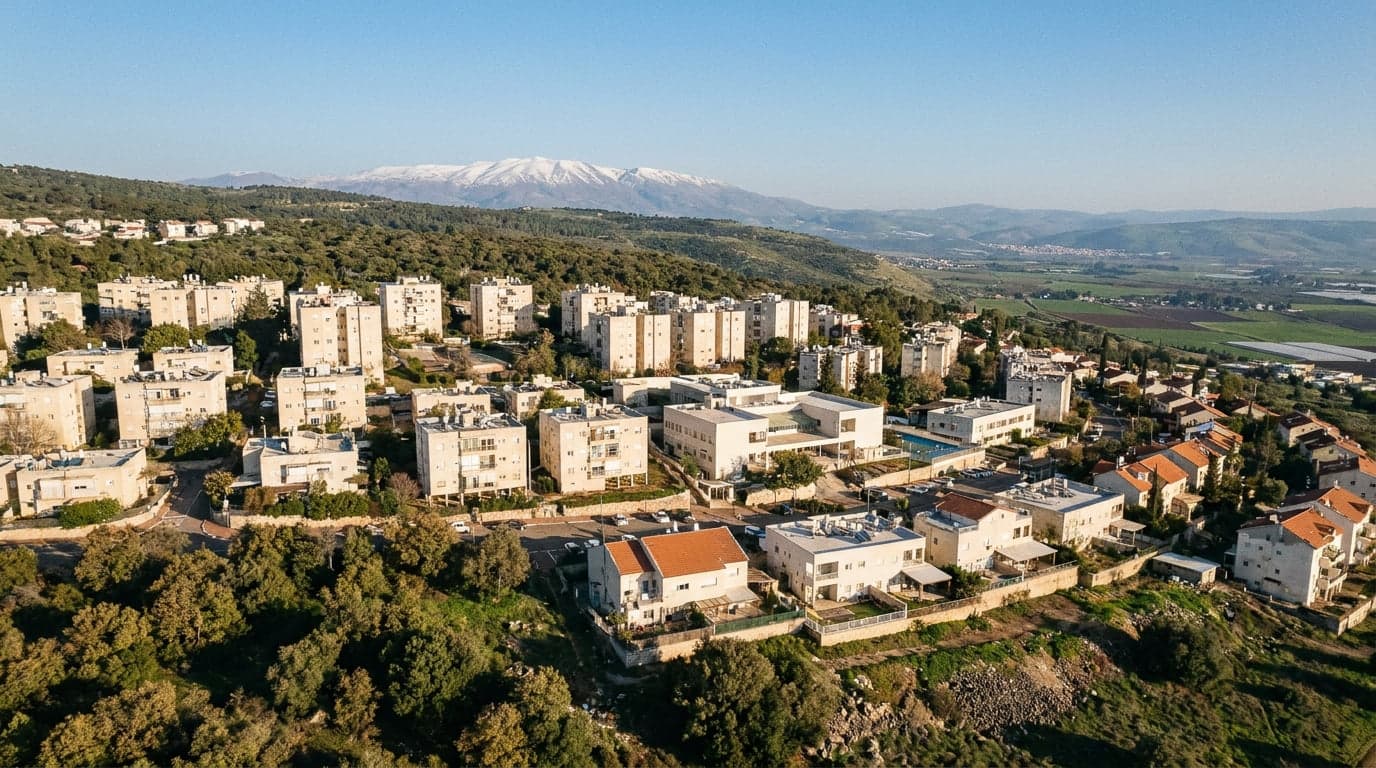
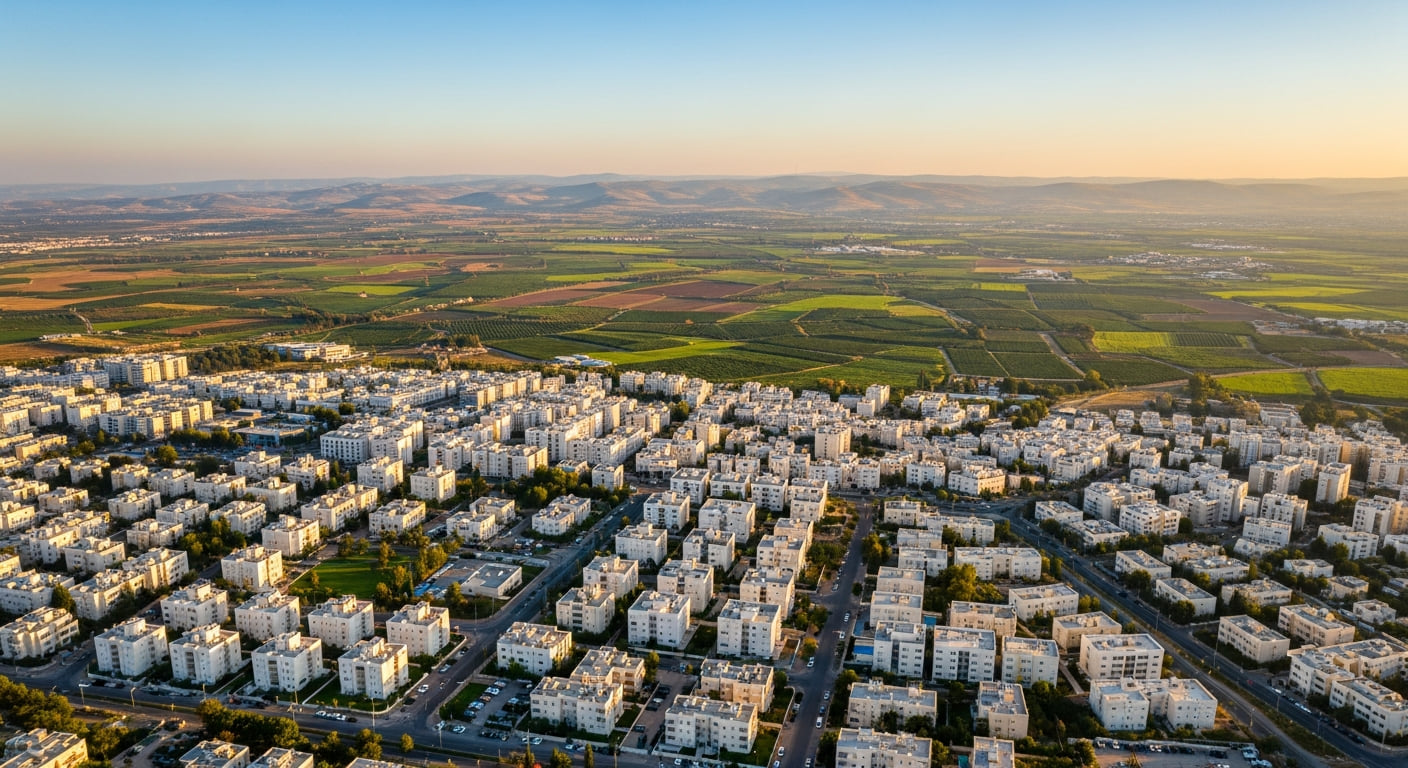
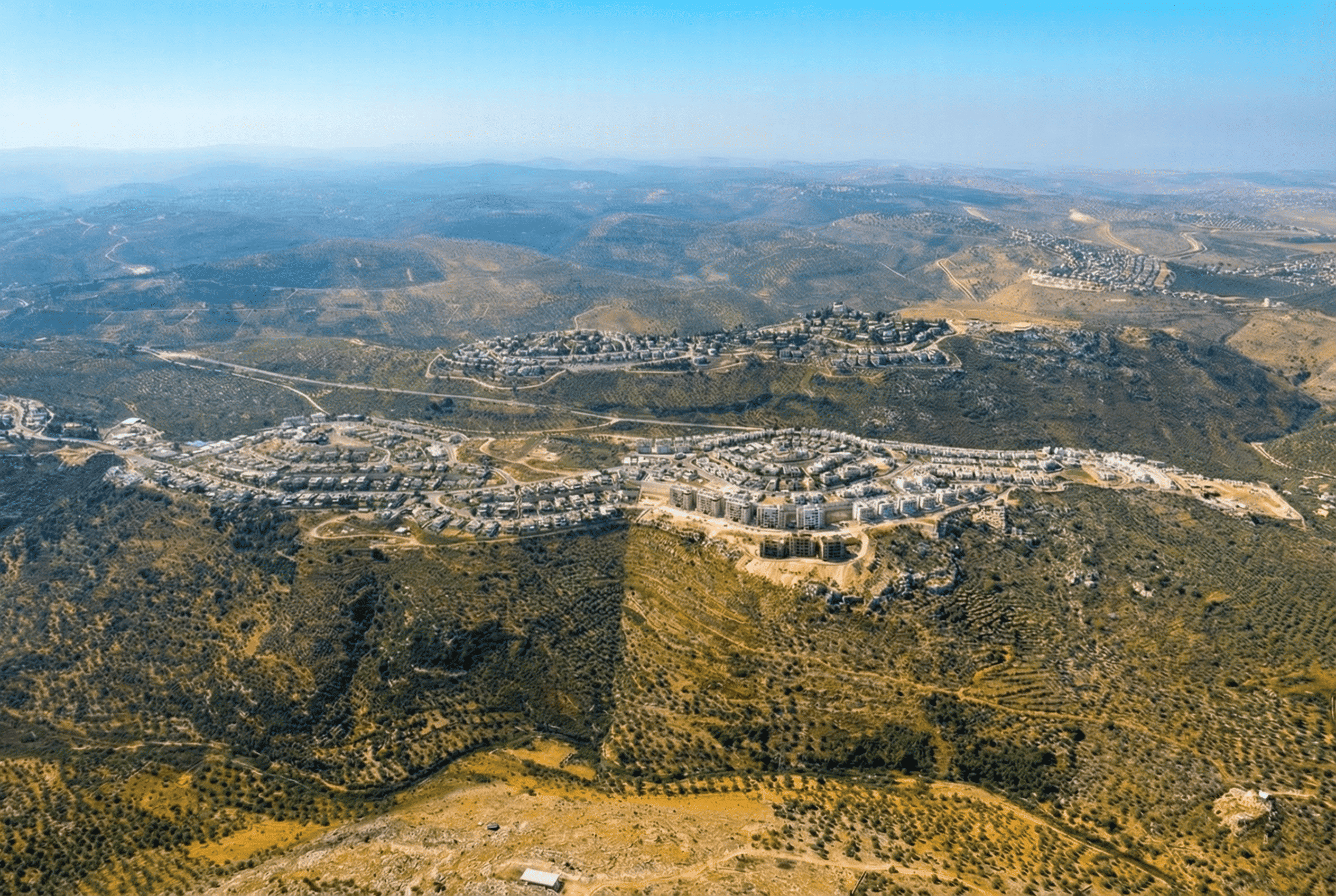
Ein Gev, established in 1937, features residential homes that blend traditional kibbutz architecture with modern designs. The housing stock includes single-family homes and multi-unit buildings, many of which have been renovated or expanded over the years. Properties often come with modest plots, reflecting the communal land-use principles typical of kibbutzim. The community's lakeside location offers residents picturesque views of the Sea of Galilee. The real estate market in Ein Gev is influenced by its unique setting and lifestyle. Demand is driven by individuals and families seeking a serene environment combined with communal living. While specific pricing data is limited, properties in Ein Gev are generally more affordable compared to urban centers like Tel Aviv or Jerusalem. The market is characterized by steady demand, with properties typically remaining available for longer periods due to the niche appeal of kibbutz living. Ein Gev is a compact community without distinct neighborhoods. The kibbutz is organized around central communal facilities, with residential areas interspersed among agricultural lands and recreational spaces.
Ein Gev continues to develop its residential and communal facilities to accommodate the needs of its growing population. The kibbutz focuses on enhancing existing infrastructure and constructing new housing units to provide comfortable living spaces for both current residents and newcomers. These developments aim to maintain the community's unique blend of traditional kibbutz values and modern amenities, ensuring a high quality of life for all members.
Ein Gev is accessible via several bus routes connecting it to nearby towns and cities. For instance, bus line 51 provides direct service between the kibbutz and Tiberias, the closest regional hub, with a travel time of approximately 39 minutes. This connectivity allows residents to commute efficiently for work, education, and other activities, while also facilitating access for visitors to the kibbutz's attractions.
New immigrants, or olim, are drawn to Ein Gev for its unique combination of communal living and scenic beauty. The kibbutz's location along the Sea of Galilee provides a tranquil environment, while its proximity to Tiberias offers access to urban conveniences. The community's secular nature, coupled with its inclusive atmosphere, appeals to olim seeking a balanced lifestyle. Additionally, the kibbutz's focus on agriculture and tourism presents employment opportunities for newcomers.
- Scenic lakeside location
- Proximity to Tiberias
- Inclusive secular community
- Employment opportunities
- Rich cultural and recreational activities