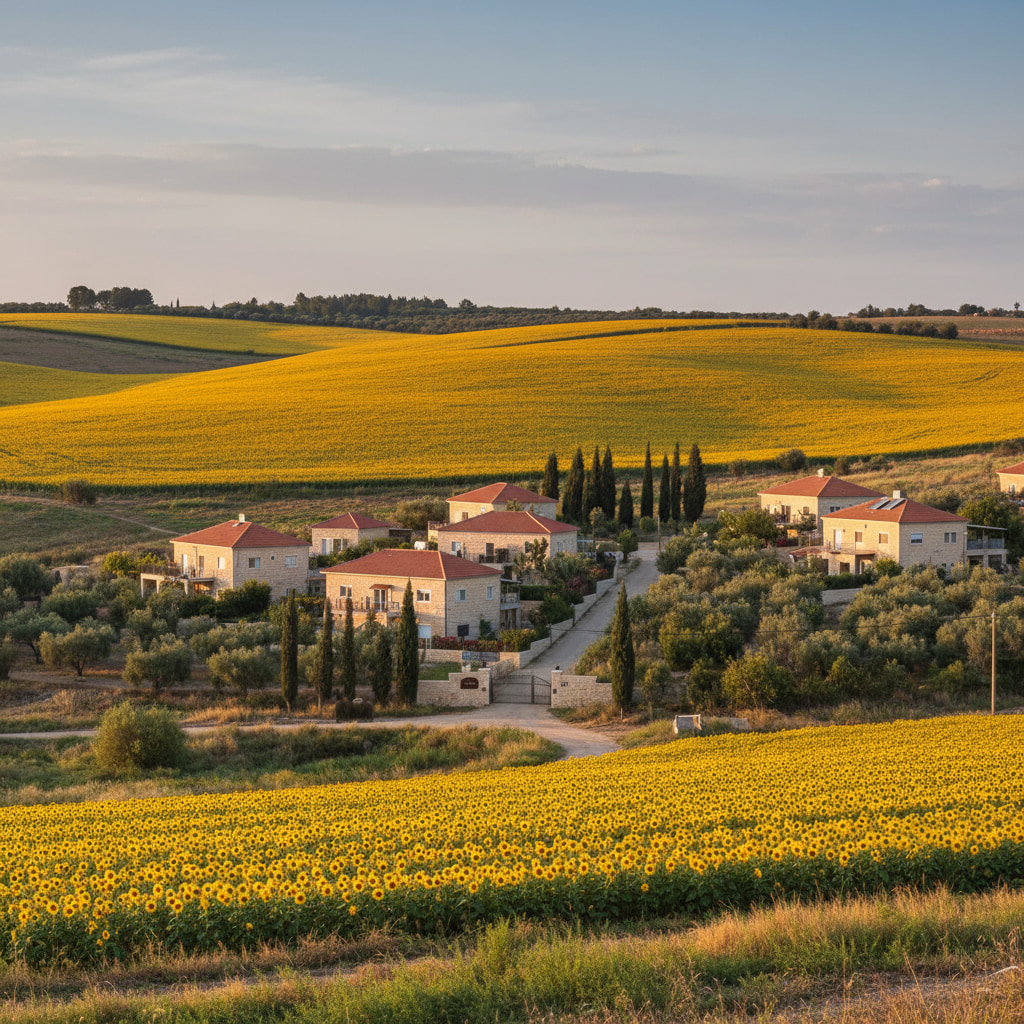
CITY HISTORY & DEVELOPMENT
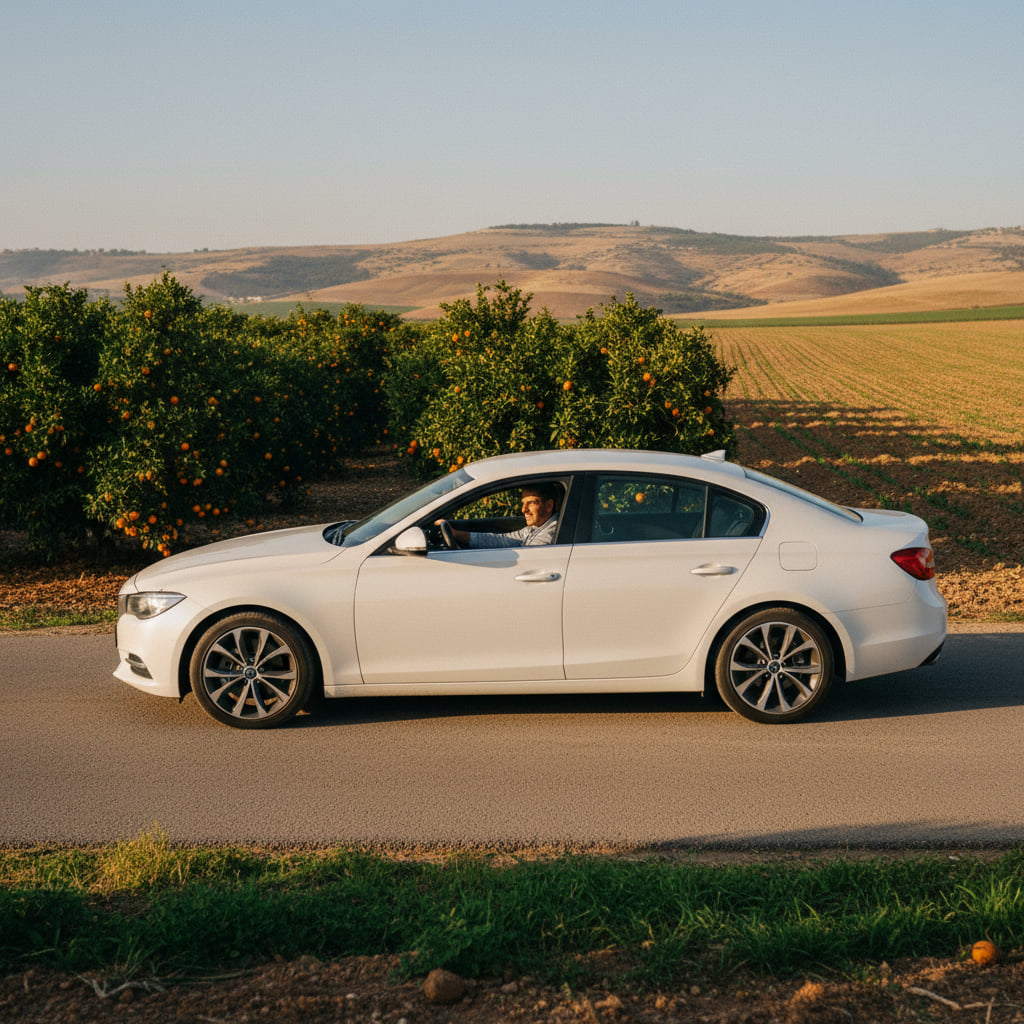
Be'er Tuvia, established in 1888 by Zionist pioneers led by Yisrael Hochman, is one of Israel's earliest moshavim. Initially named Qastina, the settlement faced challenges such as water scarcity and attacks from neighboring villages. In 1896, it was revitalized by Hovevei Zion and renamed Be'er Tuvia. The community was destroyed during the 1929 Palestine riots but was reestablished in 1930 by veterans of the Jewish Legion and kibbutz members. Today, Be'er Tuvia is a moshav known for its agricultural productivity.
DEMOGRAPHICS & FAMILY LIFESTYLE
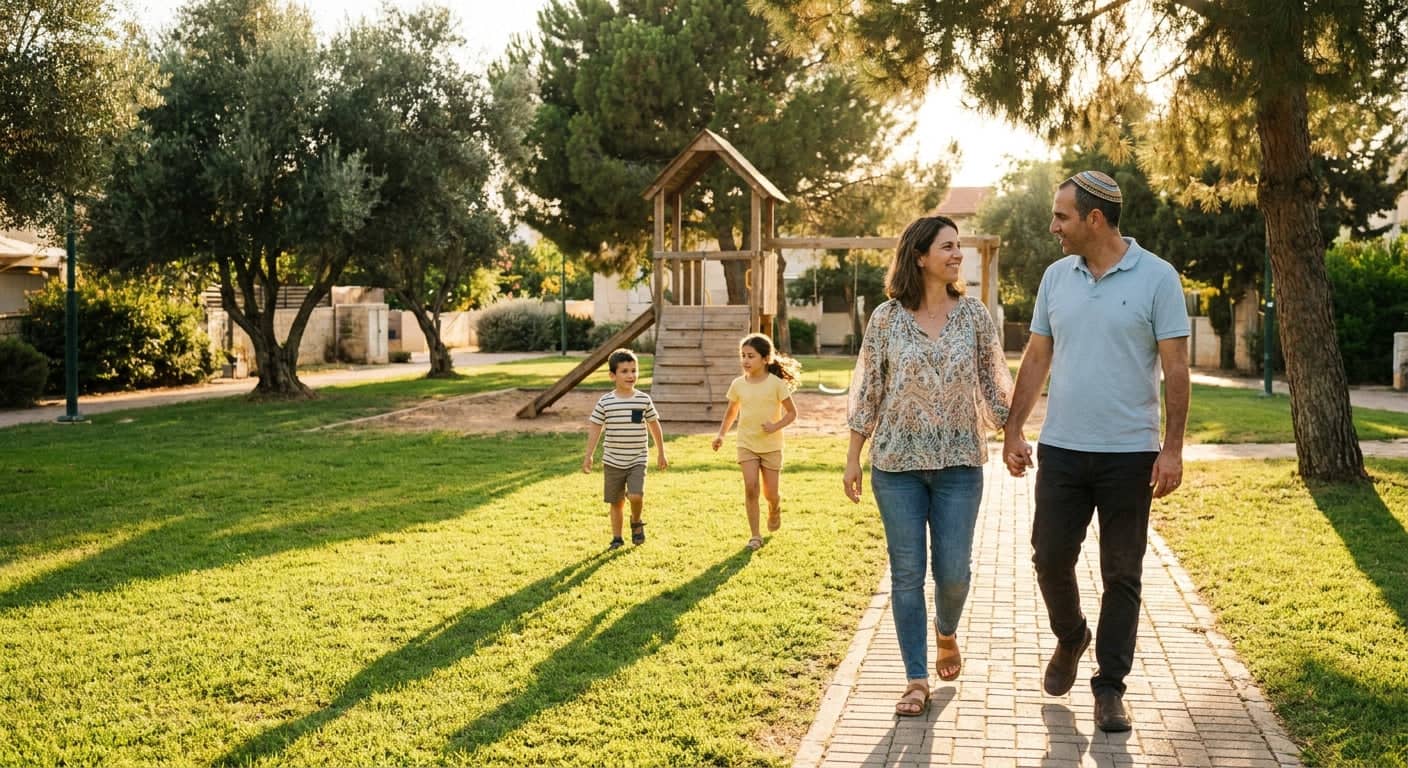
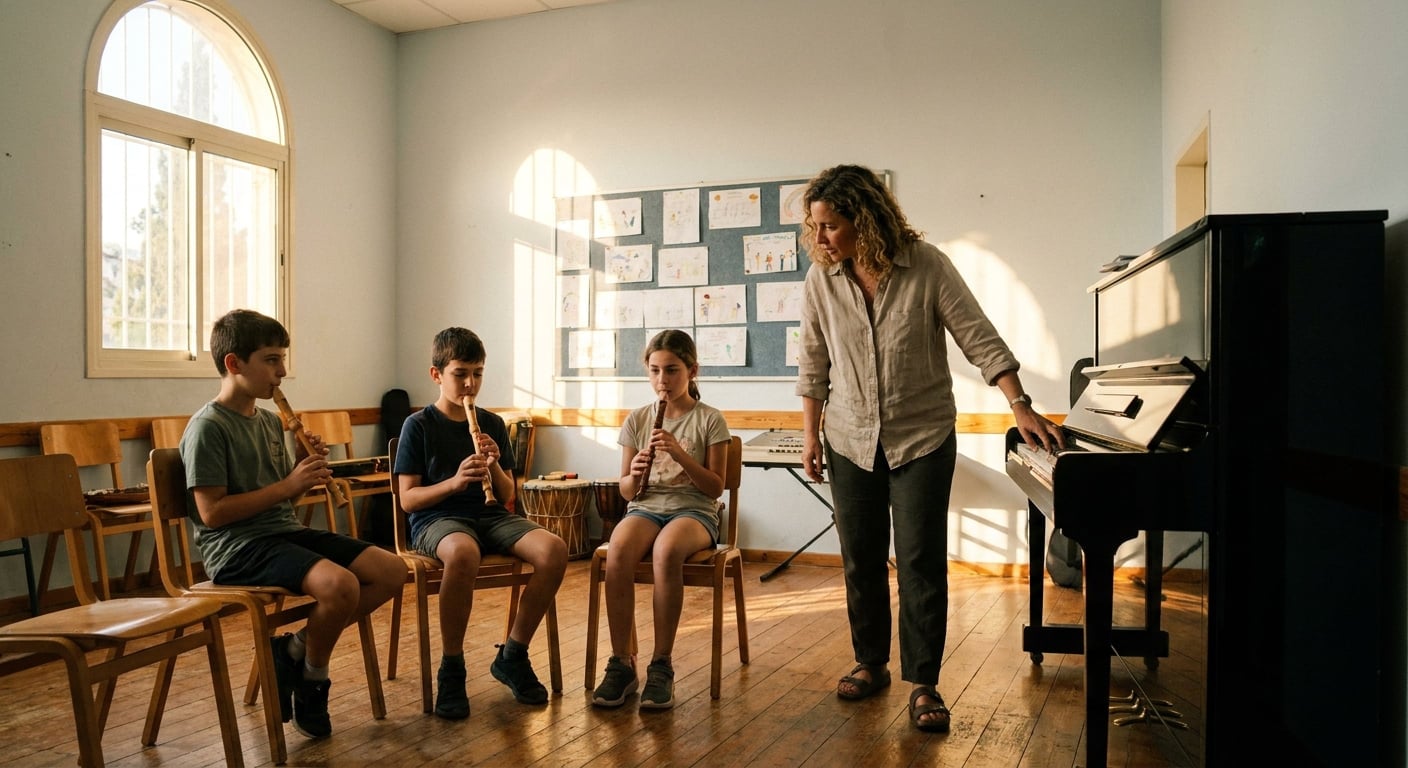
Be'er Tuvia is a moshav, a type of cooperative agricultural community, with a population of approximately 1,000 residents. The community comprises a mix of secular and religious families, fostering a balanced lifestyle. The population includes a range of age groups, with many families and children contributing to the community's vitality. The moshav's cooperative structure supports a close-knit environment where residents engage in both agricultural and modern professions.
REAL ESTATE MARKET OVERVIEW
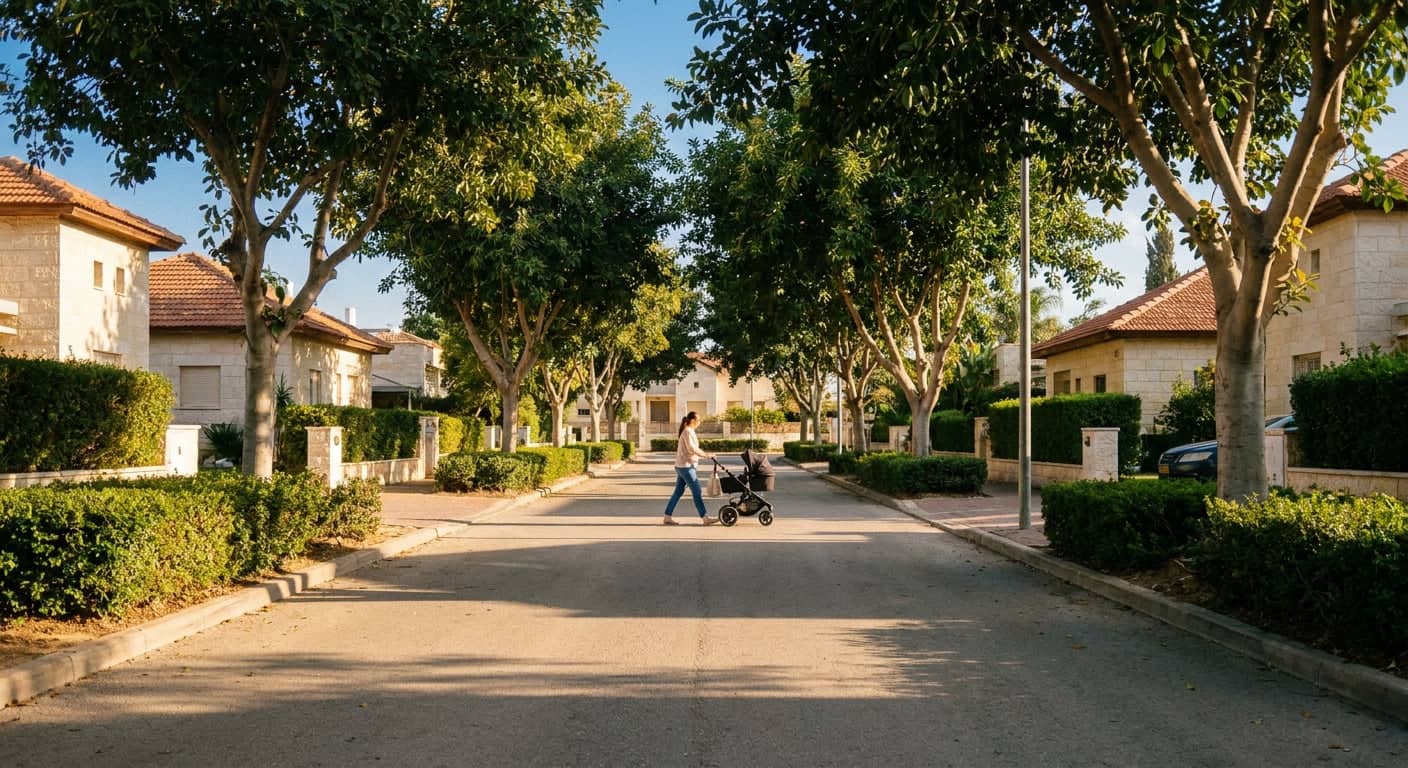
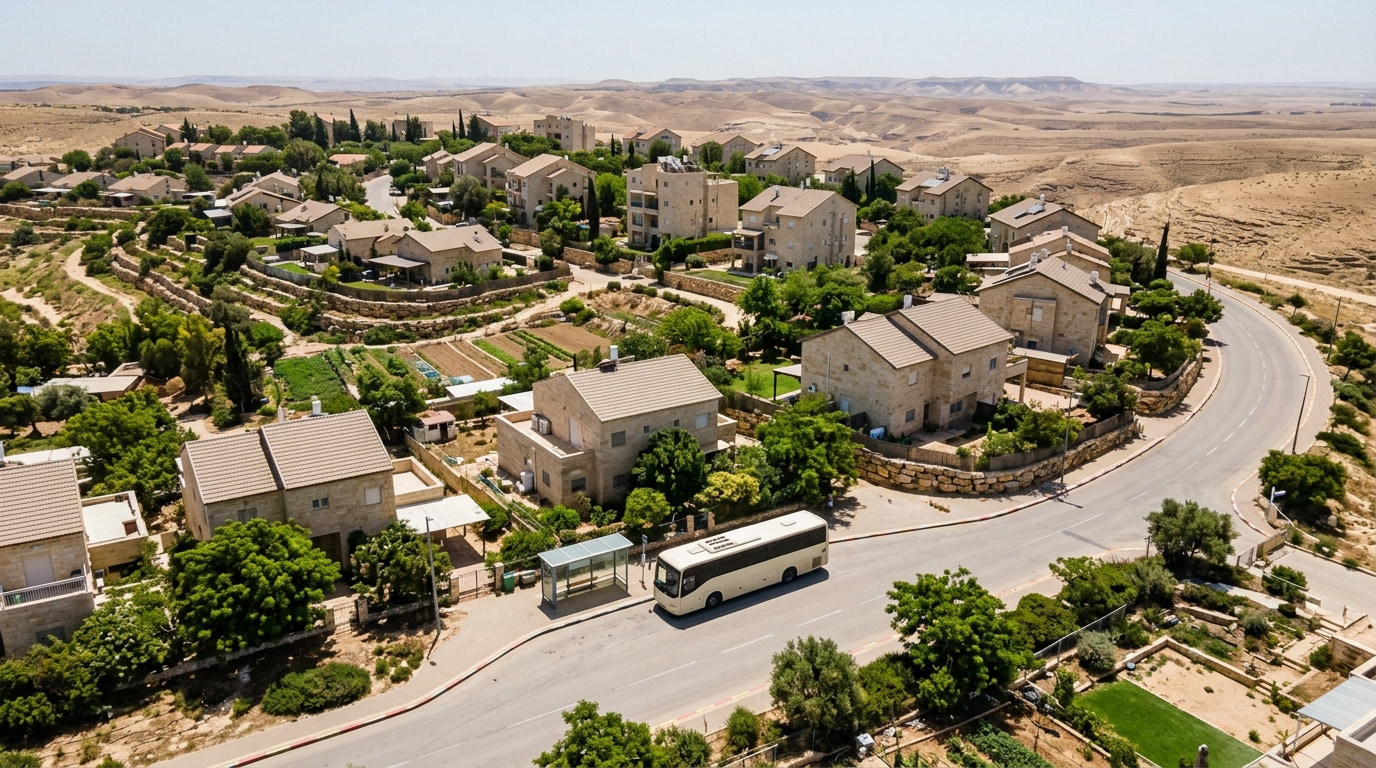
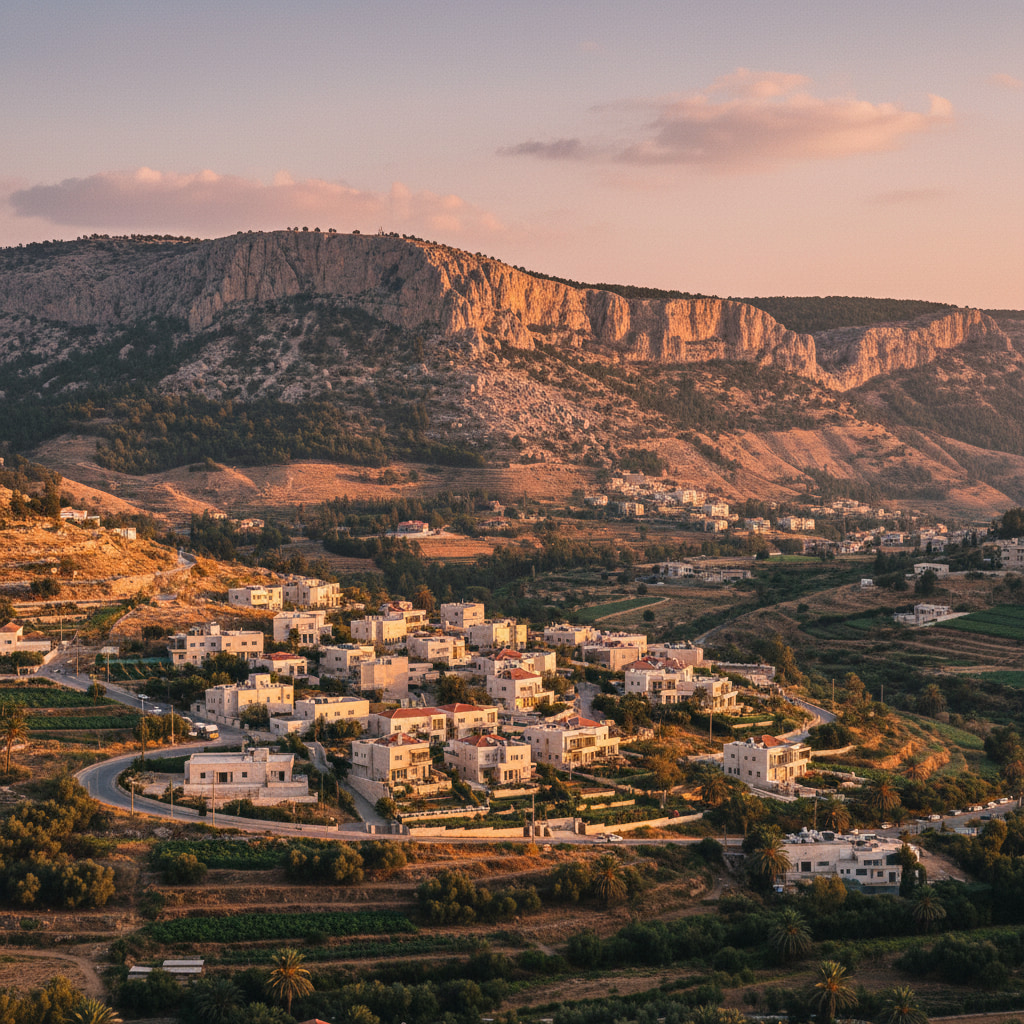
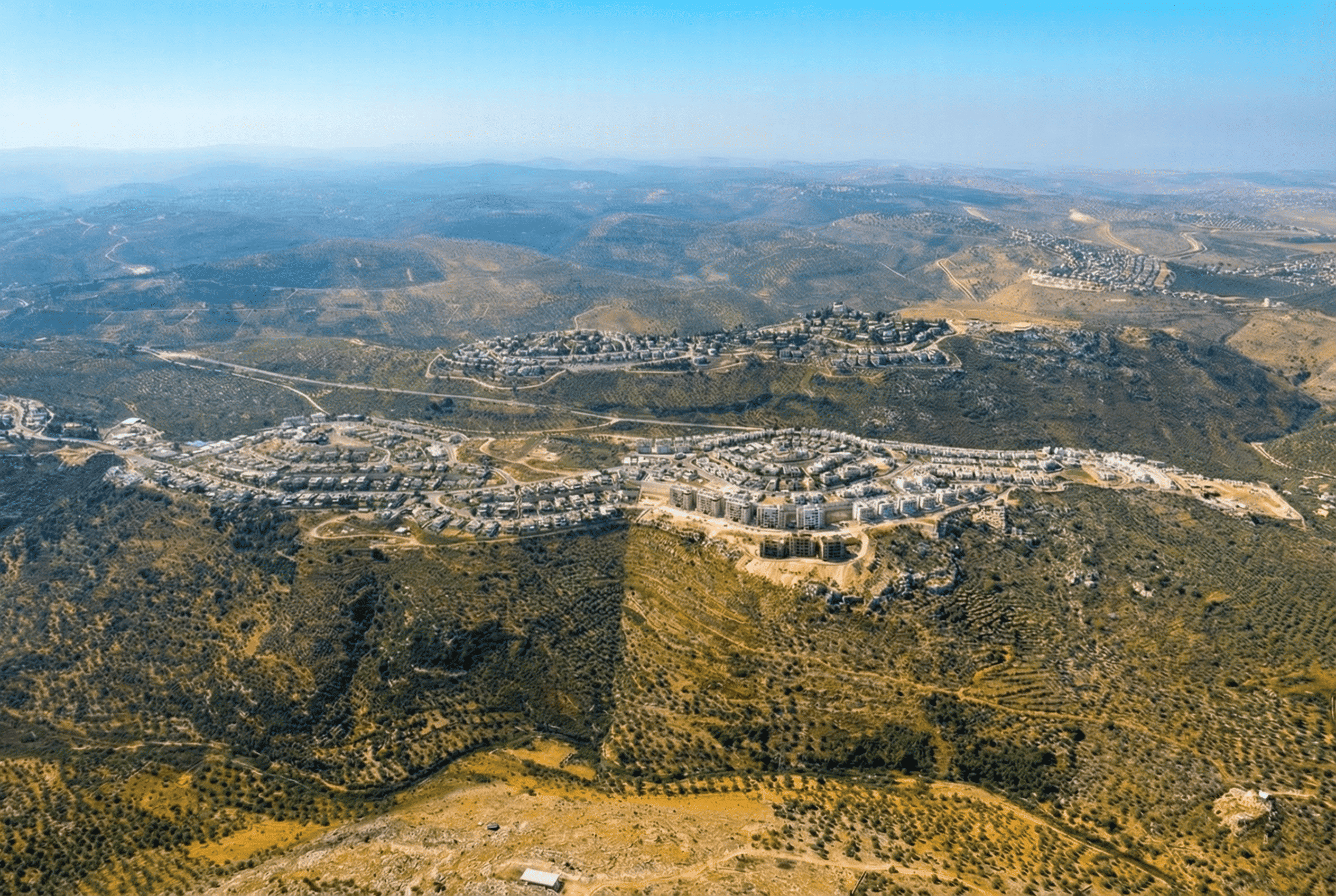
Be'er Tuvia's housing stock primarily consists of single-family homes situated on spacious plots, reflecting its origins as a kibbutz. The architectural styles vary, with many residences dating back several decades, while others have been modernized or newly constructed to accommodate the community's growth. The homes are typically designed to blend with the rural surroundings, emphasizing functionality and simplicity. The real estate market in Be'er Tuvia is characterized by steady demand, driven by its proximity to urban centers like Ashdod and Kiryat Malakhi, offering residents a balance between rural tranquility and access to city amenities. Housing prices are generally more affordable compared to central Israel, making it an attractive option for families and individuals seeking a community-oriented lifestyle. The market is relatively stable, with properties maintaining their value over time, appealing to both long-term residents and newcomers.
NEW CONSTRUCTION PROJECTS
Be'er Tuvia continues to enhance its infrastructure to support its agricultural activities and community needs. Recent developments include the establishment of an 8.9 MW photovoltaic facility, completed in 2021, contributing to the kibbutz's energy sustainability. Additionally, the community has invested in modernizing its dairy operations, ensuring the agricultural sector remains efficient and productive.
TRANSPORTATION & ACCESSIBILITY
Transportation to and from Be'er Tuvia is facilitated by several bus routes, including lines 140, 141, and 345, connecting the kibbutz to nearby cities and towns. The 141 bus line, operated by Electra Afikim, provides service between Be'er Tuvia and Ashdod, the closest regional hub. These public transit options offer residents and visitors convenient access to urban centers, supporting both daily commutes and regional travel.
WHY NEW IMMIGRANTS CHOOSE BE'ER TUVIA
New immigrants, or olim, are drawn to Be'er Tuvia for its supportive community atmosphere and the opportunity to participate in cooperative agriculture. The moshav's location near major cities like Ashdod and Kiryat Malakhi offers convenient access to urban amenities while maintaining a peaceful rural lifestyle. Affordable housing options and the availability of community services make it an attractive destination for families seeking integration into Israeli society. Additionally, the blend of secular and religious residents provides a welcoming environment for olim from backgrounds.
- Supportive cooperative community
- Proximity to major cities
- Affordable housing options
- Balanced secular and religious environment
- Opportunities in agriculture and modern professions