CITY HISTORY & DEVELOPMENT
Shomria was established in 1985 as a Nahal settlement and later became a civilian kibbutz affiliated with the Hashomer Hatzair movement. Facing economic challenges, the original members agreed in 2006 to vacate the kibbutz, allowing 60 families evacuated from the Gaza Strip settlement of Bnei Atzmon to relocate there. This transition revitalized Shomria, transforming it into a religious kibbutz that continues to thrive today.
DEMOGRAPHICS & FAMILY LIFESTYLE
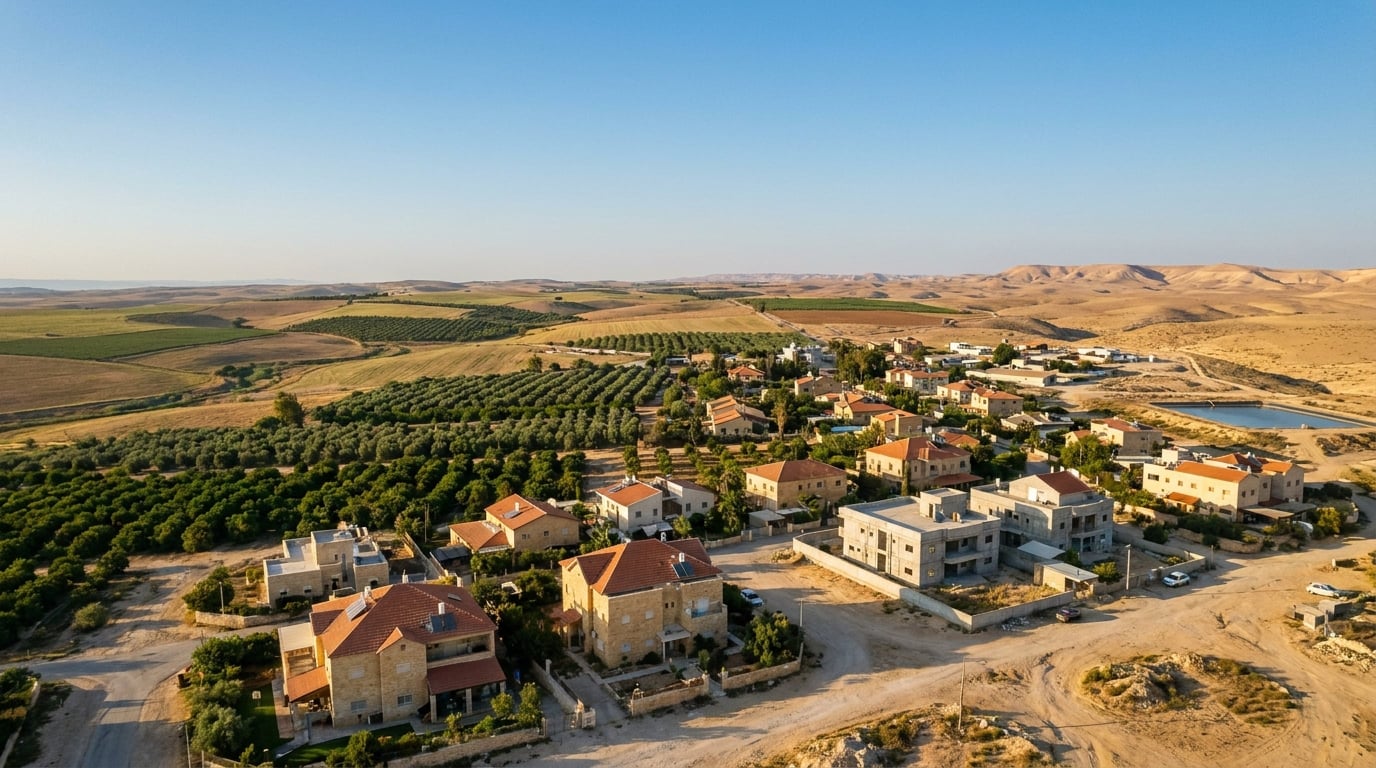
Shomria is a religious kibbutz currently home to approximately 120 families spanning various age groups. The community operates as a 'kibbutz mitchadesh,' where each family maintains full economic independence while the kibbutz collectively manages shared assets and production sectors. Residents engage in agricultural activities, including dairy farming, viticulture, olive cultivation, and vegetable production.
REAL ESTATE MARKET OVERVIEW
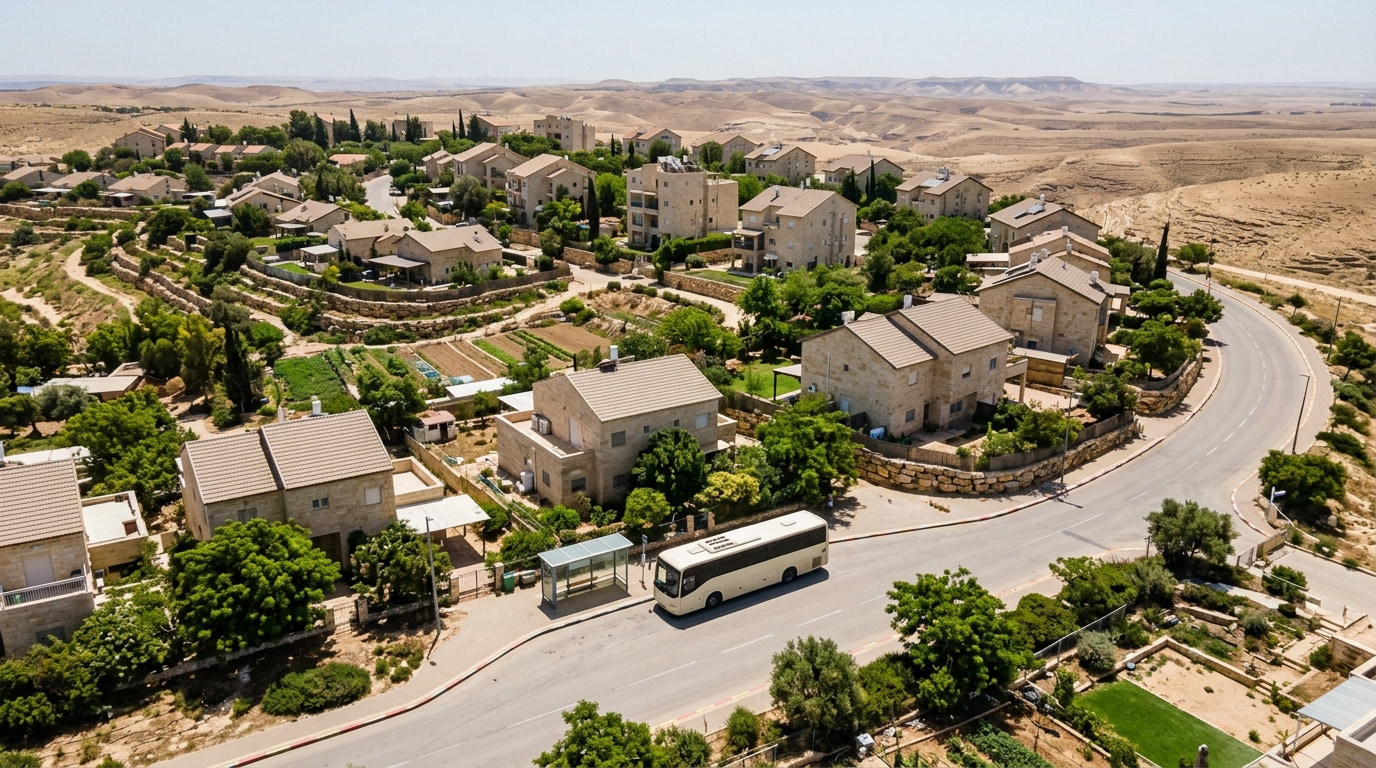
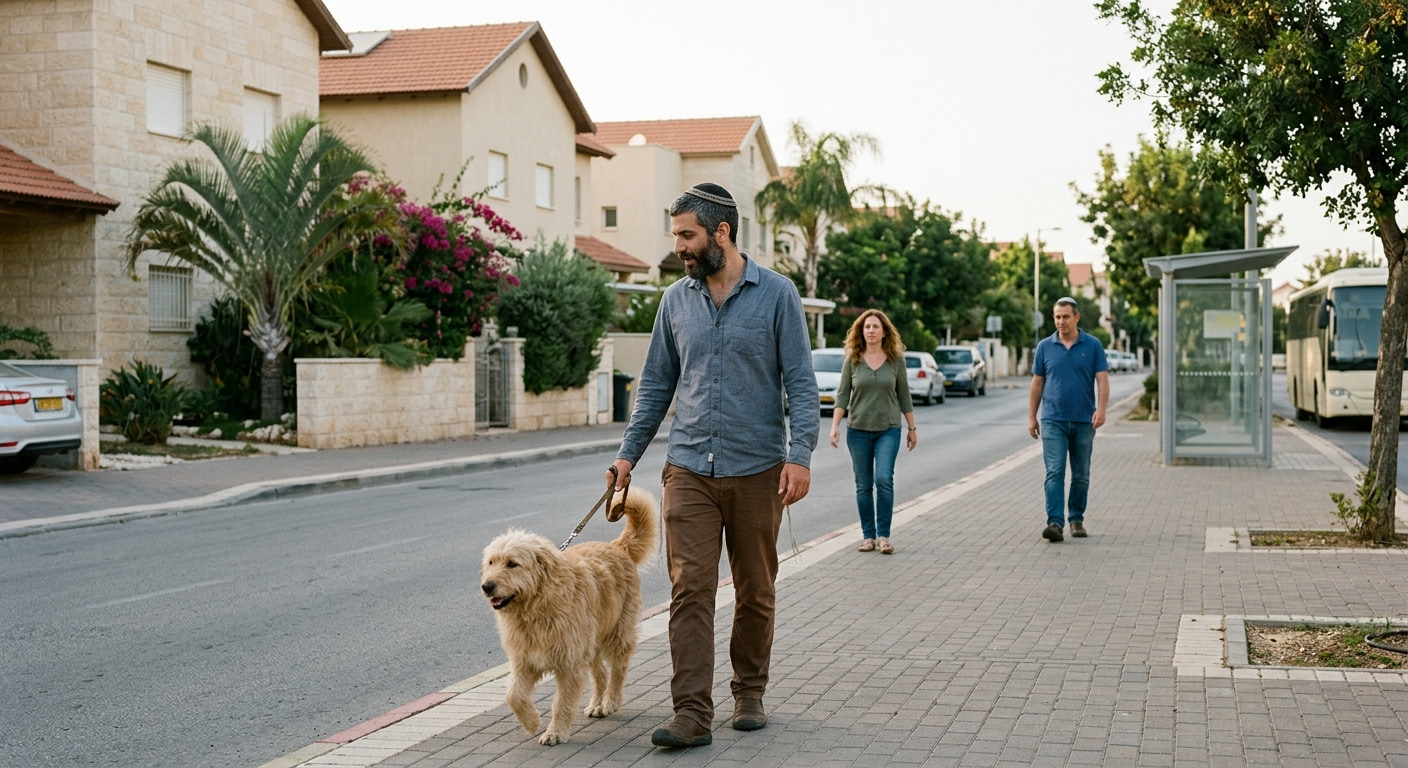
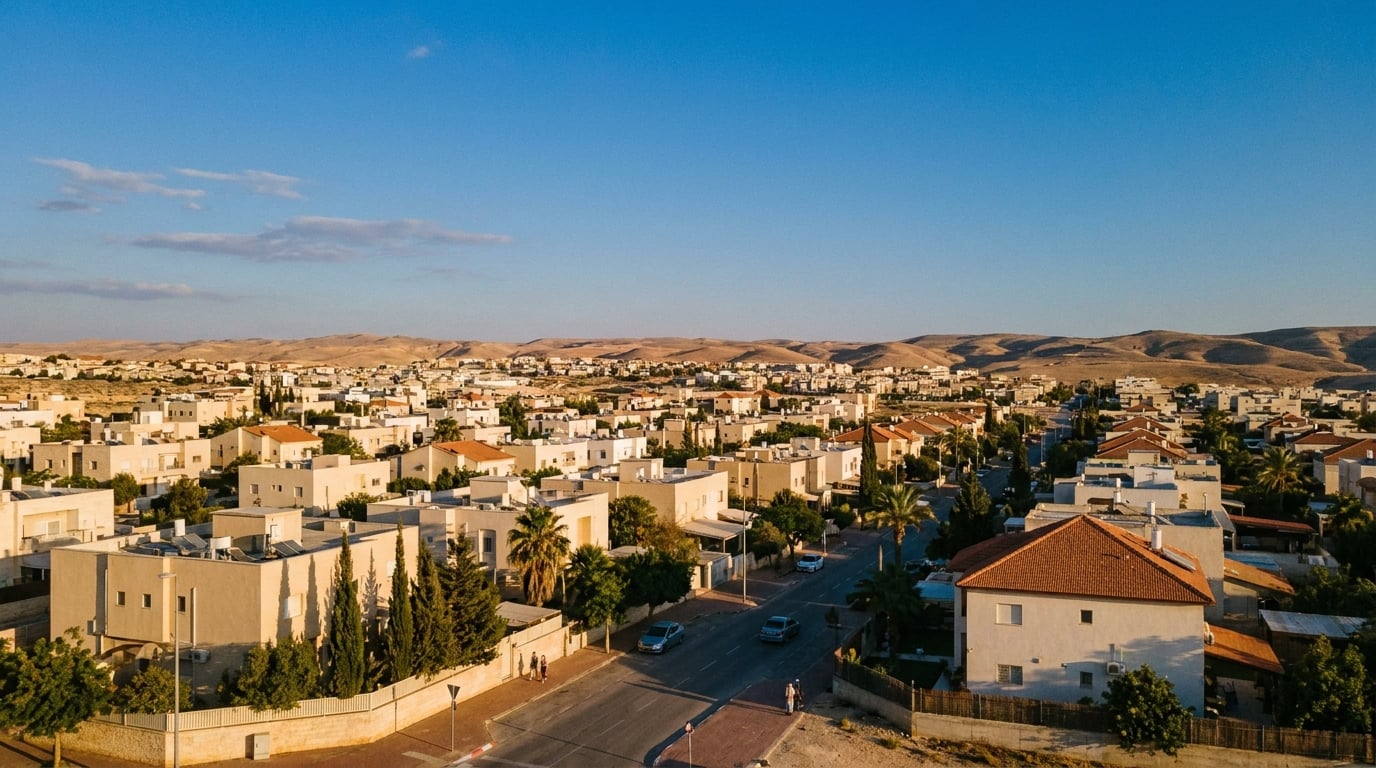
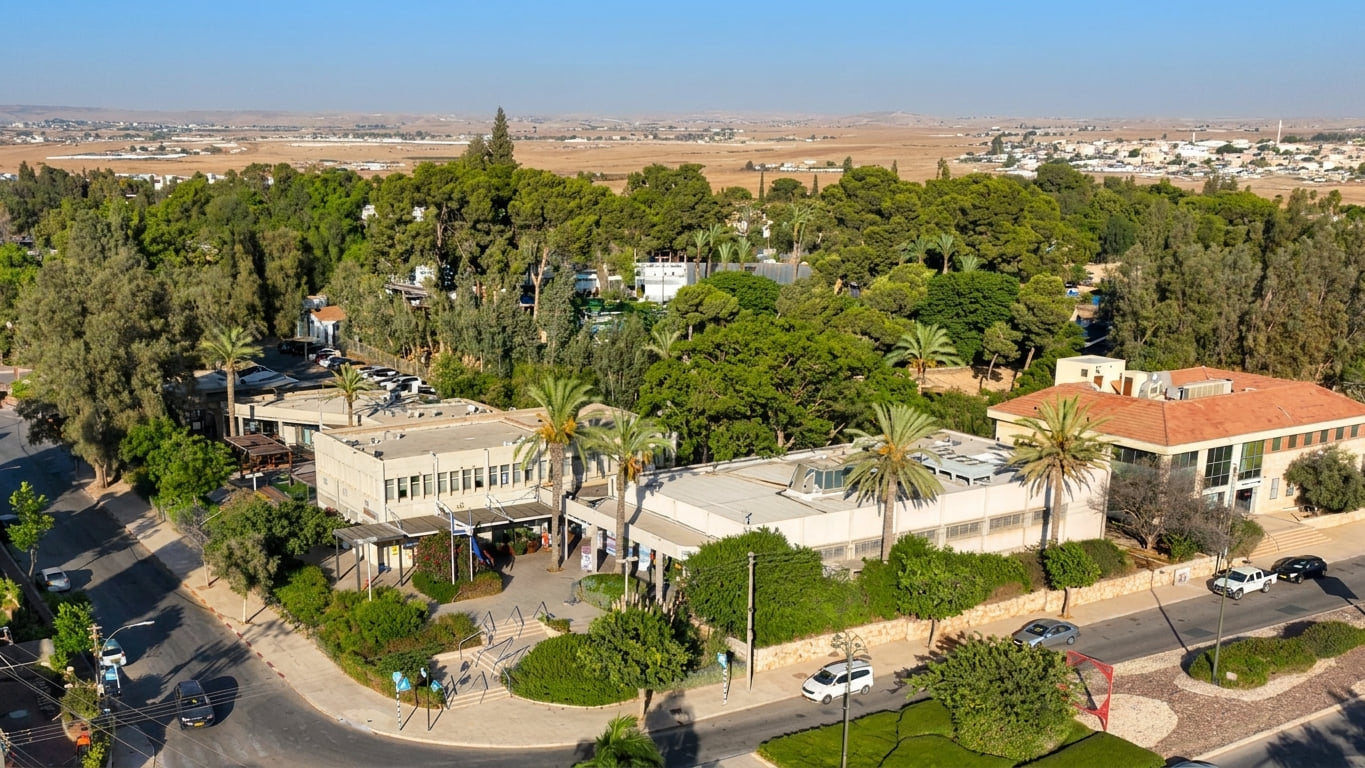
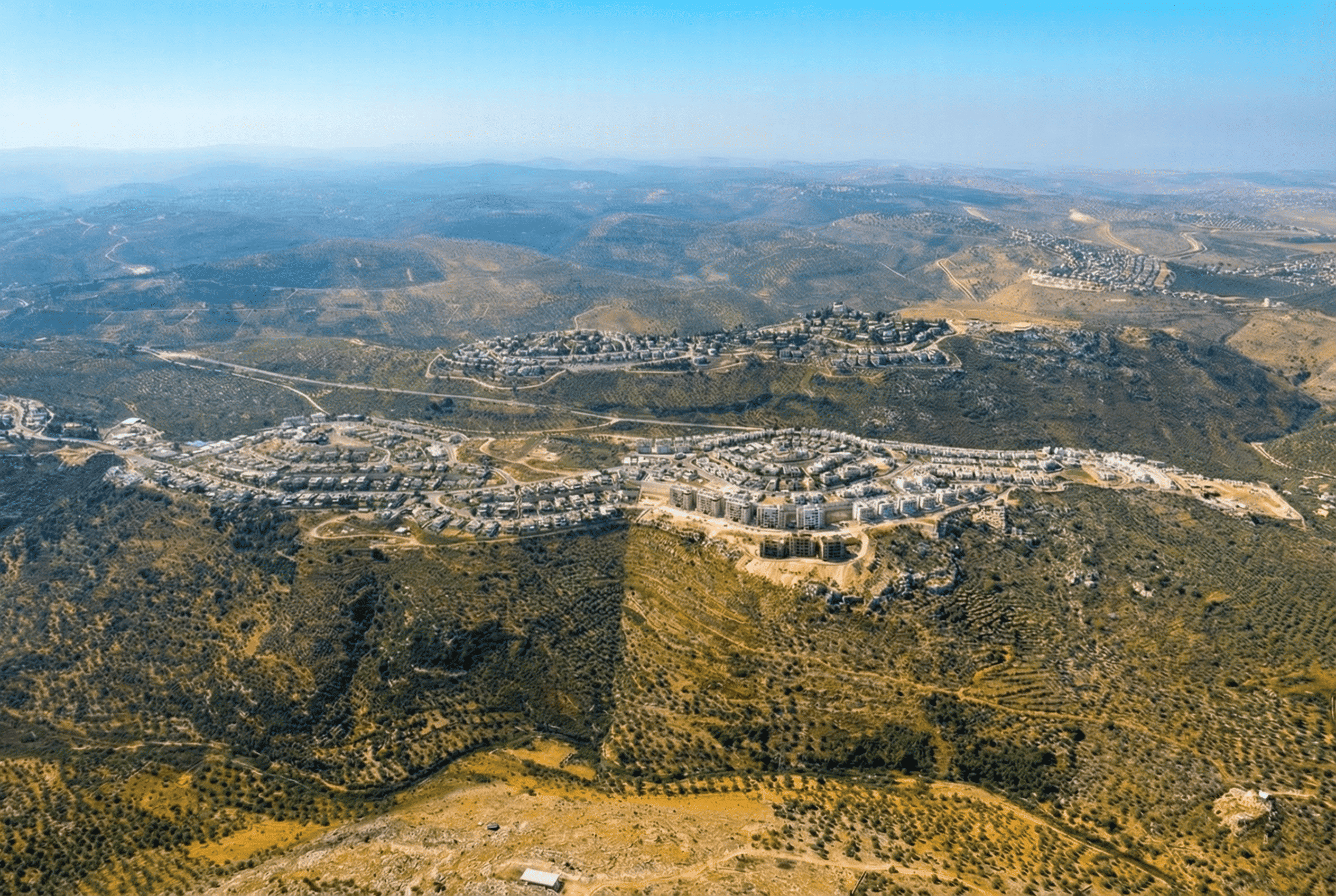
Shomria's housing stock primarily consists of single-family homes situated on modest plots, reflecting its evolution into a 'kibbutz mitchadesh' where families maintain economic independence. The residences are relatively modern, with significant development occurring after 2006 when new families revitalized the community. The architectural style blends traditional kibbutz elements with contemporary designs, accommodating the needs of a growing religious community. The kibbutz's agricultural ventures, including dairy farming and viticulture, influence the layout, with residential areas interspersed among farmland.
Housing demand in Shomria is driven by families seeking a religious lifestyle within a close-knit community. The market is characterized by stability, with property values reflecting the kibbutz's unique appeal and its location in the Negev region. Buyers are typically religious families attracted to the community's agricultural opportunities and educational institutions. Market liquidity is moderate, as the community's specific lifestyle and economic model appeal to a niche segment of homebuyers.
NEIGHBORHOOD BREAKDOWN
Shomria is a compact community without distinct neighborhoods, centered around communal facilities such as the synagogue, educational institutions, and agricultural operations. The layout fosters a strong sense of community, with residential areas closely integrated with shared spaces and farmland. This design supports the kibbutz's emphasis on collective activities and mutual support among residents.
NEW CONSTRUCTION PROJECTS
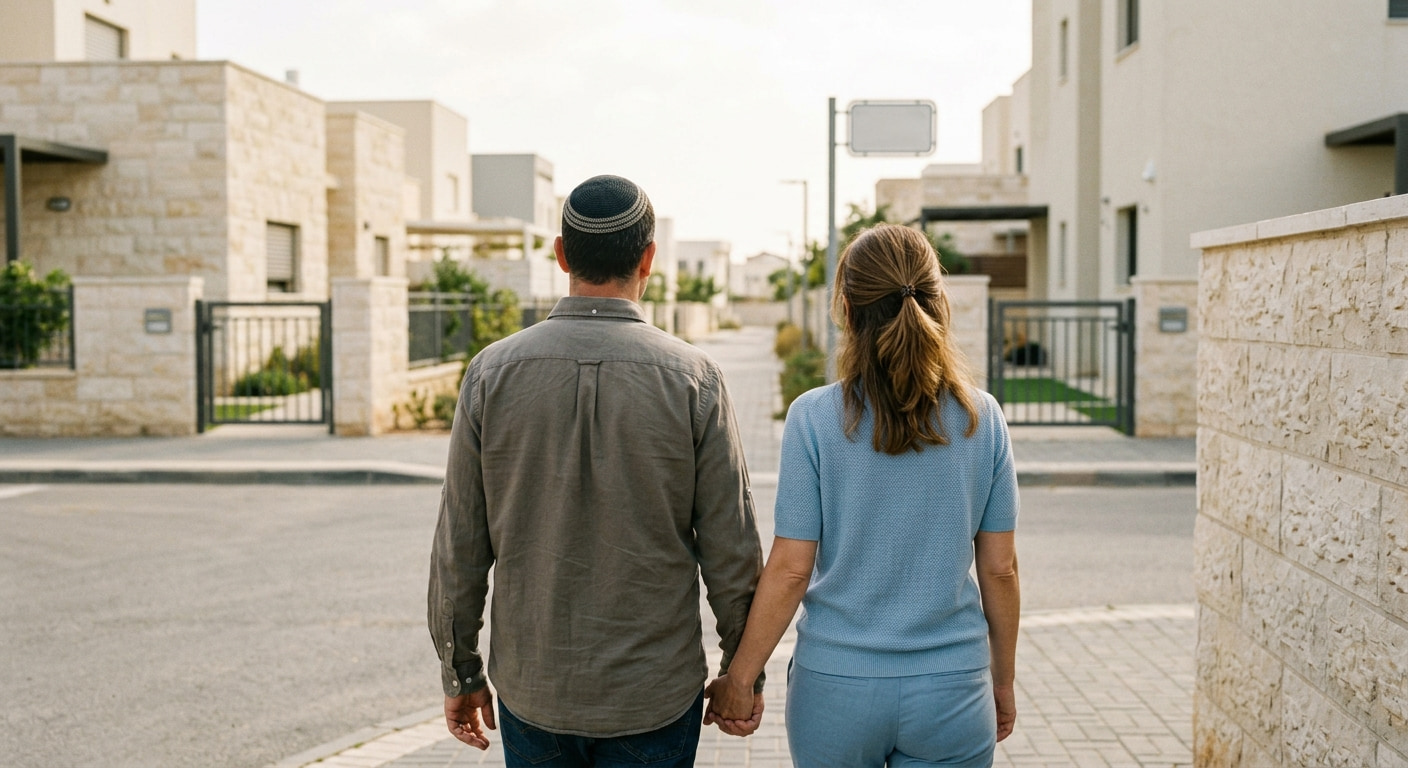
Shomria has been actively developing its residential infrastructure to accommodate its growing community. The kibbutz has undertaken projects to construct new housing units, providing modern living spaces for both existing residents and newcomers. These developments aim to support the kibbutz's expansion and enhance the quality of life for its members. The construction of permanent homes has been a significant step in transitioning from temporary accommodations to more stable residences. This ongoing development reflects Shomria's commitment to fostering a community.
TRANSPORTATION & ACCESSIBILITY
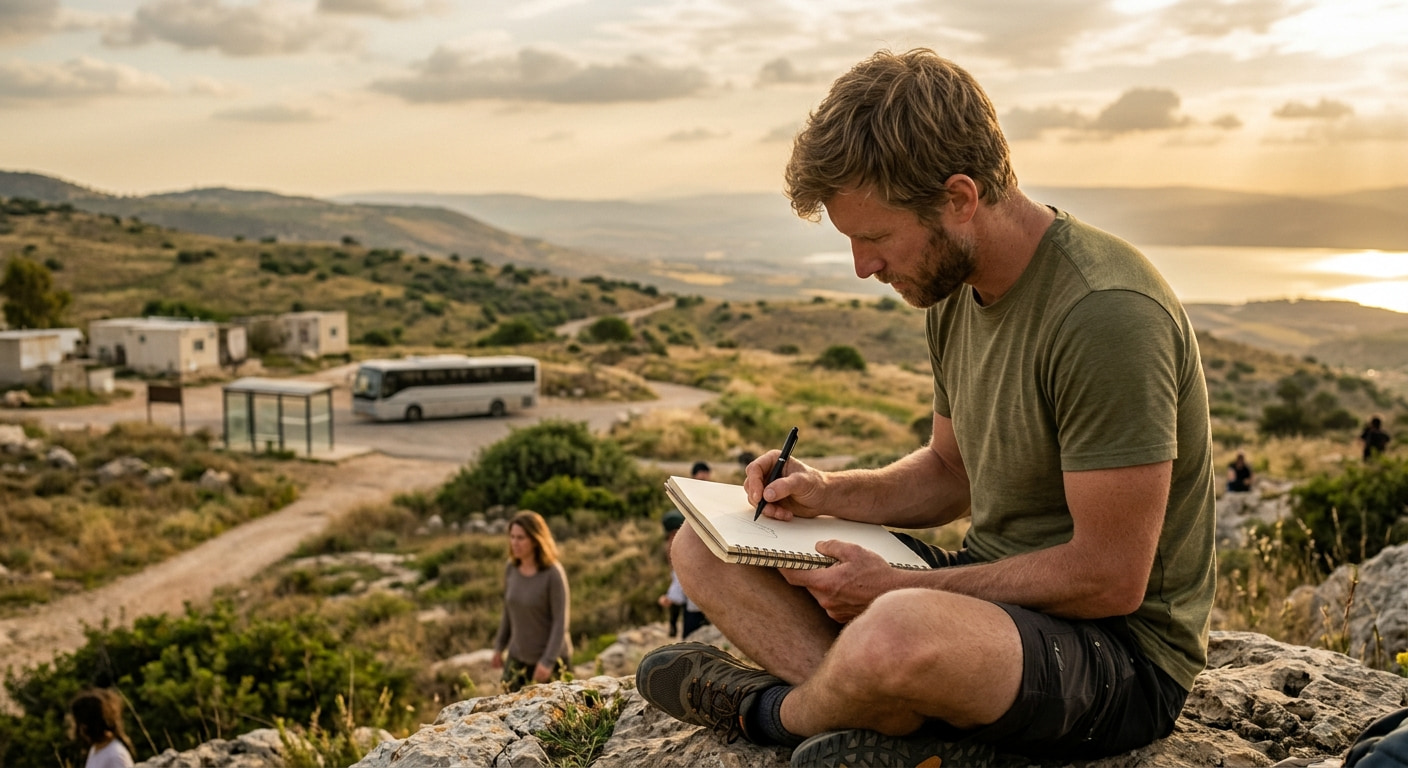
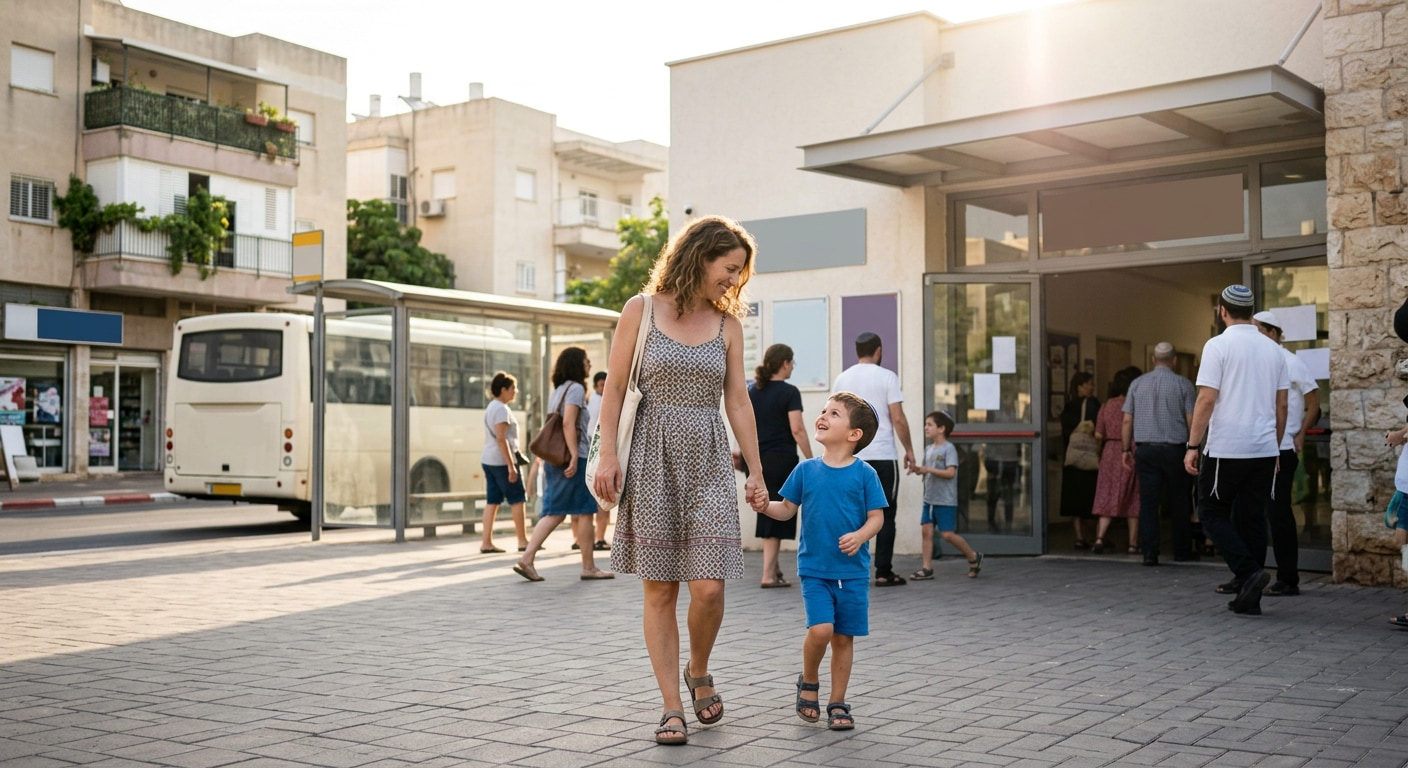
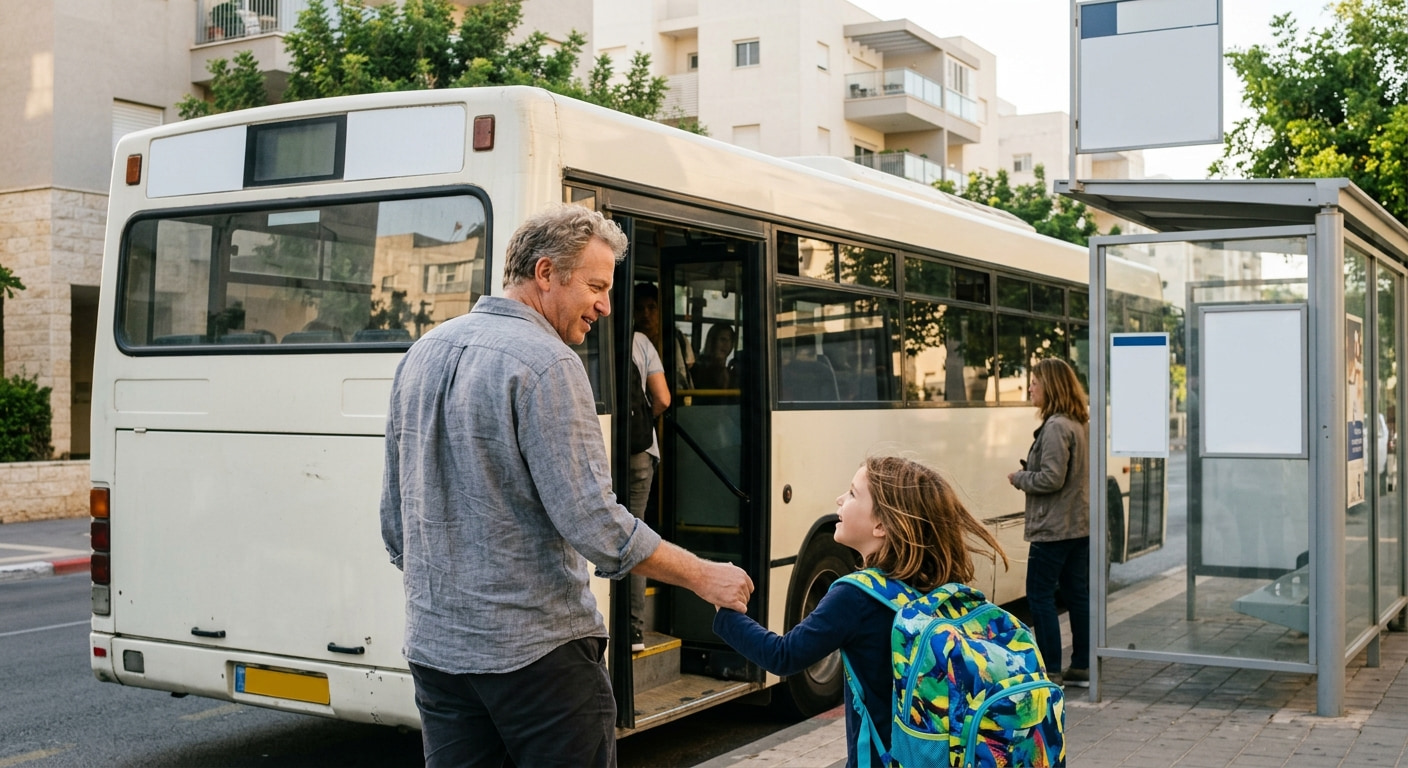
Shomria is accessible via regional bus services connecting it to nearby urban centers. Public transportation options facilitate travel to and from the kibbutz, linking residents to essential services and employment opportunities in the region. The proximity to Kiryat Gat, a major city in the area, provides additional connectivity and access to broader transportation networks. These transportation links are vital for integrating Shomria with the surrounding areas and supporting the mobility of its residents.
WHY NEW IMMIGRANTS CHOOSE SHOMRIA
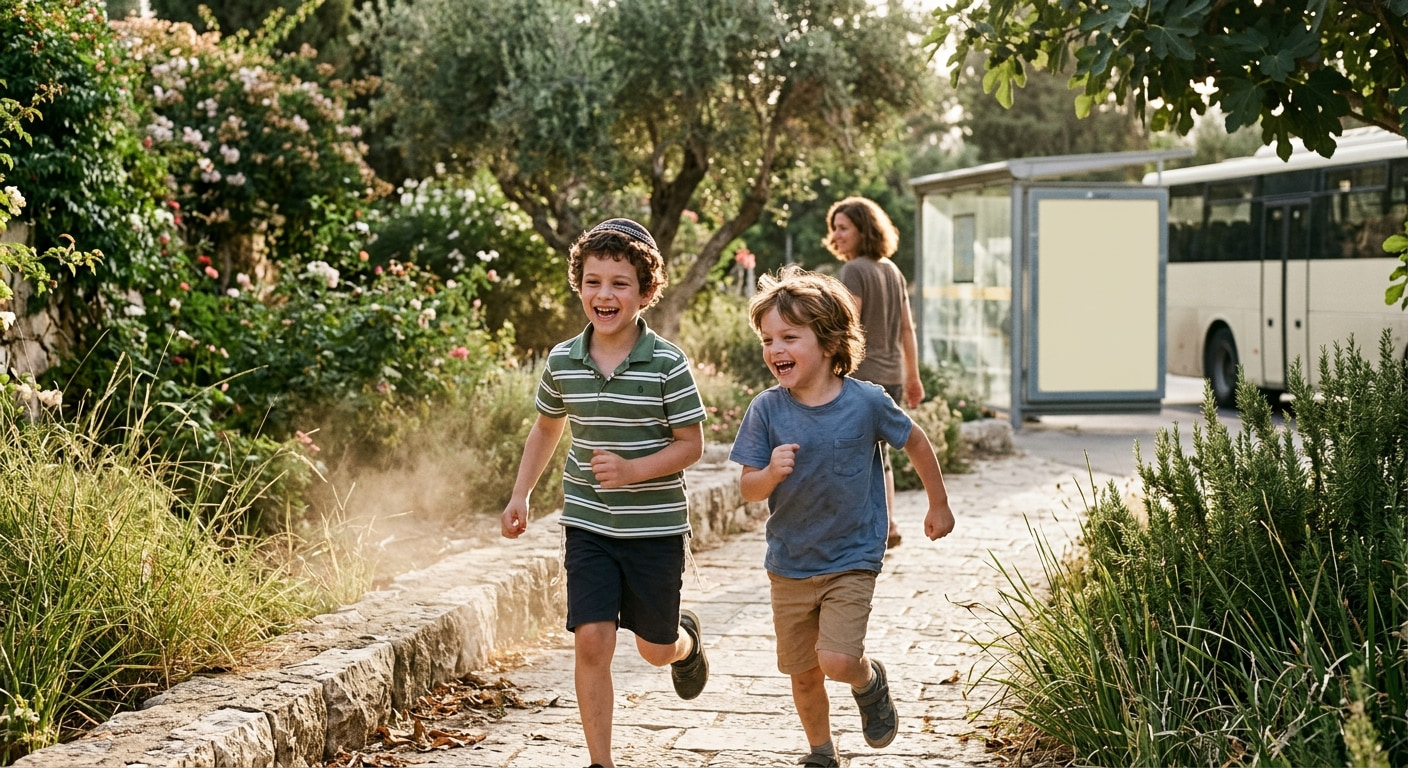
New immigrants are drawn to Shomria for its strong sense of community, religious lifestyle, and economic opportunities in agriculture. The kibbutz's commitment to Torah life, combined with its extensive agricultural ventures, offers a unique environment for families seeking a religious and self-sustaining lifestyle. Additionally, the presence of educational institutions and ongoing development projects make Shomria an appealing destination for olim.
- Strong religious community with Torah-centered life
- Economic opportunities in agricultural sectors
- Established educational institutions for children
- Ongoing development and housing projects
- Supportive environment for new immigrant families