CITY HISTORY & DEVELOPMENT
Kibbutz Alumim was established in 1966 by members of the Bnei Akiva movement as a border settlement near Egypt. The land had been part of the Religious Kibbutz Movement since the 1940s and was previously farmed by Kibbutz Be'erot Yitzhak, which relocated after its destruction in the 1948 Arab–Israeli War. Over the years, additional Nahal groups and immigrants from World Bnei Akiva, particularly from the United Kingdom, joined the community. Alumim had a population of approximately 510 residents.
DEMOGRAPHICS & FAMILY LIFESTYLE
Alumim is a religious kibbutz affiliated with the Religious Kibbutz Movement, maintaining a collective lifestyle. The community comprises about 100 families, with approximately 20% being immigrants from the UK. The kibbutz emphasizes a cooperative way of life, with members participating in communal activities and responsibilities.
REAL ESTATE MARKET OVERVIEW
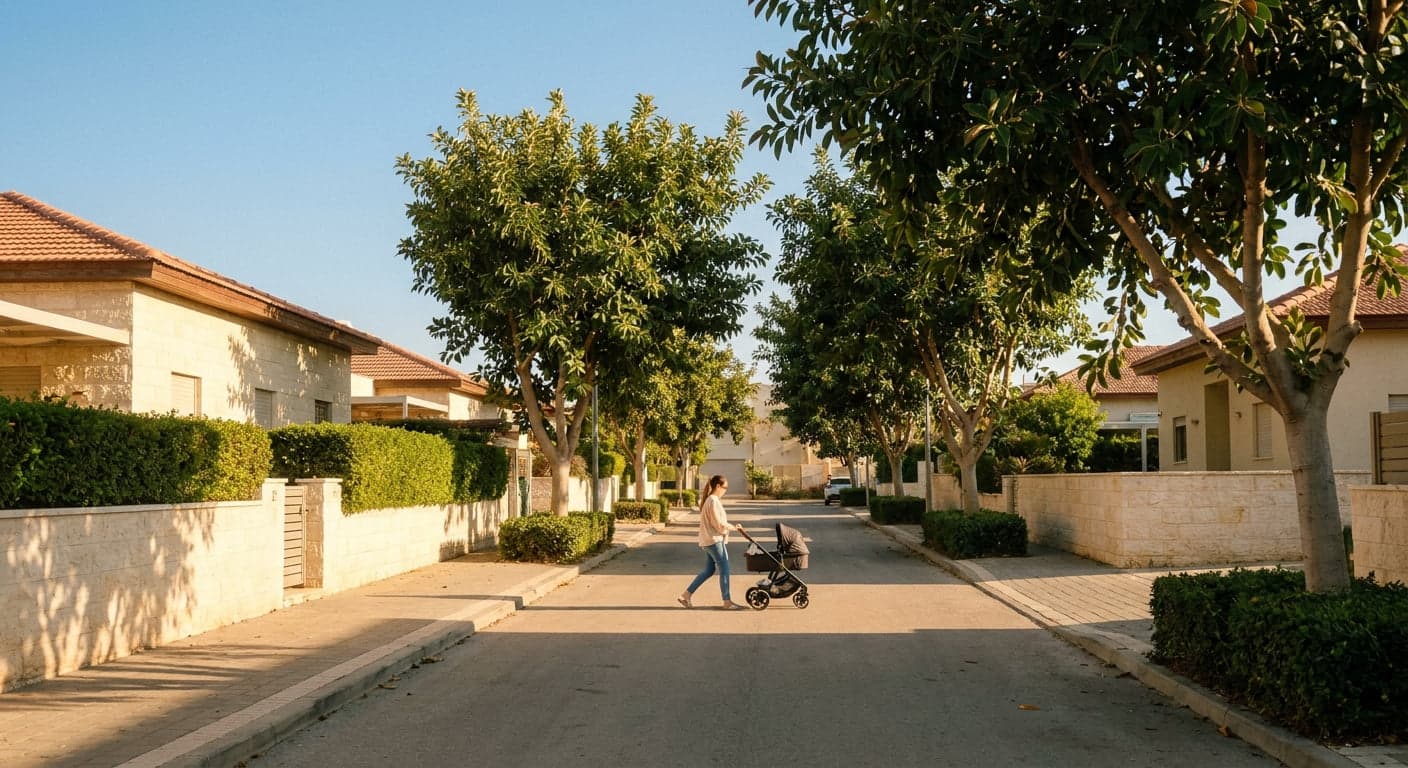
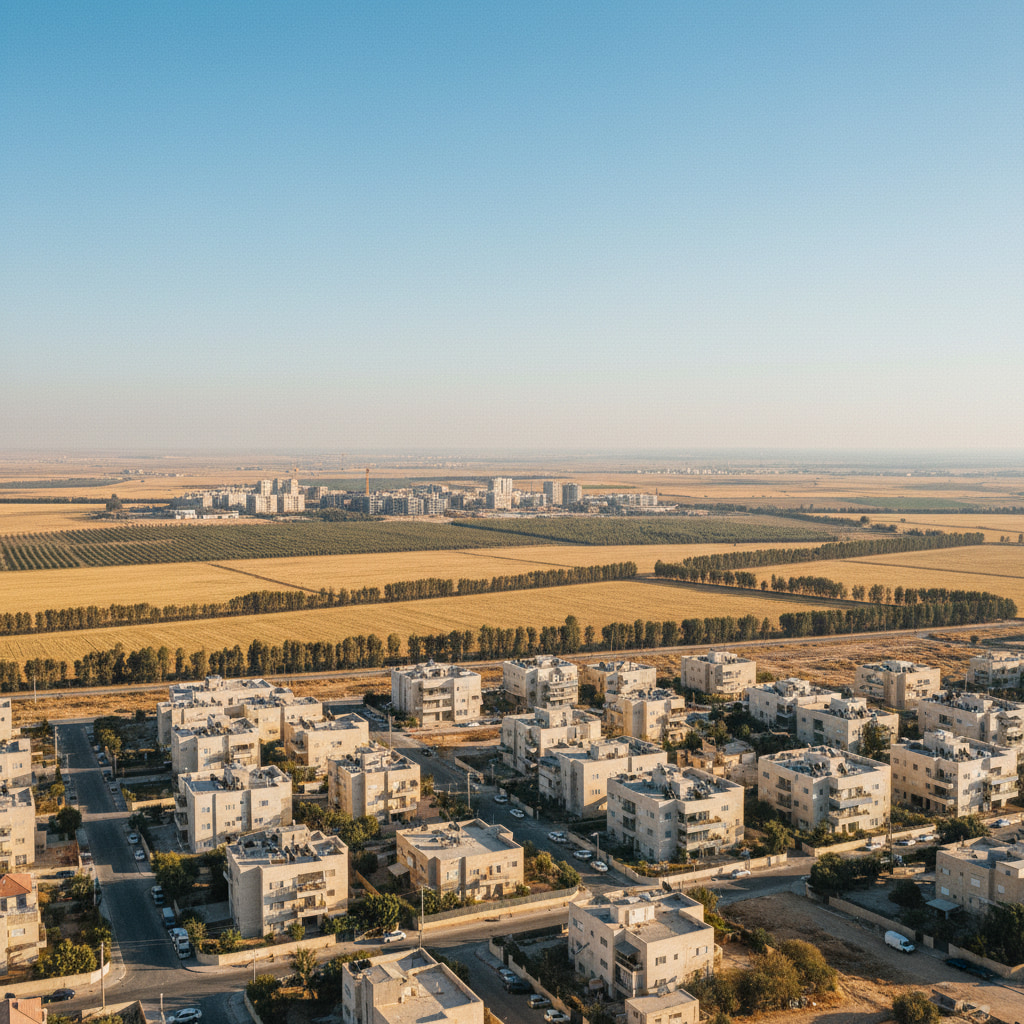
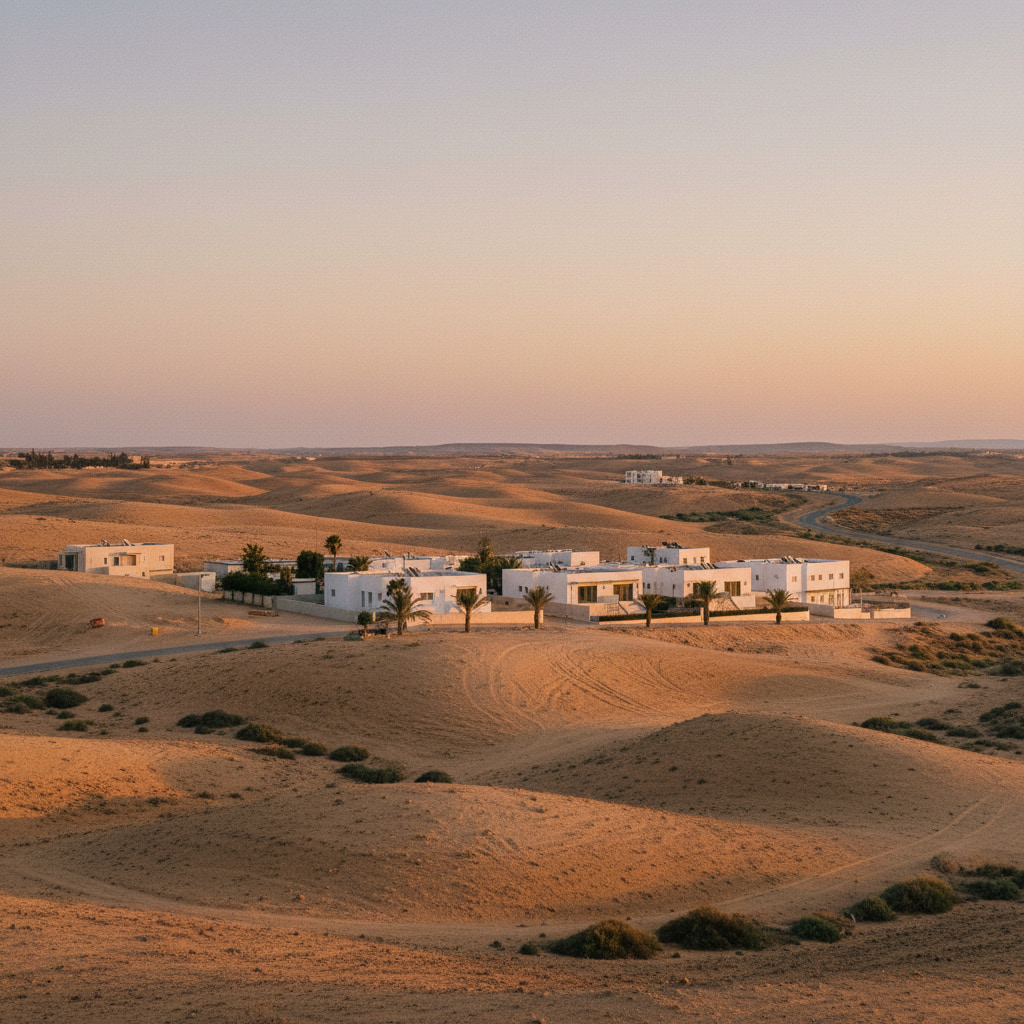
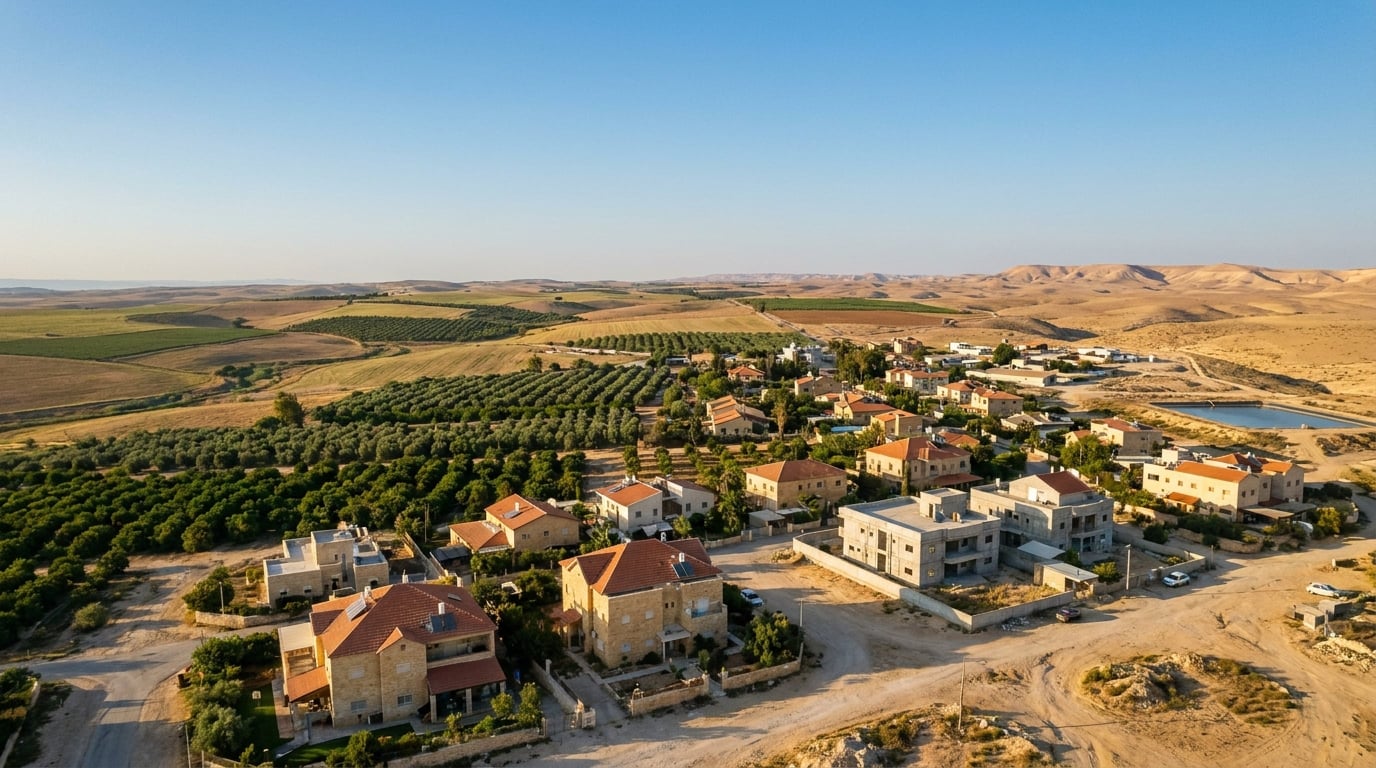
Kibbutz Alumim's housing primarily consists of single-family homes that reflect the community's collective lifestyle. These residences are typically modest in size, designed to accommodate the communal ethos and the needs of the families residing there. The architectural style is functional, with homes constructed to support the kibbutz's agricultural and cooperative activities. The kibbutz's layout includes communal facilities and shared spaces that foster a close-knit environment among residents. The demand for housing in Alumim is influenced by individuals and families seeking a religious, cooperative lifestyle within a supportive community. The presence of English-speaking members, particularly from the UK, makes the transition smoother for new immigrants. The housing market is characterized by stability, with properties being allocated based on the kibbutz's internal processes rather than open market transactions. This allocation system ensures that new members are integrated into the community in a manner that aligns with its values and needs. Alumim is a compact community without distinct neighborhoods, reflecting its structure. The kibbutz's design emphasizes communal living, with residential areas closely integrated with shared facilities such as the dining hall, educational institutions, and recreational spaces. This layout promotes daily interactions among residents, reinforcing the strong sense of community that defines Alumim. Given its size and communal nature, Alumim does not have named sub-areas or neighborhoods.
NEW CONSTRUCTION PROJECTS
Kibbutz Alumim continues to develop its infrastructure to support its growing community. Recent initiatives have focused on enhancing communal facilities and expanding residential areas to accommodate new families. These developments aim to maintain the kibbutz's collective lifestyle while providing modern amenities for its members.
TRANSPORTATION & ACCESSIBILITY
Alumim is accessible via several bus routes, including lines 58, 36, 136, and 379, connecting the kibbutz to nearby towns and cities. The 58 bus line, for instance, links Alumim to the Netivot Train Station, facilitating travel to broader regions. The kibbutz's proximity to Ashkelon, a regional hub, further enhances its connectivity, allowing residents to commute efficiently for work, education, and other activities.
WHY NEW IMMIGRANTS CHOOSE ALUMIM
New immigrants are drawn to Alumim for its strong sense of community, religious values, and cooperative lifestyle. The kibbutz offers a supportive environment for families, with communal activities and shared responsibilities fostering close relationships among residents. Its agricultural economy provides opportunities for meaningful work, and the presence of a significant number of English-speaking members, particularly from the UK, helps ease the transition for new immigrants.
- Strong sense of community and shared values
- Supportive environment for families
- Opportunities in agriculture and communal work
- Presence of English-speaking members
- Cooperative and religious lifestyle