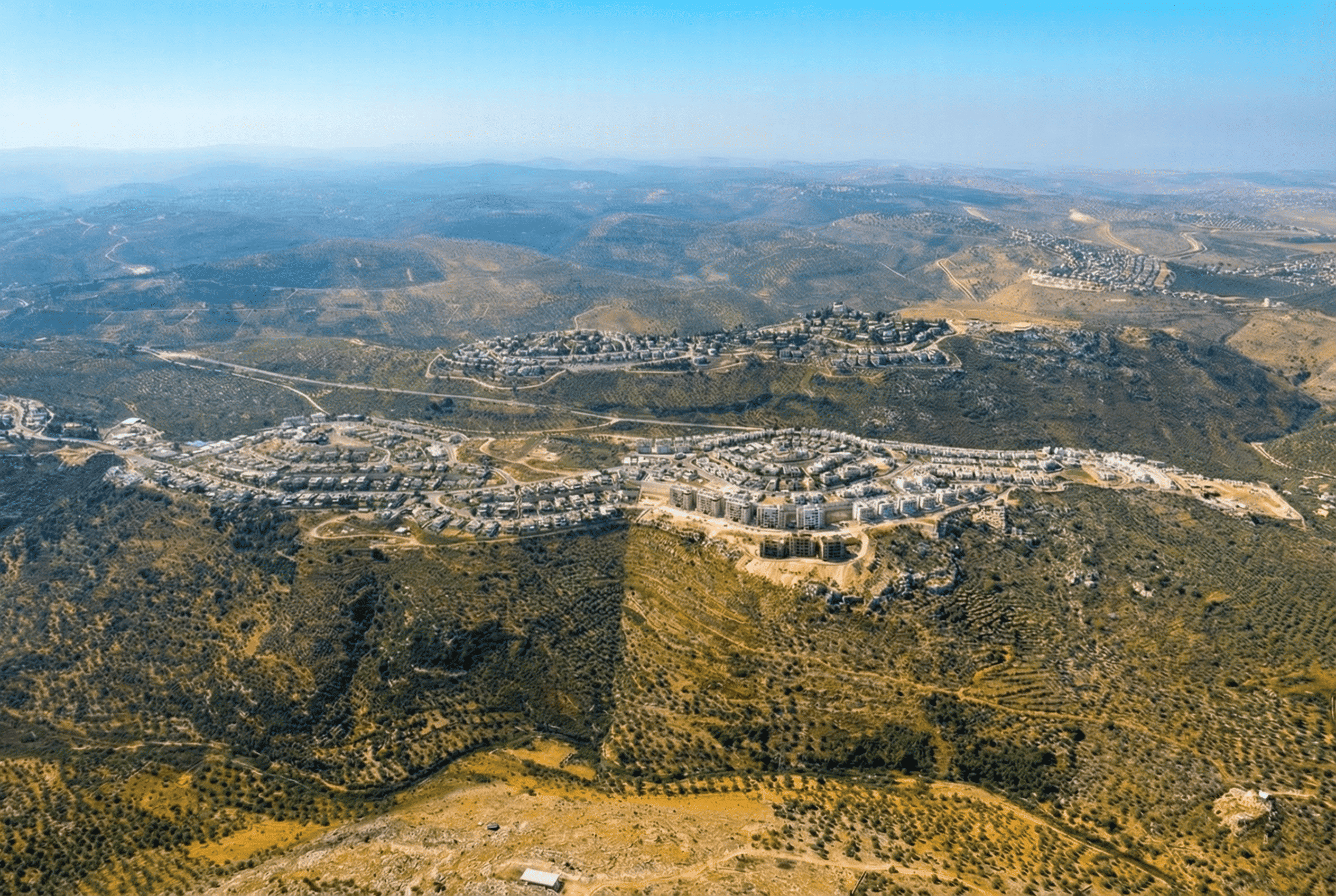
CITY HISTORY & DEVELOPMENT
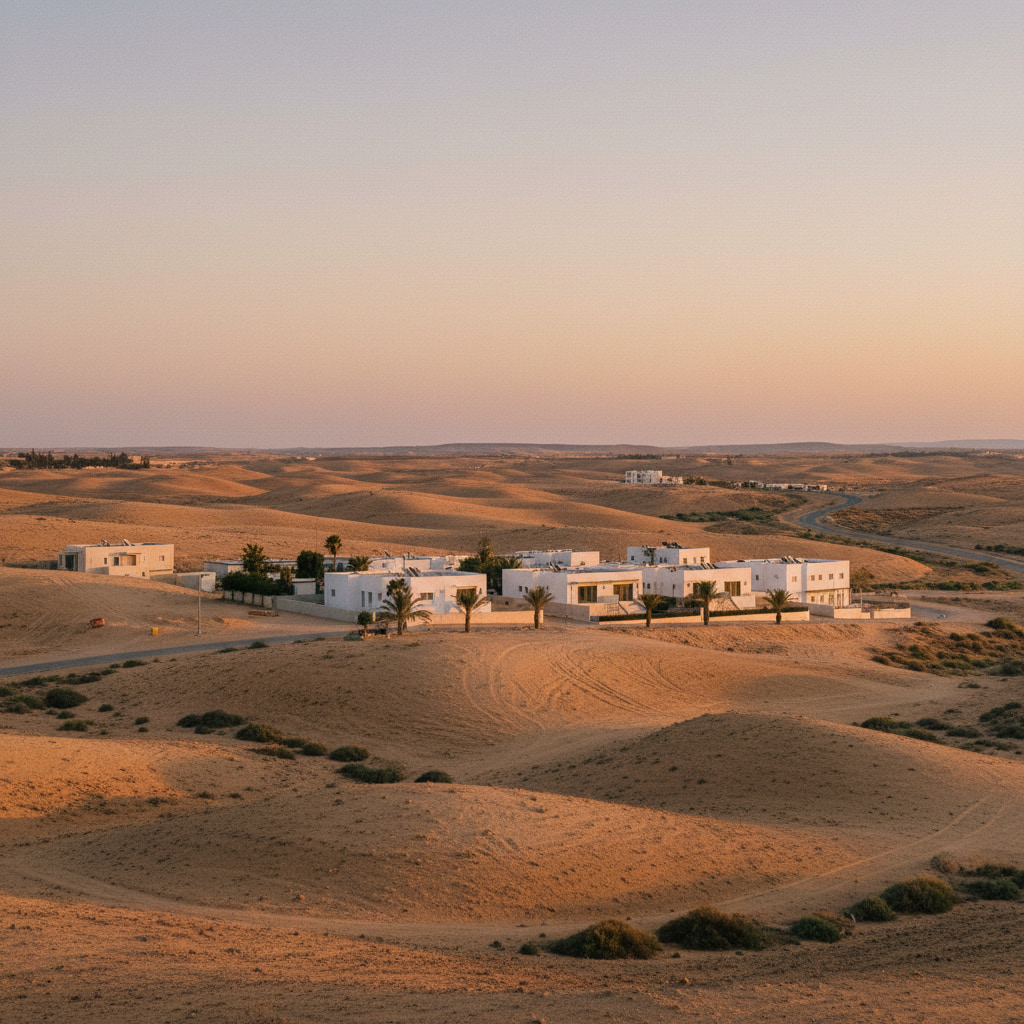
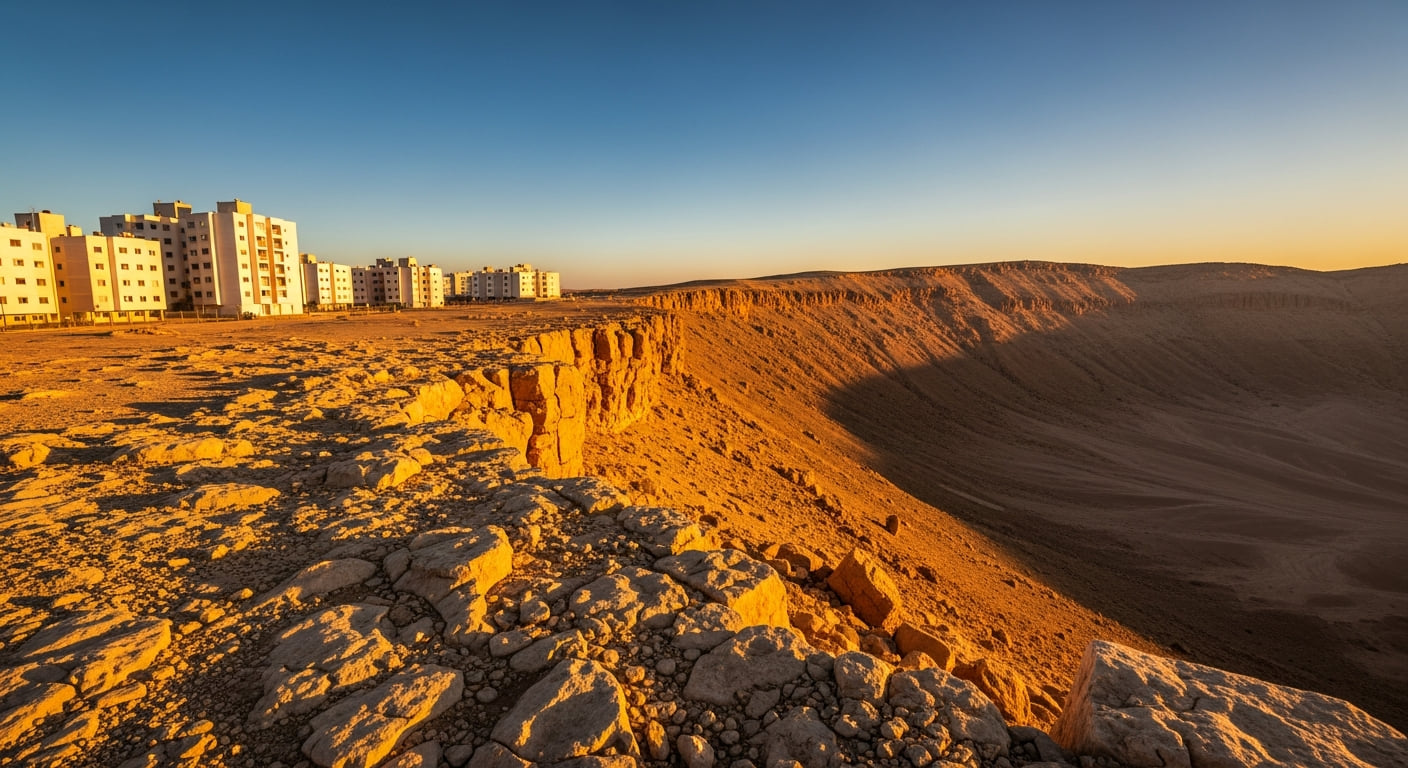
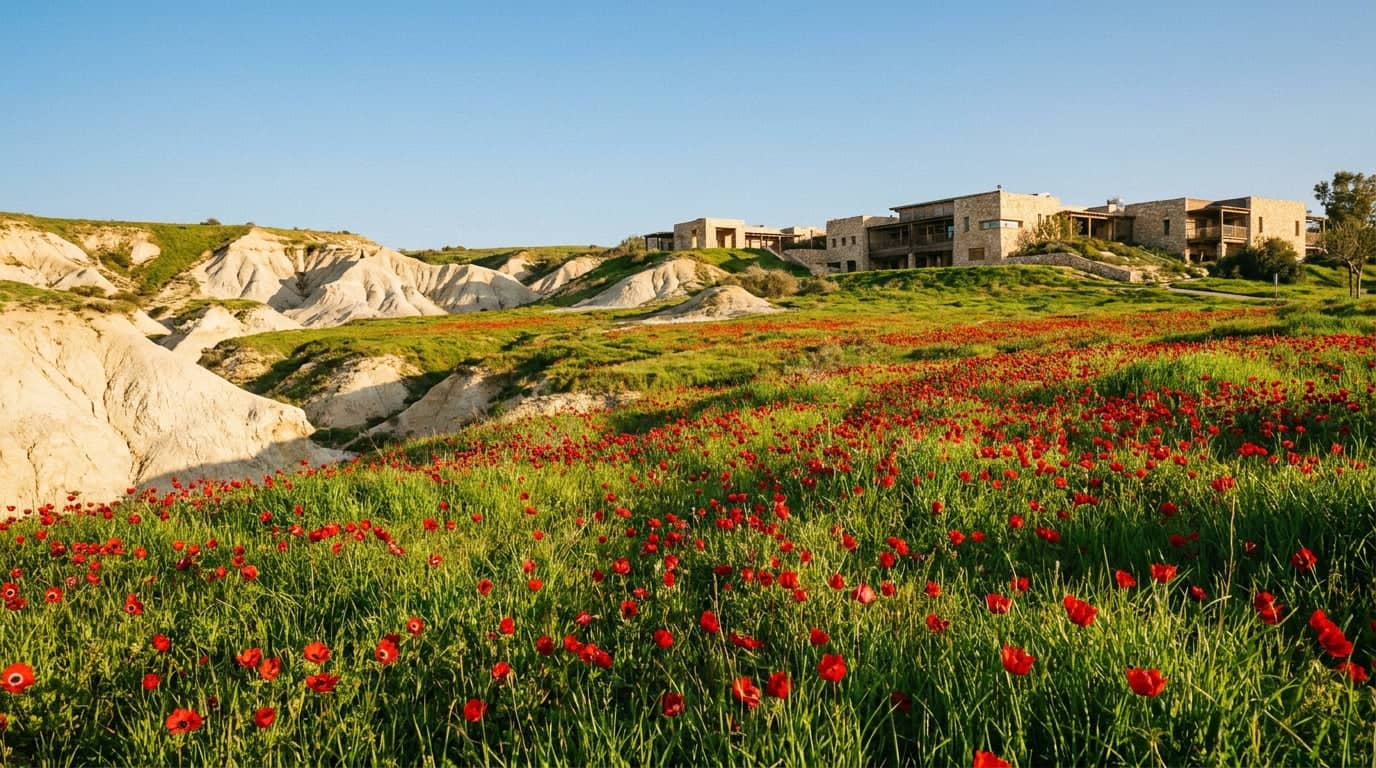
Mashabei Sadeh was established in 1947 by 120 pioneers from Palmach training groups in Beit HaShita, Hulata, and Gvat. Initially named Mashabim, the kibbutz was located in the Halutza dunes. During the 1948 Arab-Israeli War, it withstood a siege by the Egyptian army. The community relocated to its current site and was renamed Mashabei Sadeh in 1952 to honor Palmach leader Yitzhak Sadeh.
DEMOGRAPHICS & FAMILY LIFESTYLE
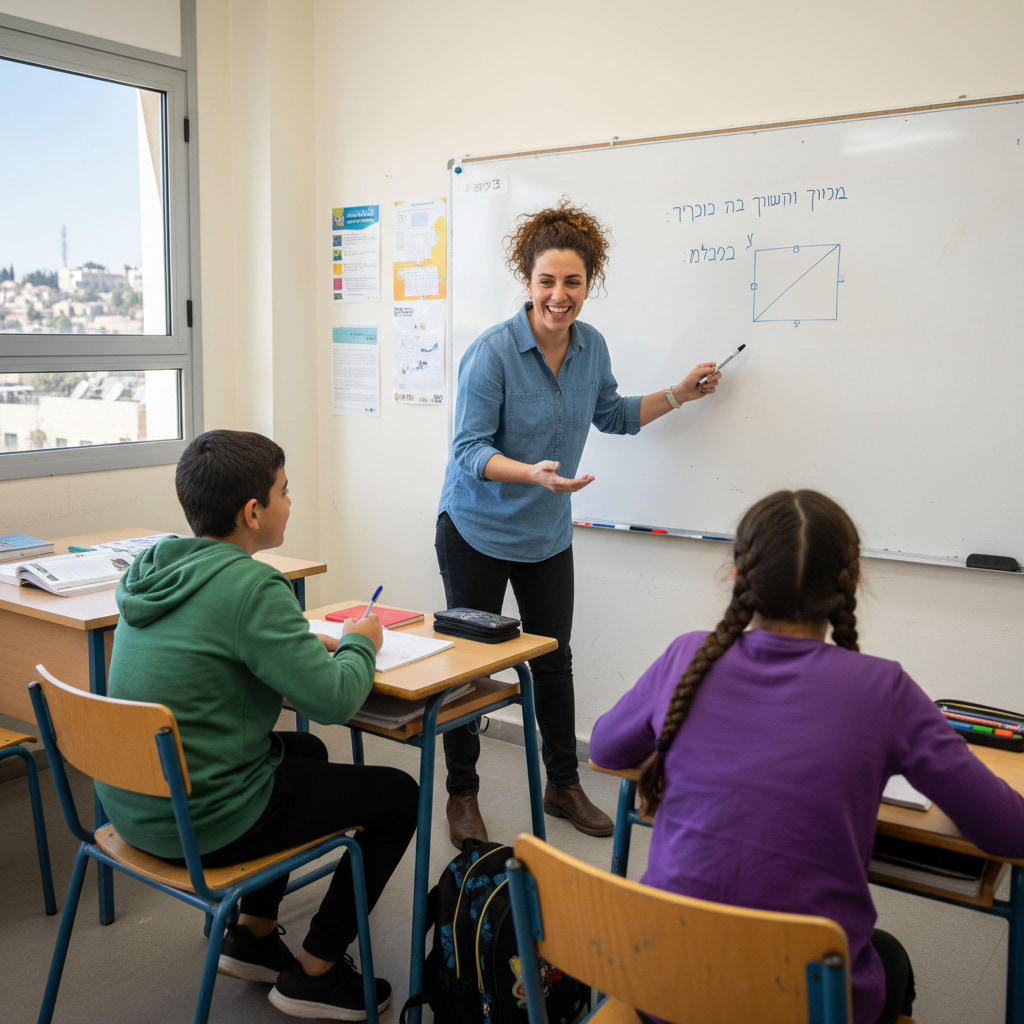
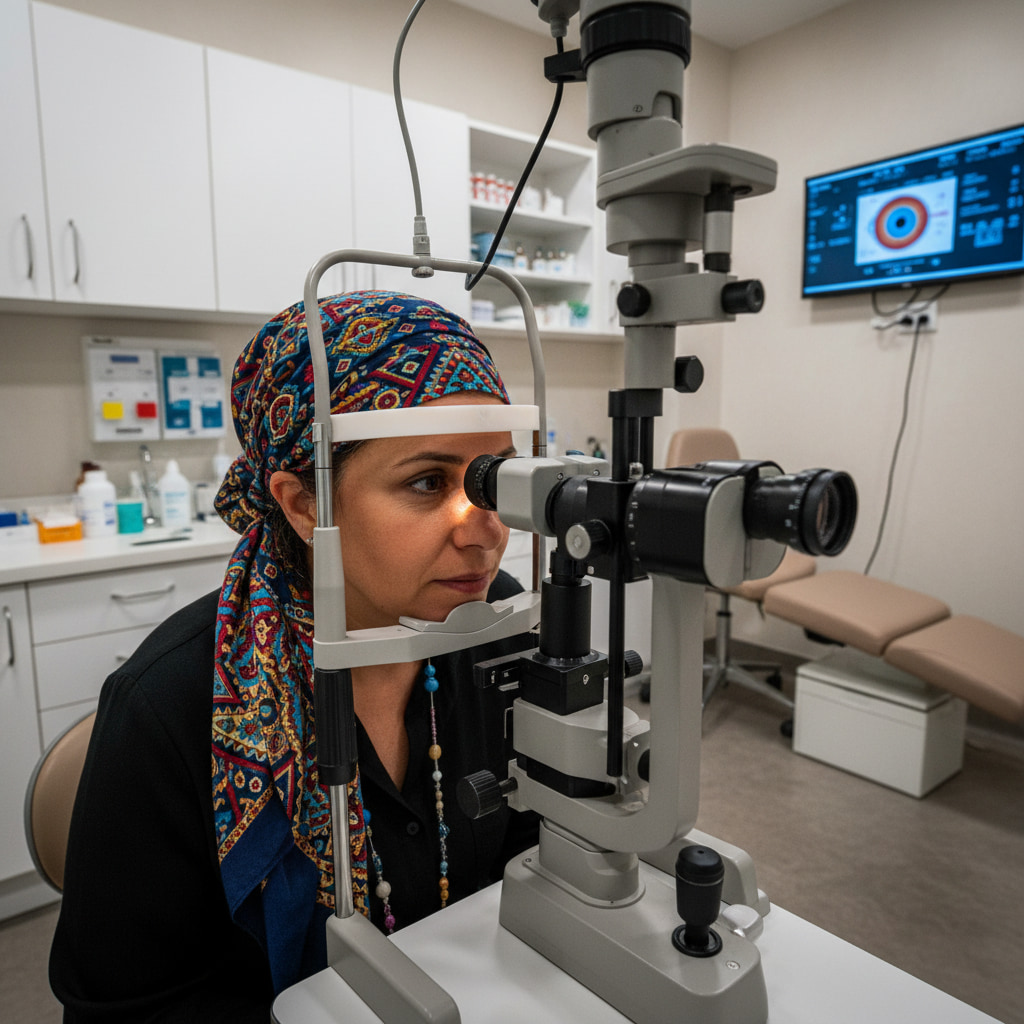
The kibbutz is a secular agricultural community comprising 148 member families and an additional 295 residents, totaling approximately 468 individuals. The community emphasizes social, economic, and cultural cooperation, with members sharing responsibilities in production, consumption, and education. Facilities include a clinic, swimming pool, playgrounds, general store, gym, libraries, and sports fields.
REAL ESTATE MARKET OVERVIEW
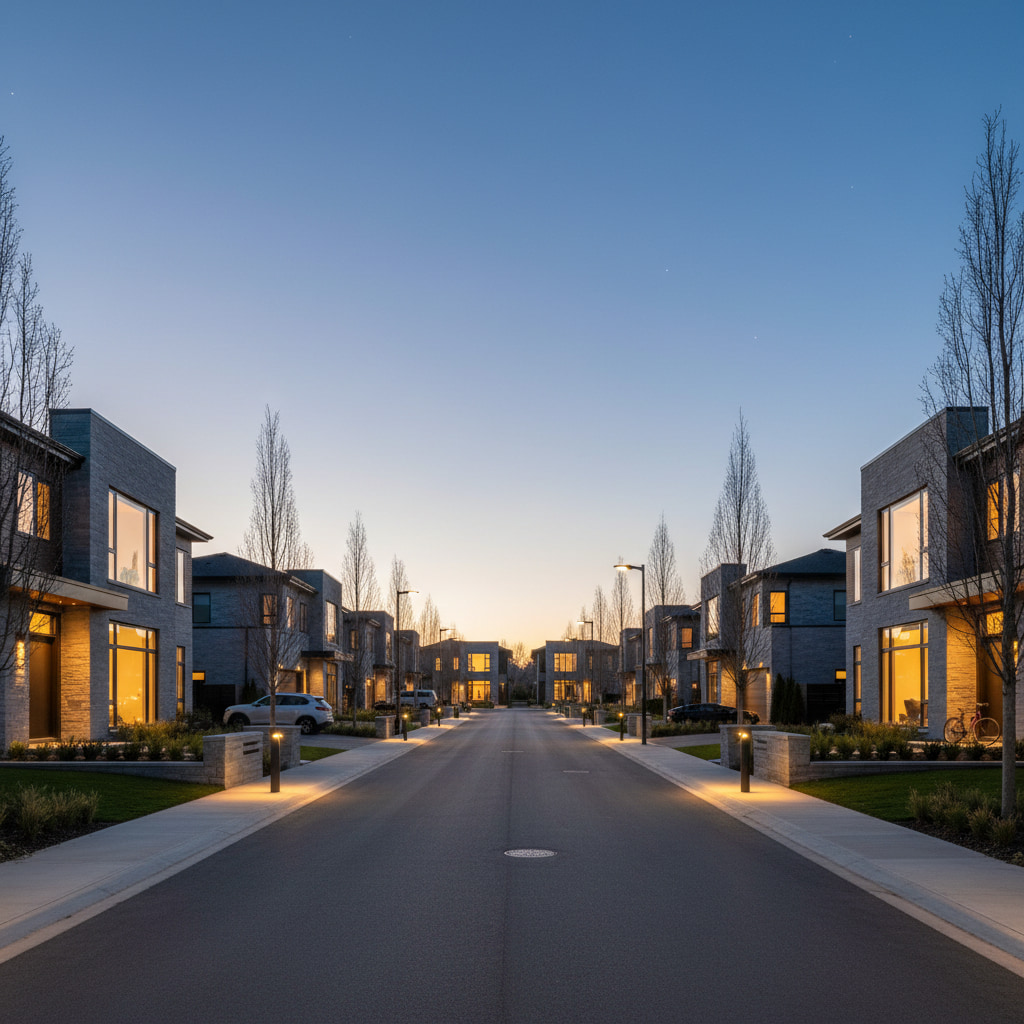
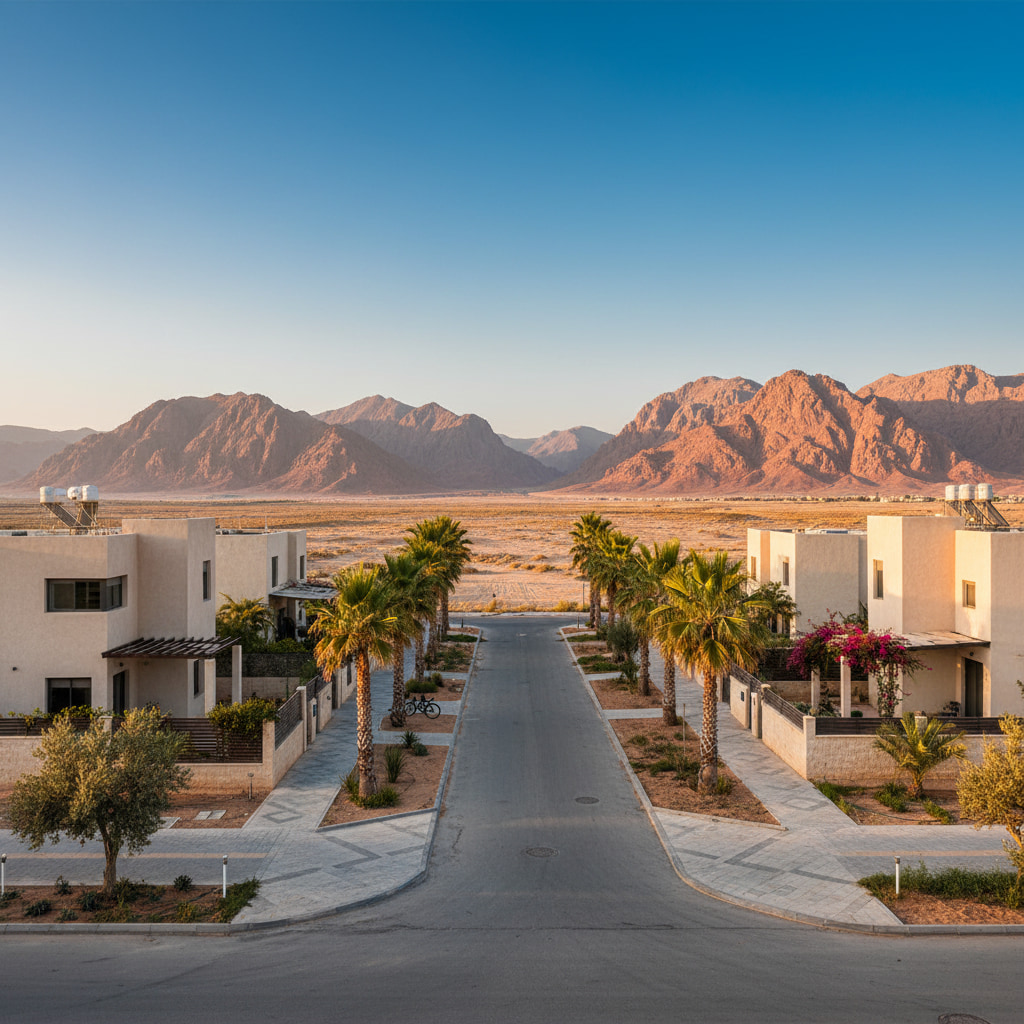
Mashabei Sadeh offers a variety of residential options, including single-family homes and apartments. The housing stock reflects the kibbutz's development over the decades, with older structures dating back to its establishment in the mid-20th century and newer constructions accommodating the community's growth. Homes are typically modest in size, designed to suit the communal lifestyle and the desert environment.
The real estate market in Mashabei Sadeh is characterized by stable demand, driven by individuals and families seeking a communal living experience in the Negev desert. Property prices are generally more affordable compared to urban centers, making it an attractive option for those looking to embrace the kibbutz lifestyle. The market is relatively liquid, with properties changing hands primarily within the community or through connections to it.
NEIGHBORHOOD BREAKDOWN
Mashabei Sadeh is a compact community without distinct neighborhoods. The kibbutz's layout is designed to foster close social ties, with residential areas, communal facilities, and agricultural zones integrated seamlessly. This structure supports the communal ethos and facilitates shared activities among residents.
NEW CONSTRUCTION PROJECTS
Mashabei Sadeh has undertaken significant development projects to enhance its infrastructure and sustainability. Notably, the kibbutz established a 60-megawatt solar photovoltaic park, which became operational in October 2018. This initiative underscores the community's commitment to renewable energy and environmental stewardship.
TRANSPORTATION & ACCESSIBILITY
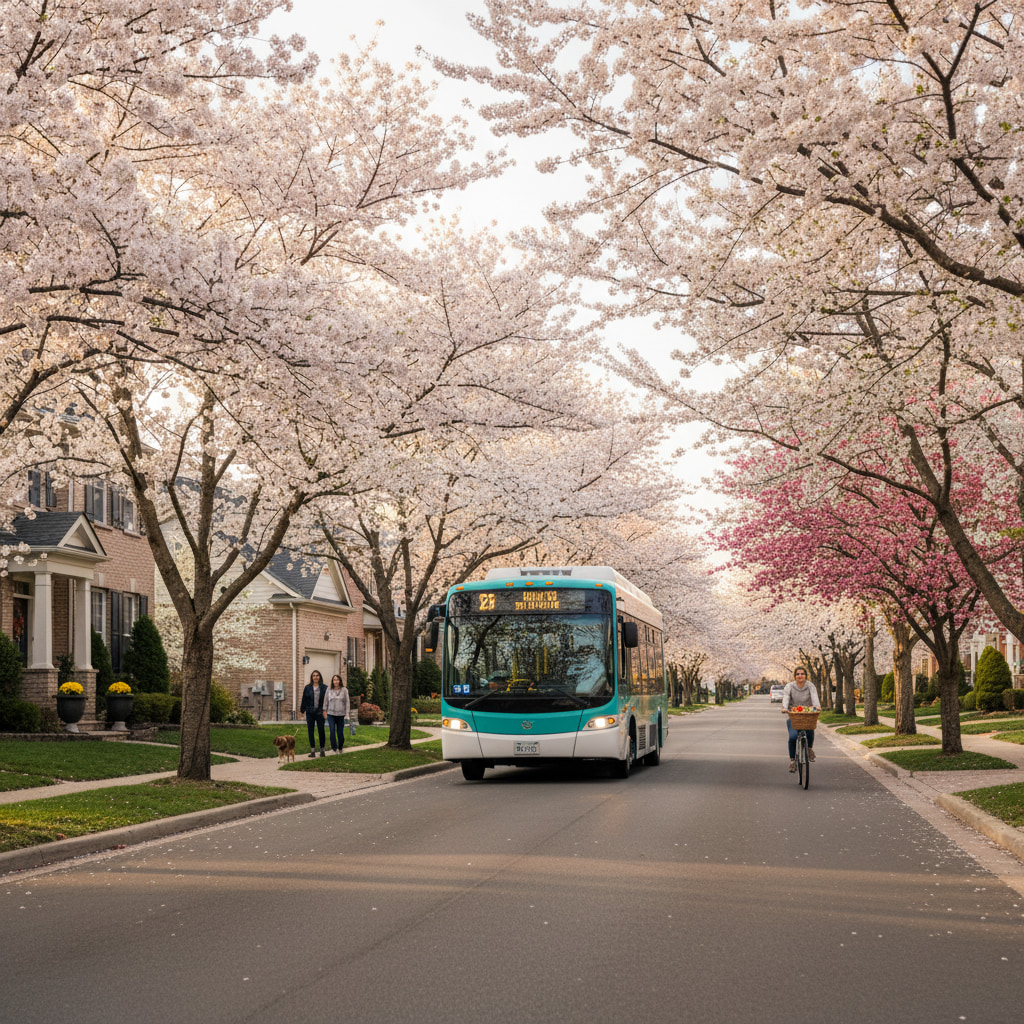
Transportation to and from Mashabei Sadeh is facilitated by several bus routes operated by Metropoline, connecting the kibbutz to nearby urban centers. Bus lines such as 60 and 64 provide regular service between Mashabei Sadeh and Be'er Sheva, the closest major city, located approximately 25 kilometers away. These routes ensure residents have reliable access to urban amenities and services.
WHY NEW IMMIGRANTS CHOOSE MASHABEI SADEH
New immigrants are drawn to Mashabei Sadeh for its strong sense of community, cooperative lifestyle, and comprehensive amenities. The kibbutz's location in the Negev desert offers a unique living experience, while its proximity to Be'er Sheva, approximately 25 kilometers away, provides access to urban services. The community's commitment to social equality and shared responsibilities appeals to those seeking a communal and supportive environment.
- Strong sense of community and cooperation
- Comprehensive amenities and facilities
- Unique desert living experience
- Proximity to Be'er Sheva for urban services
- Commitment to social equality and shared responsibilities