CITY HISTORY & DEVELOPMENT
Be'eri, established on October 6, 1946, was one of the eleven settlements founded in the Negev during that period. Its founders were members of the HaNoar HaOved VeHaLomed movement, along with Hebrew scouts and a group of Iraqi Jews who had survived the Farhud and journeyed to Mandatory Palestine in 1947. The kibbutz was named after Berl Katznelson, using his pen name, Be'eri. Initially located near Wadi Nahabir, it relocated three kilometers southeast after Israeli independence. Over the years, Be'eri has developed into one of Israel's wealthiest kibbutzim, maintaining a cooperative economic model.
DEMOGRAPHICS & FAMILY LIFESTYLE
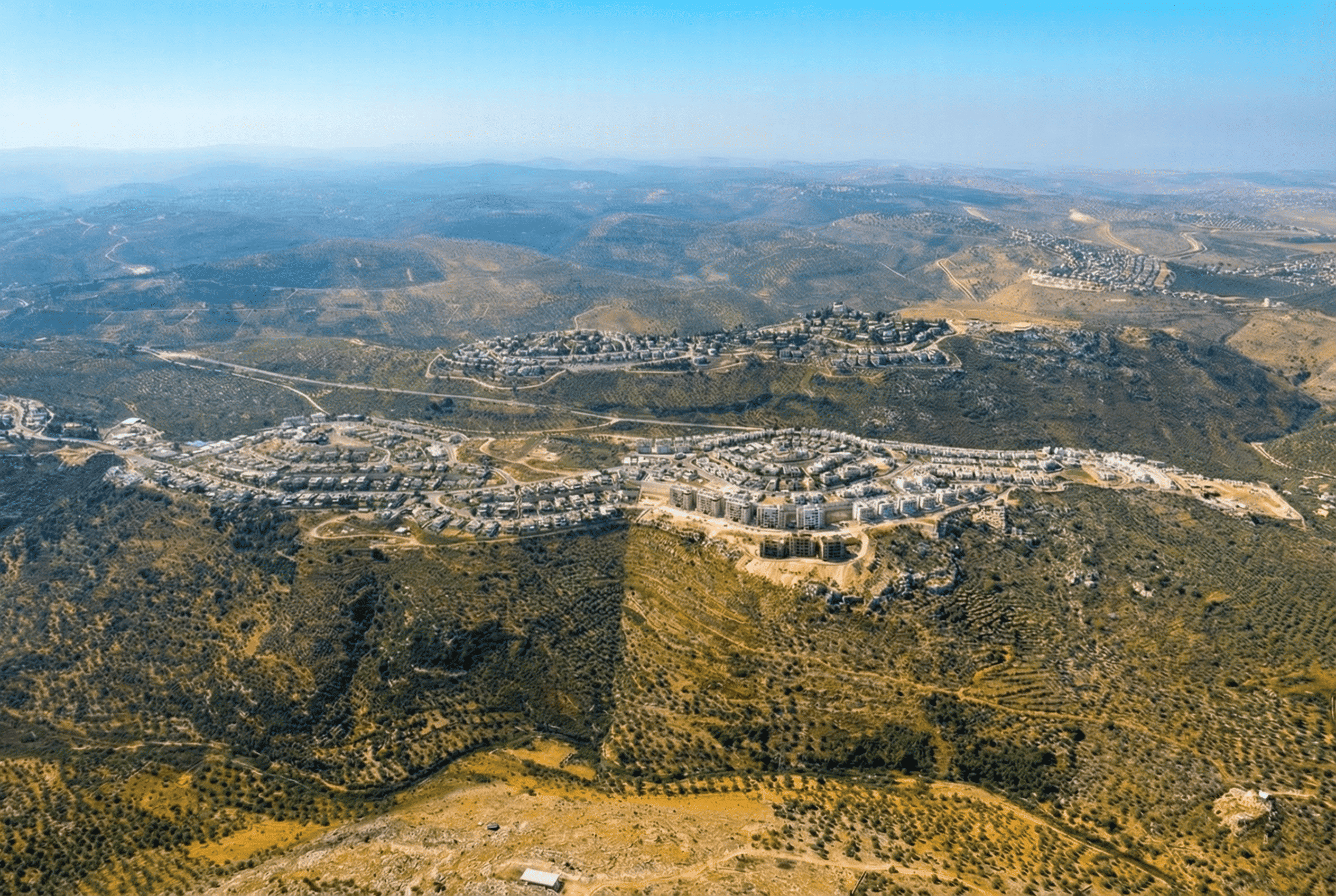
Be'eri is a secular kibbutz situated in the northwestern Negev desert, near the Gaza Strip border, under the jurisdiction of the Eshkol Regional Council. The population was approximately 1,046 residents, comprising 512 males and 534 females. The community includes a mix of age groups, with 297 individuals aged 0-14, 585 aged 15-64, and 162 aged 65 and above. The kibbutz maintains a cooperative lifestyle, with its economy primarily based on a successful printing company and agricultural activities.
REAL ESTATE MARKET OVERVIEW
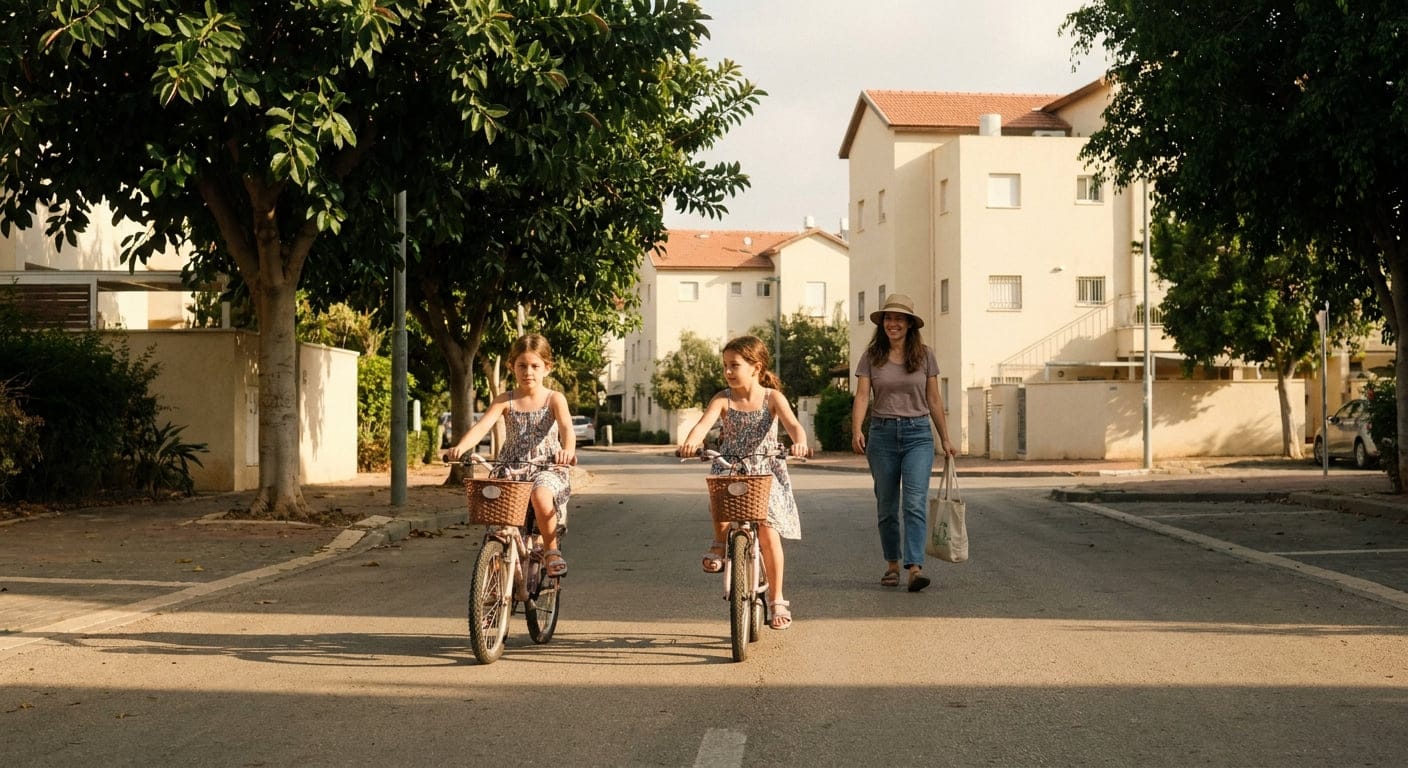
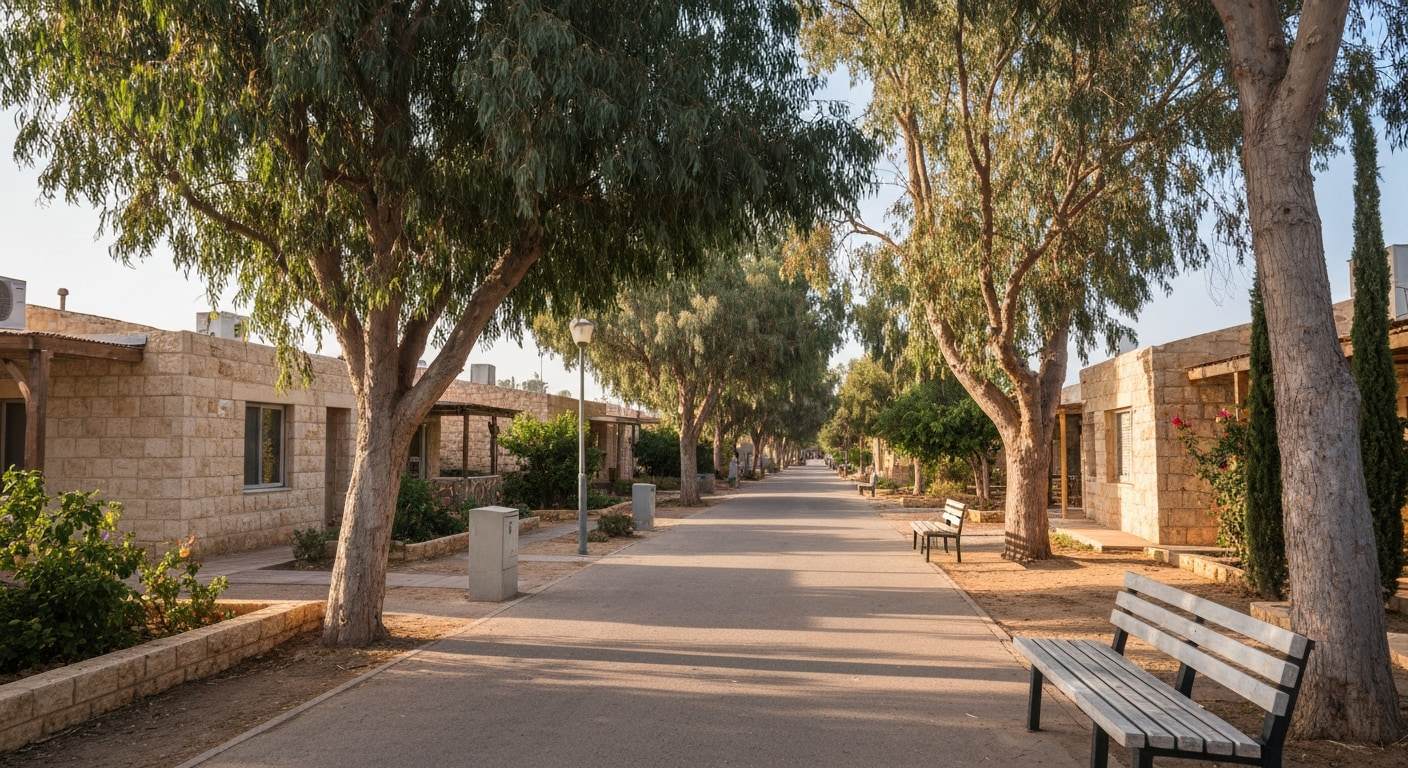
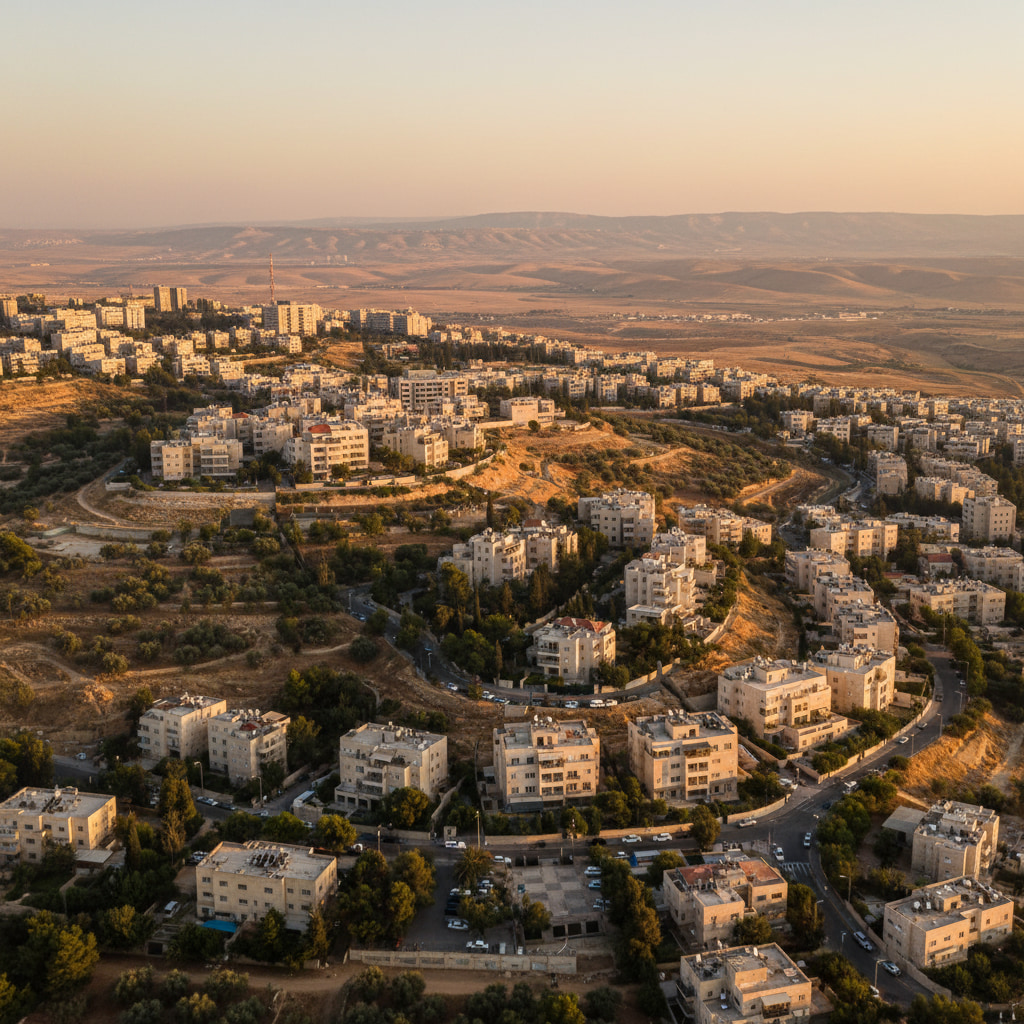
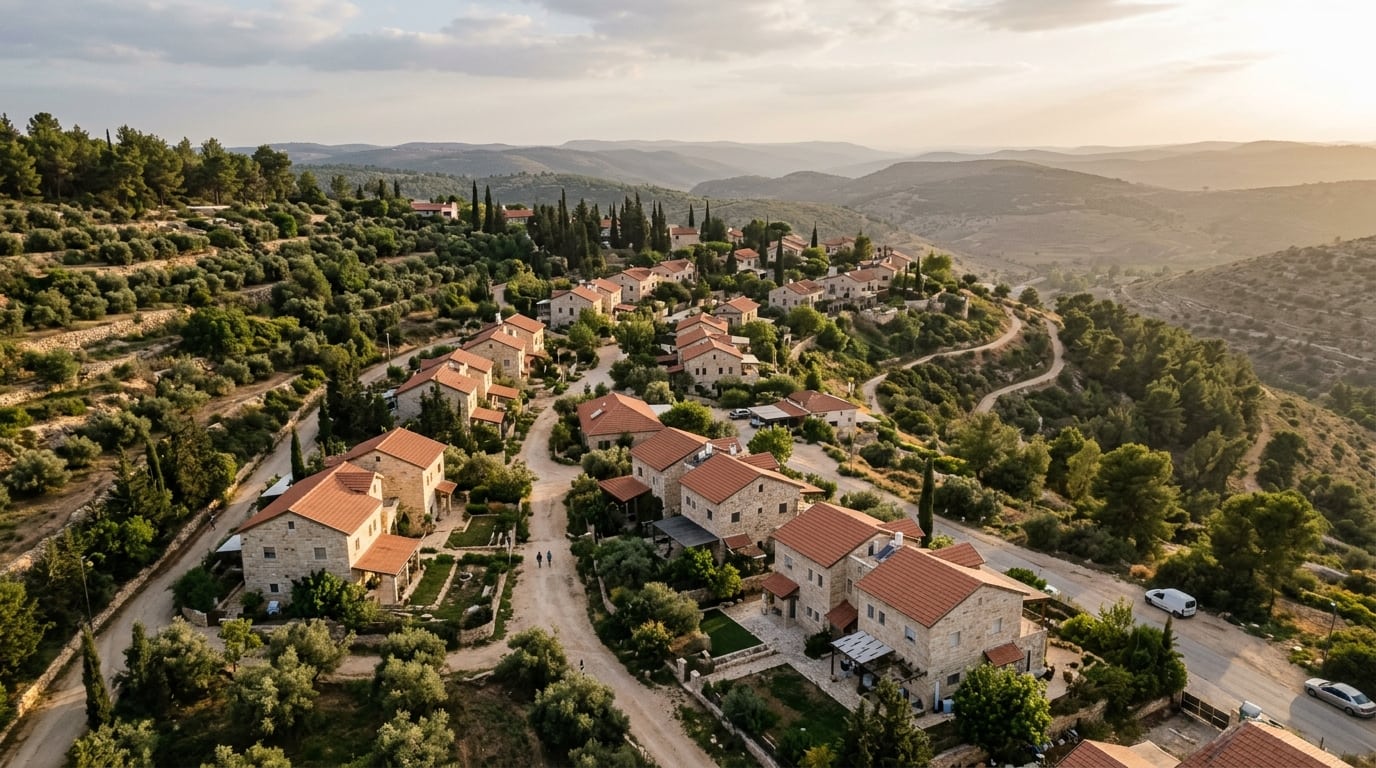
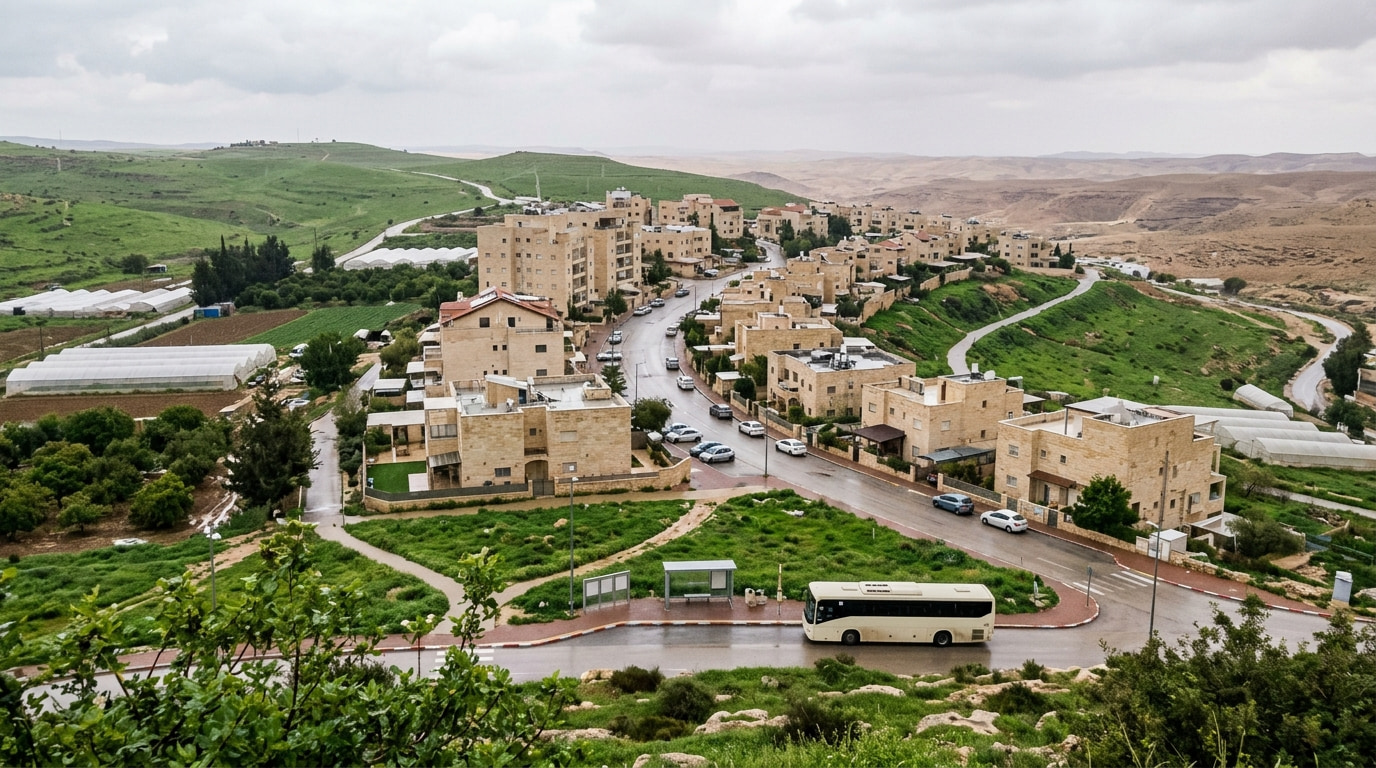
Be'eri's housing stock primarily consists of single-family homes and communal living units, reflecting its traditional kibbutz structure. The residences are typically modest in size, designed to accommodate the cooperative lifestyle of the community. Many of the homes were constructed during the mid-20th century, aligning with the kibbutz's establishment and subsequent growth periods. The architectural style is functional, emphasizing practicality and communal living over individual luxury. The kibbutz has retained its cooperative economic model, and housing remains collectively owned, with members allocated residences based on community needs. Demand for housing in Be'eri is driven by individuals and families seeking a cooperative and community-oriented lifestyle. The kibbutz's economic stability, bolstered by its successful printing business and agricultural ventures, offers residents a secure living environment. The housing market within the kibbutz is characterized by stability, with limited turnover due to the communal ownership model. Prospective residents typically undergo a selection process to ensure alignment with the kibbutz's values and way of life. As a result, the market is less influenced by external real estate trends and more by internal community s.The kibbutz is organized around central communal facilities, including a dining hall, cultural center, and educational institutions. Residential areas are interspersed with agricultural fields and green spaces, fostering a close-knit environment where daily interactions among residents are common. The layout is designed to support the cooperative lifestyle, with shared amenities and communal spaces that encourage social engagement and collective activities. The kibbutz's design and organization reflect its commitment to communal living and shared responsibilities, with all members contributing to the maintenance and development of the community. Be'eri's housing market is unique due to its cooperative ownership model, which emphasizes community values over individual property rights. This structure ensures that housing remains affordable and accessible to members, while also preserving the kibbutz's cultural and social fabric. The kibbutz's economic ventures, particularly its successful printing company, provide a stable financial foundation that supports the community's infrastructure and services.
NEW CONSTRUCTION PROJECTS
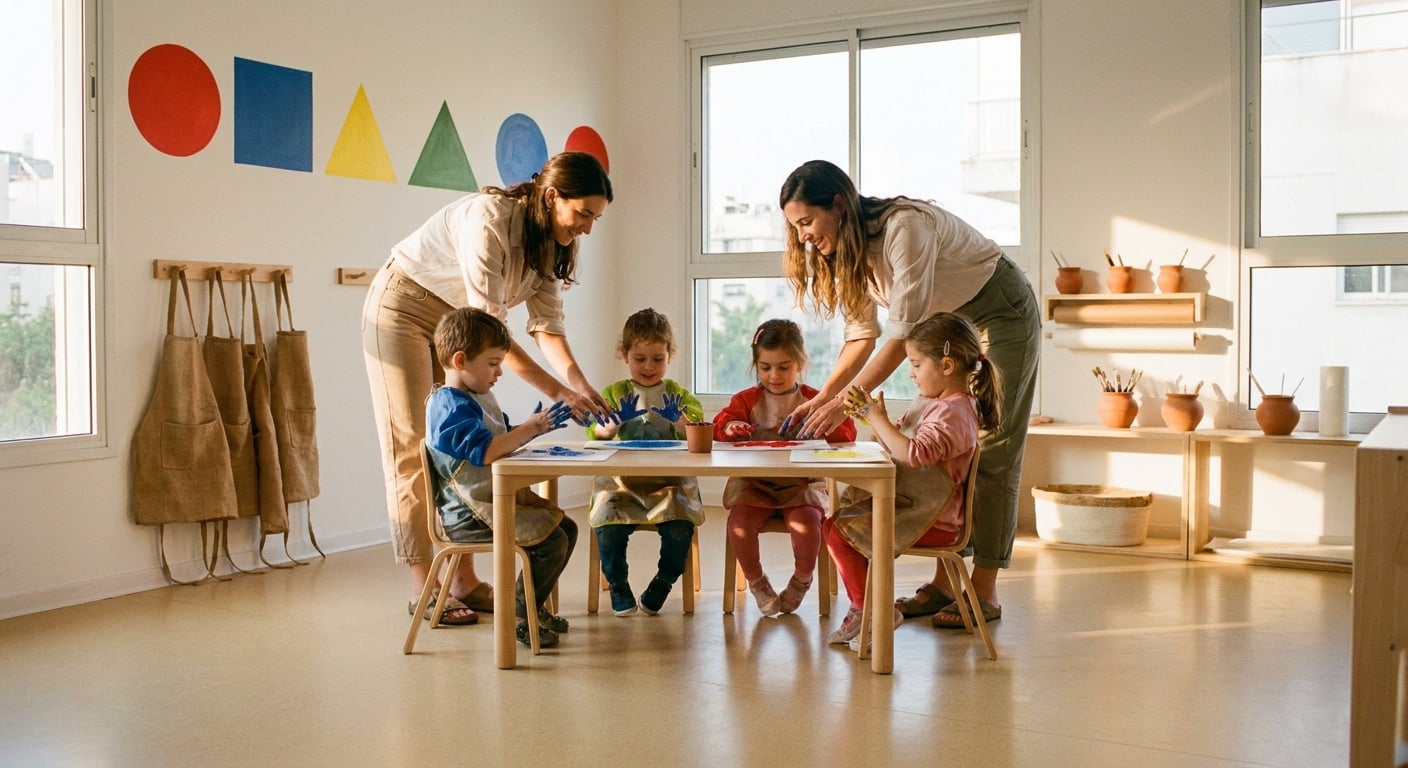
Following the events of October 7, 2023, Kibbutz Be'eri initiated a comprehensive reconstruction plan to rebuild and enhance its infrastructure. This plan includes the development of new residential neighborhoods, such as the Shikmim Neighborhood with 52 units and The Pardes with 68 units, designed to accommodate returning residents. Additionally, public buildings like schools and community centers are being rebuilt with a focus on trauma-informed design to support emotional recovery and foster a resilient community.
WHY NEW IMMIGRANTS CHOOSE BE'ERI
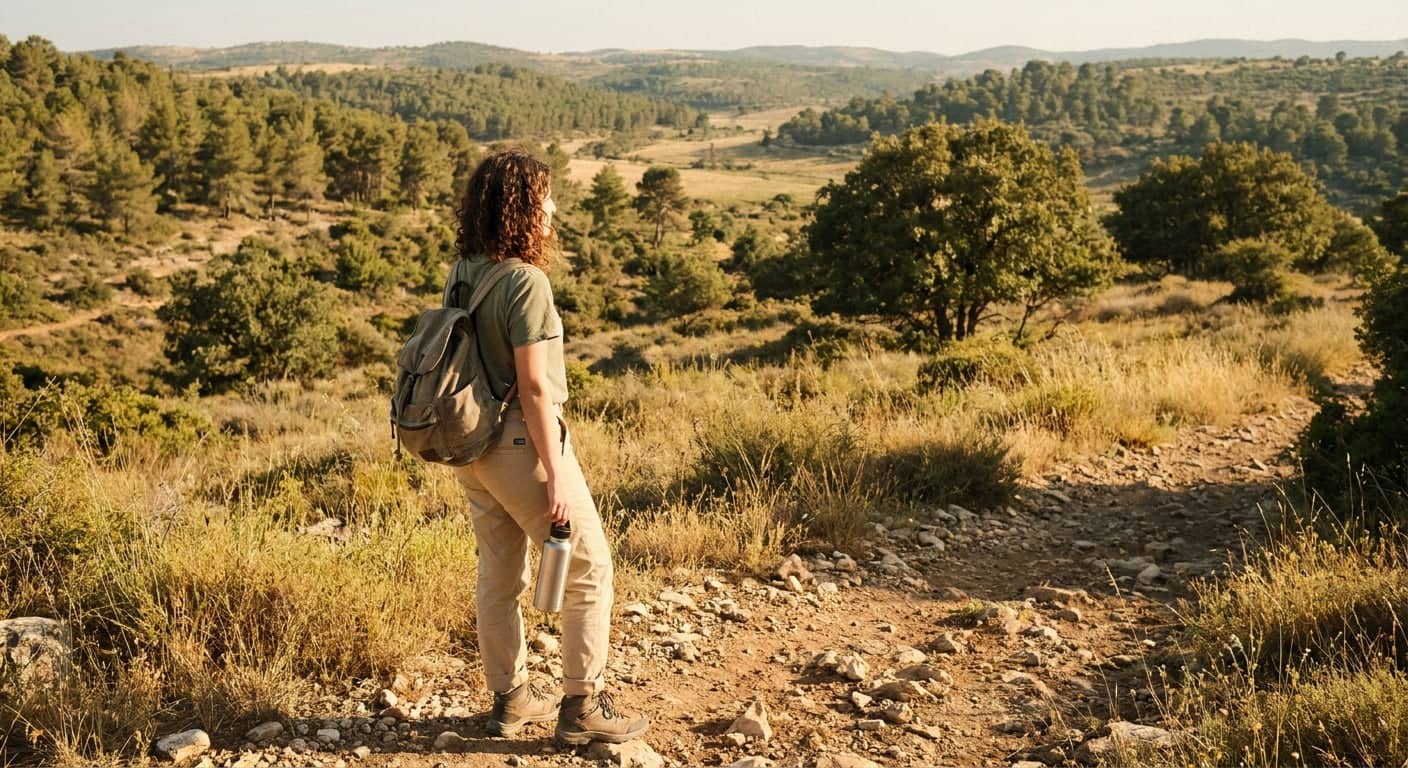
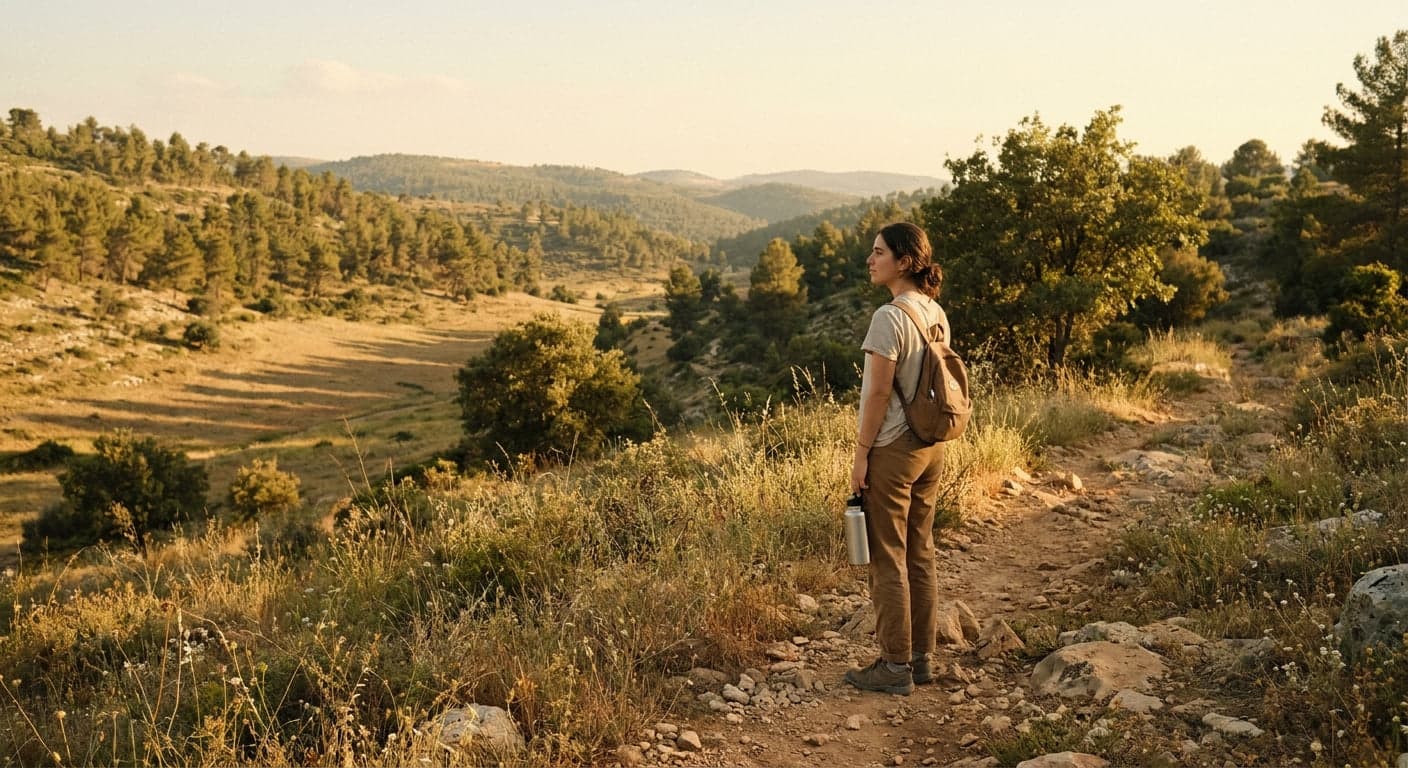
New immigrants, or olim, are drawn to Be'eri for its strong sense of community and cooperative lifestyle. The kibbutz's economic stability, bolstered by its successful printing business and agricultural ventures, offers residents a secure living environment. Its location in the Negev provides a unique desert landscape, appealing to those interested in rural living. Additionally, the kibbutz's commitment to maintaining a traditional cooperative model fosters a close-knit and supportive community atmosphere.
- Strong sense of community and cooperative lifestyle
- Economic stability through successful businesses
- Unique desert landscape and rural living
- Close-knit and supportive community atmosphere