CITY HISTORY & DEVELOPMENT
Nahal Oz, established in 1951 as Israel's first Nahal settlement, transitioned into a civilian kibbutz in 1953. Located in the northwestern Negev desert near the Gaza Strip, it has faced security challenges over the years, including the tragic death of security officer Ro'i Rothberg in 1956. Despite these challenges, Nahal Oz has developed a resilient community and economy.
DEMOGRAPHICS & FAMILY LIFESTYLE
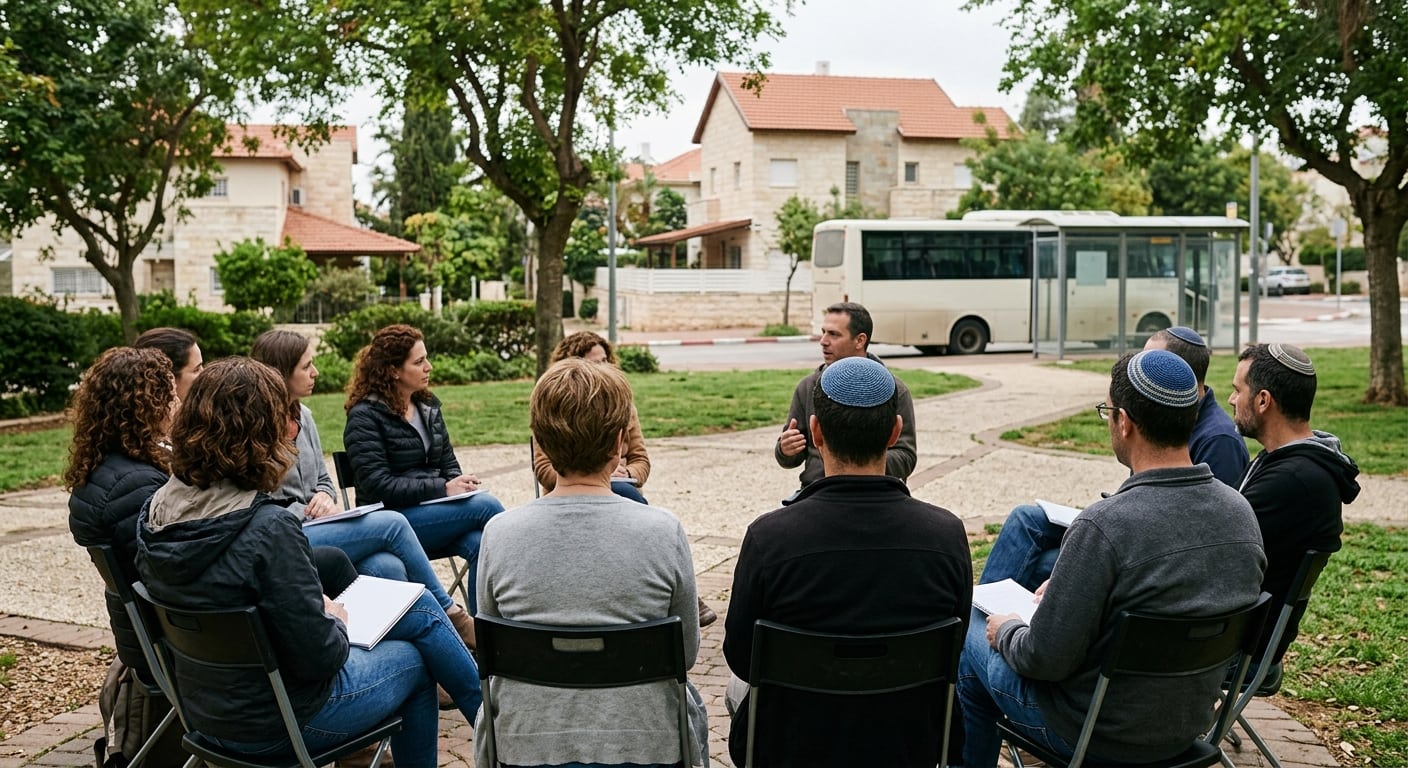
The kibbutz is home to approximately 471 residents, comprising around 100 families. The community includes a mix of age groups, with a significant number of children and young adults, reflecting a family-oriented lifestyle. Nahal Oz operates as a secular kibbutz, emphasizing communal living and shared responsibilities among its members.
REAL ESTATE MARKET OVERVIEW
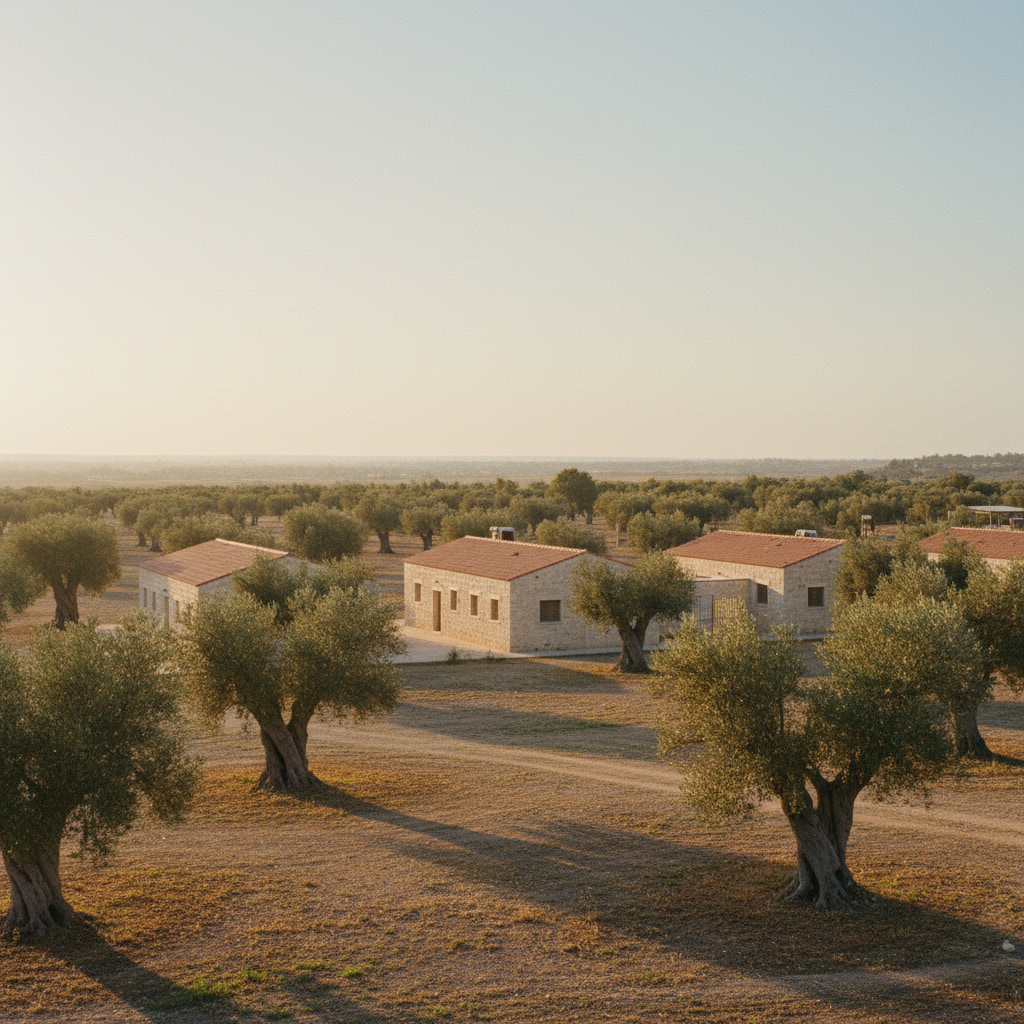
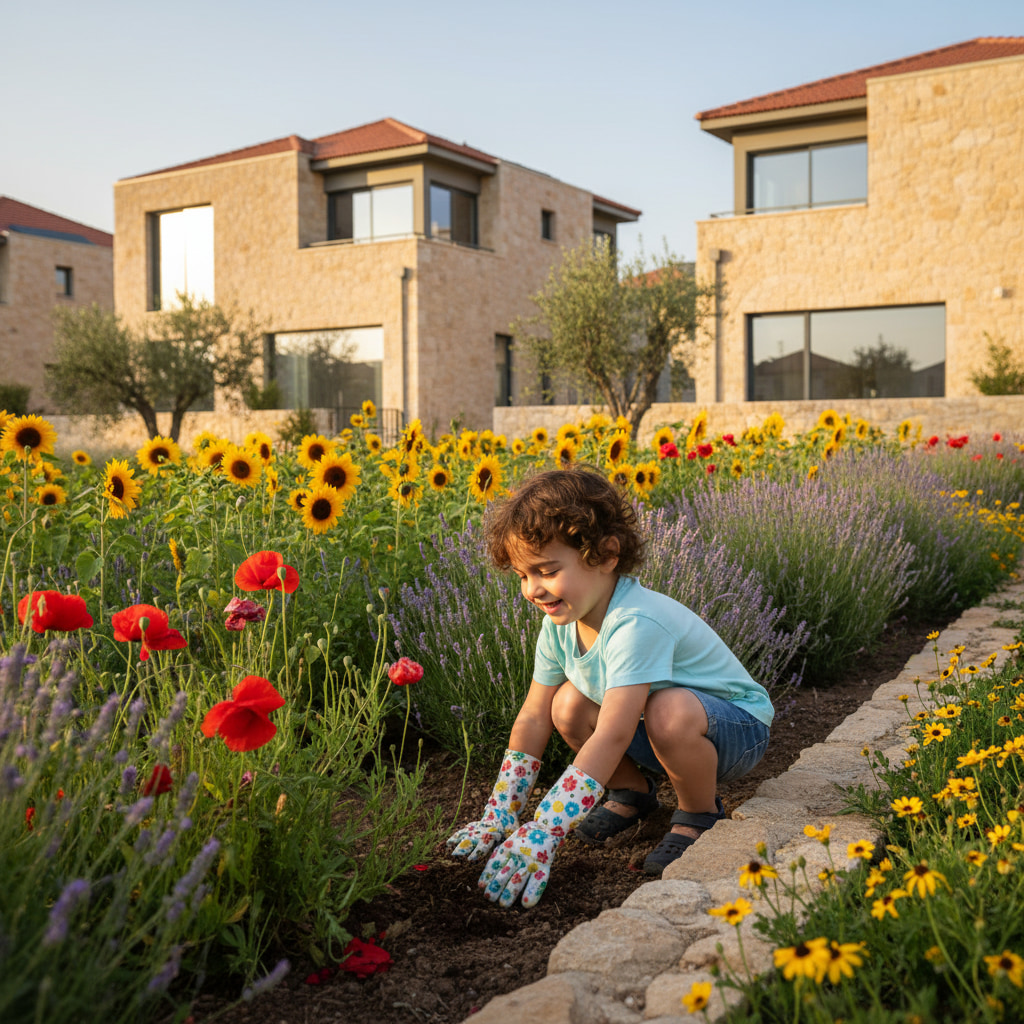
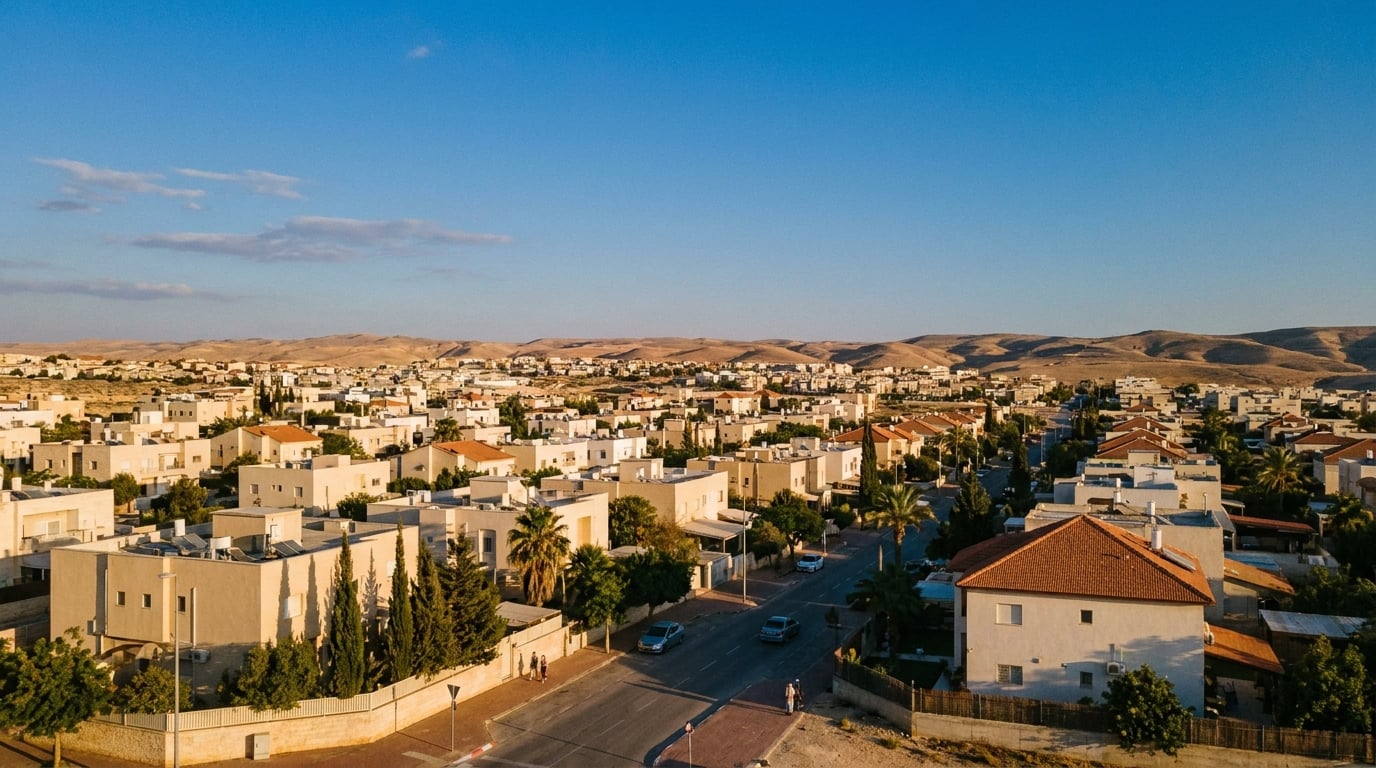
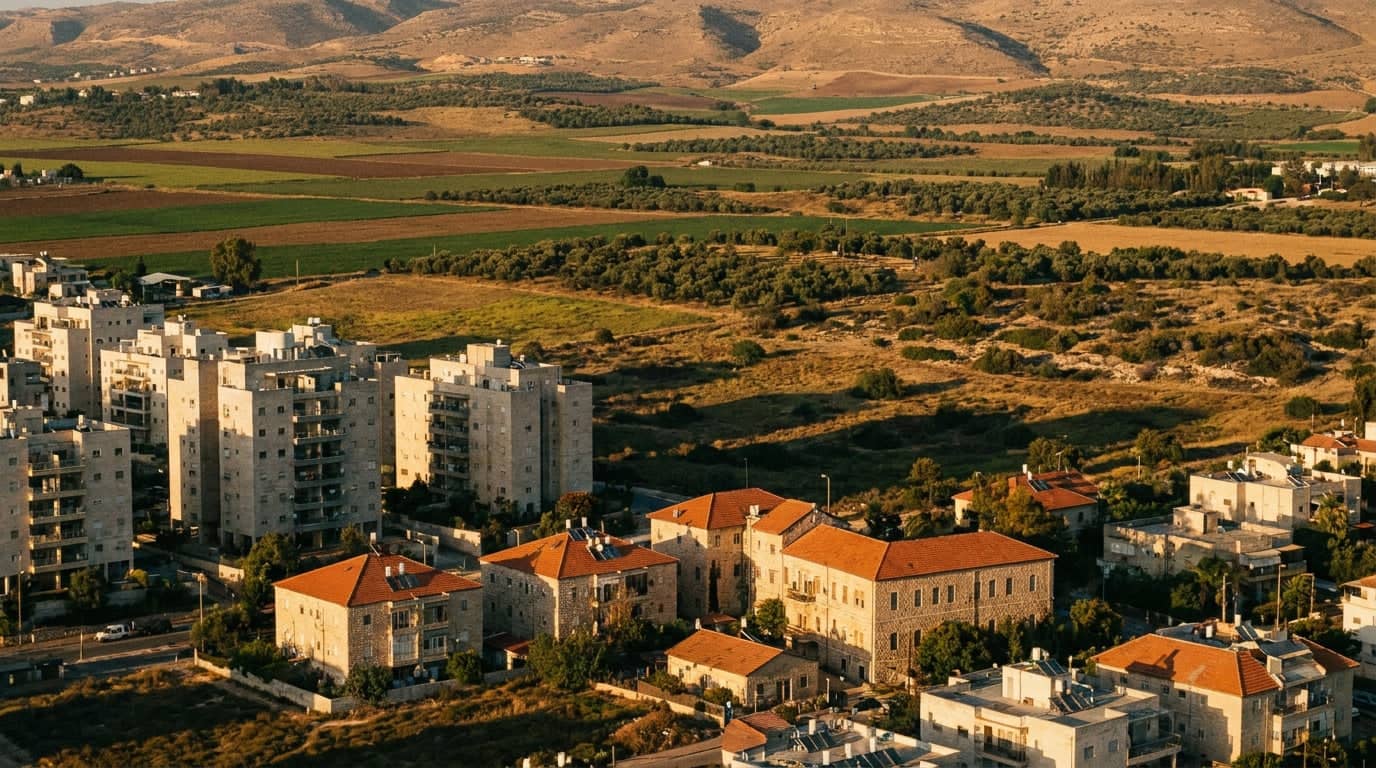
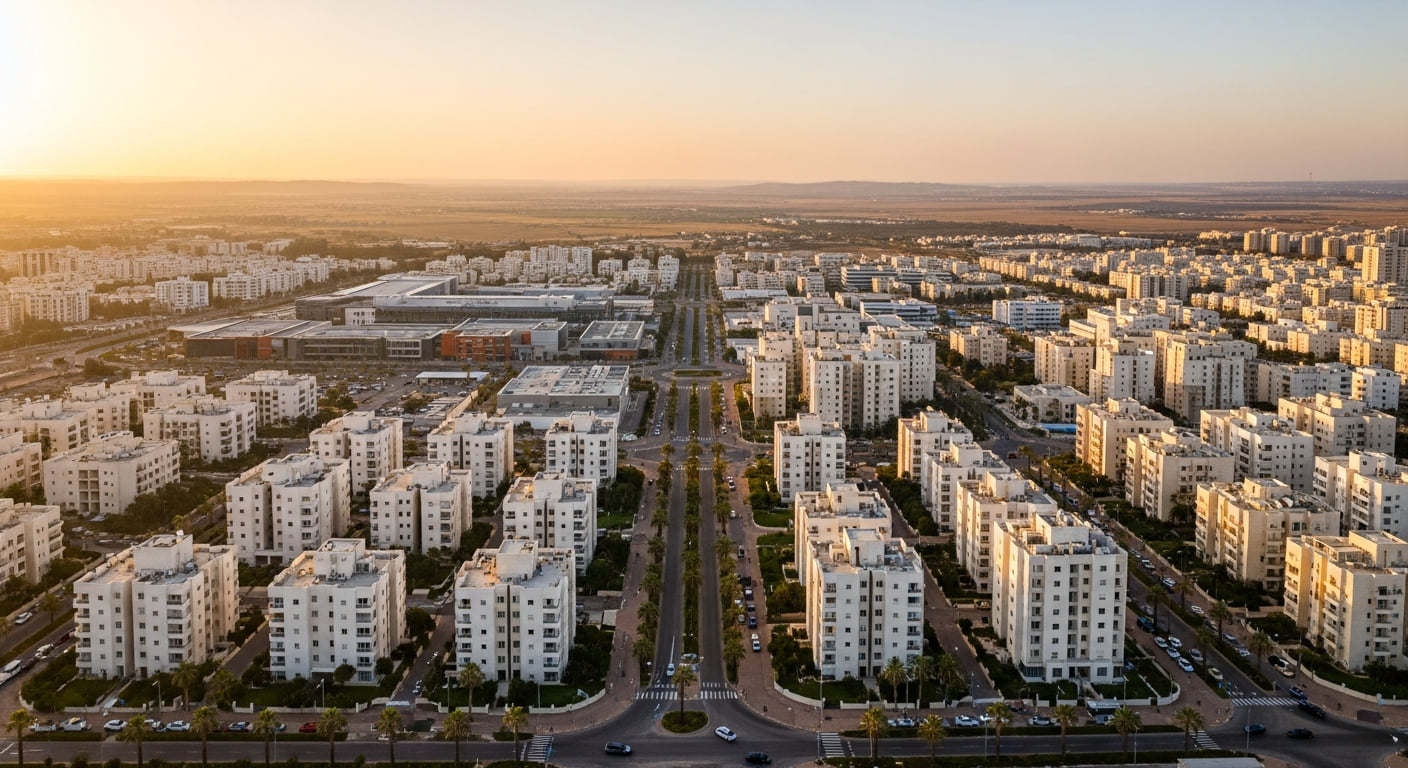
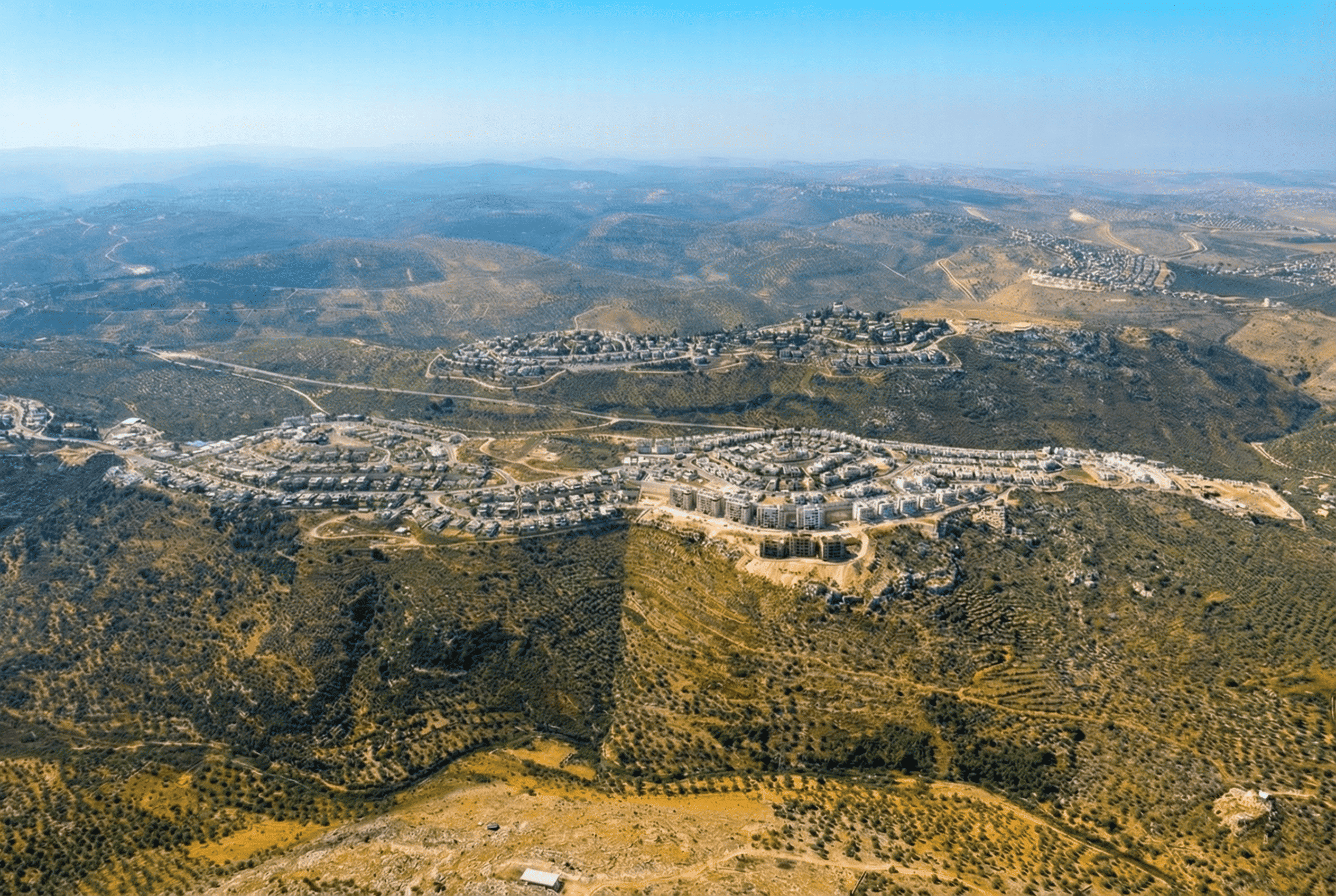
Nahal Oz, established in 1951, features residential homes that reflect its evolution from a pioneering kibbutz to a modern community. The housing stock includes single-family homes and communal buildings, many of which have been renovated or expanded to accommodate growing families. The architecture blends original structures with contemporary designs, maintaining the kibbutz's historical character while providing modern amenities. Homes are typically situated on modest plots, fostering a close-knit environment among residents. The real estate market in Nahal Oz is characterized by stable demand, driven by individuals and families seeking a communal lifestyle with access to agricultural opportunities and proximity to urban centers like Sderot and Netivot. Property prices are generally more affordable compared to central Israel, making it an attractive option for those looking to balance rural living with accessibility to city amenities. The buyer profile often includes new immigrants and young families drawn to the supportive community and shared responsibilities inherent in kibbutz life. Market liquidity is moderate, with properties changing hands primarily within the community or through connections to it. Nahal Oz is a compact community without distinct neighborhoods, reflecting its origins as a traditional kibbutz. The layout centers around communal facilities such as the dining hall, educational institutions, and recreational areas, with residential homes radiating outward. This design fosters a strong sense of community and easy access to shared resources, reinforcing the collaborative spirit that defines kibbutz living. The kibbutz's proximity to the Gaza Strip has historically presented security challenges, yet the community has demonstrated resilience and adaptability. Efforts to strengthen and rejuvenate Nahal Oz include initiatives like the establishment of a pre-military program in 2014, aimed at supporting and revitalizing the area. These endeavors contribute to the kibbutz's appeal, offering a unique blend of historical significance, communal support, and opportunities for personal and professional growth. In summary, Nahal Oz offers a unique living experience that combines the benefits of communal living with the advantages of modern amenities and proximity to urban centers.
NEW CONSTRUCTION PROJECTS
Nahal Oz continues to enhance its residential and communal facilities to accommodate its growing population. The kibbutz is developing new housing units and upgrading existing infrastructure to meet the needs of its members. These developments aim to provide modern amenities while preserving the communal lifestyle that defines Nahal Oz.
TRANSPORTATION & ACCESSIBILITY
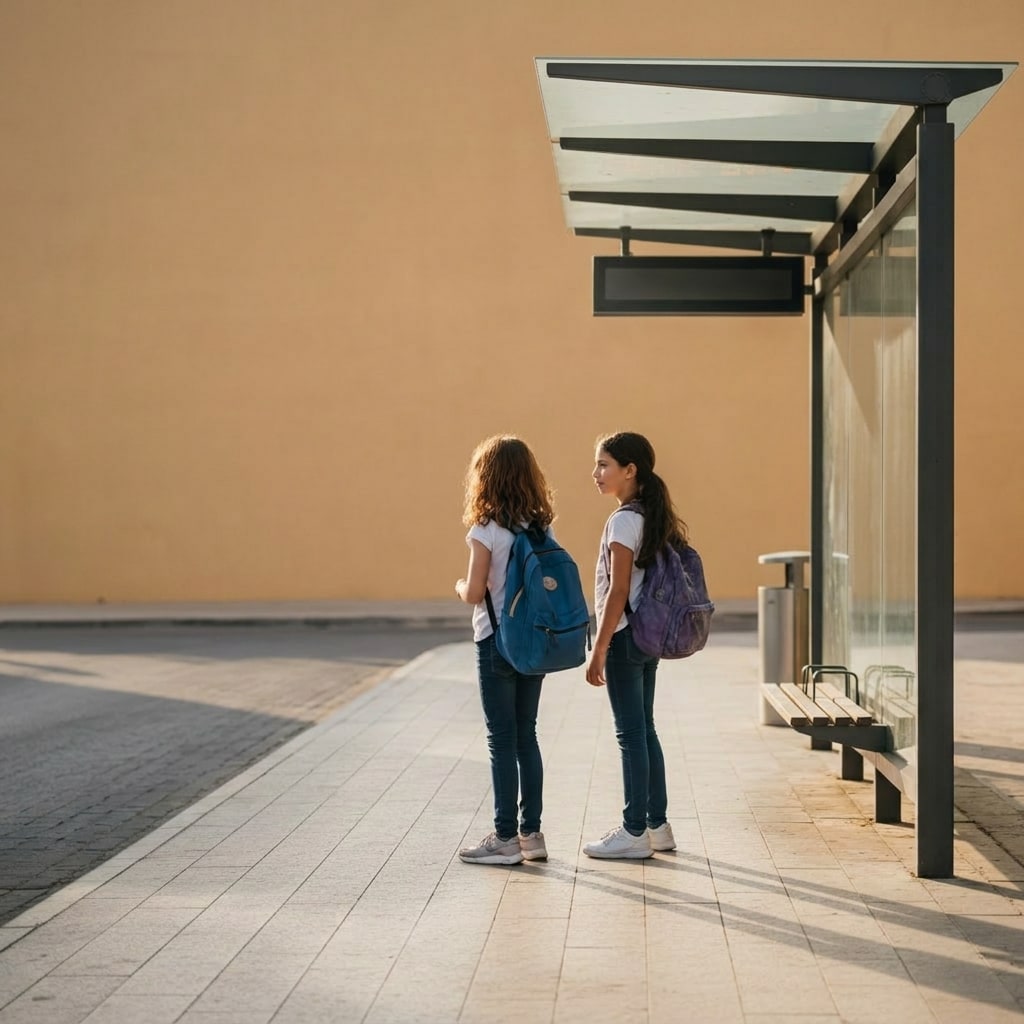
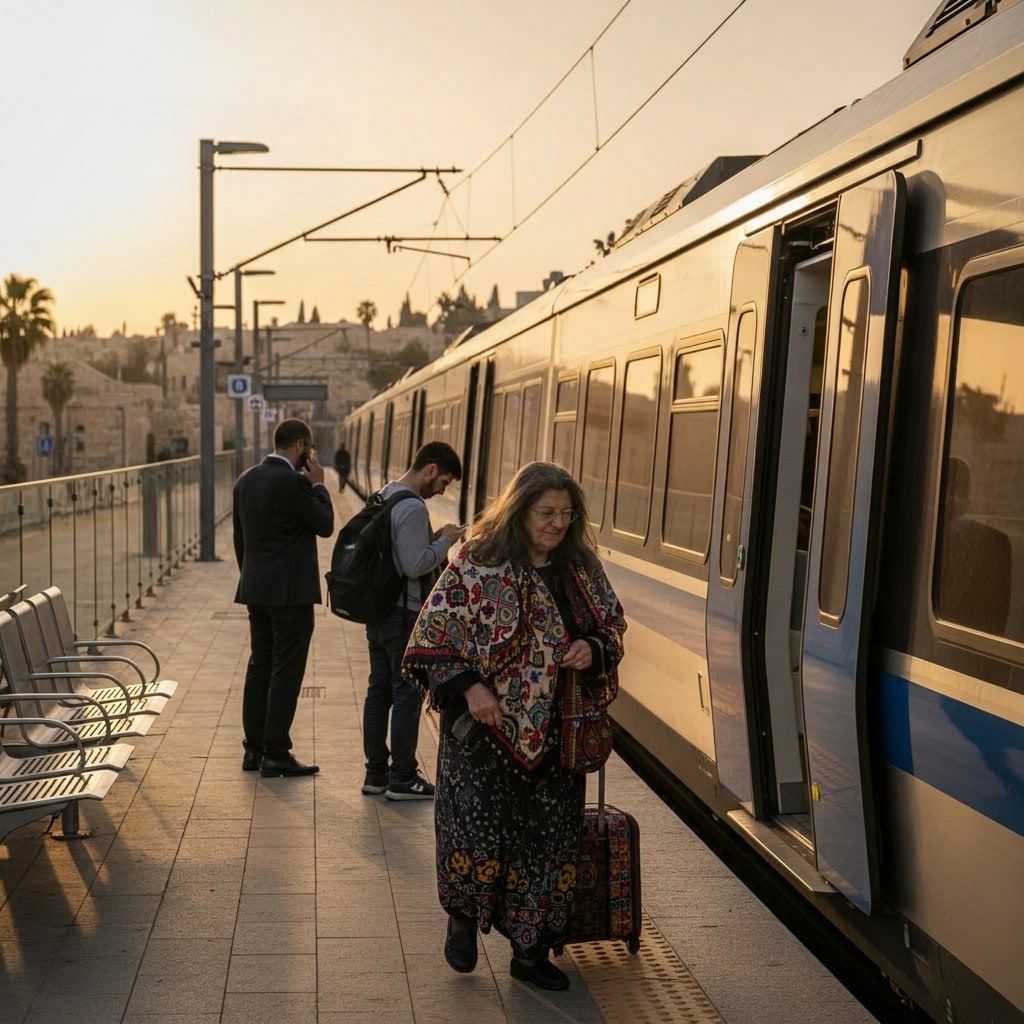
Nahal Oz is accessible via several bus routes, including lines 29, 353, 36, and 361, which connect the kibbutz to nearby towns and cities. The nearest bus stop, located approximately 295 meters from the center of Nahal Oz, offers convenient access for residents and visitors. These transportation options facilitate commuting to regional hubs and contribute to the kibbutz's connectivity.
WHY NEW IMMIGRANTS CHOOSE NAHAL OZ
New immigrants are drawn to Nahal Oz for its strong sense of community, agricultural opportunities, and proximity to urban centers like Sderot and Netivot. The kibbutz offers a supportive environment for families, with communal facilities and a focus on collective well-being. Its location provides a balance between rural tranquility and access to city amenities.
- Strong communal support system
- Opportunities in agriculture and local industries
- Proximity to urban centers for employment and education
- Family-friendly environment with communal facilities
- Balance between rural living and city access