CITY HISTORY & DEVELOPMENT
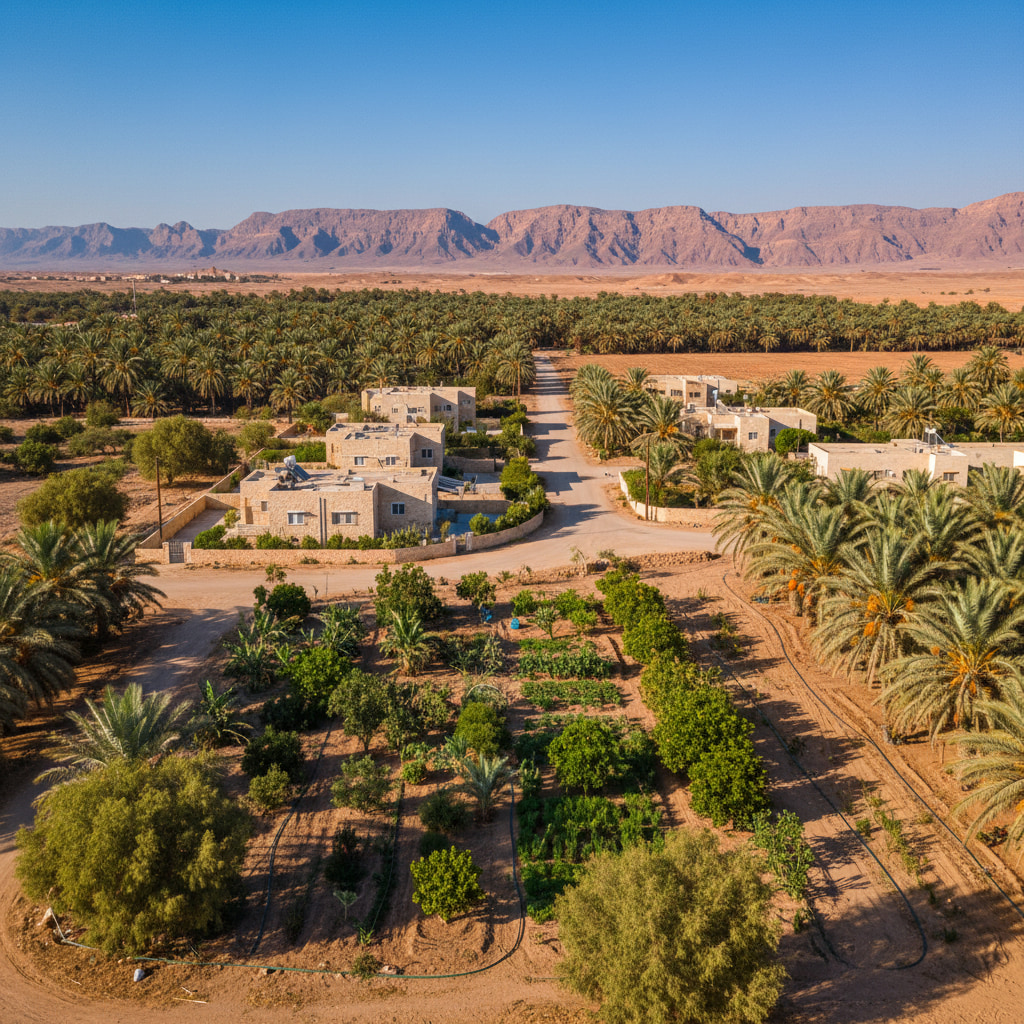
Sa'ad is a religious kibbutz in southern Israel, founded on June 30, 1947, by members of the Bnei Akiva movement. It was the first religious kibbutz established by native-born Israelis. During the 1948 War of Independence, Sa'ad was nearly destroyed by the Egyptian army but was rebuilt approximately 1 kilometer east of its original location. Today, it thrives with a multi-generational population engaged in agriculture and industry.
DEMOGRAPHICS & FAMILY LIFESTYLE
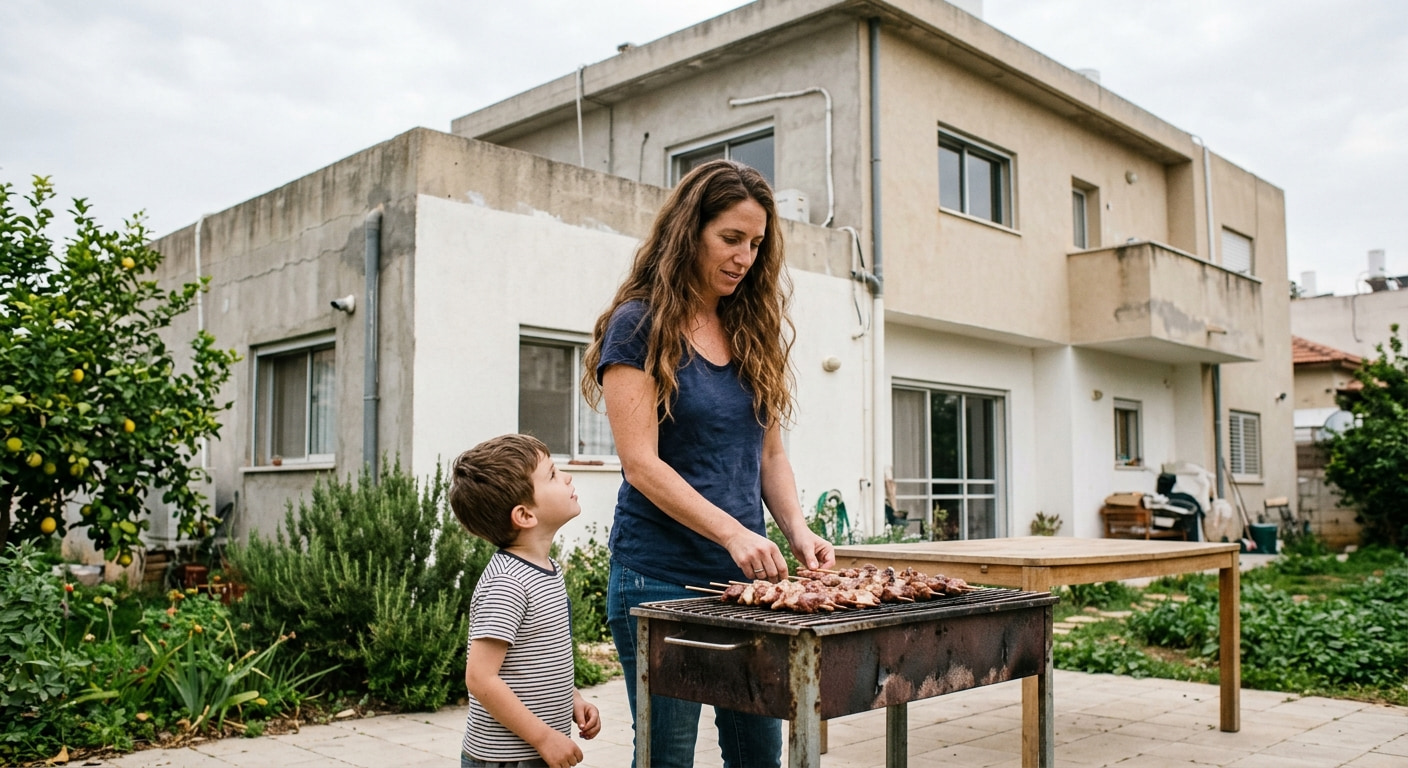
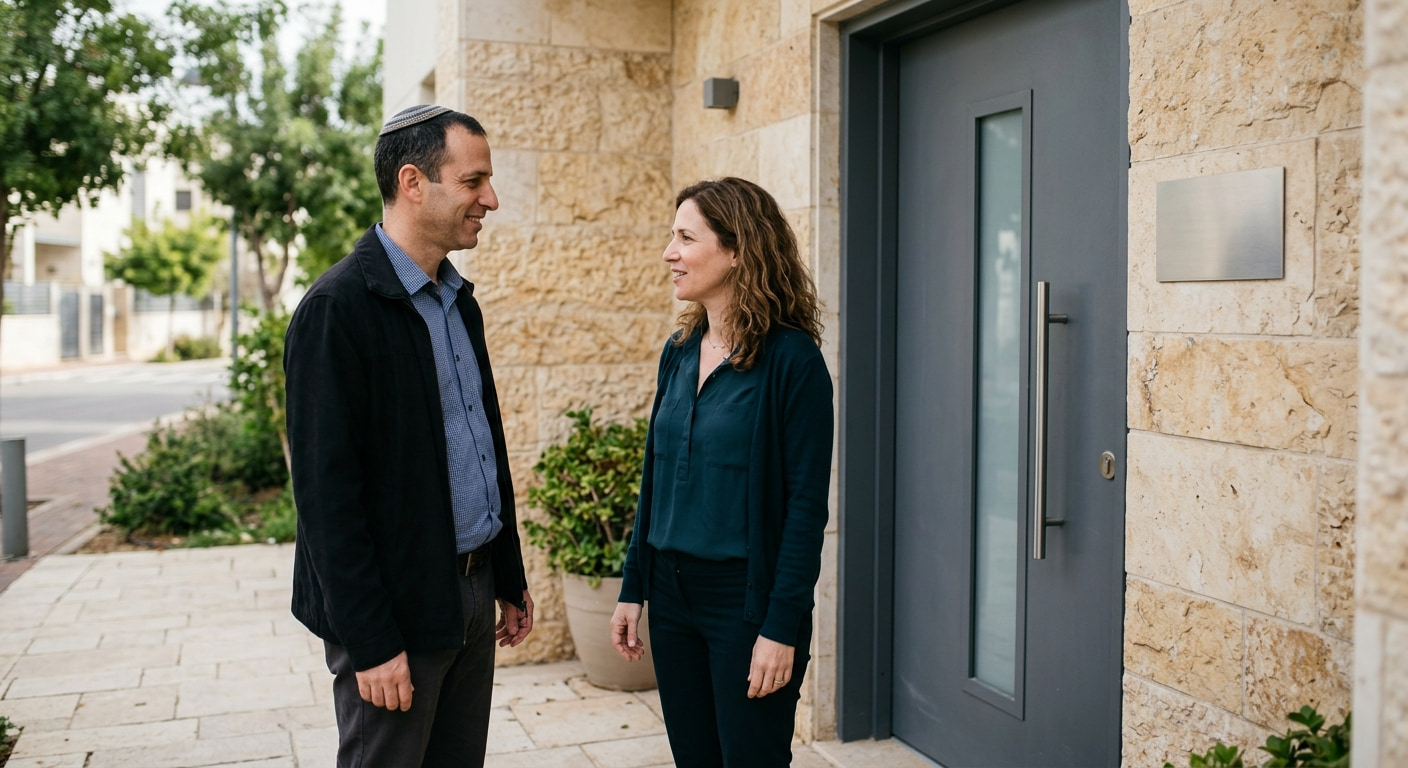
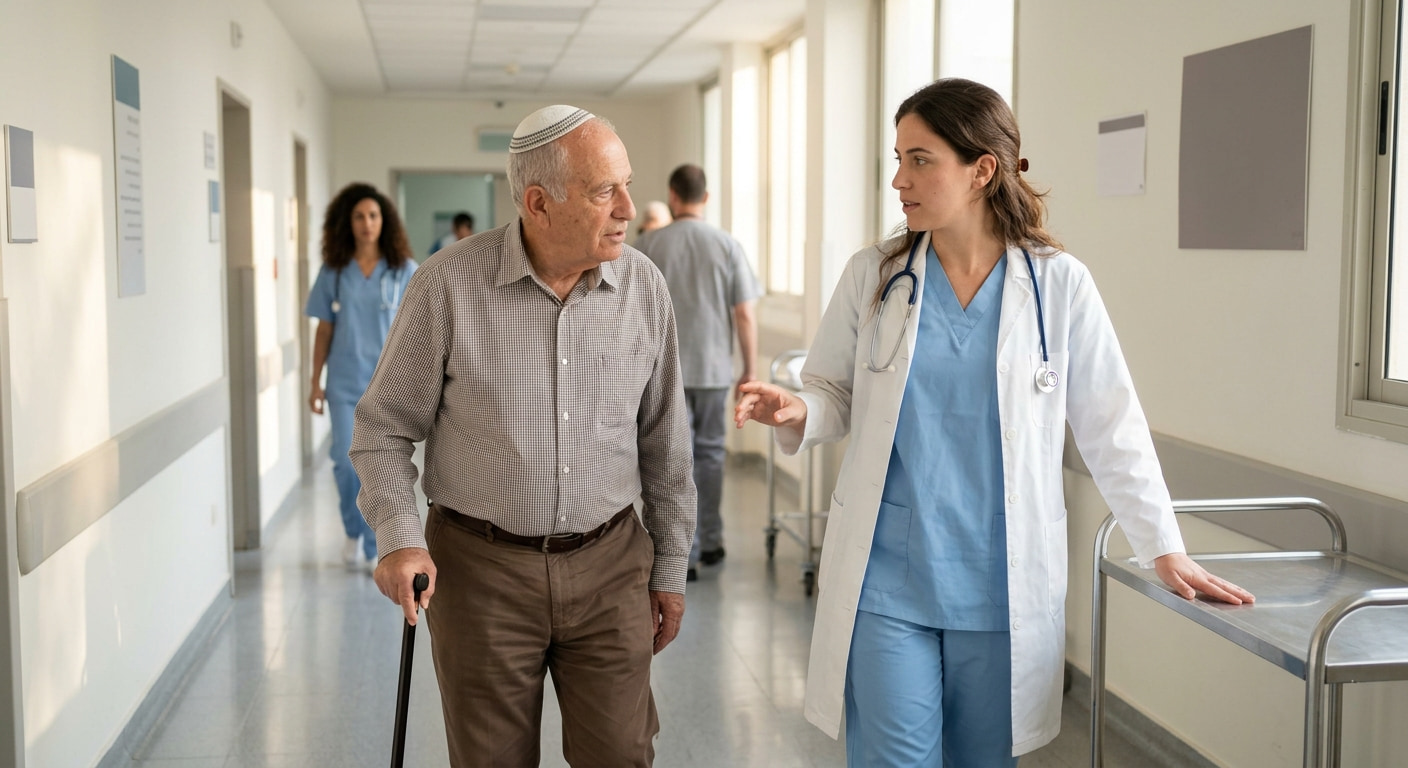
Sa'ad is a religious kibbutz affiliated with Ha-Kibbutz ha-Dati, home to approximately 846 residents. The community comprises a mix of families and individuals across various age groups, fostering a lifestyle centered around religious observance and communal living. The kibbutz operates a regional religious elementary school and participates in unique educational frameworks, including programs for youth from broken homes and conversion ulpans.
REAL ESTATE MARKET OVERVIEW
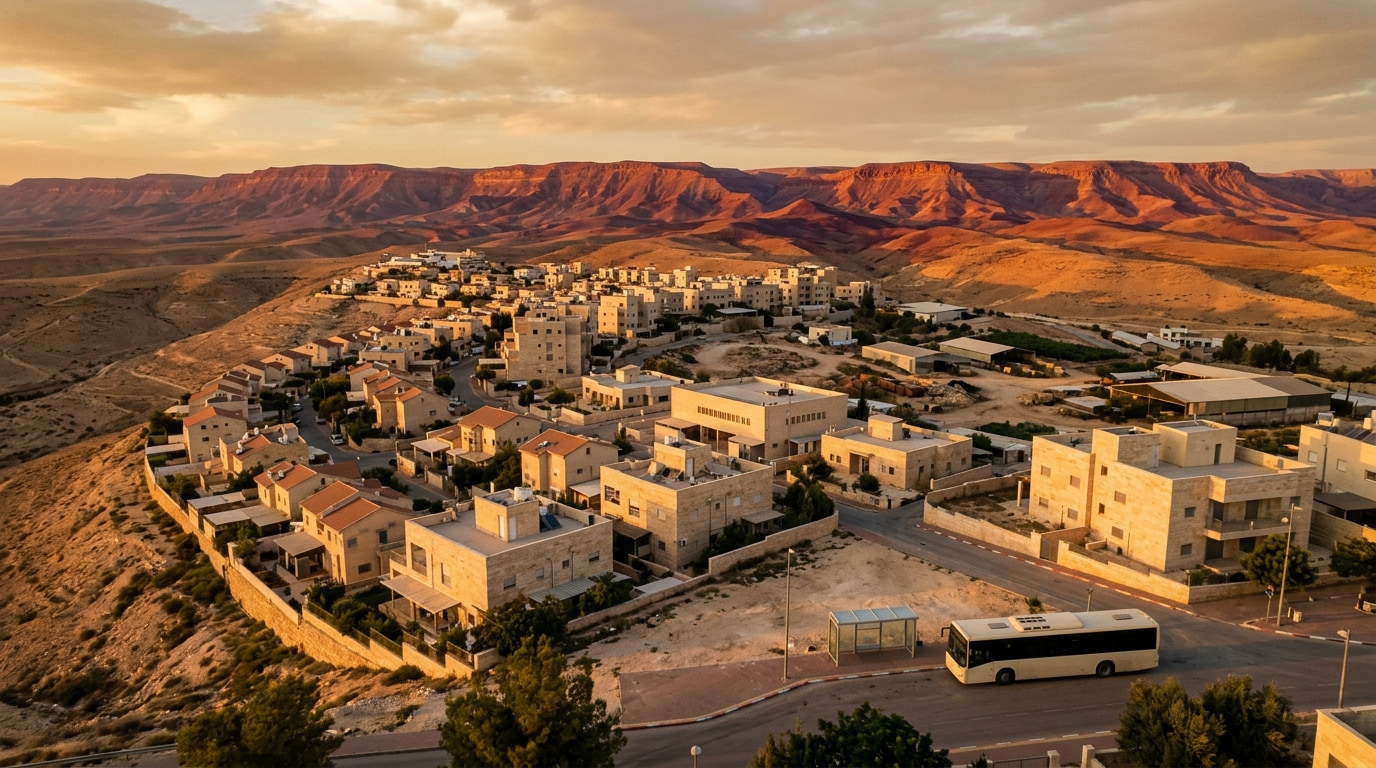
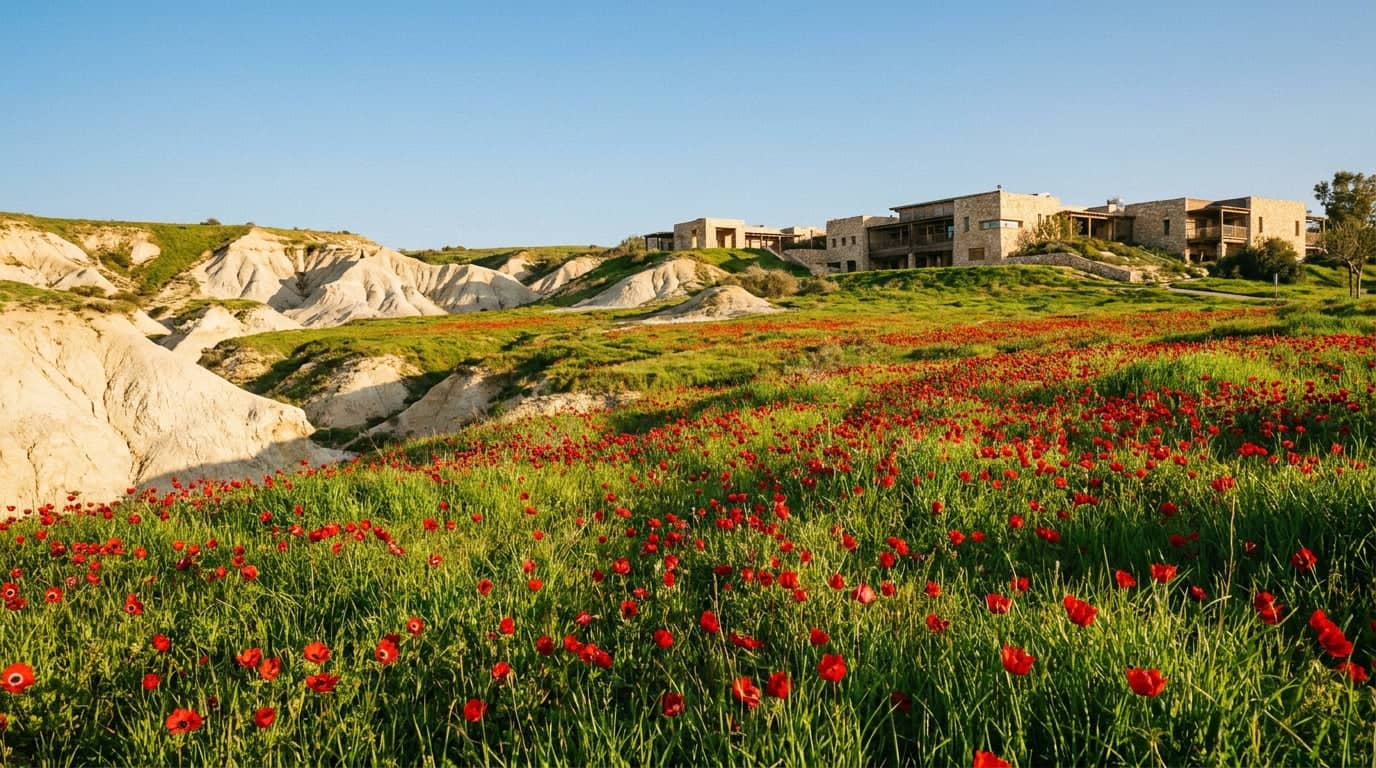
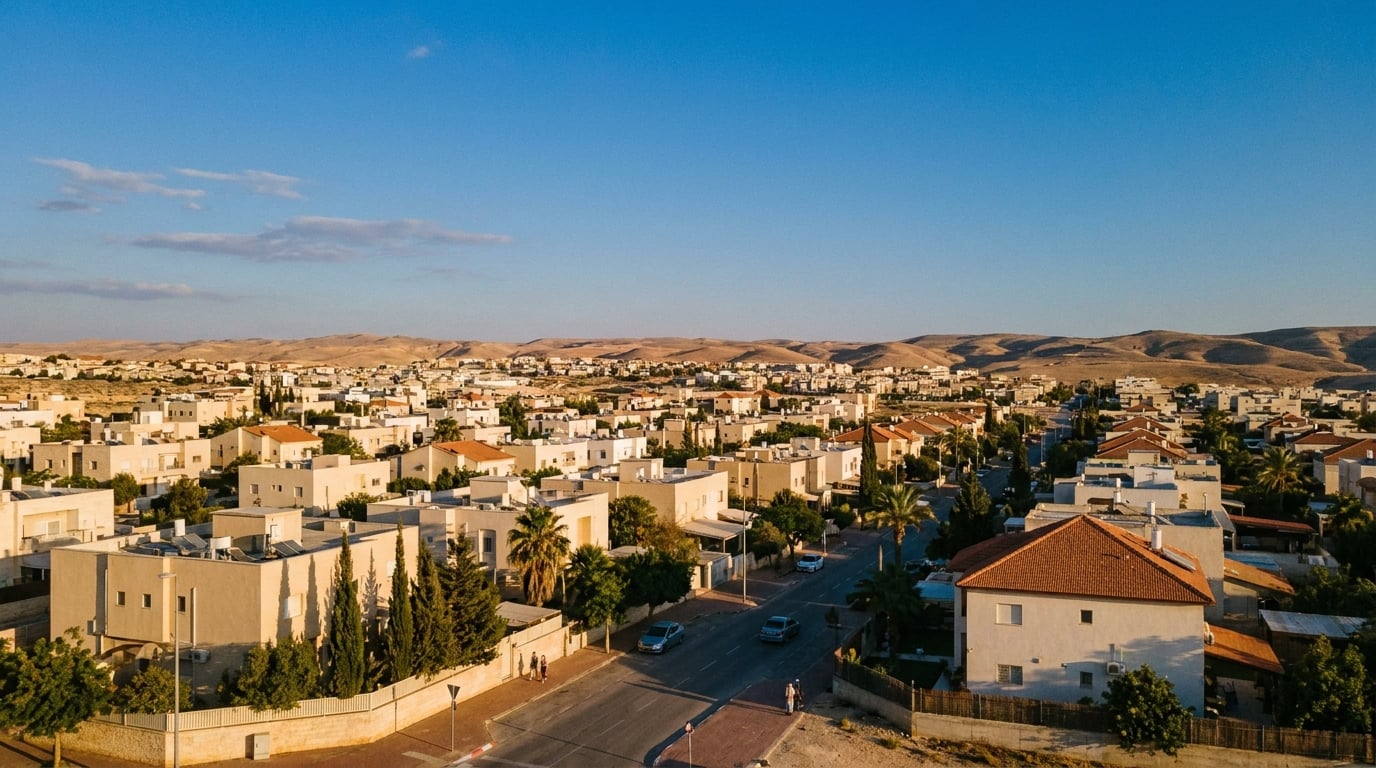
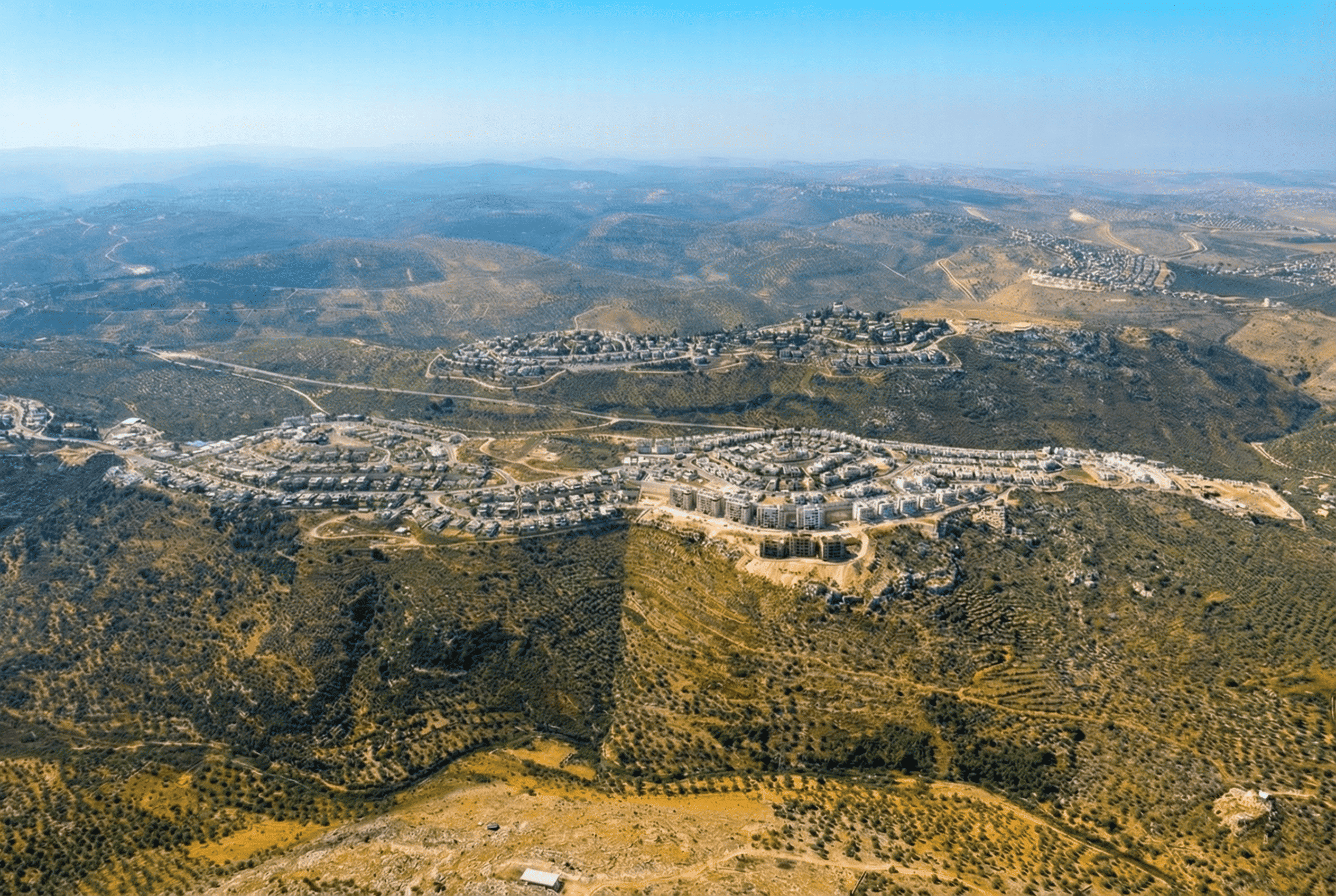
Sa'ad is a religious kibbutz in southern Israel, established in 1947. The community comprises residential homes and communal facilities, reflecting its traditional kibbutz structure. The housing stock includes single-family homes and apartments, many of which have been modernized over the years. The kibbutz's layout is compact, with residences situated close to communal areas such as the dining hall, synagogue, and educational institutions. The real estate market in Sa'ad is characterized by a stable demand, primarily driven by individuals and families seeking a religious communal lifestyle. The kibbutz's proximity to urban centers like Sderot and Netivot offers residents access to urban amenities while maintaining a rural environment. Housing prices in Sa'ad are generally more affordable compared to major urban areas, making it an attractive option for those looking to integrate into a close-knit religious community. Market liquidity is moderate, with properties becoming available primarily through internal community processes.The kibbutz's design emphasizes communal living, with residential areas closely integrated with shared facilities.
NEW CONSTRUCTION PROJECTS
Kibbutz Sa'ad has recently enhanced its infrastructure by collaborating with Energix to establish an 11.13 MWp solar photovoltaic power plant. Operational since 2020, this facility spans approximately 29 acres of the kibbutz's land in the Negev desert, contributing to sustainable energy production.
TRANSPORTATION & ACCESSIBILITY
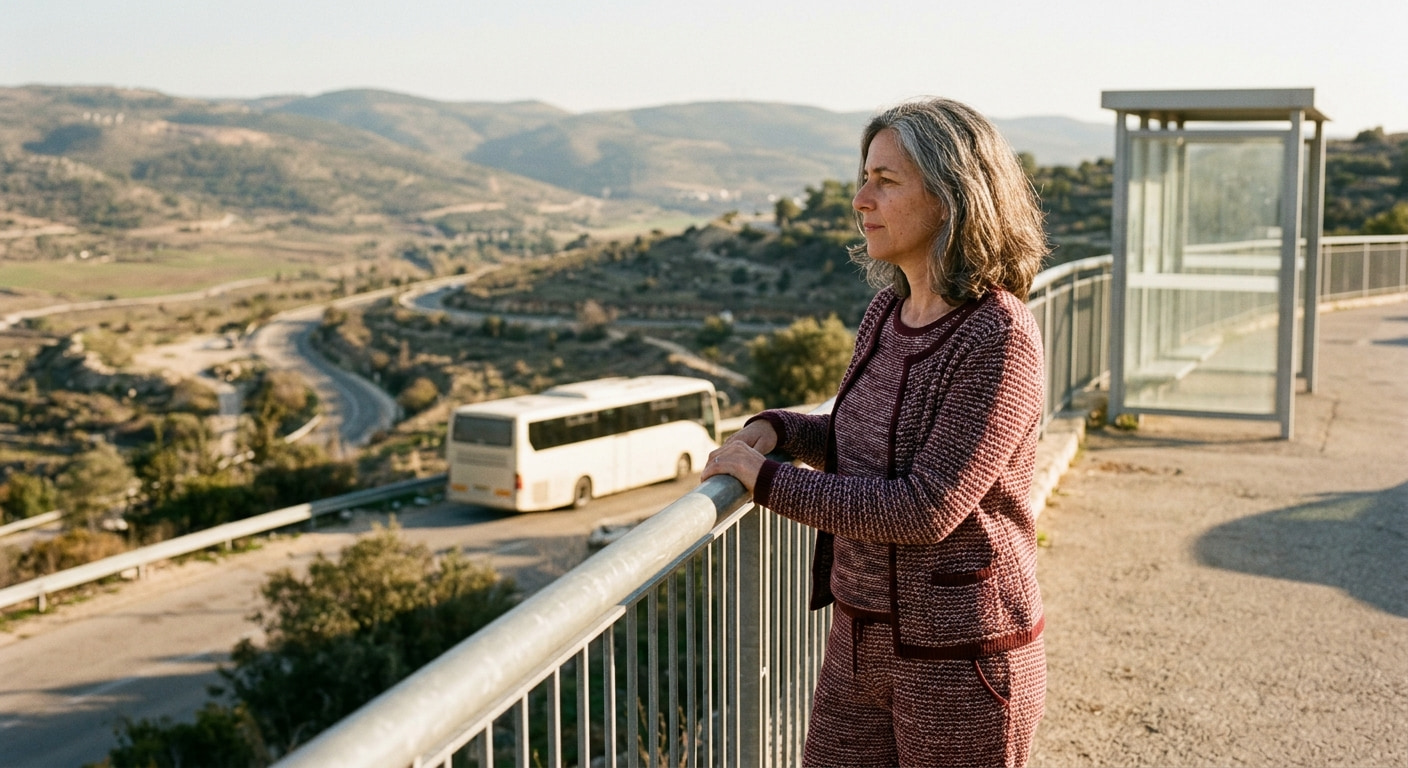
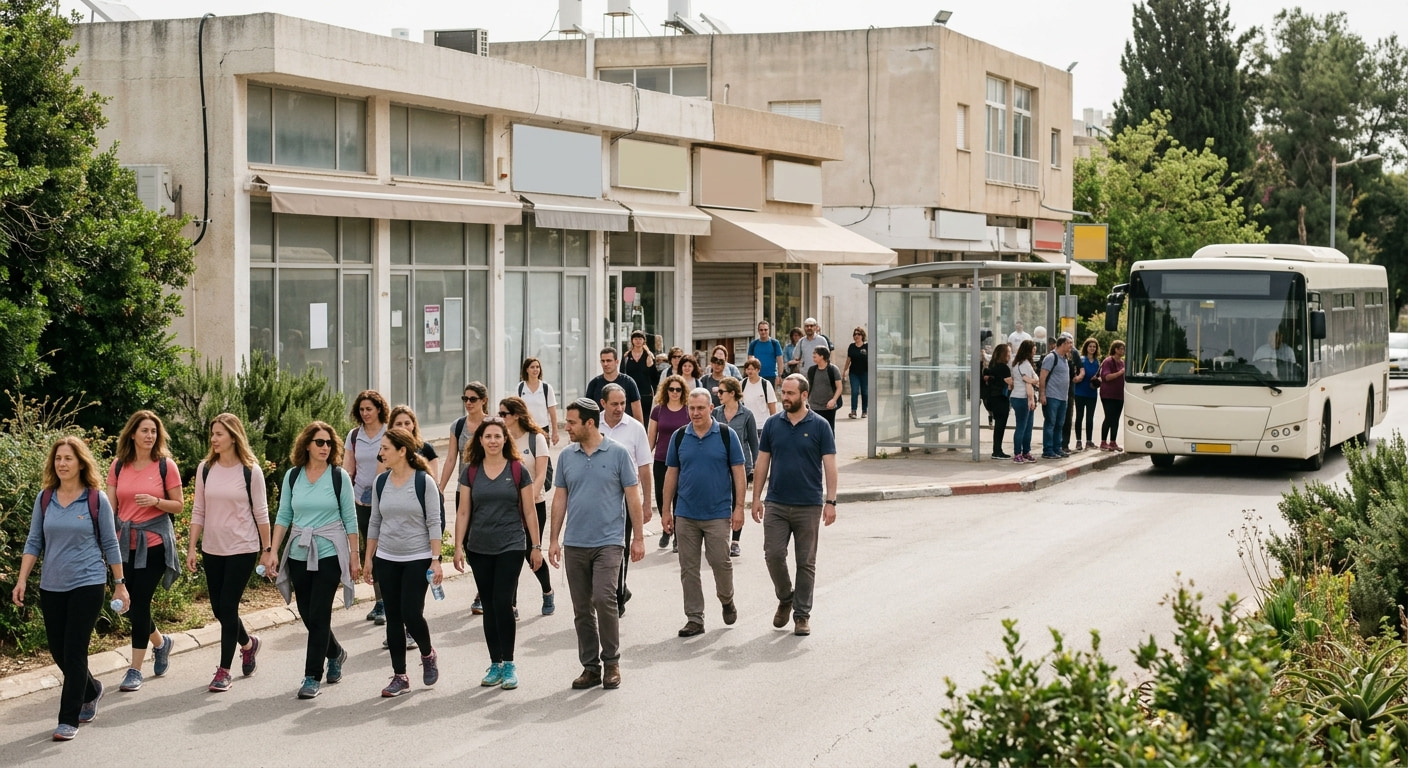
Kibbutz Sa'ad is accessible via several bus routes operated by Dan BaDarom, including lines 353, 361, 379, 373, 29, 36, 492, 495, and 136. These routes connect the kibbutz to major cities such as Be'er Sheva, Ashkelon, and Jerusalem, facilitating convenient travel for residents and visitors.
WHY NEW IMMIGRANTS CHOOSE SA'AD
New immigrants are drawn to Sa'ad for its strong sense of community, religious environment, and support systems for integration. The kibbutz offers educational programs tailored for olim, such as conversion ulpans and youth education initiatives. Its location near cities like Sderot and Netivot provides access to urban amenities while maintaining a close-knit, rural lifestyle. Additionally, Sa'ad's economic stability, rooted in agriculture and industry, offers employment opportunities for newcomers.
- Strong religious community with communal living
- Educational programs for new immigrants
- Proximity to urban centers like Sderot and Netivot
- Employment opportunities in agriculture and industry
- Supportive environment for integration into Israeli society