CITY HISTORY & DEVELOPMENT
Sderot was established in 1951 as a transit camp for Jewish immigrants, primarily from Kurdistan and Iran. Initially named Gabim Dorot, it was later renamed Sderot, reflecting the avenues of trees planted in the Negev to combat desertification. Permanent housing was completed in 1954, and by 1958, Sderot was recognized as a local council. The city experienced significant growth during the 1990s with the arrival of immigrants from the former Soviet Union and Ethiopia, leading to its designation as a city in 1996.
DEMOGRAPHICS & FAMILY LIFESTYLE
As of November 2019, Sderot had a population of approximately 29,112 residents. The community is predominantly Jewish, with a mix of secular and religious individuals. The city has an age distribution, including families with children, young adults, and the elderly. Notably, Sderot is home to a small Ethiopian-Israeli community, comprising 509 individuals, including 59 teenagers aged 13 to 18.
REAL ESTATE MARKET OVERVIEW
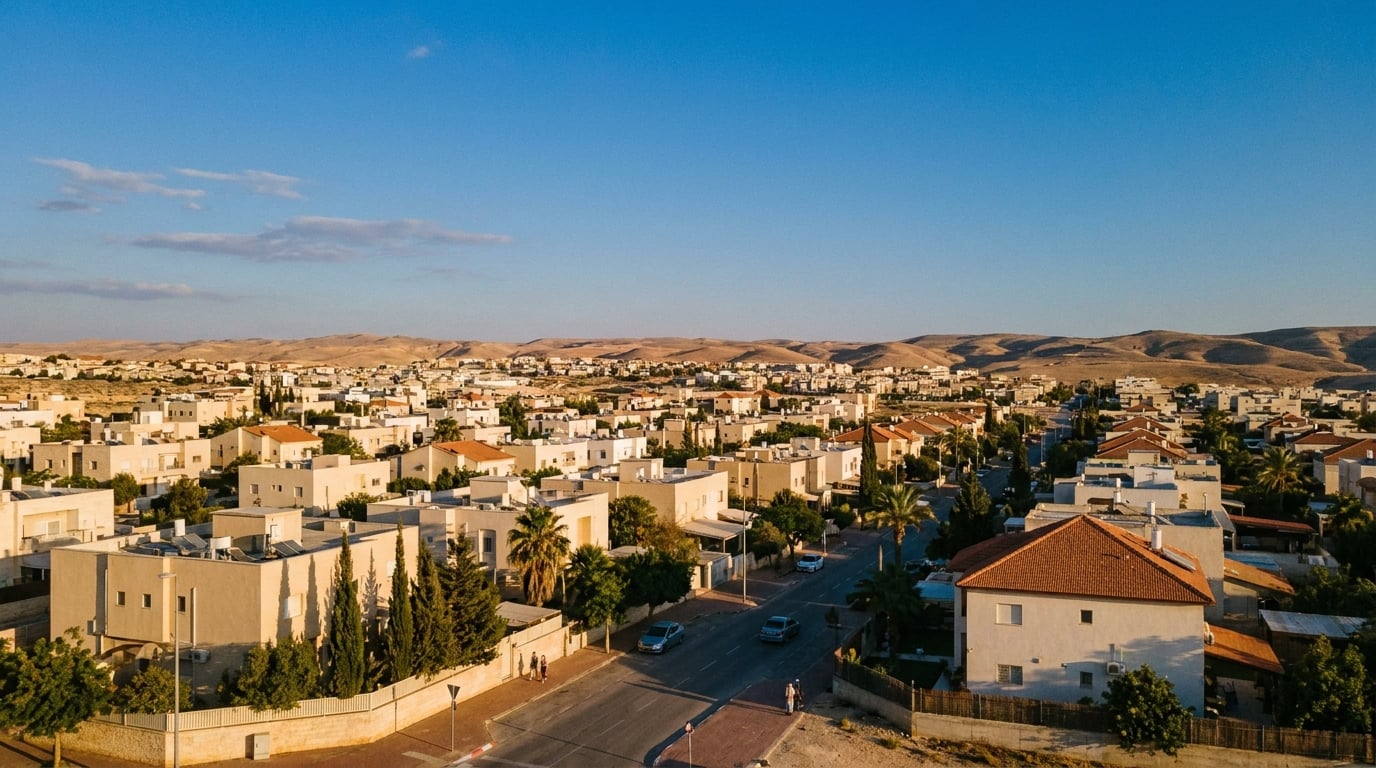
Sderot's housing stock comprises a mix of apartments and single-family homes, reflecting its development over several decades. The average property size is approximately 279 square meters, with apartments averaging around 251 square meters.
The real estate market in Sderot has experienced fluctuations, with average property prices around ILS 909,657.
NEIGHBORHOOD BREAKDOWN
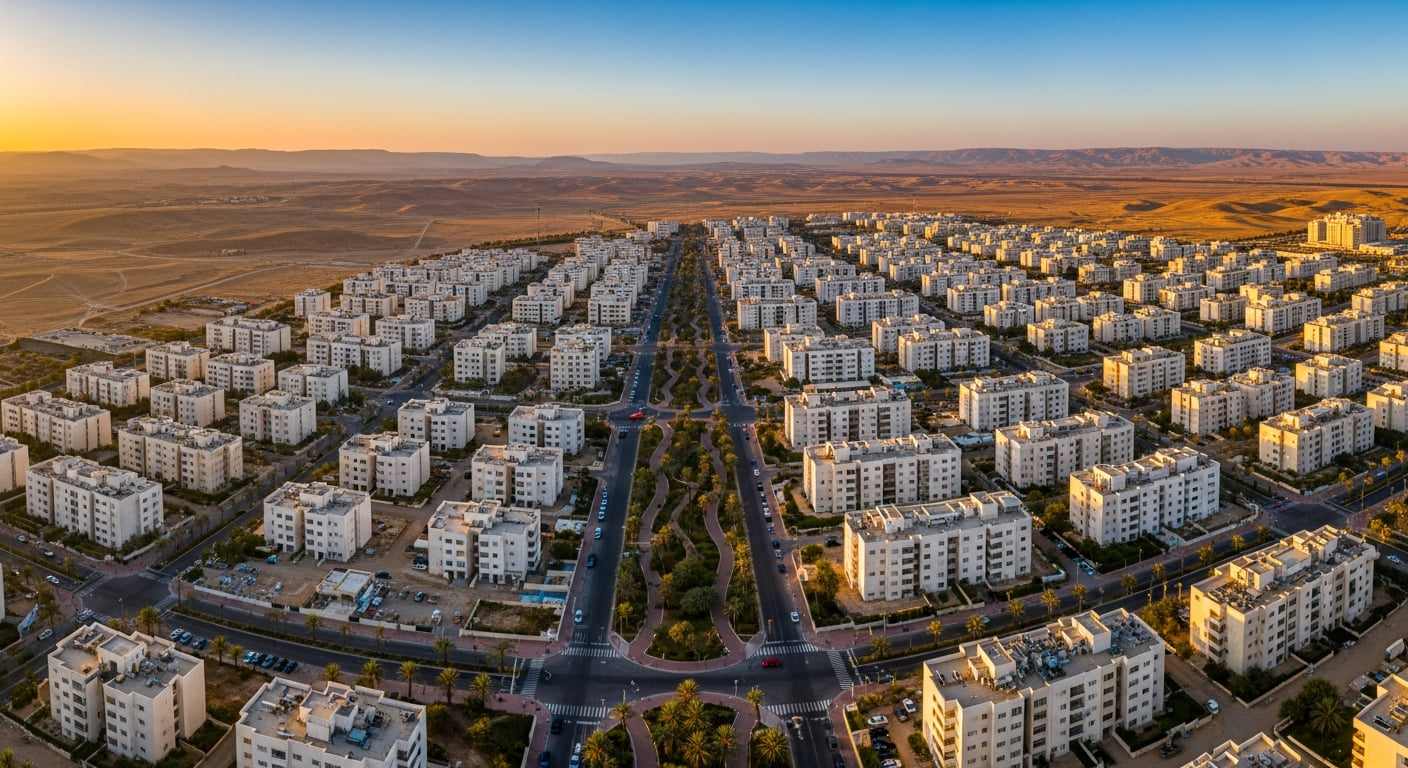
Sderot is organized into distinct neighborhoods, each offering unique characteristics and amenities. This layout provides residents with a variety of living environments, from central areas to quieter residential zones.
- Neot Yitzhak Rabin: A neighborhood with 1,907 transactions and an average property price of ILS 875,845.
- Ben Gurion: Featuring 787 transactions and an average property price of ILS 631,802.
- Neot Eshkol: Known for its spacious homes, with 783 transactions and an average property price of ILS 487,909.
- Neot Aviv: A neighborhood with 402 transactions and an average property price of ILS 454,976.
- Neot HaDekel: Featuring 394 transactions and an average property price of ILS 558,073.
NEW CONSTRUCTION PROJECTS
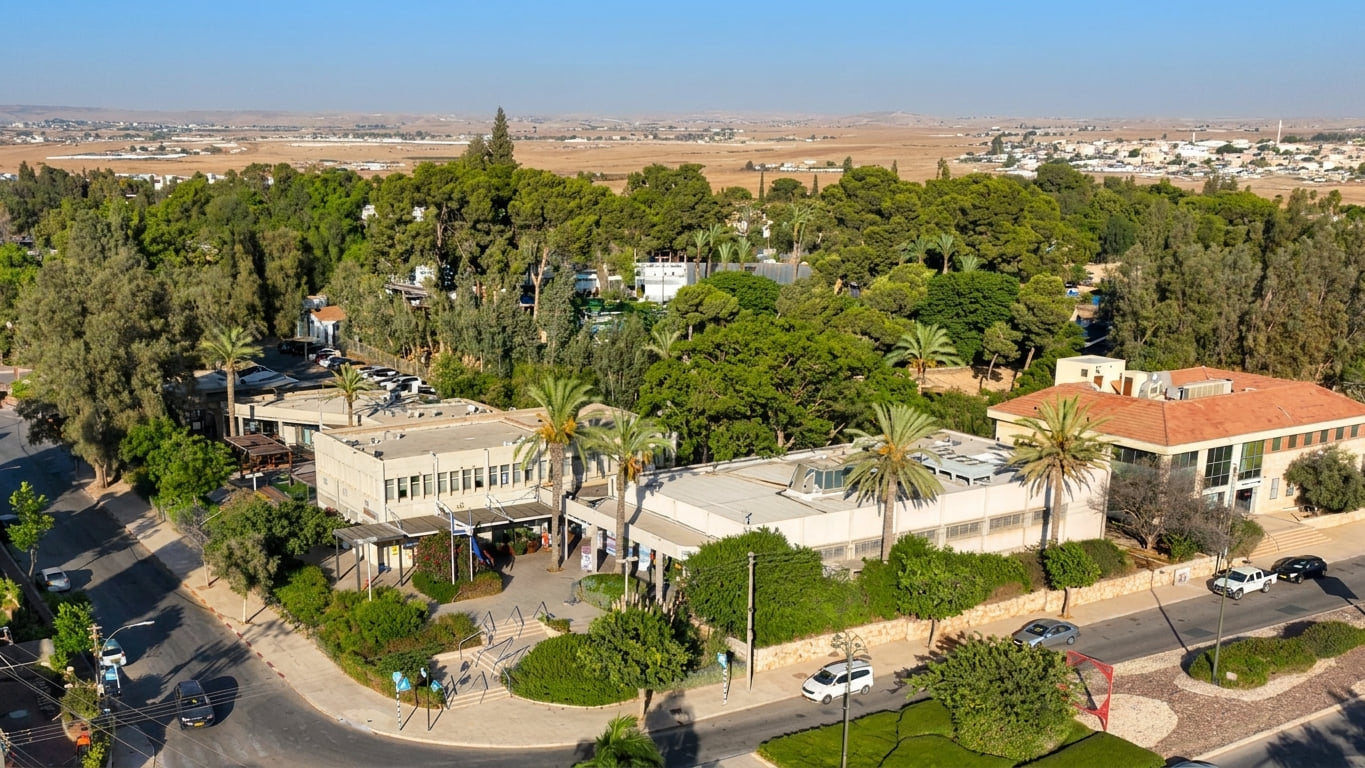
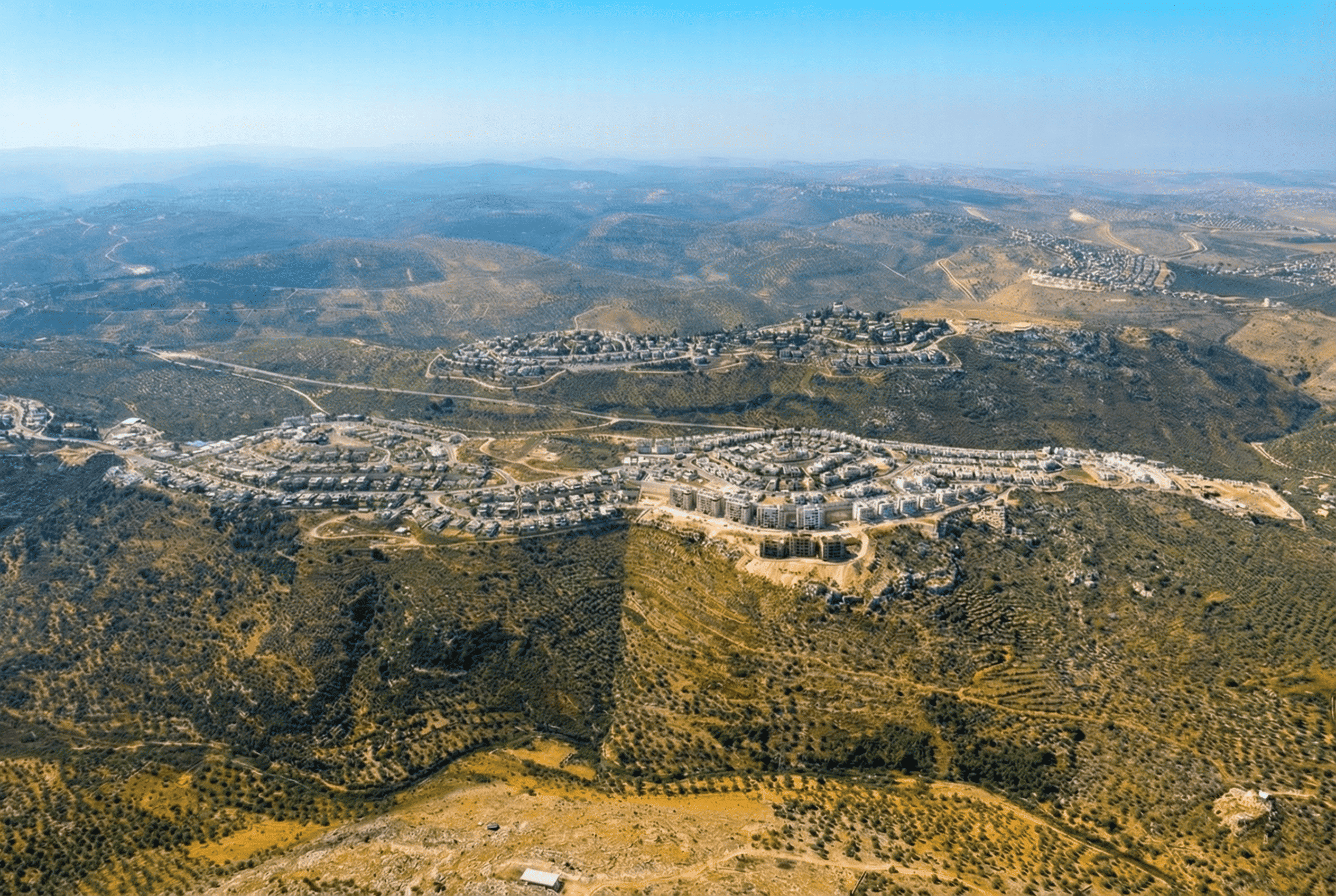
Sderot is undergoing significant development to enhance its infrastructure and community facilities. The Israeli government has allocated approximately 1.6 billion shekels ($440 million) to strengthen the city's resilience and security, focusing on upgrading public spaces, education, and emergency preparedness. Additionally, the 'Or Sderot' project introduces 200 residential units across eight buildings, integrating communal amenities and workspaces to promote a sustainable, connected lifestyle. Efforts are also underway to rebuild the police station, which became a symbol of heroism during the October 7, 2023, Hamas attack, with plans for a new, upgraded facility.
TRANSPORTATION & ACCESSIBILITY
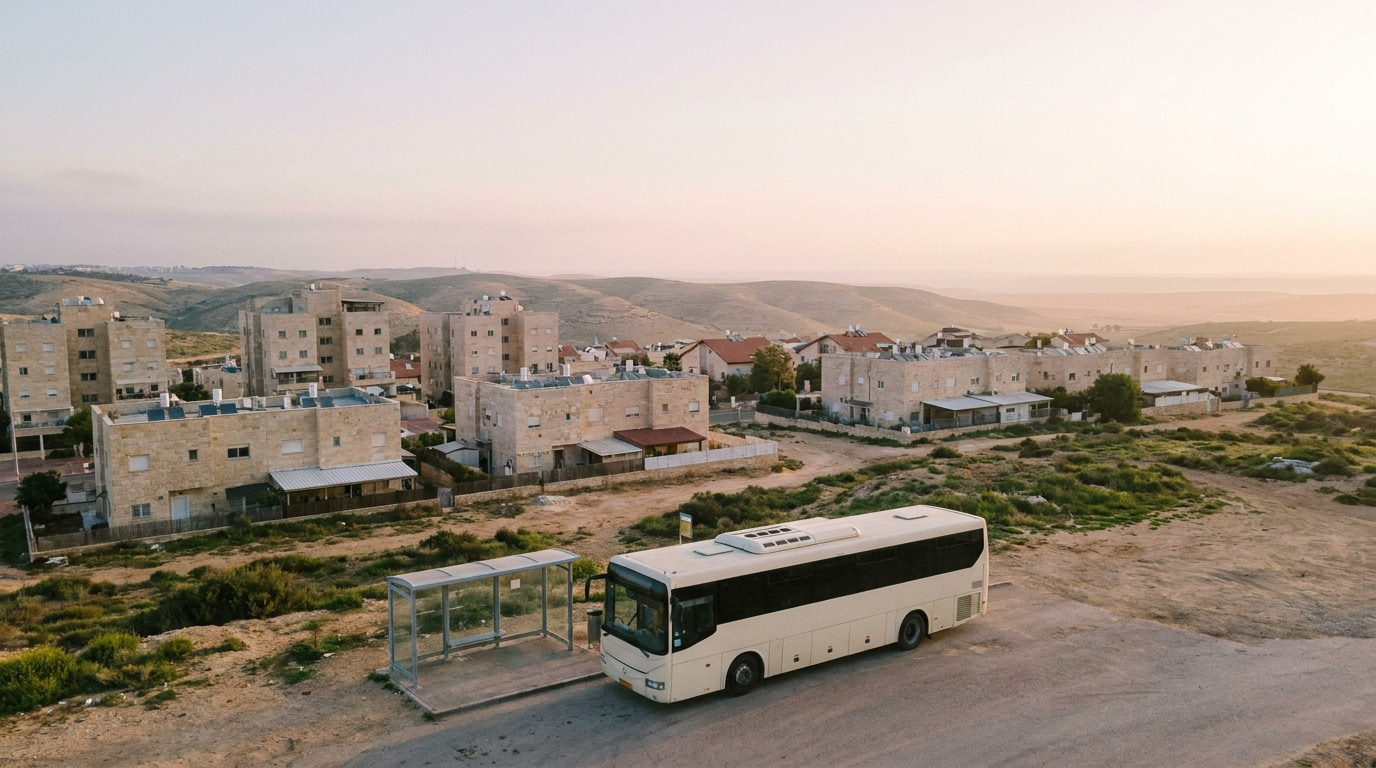
Sderot's transportation network offers residents convenient access to regional hubs. The city is connected by Highway 34 and Route 232, facilitating road travel. The Sderot railway station, inaugurated in December 2013, provides armored rail services linking the city to Tel Aviv and Beersheba. Public transportation within Sderot includes 36 bus routes operated by companies such as Dan South and Gali, ensuring comprehensive coverage and connectivity for daily commuting needs.
WHY NEW IMMIGRANTS CHOOSE SDEROT
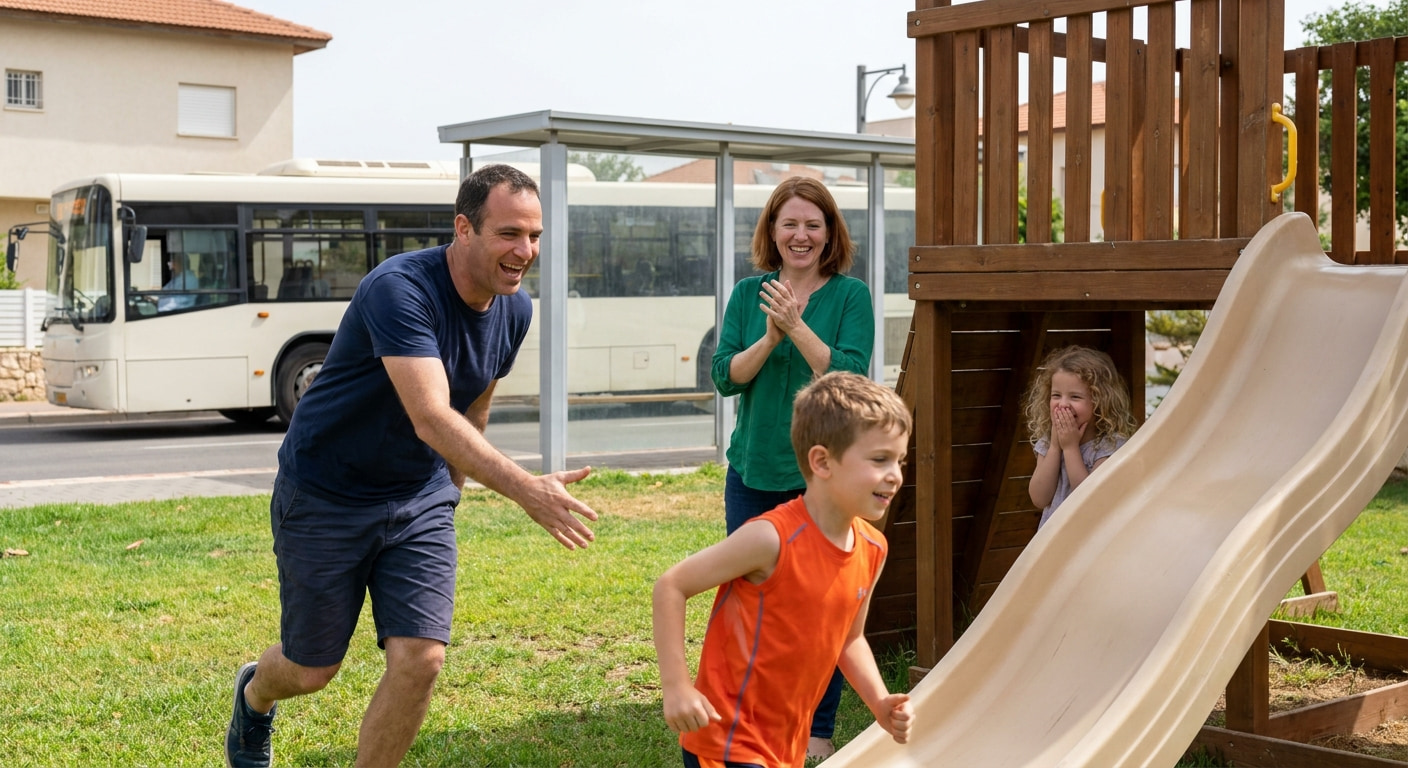
New immigrants, or olim, are drawn to Sderot for its affordable housing, strong community spirit, and significant government investment in infrastructure and services. The city's proximity to major urban centers like Ashkelon, combined with its modern transportation links, offers residents both convenience and a close-knit community atmosphere. Additionally, Sderot's resilience and development in the face of challenges make it an appealing destination for those seeking a supportive environment.
- Affordable housing options
- Strong community support networks
- Proximity to major cities and transportation links
- Government investment in infrastructure and services
- Resilient and supportive community atmosphere