CITY HISTORY & DEVELOPMENT
Shafir is a moshav in southern Israel, established on August 15, 1949, by immigrants from Hungary and Czechoslovakia. It was built on land that had belonged to the Palestinian village of al-Sawafir al-Sharqiyya, which was depopulated during the 1948 Arab–Israeli War. The moshav is named after the biblical city of Shafir mentioned in the Book of Micah 1:11, meaning 'good and beautiful'. Today, Shafir is home to a community, including residents of Czechoslovakian, Hungarian, and Persian descent.
DEMOGRAPHICS & FAMILY LIFESTYLE
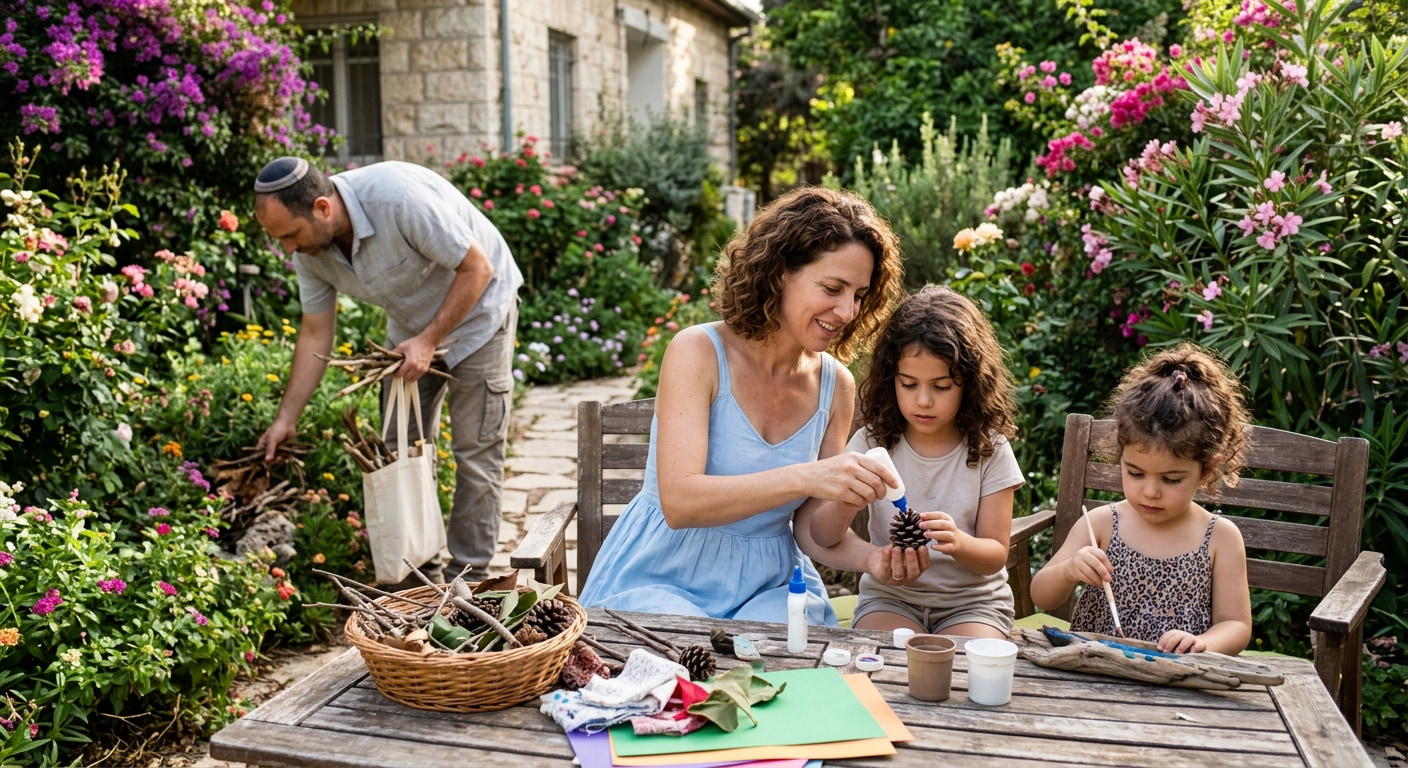
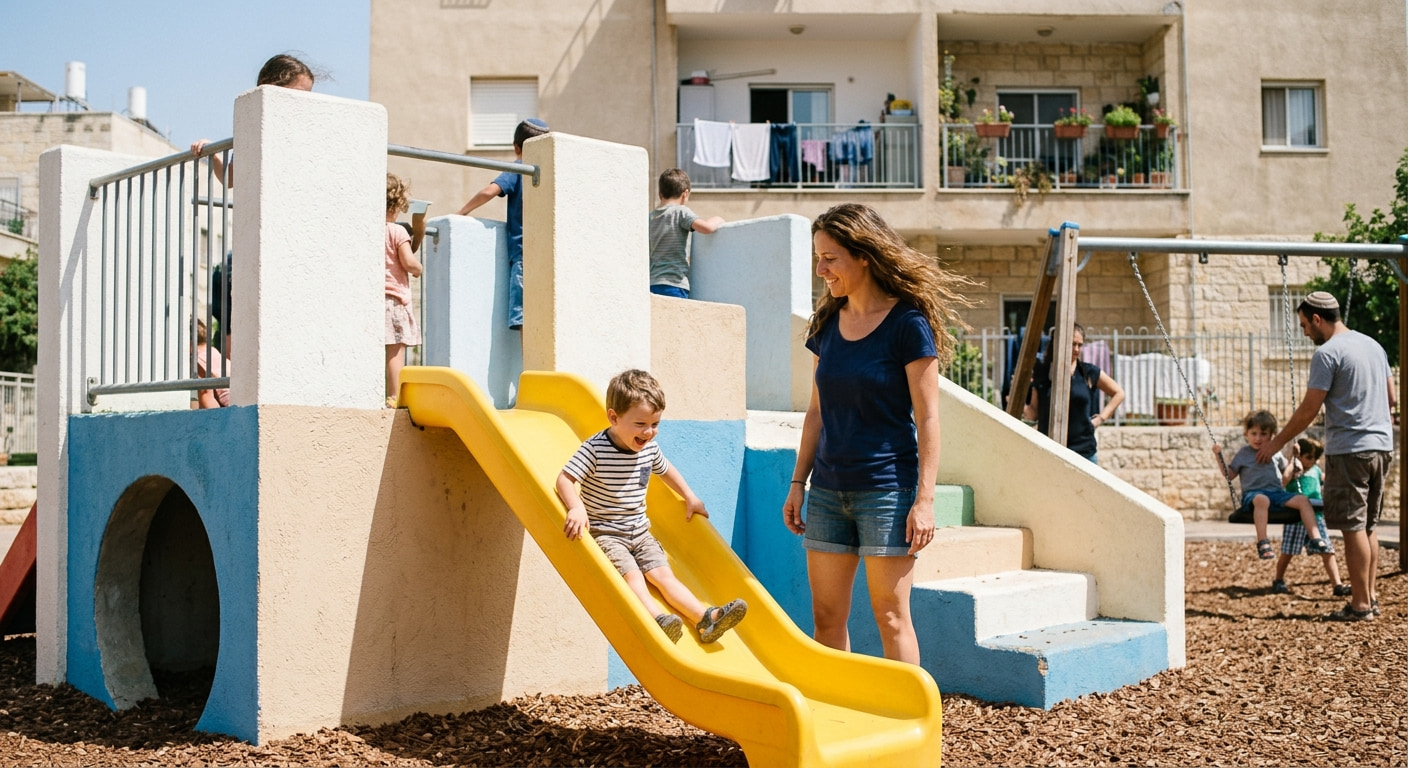
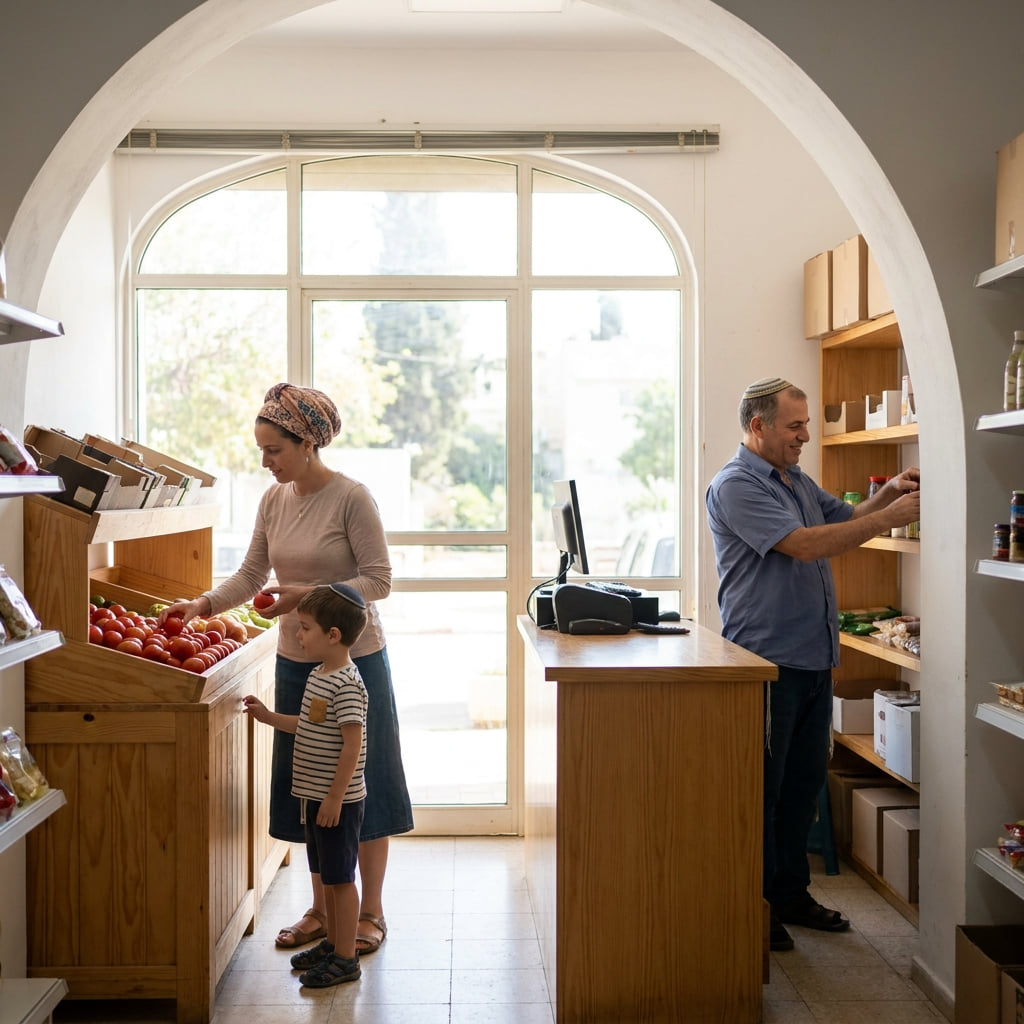
Shafir is a religious Zionist moshav with a population of approximately 911 residents. The community comprises about 285 households, with an average household size of 3.6 individuals. The age distribution includes 42.7% under 19 years, 49.5% between 20 and 64 years, and 7.8% aged 65 and above. The moshav maintains a traditional lifestyle, with many families engaged in agriculture, including dairy farming, orchards, and field crops.
REAL ESTATE MARKET OVERVIEW
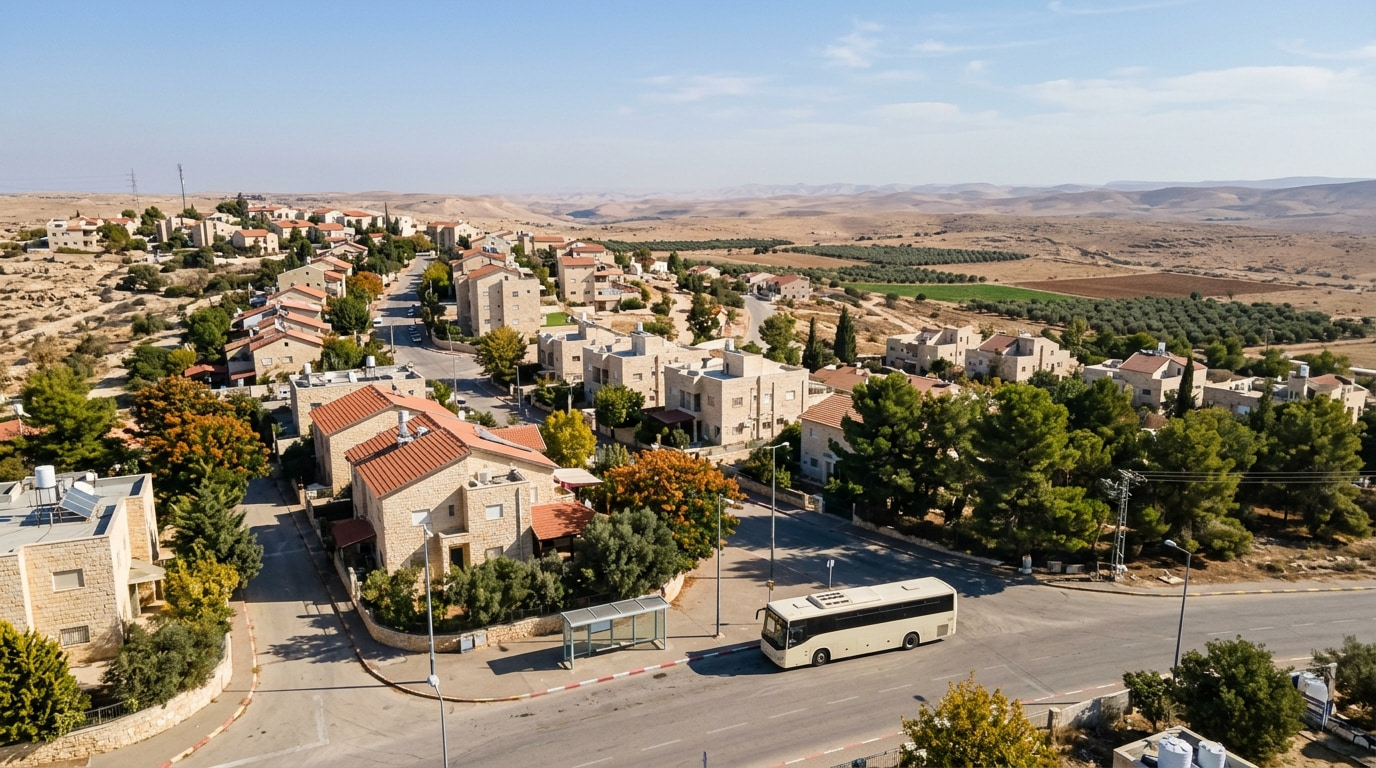
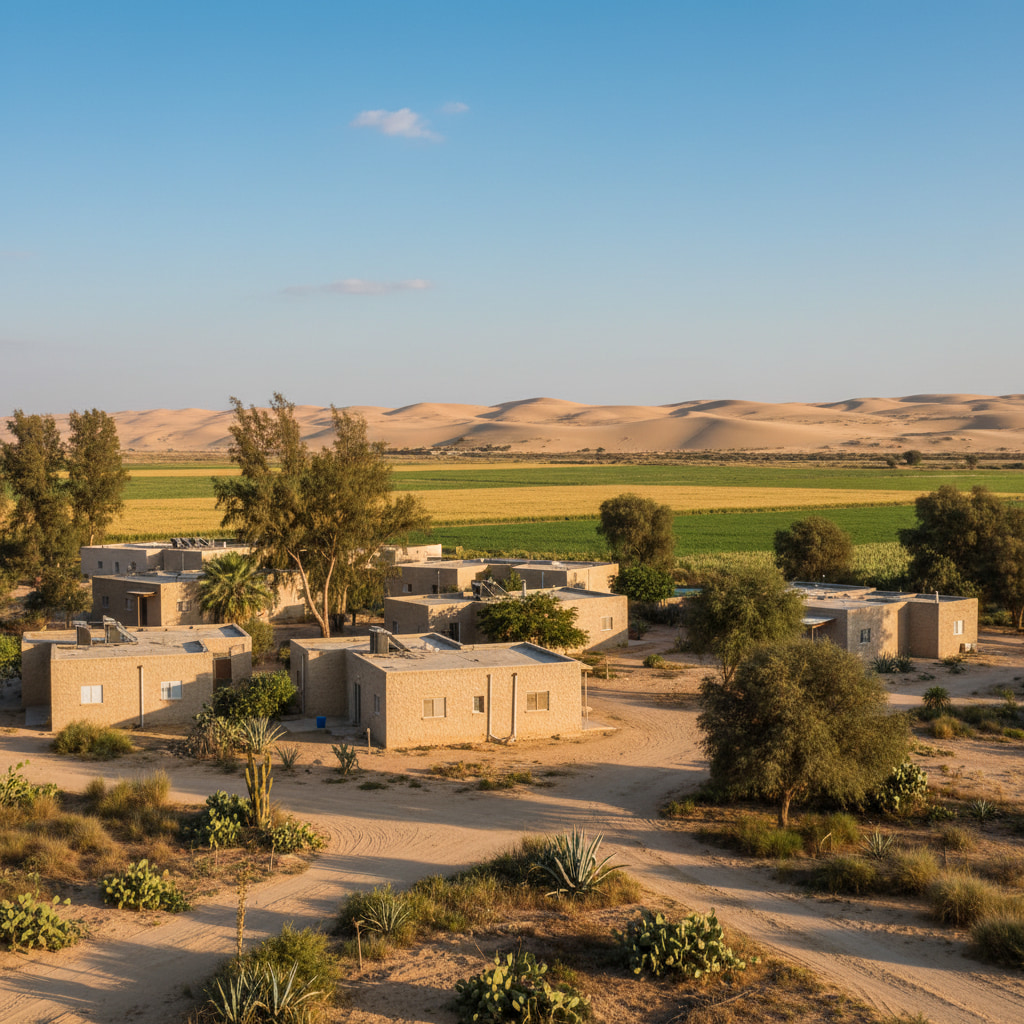
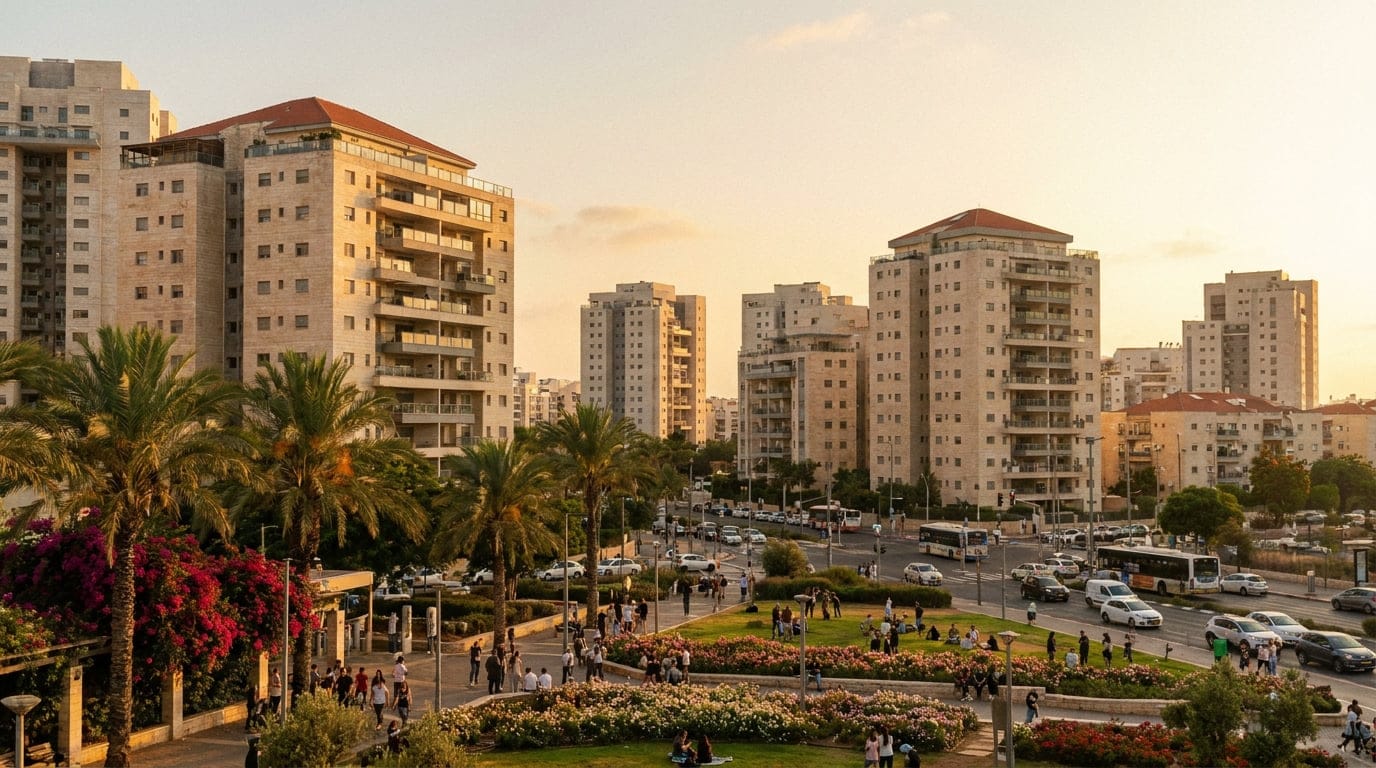
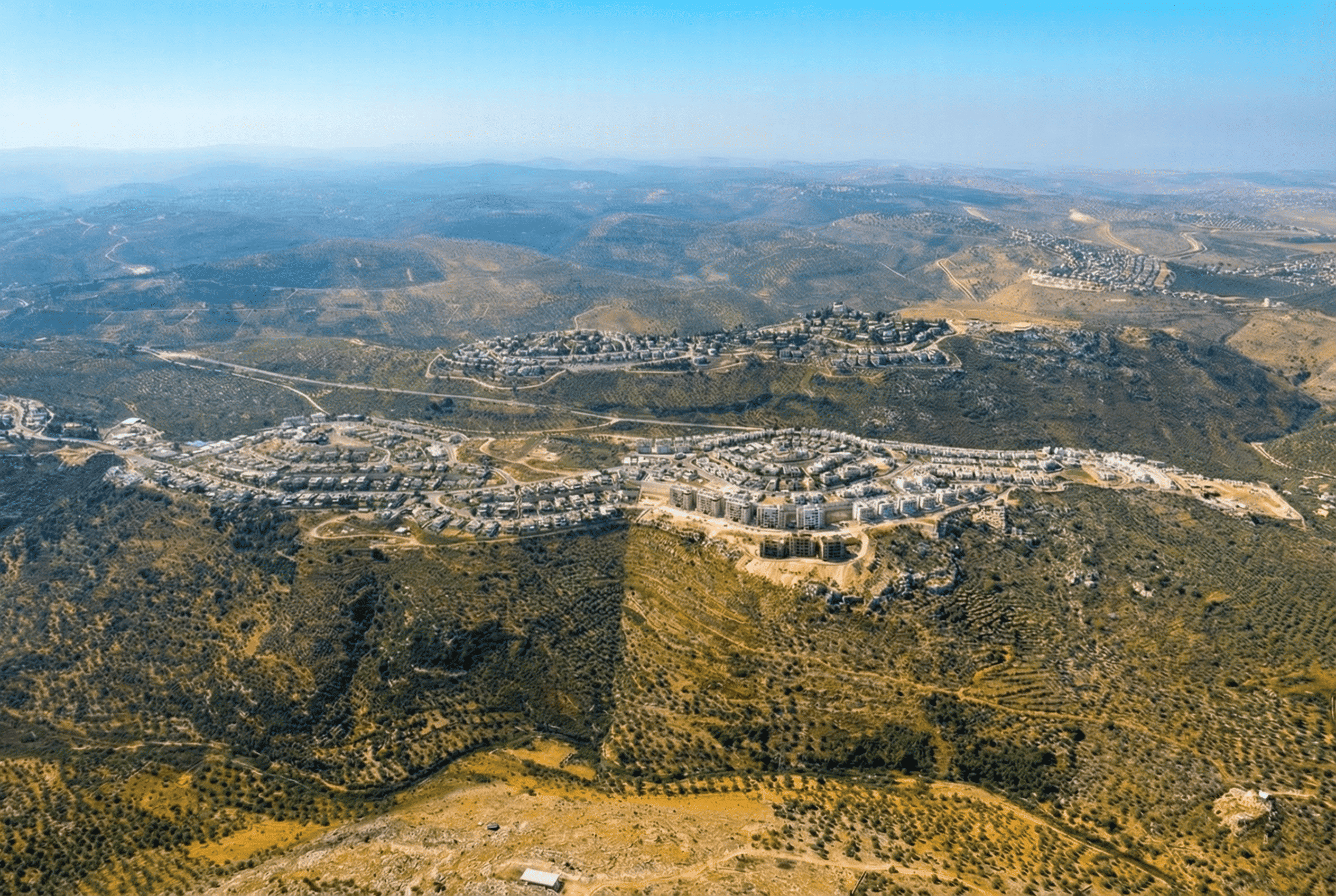
Shafir's housing stock primarily consists of single-family homes situated on spacious plots, reflecting its origins as an agricultural moshav. Many residences were constructed in the mid-20th century, with some properties undergoing renovations to modernize their facilities. The community's rural setting offers residents ample space and a connection to the surrounding natural environment. The real estate market in Shafir is characterized by steady demand, particularly among families seeking a religious Zionist community with agricultural opportunities. Property prices are generally more affordable compared to urban centers, making it an attractive option for those looking to balance rural living with accessibility to nearby cities. The market exhibits moderate liquidity, with properties typically remaining available for a reasonable period before sale. Shafir is a compact community without distinct sub-areas or neighborhoods. The moshav's layout fosters a close-knit atmosphere, with residential homes, agricultural plots, and communal facilities interspersed throughout the area.
NEW CONSTRUCTION PROJECTS
Shafir moshav continues to develop its residential infrastructure, offering new housing opportunities for families seeking a rural lifestyle. The community is expanding its agricultural facilities, enhancing its capacity for dairy farming, orchards, and field crops. These developments aim to accommodate the growing population and attract new residents interested in the moshav's traditional way of life.
TRANSPORTATION & ACCESSIBILITY
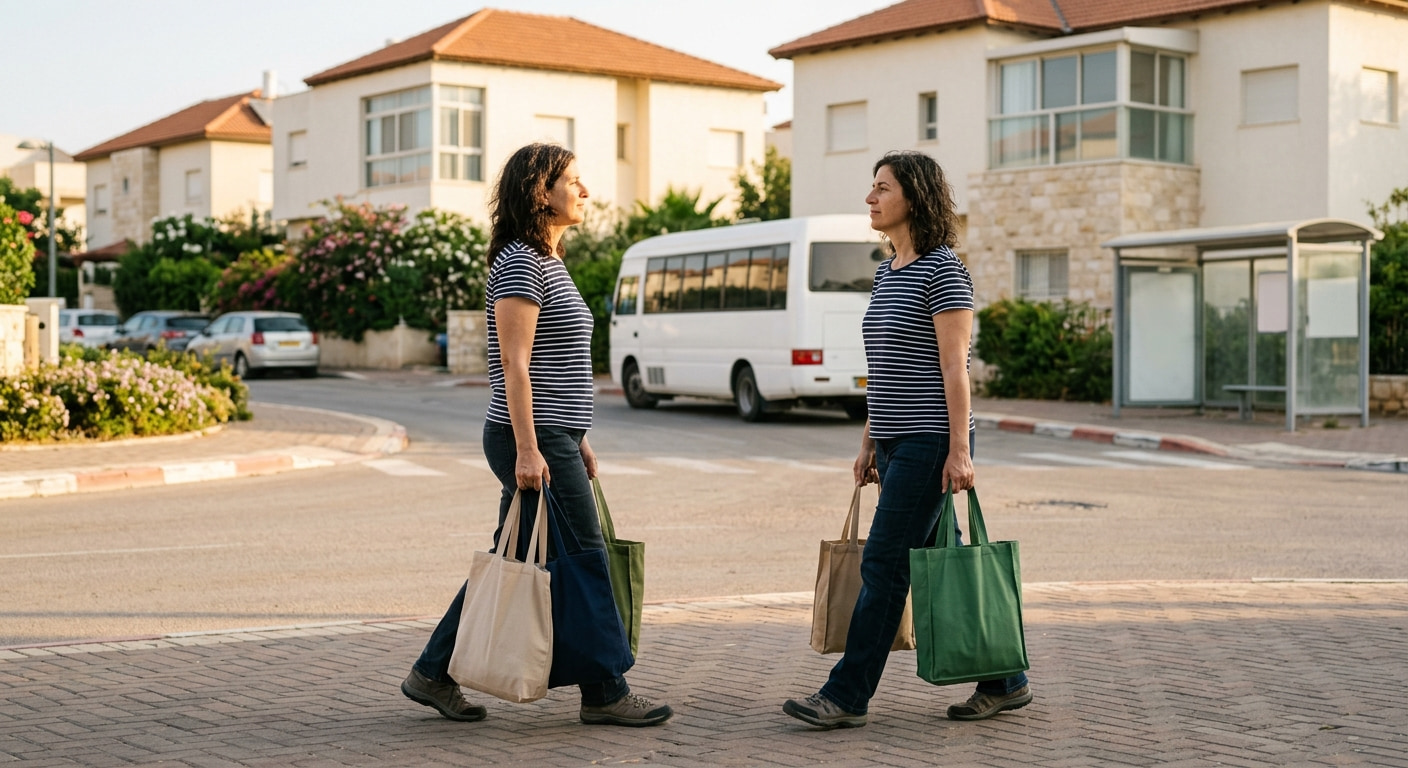
Shafir moshav is accessible via several bus routes, including lines 301, 31, 437, and 70, connecting it to nearby cities such as Kiryat Malakhi and Ashkelon. The moshav is also in proximity to major highways, facilitating convenient travel to regional hubs like Ashdod. Public transportation services operate regularly, ensuring residents have reliable options for commuting and accessing urban amenities.
WHY NEW IMMIGRANTS CHOOSE SHAFIR
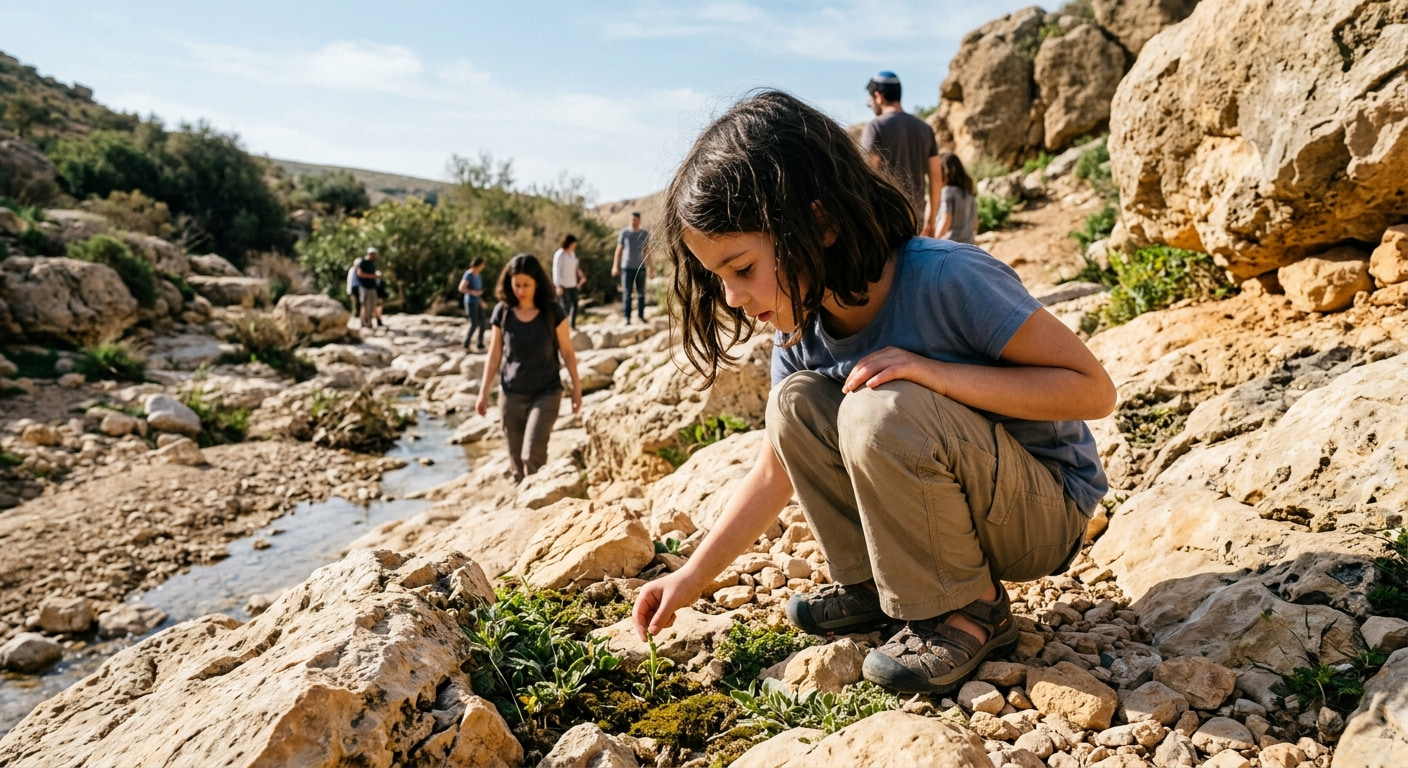
New immigrants are drawn to Shafir for its strong religious Zionist community, offering a supportive environment for those seeking to integrate into Israeli society while maintaining their religious practices. The moshav's proximity to central cities like Kiryat Malakhi provides convenient access to urban amenities, while its rural setting offers a peaceful lifestyle. Additionally, the community's agricultural opportunities appeal to those interested in farming and self-sufficiency.
- Supportive religious Zionist community
- Proximity to urban centers like Kiryat Malakhi
- Peaceful rural environment
- Opportunities in agriculture and farming
- Strong communal support for new immigrants