CITY HISTORY & DEVELOPMENT
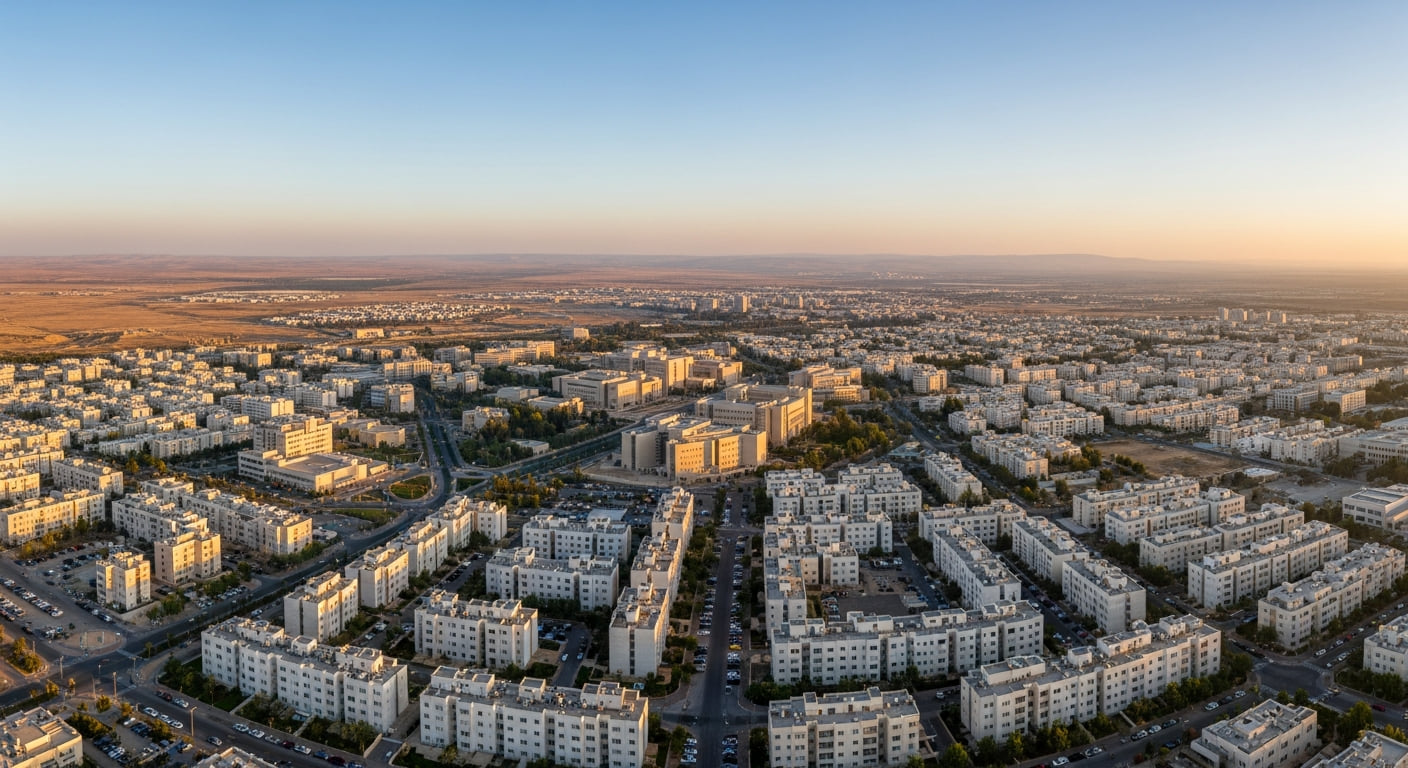
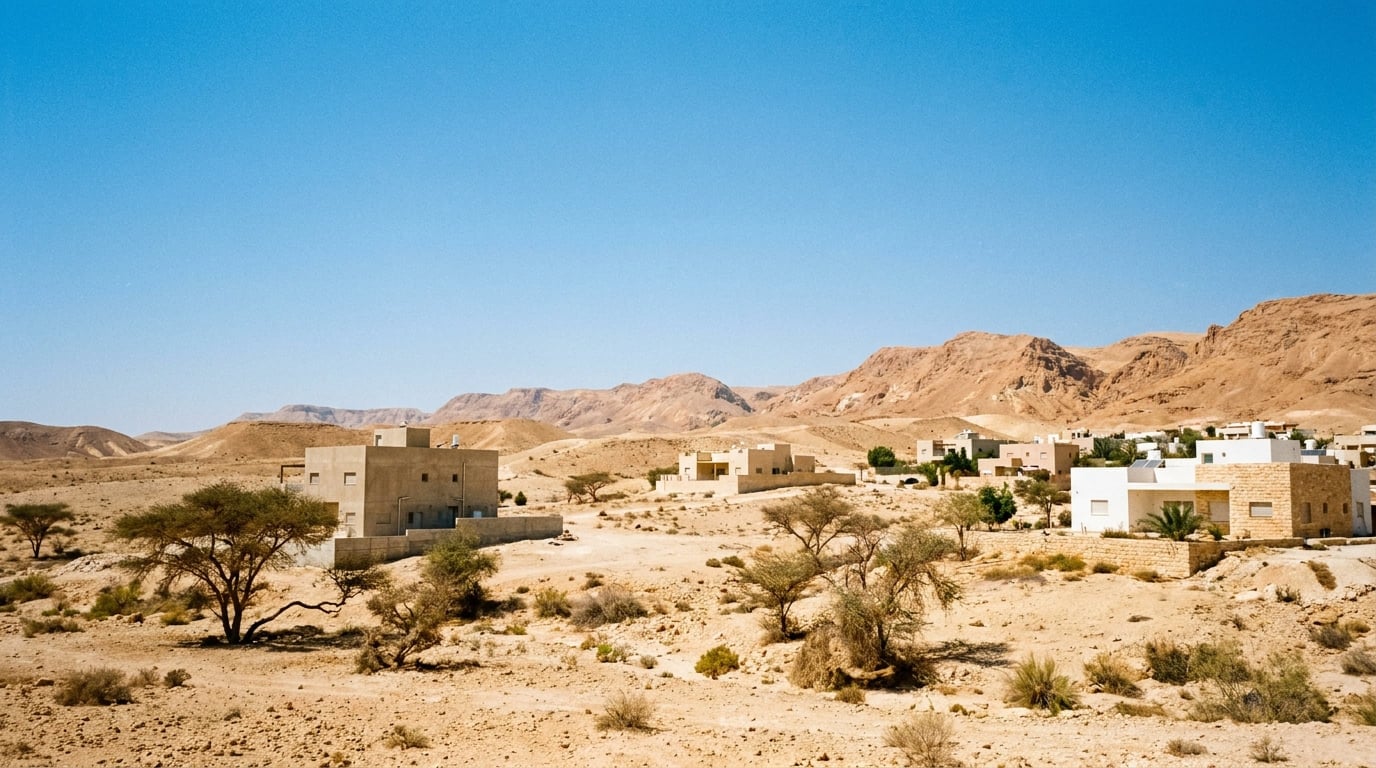
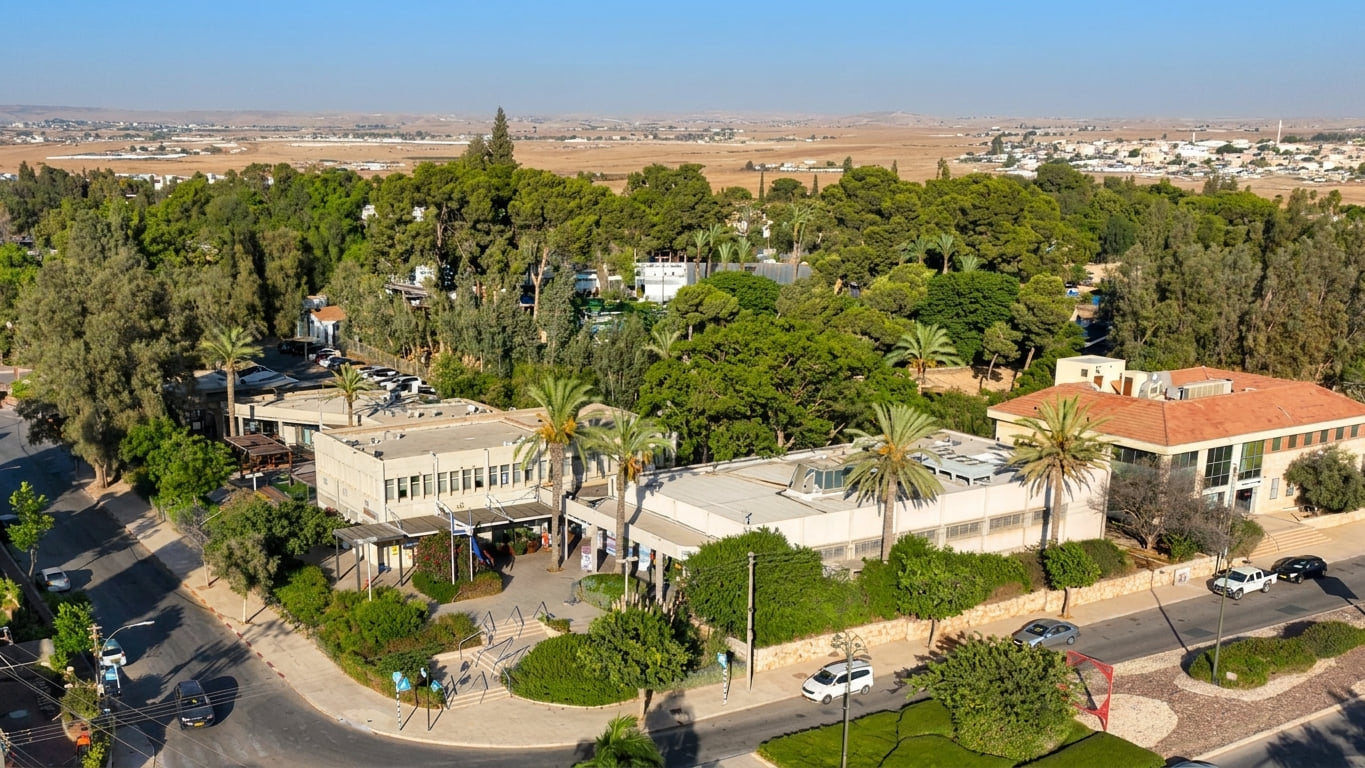
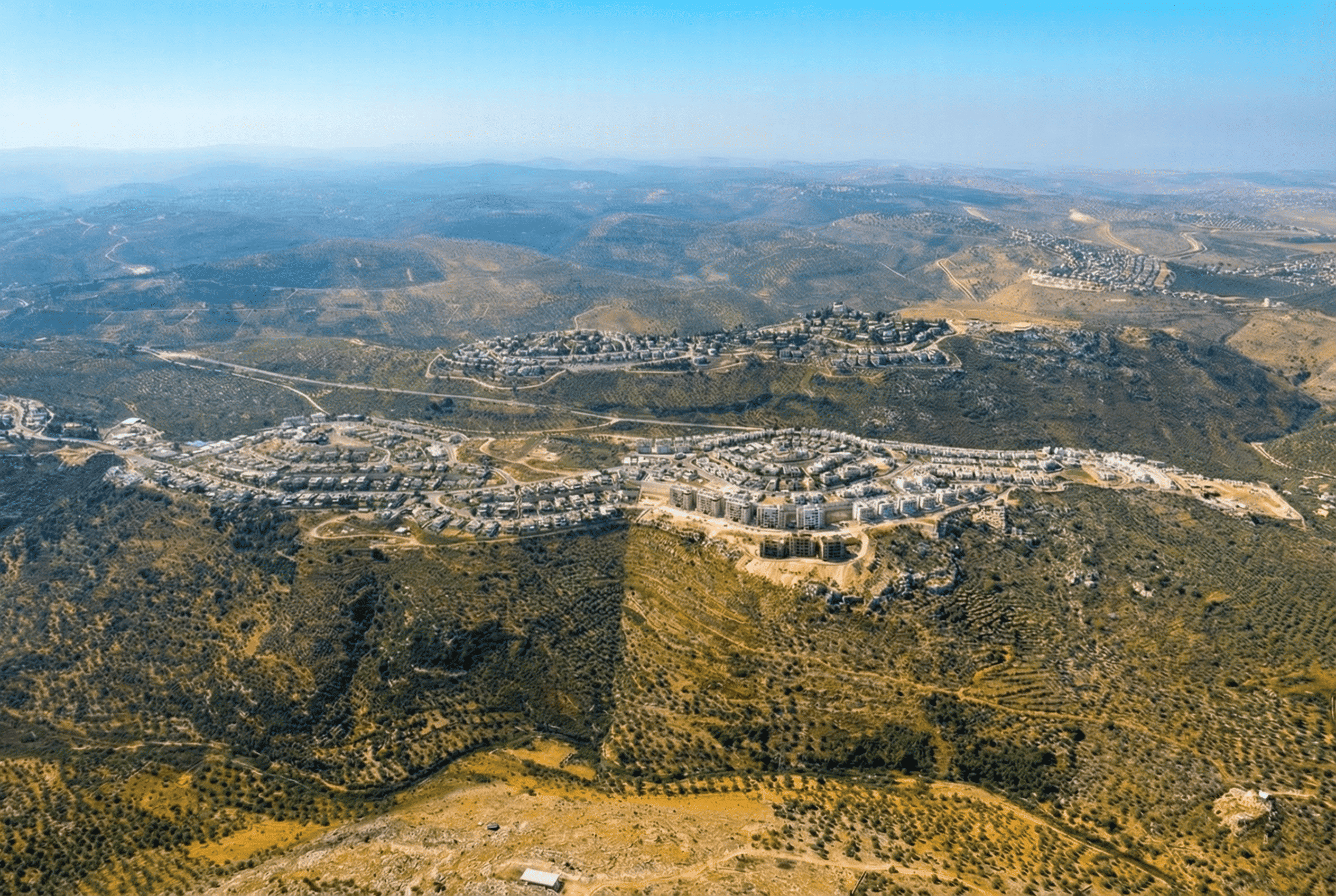
Beersheba, located in Israel's Southern District, is the largest city in the Negev desert and often referred to as the "Capital of the Negev." Its history dates back to biblical times, serving as a significant site for the patriarchs Abraham, Isaac, and Jacob. The modern city was established in the early 20th century by the Ottoman Turks and has since evolved into a major administrative, cultural, and industrial center. Today, Beersheba is home to approximately 209,687 residents, making it one of Israel's largest cities.
DEMOGRAPHICS & FAMILY LIFESTYLE
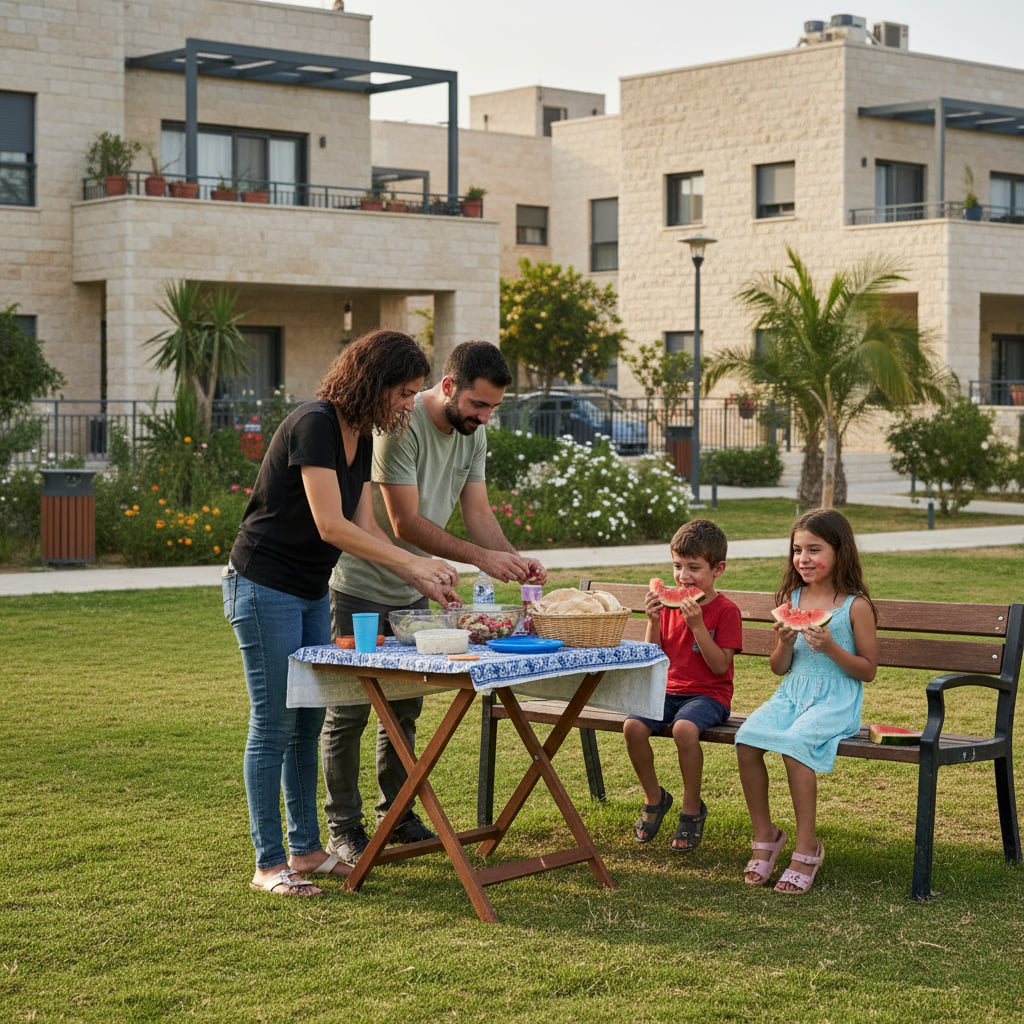
Beersheba's population is a blend of secular and religious communities, encompassing a wide range of ages and family structures. The city has experienced significant growth due to immigration, particularly from the former Soviet Union and Ethiopia, contributing to its demographic landscape. Families with children are prevalent, and the city offers various educational and recreational facilities to support this demographic. The presence of Ben-Gurion University of the Negev also brings a substantial student population, adding to the city's atmosphere.
REAL ESTATE MARKET OVERVIEW
Beersheva's housing stock encompasses a range of properties, from older apartments built in the 1970s–1990s to modern high-rise developments. Entry-level apartments, typically two to three rooms, are found in established neighborhoods and often lack modern amenities. Mid-range options include three- to four-room apartments in better-maintained buildings, some featuring elevators and parking. Newer developments, such as those in the Pisgat Ramot area, offer contemporary designs and facilities.
The city's real estate market is driven by several factors, including the presence of Ben-Gurion University, the CyberSpark national cyber campus, and Soroka Medical Center, all contributing to a steady demand for housing. Property prices in Beersheva are significantly lower than in central Israel, with average apartment values around NIS 1.1–1.3 million, making it an attractive option for investors seeking higher rental yields. The market is characterized by a mix of students, young professionals, and families, ensuring a property environment.
NEIGHBORHOOD BREAKDOWN
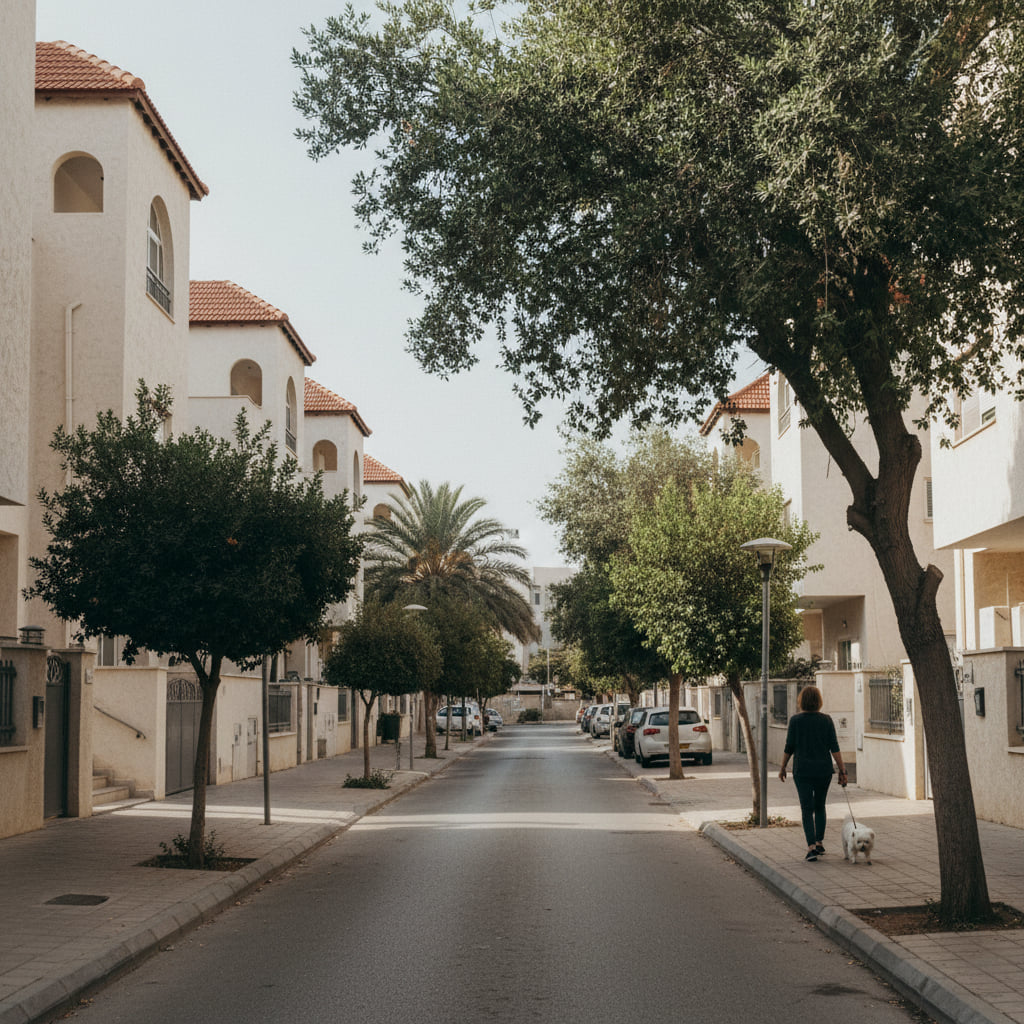
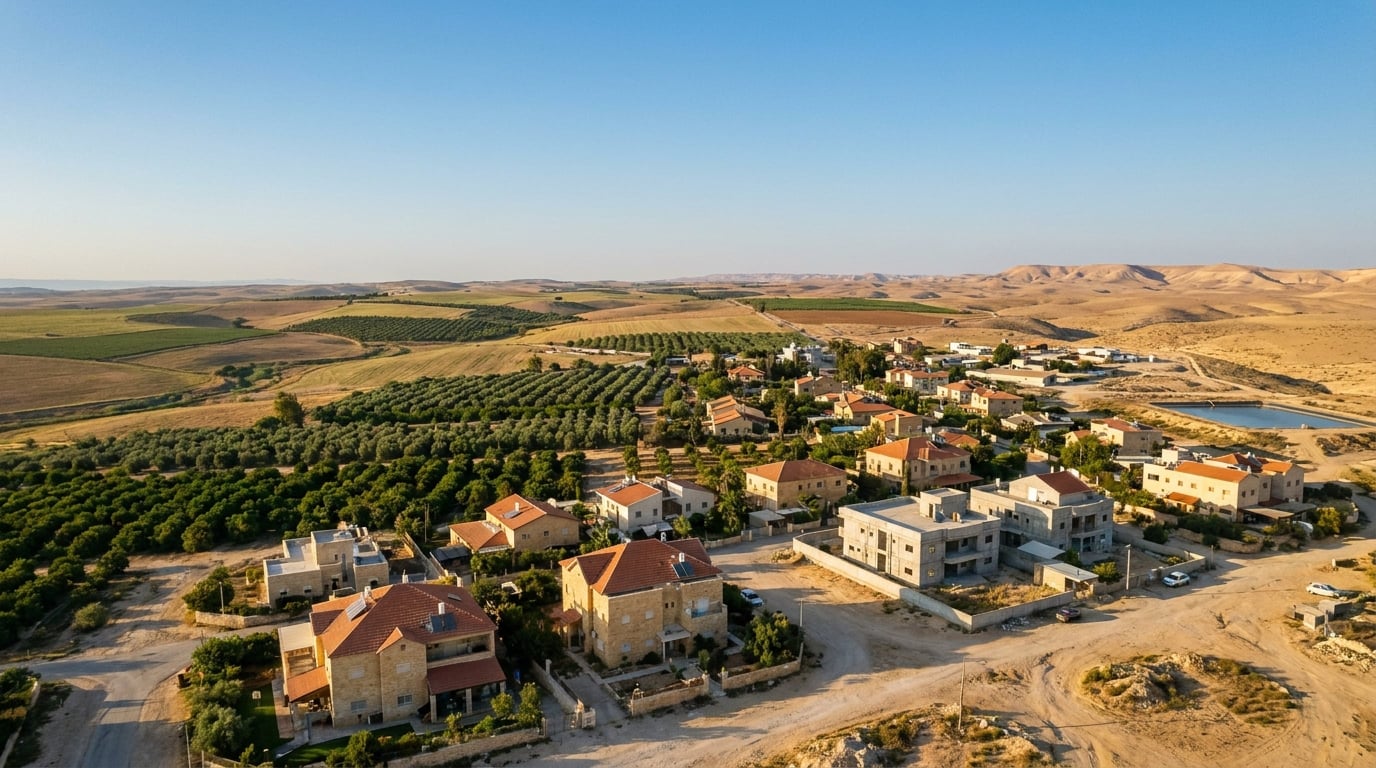
Beersheva is organized into distinct neighborhoods, each offering unique characteristics and amenities. The city has experienced significant development, with new residential areas complementing the established urban fabric. This structured layout provides residents with a variety of living environments, from urban centers to quieter suburban settings.
- Neighborhood G (Gimel): Located adjacent to Ben-Gurion University and Soroka Medical Center, this area features modern residential developments and attracts professionals and students.
- Neve Ze'ev: A planned residential area to the northeast of the city center, known for its family-friendly environment and proximity to major employment centers.
- Ramot: An established middle-class neighborhood with solid rental demand, appealing to postgraduate students, young professionals, and families.
- Neighborhood D (Daled): Offers accessible entry prices and strong undergraduate student rental demand due to its proximity to the university.
- Old City (Ir Atika): The historic Ottoman-era center undergoing significant regeneration, attracting boutique developments and a growing young professional community.
NEW CONSTRUCTION PROJECTS
Beersheba is experiencing significant urban development, with several large-scale projects underway. The HaOrgim Complex, spanning approximately 86 dunams, is set to feature residential towers, office buildings, and commercial spaces, all designed with green construction principles. In the Neot Ilan neighborhood, OM TOWER offers luxury living with premium 4-room apartments ready for immediate occupancy. Additionally, the Shazar Complex in Neighborhood G is undergoing urban renewal, replacing 96 old housing units with approximately 768 new ones, alongside commercial and public facilities. The Taubel plan in the same neighborhood aims to establish 450 rental apartments, commercial spaces, and public institutions, enhancing the area's infrastructure. Furthermore, the Central Park 17 project is set to introduce over 2,300 residential units across 17 towers, transforming the historic Vasermil football stadium site into a urban hub.
TRANSPORTATION & ACCESSIBILITY
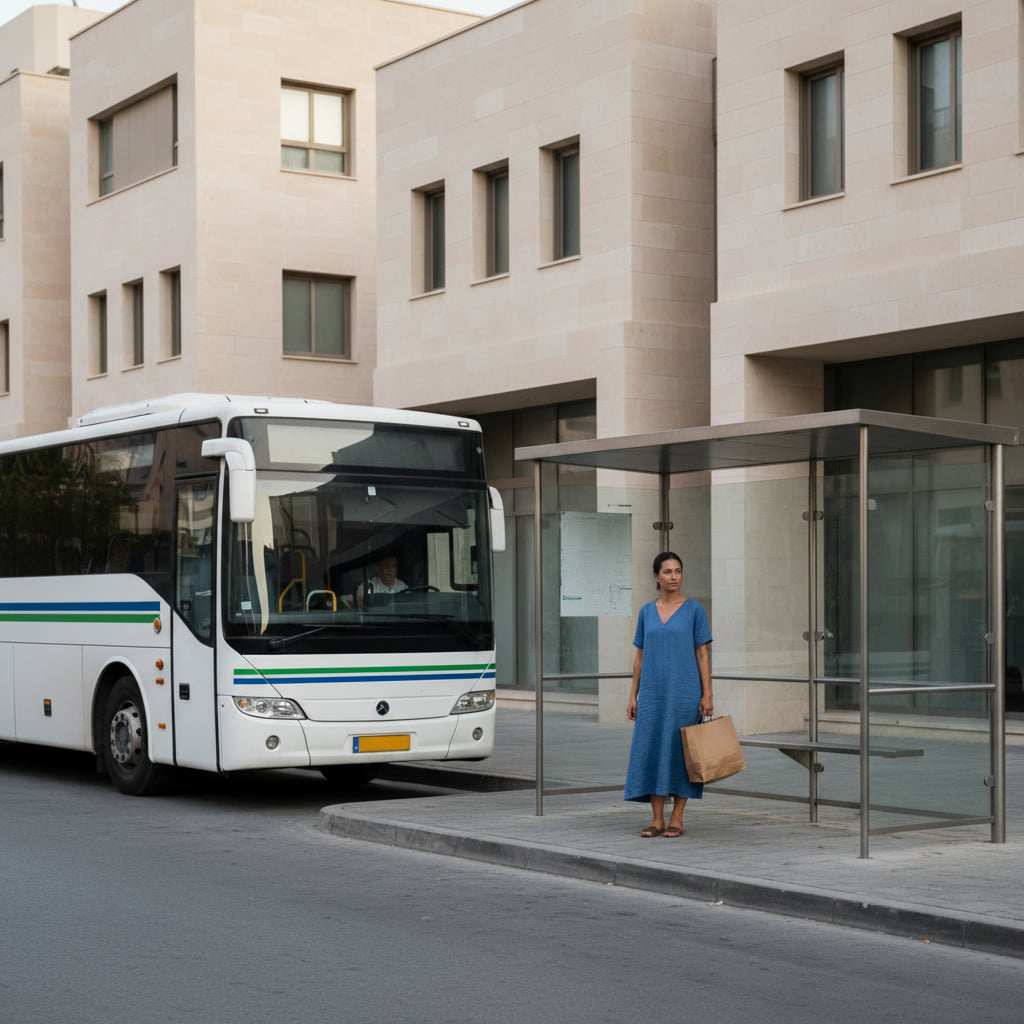
Beersheba serves as a central transportation hub in southern Israel, offering extensive connectivity within the city and to other regions. The city is well-served by a network of bus routes operated by Dan Be'er Sheva, providing reliable public transport options. Additionally, Beersheba is connected to Tel Aviv via Highway 40, facilitating efficient travel between the two cities. The presence of two railway stations, Be'er Sheva North and Be'er Sheva Center, further enhances accessibility, linking residents to major destinations across the country. These transportation infrastructures support the city's growth and integration into the national framework.
WHY NEW IMMIGRANTS CHOOSE BEERSHEVA
New immigrants, or olim, are drawn to Beersheba for several compelling reasons. The city's affordable cost of living compared to central Israel makes it an attractive option for families and individuals starting anew. Its strategic location as a transportation hub provides easy access to other parts of the country. Additionally, Beersheba's commitment to education and research, exemplified by institutions like Ben-Gurion University, offers ample opportunities for academic and professional growth. The city's supportive community networks and cultural diversity further ease the integration process for newcomers.
- Affordable housing options
- Strong educational institutions
- Accessible transportation links
- Supportive community networks
- Cultural environment