CITY HISTORY & DEVELOPMENT
Shitim was established in 1984 as a Nahal settlement in the Arabah valley of southern Israel. Initially, it served as a base for soldiers transitioning from combat roles, who contributed to agricultural work in nearby kibbutzim. In the early 1990s, changes in military assignments led to disruptions, and by 1997, the site was abandoned by the IDF and transferred to Kibbutz Ketura. Attempts to establish a civilian village were unsuccessful, leading to the settlement's dismantling. In 2002, followers of Rajneesh founded a guesthouse named 'Ashram BaMidbar' (Ashram in the Desert) on the site, effectively re-establishing the village.
DEMOGRAPHICS & FAMILY LIFESTYLE
Shitim is a small community settlement under the jurisdiction of the Hevel Eilot Regional Council. It had a population of four residents. The community is centered around the Ashram BaMidbar, which serves as both a guesthouse and a spiritual retreat. The lifestyle is communal, with residents and visitors participating in various workshops and activities focused on personal growth and spirituality.
REAL ESTATE MARKET OVERVIEW
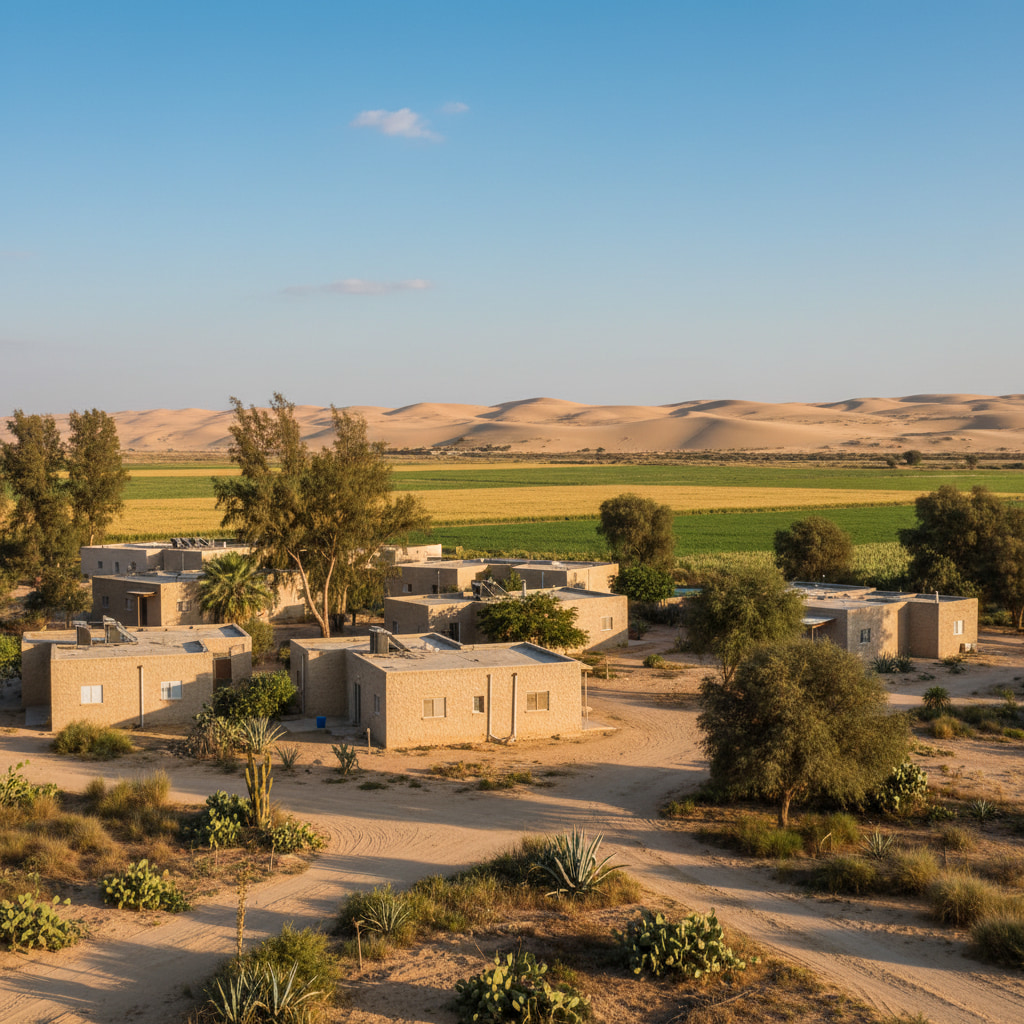
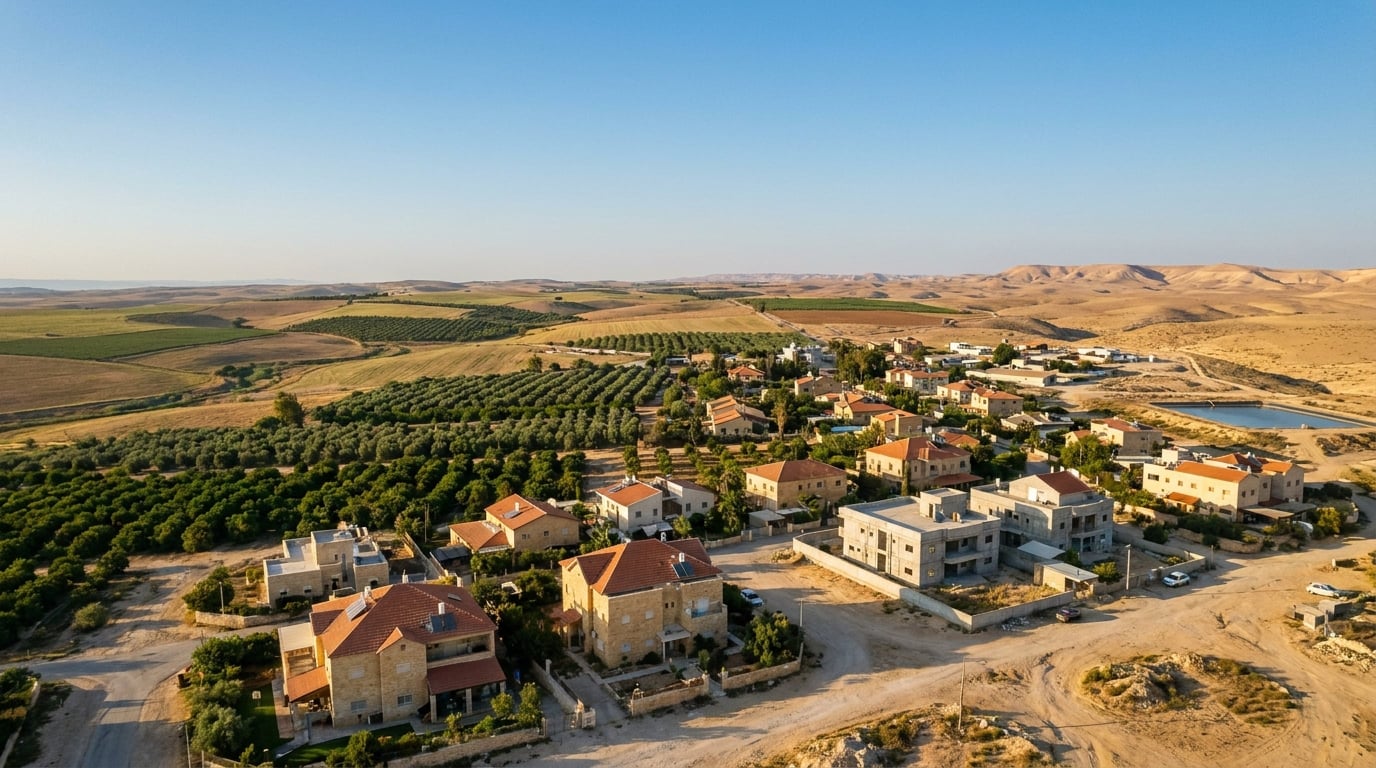
Shitim's housing primarily consists of modest, single-story structures that blend with the surrounding desert landscape. These buildings are designed to accommodate both permanent residents and visitors participating in the community's spiritual retreats. The architecture emphasizes simplicity and functionality, reflecting the community's focus on communal living and personal development. The real estate market in Shitim is characterized by its niche appeal, attracting individuals seeking a unique, spiritually oriented lifestyle. Demand is driven by those interested in the offerings of the Ashram BaMidbar and the serene desert environment. Property transactions are infrequent, and the market is relatively illiquid, with prices reflecting the specialized nature of the community rather than broader regional trends. Shitim is a compact community centered around the Ashram BaMidbar, without distinct neighborhoods or subdivisions. The layout fosters a close-knit atmosphere, with communal spaces and residences situated in proximity to facilitate shared activities and interactions among residents and guests. Given its small size and unified purpose, Shitim does not have named neighborhoods or sub-areas. The entire community functions as a single entity, emphasizing collective experiences and communal living.
NEW CONSTRUCTION PROJECTS
Shitim, a small kibbutz in the Arabah valley, is centered around the Ashram BaMidbar, a guesthouse and spiritual retreat established in 2002. The community focuses on maintaining and enhancing the facilities of the ashram to support its various workshops and activities. While there are no major new construction projects underway, the kibbutz continues to develop its existing infrastructure to accommodate visitors and residents engaged in communal living and personal development.
TRANSPORTATION & ACCESSIBILITY
Transportation to Shitim is primarily facilitated by regional bus services connecting the kibbutz to Eilat, the nearest major city. These bus routes provide access to essential services and amenities available in Eilat. The journey offers scenic views of the desert landscape, reflecting the remote and tranquil setting of the kibbutz.
WHY NEW IMMIGRANTS CHOOSE SHITIM
Olim are drawn to Shitim for its unique spiritual environment and the opportunity to engage in communal living. The presence of the Ashram BaMidbar offers a serene setting for personal development, attracting those interested in alternative lifestyles. Additionally, the community's location in the tranquil Arabah valley provides a peaceful retreat from urban life.
- Spiritual retreat at Ashram BaMidbar
- Engagement in communal living
- Serene desert environment
- Opportunities for personal development
- Escape from urban life