CITY HISTORY & DEVELOPMENT
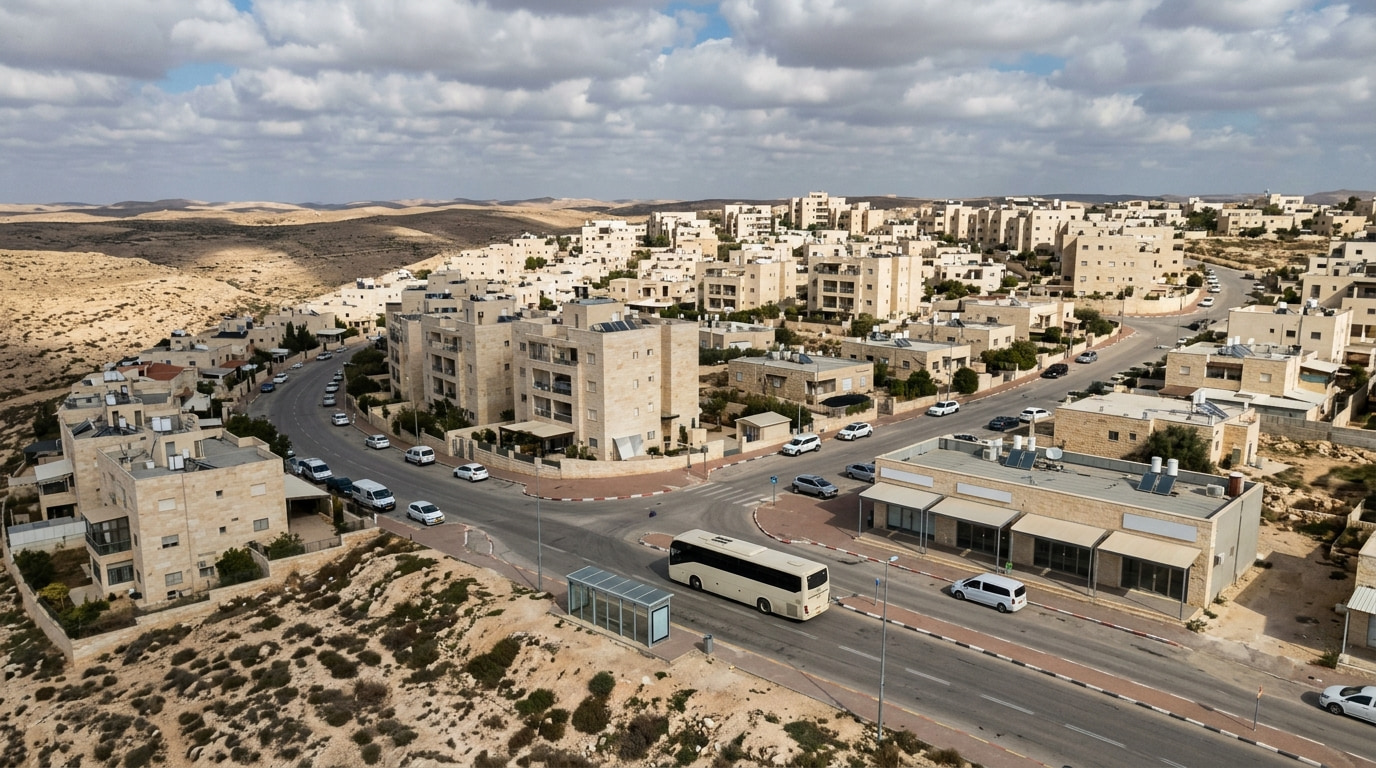
Tifrah is a religious moshav in southern Israel, established in 1950 by Jewish immigrants from Hungary, Czechoslovakia, Transylvania, and North Africa. Located in the north-western Negev desert, it spans approximately 5,000 dunams and falls under the jurisdiction of the Merhavim Regional Council. The name 'Tifrah' is derived from the Book of Isaiah 35:2, symbolizing blossoming and joy.
DEMOGRAPHICS & FAMILY LIFESTYLE
The moshav is home to around 2,231 residents, predominantly adhering to a religious lifestyle. The community comprises approximately 54.6% children aged 0-18, 40.9% adults aged 19-64, and 4.6% seniors aged 65 and above. This demographic distribution reflects a family-oriented environment with a significant emphasis on religious education and traditional values.
REAL ESTATE MARKET OVERVIEW
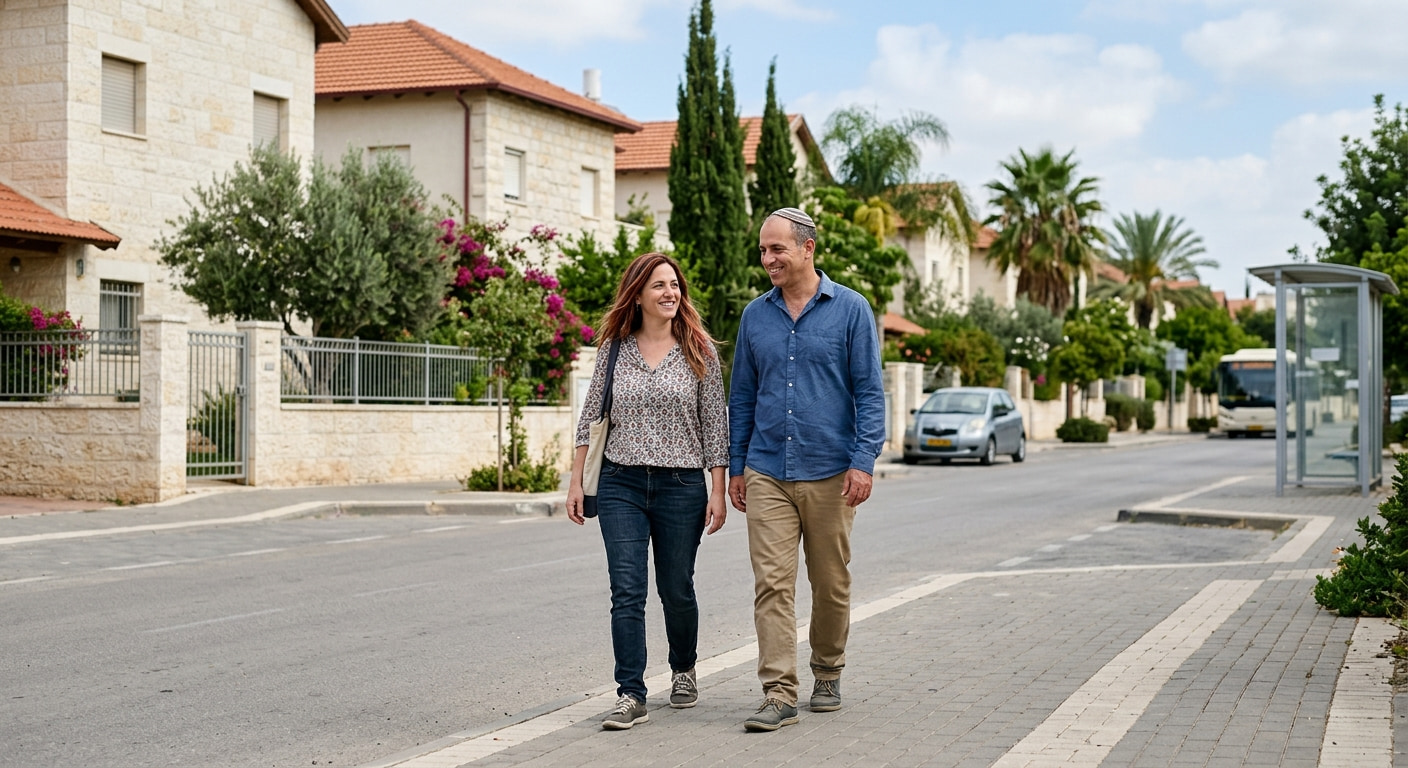
Tifrah's housing stock primarily consists of single-family homes situated on spacious plots, reflecting its origins as a moshav established in 1950. The residences are a mix of original structures from the mid-20th century and newer constructions that accommodate the growing community. The architectural style is modest, emphasizing functionality and community cohesion.
The real estate market in Tifrah is characterized by stable demand, driven by families seeking a religious and community-oriented lifestyle. Housing prices are generally more affordable compared to urban centers, making it an attractive option for those looking to settle in the Southern District. The market experiences moderate liquidity, with properties typically remaining on the market for a reasonable duration before being sold.
NEIGHBORHOOD BREAKDOWN
Tifrah is a compact community without distinct neighborhoods, fostering a close-knit environment. The moshav's layout is designed to promote communal interaction, with residential areas centered around shared facilities such as synagogues, educational institutions, and community centers.
NEW CONSTRUCTION PROJECTS
Tifrah, a religious moshav in southern Israel, has been experiencing steady development to accommodate its growing population. The community has been expanding its residential areas, adding new homes and plots to meet the needs of families seeking a traditional lifestyle. These developments are designed to integrate seamlessly with the existing infrastructure, preserving the moshav's character while providing modern amenities. Additionally, enhancements to communal facilities, such as educational institutions and religious centers, are underway to support the community's emphasis on education and religious values.
TRANSPORTATION & ACCESSIBILITY
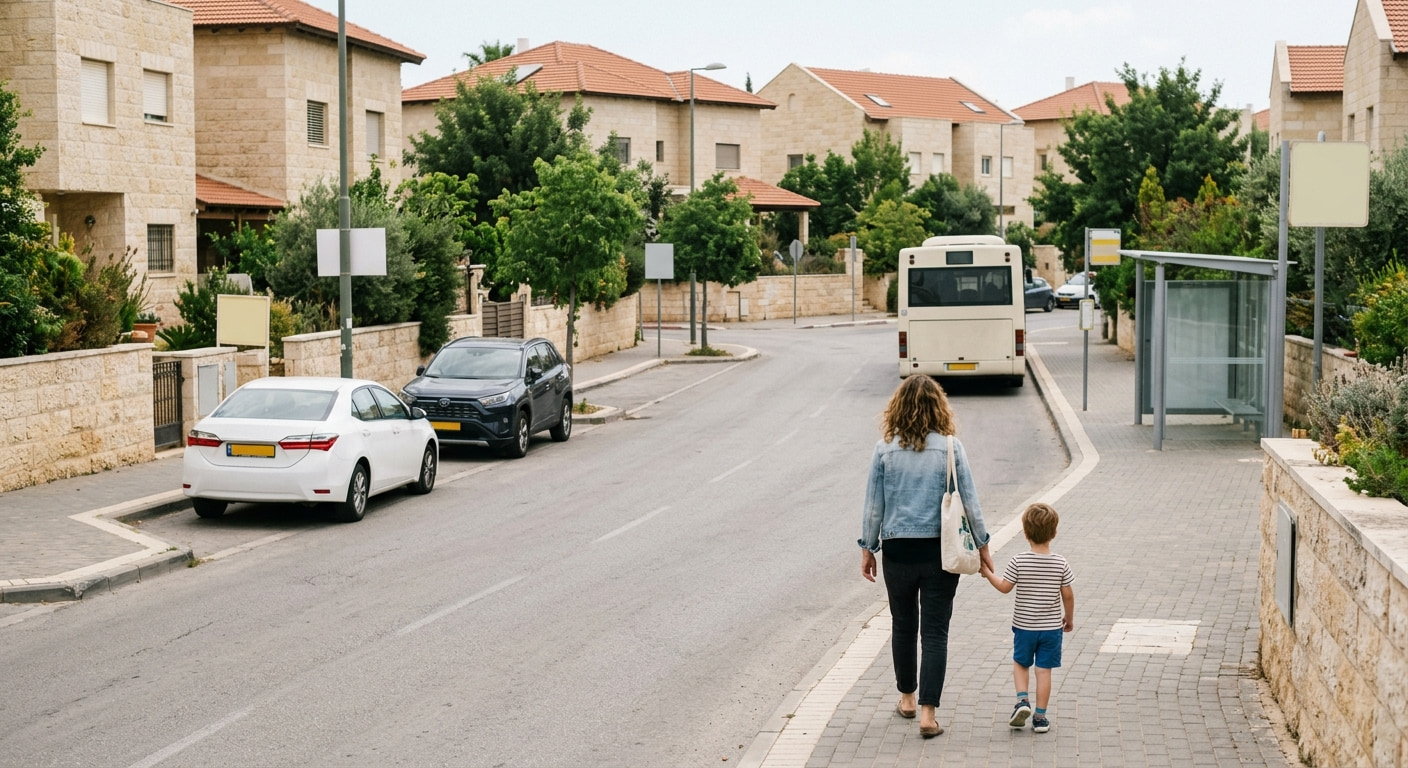
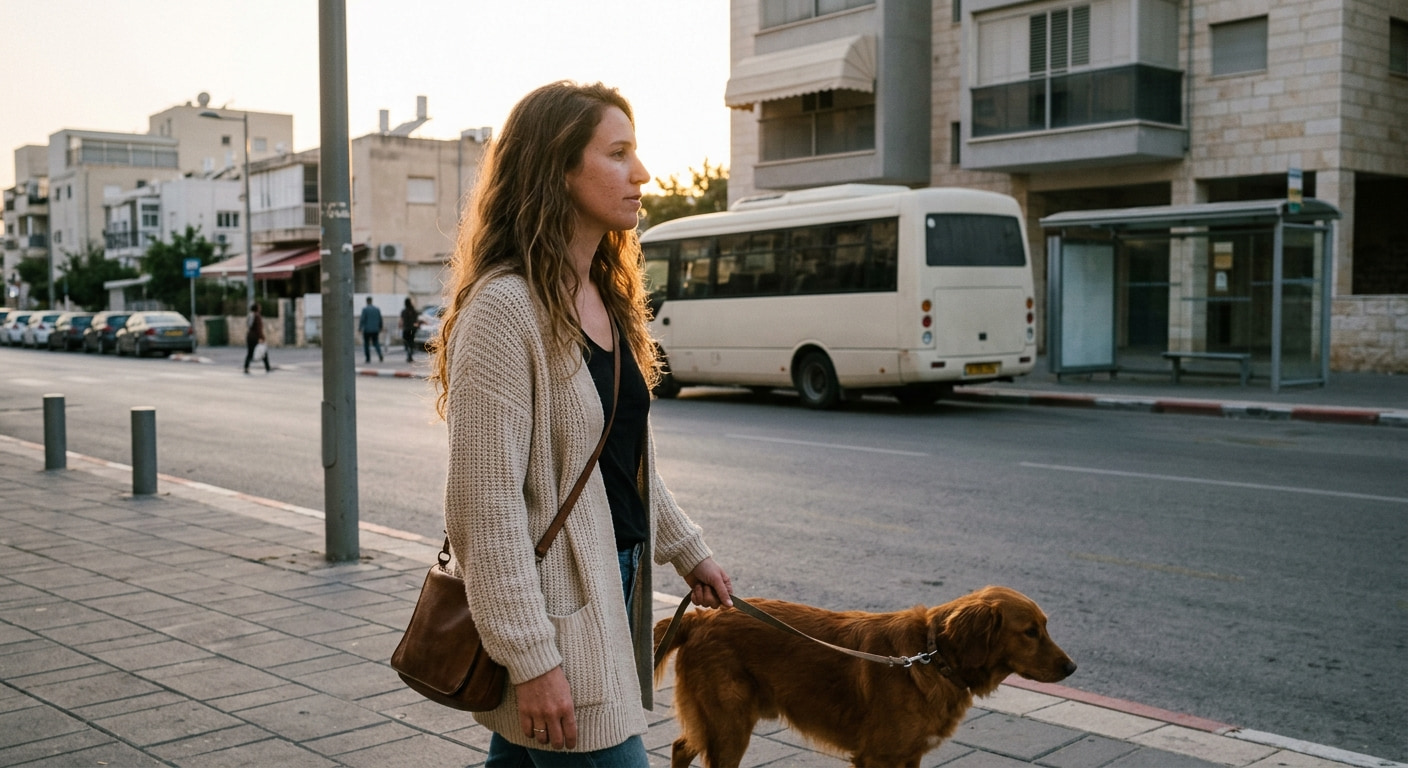
Tifrah's location in the north-western Negev desert offers residents convenient access to nearby urban centers. The moshav is situated near major transportation routes, facilitating travel to and from Netivot, the closest regional hub, and Be'er Sheva, a larger city offering a wider range of services and employment opportunities. Public transportation options, including bus services operated by companies such as Egged, connect Tifrah to these cities, enabling residents to commute for work, education, and other needs. The community's strategic location ensures that, despite its rural setting, residents can easily access urban amenities and services.
WHY NEW IMMIGRANTS CHOOSE TIFRAH
New immigrants are drawn to Tifrah for its strong religious community, affordable housing options, and proximity to larger cities like Netivot and Be'er Sheva. The moshav offers essential community services, including synagogues, a mikveh, and educational institutions, fostering a supportive environment for families seeking a traditional lifestyle.
- Strong religious community with shared values
- Affordable housing options
- Proximity to Netivot and Be'er Sheva
- Comprehensive community services and facilities
- Family-friendly environment emphasizing education