CITY HISTORY & DEVELOPMENT
Yad Mordechai, a kibbutz in southern Israel, was established in 1943 by members of the Hashomer Hatzair movement from Poland. Originally founded as Mitzpe Yam near Netanya the community relocated to its current site near Ashkelon and was renamed in honor of Mordechai Anielewicz, leader of the Warsaw Ghetto Uprising. During the 1948 Arab-Israeli War, the kibbutz withstood a significant attack by Egyptian forces, a testament to its resilience. Today, Yad Mordechai is known for its agricultural enterprises and historical significance.
DEMOGRAPHICS & FAMILY LIFESTYLE
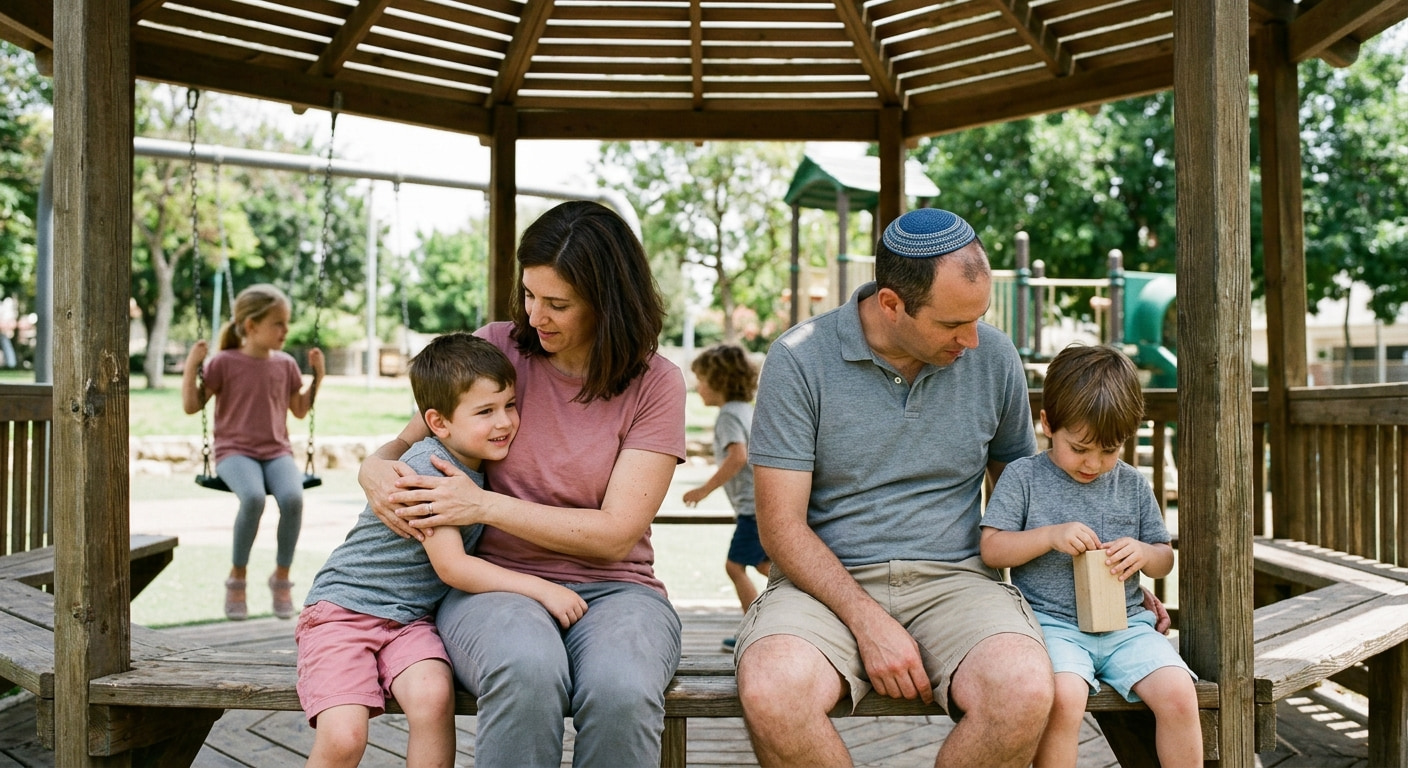
Yad Mordechai is home to approximately 792 residents, comprising 427 males and 365 females. The community includes 194 children aged 0-14, 430 individuals aged 15-64, and 168 residents aged 65 and above. The kibbutz operates as a 'renewed kibbutz,' balancing traditional communal values with modern economic practices. Residents engage in various agricultural activities, including honey production, orchards, and poultry farming, contributing to a lifestyle.
REAL ESTATE MARKET OVERVIEW
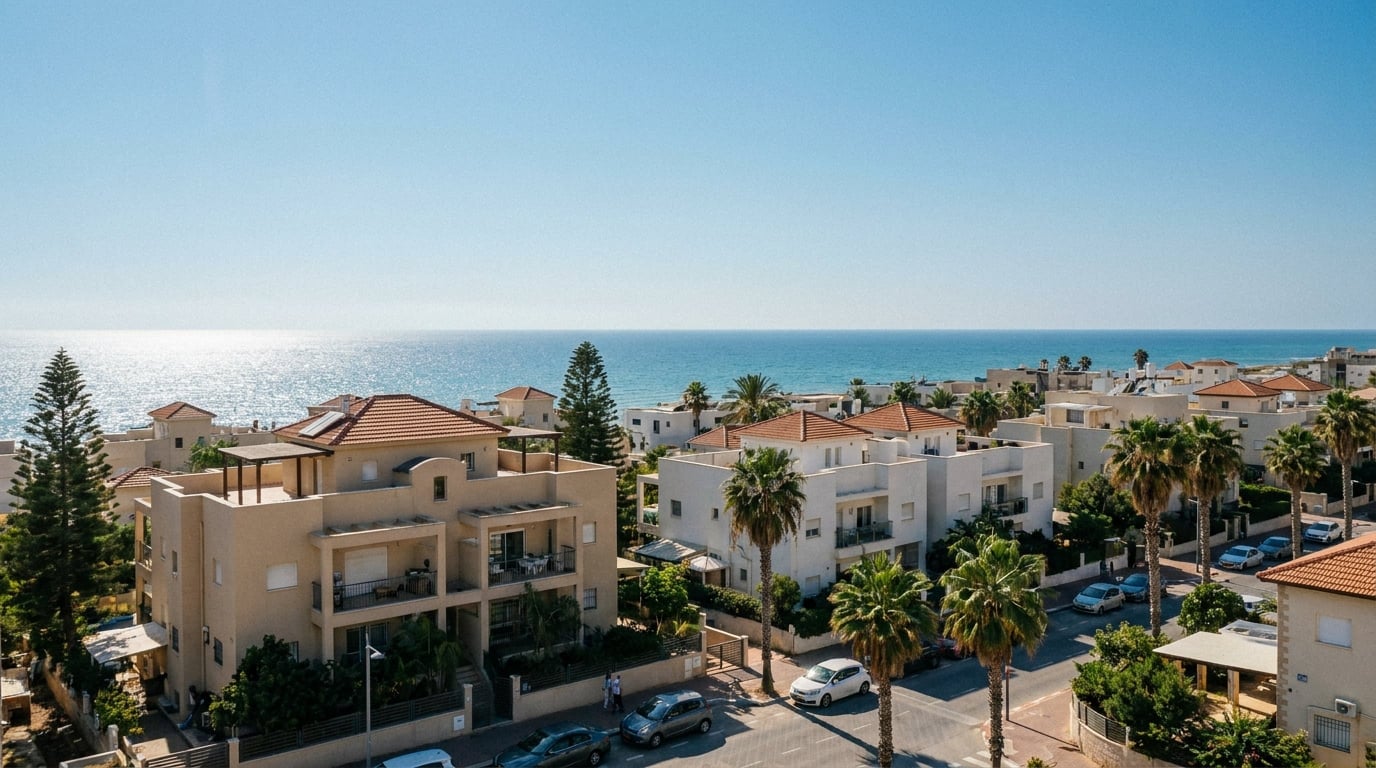
Yad Mordechai's housing primarily consists of single-family homes and apartments, reflecting its evolution from a traditional kibbutz to a 'renewed kibbutz' model. The residences are typically modest in size, designed to accommodate the community-oriented lifestyle. Many homes were constructed during the mid-20th century, with subsequent renovations and expansions to meet modern living standards.
The real estate market in Yad Mordechai is characterized by stable demand, driven by its supportive community environment and proximity to Ashkelon. Housing prices are generally more affordable compared to urban centers, appealing to families and individuals seeking a balance between rural tranquility and access to city amenities. The market exhibits moderate liquidity, with properties often changing hands within the community or to newcomers attracted by the kibbutz's lifestyle.
NEIGHBORHOOD BREAKDOWN
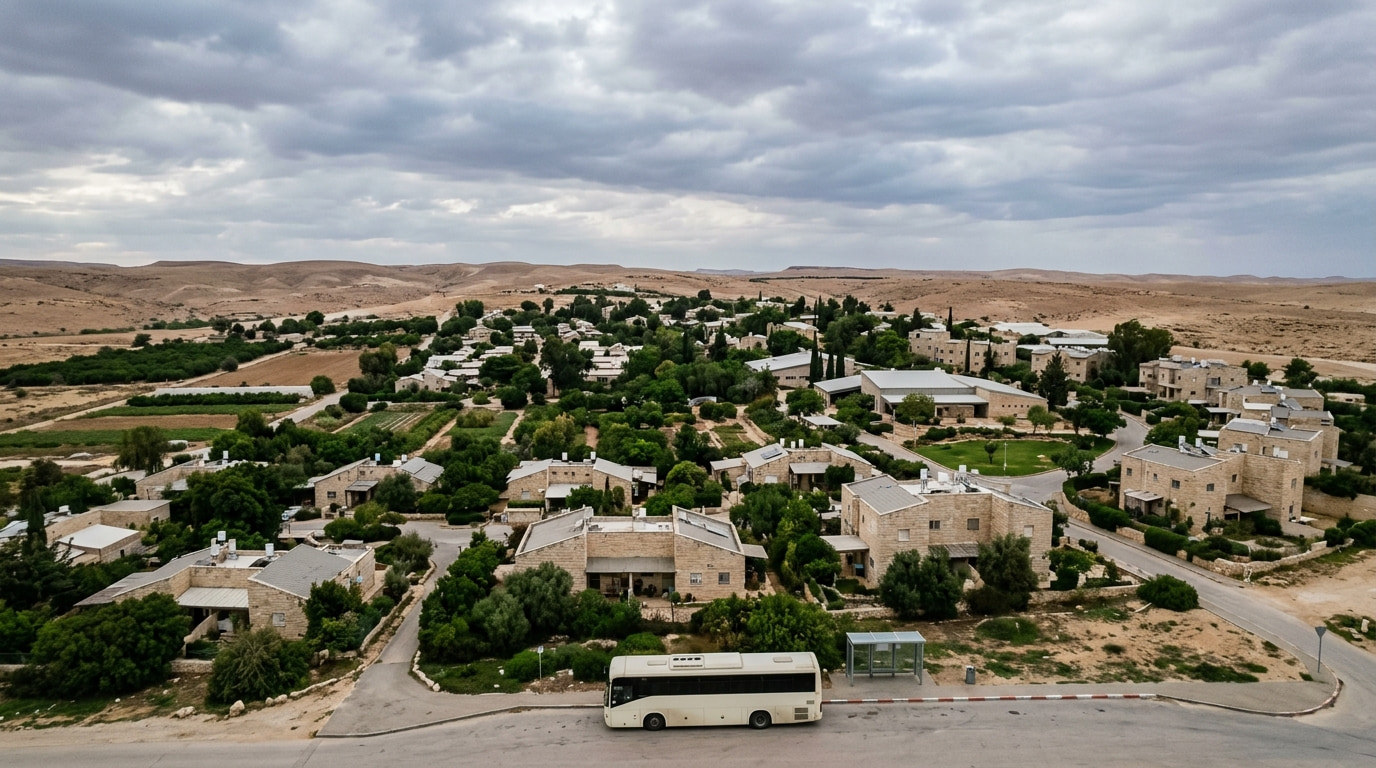
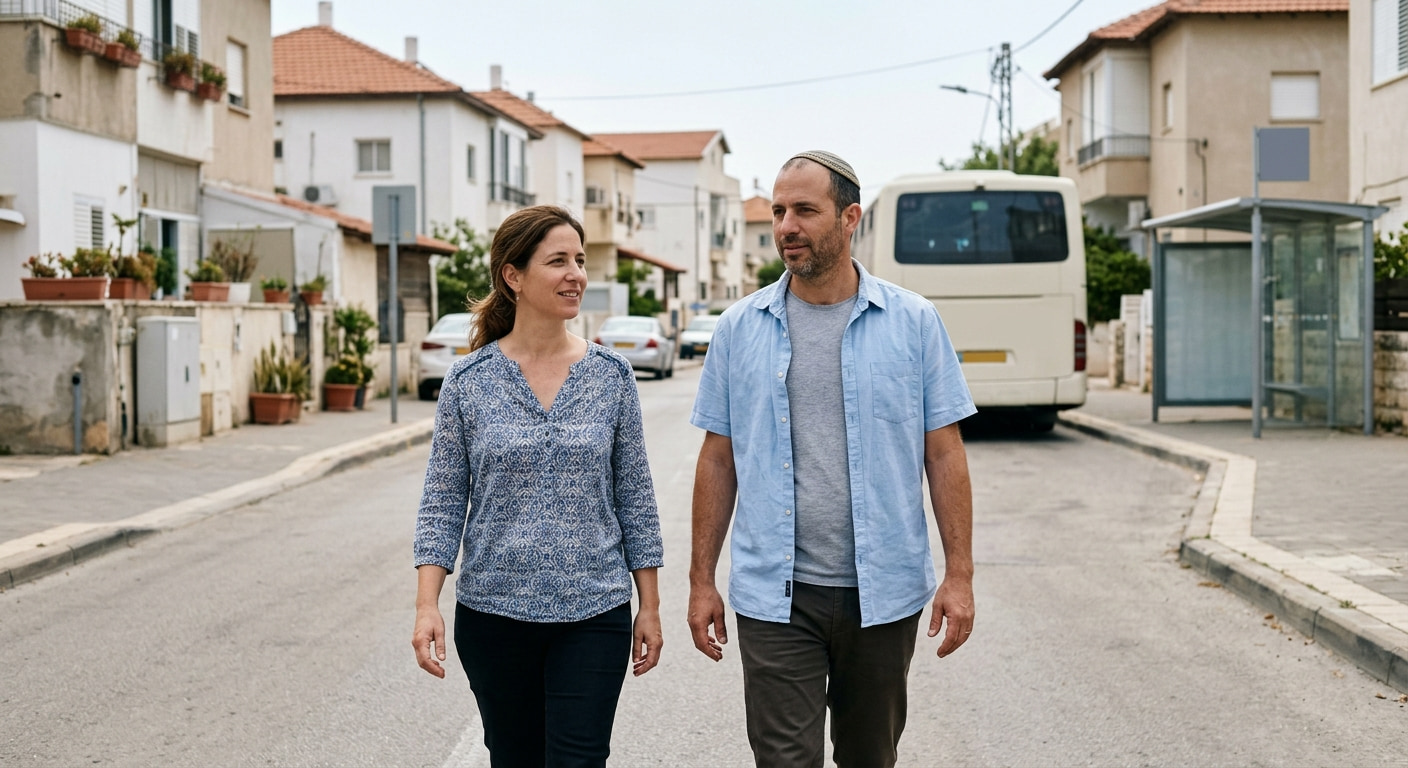
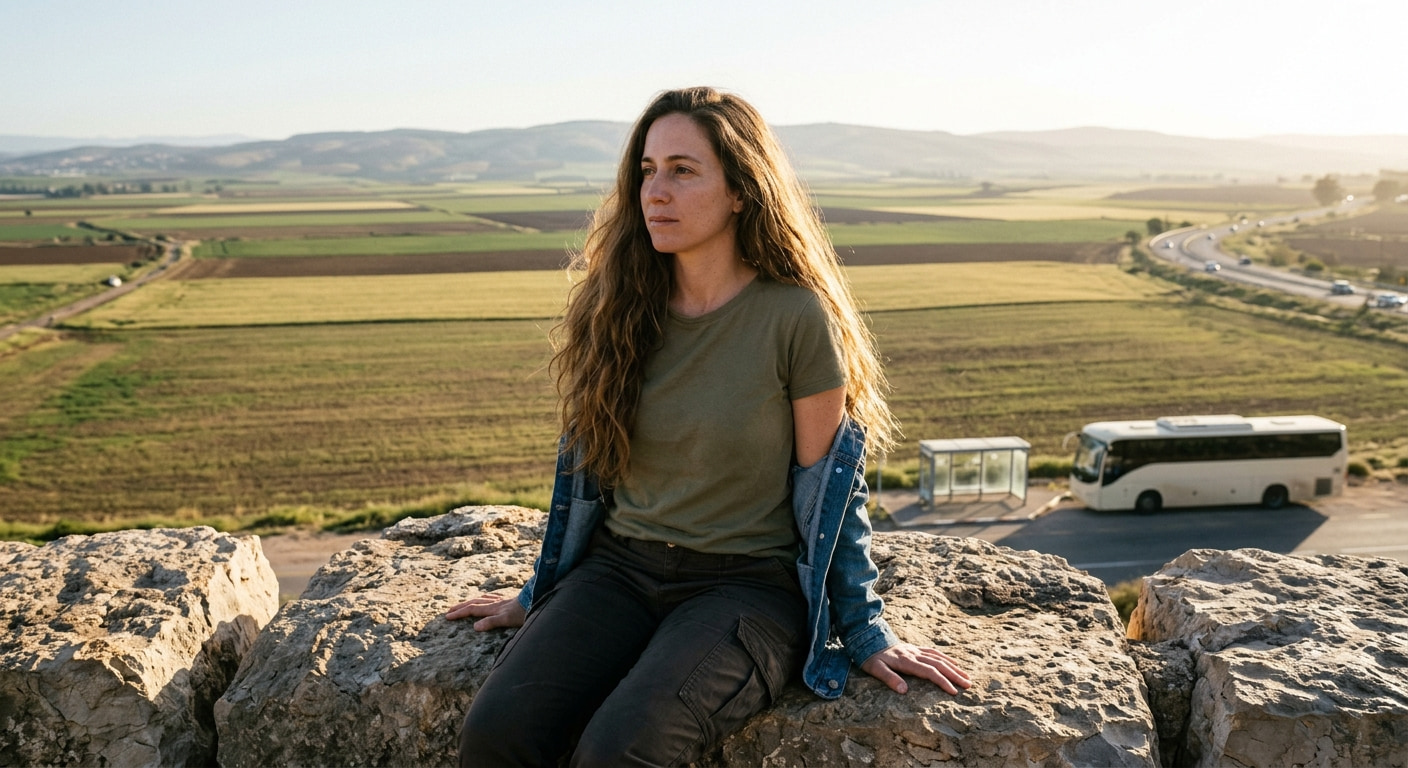
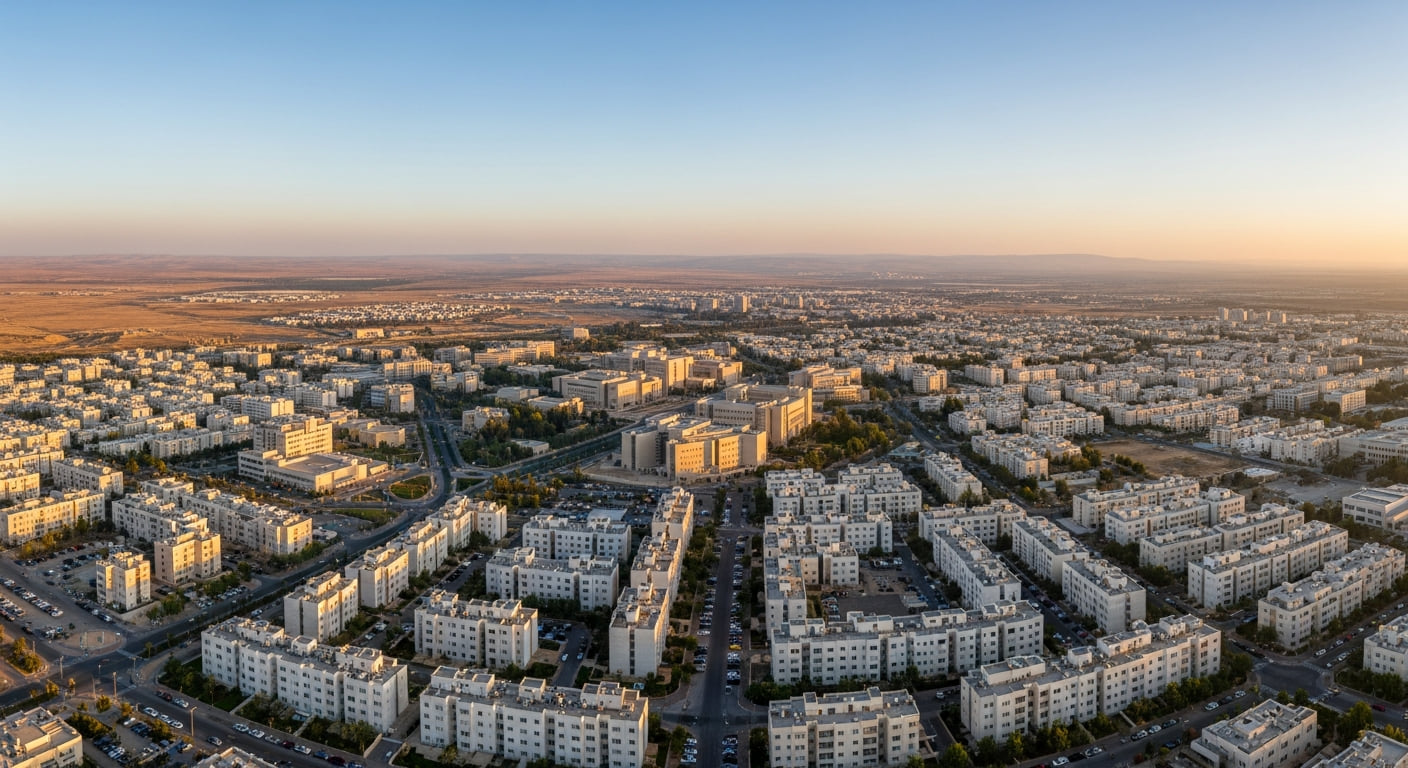
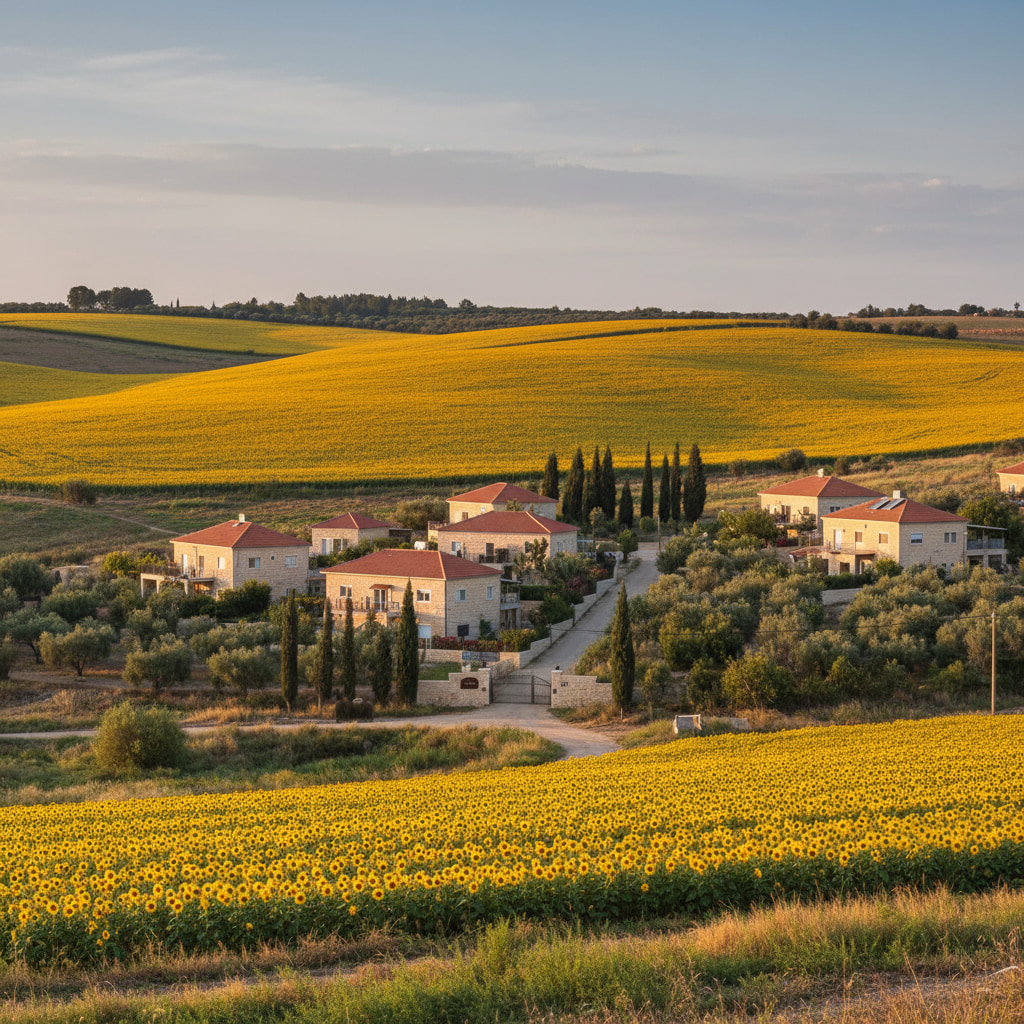
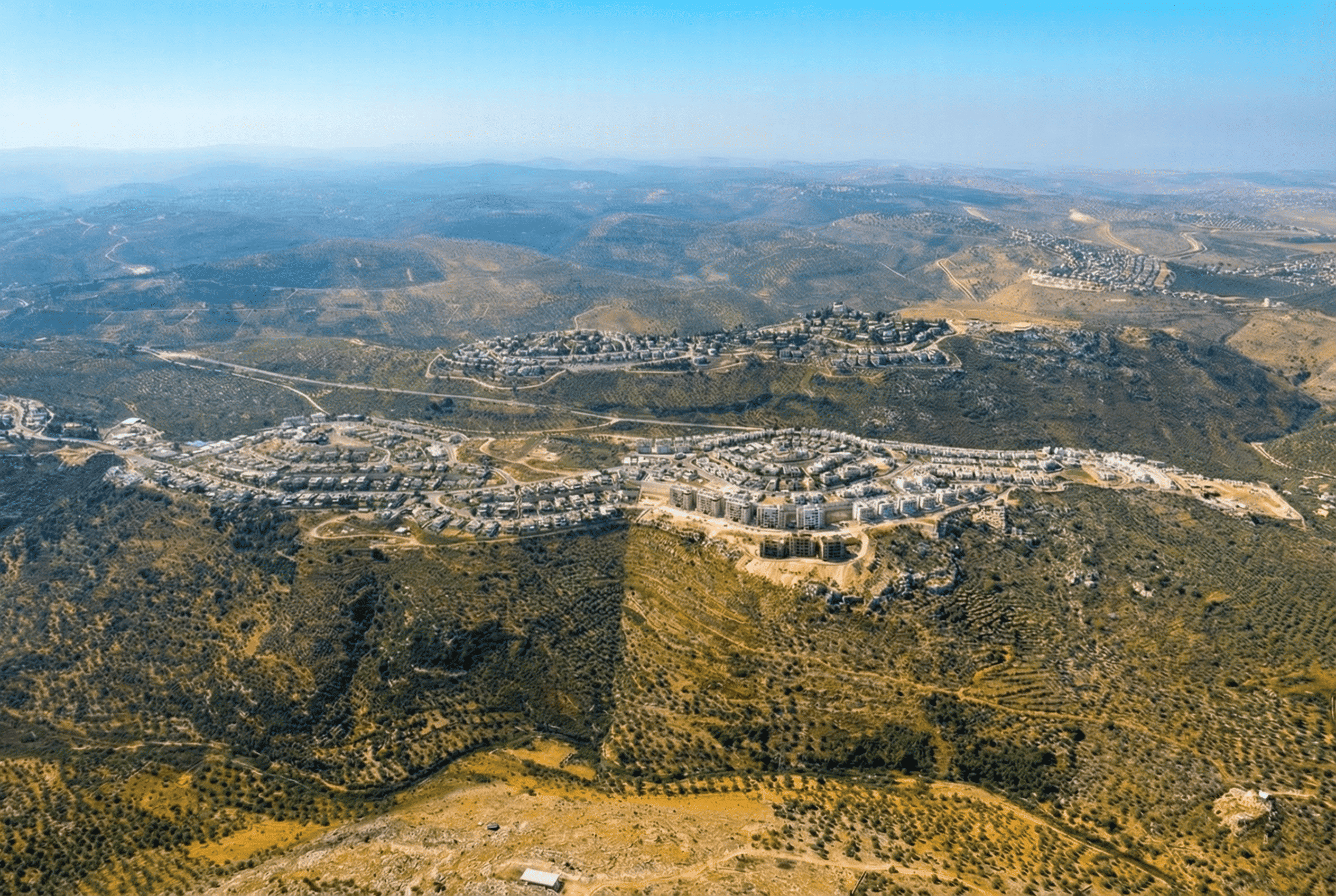
Yad Mordechai is a compact community without distinct neighborhoods, centered around communal facilities such as the dining hall, educational institutions, and cultural centers. The layout fosters close-knit interactions among residents, with residential areas interspersed with agricultural fields and green spaces, reflecting the kibbutz's agricultural heritage.
NEW CONSTRUCTION PROJECTS
Yad Mordechai is actively pursuing development initiatives to enhance its infrastructure and accommodate new members. Plans include upgrading existing facilities and establishing new residential neighborhoods to support community growth. These efforts aim to strengthen the kibbutz and the surrounding region, fostering an environment for current and future residents.
TRANSPORTATION & ACCESSIBILITY
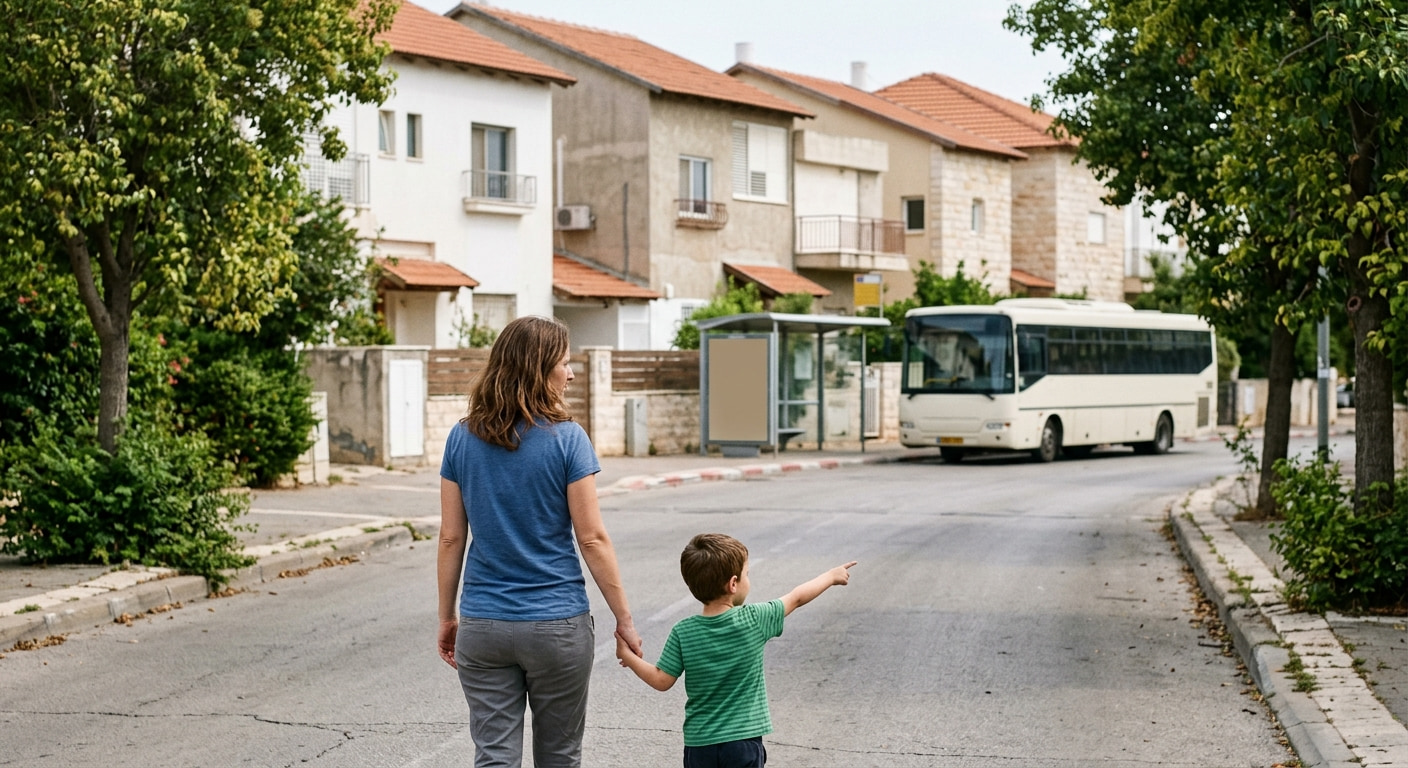
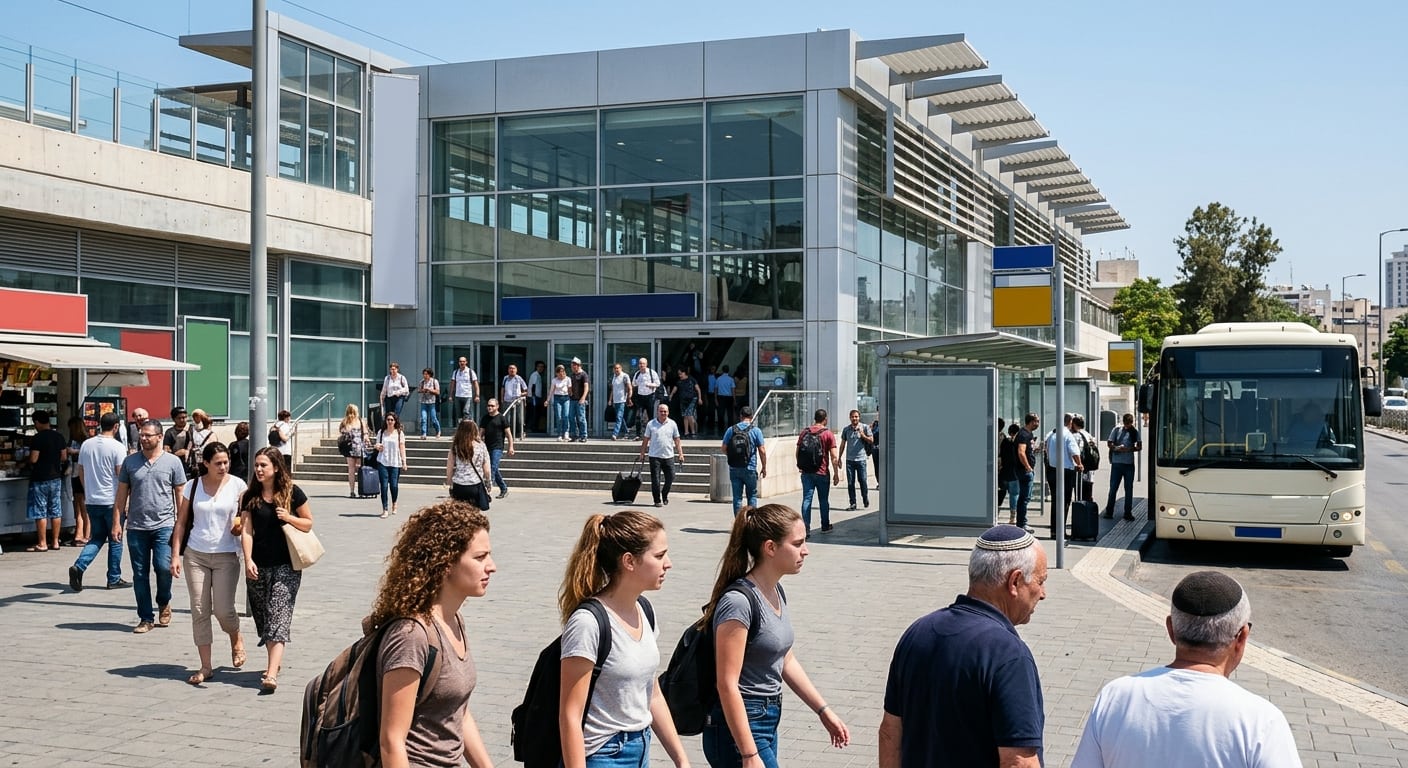
Transportation to and from Yad Mordechai is facilitated by several bus routes connecting the kibbutz to nearby cities and regions. Bus lines such as 20, 36, 136, 347, 363, and 364 provide access to and from Ashkelon, the closest major city. The kibbutz is also accessible via major highways, ensuring convenient travel for residents and visitors alike.
WHY NEW IMMIGRANTS CHOOSE YAD MORDECHAI
New immigrants are drawn to Yad Mordechai for its supportive community environment, which facilitates integration into Israeli society. The kibbutz's proximity to Ashkelon offers access to urban amenities while maintaining a peaceful rural setting. Affordable housing options and employment opportunities in agriculture and local industries make it an attractive destination for those seeking a balanced lifestyle.
- Supportive community environment for integration
- Proximity to Ashkelon with urban amenities
- Affordable housing options
- Employment opportunities in agriculture and local industries
- Peaceful rural setting