CITY HISTORY & DEVELOPMENT
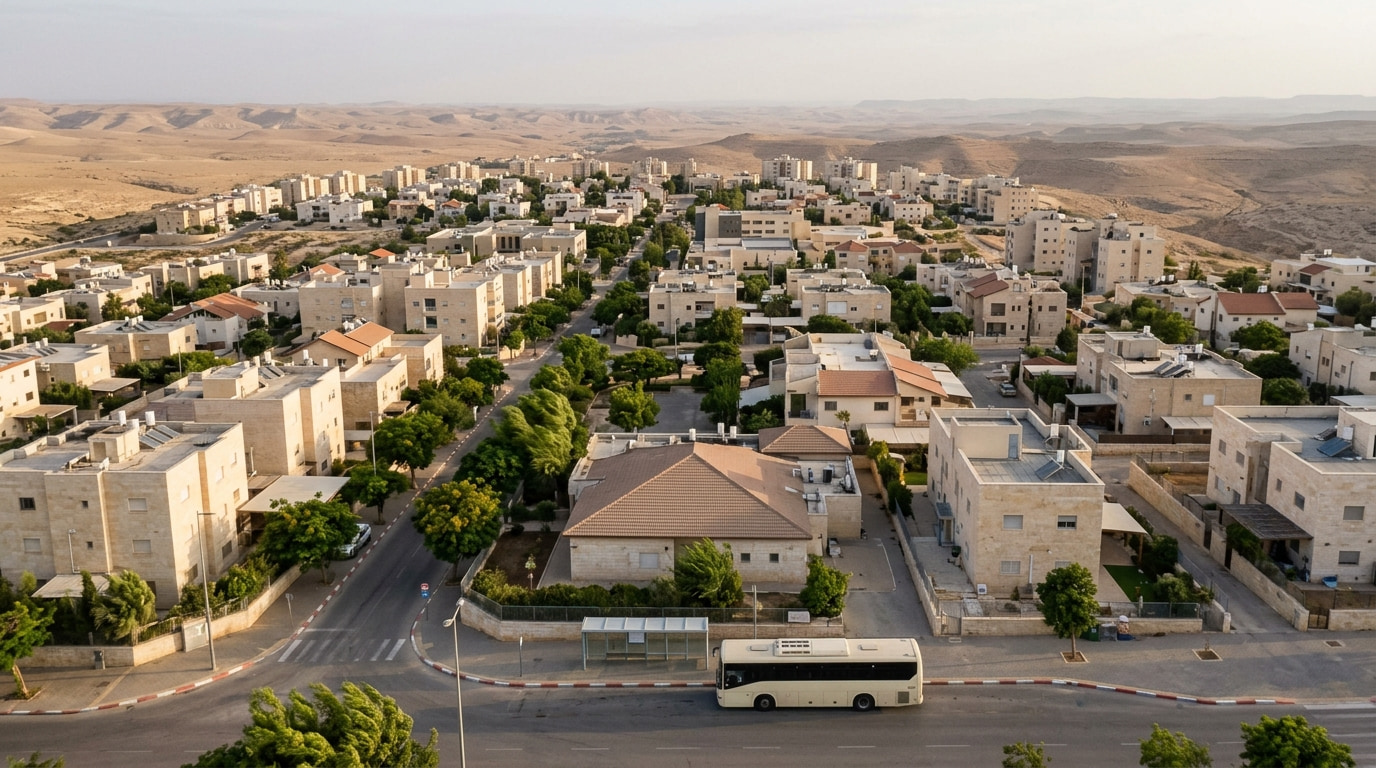
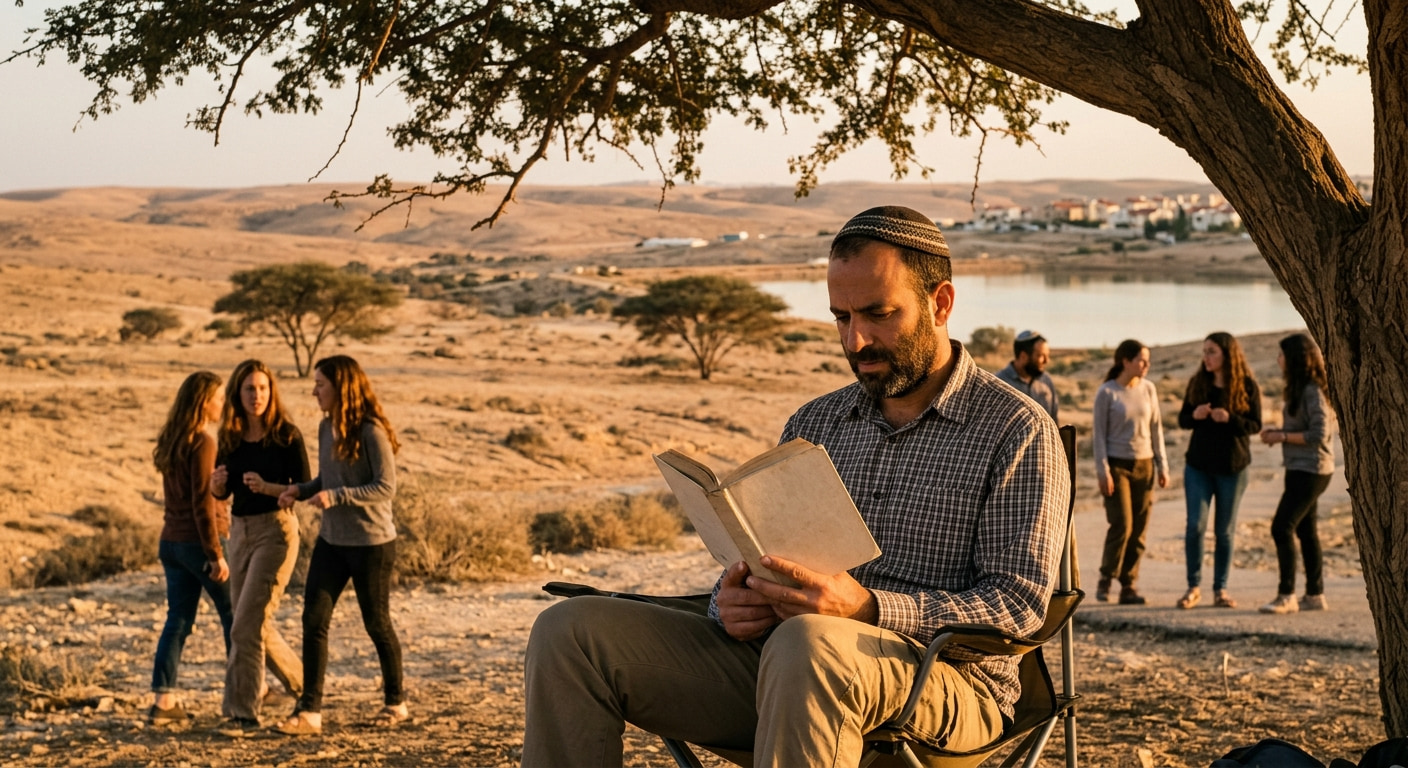
Yeruham, established on January 9, 1951, as Kfar Yeruham, was among Israel's first development towns, strategically positioned in the Negev desert to bolster frontier settlement. Initially settled by immigrants from Romania, including Holocaust survivors, it later welcomed newcomers from North Africa, Iran, India, and the former Soviet Union. Over the years, Yeruham has evolved into a community, with ongoing efforts to enhance its infrastructure and quality of life.
DEMOGRAPHICS & FAMILY LIFESTYLE
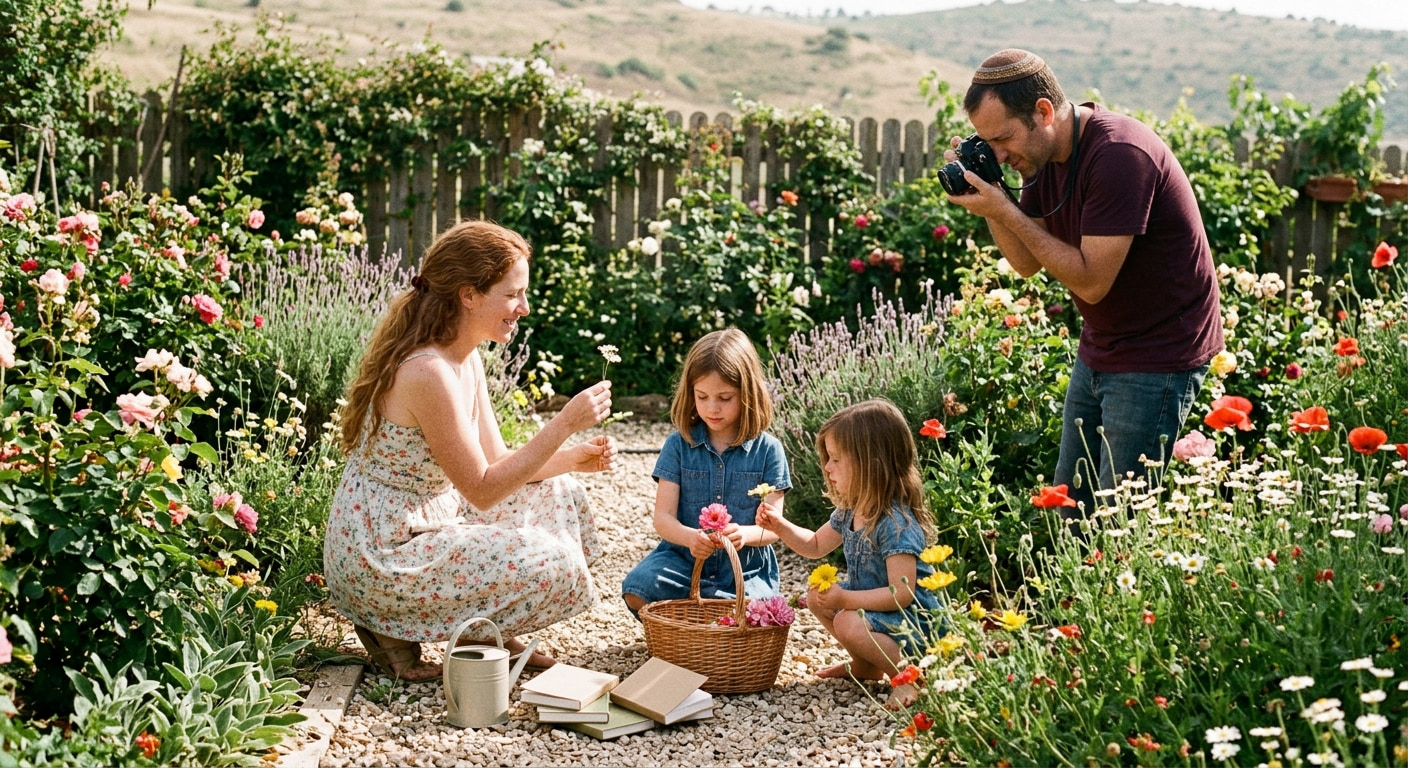
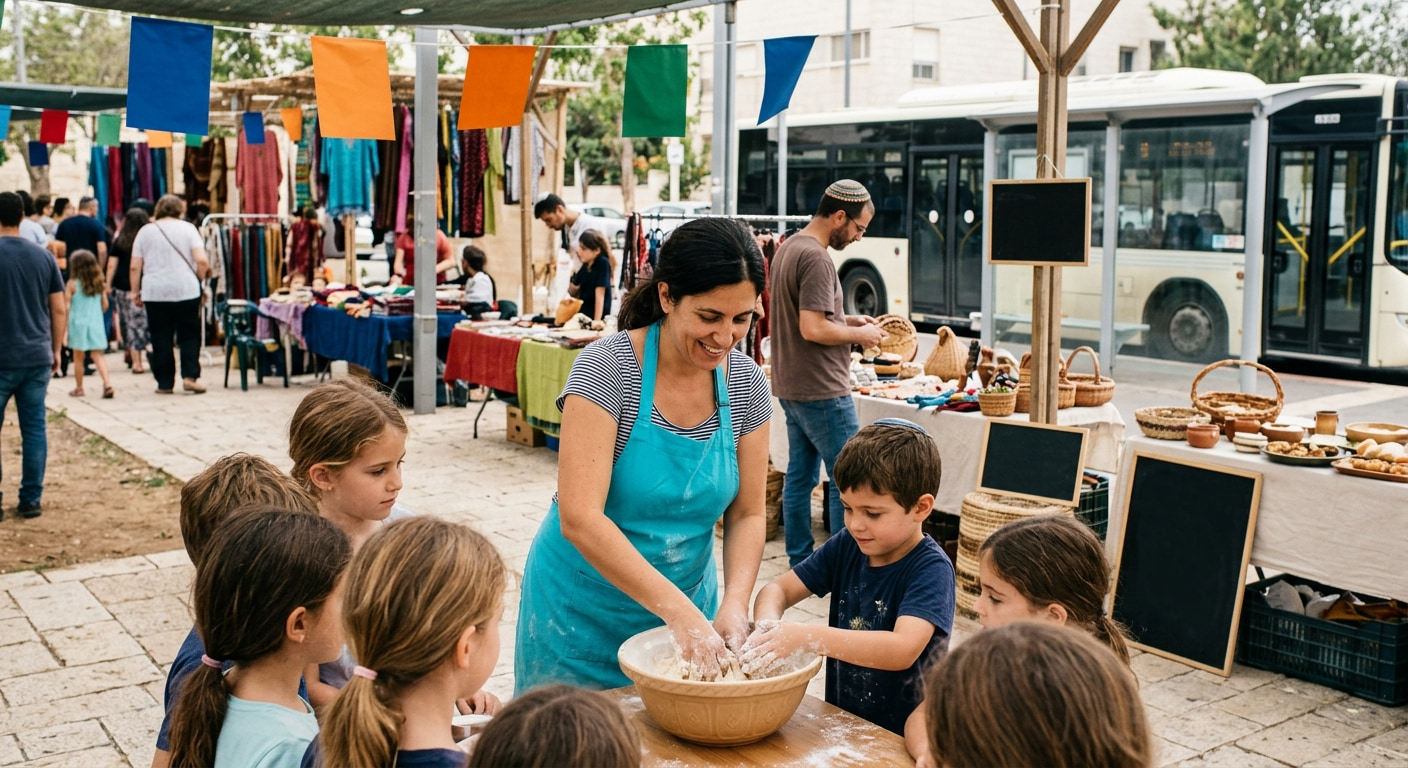
Yeruham is home to approximately 9,700 residents, comprising a mix of secular and religious individuals. The community includes families of various sizes, with a significant number of children, reflecting a family-oriented lifestyle. The town's demographic composition includes immigrants from Romania, North Africa, Iran, India, and the former Soviet Union, contributing to its rich cultural tapestry.
REAL ESTATE MARKET OVERVIEW
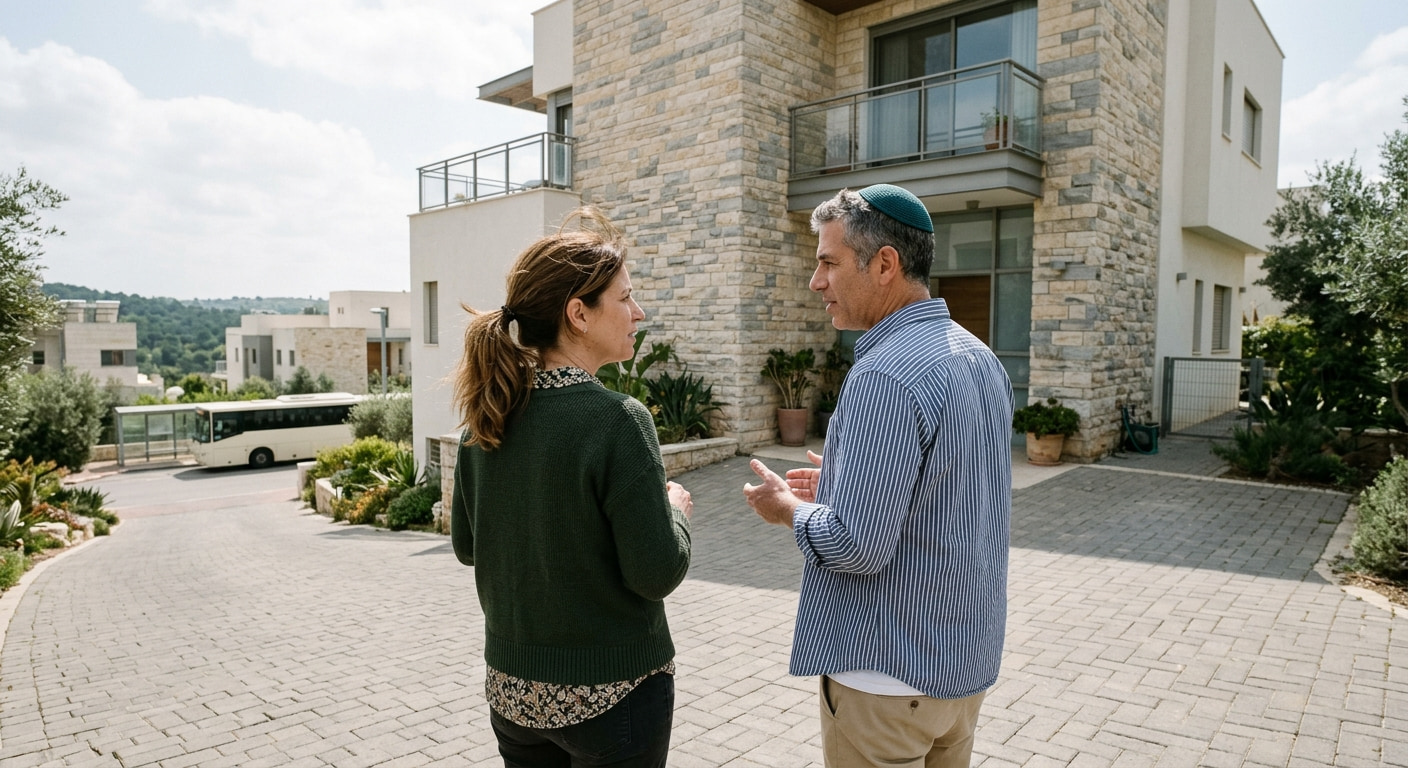
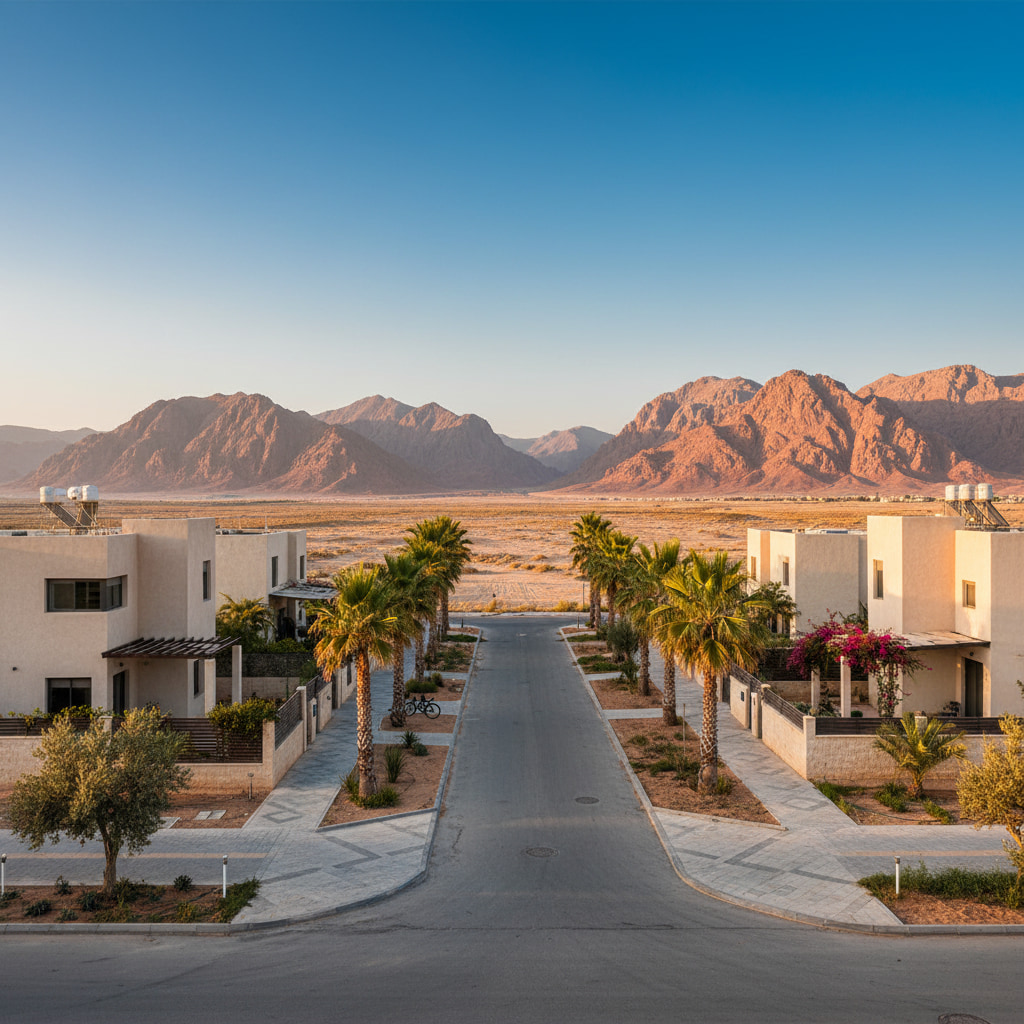
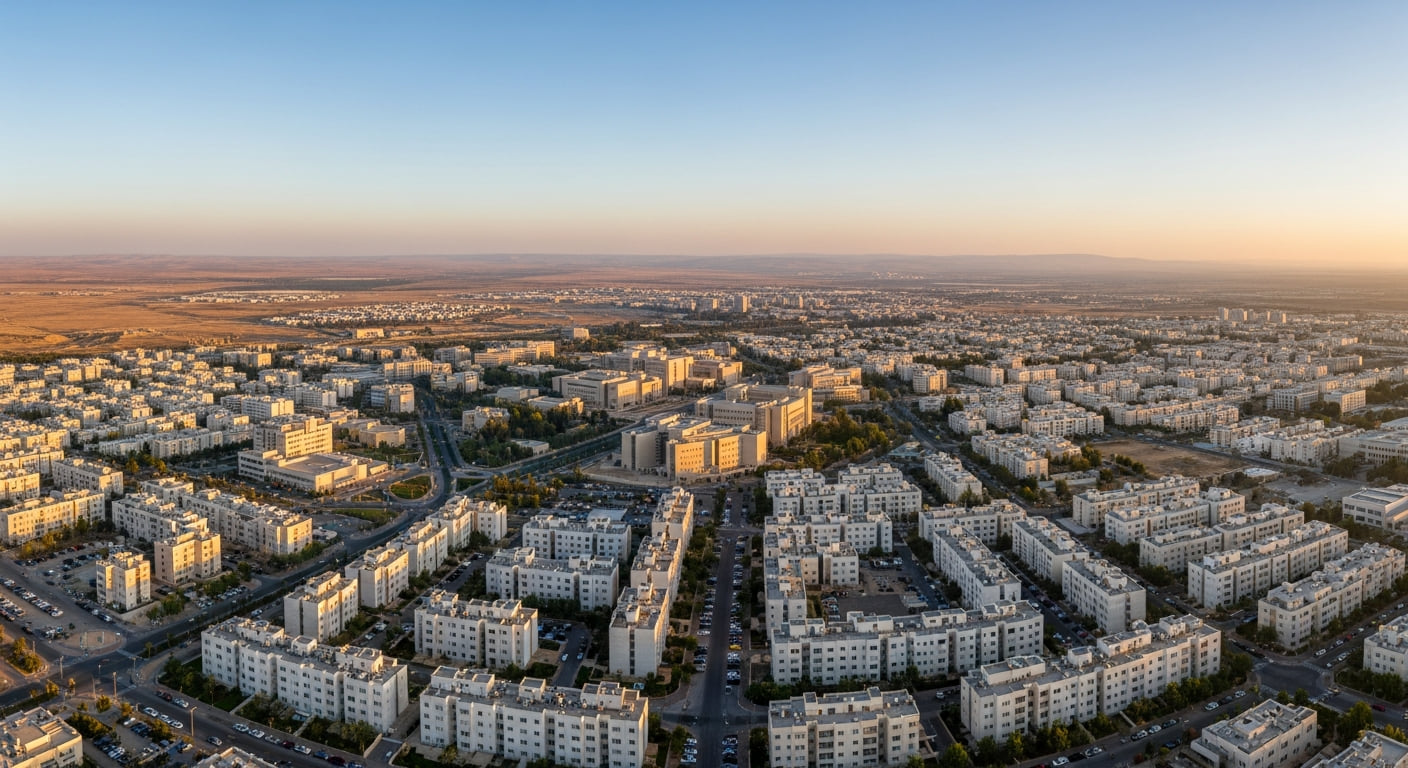
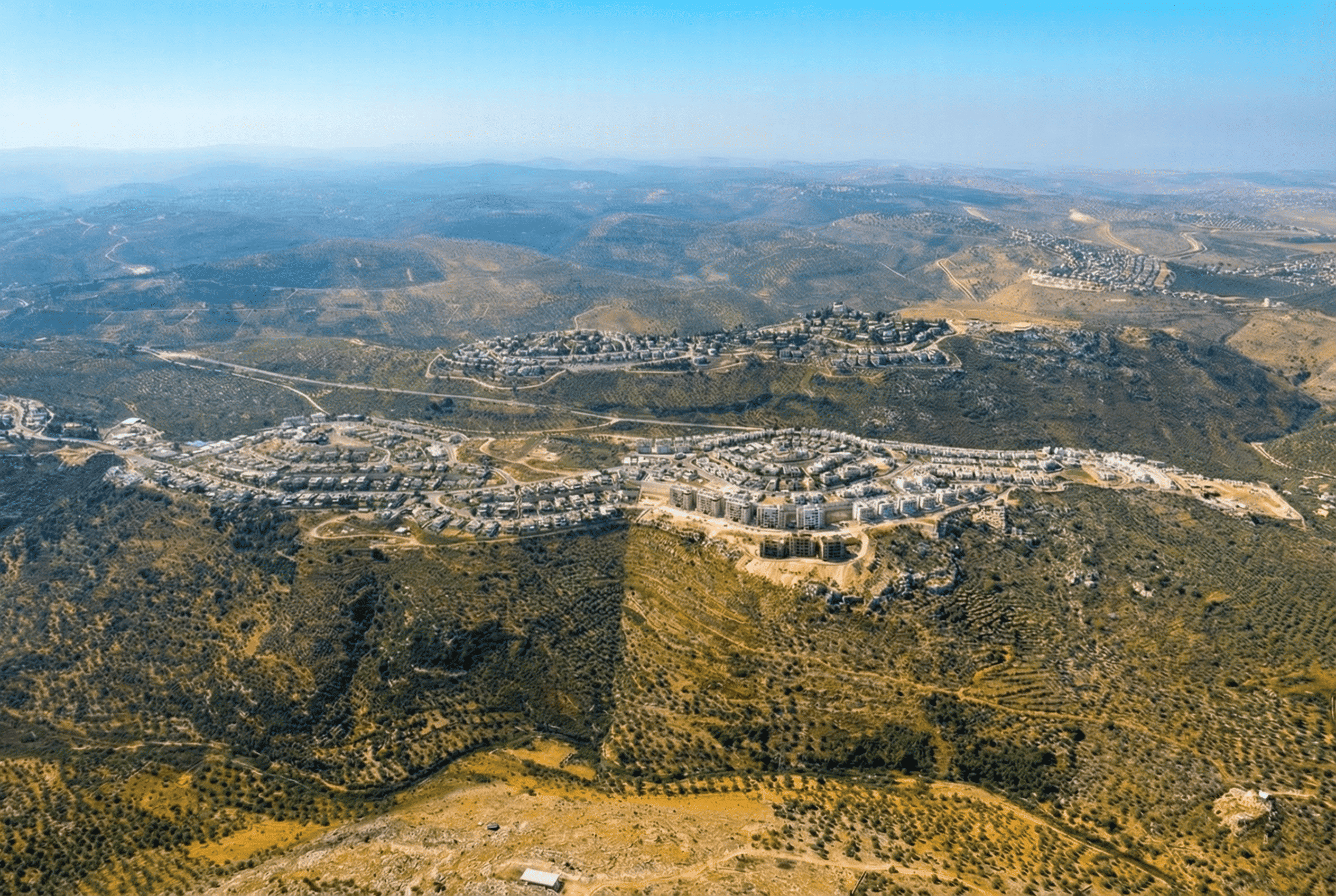
Yeruham's housing stock encompasses a variety of residential options, including older apartment buildings from the 1960s and 1980s, as well as newer developments. The Eli Cohen neighborhood, for instance, features buildings constructed during these periods. Recent urban planning initiatives have introduced modern housing units, such as the 'Between the Streams' neighborhood, which includes approximately 1,660 residential units in buildings up to five stories high. Additionally, the 'Horizon' neighborhood in the southern part of the settlement offers a mix of detached houses and apartment complexes. The real estate market in Yeruham is characterized by affordability, attracting families and individuals seeking cost-effective housing solutions. For example, in the Eli Cohen neighborhood, the average price per square meter is approximately NIS 5,740, making it one of the most affordable areas in Israel. The market is relatively stable, with a steady demand driven by ongoing development projects and the settlement's strategic location in the Negev desert. Yeruham's layout includes distinct neighborhoods, each contributing to the settlement's overall character. The central area serves as the hub for commercial and public services, while peripheral neighborhoods like 'Between the Streams' and 'Horizon' offer residential environments with modern amenities. These developments are part of the settlement's broader efforts to enhance infrastructure and attract new residents.
NEW CONSTRUCTION PROJECTS
Yeruham is experiencing significant development, with several new residential projects underway. The Irises and Horizon neighborhoods are notable examples, featuring modern, well-planned communities that emphasize quality construction and community integration. Additionally, the Haofek neighborhood in the southern part of the settlement is designed to accommodate a growing population, offering spacious plots and tiered construction up to four stories, with a focus on pedestrian movement and bicycle paths.
TRANSPORTATION & ACCESSIBILITY
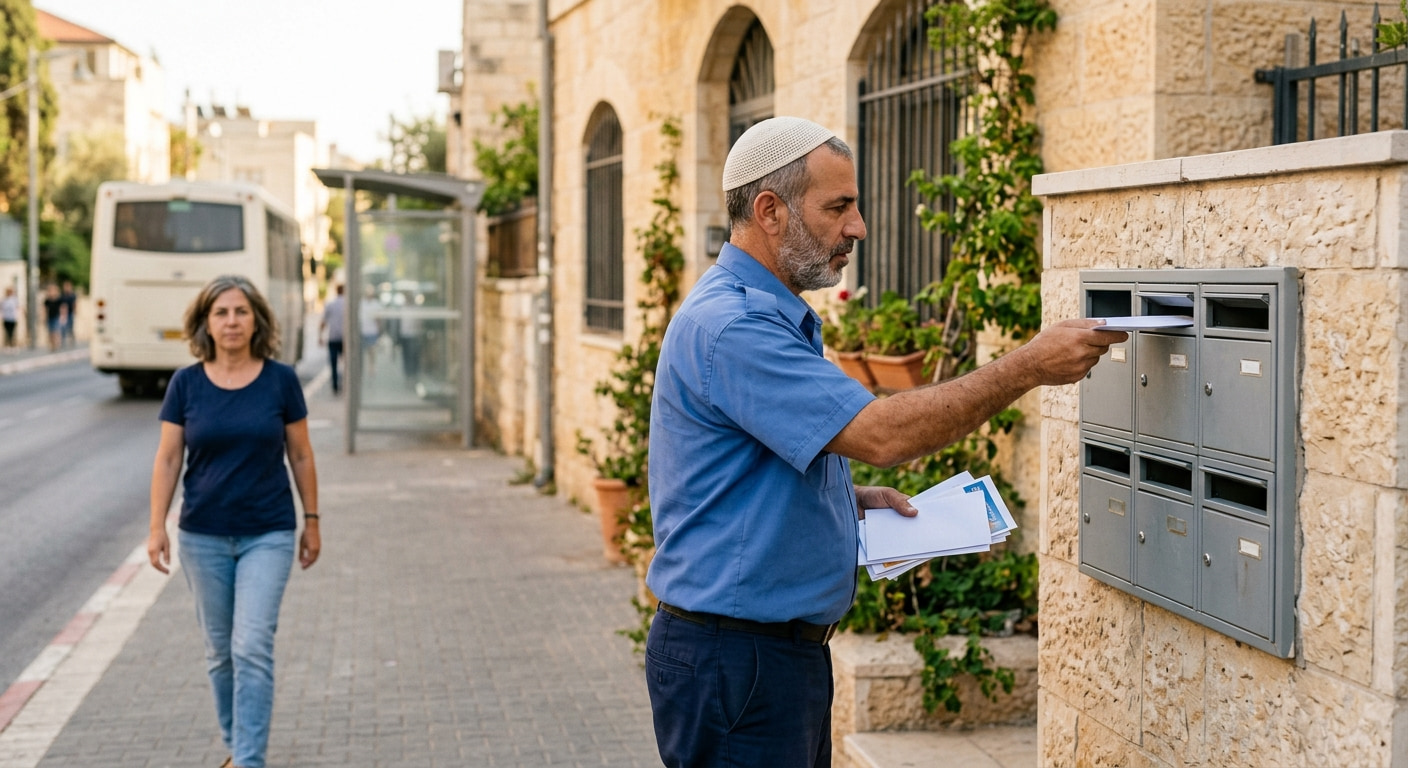
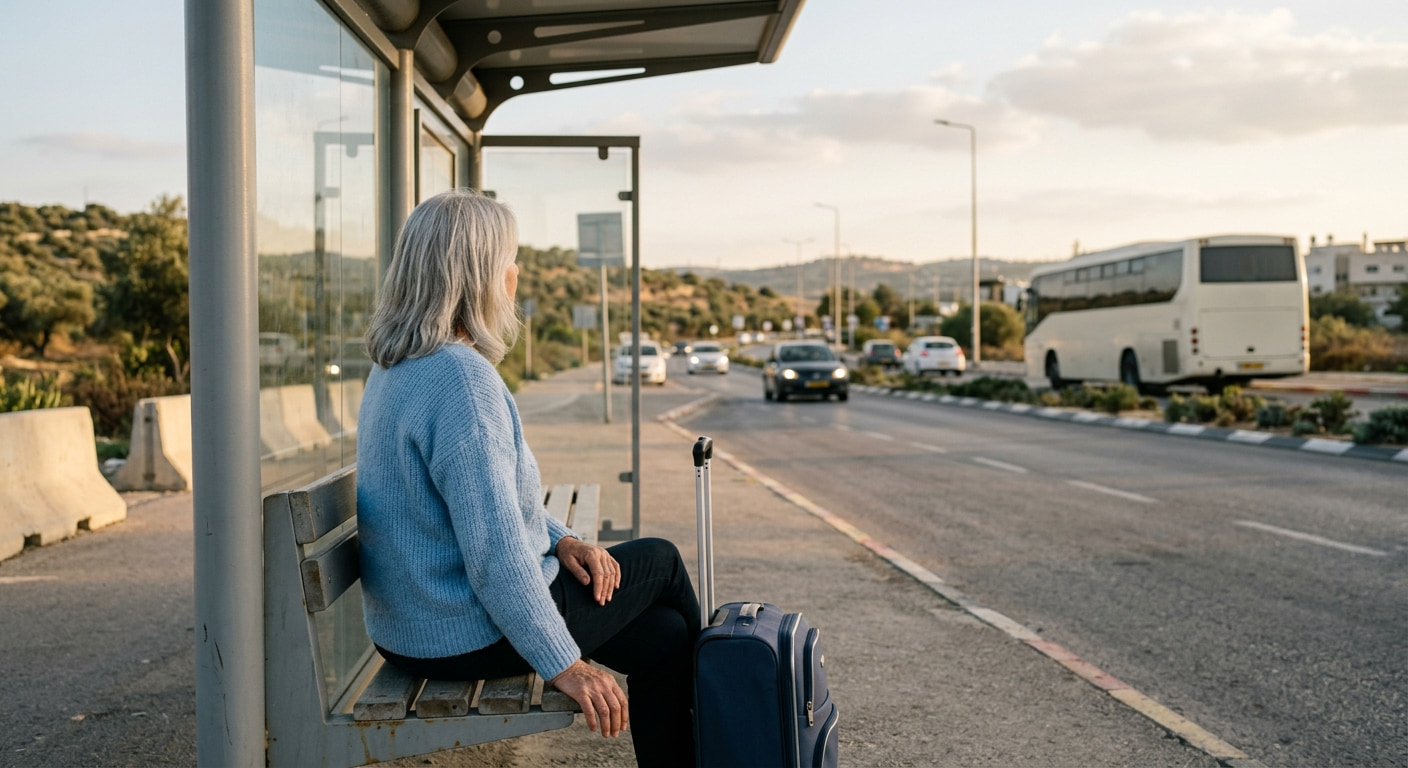
Transportation to and from Yeruham is facilitated by several bus routes connecting the settlement to nearby cities and regions. Bus lines such as 150, 152, and 359 provide access to Be'er Sheva, the closest regional hub, while routes like 55 and 57 connect to Dimona and Mitzpe Ramon. Within Yeruham, local bus services, including lines 7 and 7A, ensure convenient intra-settlement travel. The settlement's strategic location near major highways further enhances its accessibility for residents and visitors alike.
WHY NEW IMMIGRANTS CHOOSE YERUHAM
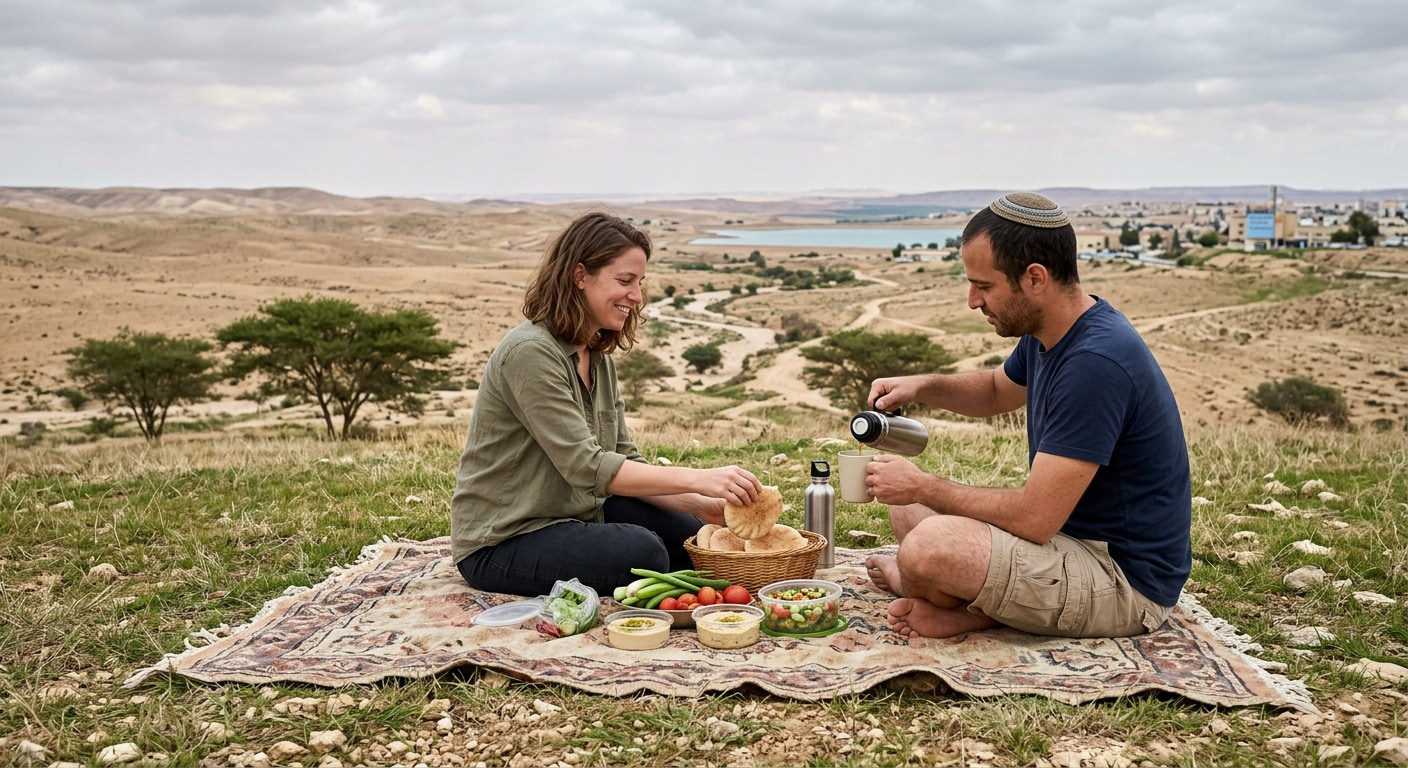
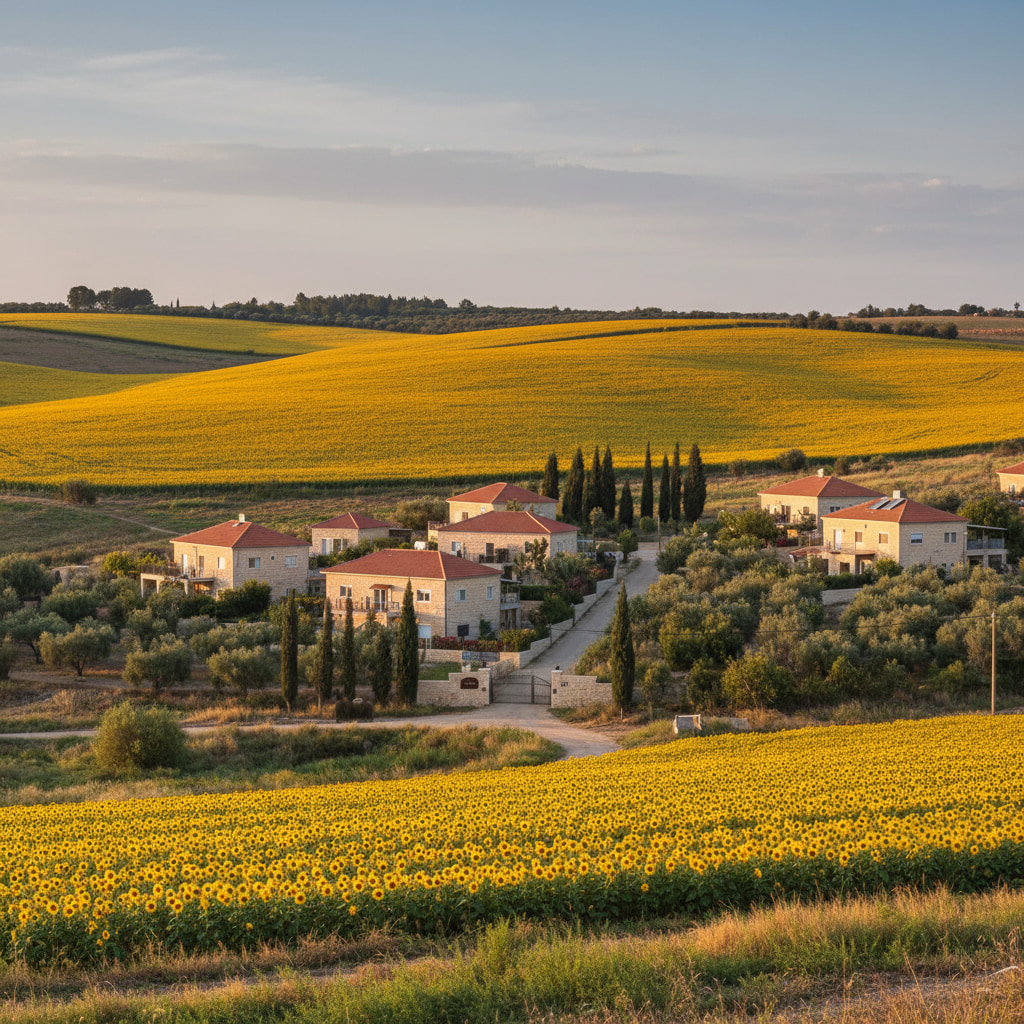
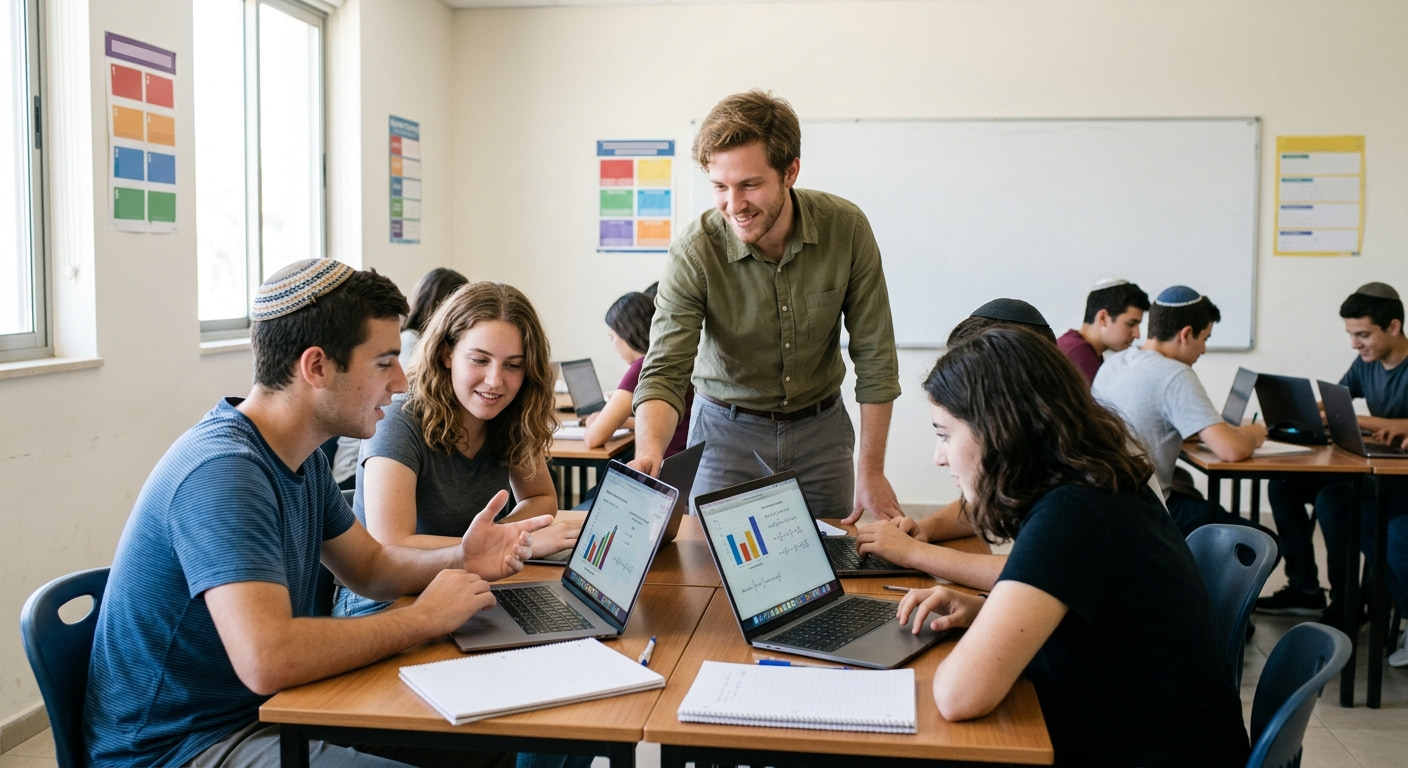
New immigrants are drawn to Yeruham for its affordable housing options, supportive community networks, and opportunities for personal and professional growth. The town's strategic location in the Negev desert offers a unique lifestyle, combining tranquility with access to natural attractions. Additionally, Yeruham's commitment to development and integration programs makes it an appealing destination for those seeking a fresh start in Israel.
- Affordable housing options
- Supportive community networks
- Opportunities for personal and professional growth
- Unique lifestyle in the Negev desert
- Commitment to development and integration programs