CITY HISTORY & DEVELOPMENT
Mazkeret Batya, originally named Ekron, was founded on November 7, 1883, by 11 ultra-Orthodox Jewish farmers from Russia. It was the first agricultural settlement established by the Hovevei Zion movement. In 1887, the settlement was renamed Mazkeret Batya in memory of Betty Solomon de Rothschild, mother of Baron Edmond James de Rothschild, who played a significant role in its development. Over the years, the town has grown and modernized, becoming a local council in Israel's Central District.
DEMOGRAPHICS & FAMILY LIFESTYLE
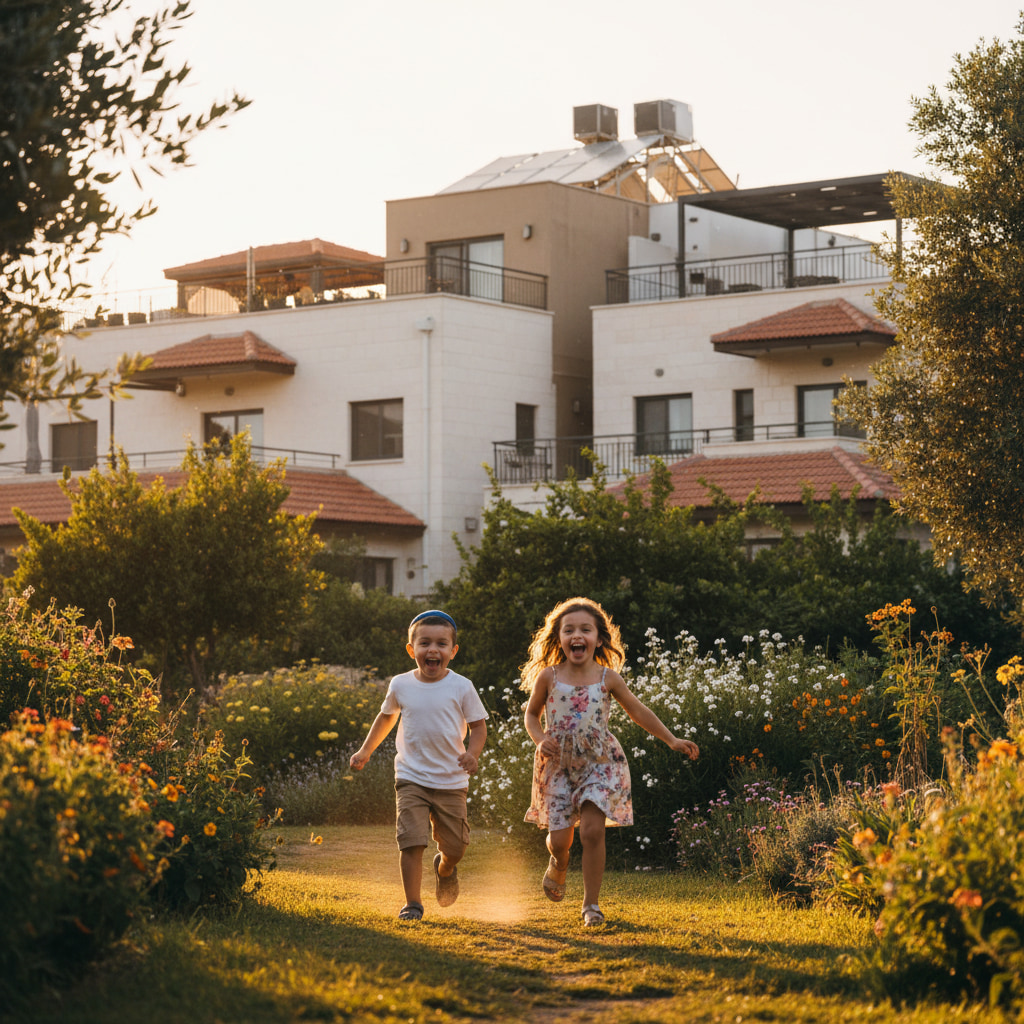
Mazkeret Batya is home to approximately 15,424 residents, comprising 7,627 males and 7,796 females. The community is a mix of religious and secular Jews, with a significant proportion of families and children. The age distribution includes 4,422 individuals aged 0-14 years, 9,532 between 15-64 years, and 1,470 aged 65 and above. This demographic composition contributes to a family-oriented lifestyle within the town.
REAL ESTATE MARKET OVERVIEW
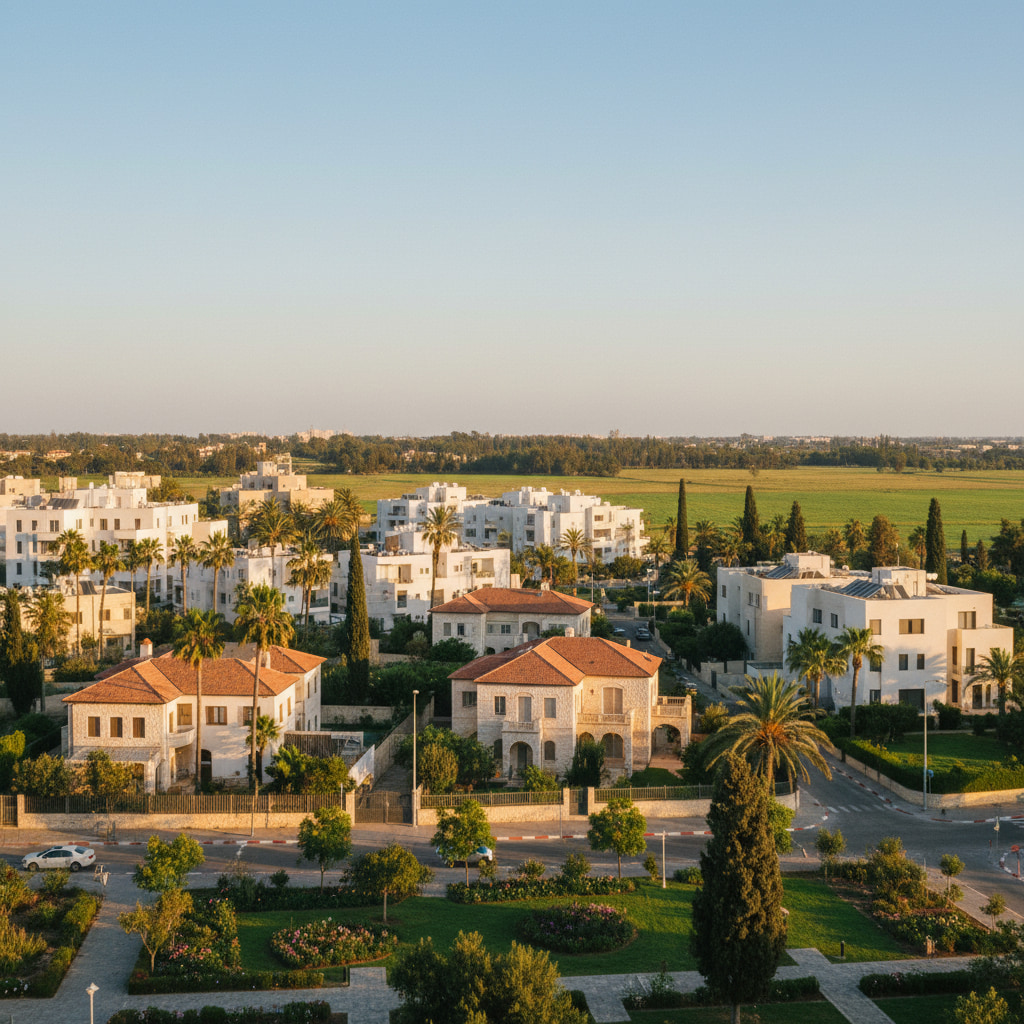
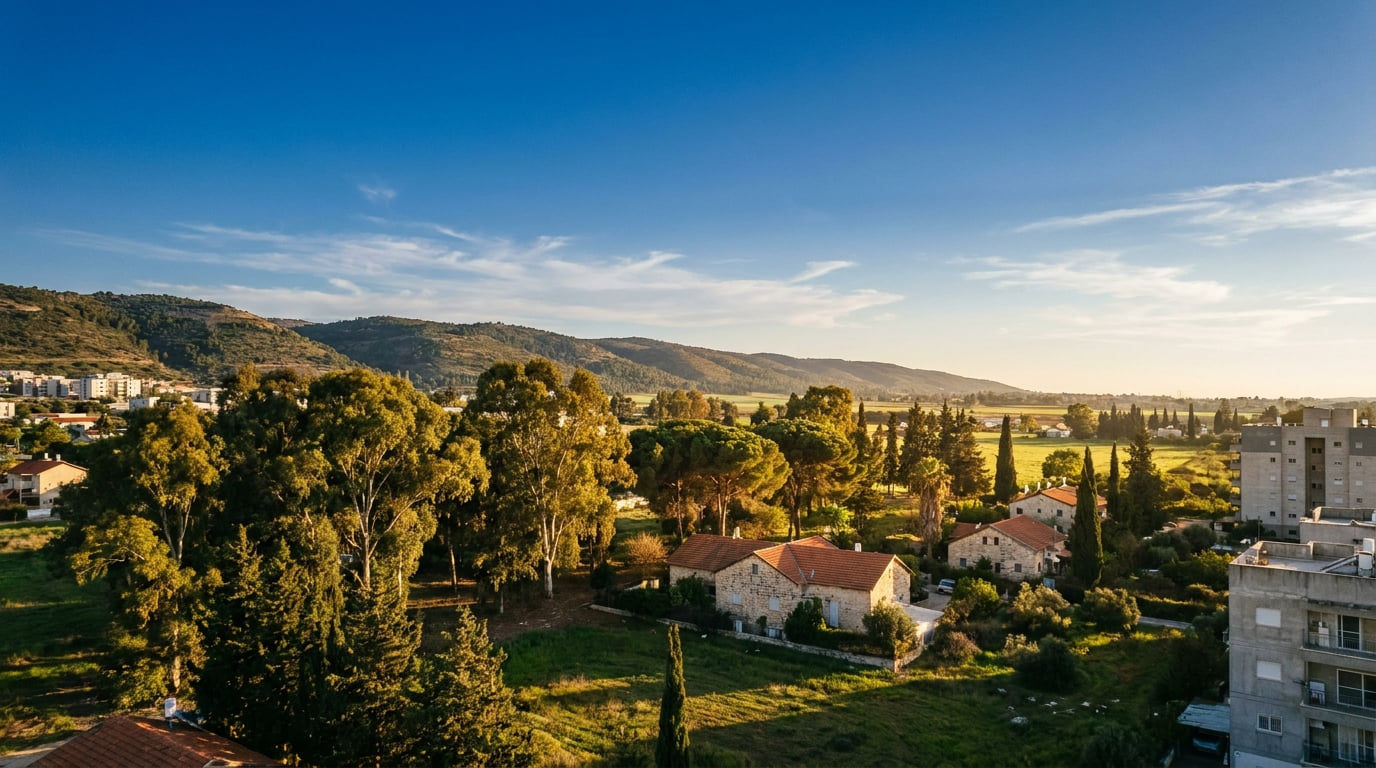
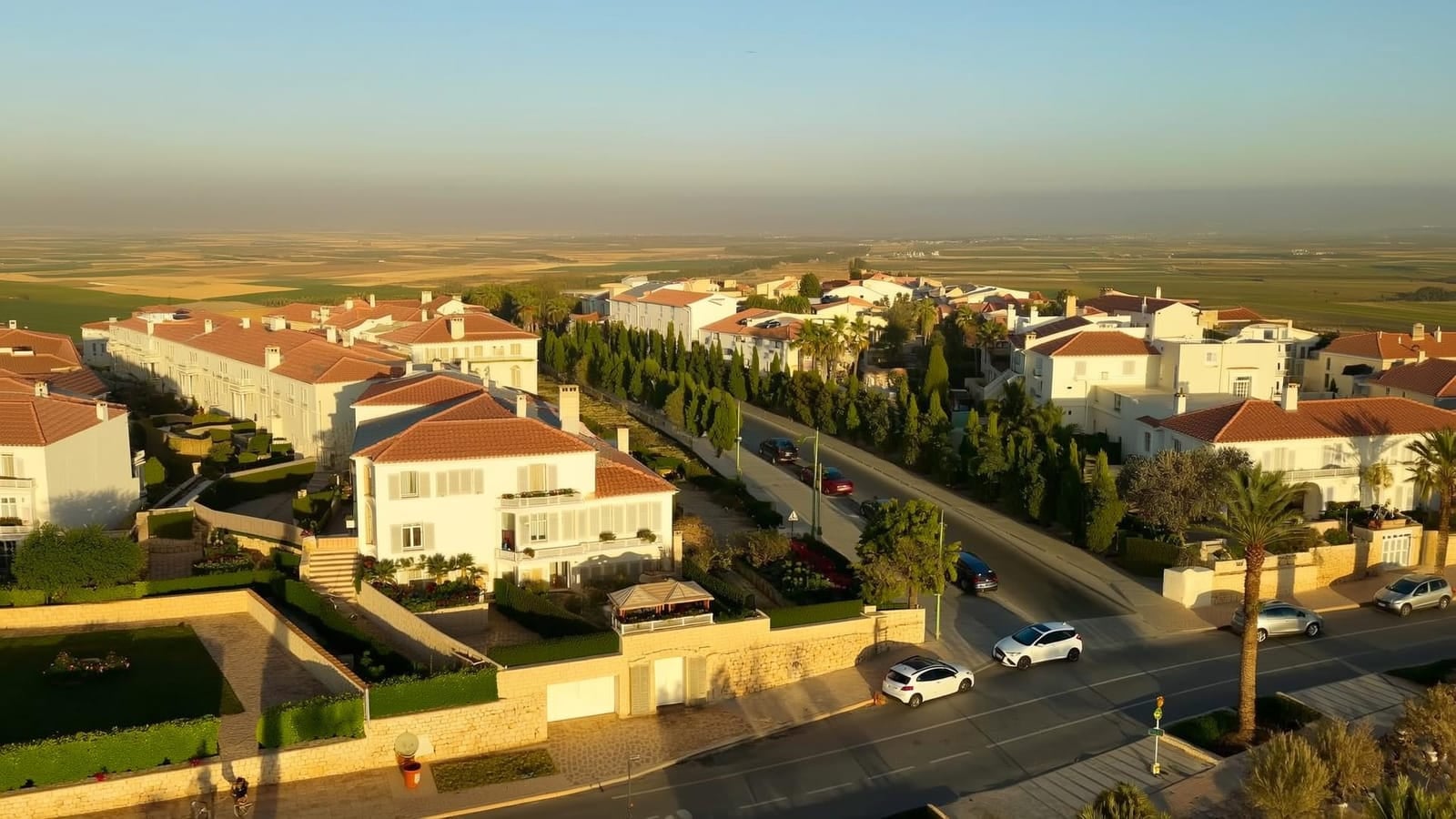
Mazkeret Batya's housing stock features a blend of historic homes from its late 19th-century founding and modern residences developed in recent decades. The settlement offers a variety of property types, including apartments, duplexes, and private houses, often with gardens. Plot sizes and architectural styles vary, reflecting the community's evolution over time.
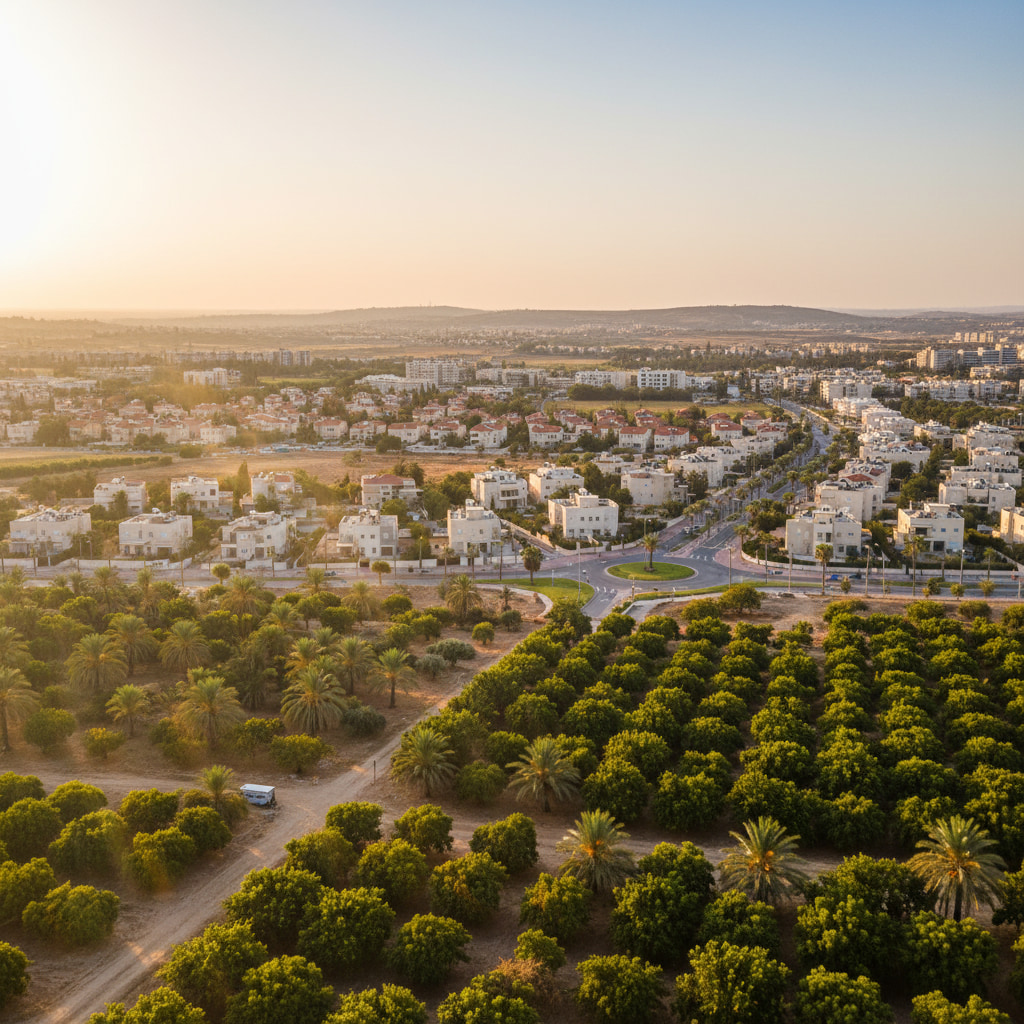
The real estate market in Mazkeret Batya is characterized by steady demand, driven by its suburban atmosphere and proximity to major cities. Property prices are generally more affordable compared to urban centers like Tel Aviv and Jerusalem, attracting families and individuals seeking a quieter lifestyle. The market exhibits moderate liquidity, with properties typically selling within a reasonable timeframe.
NEIGHBORHOOD BREAKDOWN
While it does not have distinct neighborhoods, the area encompasses both historic sections and newer developments, contributing to its unique character.
NEW CONSTRUCTION PROJECTS
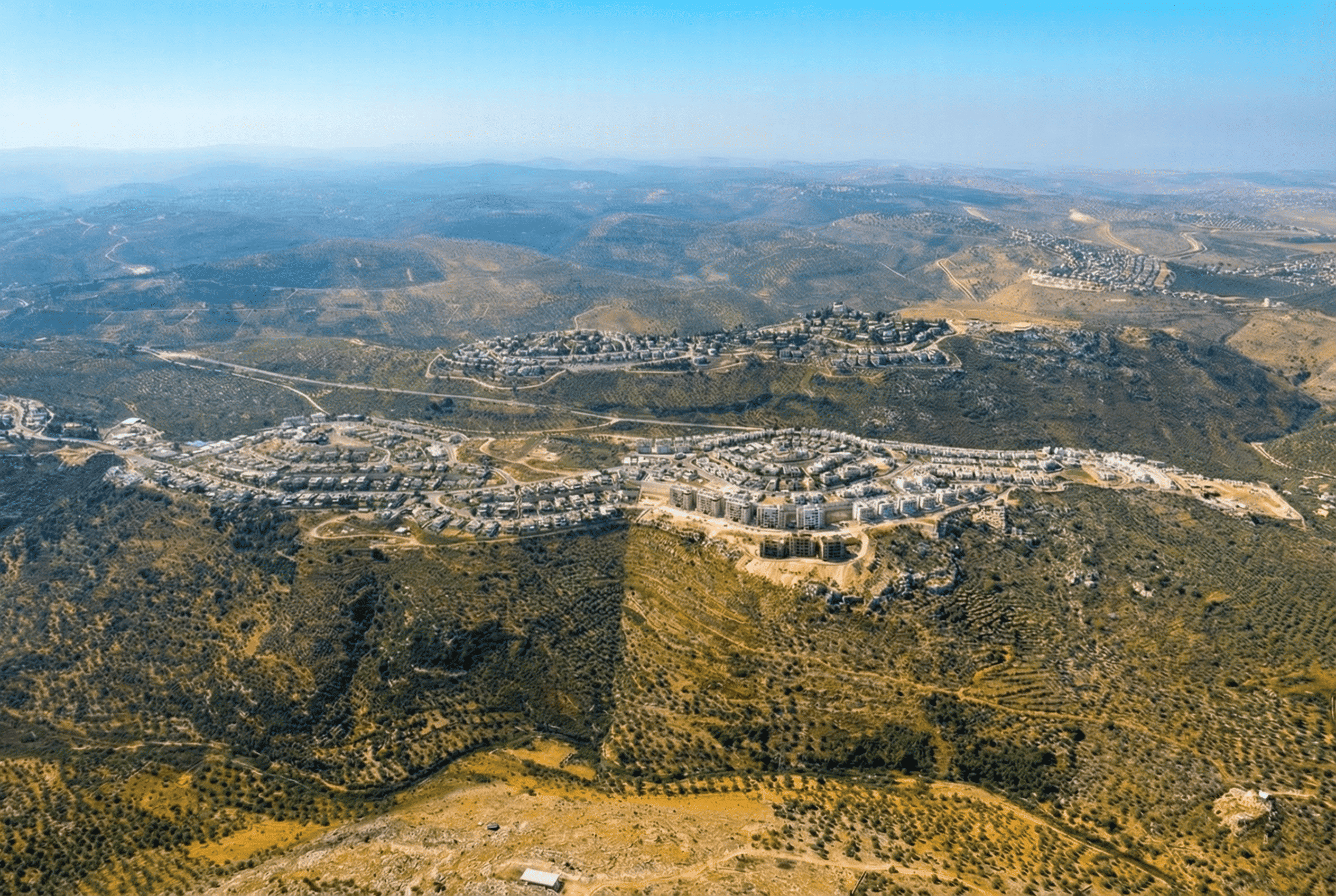
Mazkeret Batya is undergoing significant development to accommodate its growing population. A major project involves the northern extension of the settlement, encompassing approximately 1,199 dunams and introducing 3,357 residential units, including 300 designated for sheltered housing and 272 smaller units. This expansion also plans for 6,700 square meters of commercial space and 79,000 square meters for employment opportunities. The design integrates seamlessly with the existing urban fabric, featuring a peripheral traffic system connected to the current road network, and includes provisions for educational facilities such as kindergartens and a school.
TRANSPORTATION & ACCESSIBILITY
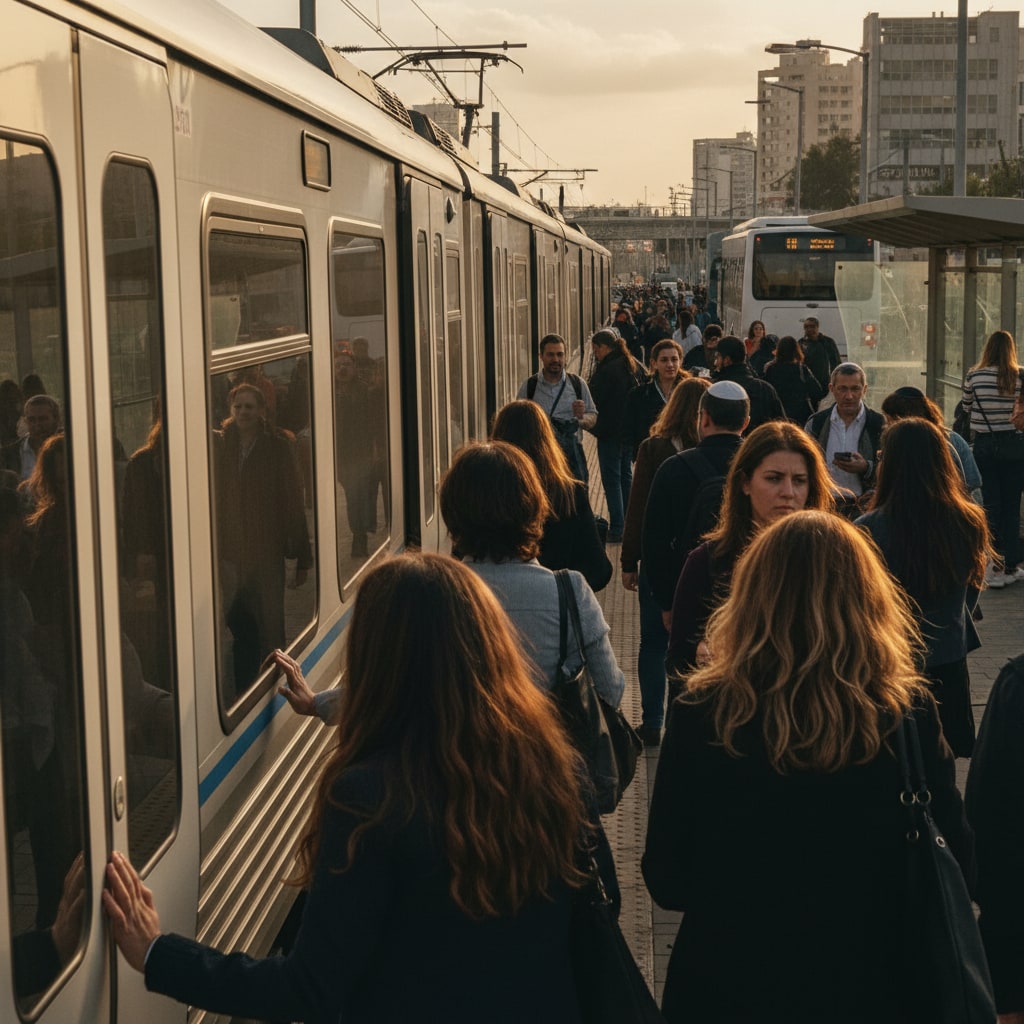
Transportation infrastructure in Mazkeret Batya is well-developed, offering residents convenient access to nearby urban centers. The settlement is served by multiple bus routes operated by companies like Egged and Beit Shemesh Express, connecting to destinations such as Rehovot and Rishon LeZion. Additionally, the Mazkeret Batya railway station, located on the Beersheva-Lod line near Rehovot, enhances connectivity for commuters traveling to and from the area. These transportation options facilitate efficient travel for residents, supporting both daily commutes and regional accessibility.
WHY NEW IMMIGRANTS CHOOSE MAZKERET BATYA
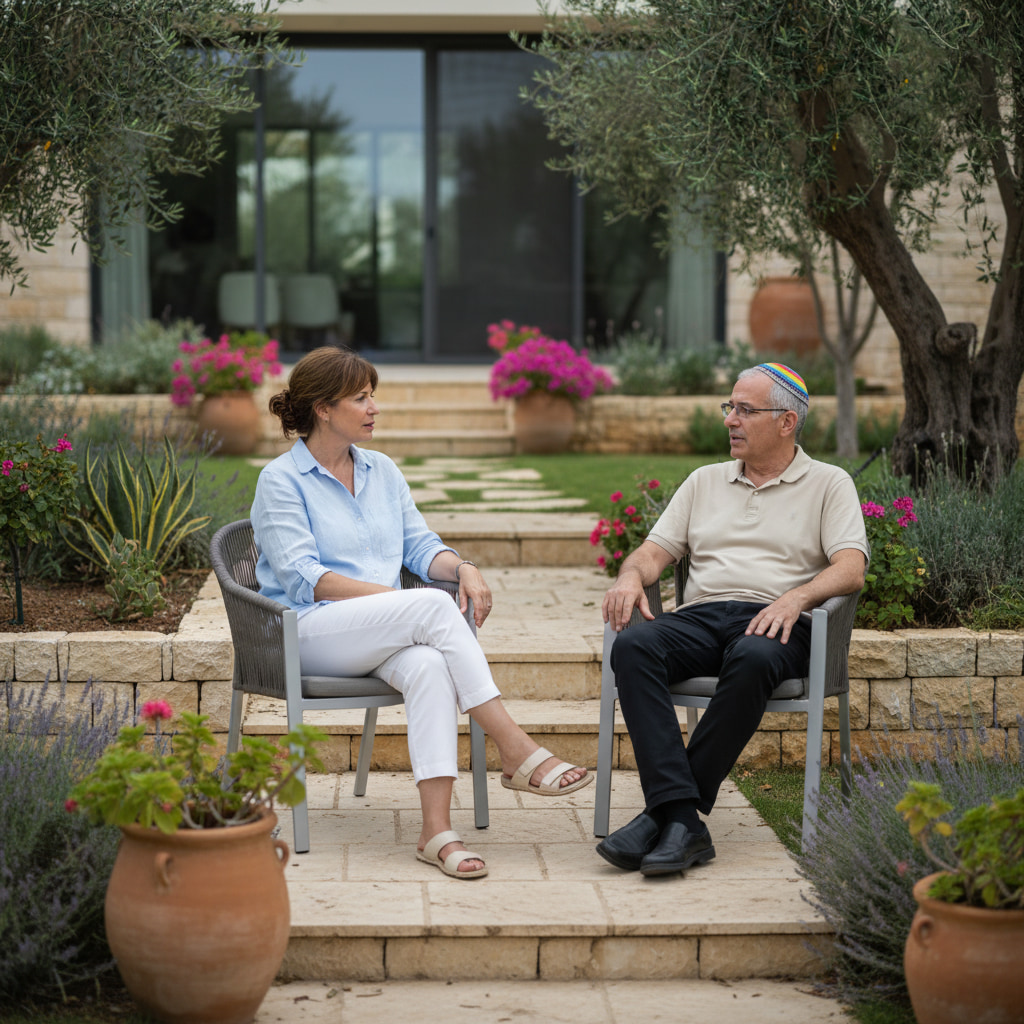
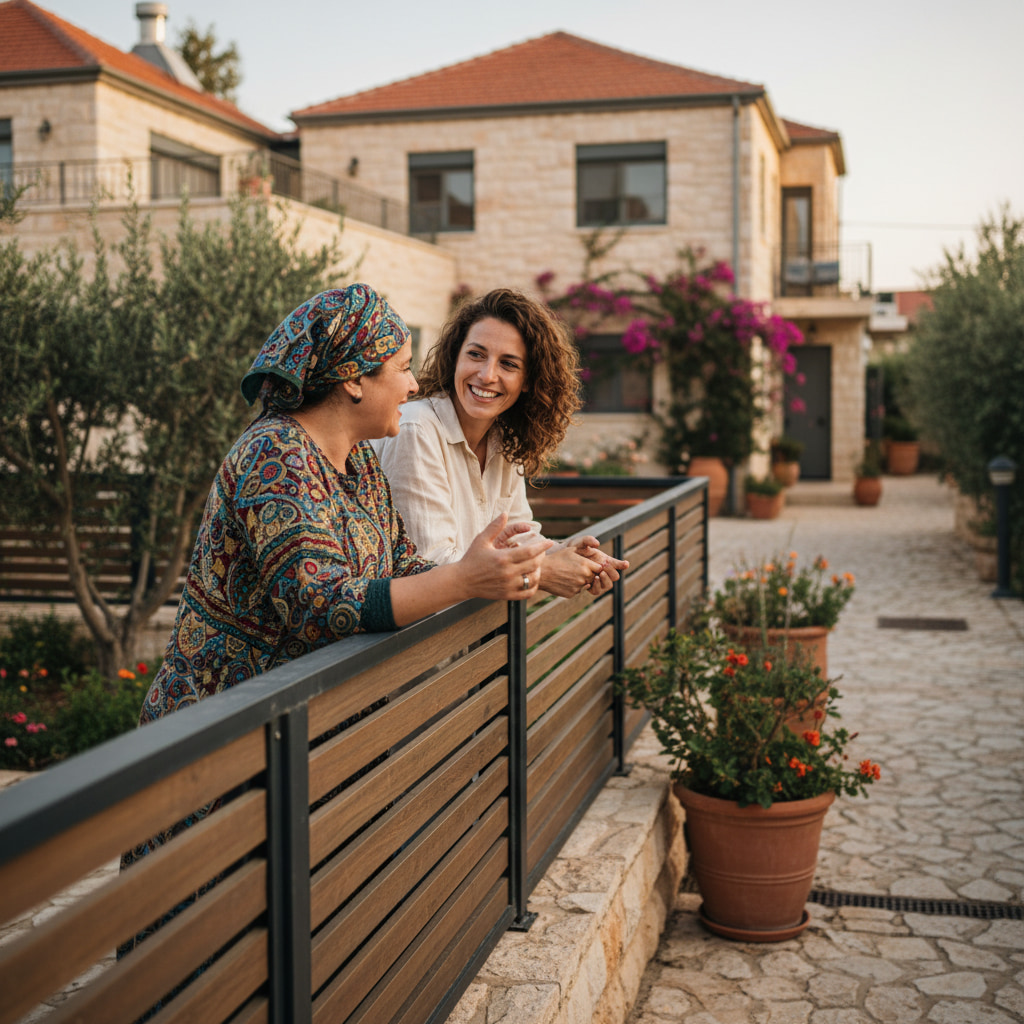
New immigrants, or olim, are drawn to Mazkeret Batya for its balanced blend of religious and secular communities, fostering an inclusive environment. The town's proximity to major cities like Tel Aviv and Jerusalem offers convenient access to urban amenities while maintaining a suburban atmosphere. Additionally, the town's rich historical heritage and well-preserved landmarks provide a unique cultural backdrop for residents.
- Inclusive community of religious and secular Jews
- Proximity to Tel Aviv and Jerusalem
- Rich historical heritage and landmarks
- Family-oriented lifestyle with ample amenities
- Suburban atmosphere with urban accessibility