CITY HISTORY & DEVELOPMENT
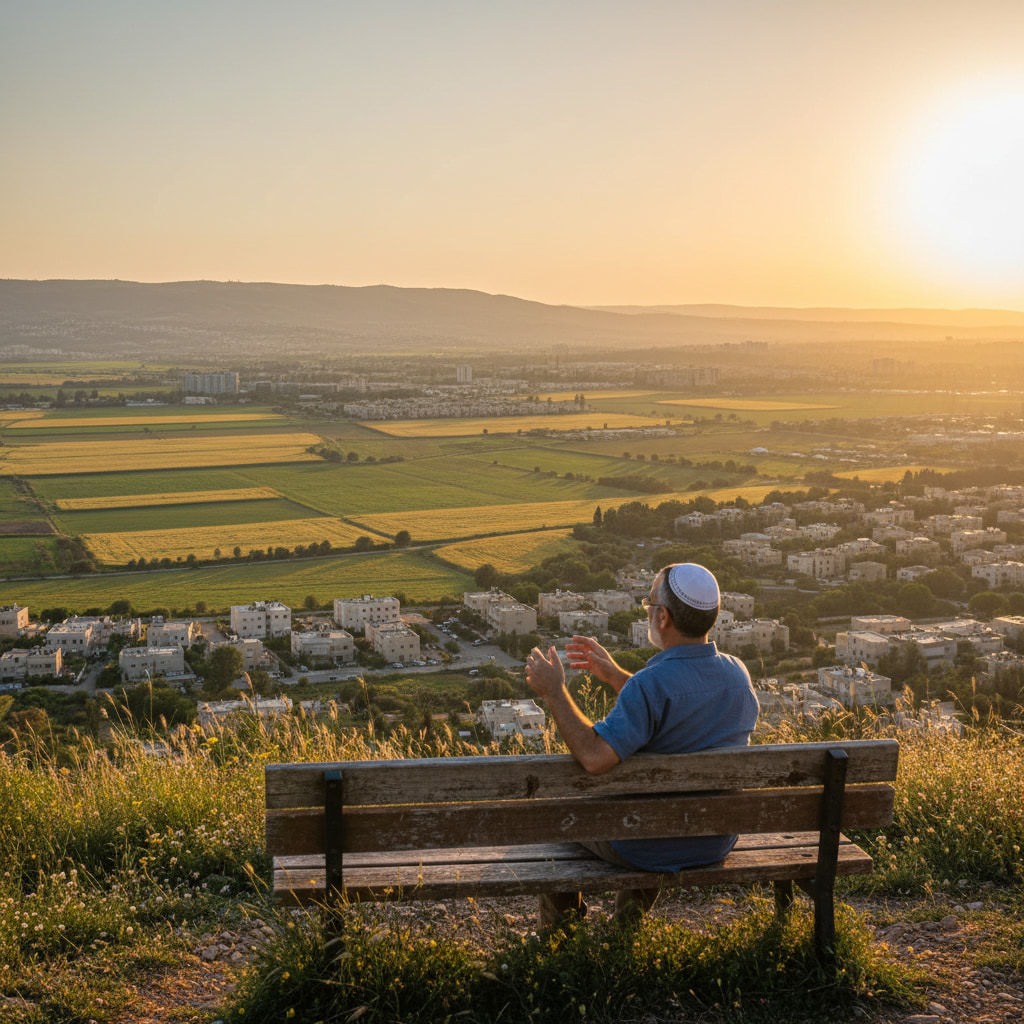
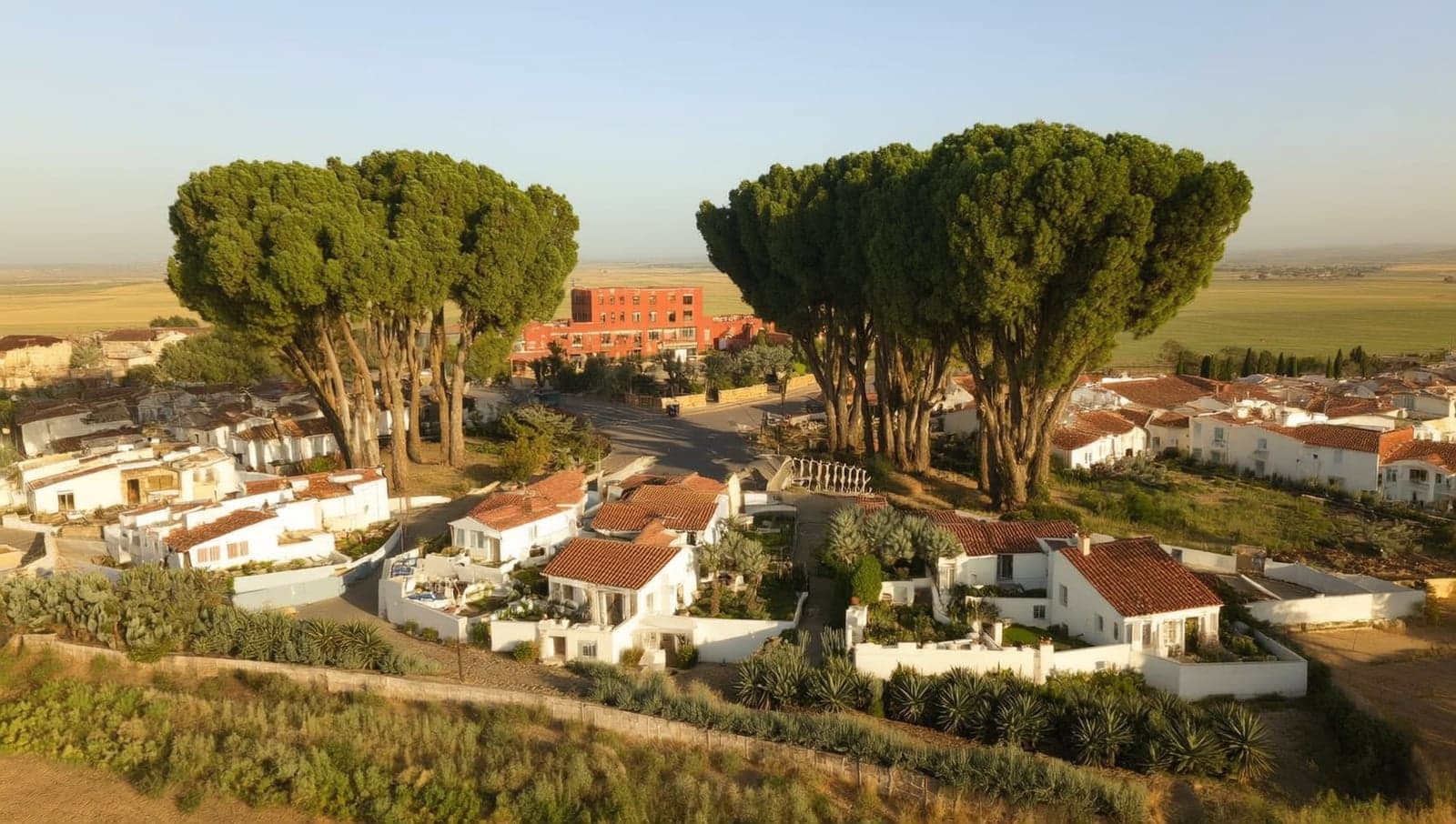
Nes Ziyyona was founded in 1883 by Reuven Lerer, a Jewish immigrant from Russia, who purchased land in the area known as Wadi Hanin. Initially, the Lerer family lived alone, surrounded by Arab villages, and faced challenges such as isolation and malaria. Over time, more Jewish families joined, and the settlement grew. In the 1890s, the community adopted the name "Nes Ziyyona," inspired by the raising of a blue and white flag during an anniversary celebration, symbolizing a "Banner toward Zion." The town was officially recognized as a city in 1992 and has since developed into a modern urban center.
DEMOGRAPHICS & FAMILY LIFESTYLE
Nes Ziyyona has a population of approximately 50,456 residents, with a nearly equal gender distribution. The age structure includes about 12,962 individuals aged 0-14 years, 30,490 aged 15-64 years, and 7,003 aged 65 and above. The vast majority of the population is Jewish, with a small number of Arabs and others. The city is characterized by a secular community, offering a family-friendly environment with various educational and cultural facilities.
REAL ESTATE MARKET OVERVIEW
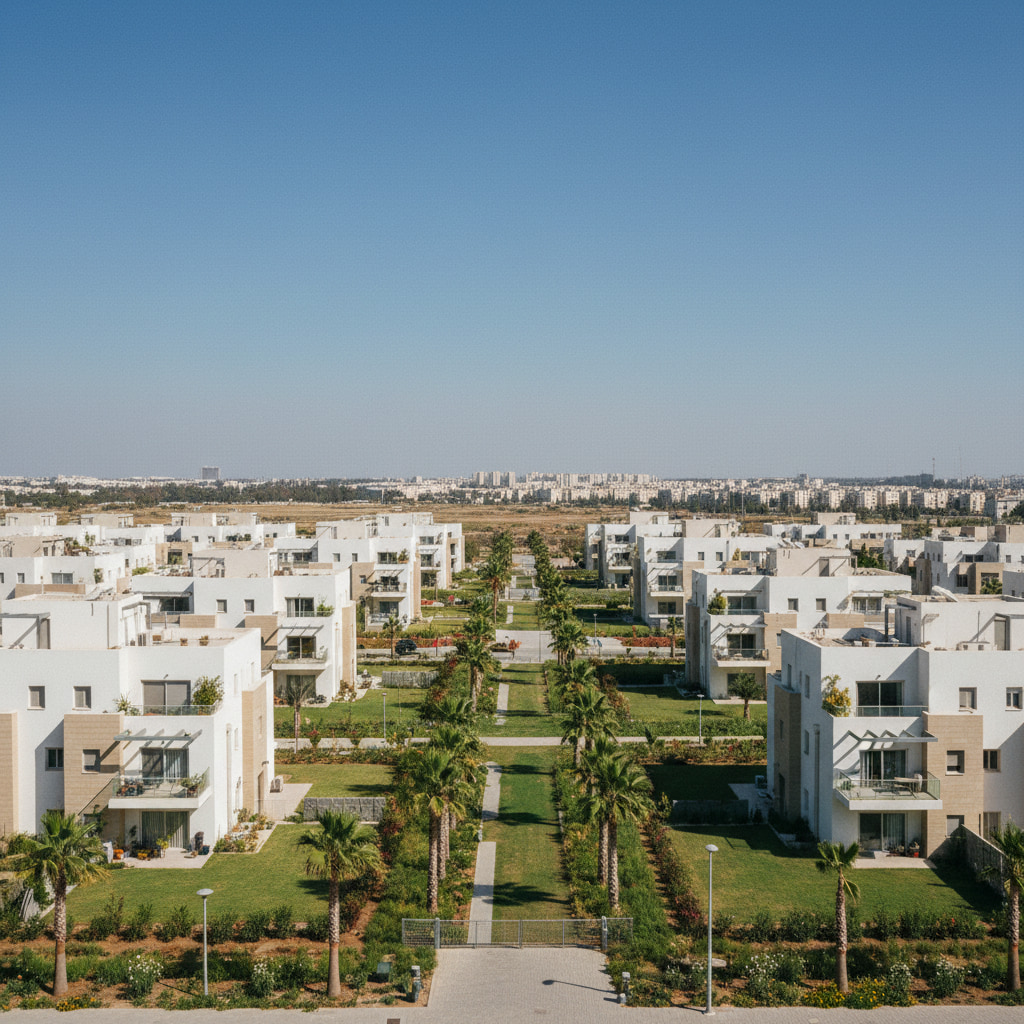
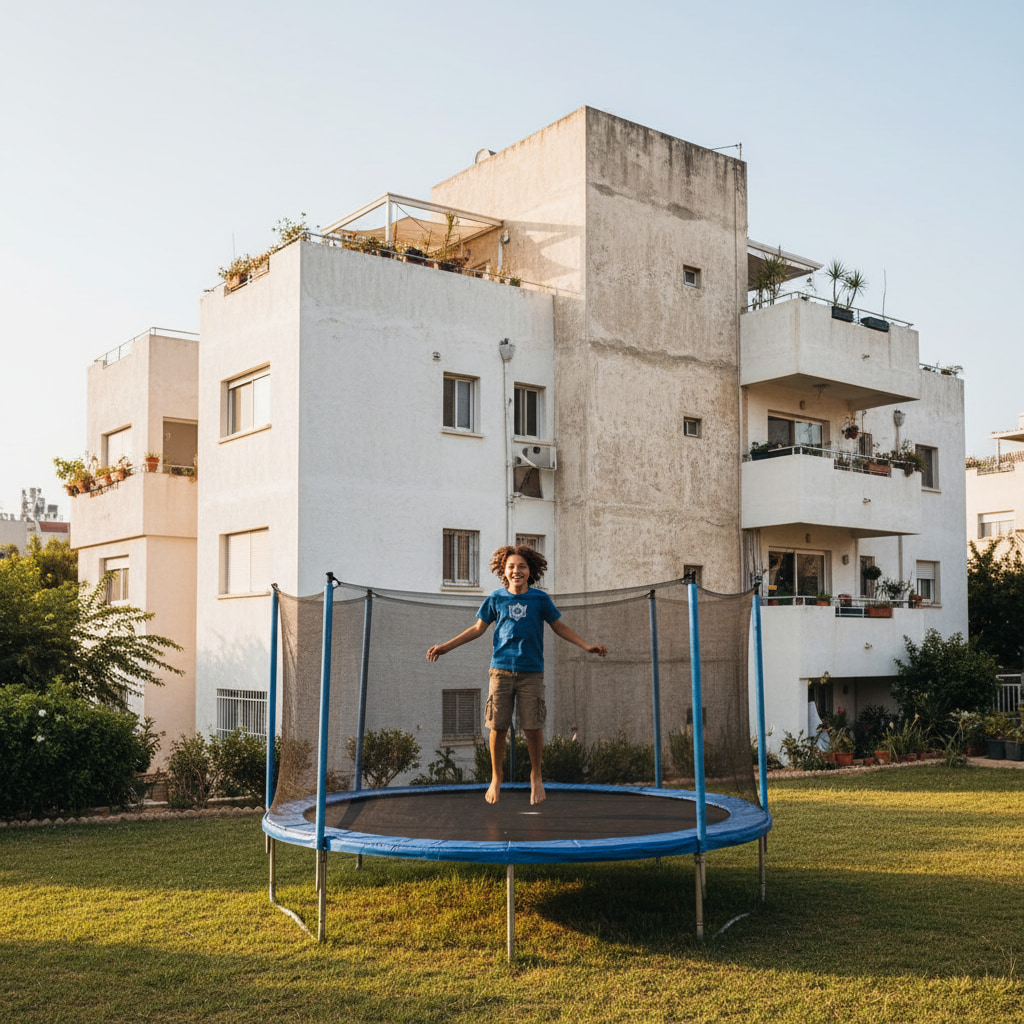
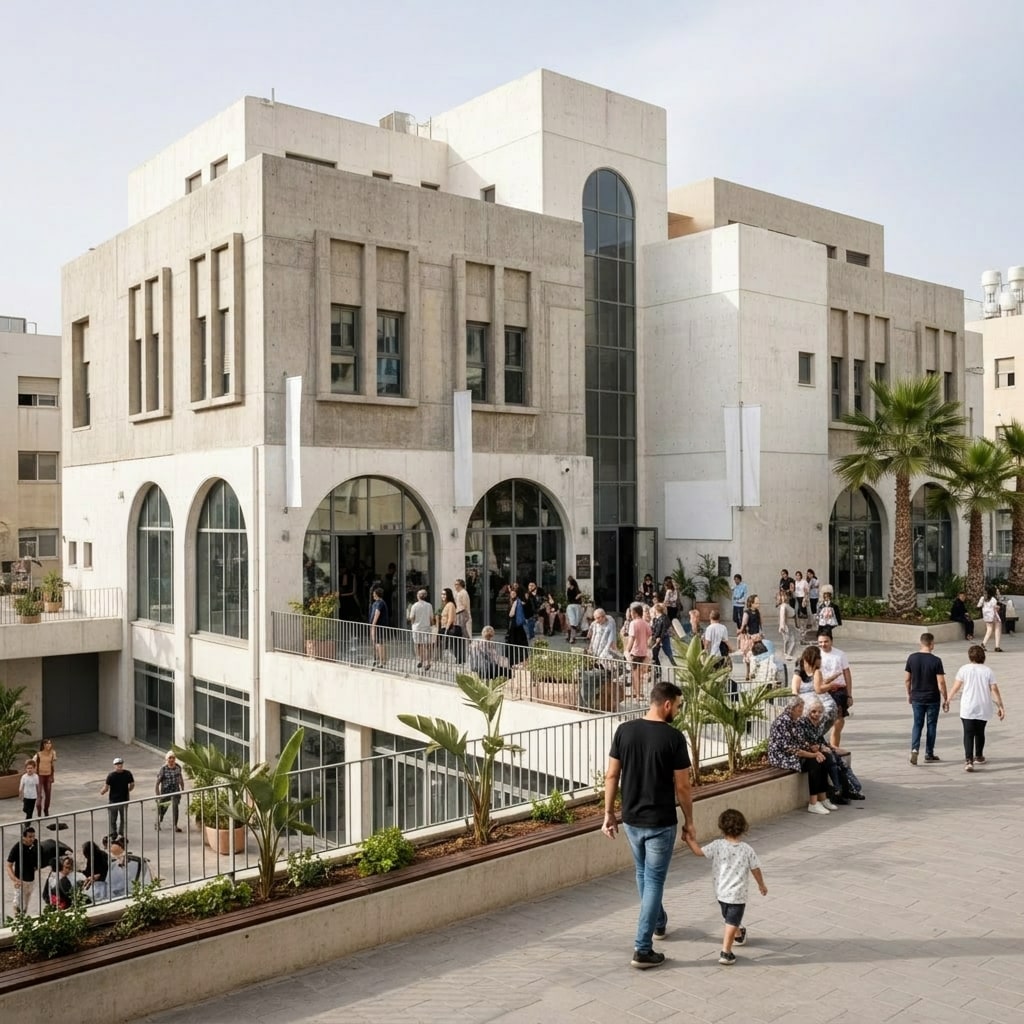
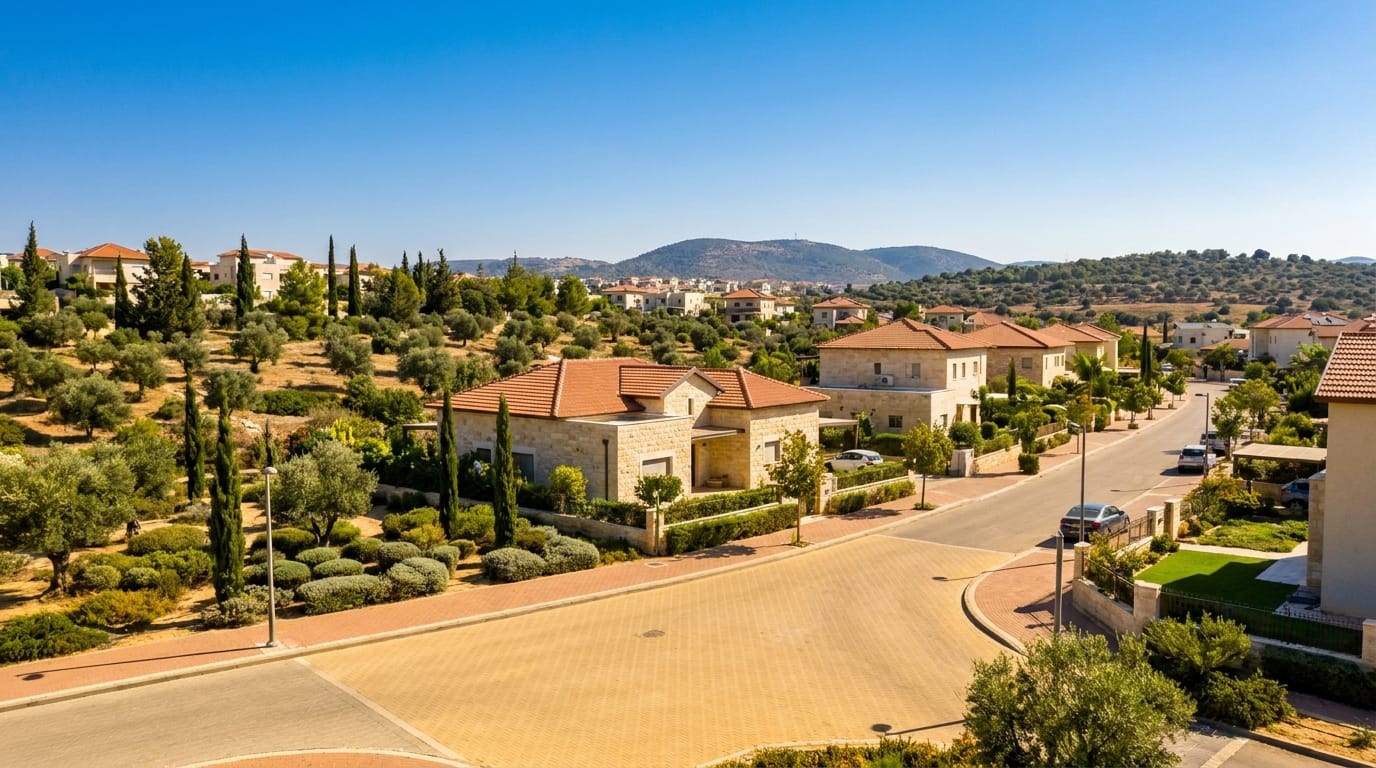
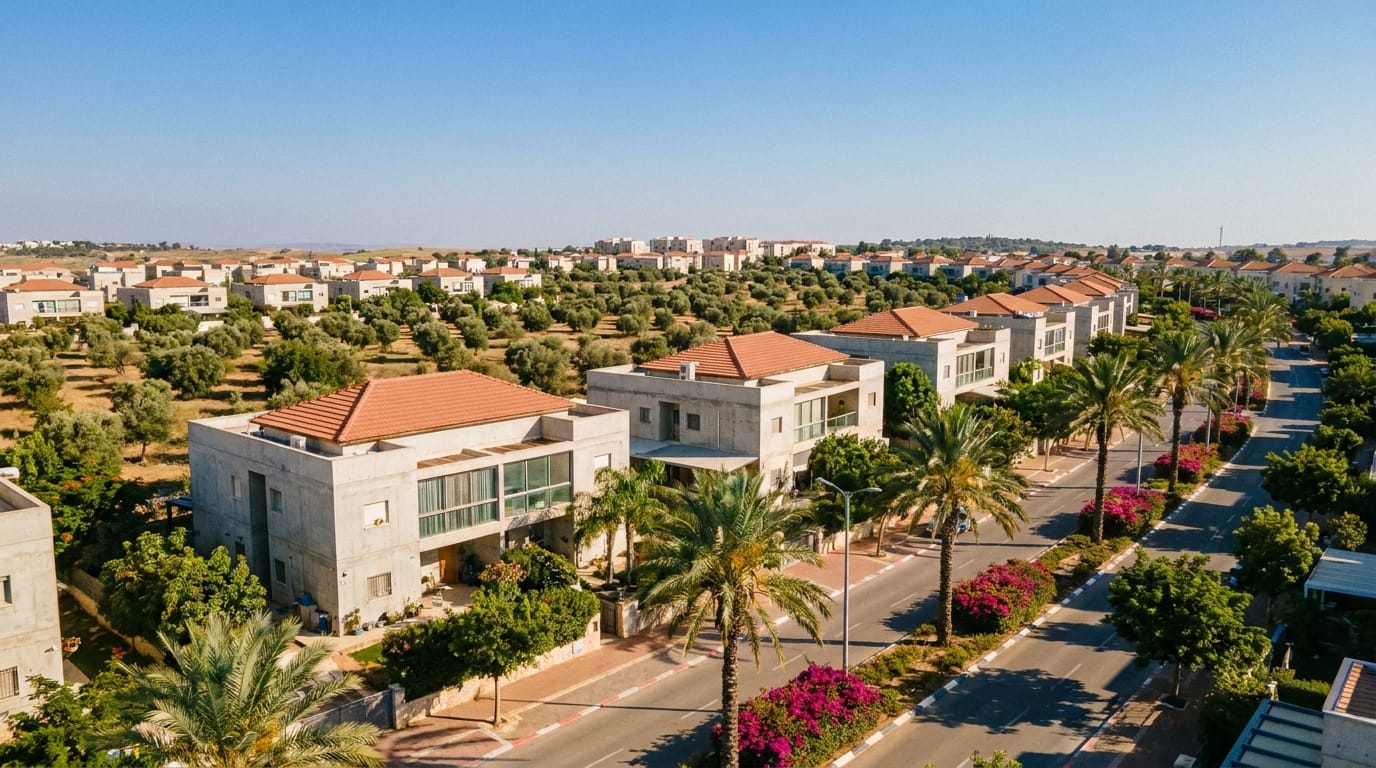
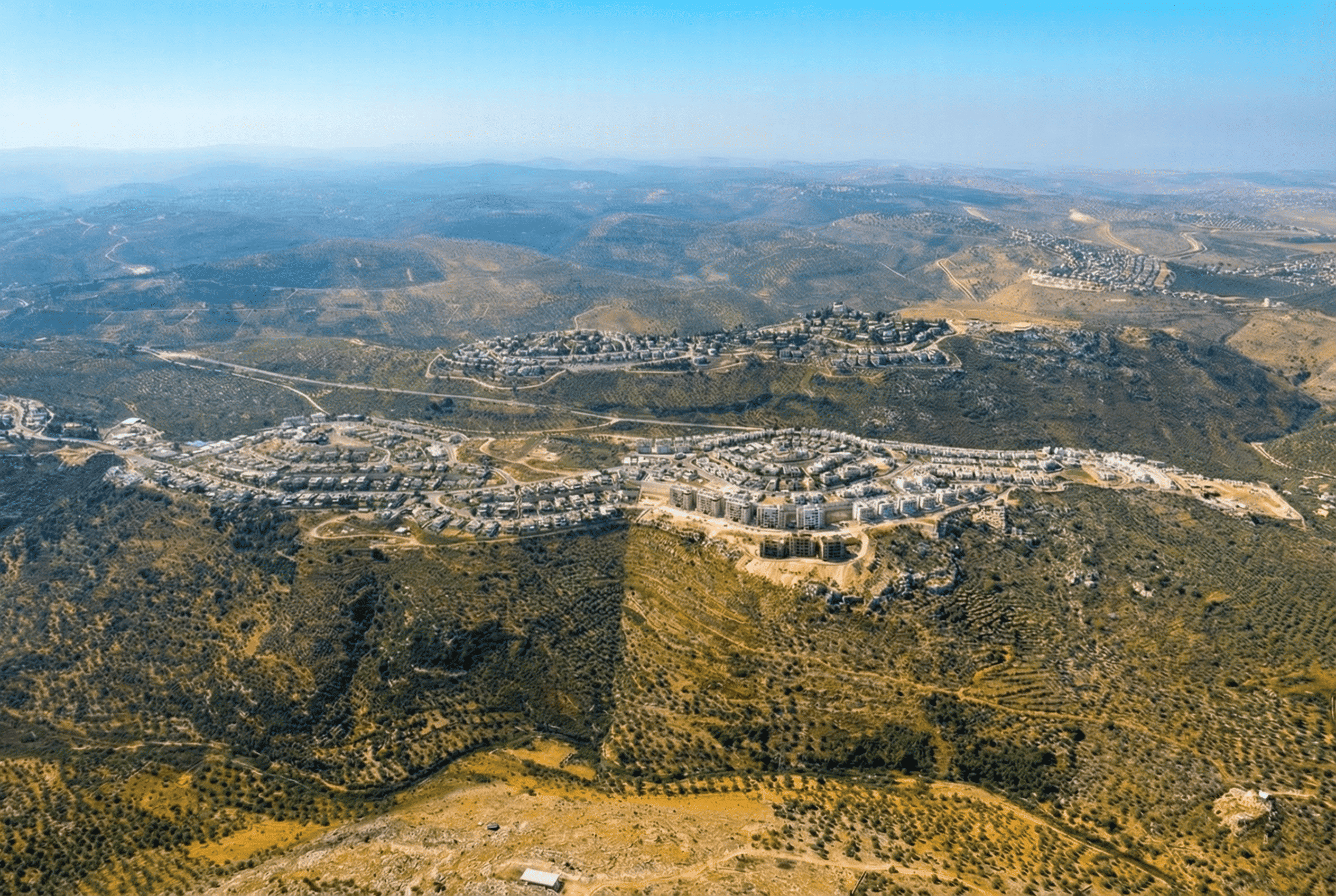
Nes Ziyyona's housing stock encompasses a variety of property types, including apartments, semi-detached houses, and detached homes. The settlement has experienced significant development over the years, with newer neighborhoods featuring modern residential buildings and older areas retaining more traditional structures. Plot sizes vary, accommodating both compact urban living and more spacious suburban-style residences.
The real estate market in Nes Ziyyona is characterized by high demand, driven by its strategic location and quality of life. Property prices have seen substantial appreciation, with some areas reaching up to 30,000 shekels per square meter. The market attracts a range of buyers, including families and professionals, contributing to an environment.
NEIGHBORHOOD BREAKDOWN
Nes Ziyyona is composed of distinct neighborhoods, each offering unique characteristics and amenities. This layout provides residents with a range of living environments, from central areas to quieter suburban settings.
- Arugaman: A newer neighborhood in the western part of the settlement, attracting families with its modern housing and proximity to amenities.
- Savyonei Netzer Sireni: Known for its high property values, this area offers upscale living options and has seen significant price appreciation.
- Lev HaMoshava: The central part of the settlement, combining historical charm with contemporary conveniences.
- Tirat Shalom: A northern neighborhood featuring a mix of residential properties and local commercial centers.
- Shmurat Malibu: A spacious area offering larger plots and a suburban atmosphere, appealing to those seeking more space.
NEW CONSTRUCTION PROJECTS
Nes Ziyyona continues to experience growth, with ongoing residential and commercial development projects enhancing the settlement's infrastructure. These developments aim to accommodate the increasing population and bolster local amenities, reflecting the community's commitment to modernization and improved quality of life.
TRANSPORTATION & ACCESSIBILITY
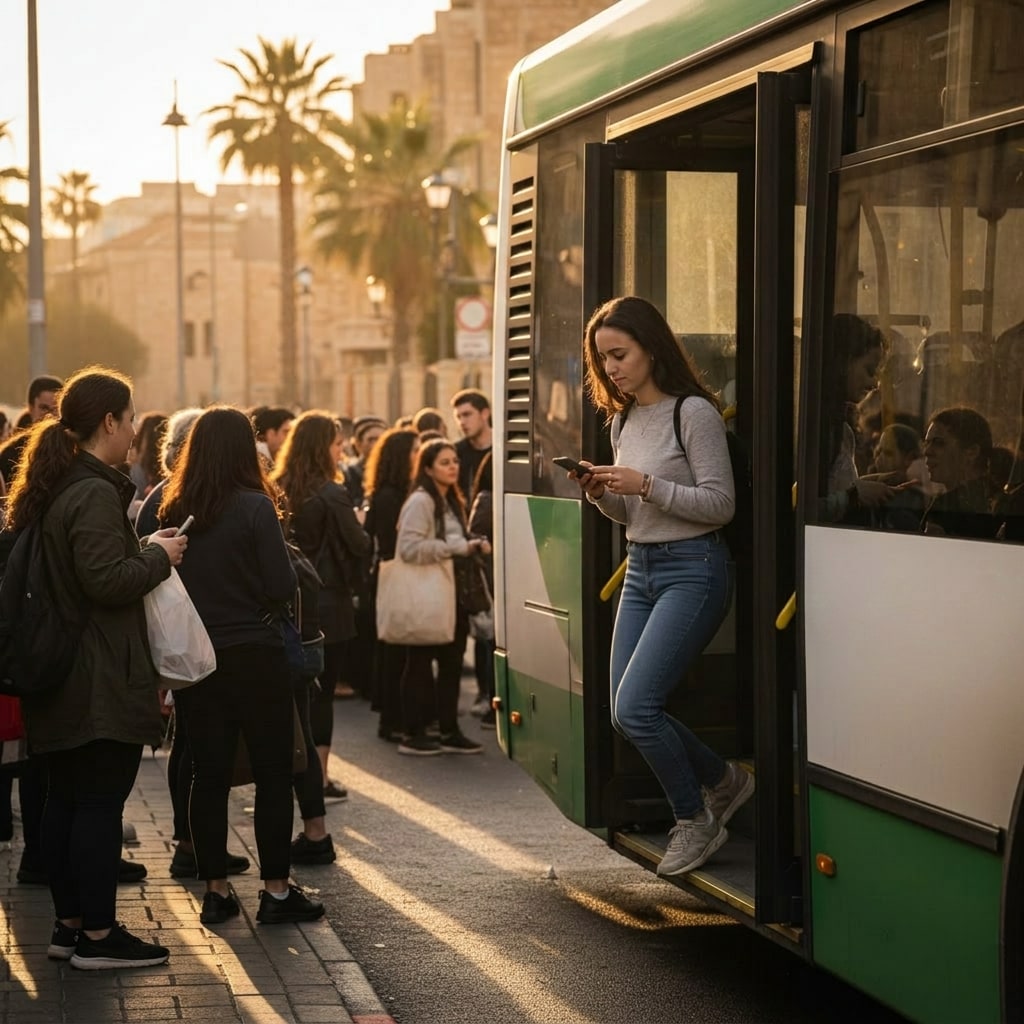
The settlement benefits from a well-established transportation network, facilitating convenient access to nearby urban centers. Public transit options are available, providing residents with efficient commuting solutions. Additionally, the proximity to major highways ensures smooth connectivity for private vehicles, making travel to and from Nes Ziyyona straightforward and accessible.
WHY NEW IMMIGRANTS CHOOSE NES ZIYYONA
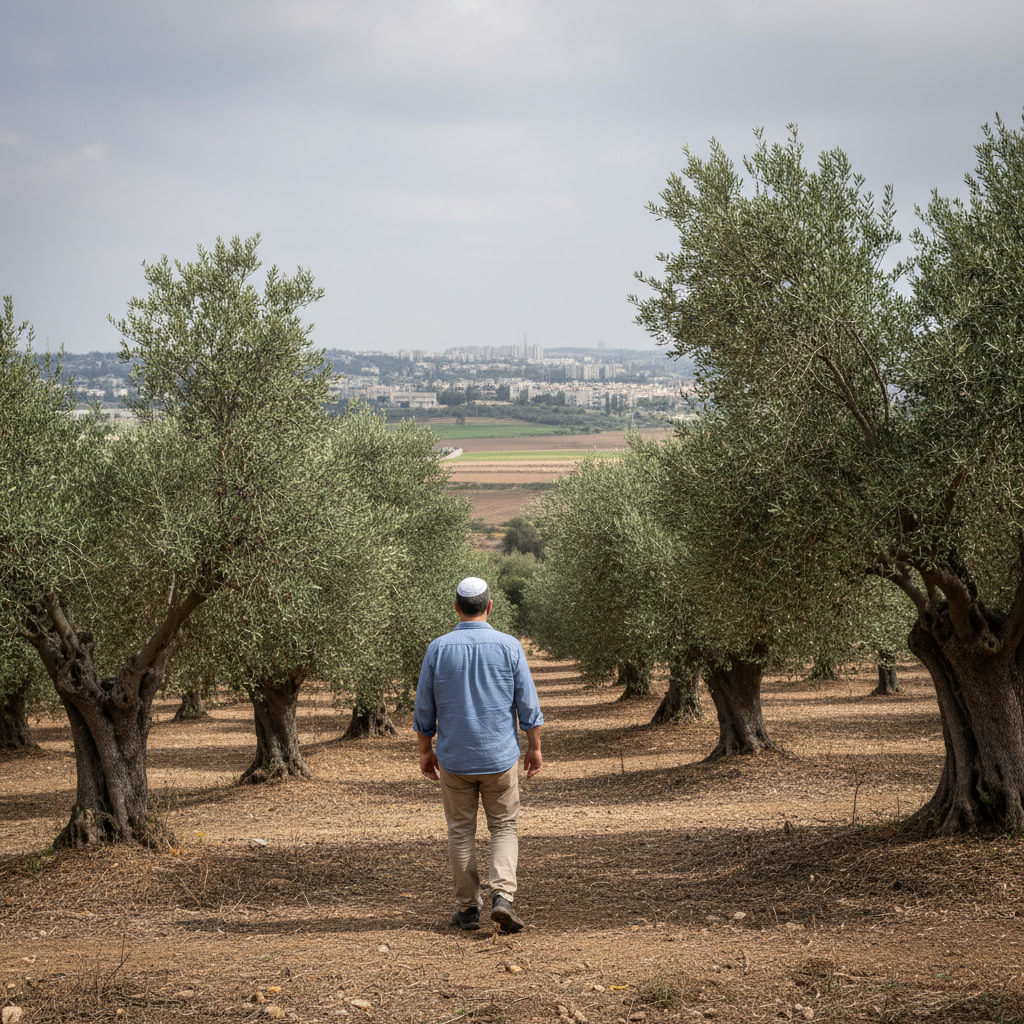
New immigrants, or olim, are drawn to Nes Ziyyona for its strategic location between major cities like Rishon LeZion and Rehovot, providing easy access to employment opportunities and urban amenities. The city's commitment to preserving green spaces and its investment in educational institutions make it appealing for families seeking a balanced lifestyle. Additionally, the presence of scientific research centers, such as the Weizmann Institute of Science nearby, attracts professionals in the field.
- Proximity to major urban centers
- Family-friendly environment with quality education
- Abundance of green spaces and parks
- Access to scientific research facilities
- Developing urban infrastructure