CITY HISTORY & DEVELOPMENT
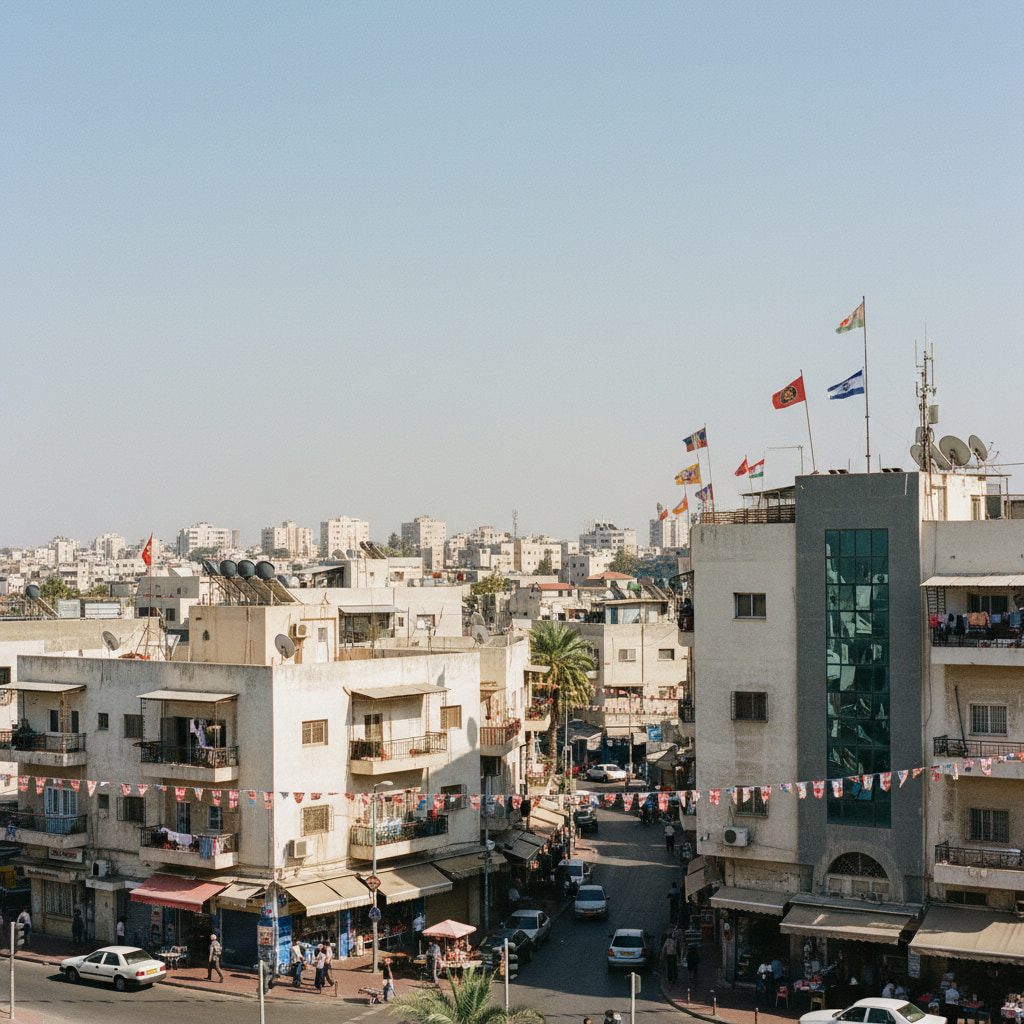
Ramla was founded in 716 CE by the Umayyad caliph Sulaymān ibn ʿAbd al-Malik, who established it as the administrative capital of Palestine, replacing nearby Lod. The city quickly developed into a significant trade and cultural center, featuring notable structures like the White Mosque. Over the centuries, Ramla experienced various periods of conquest and rule, including by the Crusaders and Mamluks. Today, it serves as the capital of Israel's Central District, reflecting a rich tapestry of historical influences.
DEMOGRAPHICS & FAMILY LIFESTYLE
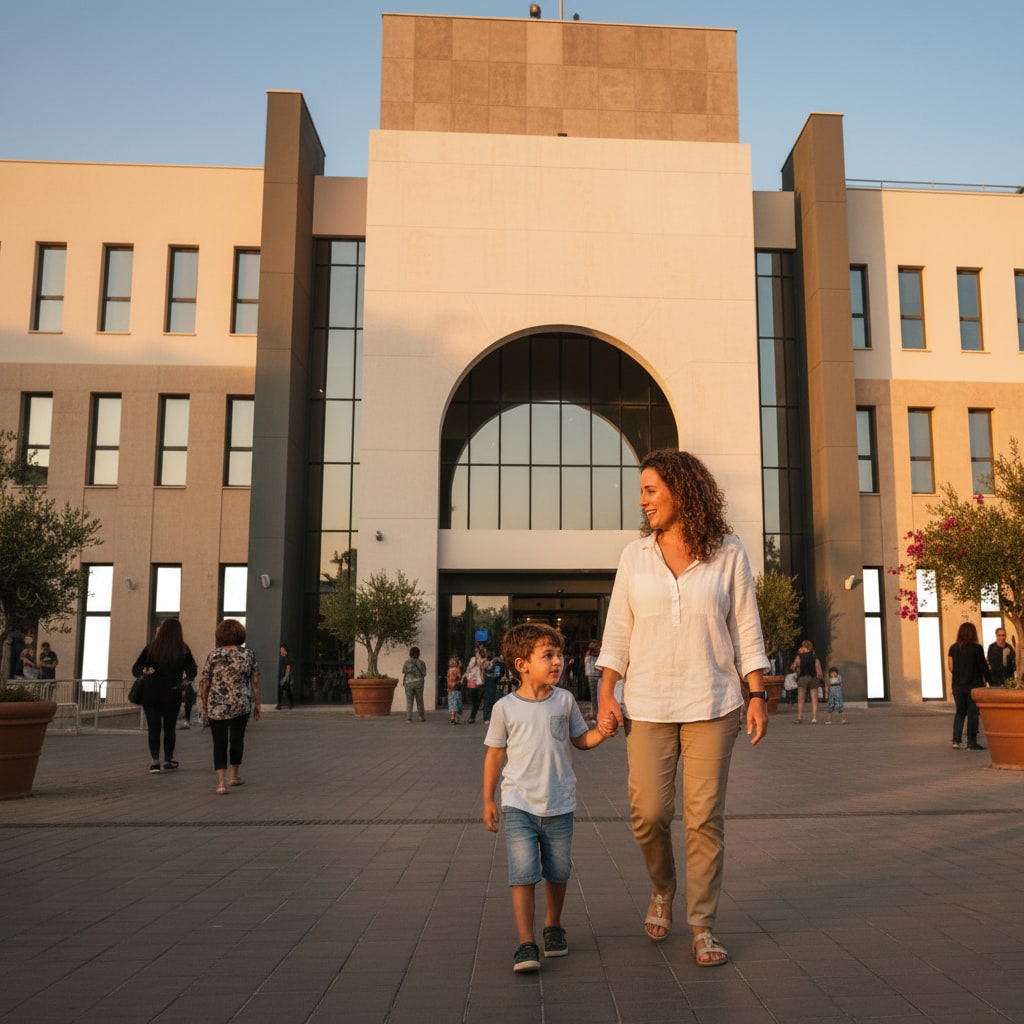
Ramla's population is approximately 77,800 residents, comprising about 54,600 Jews and 19,100 Arabs, with the remainder belonging to other ethnic groups. The community is mixed, encompassing both secular and religious individuals. The age distribution includes around 20,700 individuals aged 0-14, 47,300 between 15-64, and 9,900 aged 65 and above. This demographic composition contributes to a urban environment.
REAL ESTATE MARKET OVERVIEW
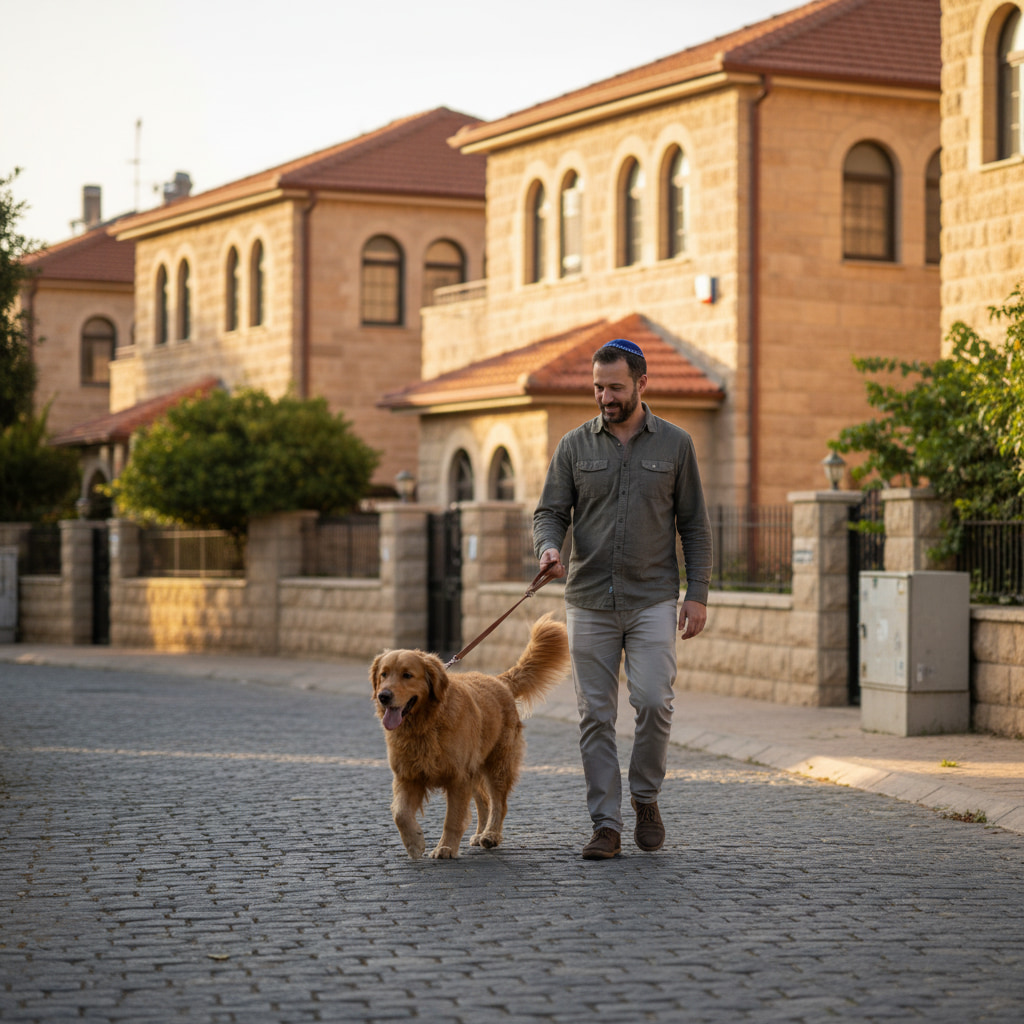
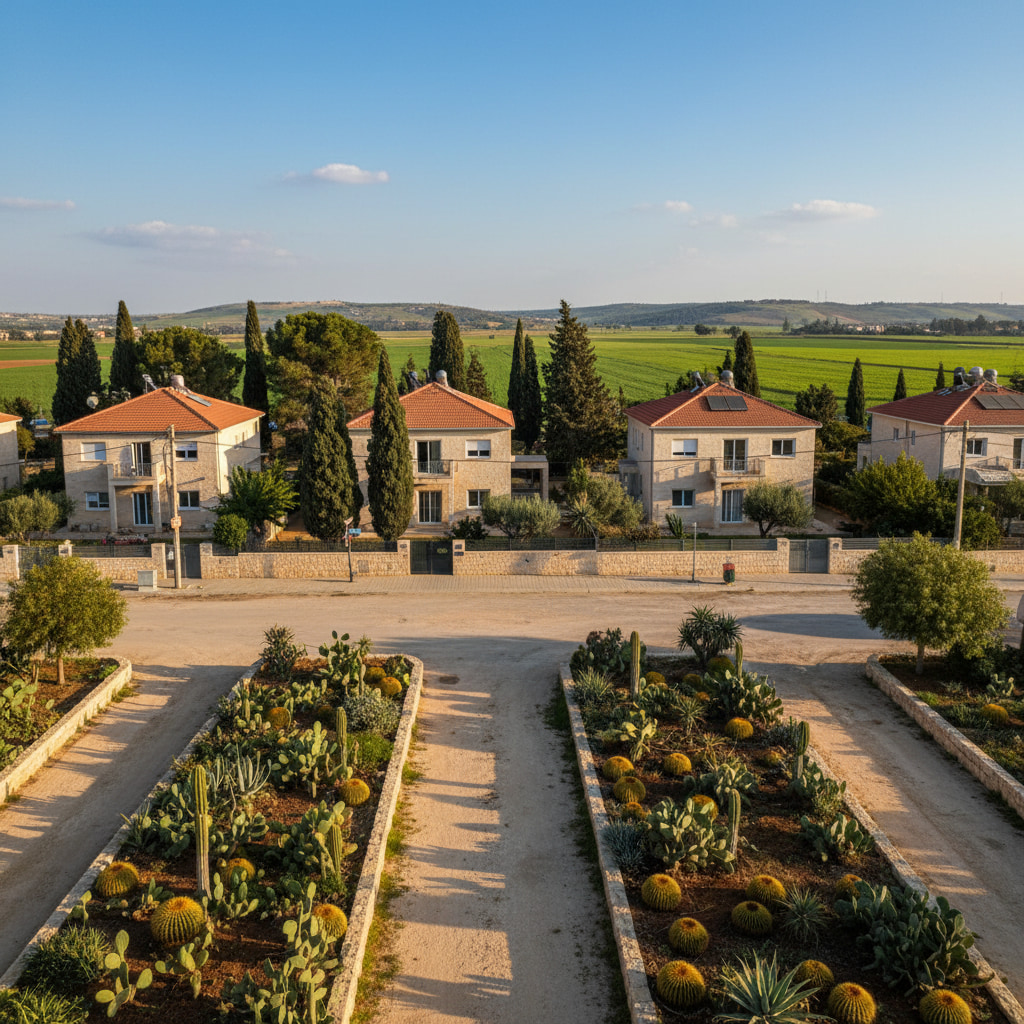
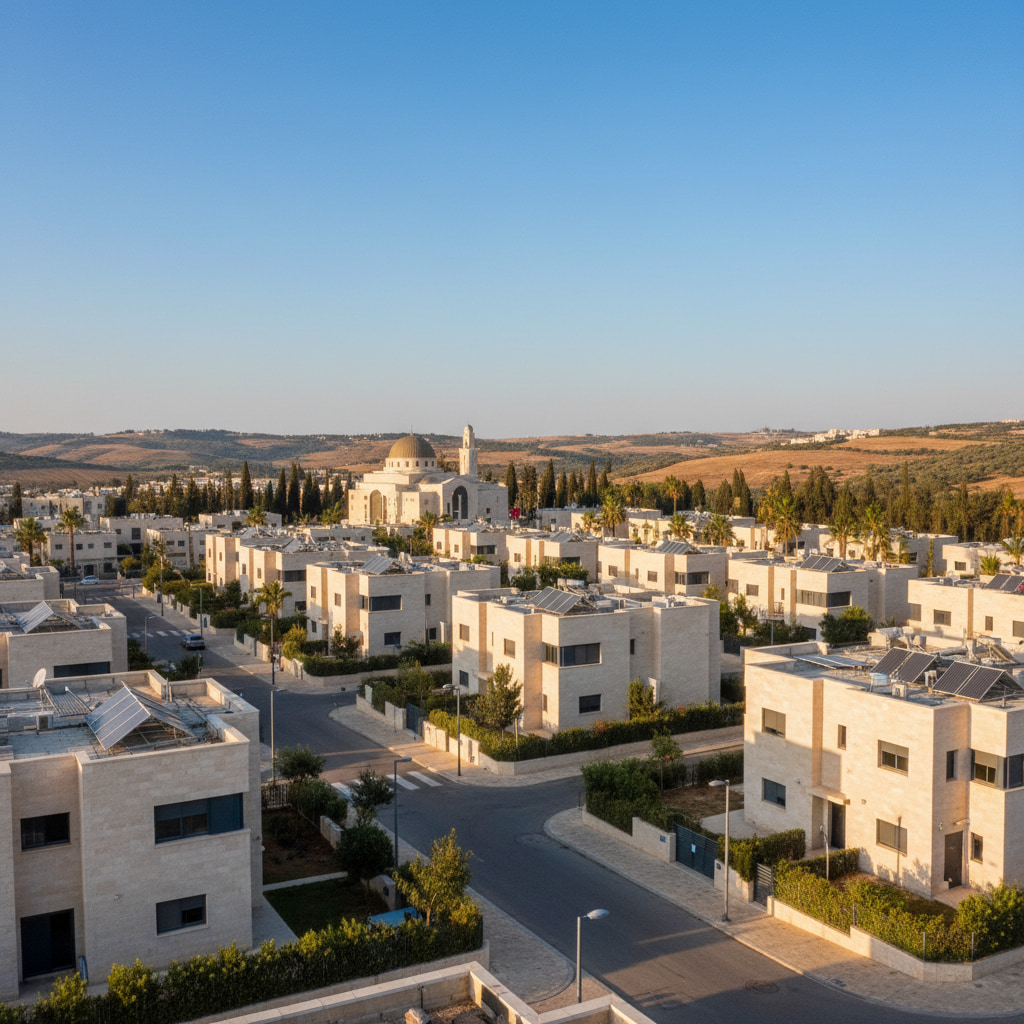
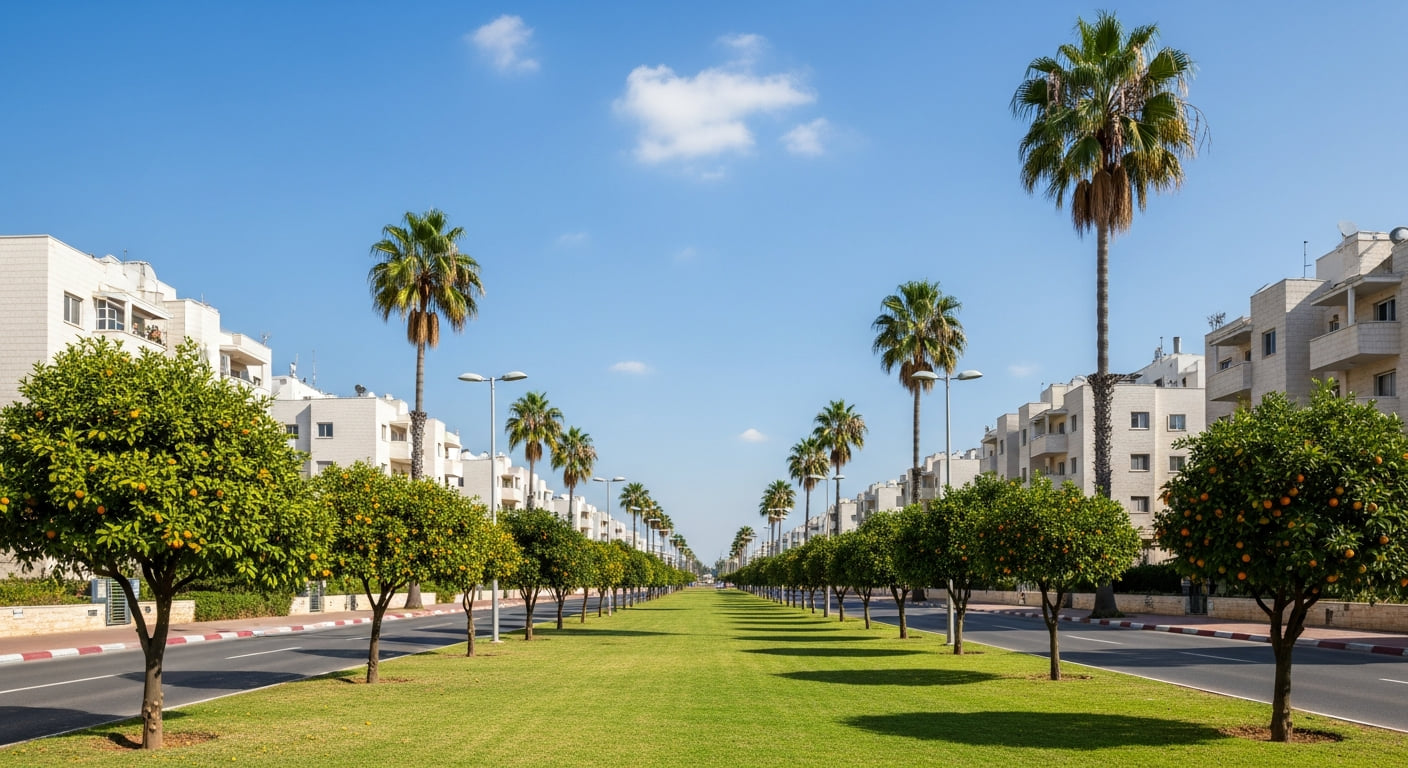
Ramla's housing stock encompasses a variety of residential options, including older apartments from the mid-20th century and newer developments featuring modern amenities. The city has seen significant urban renewal, with projects like the Tiferet residential complex offering contemporary living spaces. These developments often include spacious apartments with features such as balconies and access to communal areas. The mix of housing caters to preferences, from traditional homes to modern apartments. The real estate market in Ramla is characterized by its affordability relative to nearby metropolitan areas, attracting a range of buyers, including young families and new immigrants. The city's central location and improved infrastructure have increased demand, leading to a steady appreciation in property values. Rental prices vary across neighborhoods, with areas like Nayot Shamir commanding higher rents due to newer constructions and amenities. Overall, the market maintains a balance between supply and demand, ensuring reasonable liquidity for both buyers and sellers. Ramla's urban landscape is composed of distinct neighborhoods, each offering unique characteristics and amenities. The city has undergone significant development, with new residential areas complementing the historical core.
NEW CONSTRUCTION PROJECTS
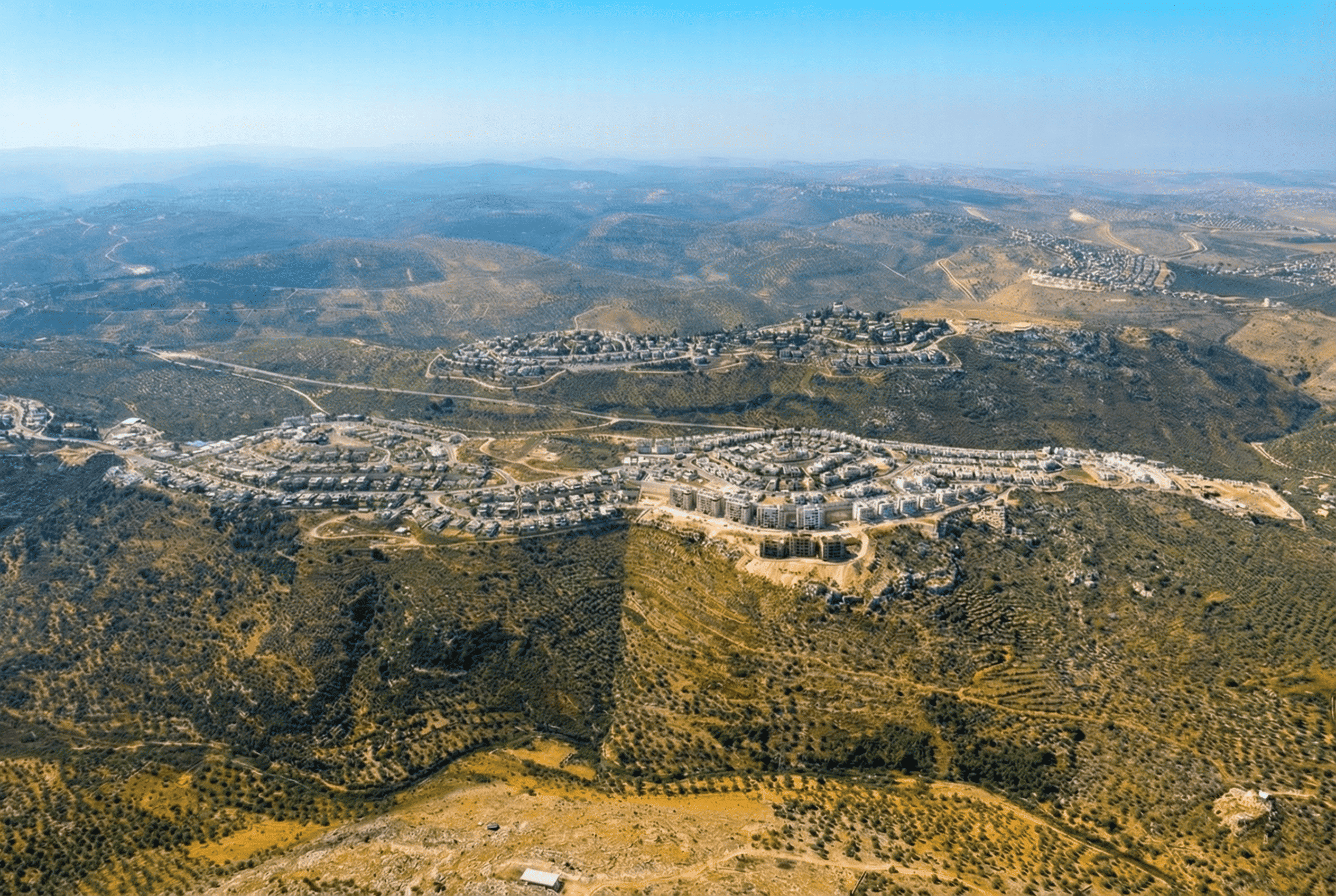
Ramla is experiencing ongoing development to accommodate its growing population and enhance urban infrastructure. The city is focusing on residential and commercial projects that aim to modernize existing neighborhoods and create new housing opportunities. These initiatives are designed to improve the quality of life for residents and attract new inhabitants to the area.
TRANSPORTATION & ACCESSIBILITY
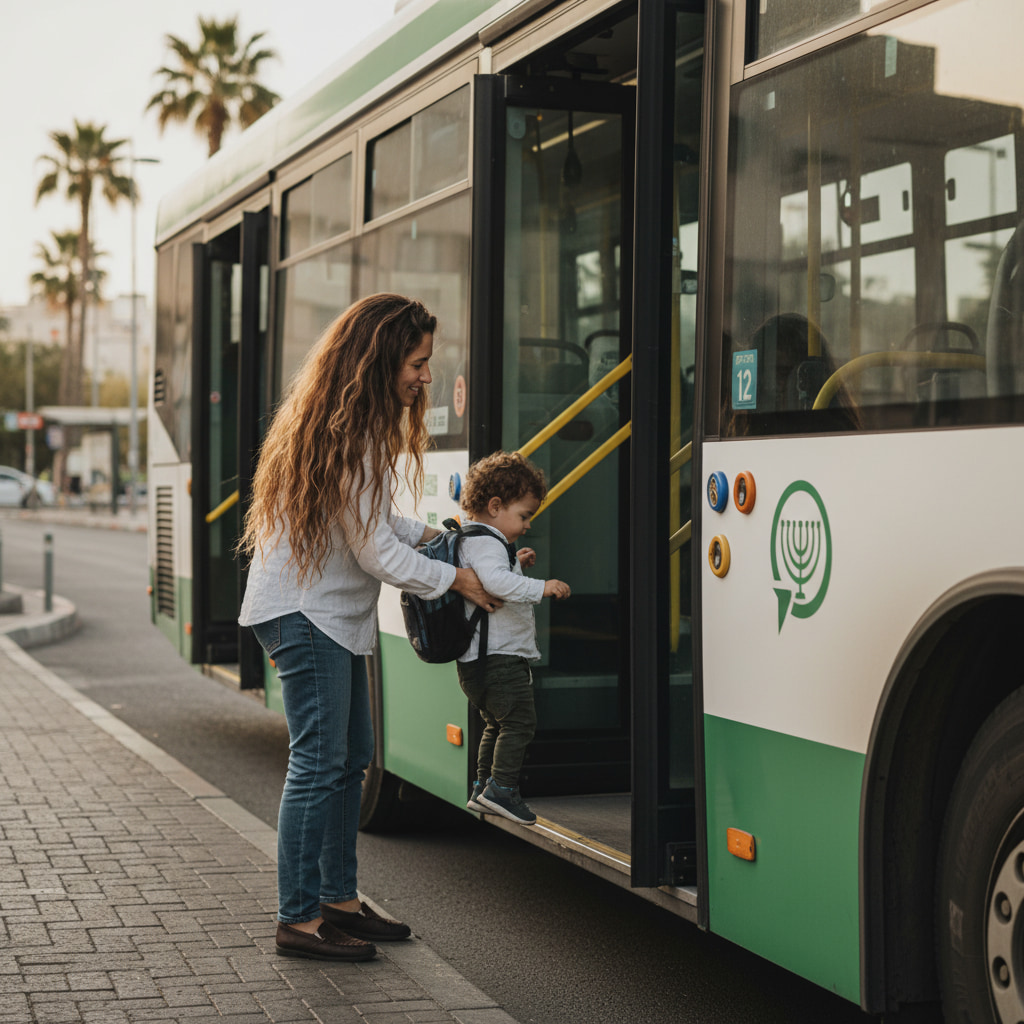
Ramla's transportation network includes a central bus station that serves as a hub for various routes operated by companies such as Kavim. The city's strategic location provides residents with convenient access to major urban centers, facilitating daily commutes and regional travel. Public transportation options are complemented by well-maintained roadways, ensuring efficient connectivity within the city and to neighboring areas.
WHY NEW IMMIGRANTS CHOOSE RAMLA
New immigrants, or olim, are drawn to Ramla for its affordable housing options, central location with easy access to major cities like Tel Aviv, and the presence of established immigrant communities that offer support networks. The city's mixed population fosters a multicultural atmosphere, and its historical significance provides a unique backdrop for residents seeking a connection to Israel's rich past.
- Affordable housing options
- Central location with access to major cities
- Established immigrant support networks
- Multicultural community atmosphere
- Rich historical significance